
Uusimaa
International School of Helsinki
medium confidence· 4/6 cats · 3.2 avg sourcesFounded in 1963 and based in Helsinki, it became Finland's first school fully authorized across all three IB programmes.
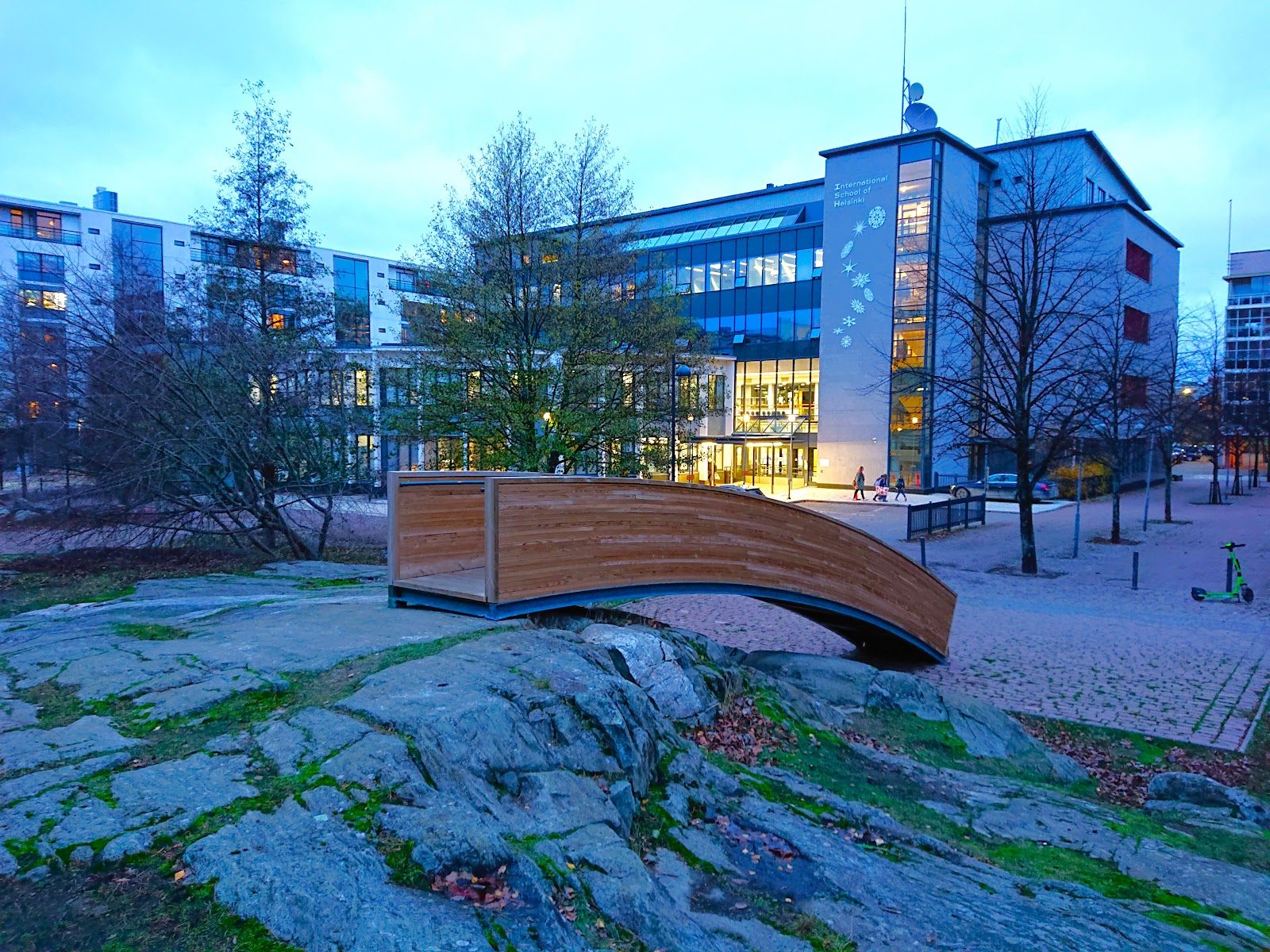
Photo © Jari Kolehmainen via Google Maps
Type
Day
Ages
3–18
Curriculum
IB
Qualifications
IB Diploma
Ratio
—
The Verdict
Editor's commitment
Right for
Families wanting a non-religious, English-medium day school in Helsinki with IB from ages 3–18 and the reassurance of CIS and NEASC.
Wrong for
Parents seeking boarding, a national curriculum, or instruction beyond English will not find it here; ISH is a day school only.
Watch out for
Founded in 1963 as the British Preparatory School, ISH now trades on full-IB status; the school does not publish public exam outcomes here.
Ranking breakdown
International School of Helsinki · #791 of 1591
Composite score 65.3. 8 weighted criteria.
By criterion
Academic Outcomes
Weight 20%
#857
of 1529 scored
University Placement
Weight 16%
#848
of 1529 scored
Prestige & Heritage
Weight 12%
#854
of 1571 scored
Alumni Network
Weight 12%
#544
of 1530 scored
Facilities
Weight 12%
#857
of 1533 scored
Transparency & Communications
Weight 8%
#905
of 1532 scored
Peer & Industry Review
Weight 10%
#793
of 1548 scored
Admissions Selectivity & Demand
Weight 8%
#647
of 1529 scored
Score history
International School of Helsinki · 2026
Movement across 2024–2026. Peer average overlaid.
Overall — 2024–2026
65.3/ 100
▲ +23.9 vs 2025
year on year
Peer & Industry Review
How International School of Helsinki is regarded in the sector
50
Credible · low confidence
International School of Helsinki is listed in IB World School directories and occasionally referenced in expat parent forums (e.g., InterNations, Expat.com Finland threads) as one of the few full IB continuum international schools in Helsinki, but it does not appear in Tatler, Good Schools Guide, or Sunday Times school rankings, which rarely cover Finland. Peer reputation appears local/expat-community based rather than featured in specialist international education press.
Evidence sources
Editors' overview
International School of Helsinki occupies a clear niche: a long-established, English-medium, non-religious day school for internationally mobile families who want a full IB pathway in Finland. Founded in 1963, it has institutional age that many international schools in smaller markets lack, and its claim to note is straightforward: it became Finland’s first school fully authorised across all three IB programmes. That matters. In a market where some schools offer only one or two IB stages, ISH gives families a single academic spine from age 3–18. The proposition is coherent, portable and hard to replicate locally.
The school belongs on a shortlist for parents who value continuity over spectacle. Helsinki does not trade on the mega-campus model common in Dubai or Singapore, and ISH’s appeal sits elsewhere: established presence, full-IB structure, English as the language of instruction, and accreditations that carry weight with relocating families — IB World School, CIS and NEASC. This is a school for parents who want an education that travels cleanly across borders and back into other international systems without unnecessary curriculum friction. It also suits families drawn to Finland but unwilling to move their child into Finnish-language schooling. The advantage is clarity and stability, not flash.
The student who thrives here is academically serious, internationally minded and comfortable in a community shaped by transience as well as commitment. Children who need endless institutional theatre or a highly traditional British independent-school culture will find a mismatch. Students who do best at ISH are those who respond to the IB’s demands for organisation, discussion, writing and independent thought. For that cohort, the school offers a structured, cosmopolitan route with a serious academic centre. In a city with a limited supply of established international schools, that alone gives ISH real market weight.
Academic Performance
Public exam transparency is the weak point. ISH offers the full IB pathway, so the decisive external benchmark is the Diploma Programme, yet the school does not publish aggregate IB Diploma results in the public domain: no average point score, no pass rate, no distribution at the top end, and no multi-year trend line. That is a real gap for a school competing for internationally mobile families who compare destinations across markets. In the absence of published outcome data, parents cannot place ISH cleanly against stronger-reporting IB schools in northern Europe, where annual diploma averages and cohort pass rates are standard disclosure. A school can be academically serious and still be opaque on results; the two are not mutually exclusive.
Where does that leave ISH relative to peers? It sits in the group of established international schools whose value rests more on continuity, portability and institutional steadiness than on public exam bragging rights. That does not make results weak; it makes them hard to verify. For parents who treat IB outcomes as a primary decision tool, that is a material handicap. For families prioritising a stable all-through international education in Finland, it matters less, but it still matters. The school would strengthen its academic case immediately by publishing cohort size, diploma pass rates and average points over at least 3 years. Without that, any claim of standout performance remains unproven.
Facilities
ISH is not a campus-led proposition. Parents choosing it are not buying a vast sports complex, theatre-centred showpiece or the resort-style architecture that some newer international schools use to justify premium fees. In Helsinki, that restraint is not a flaw in itself, but it does set the terms clearly: facilities matter here insofar as they support day-to-day teaching, student welfare and the practical demands of an all-through school. We have not seen a public-facing facilities inventory detailed enough to rank specialist spaces room by room, and that lack of specificity matters. Schools competing for internationally mobile families need to show libraries, laboratories, arts rooms, sports provision and age-segmented learning areas with precision. ISH does not publish that level of detail, which leaves its physical offer harder to judge than that of better-documented peers.
Against the broader peer set, the school reads as functional rather than lavish. That places it closer to established urban international schools in compact European capitals than to the land-rich campuses of Asia or the Gulf. For many families, that is a sensible trade: less spectacle, more accessibility, and a school day built around the city rather than sealed off from it. The risk is that parents who prize elite athletics infrastructure, major performance venues or a statement campus will find the proposition thin. The strength, if the spaces are well run, lies in workmanlike adequacy rather than wow factor. ISH needs to publish more if it wants its facilities case to carry real weight.
Schools with top-tier reputations publish hard numbers and let the results speak
Prestige
Prestige here is real but restrained. ISH has standing in its market because it is established, internationally legible and tied to the full IB route from the early years to graduation. In Finland, that combination carries weight. For expatriate families, diplomats and internationally minded local parents, the school offers a recognised path with fewer transition risks than pieced-together alternatives. Its prestige rests on institutional credibility, not on inherited social cachet, elite alumni mythology or grand physical spectacle. This is not a Swiss finishing-school brand or a London-style status badge. It is a school whose name means something to families who know the international circuit and need a dependable option in a small market.
That distinction matters. ISH sits in the category of schools with quiet authority rather than glamour. The CIS and NEASC accreditations add external validation, and being fully authorised across all 3 IB programmes strengthens the school’s reputation for coherence. But prestige has limits when outcome reporting is thin. Schools with top-tier reputations publish hard numbers and let the results speak. ISH does not do that in public, which keeps it out of the truly elite tier internationally. The verdict, then, is clear: strong local and regional prestige, solid standing with mobile professional families, but not the kind of name that confers instant status across every global market.
Even so, the public-facing picture lacks the crisp transparency that top operators now treat as standard
Communications
ISH communicates in the manner of many established international schools in compact European markets: serviceably, without much flourish, and with uneven public depth. The school gives parents the essentials of school identity and basic orientation, but it does not project the kind of high-clarity, forensically detailed communications operation that reduces every obvious question before it is asked. That matters in a transient community. Families arriving from abroad need plain answers on routines, academic expectations, student support, calendar structure and day-to-day practicalities. We have not seen a richly developed public information architecture that sets ISH apart on that front. The communications style reads as functional rather than exemplary: enough to reassure an already interested parent, less effective at winning over a sceptical one comparing 3 or 4 schools across different countries.
For current parents, effectiveness turns on consistency and responsiveness more than polish. A school serving children across a wide age span needs disciplined messaging, because parent concerns differ sharply between early years, middle school and the diploma stage. That raises the bar. ISH’s long institutional life works in its favour here: schools that have handled internationally mobile families for decades tend to understand the value of routine, direct communication. Even so, the public-facing picture lacks the crisp transparency that top operators now treat as standard. The verdict is mixed: competent, steady, but not a benchmark for parent communications. A stronger website structure and more comprehensive published detail would sharpen trust quickly.
Uniqueness
What marks ISH out is not novelty but fit. In a country where international-school choice is thin, it offers a rare degree of continuity for families who move in and out of postings, research roles or multinational work and do not want to rebuild a child’s education at each stage. The school’s distinctiveness lies in doing the whole job under one roof: early childhood through graduation, one academic logic, one institutional culture, one set of expectations. That gives students a cleaner educational arc than the stop-start routes common in smaller markets, where parents patch together different schools or accept a local system that does not travel easily abroad. For children, the gain is practical as much as philosophical: fewer disruptive transitions, less curricular backtracking, and a stronger chance of building friendships and confidence over the long term.
There is also a Helsinki-specific advantage. ISH gives internationally mobile families a way to live in Finland without handing over their child’s schooling to a system designed for a different linguistic and cultural baseline. That matters for students arriving mid-journey, especially in examination years or after repeated relocations. They get a school built for movement, not one merely tolerating it. The result is a community with a transient edge but also a clear-eyed internationalism: classmates who know what arrival, departure and reinvention feel like. For the right child, that produces resilience, social agility and an outlook that is more global than performative. The school’s uniqueness is portability with substance, not branding.
The school’s uniqueness is portability with substance, not branding
Student Profile
The best fit is the child who handles turnover without drama. ISH serves the international-family pattern: arrivals mid-year, departures at short notice, friendship groups that shift, and classmates whose home life is tied to embassies, research posts, multinational employers or return moves. That creates a student body that is mobile by default and socially adaptive. New pupils who can enter an established class, read the room quickly and build relationships across national lines will do well. So will children who are comfortable in a school where identity is shaped less by inherited local tradition than by shared adjustment. Families wanting a deeply rooted national social scene, old-school house loyalty or a strong local-elite culture will find a mismatch.
Temperament matters as much as background. This suits students who are organised, verbal and able to cope with steady academic expectation across the full age range from 3–18. The strongest fit is the child who likes discussion, can manage deadlines and does not need endless hand-holding to stay on track. There is room here for serious-minded, internationally literate pupils who value continuity and intellectual structure over spectacle. It is a weaker fit for children who need a huge campus to define their school life, or who want a tribal, highly performative school culture with big-match energy every week. ISH works best for pupils who are self-possessed, adaptable and ready to treat school as a place for work as well as belonging.
International School of Helsinki occupies a clear niche: a long-established, English-medium, non-religious day school for internationally mobile families who want a full IB pathway in Finland
Co-curricular strengths
Arts & sport, on a separate axis
Overall 7.4/10
Scored 0-10 from the school's own published evidence. This axis is editorial-only — it does not feed the main WTS ranking.
Sports
8/10
Basketball, Football, Volleyball and Cross Country as extracurriculars, showing a solid multi-sport offering.
Drama
7.5/10
Drama Productions, which indicates more than a bare mention of drama.
Dance
6.5/10
Music
7.5/10
Choir Ensemble, indicating an explicit and structured music activity.
Visual Arts
7.5/10
Visual Arts appears as a named extracurricular.
Editor first-pass · editor-reviewable · 7/27/2026
Strengths
- +Founded in 1963; long-established in Helsinki.
- +IB school from ages 3–18.
- +English-medium teaching suits internationally mobile families.
- +CIS and NEASC accreditation add external scrutiny.
Considerations
- −Day school only; no boarding option.
- −English-only instruction may limit local-language immersion.
- −Non-religious ethos may not suit faith-based preferences.
Availability
Primary entry gate & tests
Academic Record
Gallery
Photo © Vladimir Kourakevitch via Google Maps
Photo © Risto Tuomarla via Google Maps
Photo © Risto Tuomarla via Google Maps
Photo © Patrick Mwangi via Google Maps
Photo © Kuba via Google Maps
Parent reviews
Have you sent your child here?
Voice reviews carry the strongest trust badge — we transcribe them for you to tidy up before they go live. Prefer to type? A written review is fine too.
Add your voice
In 60 seconds, tell other parents: what's the best thing about International School of Helsinki, and what surprised you when your child joined?
We ask for a Google sign-in so every review has a real face behind it — no anonymous drive-by attacks on schools, and no faked positive reviews. Your email is never shown publicly.
Send this profile to a friend
International parents rely on word-of-mouth. Share this review with someone weighing the same decision.
Schools with places
Similar schools to International School of Helsinki with places available now.
Availability first, then country, area, curriculum, price, co-curricular
Consider also
Also worth looking at alongside International School of Helsinki.
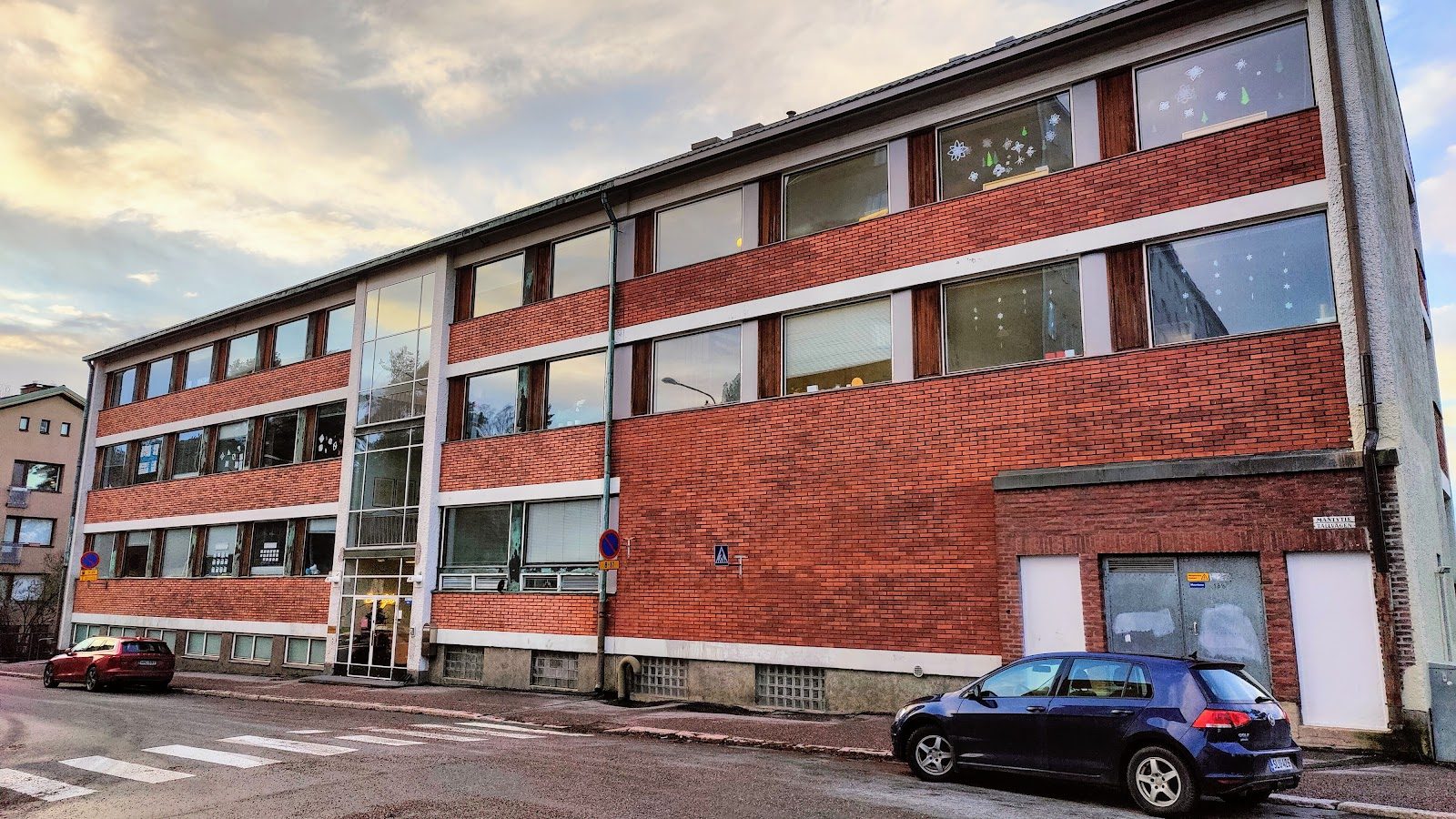
The English School
Helsinki · Finland
Founded in 1945 by American Catholic nuns, it pioneered Finland's bilingual English-Finnish schooling model.
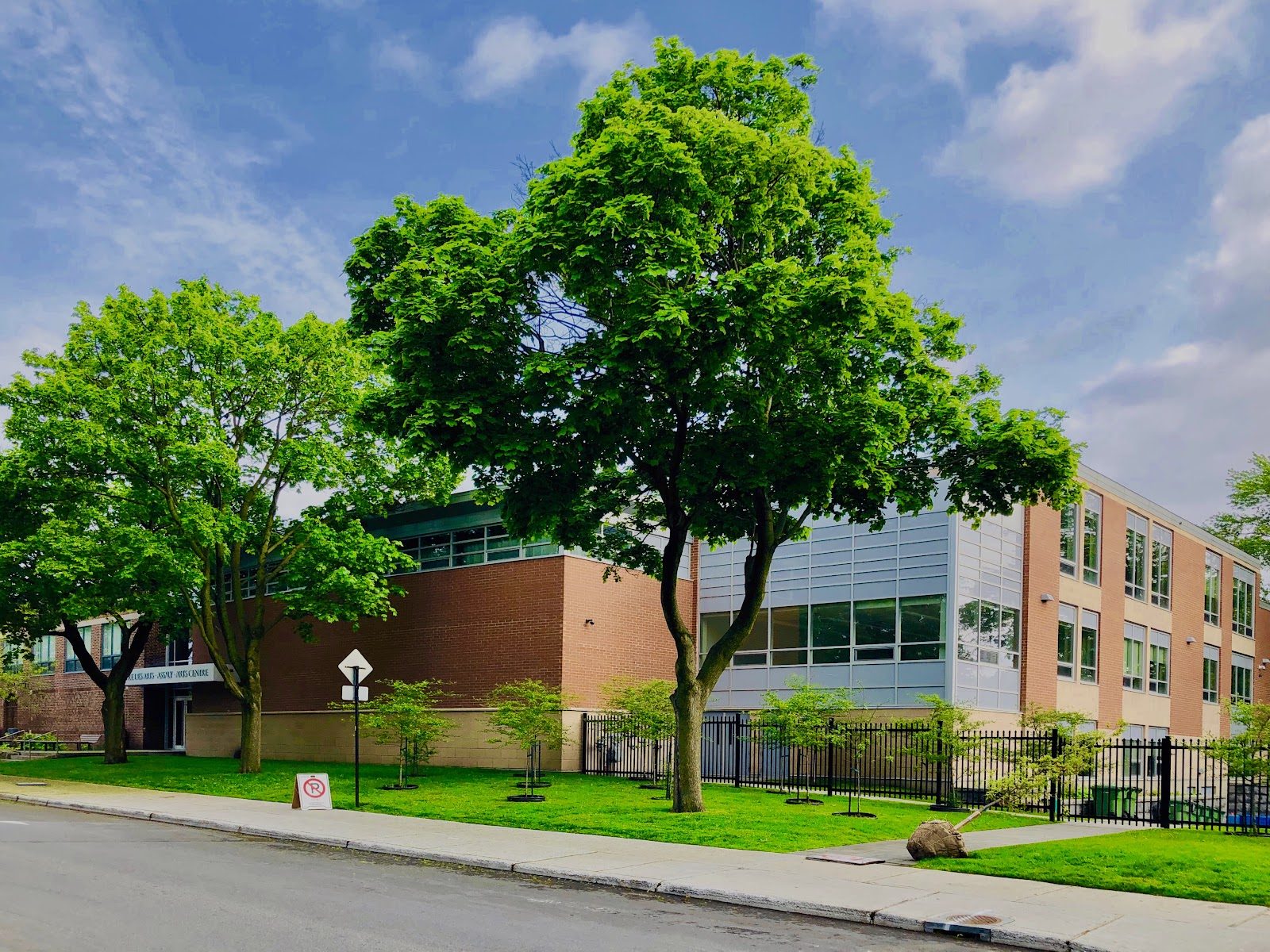
Lower Canada College
Montreal · Canada
Rooted in an 1861 boarding-school lineage, the only English-language Quebec school running both IB Middle Years and Diploma Programmes side by side
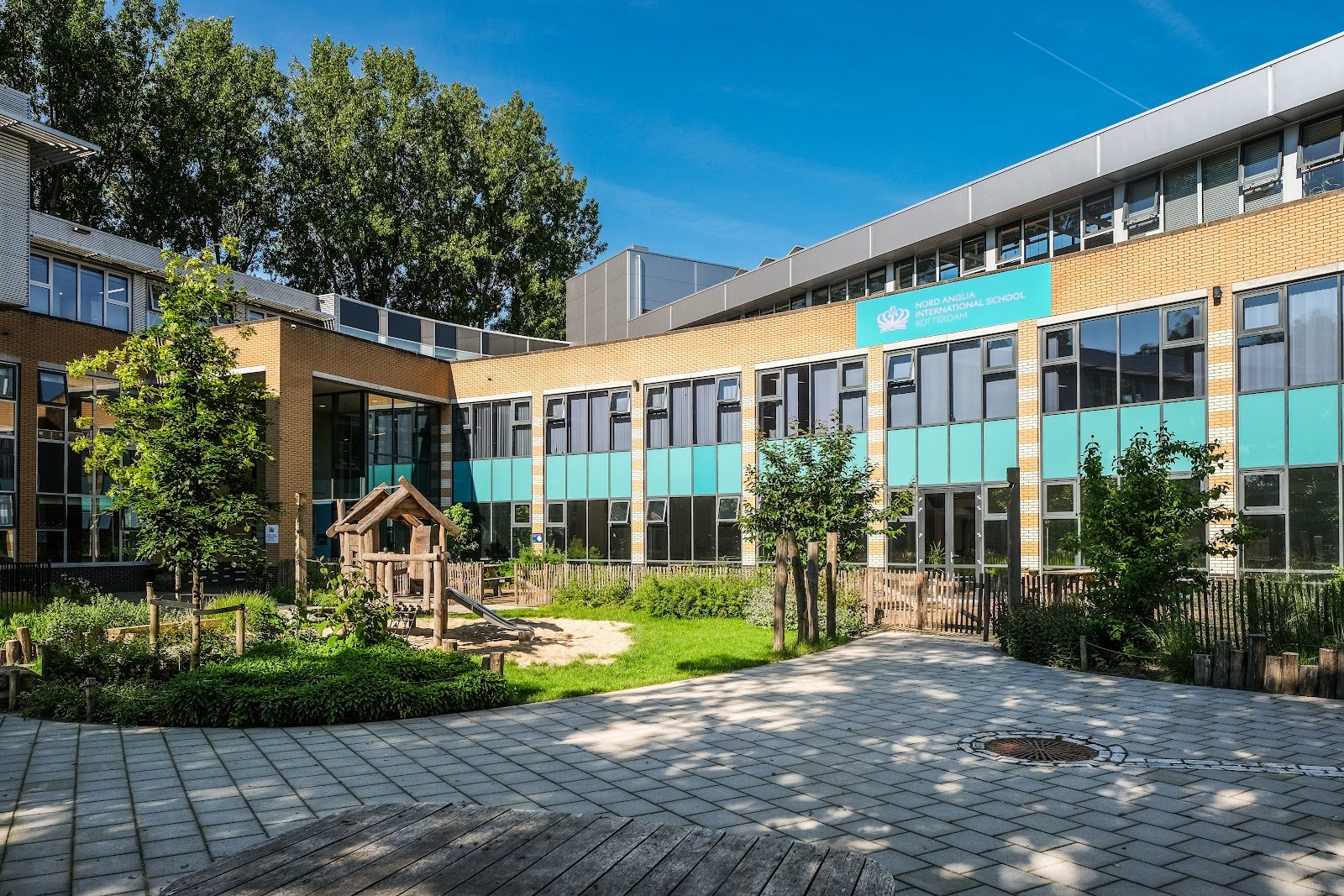
Nord Anglia International School Rotterdam
Rotterdam · Netherlands
Born from a 1959 American community, this Hillegersberg school pairs IB rigor with MIT-designed STEAM and Juilliard arts training.
Aoba-Japan International School
Tokyo · Japan
Home to Asia's first online IB Diploma pilot, this Tokyo IB Continuum school pairs the DP with its own Global Leadership Diploma track.
Same country and curriculum — closest matches within ±10 points either way