
San José
Since 1945, a bicultural Costa Rican campus where graduates can earn American, IB, and national diplomas side by side.
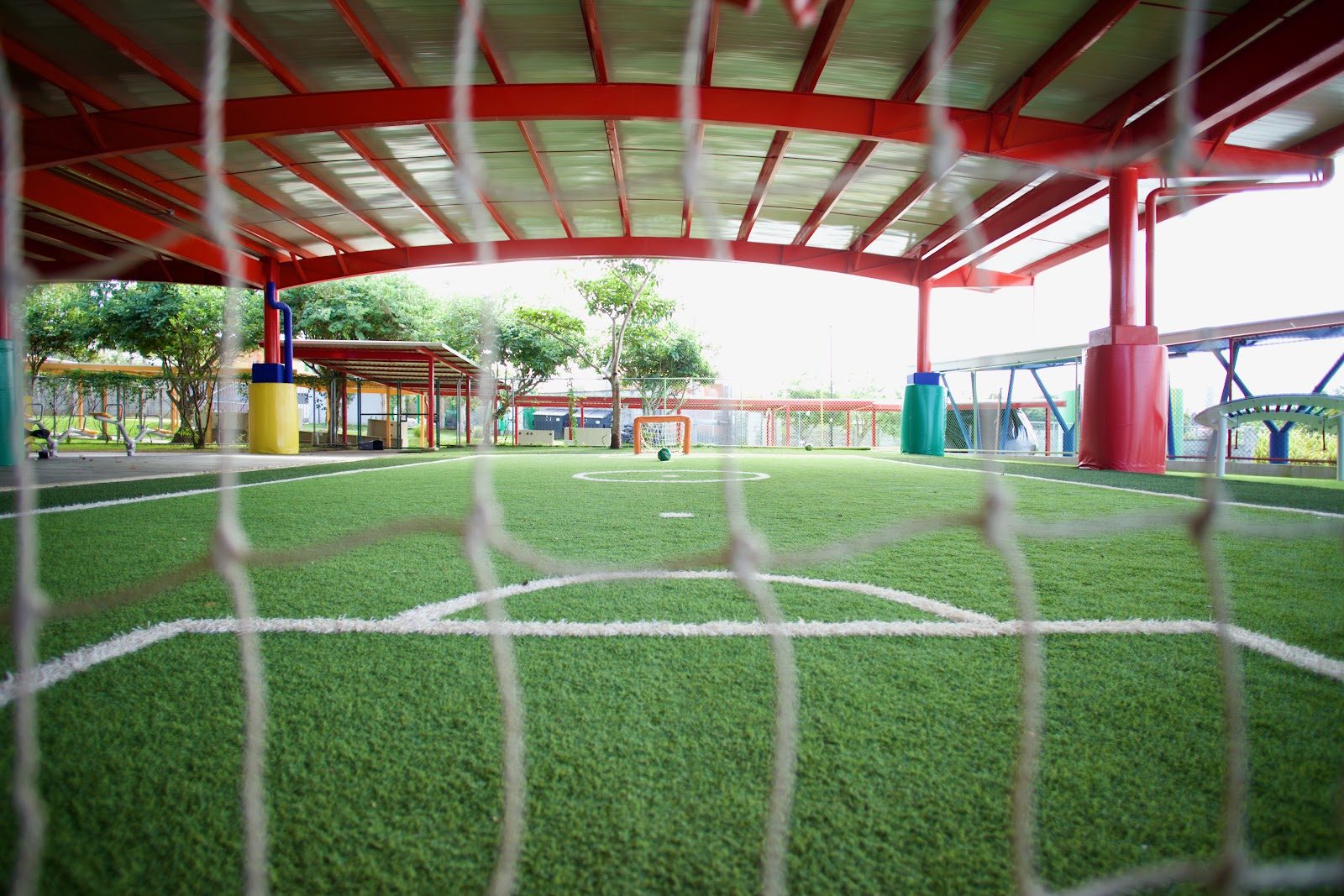
Photo © Lincoln School via Google Maps
Type
Day
Ages
3–18
Curriculum
American
Qualifications
AP · US High School Diploma
Ratio
—
The Verdict
Editor's commitment
Right for
San José families wanting a non-religious day school, founded in 1945, teaching in English and Spanish from ages 3–18.
Wrong for
Families wanting boarding, a faith-based ethos, or anything other than an American curriculum across ages 3–18 in San José.
Watch out for
American curriculum, English-Spanish instruction and day-only provision sound clear enough; what the school does not publish here matters just as much.
Ranking breakdown
Lincoln School · #790 of 1591
Composite score 65.3. 8 weighted criteria.
By criterion
Academic Outcomes
Weight 20%
#857
of 1529 scored
University Placement
Weight 16%
#848
of 1529 scored
Prestige & Heritage
Weight 12%
#854
of 1571 scored
Alumni Network
Weight 12%
#544
of 1530 scored
Facilities
Weight 12%
#857
of 1533 scored
Transparency & Communications
Weight 8%
#905
of 1532 scored
Peer & Industry Review
Weight 10%
#793
of 1548 scored
Admissions Selectivity & Demand
Weight 8%
#647
of 1529 scored
Score history
Lincoln School · 2026
Movement across 2024–2026. Peer average overlaid.
Overall — 2024–2026
65.3/ 100
▲ +20.9 vs 2025
year on year
Peer & Industry Review
How Lincoln School is regarded in the sector
60
Respected · low confidence
Lincoln School is one of the oldest and most established American international schools in Costa Rica, frequently mentioned in expat parent forums (e.g., Costa Rica expat community boards, InterNations discussions) as a top choice alongside Country Day School and CDS for US-curriculum education. It is accredited by AdvancED/Cognia and the Costa Rican Ministry of Education, which lends some third-party credibility, but it lacks coverage in major international school ranking press like Tatler or Good Schools Guide, which focus more on UK/Europe/Asia markets. Its reputation appears solid but regionally confined, without the broader alumni network visibility of globally ranked international schools.
Evidence sources
Editors' overview
Lincoln School is one of the older established international schools in Costa Rica, founded in 1945, and that longevity matters in a market where newer schools often rely on glossy positioning more than institutional substance. It is a non-profit, English-Spanish, American school for ages 3–18, with IB embedded through the Middle Years Programme and Diploma Programme. The core attraction is breadth without obvious gimmickry: a bilingual environment, a full Preschool-to-Grade-12 structure, and a school that presents itself as academically serious while also investing in arts, sport and service. The entrepreneurial partnership with the Lewis Institute at Babson College is the clearest differentiator; unlike the vague “innovation” language many schools use, this is a specific alliance with a recognised external institution. For parents seeking serious academic intent with a more outward-facing, modern skill set, that is noteworthy.
What puts Lincoln on a shortlist is not that it claims to do everything, but that it appears to join a fairly conventional American-school base to a more internationally minded overlay. Its accreditations — CIS and the Middle States Association — give it external scrutiny, and the school’s own emphasis on governance, strategic planning and community initiatives suggests a degree of organisational maturity. The bilingual English-Spanish setting should also appeal to families who want students to move comfortably between local and international contexts rather than live in an expatriate bubble. There is, in short, a well-established institutional backbone here, combined with a distinct entrepreneurial thread and an unshowy sense of purpose.
The likely fit is a student who is able, busy and comfortable in a school that expects engagement across several fronts. Lincoln will suit children who want a genuinely broad education: academics, service learning, arts, sport and, for the right pupil, entrepreneurship. It is especially well suited to families who value bilingual fluency and who want university preparation with a clear international horizon, but not necessarily a school built around elite-brand theatrics. Students looking for a highly sheltered environment or a very narrow exam-factory culture may find it less compelling. Those who tend to thrive here are more likely to be motivated, adaptable and willing to make use of a school that seems designed for confident all-rounders rather than specialists only.
Academic Performance
Lincoln School is unusual in this market in combining a school-declared American programme with the IB in the upper years: the site states that it is endorsed for the International Baccalaureate Middle Years Programme and Diploma Programme. That matters for external examination performance, because the IB Diploma gives families a globally legible benchmark in a region where outcomes can otherwise be hard to compare. The school also presents a structured university admissions apparatus, including dedicated college counselling and an alliance with Babson’s Lewis Institute for entrepreneurship. On the evidence provided, this suggests a serious academic infrastructure and a comparatively outward-facing sixth form, rather than a school relying solely on local recognition. Founded in 1945, it is also one of the longer-established English-Spanish schools in Costa Rica.
What is missing, however, is the crucial data: no recent IB average, pass rate, bilingual diploma rate, SAT/ACT profile, or AP results are supplied in the material here. That makes it impossible to place Lincoln precisely against direct peers on raw examination outcomes. The verified destinations list — American University, Amherst College and Babson College, each with 1 recent entrant — indicates that students do reach selective US universities, but in very small reported numbers and not at a scale that proves broad-based elite placement. So the fairest judgement is *credible rather than demonstrably exceptional: a well-established college-preparatory school* with recognised external programmes, but without the published results needed to call it a clear academic leader in the region.
Facilities
Lincoln School’s campus is in Barrio Socorro, San Miguel, Santo Domingo de Heredia rather than central San José, which matters: families should read “San José” as metropolitan access, not an urban high-rise setting. The school presents itself as a full 3–18 day campus with the expected practical infrastructure for that age range: library, infirmary, cafeteria, transportation and technology services, plus dedicated arts and sports provision and an “After Lincoln” offer. There is also a distinct entrepreneurship strand, delivered through an alliance with Babson’s Lewis Institute, which is more unusual than the standard innovation-lab rhetoric seen elsewhere. For a school founded in 1945, the facilities mix reads as broad rather than flashy, with clear all-through functionality and a notably purposeful co-curricular layer.
Against peer international schools in Costa Rica, the strongest point is not evidence of extravagant capital spending but the way facilities appear tied to programme: arts and sports are named as integral, and the school supports both the IB Middle Years and Diploma Programmes alongside its American curriculum. That gives the campus a more academically integrated feel than schools where facilities are listed as amenities first and learning spaces second. What is missing from the public material is detail: no published counts for labs, theatres, pools, pitches or specialist centres, so one cannot credibly rank Lincoln among the country’s most extensively equipped campuses. On available evidence, this is *well-rounded rather than showpiece provision and likely competitive with solid regional peers*, but not a campus that advertises architectural spectacle.
Lincoln School occupies the upper tier of Costa Rica’s international market, though not on reputation alone
Prestige
Lincoln School occupies the upper tier of Costa Rica’s international market, though not on reputation alone. Its claim to stature rests on longevity — founded in 1945 — and on the fact that it is a non-profit, bilingual English-Spanish school serving ages 3–18. That gives it the profile of an established national reference point rather than a transient expatriate operation. The accreditations matter too: CIS and Middle States Association are meaningful external checks, and the school’s site also points to IB authorisation for the MYP and Diploma Programme. In prestige terms, that combination reads as well-established rather than fashionable, institutionally credible, and serious about academic architecture.
What lifts Lincoln beyond simple name recognition is the breadth of what it has built around its American base curriculum. The school presents itself as offering arts, sport, service learning, college counselling and a Babson-linked entrepreneurship programme — an unusually specific partnership, and the sort of detail that suggests genuine investment rather than brochure padding. Recent destinations listed by the school are selective but very small in number, so they do not by themselves prove broad university placement strength. Even so, the overall picture is of a high-status local choice with substantial substance behind the brand: not a globally famous school, but one with real standing in Costa Rica and enough structure to command respect from internationally minded families.
Lincoln School presents itself to parents with a fairly well-structured communications architecture
Communications
Lincoln School presents itself to parents with a fairly well-structured communications architecture. The website is extensive and, at least at navigation level, sensibly organised: admissions, academics, student life, entrepreneurship, services and governance are all clearly separated, with practical contact points visible, including a general email address and main telephone line. There is also a Parent’s Portal, which suggests routine operational communication is handled through a dedicated channel rather than improvised email chains. For a day school founded in 1945 and serving ages 3–18, that matters: parents need different kinds of information at different stages, and the school appears to recognise that. The bilingual identity also helps; with English and Spanish as languages of instruction, one would expect parent communication to reflect a similarly dual-track approach.
That said, the evidence here points more to institutional completeness than to demonstrably high-transparency communication. The site shows breadth — history, governance structure, strategic plan, tuition and costs, energy policy, university admissions and community initiatives are all signposted — which is usually a good sign. But from the material provided, it is harder to judge how candid, timely or detailed the school is in practice when dealing with ordinary parental concerns. There is a difference between having many pages and communicating consistently well. Still, the presence of a parent portal, visible leadership sections, and multiple direct contact routes suggests communication is at least serious and intentionally organised, rather than an afterthought.
Uniqueness
What distinguishes Lincoln School is not novelty for its own sake, but the way it combines an American school structure with sustained bilingualism in English and Spanish in a Costa Rican setting. Founded in 1945, it is one of the older established international schools in the country, and that longevity tends to show in institutional confidence rather than brand theatre. The school also presents itself as a non-profit, which matters if one is looking for a school shaped more by educational priorities than by expansion targets. For students, this can translate into a more rooted school culture, clearer sense of continuity and a community that is less transient than at some newer international schools.
A second point of difference is the school’s explicit interest in entrepreneurship alongside arts, sports and service learning. Its alliance with the Lewis Institute at Babson College gives that entrepreneurial strand more credibility than the usual school-level rhetoric around “innovation”; it suggests structured exposure rather than token workshops. Added to this is the presence of the IB Middle Years and Diploma Programmes within a school-declared American curriculum, which creates a distinctively hybrid academic model for ages 3–18. For students, the likely benefit is breadth without obvious fragmentation: an education that can support university ambitions while also developing practical initiative, public-mindedness and confidence beyond the classroom. The accreditations from CIS and the Middle States Association add a useful layer of external scrutiny.
Lincoln will suit children who want a genuinely broad education: academics, service learning, arts, sport and, for the right pupil, entrepreneurship
Student Profile
Lincoln suits families who want a bilingual, academically serious day school with a broadly American base and a clear international overlay. Teaching is in English and Spanish, and the school runs from ages 3 to 18, so it will appeal to parents looking for continuity rather than a series of educational handovers. The best fit is likely a student who can handle a fairly full programme: academics, arts, sport, service learning and a notable entrepreneurship strand all appear to be built into school life rather than treated as optional decoration. The presence of the IB Middle Years and Diploma Programmes alongside the school’s declared American curriculum suggests a cohort comfortable with switching between systems and expectations. Ambitious but not narrowly conventional is probably the right profile.
This is not the obvious choice for families seeking a small, informal or purely local school experience. Founded in 1945, Lincoln presents itself as an established, non-profit institution with a strong sense of structure and outward purpose. Students who thrive here are likely to be organised, resilient and outward-looking, with enough confidence to work in *a bilingual, high-expectation environment. Those drawn to applied learning with a practical edge* may find the Babson-linked entrepreneurship programme a genuine differentiator rather than a brochure flourish. As a day school in the San José area, it will particularly suit families who want international-style education without boarding, and who value a school with recognised external oversight, including CIS and Middle States Association accreditation.
It is a non-profit, English-Spanish, American school for ages 3–18, with IB embedded through the Middle Years Programme and Diploma Programme
Co-curricular strengths
Arts & sport, on a separate axis
Overall 3.7/10
Scored 0-10 from the school's own published evidence. This axis is editorial-only — it does not feed the main WTS ranking.
Sports
3/10
The extracurriculars explicitly list Basketball, Soccer, and Volleyball, which is clear evidence of sports provision.
Drama
4/10
Drama productions, which goes beyond a bare listing of drama by indicating active staged performance, but provides no named theatre, department, or recurring awards.
Dance
—
Music
4/10
Concert band and Choir, showing more than a bare mention through named ensembles, but there is no evidence of dedicated facilities, specialist staff, or notable distinctions.
Visual Arts
—
Editor first-pass · editor-reviewable · 7/27/2026
Outcomes & destinations
Where students go next
Class of 2024
Top destinations
126 placements
- American University· 1
- Amherst College· 1
- Babson College· 1
- Bard College· 1
- Barry University· 1
- Bates College· 1
- Bentley University· 1
- Boston University· 1
- Bowdoin College· 1
- Brandeis University· 1
- Bridgewater State University· 1
- Brown University· 1
- Bryant University· 1
- Bryn Mawr College· 1
- University of California, Davis· 1
- University of California, Irvine· 1
- Chapman University· 1
- College of Charleston· 1
- Claremont McKenna College· 1
- Clark University· 1
- Clark Atlanta University· 1
- Colby College· 1
- University of Colorado Boulder· 1
- Colorado School of Mines· 1
- Colorado State University Fort Collins· 1
- Community College of Rhode Island· 1
- Connecticut College· 1
- University of Connecticut· 1
- Dean College· 1
- University of Delaware· 1
- Denison University· 1
- University of Denver· 1
- Drew University· 1
- Drexel University· 1
- Eckerd College· 1
- Elmira College· 1
- Elon University· 1
- Embry-Riddle Aeronautical University· 1
- Emerson College· 1
- Emmanuel College· 1
- Fairfield University· 1
- Flagler College· 1
- Florida Institute of Technology· 1
- Fordham University· 1
- Furman University· 1
- George Washington University· 1
- Gettysburg College· 1
- Goucher College· 1
- Hampton University· 1
- Haverford College· 1
- Hawaii Pacific University· 1
- Hobart & William Smith Colleges· 1
- Hofstra University· 1
- College of the Holy Cross· 1
- Howard University· 1
- Husson University· 1
- University of Illinois at Urbana-Champaign· 1
- James Madison University· 1
- John Carroll University· 1
- Kenyon College· 1
- La Salle University· 1
- Lake Forest College· 1
- Lewis & Clark College· 1
- Louisiana State University· 1
- Loyola University Chicago· 1
- Loyola University Maryland· 1
- Lynn University· 1
- Macalester College· 1
- University of Maine· 1
- Marquette University· 1
- University of Maryland, College Park· 1
- Marymount Manhattan College· 1
- Massachusetts College of Art & Design· 1
- University of Massachusetts Amherst· 1
- University of Massachusetts Boston· 1
- University of Massachusetts Dartmouth· 1
- Middlebury College· 1
- Montserrat College of Art· 1
- Mount Holyoke College· 1
- University of Nevada, Las Vegas· 1
- University of New Hampshire· 1
- University of New Haven· 1
- New York University· 1
- North Carolina A&T State University· 1
- Northeastern University· 1
- Oberlin College· 1
- Occidental College· 1
- University of Oregon· 1
- Pennsylvania State University· 1
- University of Pittsburgh· 1
- Pratt Institute· 1
- Providence College· 1
- Purdue University· 1
- Quinnipiac University· 1
- Reed College· 1
- Regis College· 1
- Rensselaer Polytechnic Institute· 1
- Rhode Island College· 1
- University of Rhode Island· 1
- Roger Williams University· 1
- Rutgers University-New Brunswick· 1
- Sacred Heart University· 1
- University of San Francisco· 1
- Sarah Lawrence College· 1
- Savannah College of Art & Design· 1
- School of Visual Arts· 1
- Skidmore College· 1
- St. Lawrence University· 1
- Stonehill College· 1
- Stony Brook University· 1
- Suffolk University· 1
- Syracuse University· 1
- Temple University· 1
- The New School· 1
- Trinity College· 1
- Union College· 1
- University of Vermont· 1
- Virginia Tech· 1
- University of Virginia· 1
- University of Washington· 1
- Wellesley College· 1
- Wesleyan University· 1
- Wheaton College· 1
- William & Mary· 1
- University of Wisconsin–Madison· 1
- Worcester Polytechnic Institute· 1
Reported by the school. Confirm with admissions.
Strengths
- +Founded in 1945, with long local roots.
- +American curriculum offers familiar pathway for US families.
- +English and Spanish instruction supports bilingual development.
- +Day school suits families not needing boarding.
Considerations
- −Day-only model excludes boarding-dependent international families.
- −American curriculum may not suit British or IB seekers.
- −Non-religious ethos may not suit faith-based preferences.
Availability
Primary entry gate & tests
Academic Record
Gallery
Photo © Lincoln School via Google Maps
Photo © Lincoln School via Google Maps
Photo © Lincoln School via Google Maps
Photo © B-boy Michael via Google Maps
Photo © Fabian Morales via Google Maps
Parent reviews
Have you sent your child here?
Voice reviews carry the strongest trust badge — we transcribe them for you to tidy up before they go live. Prefer to type? A written review is fine too.
Add your voice
In 60 seconds, tell other parents: what's the best thing about Lincoln School, and what surprised you when your child joined?
We ask for a Google sign-in so every review has a real face behind it — no anonymous drive-by attacks on schools, and no faked positive reviews. Your email is never shown publicly.
Send this profile to a friend
International parents rely on word-of-mouth. Share this review with someone weighing the same decision.
Schools with places
Similar schools to Lincoln School with places available now.
Morrison Academy
Taichung · Taiwan
- 2026-27
- WAITPOOLSpace-dependent
- 2027-28
- PLACES OPENRolling
American School of Warsaw
Konstancin-Jeziorna · Poland
- 2026-27
- WAITPOOLSpace-dependent
- 2027-28
- PLACES OPENRolling
Christian Academy in Japan
Tokyo · Japan
- 2026-27
- WAITPOOLSpace-dependent
- 2027-28
- PLACES OPENRolling
Lower Canada College
Montreal · Canada
- 2026-27
- CLOSEDRegular cycle closed
- 2027-28
- PLACES OPENActive now — opened 6 July '26
Availability first, then country, area, curriculum, price, co-curricular
Consider also
Also worth looking at alongside Lincoln School.
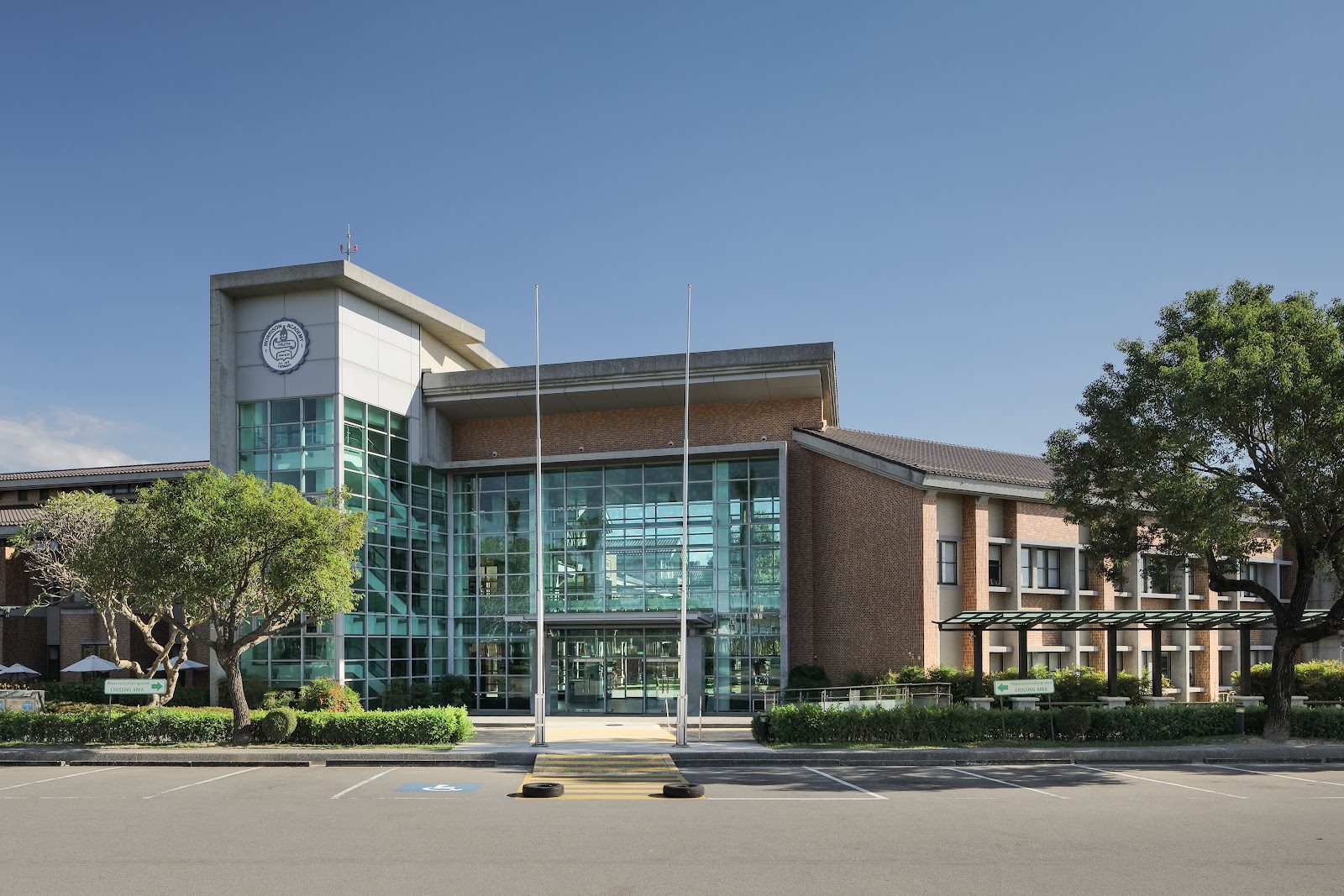
Morrison Academy
Taichung · Taiwan
Born in a 1952 bamboo hut for missionary kids, this Taichung campus now pairs AP rigor with home-style boarding halls.
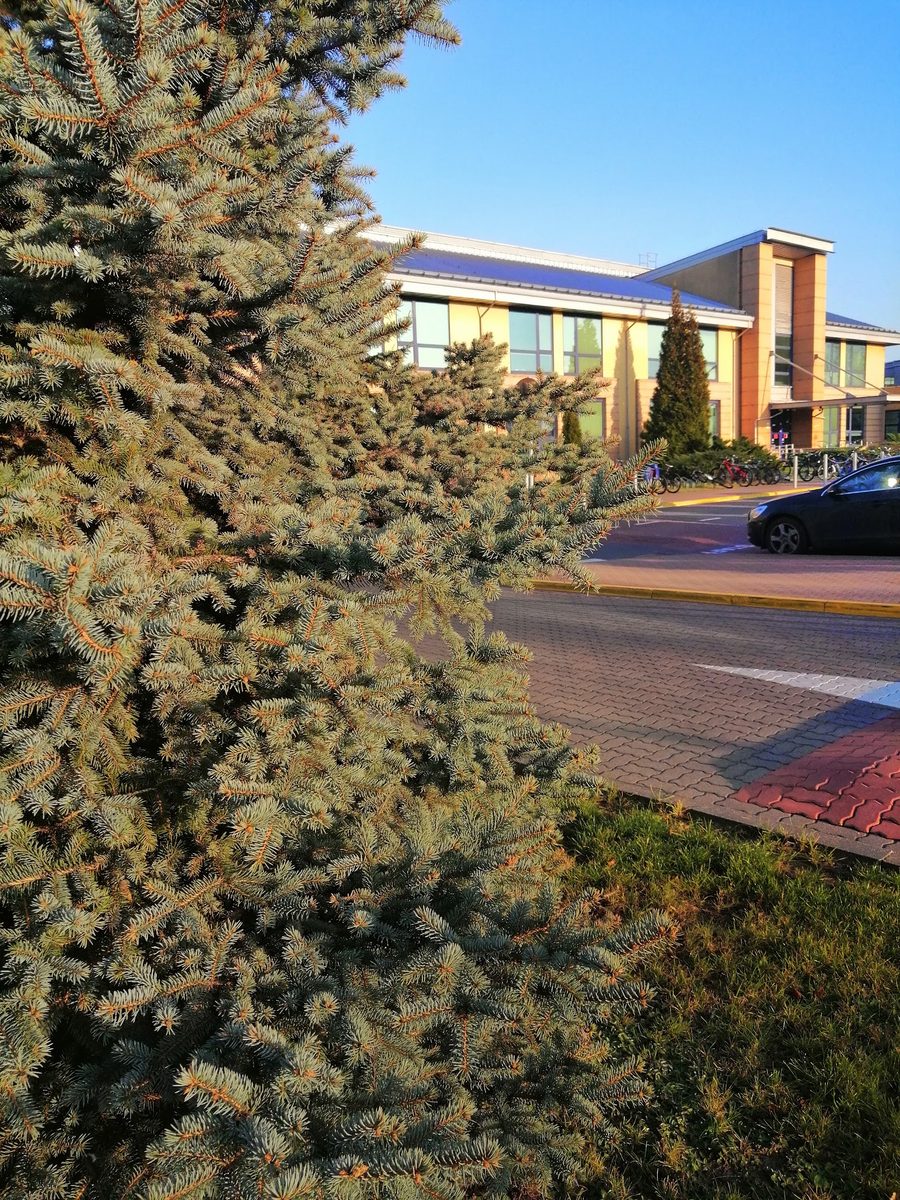
American School of Warsaw
Konstancin-Jeziorna · Poland
Poland's oldest international school, born at the U.S. Embassy in 1953, runs the full IB continuum on a ten-hectare campus near Warsaw.
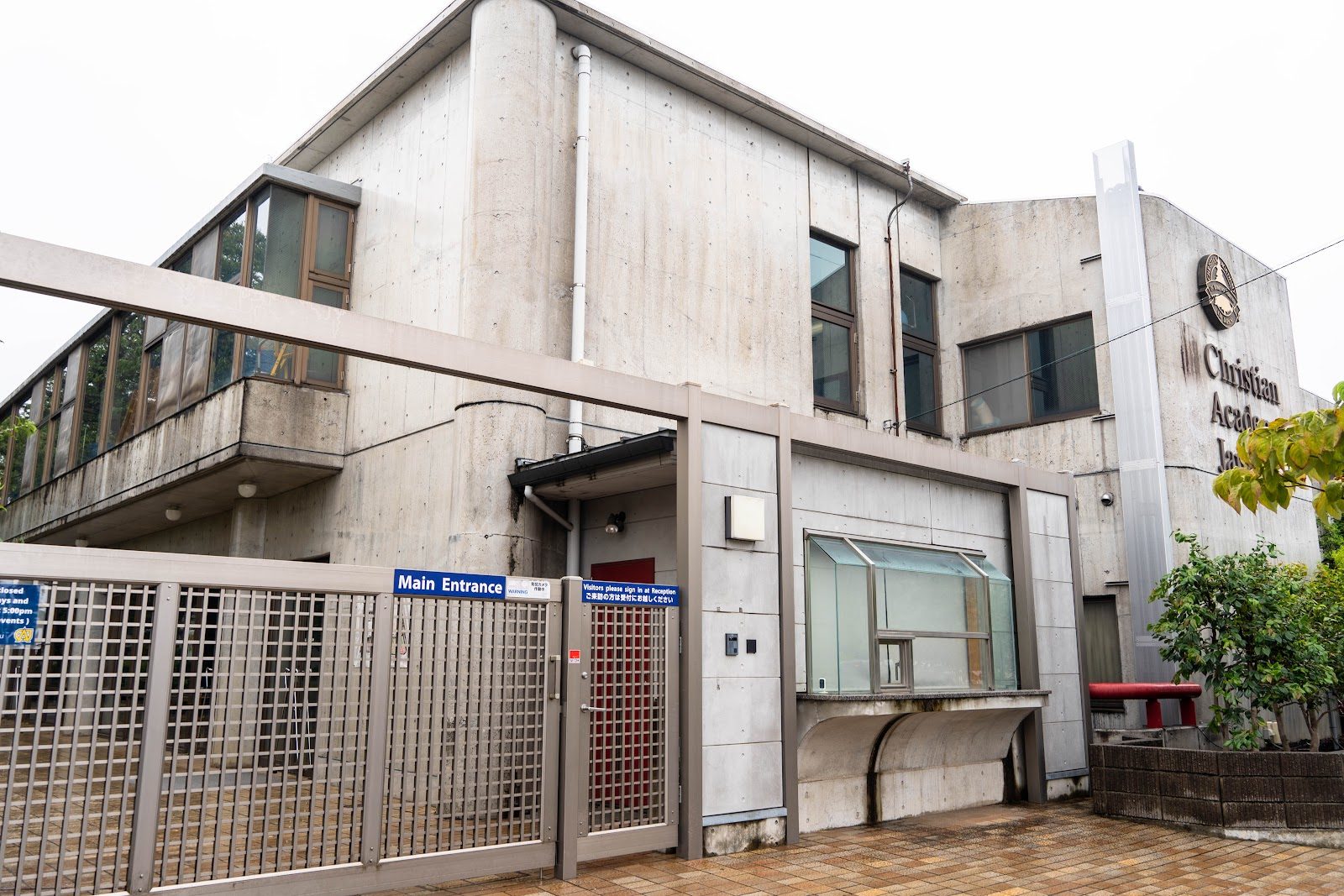
Christian Academy in Japan
Tokyo · Japan
Born from postwar missionary schooling on former imperial dairy land, now pairing AP rigor with a campus-wide week of off-site service leadership.
Lower Canada College
Montreal · Canada
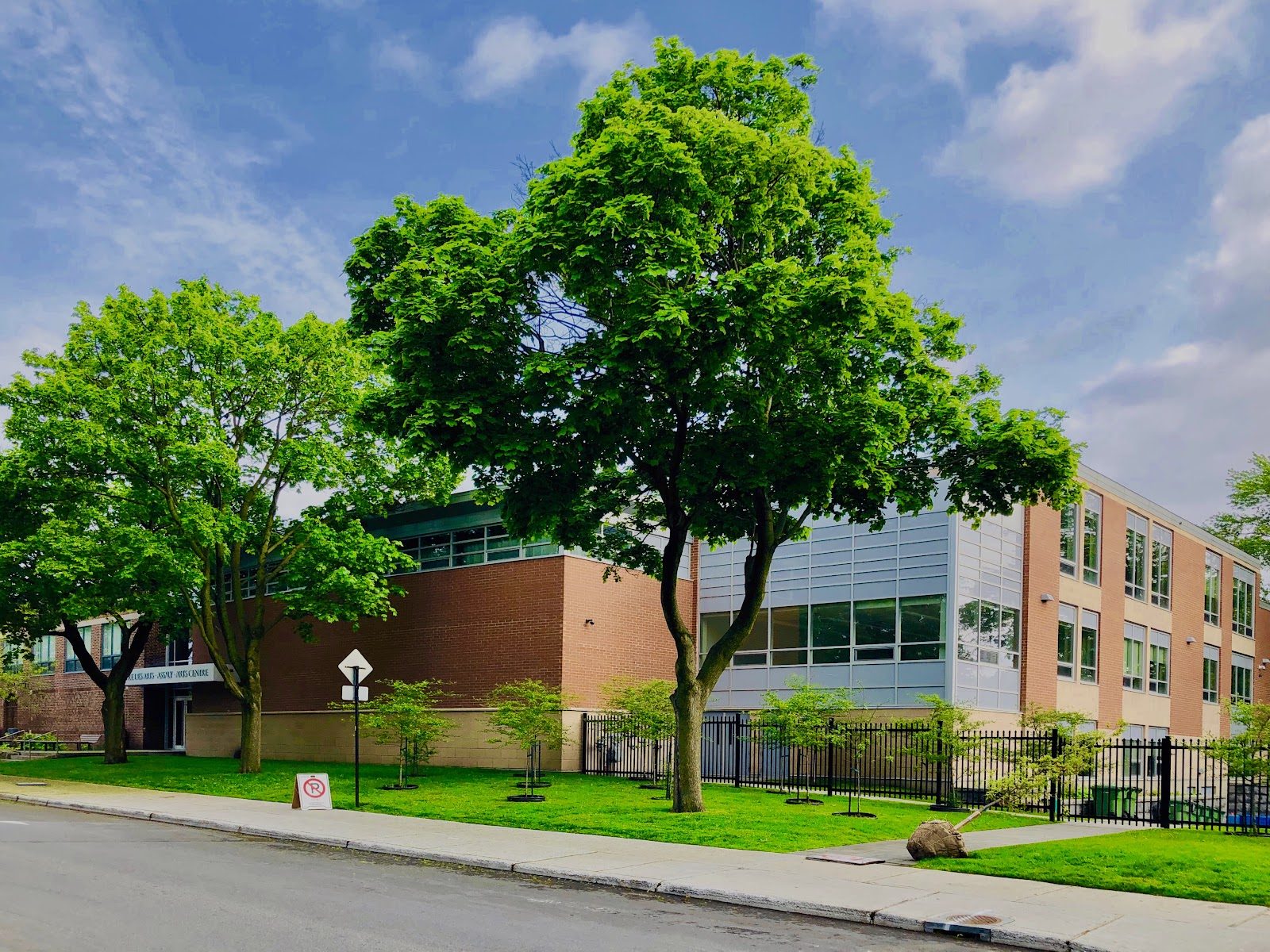
Rooted in an 1861 boarding-school lineage, the only English-language Quebec school running both IB Middle Years and Diploma Programmes side by side
Same country and curriculum — closest matches within ±10 points either way