
Quebec
Lower Canada College
medium confidence· 4/6 cats · 2.62 avg sourcesRooted in an 1861 boarding-school lineage, the only English-language Quebec school running both IB Middle Years and Diploma Programmes side by side
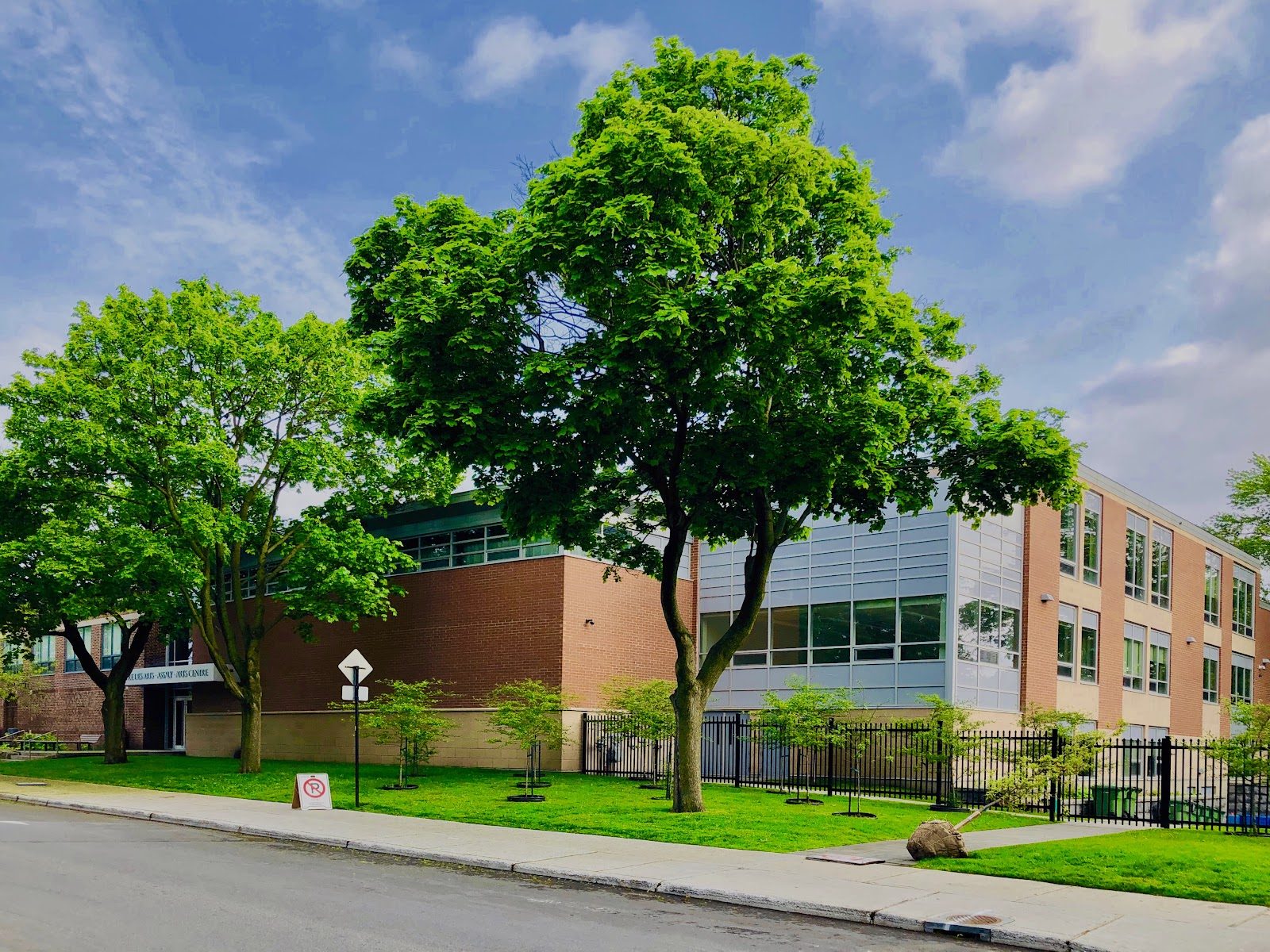
Photo © Juan Carlos Fernández Espinosa via Google Maps
Type
Day
Ages
3–18
Curriculum
Canadian · IB · American
Qualifications
AP
Ratio
—
The Verdict
Editor's commitment
Right for
Montreal families wanting an English-language day school from age 3 to 18 with CIS accreditation and both IB MYP and Diploma.
Wrong for
Parents who want boarding, French-medium teaching or a cheap option: average annual fees are CAD 33,707 at this non-religious school.
Watch out for
University destinations disclosed here are modest — Bishop's, Brock and Carleton one each — so ask for full leavers' outcomes.
Ranking breakdown
Lower Canada College · #449 of 1591
Composite score 65.4. 8 weighted criteria.
By criterion
Academic Outcomes
Weight 20%
#449
of 1529 scored
University Placement
Weight 16%
#459
of 1529 scored
Prestige & Heritage
Weight 12%
#459
of 1571 scored
Alumni Network
Weight 12%
#1388
of 1530 scored
Facilities
Weight 12%
#499
of 1533 scored
Transparency & Communications
Weight 8%
#552
of 1532 scored
Peer & Industry Review
Weight 10%
#605
of 1548 scored
Admissions Selectivity & Demand
Weight 8%
#369
of 1529 scored
Score history
Lower Canada College · 2026
Movement across 2024–2026. Peer average overlaid.
Overall — 2024–2026
65.4/ 100
▲ +8.8 vs 2025
year on year
Peer & Industry Review
How Lower Canada College is regarded in the sector
62
Respected · medium confidence
Lower Canada College is consistently named among Montreal's top independent schools alongside Selwyn House and The Study, and appears in expat-parent forum discussions (e.g., Expat Exchange, English Forum Switzerland/Montreal threads) as a preferred choice for anglophone and international families relocating to Montreal. It lacks the broad national or international press coverage (Tatler, Good Schools Guide UK, Sunday Times) that top-tier Canadian schools like Upper Canada College or Ridley College receive, suggesting a solid regional reputation rather than a nationally dominant one.
Evidence sources
- Geoff Molson — Chairman/CEO, Montreal Canadiens & Molson Coors
- David Radler — Former President, Hollinger International
- John A. Rae — Senior Executive, Power Corporation of Canada
Editors' overview
Lower Canada College occupies a narrow and valuable niche in Montreal: an English-language, non-religious day school with a long independent-school lineage, founded in 1909, and the only English-language school in Quebec running both the IB Middle Years Programme and Diploma Programme side by side. That matters. In a province where language and school structures shape parental choice at every turn, LCC offers a route that combines Quebec secondary graduation with a serious international overlay, rather than forcing families to choose between local recognition and global portability. The school also declares a Canadian, IB and American mix, which tells you this is not a narrow single-track institution. It is a school for families who want options kept open.
The draw is not mystery; it is clarity of proposition. LCC serves ages 3 to 18, teaches in English, and carries both IBO and CIS accreditation, which places it firmly in the internationally benchmarked tier rather than the local-private-school-only category. The average annual day fee is 33,707 CAD, expensive by Montreal standards and squarely aimed at families prepared to pay for facilities, programme breadth and a full independent-school experience. The school talks heavily about community, resources and opportunity; stripped of brochure language, the substance is that LCC is a large, established day school with enough institutional weight to offer breadth across four divisions and to sustain a strong co-curricular life. The recent university destinations published here — Bishop’s, Brock and Carleton — are modest rather than headline-grabbing, and parents should note that the school does not disclose broader destination patterns in this extract. Academic ambition is part of the culture; outcome transparency is thinner.
The student who thrives here is high-functioning, engaged and comfortable in a school with a strong sense of identity. LCC will suit children who want a structured, well-resourced environment, who can use the flexibility of multiple curricular strands well, and who are happy in a community where belonging, service and participation carry real weight. It will also appeal to internationally minded Montreal families who want English-medium schooling without giving up recognised Quebec credentials. This is not the obvious choice for parents hunting for a bare-bones academic hothouse or for those who want a cheap route to an English education. It is for families buying into an established institution with 1909 roots, a clear social fabric and a more global academic architecture than most local competitors.
Academic Performance
Academic performance is harder to judge here than the school’s reputation, because LCC does not publish aggregate IB Diploma scores, subject averages, pass rates, or a full university destinations list. That is a real gap. For a school with a strong academic identity and an international programme mix, the absence of headline outcome data leaves parents without the basic benchmarks used to compare Montreal independents or IB schools elsewhere in Canada. The school does offer both IB programmes in the secondary years, and that carries academic weight in itself: the MYP-DP route demands continuity, organisation and breadth. But without published results, claims of excellence remain under-evidenced.
Relative to peers, LCC sits in the bracket where families expect clear external proof, not just institutional confidence. The fragment of destinations disclosed here — 3 named universities with 1 student each — is too thin to support any serious read on academic reach, selectivity, or depth at the top end. That does not mark the school down academically; it marks it down for transparency. The most defensible verdict is that LCC offers a serious academic platform with recognised external pathways, but its published performance picture is opaque where strong schools now need to be precise. Parents comparing it with other fee-charging schools should ask for recent IB averages, score distributions, and multi-year destinations before treating it as a proven academic standout.
Facilities
LCC talks up “exceptional resources” and “some of the best facilities in the city”, but it does not publish the kind of concrete campus inventory that lets parents test that claim properly. There is no public roll-call here of theatres, pools, labs, maker spaces, boarding houses, specialist sports provision or square footage. That matters, because at an average annual fee of 33,707 CAD, families are paying for more than classrooms and goodwill. What the school does make clear is scale of provision across 4 divisions and a programme built around trying new things, stretching boundaries and sustaining a broad school life. That points to a campus designed for range rather than austerity. It reads as well-equipped, institutionally mature and built to support a *full-service independent-school experience*.
Against peer schools, that puts LCC in the bracket where strong facilities are expected, not exceptional by default. Top independent schools in Canada that charge at this level need visible specialist spaces and the confidence to show them plainly. LCC’s advantage is not flashy disclosure; it is the weight of an established institution with enough breadth to support innovative programming and co-curricular depth. Its weakness is thin public specificity. Parents comparing it with rival Montreal independents should press for a direct campus tour and ask bluntly what sits behind the rhetoric: which arts spaces are dedicated, how science is housed, what indoor sport provision exists, and where the school’s facilities are genuinely best-in-class rather than merely well-kept.
Lower Canada College carries real local prestige in Montreal’s independent-school market
Prestige
Lower Canada College carries real local prestige in Montreal’s independent-school market. The name has weight with families who value old-line institutions, strong alumni ties and the social confidence that attaches to a well-established private school. That standing is reinforced by a verified notable-alumni floor of 11, spanning business and journalism, which gives the school more than internal mythology to trade on. Prestige here rests less on published academic trophies than on institutional continuity, network value and the credibility that comes from being one of the city’s recognised anglophone independents. For many parents, that matters as much as league-table theatre.
That said, this is substantial prestige, not untouchable grandeur. The school’s status is stronger in Montreal and among Canadian independent-school families than in the wider global market, where prestige depends more heavily on disclosed exam outcomes and consistently visible university placements. LCC does not publish enough of either. That weakens the case for treating it as a top-flight academic marque on evidence alone. The fee level — 33,707 CAD on average each year — also places it in the bracket where families buy social capital, facilities and network as much as classroom teaching. The verdict: high prestige domestically, selective rather than universal international cachet, and a reputation built on history and community more than hard public performance data.
What sets Lower Canada College apart is not pedigree alone but structural rarity
Communications
LCC’s parent communication reads as organised, values-led and tightly managed. The public-facing messaging is polished: the school states its priorities clearly, repeats them consistently, and ties day-to-day school life to a small set of ideas — community, responsibility, opportunity and service. That gives parents a coherent picture of what the school expects from children and what sort of culture it is selling. The bilingual slogan and land acknowledgement also matter in context; they signal an institution alert to its place in Quebec rather than an insulated enclave. For a fee level of 33,707 CAD, that baseline professionalism is not a bonus but a minimum. LCC meets it. The tone is confident, institutionally disciplined and carefully controlled.
Where the communication weakens is in substance that parents use to make hard comparisons. The school is strong on ethos and weak on operational proof. It talks about exceptional resources, innovative programming and broad opportunity, yet gives little hard public detail on outcomes, facilities or how those claims cash out across the school’s 4 divisions. That leaves the impression of a communications operation that is slick but selective: good at reinforcing identity, less good at disclosing the evidence behind it. For current families, that may still work well if direct school-home channels are brisk and detailed. For prospective parents, the external communication does not do enough of the heavy lifting. The verdict: effective in tone, thin in verification, and better at shaping confidence than earning it through disclosure.
Uniqueness
What sets Lower Canada College apart is not pedigree alone but structural rarity. In Quebec’s English-speaking market, very few schools bridge local secondary schooling and a full international pathway inside one institution; LCC does. The result for students is continuity rather than fragmentation: they do not need to switch schools or academic cultures midway through adolescence to access a globally recognised sixth-form route. That matters in practice. It creates a coherent academic runway from the middle years into the senior phase, with less reinvention at the point when workload, assessment and university planning intensify. For families who want local rootedness without a provincial ceiling, that is a concrete advantage, not a branding line.
The other point of difference is social architecture. LCC trades on a strong institutional identity and a conspicuous expectation that students join in, contribute and carry responsibility beyond themselves. The school’s own language around belonging, service and accountability is not incidental; it signals a culture that asks students to participate fully rather than drift through as anonymous high-achievers. For the right child, that builds confidence, leadership habits and a durable peer network across 4 divisions. For the wrong child, it can feel enclosed and tradition-conscious. That is the trade-off. LCC’s uniqueness lies in combining an internationally mobile academic route with the thick social fabric of an old independent school, and that mix is hard to replicate.
Against peer schools, that puts LCC in the bracket where strong facilities are expected, not exceptional by default
Student Profile
The best fit is a child who wants more than classroom competence. LCC suits students who will use a broad school day well: join teams, take on duties, accept visibility, and live comfortably inside a community with a strong internal code. Passive passengers will find less room here. The school’s own language points to responsibility, accountability and service, and that has consequences for fit: students who flourish here tend to be participative, socially confident and willing to stretch beyond their safest strengths. With 4 divisions under one institutional umbrella, there is also a clear through-school identity; children who value continuity and long-term belonging will gain more from that than those who prefer to keep school at arm’s length.
This is also a good match for internationally minded families who still want local traction. The right student is academically organised, open to breadth, and able to handle a school culture that asks for commitment rather than minimum compliance. Children who like structure, teacher attention and a high-expectation environment will settle better than those who need a loose, anonymous setting. There is a polished, tradition-conscious quality to the place, and that will appeal to some families more than others. If your child wants a school with a durable peer network, visible standards and enough scale to offer options without losing cohesion, LCC fits. If they resist institutional culture or dislike expectation beyond lessons, look elsewhere.
Top independent schools in Canada that charge at this level need visible specialist spaces and the confidence to show them plainly
Co-curricular strengths
Arts & sport, on a separate axis
Overall 8.38/10
Scored 0-10 from the school's own published evidence. This axis is editorial-only — it does not feed the main WTS ranking.
Sports
9.2/10
Absolute athletic force in Quebec; fields highly competitive rugby, hockey, and soccer pipelines across vast playing fields.
Drama
9/10
The school's theater complexes operate at an exceptionally high standard, cultivating creative and performance tech tracks.
Dance
5.5/10
Maintained primarily as an ensemble component to support physical performance blocks inside their large-scale theater tracks.
Music
9.2/10
Excellent chamber orchestras, wind ensembles, and vocal troupes that anchor major seasonal campus showcase events.
Visual Arts
9/10
Studio-intensive fine arts focus housed within custom studio environments, prioritizing landscape painting and portfolio layout.
Editor-verified · 8/6/2026
Outcomes & destinations
Where students go next
Top destinations
87 placements
- Bishop's University· 1
- Brock University· 1
- Carleton University· 1
- Concordia University· 1
- Dalhousie University· 1
- École polytechnique de Montréal· 1
- HEC Montréal· 1
- Huron College· 1
- McGill University· 1
- McMaster University· 1
- Mount Allison University· 1
- Queen's University· 1
- St. Francis Xavier University· 1
- Toronto Metropolitan University· 1
- Université de Montréal· 1
- University of British Columbia· 1
- University of Calgary· 1
- University of Toronto· 1
- University of Toronto - Mississauga· 1
- University of Toronto - Scarborough· 1
- University of Waterloo· 1
- Western University· 1
- Alfred University· 1
- Babson College· 1
- Barnard College· 1
- Bates College· 1
- Boston University· 1
- Brown University· 1
- California Baptist University· 1
- Carnegie Mellon University· 1
- Catholic University of America· 1
- Clarkson University· 1
- Colgate University· 1
- Cornell University· 1
- Dartmouth College· 1
- Davidson College· 1
- Duke University· 1
- Embry-Riddle Aeronautical University· 1
- Emory University· 1
- George Washington University· 1
- Harvard University· 1
- Howard University· 1
- Indiana University· 1
- Johns Hopkins University· 1
- Lynn University· 1
- New York University· 1
- Northeastern University· 1
- Pace University· 1
- Purdue University· 1
- Rhode Island School of Design· 1
- Rice University· 1
- St. Lawrence University· 1
- Syracuse University· 1
- The New School· 1
- Tufts University· 1
- Tulane University· 1
- University of California - San Diego· 1
- University of Chicago· 1
- University of Maine· 1
- University of Miami· 1
- University of Michigan· 1
- University of New Hampshire· 1
- University of Pennsylvania· 1
- University of Southern California· 1
- University of the District of Columbia· 1
- University of Vermont· 1
- Vanderbilt University· 1
- Wake Forest University· 1
- Wesleyan College· 1
- Amsterdam University College· 1
- BI Norwegian Business School· 1
- Birmingham City University· 1
- Bocconi University· 1
- École hôtelière de Lausanne· 1
- EPFL· 1
- Fontys University· 1
- IE University· 1
- Imperial College London· 1
- Polytechnic University of Madrid· 1
- Swansea University· 1
- Trinity College Dublin· 1
- University of Amsterdam· 1
- University of Edinburgh· 1
- University of Exeter· 1
- University of Groningen· 1
- University of Plymouth· 1
- University of Westminster· 1
Reported by the school. Confirm with admissions.
Notable alumni · Wikidata
11notable alumni
6 historic (born pre-1930) · 2 modern (born post-1970)wikidata:2026-07-28 How we source this
Strengths
- +LCC is the only English-language school in Quebec offering both the IB Middle Years Programme and Diploma Programme alongside the Canadian curriculum, giving university-bound students a wide choice of academic pathways.
- +The school is accredited by the Canadian Accredited Independent Schools (CAIS) and belongs to QAIS, FEEP, NAIS and NEASC, and has been a member of the worldwide Round Square association since 2007.
- +For 2025-2026, LCC awarded financial aid to almost 20% of high school and Pre-University students, indicating meaningful bursary provision relative to its size.
- +LCC athletes fill roughly 70 teams across 20 sports and play over 500 games a year, and over 85% of students in grades 7-11 participate in the athletics program.
- +The school was founded on Royal Avenue in 1909 and traces its roots to an 1861 boarding school, giving it a long-established institutional history and alumni base.
Considerations
- −LCC does not offer English as a Second Language (ESL) instruction, a significant gap for relocating families whose children are not yet fluent in English.
- −Annual fees run C$31,065 to C$33,520, and new international students residing in Quebec for less than three years are charged an additional $7,500 per student per year, adding materially to the cost for newly arrived expat families.
- −As an independent day school, LCC has no on-campus boarding; international families are directed toward homestay arrangements rather than a residential campus.
- −The Junior School curriculum is delivered roughly 70% in French and 30% in English, a structural feature that suits bilingual-track families but may surprise those expecting an English-medium primary program.
Availability
Primary entry gate & tests
SSAT + Interview (Gr 7 1st rd 9 Oct)
Gallery
Photo © Lower Canada College via Google Maps
Photo © Lower Canada College via Google Maps
Photo © Lower Canada College via Google Maps
Photo © Lower Canada College via Google Maps
Photo © Lower Canada College via Google Maps
Photo © Lower Canada College via Google Maps
Photo © Kunwar Rakesh via Google Maps
Photo © Kunwar Rakesh via Google Maps
Photo © Kunwar Rakesh via Google Maps
Parent reviews
Have you sent your child here?
Voice reviews carry the strongest trust badge — we transcribe them for you to tidy up before they go live. Prefer to type? A written review is fine too.
Add your voice
In 60 seconds, tell other parents: what's the best thing about Lower Canada College, and what surprised you when your child joined?
We ask for a Google sign-in so every review has a real face behind it — no anonymous drive-by attacks on schools, and no faked positive reviews. Your email is never shown publicly.
Send this profile to a friend
International parents rely on word-of-mouth. Share this review with someone weighing the same decision.
Schools with places
Similar schools to Lower Canada College with places available now.
Availability first, then country, area, curriculum, price, co-curricular
Consider also
Also worth looking at alongside Lower Canada College.
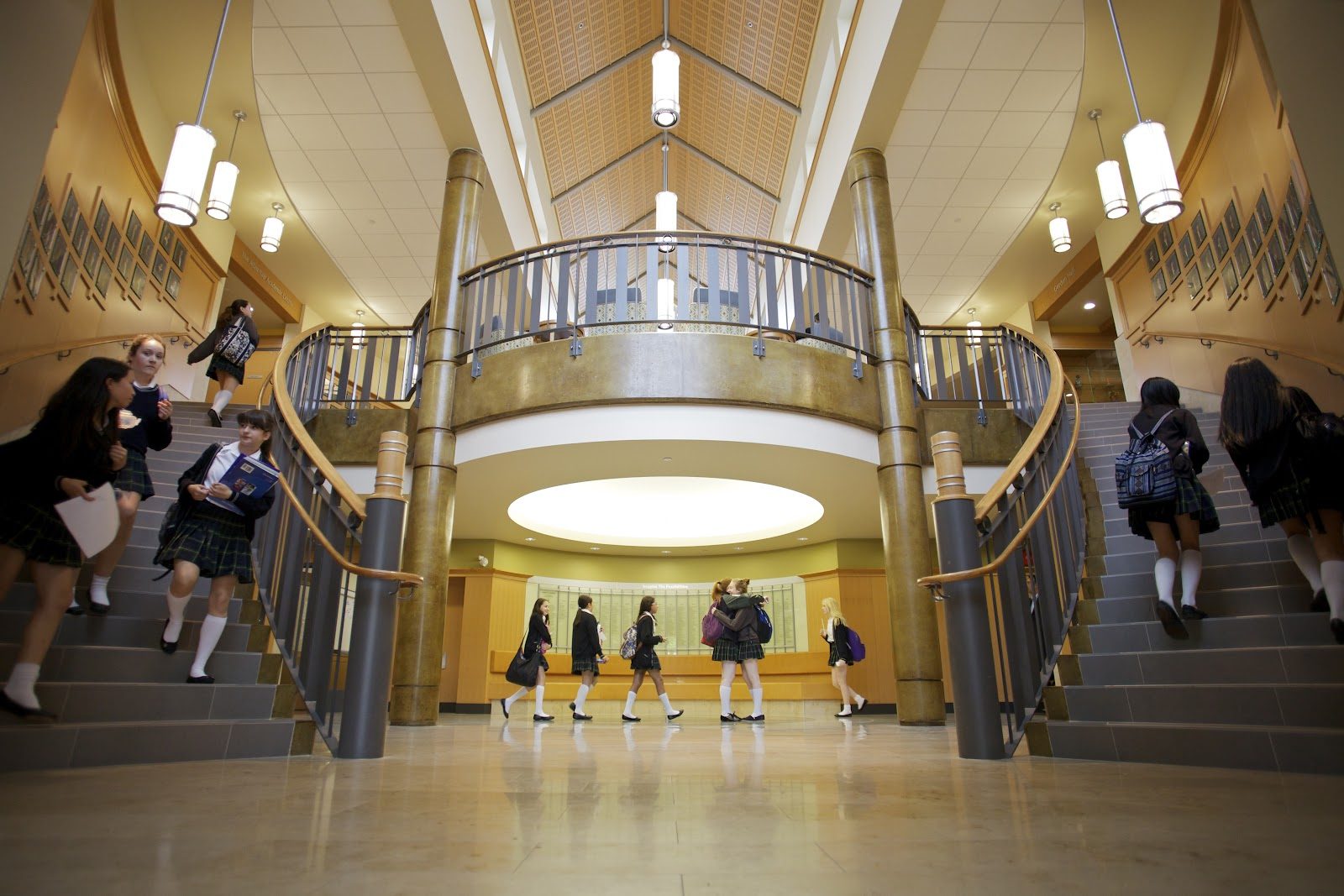
Crofton House School
Vancouver · Canada
West of Toronto's oldest independent school, a Kerrisdale campus builds IB scholars through its four-quadrant Ivy Compass program.
Collège Jean-de-Brébeuf
Montreal · Canada
Once a Jesuit seminary, now a secular Francophone college spanning secondary school and CEGEP, IB-authorized since 1982.
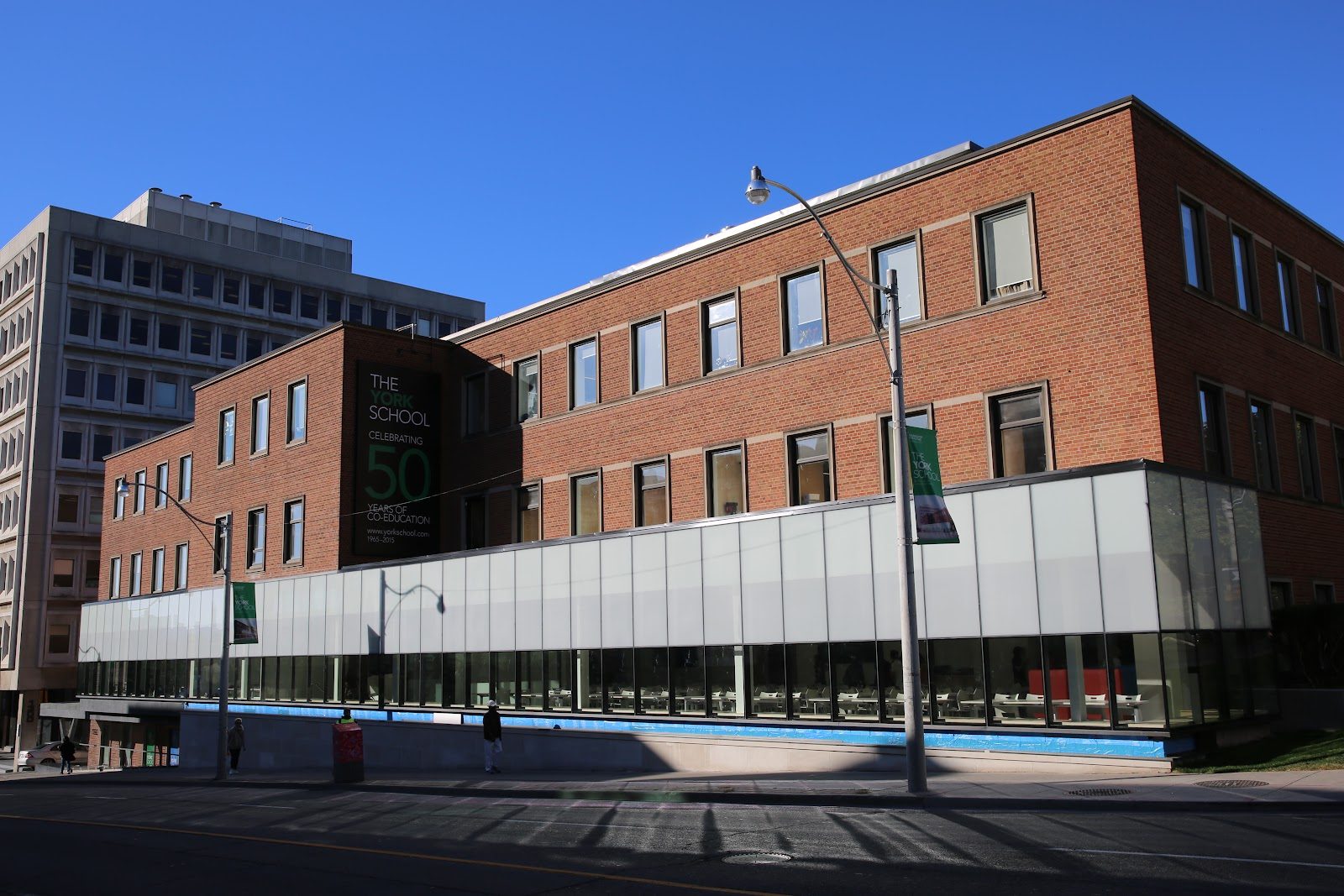
The York School
Toronto · Canada
First English-speaking school in Canada certified for the full IB continuum, JK to Grade 12, on midtown Toronto's Yonge Street corridor.
West Point Grey Academy
Vancouver · Canada
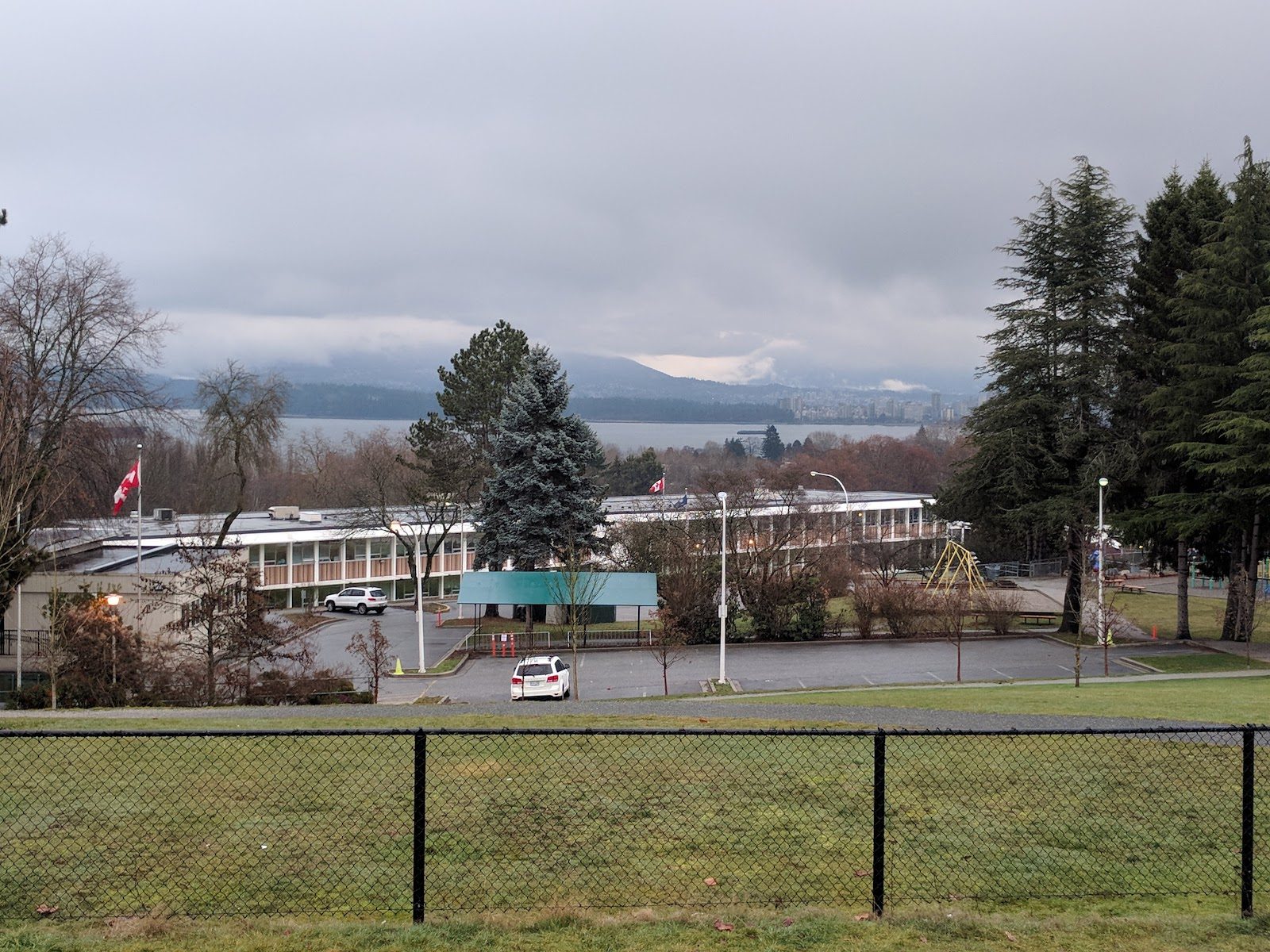
On an 18-acre Jericho Lands campus above English Bay, a compulsory third language meets a student-run Model UN conference.
Same country and curriculum — closest matches within ±10 points either way