
Ontario
Hillfield Strathallan College
low confidence· 6/6 cats · 0 avg sourcesA 1901 boys' school and a 1923 girls' school merged atop Hamilton Mountain into the city's only Pre-K-12 independent campus.
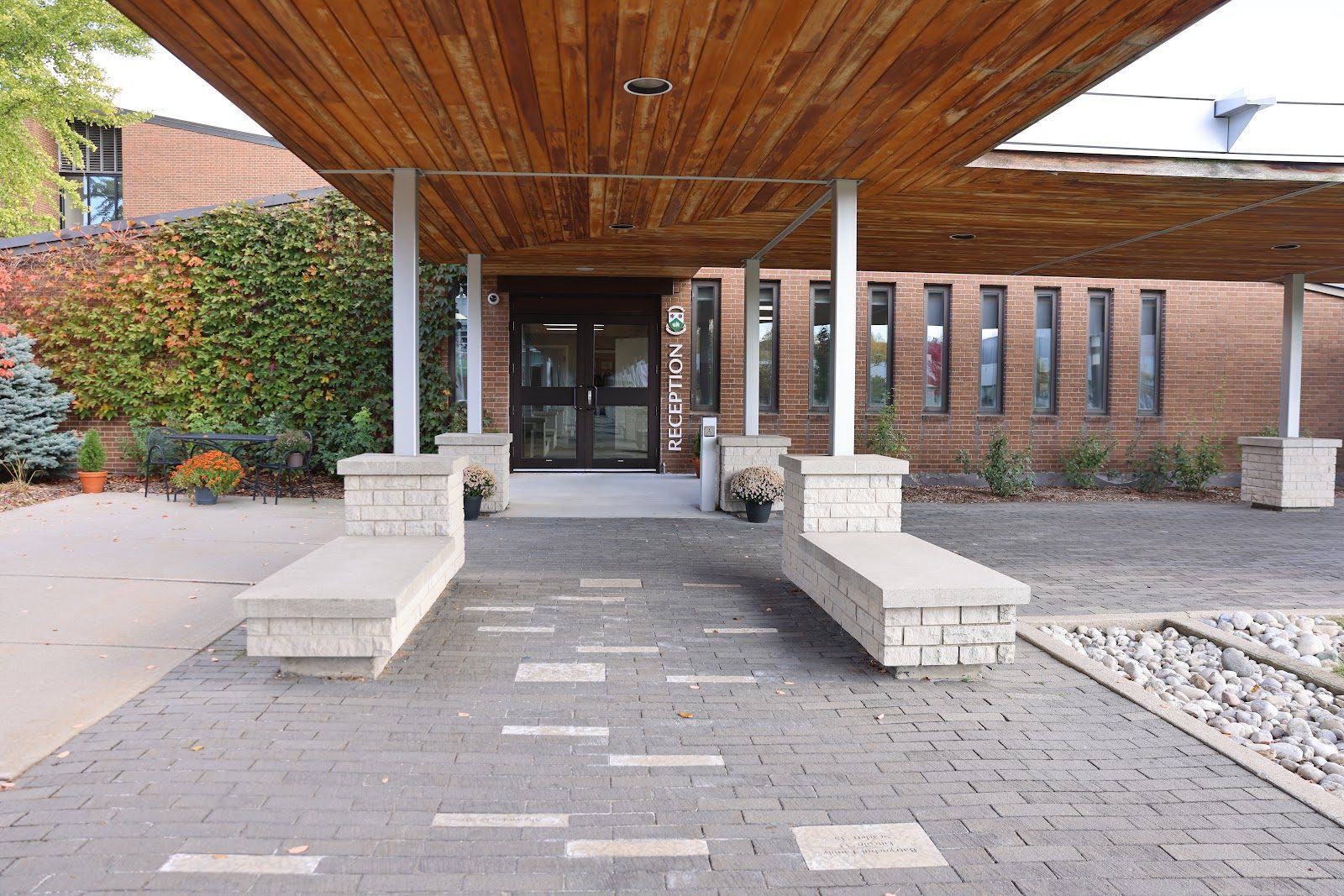
Photo © Hillfield Strathallan College via Google Maps
Type
Day
Ages
5–18
Curriculum
Ontario Secondary School Diploma (OSSD)
Ratio
8:1
The Verdict
Editor's commitment
Right for
Hamilton families wanting a non-religious, co-educational day school with OSSD, an 8:1 ratio and 16-pupil classes on one Pre-K-12 campus.
Wrong for
Parents seeking boarding, a faith-based ethos, or an IB, AP or British pathway beyond the Ontario Secondary School Diploma from ages 5–18.
Watch out for
At over 1,200 students, this is big by Canadian independent-school standards; 'personalised' needs testing in practice, even with an 8:1 ratio.
Ranking breakdown
Hillfield Strathallan College · #372 of 1591
Composite score 71.0. 8 weighted criteria.
By criterion
Academic Outcomes
Weight 20%
#450
of 1529 scored
University Placement
Weight 16%
#459
of 1529 scored
Prestige & Heritage
Weight 12%
#446
of 1571 scored
Alumni Network
Weight 12%
#293
of 1530 scored
Facilities
Weight 12%
#489
of 1533 scored
Transparency & Communications
Weight 8%
#554
of 1532 scored
Peer & Industry Review
Weight 10%
#604
of 1548 scored
Admissions Selectivity & Demand
Weight 8%
#369
of 1529 scored
Peer & Industry Review
How Hillfield Strathallan College is regarded in the sector
62
Respected · low confidence
Hillfield Strathallan College is consistently listed among Ontario's leading independent day schools in directories such as Our Kids (Canada's private school guide) and is accredited by Canadian Accredited Independent Schools (CAIS), signaling peer-recognized quality standards. However, it receives little coverage in international specialist press (Tatler, Good Schools Guide) or 'best schools in Canada' national rankings, suggesting a solid regional reputation rather than a nationally or internationally top-tier one.
Evidence sources
Editors' overview
Hillfield Strathallan College occupies a rare position in Hamilton: the city’s only independent Pre-K–12 campus, with one through-line from early years to graduation and enough scale to offer real breadth. The current school is the product of two older institutions — a boys’ school founded in 1901 and a girls’ school founded in 1923 — now operating as one co-educational day school on Hamilton Mountain. For parents, the practical attraction is clear: continuity, a large campus community of over 1,200 students, and staffing ratios that permit attention without turning the school into a boutique niche. An 8:1 student-teacher ratio and average classes of 16 put it in the sweet spot between personal oversight and a social critical mass. The school’s pitch around personalised learning and whole-child education is standard independent-school language; what matters more is that HSC has the size, age range and timetable breadth to make those claims operational rather than decorative.
What sets HSC apart is not curricular novelty — it offers the OSSD, not the IB or another specialist programme — but structure and environment. This is a broad, all-through day school for families who want academic rigour without boarding, religious framing or a narrow single-sex identity. The four-school organisation — Montessori, Junior, Middle and Senior — gives the campus a staged architecture rather than a one-size-fits-all model. The co-curricular offer across arts, athletics, service and leadership also matters in market terms: HSC sells a full independent-school life, not a stripped academic conveyor belt. There is a clear sense of continuity, a serious campus culture and a well-developed day-school rhythm here. The global element exists, but in a contained form through an international group in the Senior School Global Studies Program; this is not an international school in the usual sense, and families seeking a heavily expatriate environment or multiple curriculum pathways will find a different proposition elsewhere.
Why shortlist it? Because HSC fits a substantial middle of the market with unusual precision: families in and around Hamilton who want one school from childhood to university entry, strong teacher access, co-education, and enough breadth for children to change shape as they grow. It will suit students who thrive in busy, structured communities, who want to combine classroom performance with sport, arts or leadership, and who benefit from adults knowing them well over time. It also suits children whose families value support for different learning styles inside a mainstream independent setting. It is less compelling for students who want a sharply specialised academic identity, a highly selective hothouse atmosphere, or the constant churn and international mobility of a global-city school. HSC’s strength is steadier than that: institutional depth, pastoral continuity and a broad educational runway from age 5–18.
Academic Performance
HSC does not publish the data that would let parents judge academic performance properly. We have not seen aggregate OSSD outcomes, grade distributions, university destination lists by cohort, or any comparative attainment data against Ontario independent-school peers. That gap matters. In a market where many schools publicise scholarship totals, selective university offers or headline examination performance, HSC leaves families with a thin public record on external results. The school talks at length about personalised learning, project-based work and whole-child development; those are valid priorities, but they do not replace hard attainment measures. For a school of this scale, the absence of published outcomes is a conspicuous omission.
That does not place HSC in a weak academic bracket; it places it in an opaque one. The low staffing ratio and modest class sizes point to conditions that support close teaching and monitoring, and an all-through structure can strengthen continuity before senior years. But parents comparing HSC with academically explicit competitors will find less proof and more trust required. Relative to peers, this reads less like a results-driven shop window and more like a school asking families to buy into culture, support and breadth first. That will satisfy parents who value educational experience over league-table theatrics. It will frustrate those who want published evidence of how students perform at the sharp end.
Facilities
For a day school, HSC has the scale parents want: one campus with four divisions, room for specialist teaching, and enough operational heft to support arts, sport and leadership without feeling improvised. The most important facility here is not a single showpiece building but the all-through campus structure itself. That matters because peers at the smaller end of the independent market often struggle to offer age-appropriate spaces across the full school journey without compromise. HSC does not. The setting on the Niagara escarpment gives it a proper campus feel rather than the converted-house patchwork common in older urban schools. Summer and March-break camps also point to facilities that work beyond the standard timetable, which matters for families using the school as a serious daily base rather than a narrow academic stop.
Against Canadian independent-school peers, that places HSC in a strong middle-to-upper bracket for breadth, if not in the architectural trophy class occupied by the wealthiest Toronto schools. The school advertises exceptional co-curricular provision across arts, athletics, community service and leadership; that signals range, but the public record is thin on the exact inventory of theatres, studios, pitches, labs or specialist centres. That absence limits a sharper verdict. Parents can conclude this much with confidence: HSC has more campus coherence and programme capacity than a small boutique day school, and less publicly visible facilities detail than schools that trade aggressively on capital projects. With over 1,200 students on site, the physical plant carries real weight; the school just does not publish enough detail to turn that into a fully evidenced boast.
What makes HSC distinctive is not novelty for its own sake, but institutional shape
Prestige
Hillfield Strathallan carries solid regional prestige rather than national cachet. In Hamilton, its status is strong: it is the city’s only all-through independent campus, it has real scale, and it offers the kind of full-spectrum school life that affluent local families recognise and value. The low 8:1 staffing ratio and average classes of 16 reinforce that premium position. So does the breadth implied by a campus of over 1,200 students across four divisions. This is not a tiny niche school living on intimacy alone; it has enough size to sustain programmes, teams, productions and leadership structures that confer social weight in its immediate market. For families in the region, that matters more than national brand theatre.
The limit to HSC’s prestige is clarity at the top end. The school does not publish the kind of outcome data that turns local esteem into hard academic prestige. Nor does it trade on a globally legible curriculum or a sharply selective public identity. Its standing rests instead on longevity, continuity, campus life and the confidence that comes with an established independent-school name. That makes HSC well-regarded, socially credible and locally influential. It does not place the school in Canada’s most rarefied tier. Parents buying HSC are buying a serious local institution with durable reputation and broad appeal, not a headline-grabbing academic powerhouse.
An 8:1 student-teacher ratio and average classes of 16 put it in the sweet spot between personal oversight and a social critical mass
Communications
HSC communicates with parents in the manner of a large, established day school: centrally, frequently and with a strong institutional hand. The public-facing structure is orderly. Core routes are easy to find — admissions, governance, publications, strategic direction, contact points — and the school does more than toss out event notices. The inclusion of newsletters, magazines and annual reports points to a school that understands parent communication as an ongoing function, not an afterthought. The four-school structure also matters here. A campus serving children across distinct stages needs disciplined communication to avoid muddle, and HSC has the organisational scale to run that machinery. For parents, that translates into a coherent, high-touch experience rather than a scrappy one.
The weakness is precision. HSC publishes plenty of institutional narrative, but less that helps a hard-nosed parent test performance, decision-making and follow-through. There is a lot of language around mission, personalised learning and student development, and less public evidence of how the school reports outcomes back to families beyond the broad life of the college. That does not make communication weak; it makes it well-managed but controlled. Parents who want warmth, visibility and a strong sense of community will find HSC reassuringly organised. Parents who want sharper disclosure — especially around academic outcomes, division-level performance and operational accountability — will find the tone carefully curated. For a school of over 1,200 students split across 4 schools, the communications operation looks competent. It does not look radically transparent.
Uniqueness
What makes HSC distinctive is not novelty for its own sake, but institutional shape. Few schools outside the biggest metropolitan markets can offer one continuous independent-school journey across 4 clearly separated stages while still operating at a scale of over 1,200 students. That combination matters. Children do not have to re-enter a new culture every few years, yet they also avoid the cramped social and academic horizons of a tiny all-through school. The staged structure — Montessori, Junior, Middle and Senior — gives students age-appropriate expectations and spaces inside one larger system. For families, that brings rare continuity without the deadening uniformity that can afflict schools trying to treat every age group as one organism.
The other point of difference is HSC’s market position in its home city: this is the only independent campus locally that covers the full school span. That gives it a *near-monopoly on a certain kind of family choice* — the family that wants one school, one set of relationships, one daily rhythm and enough programme breadth for a child to shift direction over time. The benefit to students is practical rather than rhetorical: sustained adult knowledge of the child, easier transitions between divisions, and access to a full-spectrum school life in which sport, arts, service and leadership sit alongside classroom work rather than being bolted on. The international element exists, but in a contained form, which keeps the school rooted rather than transient.
What sets HSC apart is not curricular novelty — it offers the OSSD, not the IB or another specialist programme — but structure and environment
Student Profile
The student who fits best here is not a narrow specialist but a child who wants room to do several things well at once. HSC suits families looking for a structured, full-service school life in which classes, sport, arts, service and leadership all carry weight. The scale matters: with more than 1,200 students and a low 8:1 staffing ratio, the school has enough social range for children to find their people without disappearing into the crowd. Pupils who benefit from adult oversight, steady expectations and a well-organised daily rhythm will do well. So will students whose interests shift over time and who need a school broad enough to absorb those changes without forcing an early, rigid identity.
It is a weaker fit for teenagers chasing a hyper-competitive academic tribe or a school built around public exam swagger. The public face points instead to students who are engaged, community-minded and comfortable in a busy, mainstream independent setting rather than a rarefied pressure cooker. The school also talks directly about supporting different learning needs and styles; that indicates a cohort broader than the classic polished, single-track high achiever. International students are present in the senior years, but this is not a transient expatriate enclave. The social centre of gravity is local, established and grounded rather than globetrotting. Children who need constant novelty or a strongly alternative culture will find the atmosphere too conventional. For many families, that conventionality is the point.
This is a broad, all-through day school for families who want academic rigour without boarding, religious framing or a narrow single-sex identity
Co-curricular strengths
Arts & sport, on a separate axis
Overall 8.5/10
Scored 0-10 from the school's own published evidence. This axis is editorial-only — it does not feed the main WTS ranking.
Sports
8.8/10
Drama
8.5/10
Dance
8.2/10
Music
8.5/10
Visual Arts
8.5/10
Strengths
- +Founded in 1901 as Highfield School for Boys, HSC became today's single co-educational institution after Hillfield College and Strathallan College merged and began a co-education program in 1962.
- +Sits on a 50-acre campus where, following the 1962 move to Fennell Avenue West, the school added the 134,000 sq. ft. Michael G. DeGroote Centre for Excellence in 2014 alongside earlier arts and music facilities.
- +Independent school-comparison data lists Average Class Size: 16 – 20 across the school's roughly 1,300 pupils.
- +School-quoted tuition figures indicate HSC's tuition includes numerous supports including daily lunch, transportation, comprehensive student supports, professional counselling and health services, rather than charging these as separate add-ons.
- +Co-curricular breadth is notable, with the school citing 100+ teams & activities alongside its academic program.
Considerations
- −HSC operates as a day school rather than a boarding institution — Wikipedia describes it plainly as Hillfield Strathallan College is an independent, co-educational day school — so relocating families needing on-campus boarding must look elsewhere.
- −Reported 2024 day tuition of CAD 36,306 for senior grades sits at a meaningful cost for a non-boarding school, before any international-student management fees.
- −The school's curriculum pathway is built around the Ontario Secondary School Diploma (OSSD) rather than offering a full International Baccalaureate diploma track found at some rival Ontario independents, narrowing curriculum choice for internationally-minded families.
- −Hamilton is a secondary Ontario market rather than downtown Toronto, meaning fewer nearby embassy postings, corporate relocation hubs, or peer international schools than GTA-based competitors.
Availability
Primary entry gate & tests
SSAT / Internal + Interview
Gallery
Photo © Hillfield Strathallan College via Google Maps
Photo © Hillfield Strathallan College via Google Maps
Photo © Hillfield Strathallan College via Google Maps
Photo © George Gao via Google Maps
Photo © Dr. Stanley Moyo via Google Maps
Photo © Kanyi Chen via Google Maps
Photo © Hillfield Strathallan College via Google Maps
Photo © Michael Lynch via Google Maps
Photo © Michael Lynch via Google Maps
Parent reviews
Have you sent your child here?
Voice reviews carry the strongest trust badge — we transcribe them for you to tidy up before they go live. Prefer to type? A written review is fine too.
Add your voice
In 60 seconds, tell other parents: what's the best thing about Hillfield Strathallan College, and what surprised you when your child joined?
We ask for a Google sign-in so every review has a real face behind it — no anonymous drive-by attacks on schools, and no faked positive reviews. Your email is never shown publicly.
Send this profile to a friend
International parents rely on word-of-mouth. Share this review with someone weighing the same decision.
Schools with places
Similar schools to Hillfield Strathallan College with places available now.
Ridley College
St Catharines · Canada
- 2026-27
- WAITPOOLLimited Lower/Middle day
- 2027-28
- PLACES OPENActive now
Appleby College
Oakville · Canada
- 2026-27
- CLOSEDRegular cycle closed
- 2027-28
- OPENS SOONOpens Sept '26
The York School
Toronto · Canada
- 2026-27
- CLOSEDRegular cycle closed
- 2027-28
- PLACES OPENActive now
Branksome Hall
Toronto · Canada
- 2026-27
- CLOSEDRegular cycle closed
- 2027-28
- PLACES OPENDay 1 Dec / boarding rolling
Availability first, then country, area, curriculum, price, co-curricular
Consider also
Also worth looking at alongside Hillfield Strathallan College.
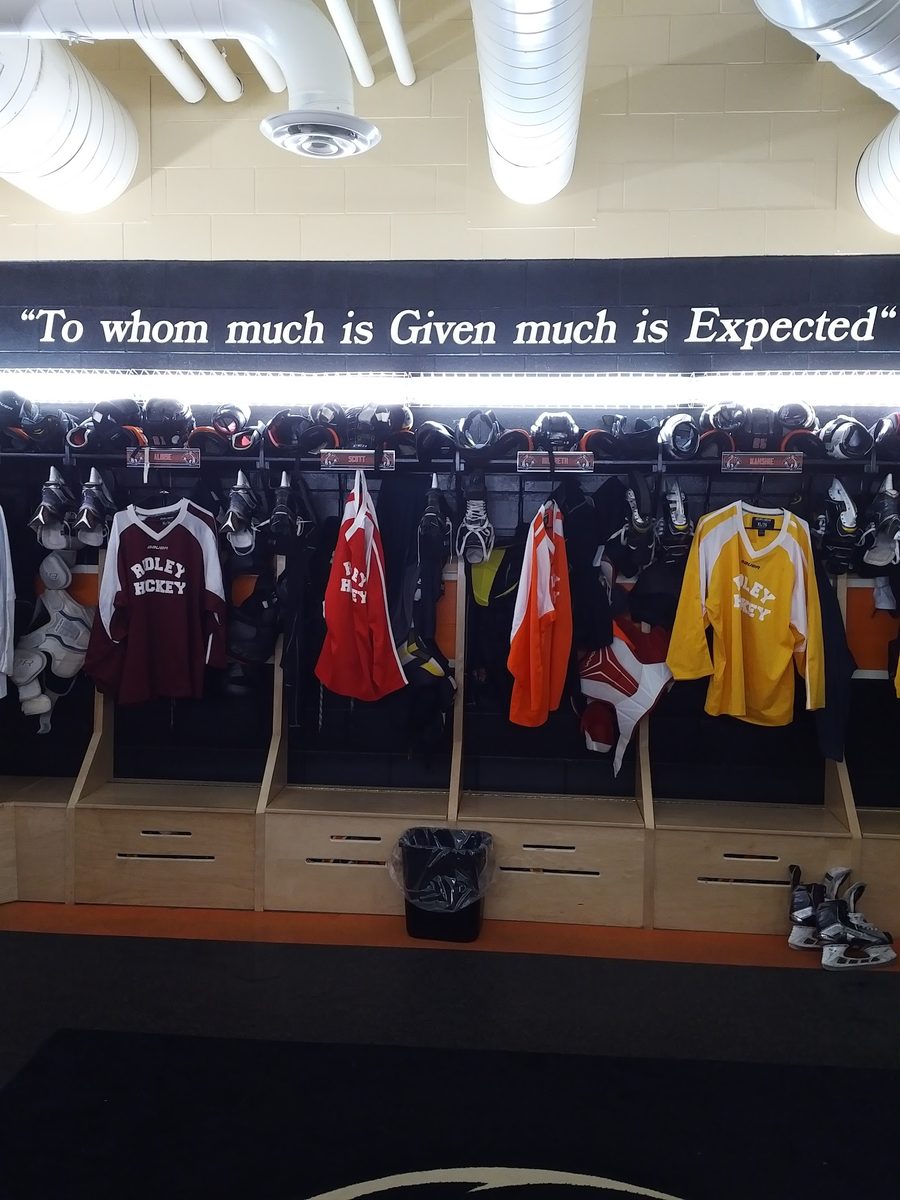
Ridley College
St Catharines · Canada
St Catharines day-and-boarding school blending Ontario's OSSD with the full IB continuum
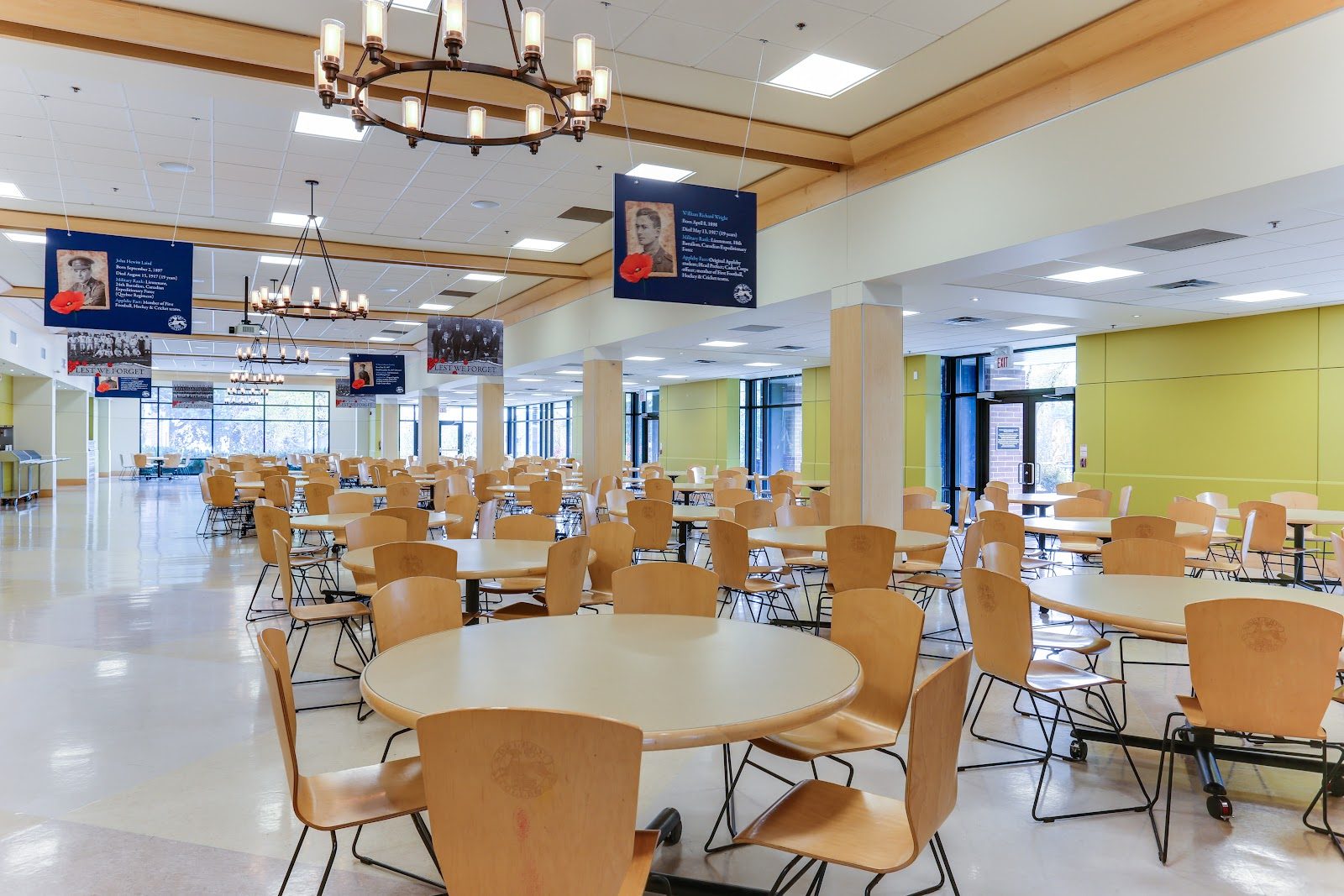
Appleby College
Oakville · Canada
A lakeside Oakville campus where every senior boards by tradition, and leadership training unfolds on a private island in Temagami.
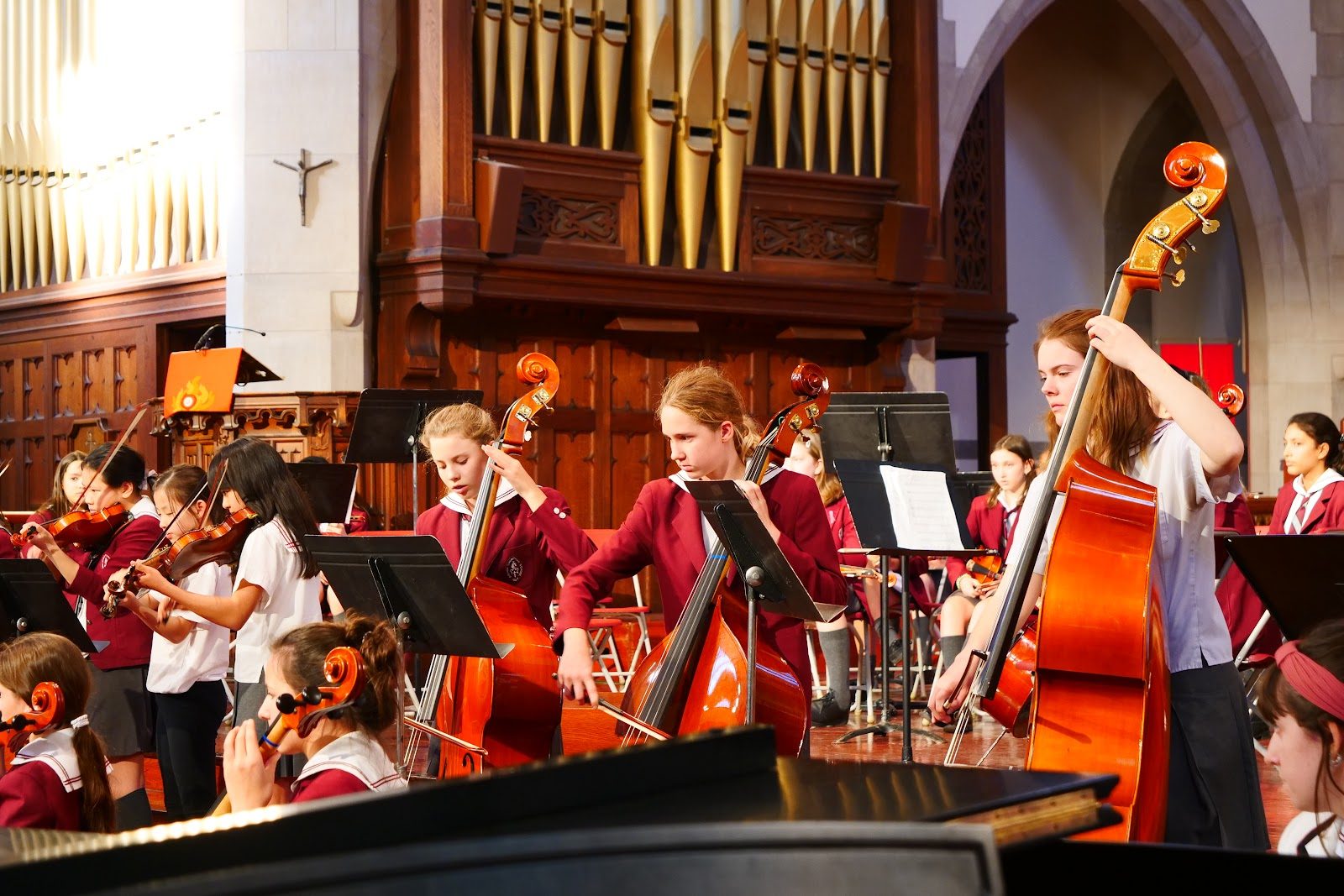
The Bishop Strachan School
Toronto · Canada
Founded in 1867 in Forest Hill, this Anglican school remains Canada's oldest continuously operating girls' day and boarding institution.
St. George's School
Vancouver · Canada
Vancouver's only boys' boarding house pairs BC's diploma with IB and AP courses, then swaps desks for weeks in the backcountry.
Same country and curriculum — closest matches within ±10 points either way