
Ontario
The Bishop Strachan School
medium confidence· 5/6 cats · 1.7 avg sourcesFounded in 1867 in Forest Hill, this Anglican school remains Canada's oldest continuously operating girls' day and boarding institution.
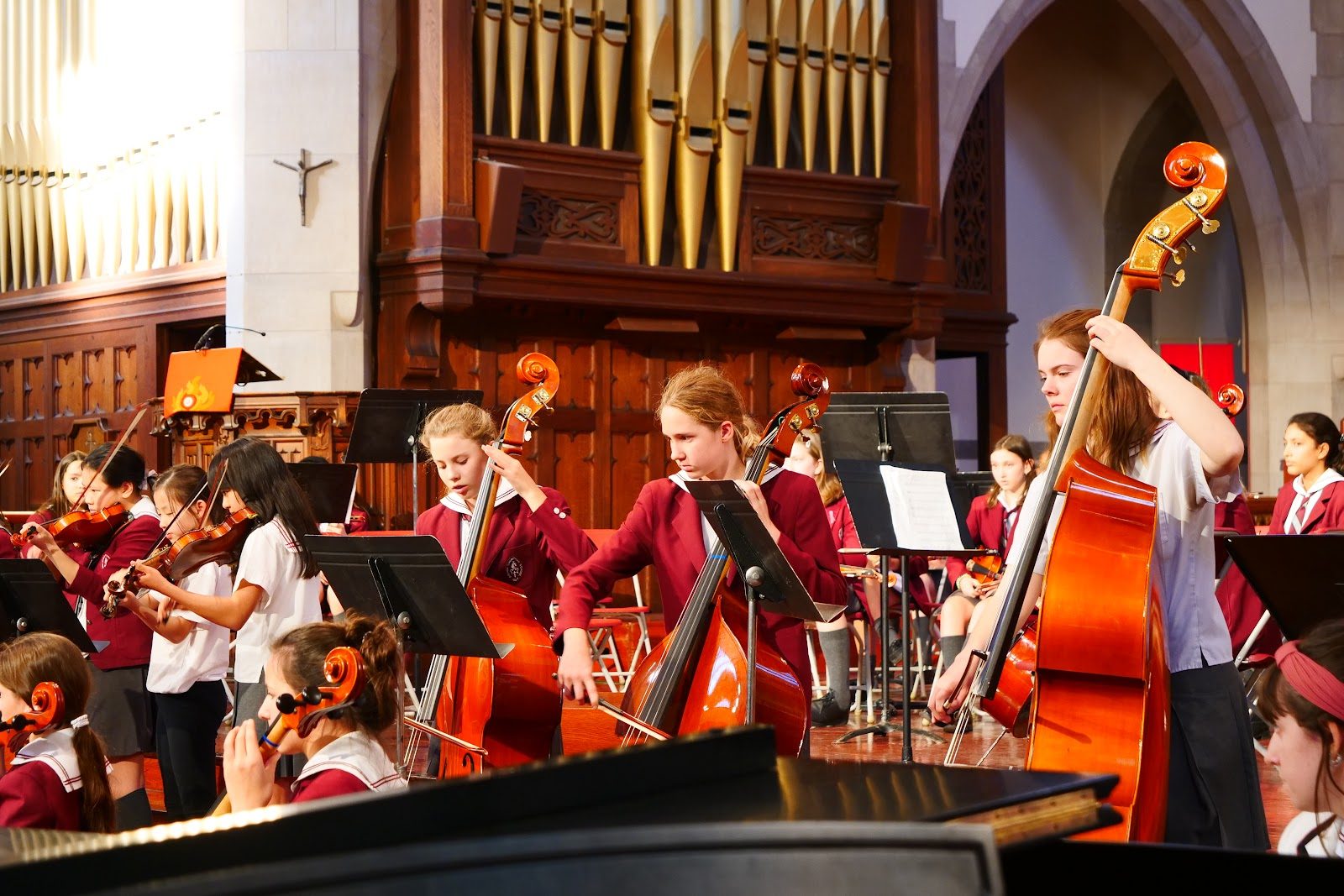
Photo © The Bishop Strachan School via Google Maps
Type
Both
Ages
3–18
Curriculum
Canadian
Ratio
—
The Verdict
Editor's commitment
Right for
Girls who want a serious all-through school: founded in 1867, Anglican, CIS and IB-accredited, with 85% of Grades 9-12 in leadership roles.
Wrong for
Families wanting co-education, bargain fees or a broad university pipeline beyond single admits to Concordia, Dalhousie and George Brown College.
Watch out for
This is expensive Toronto schooling: average annual fees run to CAD 43,800 day and CAD 84,100 boarding, for 970 students and 70 boarders.
Ranking breakdown
The Bishop Strachan School · #483 of 1591
Composite score 69.2. 8 weighted criteria.
By criterion
Academic Outcomes
Weight 20%
#585
of 1529 scored
University Placement
Weight 16%
#584
of 1529 scored
Prestige & Heritage
Weight 12%
#546
of 1571 scored
Alumni Network
Weight 12%
#349
of 1530 scored
Facilities
Weight 12%
#742
of 1533 scored
Transparency & Communications
Weight 8%
#686
of 1532 scored
Peer & Industry Review
Weight 10%
#645
of 1548 scored
Admissions Selectivity & Demand
Weight 8%
#438
of 1529 scored
Score history
The Bishop Strachan School · 2026
Movement across 2024–2026. Peer average overlaid.
Overall — 2024–2026
69.2/ 100
▲ +15.6 vs 2025
year on year
Peer & Industry Review
How The Bishop Strachan School is regarded in the sector
82
Strong · medium confidence
Bishop Strachan School is consistently recognized as one of Canada's oldest and most prestigious all-girls independent schools, frequently mentioned alongside Havergal College in Canadian private school comparisons and Toronto private school guides. It has a strong, long-established alumni network including notable Canadian women in business, politics, and the arts, and is regularly referenced in Canadian education press and independent school directories (e.g., Our Kids, CAIS member profiles) as a top-tier girls' school, though it has less international/global press coverage (e.g., Tatler, Good Schools Guide) compared to UK-based institutions.
Evidence sources
Editors' overview
At 1867, The Bishop Strachan School has a claim few Canadian schools can match: continuity. This is Canada’s oldest continuously operating girls’ day and boarding school, and that long institutional memory still shapes the offer. BSS is not a loose, lifestyle-driven girls’ school trading on heritage alone; it is a serious, university-prep Anglican school for girls aged 3 to 18, with 970 students from Junior Kindergarten to Grade 12, 70 boarders and average class sizes of 18–22. The structure matters. This is a full-through school, not a senior school bolted onto a junior division, and parents looking for consistency from the early years to graduation will find a coherent ladder rather than a patchwork.
What puts BSS on a shortlist is the combination of scale, ambition and institutional confidence. It carries CIS and IBO accreditation, which gives it external validation beyond the Toronto independent-school circuit. The school also publishes indicators that are worth noting: 85% of students in Grades 9 to 12 hold leadership roles, there are 80-plus clubs, teams and affinity groups, and the school allocates more than $2 million in financial assistance annually. Those figures point to a school that runs deep rather than thin. It has enough size to offer breadth, but not so much that pupils disappear into the machinery. Fees place it firmly in the premium bracket: an average annual day fee of CAD 43,800 across the full ladder, and CAD 84,100 for boarding. That is expensive by Toronto standards, and parents are entitled to expect substance in return.
The caveat is that BSS publishes little public destination data in the context here beyond single placements at Concordia, Dalhousie and George Brown College, which is thin for a school with this reputation and price. Parents who care about academic outcomes in hard numbers will want more than rhetoric about leadership and transformation; they should ask directly for university destinations across multiple years and for a clearer picture of attainment. Still, the academic intent is plain. The school describes its programme as challenging and research-based, with inquiry and project-led learning in the middle years and greater independence in Grades 9 to 12. This is a school for girls who want a structured, high-expectation environment, who will use leadership openings rather than avoid them, and who value the focus of a girls’ school. It will suit students who are *confident or ready to be pushed into confidence*; it is less well matched to children who want anonymity, a softer pace or a more casual academic culture.
Academic Performance
BSS does not publish the hard outcome data that would let parents place it cleanly against Toronto’s top independent peers. We have not seen aggregate IB results, provincial examination summaries, score distributions, university-offer patterns across multiple years, or subject-level attainment data. That opacity matters. At this price point, schools earn trust by disclosing results in a form that allows comparison, and BSS does not do that here. The public academic language is clear enough — a challenging programme, inquiry and project-based learning in the middle years, and greater independence in the senior school — but that is philosophy, not performance. Parents who want proof rather than promise should ask for multi-year destination lists, IB averages, top-score bands and the share of pupils meeting first-choice university offers.
Where does that leave BSS relative to peers? In reputation terms, it sits in the serious end of the Toronto girls’ school market: established, selective in feel, and unapologetically university-prep. In evidence terms, it trails schools that publish cleaner outcome data. The school’s own numbers do indicate a culture of participation and responsibility — 85% of older pupils holding leadership roles is a striking internal marker — and the allocation of more than $2m in financial assistance points to institutional depth rather than a thin operation. But neither figure answers the central academic question. Until BSS puts external results into the public domain, its academic standing rests on institutional confidence and market reputation, not transparent proof.
Facilities
The physical offer has real breadth. BSS runs a full-through campus with dedicated provision for younger pupils, separate middle-years teaching spaces and a senior section built for independent study, which matters in a school that wants girls to grow into academic autonomy rather than stay in a single all-purpose block. Boarding also changes the facilities equation: this is not just a day school with an optional extra, but a campus that has to function across the school day and beyond it. The school’s Learning Commons, highlighted through its information-literacy work, points to a library and research space used for more than silent study. Add to that a co-curricular programme with 80+ clubs, teams and affinity groups, and the picture is of a campus designed for full occupation, not token enrichment.
Against Toronto independent-school peers, that places BSS in the upper tier for range and operational depth, even if the public-facing detail is thinner than one would want. We have not seen the kind of granular facilities map that top schools now publish: no clear public breakdown of specialist labs, performing-arts spaces, athletic inventory or boarding-house amenities. That absence does not mean weakness; it does mean parents must ask sharper questions on a visit. Still, a school of this scale, with boarding and an average class size of 18–22, has more infrastructural substance than the city’s small, polished boutiques. The best comparison is not a niche prep school but a serious, all-day institution with enough campus life to keep pupils engaged well past lessons.
At 1867, The Bishop Strachan School has a claim few Canadian schools can match: continuity
Prestige
BSS carries genuine old-line prestige in Canadian independent schooling. That status does not rest on glossy branding; it rests on continuity, a clear social footprint and the durability of its alumnae network. For families in Toronto, the name has weight. It signals a girls’ education with institutional memory, Anglican roots and a leadership ethos that has been embedded for generations rather than bolted on for admissions copy. The school’s scale also helps: it is large enough to sustain breadth, boarding and a visible co-curricular culture, yet contained enough to keep its identity coherent and recognisable. Financial aid of more than $2m a year adds another prestige marker: this is not a fragile boutique school but an institution with resources, donor backing and a community that funds the model.
That said, prestige here is social and institutional before it is empirically academic. BSS has the reputation of a serious school, and its alumnae base — 6,620 around the world — reinforces that standing. The public notable-alumni record also gives it credible cultural reach beyond a narrow local circle. But prestige at the top end needs hard academic disclosure to feel fully earned, and BSS does not publish enough of it. That gap does not erase the school’s status; it limits the case. The result is a school with high inherited standing and strong market recognition, but less public proof of academic supremacy than the strongest data-sharing peers.
BSS does not publish the hard outcome data that would let parents place it cleanly against Toronto’s top independent peers
Communications
BSS communicates like an established institution that expects parents to meet it halfway. The public site is clean, easy to navigate and structured around the core decisions families make: admissions, academics, student life and boarding. Contact details are plain to find, alongside visit, enquiry and application routes, which is basic work but still work many schools mangle. The news feed adds substance. Pieces on information literacy, pupil research projects and alumnae recognition give parents a live view of what the school chooses to value, rather than leaving the site frozen in slogan mode. The call to action for the next admissions cycle is also direct. There is little clutter, and the school does not bury practical next steps under brochure-ish sentiment.
The weakness is depth. BSS communicates ethos, structure and community activity well; it communicates outcomes less well. Parents get a strong sense of leadership culture, school identity and the rhythm of school life, plus some memorable institutional markers such as 80+ clubs and more than $2m in financial assistance. What they do not get is the level of academic disclosure that high-fee families have every right to expect. No public run of destination data, no aggregate exam profile, no serious attainment dashboard. That makes the communications polished but controlled: effective at framing the school, less effective at answering the hardest parental questions. For families who value tone, access and a confident institutional voice, BSS does the job. For families who want hard proof, it leaves work unfinished.
Uniqueness
What marks BSS out is not heritage on its own, but heritage tied to a very specific institutional proposition: a girls’ school with Anglican roots that still treats leadership, self-command and public contribution as core work rather than decorative language. Plenty of schools talk about confidence; BSS has built an ecosystem around it. The scale matters here. With 70 boarders inside a wider day-school community, pupils get a social mix that is broader than the closed local circuit of many city girls’ schools, yet the school still keeps a single, recognisable culture. That brings advantages for students who want both rootedness and stretch: younger girls grow up seeing older ones in visible positions of responsibility, and older pupils are expected to occupy that space rather than drift through the senior years anonymously. The result is a high-expectation, all-in environment that asks girls to participate, lead and speak up.
The other distinctive feature is institutional depth without sprawl. BSS is big enough to sustain 80+ clubs, teams and affinity groups and a global alumnae body of 6,620, which gives students more routes into identity, friendship and future networks than a smaller boutique school can offer. Yet it remains a single-school community for girls, not a sprawling co-ed system where focus gets diluted. For the right student, that creates a rare combination: strong female peer culture, visible inter-year role modelling, and a school day that extends well beyond lessons into a fuller social and intellectual life. For the wrong student, it will feel demanding, tradition-conscious and hard to hide in.
But prestige at the top end needs hard academic disclosure to feel fully earned, and BSS does not publish enough of it
Student Profile
The girl who thrives here is not hunting for a low-friction school life. BSS suits students who can handle expectation, routine and visibility inside a community where participation is built into the culture. In the senior years, leadership is not a fringe activity for a tiny prefect class; it is mainstream, with 85% of pupils in those year groups holding some form of leadership responsibility. That points to a student body trained to speak, organise, mentor and contribute, not sit back. The fit is strongest for girls who enjoy being stretched by teachers, are comfortable in an all-girls environment, and want a school day filled with clubs, teams, service or affinity groups rather than lessons alone. The boarding element also brings in students ready for independence and a more all-consuming school experience.
The weaker fit is just as clear. Girls who want anonymity, resist structure or prefer to sample school life from the edges will find this place demanding and at times inescapable. It is also a school with a strong inherited identity: Anglican, girls-only, leadership-focused and unapologetically university-prep. For some families, that coherence is the draw. For others, it will feel tradition-conscious and high-pressure. The ideal student is academically serious, socially willing and resilient enough to occupy space in a community of just under 1,000 pupils where adults expect girls to grow into public confidence rather than private competence alone.
The other distinctive feature is institutional depth without sprawl
Co-curricular strengths
Arts & sport, on a separate axis
Overall 7.76/10
Scored 0-10 from the school's own published evidence. This axis is editorial-only — it does not feed the main WTS ranking.
Sports
8.1/10
Competes fiercely across Canadian independent tournaments, balancing intensive academic tracking with strong foundational fitness.
Drama
7.6/10
Ambitious theater curriculum utilizing an exceptional on-campus venue, providing deep training in scriptwriting and tech direction.
Dance
7.4/10
Highly dedicated formal dance curriculum running classical ballet and modern composition inside custom studios.
Music
7.6/10
Outstanding musical depth; supports multiple jazz big bands, massive symphonies, and elite choirs with deep civic pipelines.
Visual Arts
8.1/10
Breathtaking visual studios producing top-tier design portfolios, digital multimedia creations, and fine art pieces.
Editor-verified · 8/6/2026
Outcomes & destinations
Where students go next
Class of 2026
Top destinations
48 placements
- Concordia University· 1
- Dalhousie University· 1
- George Brown College· 1
- McGill University· 1
- McMaster University· 1
- Queen's University· 1
- University of British Columbia· 1
- University of Guelph· 1
- University of Ottawa· 1
- University of Toronto· 1
- University of Waterloo· 1
- Wilfrid Laurier University· 1
- Western University· 1
- York University· 1
- Barnard College· 1
- Berklee College of Music· 1
- Boston University· 1
- Carnegie Mellon University· 1
- Cornell University· 1
- Dartmouth College· 1
- Emory University· 1
- Johns Hopkins University· 1
- New York University· 1
- Northeastern University· 1
- Northwestern University· 1
- Middlebury College· 1
- Mount Holyoke College· 1
- Syracuse University· 1
- Tufts University· 1
- University of California, Los Angeles· 1
- University of Miami· 1
- University of Michigan· 1
- University of Notre Dame· 1
- University of Southern California· 1
- University of Washington· 1
- Vanderbilt University· 1
- Wake Forest University· 1
- Wesleyan University· 1
- Wellesley College· 1
- Wheaton College· 1
- IE University· 1
- London School of Economics and Political Science· 1
- Oxford Brookes University· 1
- Royal College of Surgeons· 1
- Royal Veterinary College· 1
- University of Bristol· 1
- University of Manchester· 1
- University of Nottingham· 1
Reported by the school. Confirm with admissions.
Notable alumni · Wikidata
8notable alumni
2 historic (born pre-1930) · 4 modern (born post-1970)wikidata:2026-07-28 How we source this
Strengths
- +Founded in 1867; long-established Toronto girls' school
- +Boarding available for ages 3–18 girls
- +10:1 student-teacher ratio supports individual attention
- +IBO and CIS accredited school
Considerations
- −Annual boarding fee is 78,000 CAD
- −Annual day fee is 38,000 CAD
- −Average class size reaches 22 students
Availability
Primary entry gate & tests
Grade-specific testing + Interview (Girls)
Gallery
Photo © The Bishop Strachan School via Google Maps
Photo © The Bishop Strachan School via Google Maps
Photo © The Bishop Strachan School via Google Maps
Photo © The Bishop Strachan School via Google Maps
Photo © The Bishop Strachan School via Google Maps
Photo © AJ via Google Maps
Photo © AJ via Google Maps
Photo © The Bishop Strachan School via Google Maps
Photo © The Bishop Strachan School via Google Maps
Parent reviews
Have you sent your child here?
Voice reviews carry the strongest trust badge — we transcribe them for you to tidy up before they go live. Prefer to type? A written review is fine too.
Add your voice
In 60 seconds, tell other parents: what's the best thing about The Bishop Strachan School, and what surprised you when your child joined?
We ask for a Google sign-in so every review has a real face behind it — no anonymous drive-by attacks on schools, and no faked positive reviews. Your email is never shown publicly.
Send this profile to a friend
International parents rely on word-of-mouth. Share this review with someone weighing the same decision.
Schools with places
Similar schools to The Bishop Strachan School with places available now.
Ridley College
St Catharines · Canada
- 2026-27
- WAITPOOLLimited Lower/Middle day
- 2027-28
- PLACES OPENActive now
The York School
Toronto · Canada
- 2026-27
- CLOSEDRegular cycle closed
- 2027-28
- PLACES OPENActive now
Appleby College
Oakville · Canada
- 2026-27
- CLOSEDRegular cycle closed
- 2027-28
- OPENS SOONOpens Sept '26
Havergal College
Toronto · Canada
- 2026-27
- CLOSEDRegular cycle closed
- 2027-28
- OPENS SOONOpens 1 Sept '26 (Day) / Boarding active
Availability first, then country, area, curriculum, price, co-curricular
Consider also
Also worth looking at alongside The Bishop Strachan School.
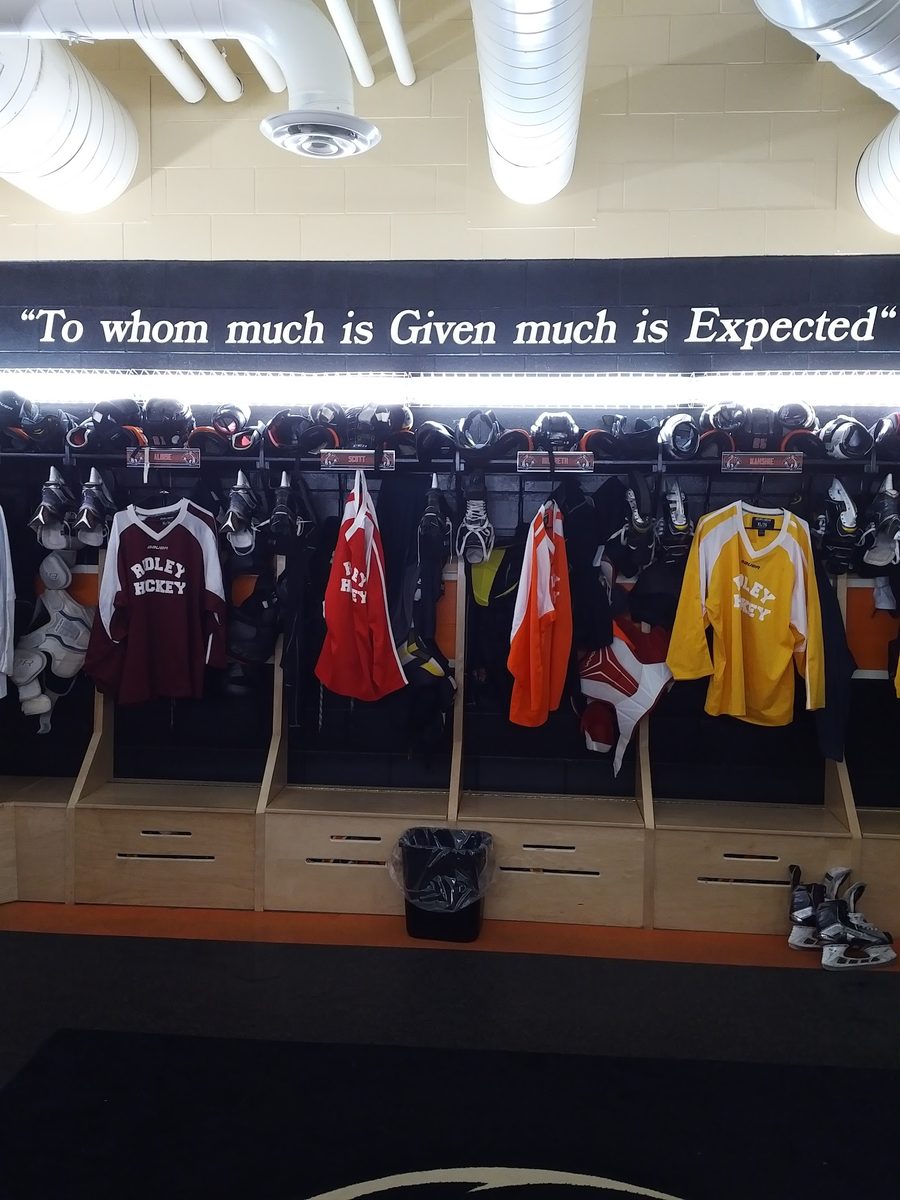
Ridley College
St Catharines · Canada
St Catharines day-and-boarding school blending Ontario's OSSD with the full IB continuum
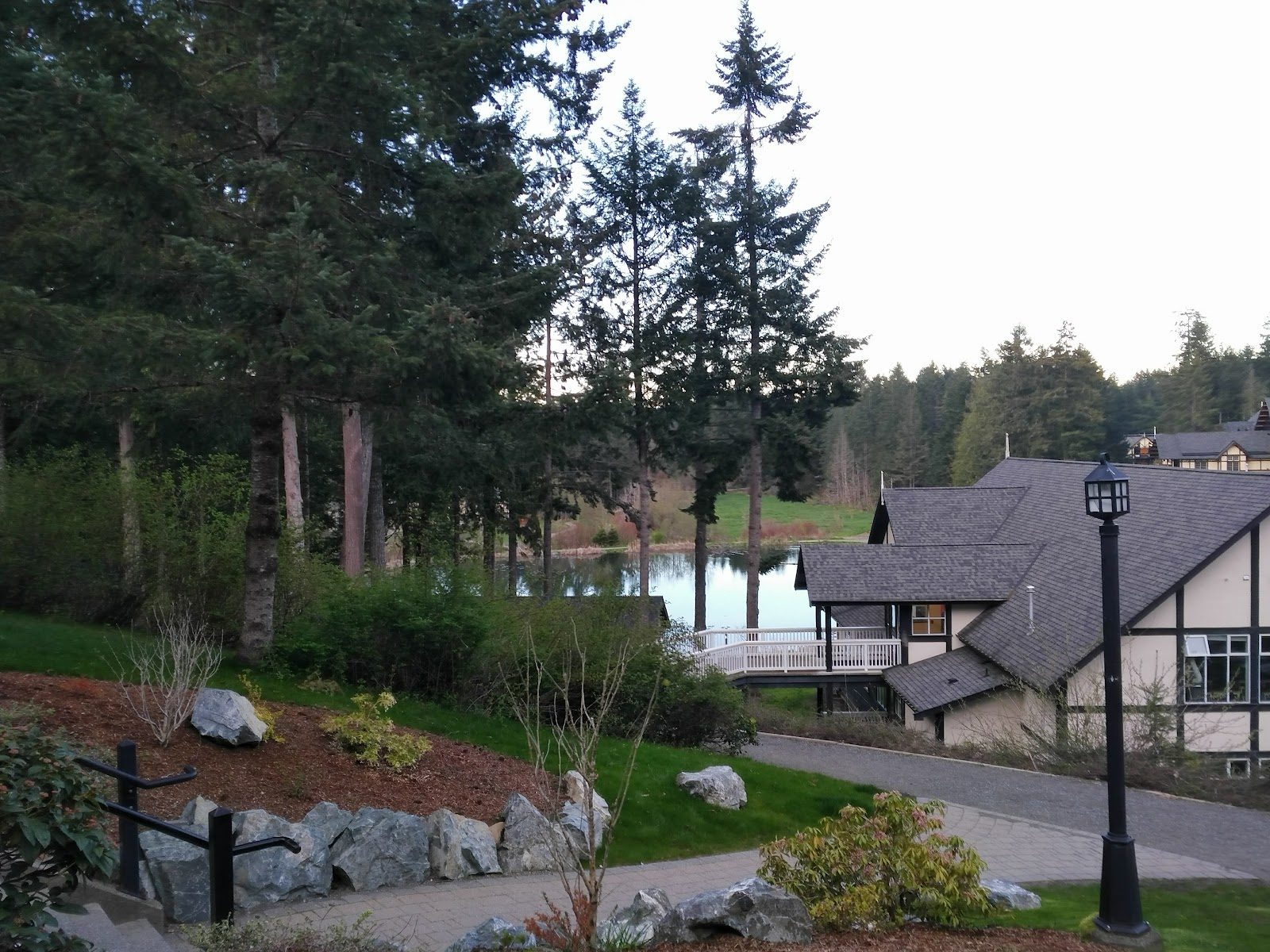
Shawnigan Lake School
Shawnigan Lake · Canada
On a 270-acre Vancouver Island campus, ten boarding houses hold Canada's largest full-time boarding community, a tradition since 1916.
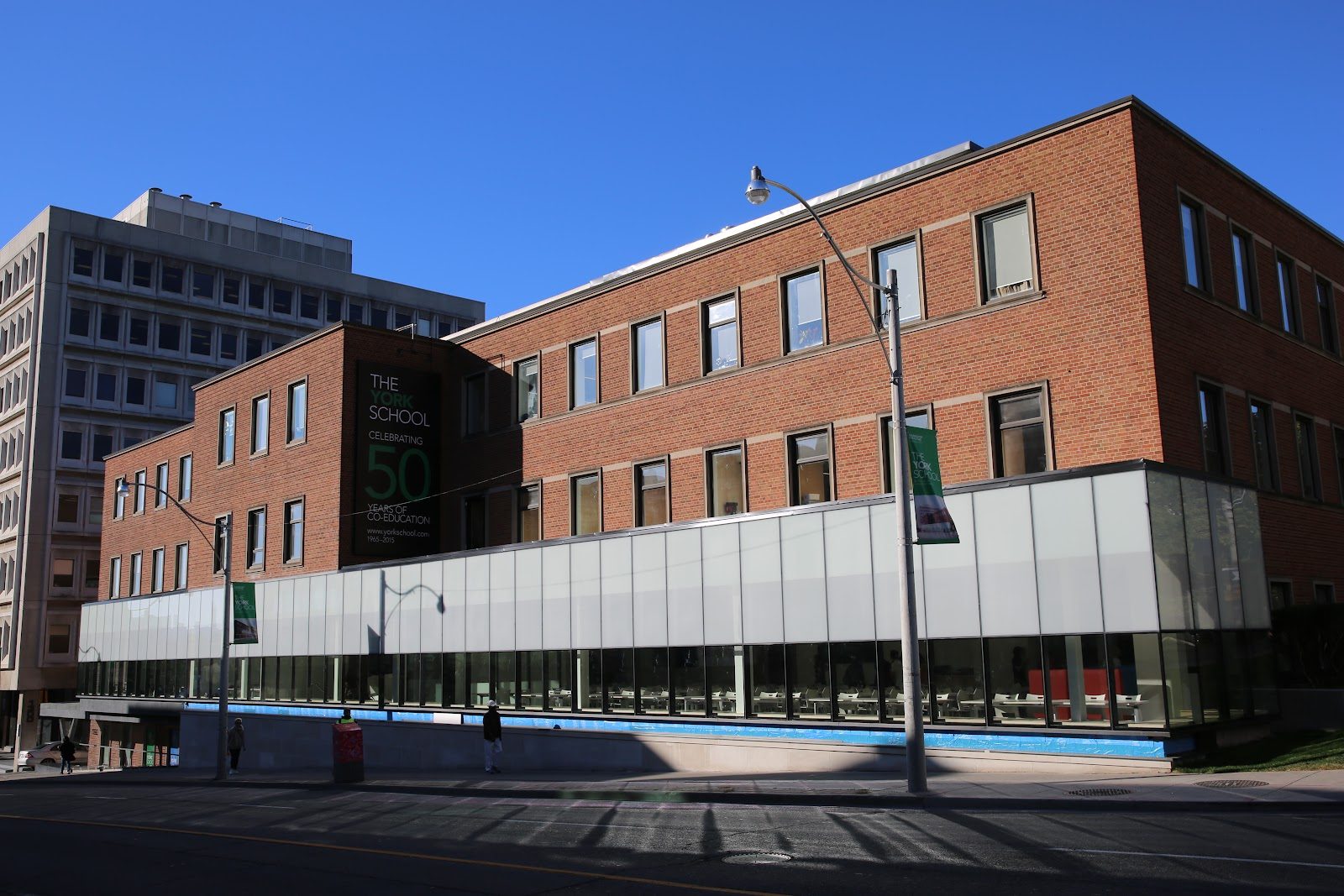
The York School
Toronto · Canada
First English-speaking school in Canada certified for the full IB continuum, JK to Grade 12, on midtown Toronto's Yonge Street corridor.
Appleby College
Oakville · Canada
A lakeside Oakville campus where every senior boards by tradition, and leadership training unfolds on a private island in Temagami.
Same country and curriculum — closest matches within ±10 points either way