
Gauteng
Pretoria Boys High School
low confidence· 6/6 cats · 0 avg sourcesA public school on Waterkloof ridge stacking IEB Further Studies certificates atop the national curriculum for its top mathematicians.
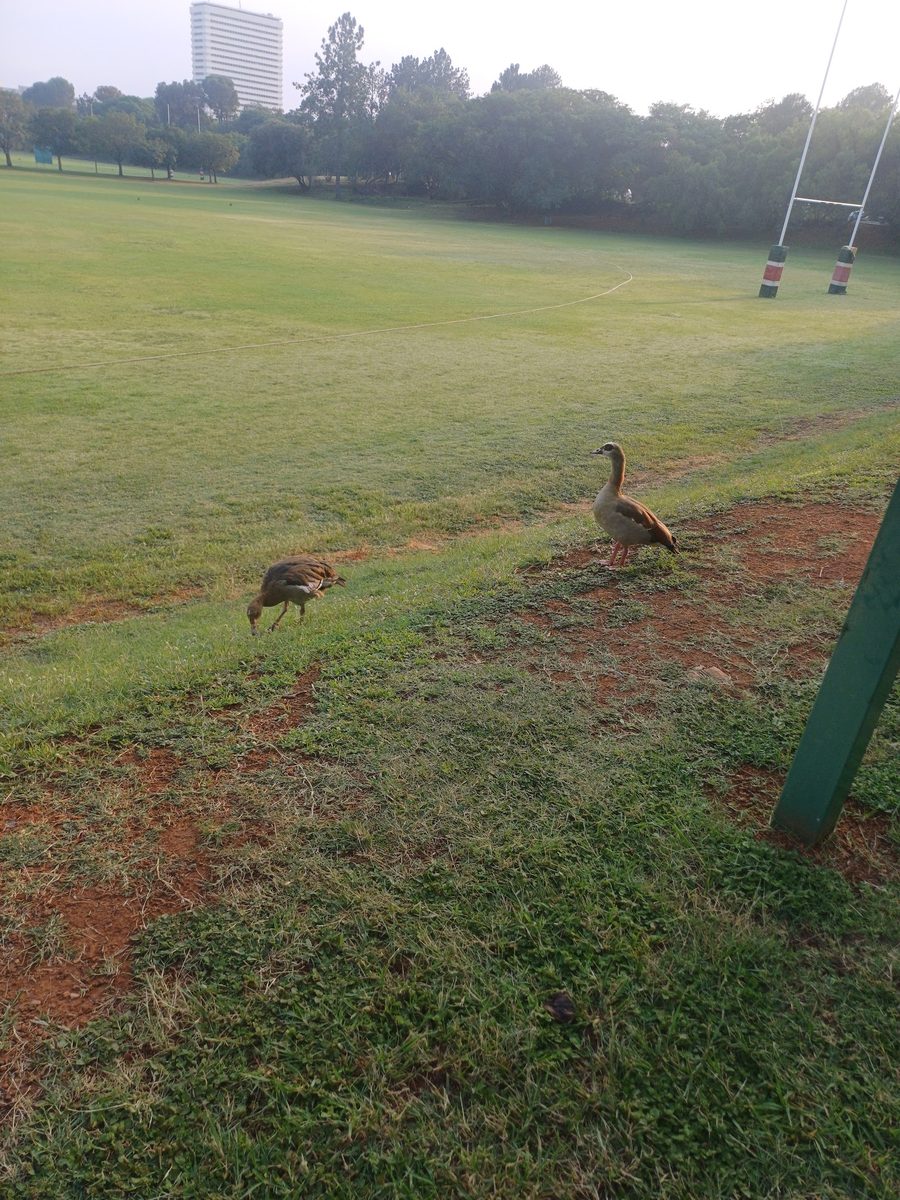
Photo © Kamvelihle Tuswa via Google Maps
Type
Both
Ages
11–18
Curriculum
IEB
Ratio
14:1
The Verdict
Editor's commitment
Right for
Boys 11–18 who want an English-medium public school with boarding, a 14:1 ratio, and serious maths beyond the IEB baseline.
Wrong for
Families wanting a co-educational or faith-based school should look elsewhere; Pretoria Boys High is non-religious, boys-only, with average classes of 28.
Watch out for
The 85-acre campus, three boarding houses and over 300 boarders create scale; pastoral intimacy will not match a small school.
Ranking breakdown
Pretoria Boys High School · #592 of 1591
Composite score 69.2. 8 weighted criteria.
By criterion
Academic Outcomes
Weight 20%
#585
of 1529 scored
University Placement
Weight 16%
#649
of 1529 scored
Prestige & Heritage
Weight 12%
#467
of 1571 scored
Alumni Network
Weight 12%
#348
of 1530 scored
Facilities
Weight 12%
#744
of 1533 scored
Transparency & Communications
Weight 8%
#778
of 1532 scored
Peer & Industry Review
Weight 10%
#647
of 1548 scored
Admissions Selectivity & Demand
Weight 8%
#400
of 1529 scored
Peer & Industry Review
How Pretoria Boys High School is regarded in the sector
88
Strong · medium confidence
Pretoria Boys High School is consistently cited in South African media and 'best schools' rankings as one of the country's top public schools, notably as the alma mater of Elon Musk and several other prominent business and political figures, which has driven significant international press coverage (e.g., Business Insider, BBC, and various South African news outlets profiling the school following Musk's rise to prominence). It is frequently referenced in South African education press and alumni networks as a benchmark academic and sporting institution among former Model C schools, though it receives less coverage in international specialist guides like Tatler or Good Schools Guide, which focus more on private/independent schools.
Evidence sources
Editors' overview
Pretoria Boys High School occupies a distinctive place in the South African market: a fee-supported public school with the scale, grounds and traditions of an old establishment school, but without the private-school governance model. Founded in 1901 and now spread across an 85-acre Waterkloof Ridge campus, it offers an English-medium IEB education for boys aged 11 to 18, with three boarding houses housing more than 300 pupils. The draw is not novelty. It is depth: sandstone buildings, serious sports provision, a settled house system and a school culture built around continuity, discipline and competition. For parents who want a boys’ school with history, structure and a strong sense of collective identity, this is a deeply rooted institution with real institutional weight.
What marks Pretoria Boys High out is the combination of public-school access and elite-school breadth. The campus infrastructure is extensive: 30 classrooms, computer labs, a library, music centre, cricket oval, rugby fields, hockey astro, athletics facilities, tennis and squash courts, swimming and water polo pools, soccer fields and even a shooting range. That breadth matters because the school does not cater only to one type of boy. It has the machinery for academics, sport, music and house-based participation at scale. The editorial angle in this listing matters too: Pretoria Boys High stacks IEB Further Studies certificates on top of the national curriculum for its strongest mathematicians. That adds a sharper academic edge than many parents expect from a school whose public reputation rests so heavily on sport and tradition. The school also publishes useful operational signals: a student-teacher ratio of 14:1 and average class size of 28. Neither figure points to boutique teaching; both point to a large, organised school that knows how to run itself.
Parents should still read it clearly. This is not a soft environment, nor a loose one. The house system sits at the centre of school life and discipline, with boys remaining in one house throughout their school career and pastoral oversight channelled through tutors and housemasters. That structure suits boys who benefit from routine, accountability and visible expectations. It will not suit every family. Boys who need a highly individualised, low-pressure atmosphere or a progressive, lightly managed culture will find Pretoria Boys High too formal, too traditional and too invested in hierarchy. Boys who thrive on team identity, competition and hard-edged expectations will find a school with serious sporting culture, old-school discipline and enough academic substance to reward ambition.
Why shortlist it? Because few schools in Pretoria offer this exact package: public status, boarding, IEB curriculum, large-scale facilities, established reputation and a campus that still carries the full theatre of school life. The best fit is a boy who wants to belong to something bigger than himself — day pupil or boarder — and who will use the opportunities on offer rather than wait to be coaxed into them. This is a strong choice for families seeking structured ambition rather than pastoral indulgence, and for boys who want a school where the week is full, the standards are clear and the identity is unmistakable.
Academic Performance
Pretoria Boys High does not publish the exam data a serious parent wants. We have not seen aggregate IEB pass rates, bachelor-degree pass rates, subject distinctions, top-end mathematics outcomes or multi-year trends in the public domain. That makes hard comparison with Pretoria’s stronger independent schools impossible, and it leaves the school open to a familiar problem: a powerful public reputation built more on history, sport and institutional stature than on disclosed academic evidence. For a school with this level of profile, that opacity is a clear weakness. Parents weighing academic ambition against competing schools need more than atmosphere and anecdote; they need published results.
That said, the school’s academic structure carries some weight. The house system tracks progress closely through tutors and housemasters, and the editorial context points to IEB Further Studies in mathematics for its top set. That is not the mark of a school content with the floor. It points to provision for boys who can work at a higher level, especially in quantitative subjects. Relative to peers, Pretoria Boys High sits in the bracket of serious mainstream schools with credible academic intent and a sharper edge than its public-school label can imply. It does not, on published evidence, sit in the bracket of schools that prove academic dominance through transparent results. Until it discloses that data, parents should treat academic strength here as plausible but unproven at scale.
Facilities
Facilities are a serious asset here. The school has an old-establishment footprint that many South African peers cannot match: wide playing fields, imposing main buildings, a dedicated music centre, library, computer labs and a hall that has been extended and modernised rather than left as a heritage relic. The academic side is functional rather than flashy, but the range matters. There are 30 classrooms and enough specialist and support spaces to run a full day-and-boarding operation without the cramped feel that afflicts many urban schools. The on-campus sanatorium and counselling centre add real substance. Two registered nurses and three on-site psychologists put pastoral and medical support on firmer ground than at many competitor schools, where wellbeing provision is thinner or outsourced. That is a material strength, not a brochure extra.
Sport is where the plant moves into genuinely heavyweight territory. The school offers a cricket oval with pavilion, rugby grounds, hockey astro, athletics field, tennis and squash courts, swimming and water polo pools, basketball courts, soccer fields and even a shooting range. Against peer schools, that places Pretoria Boys High in the top bracket for breadth of sports infrastructure, especially for a public school. Plenty of private rivals have polished facilities; fewer match this combination of scale, range and institutional use. The weakness lies elsewhere: parents seeking cutting-edge science labs, design spaces or a technology-rich innovation centre will find no published evidence of standout provision on that front. This is a campus built for full-scale school life, competitive sport and structured daily rhythm, not for architectural novelty.
The house system tracks progress closely through tutors and housemasters, and the editorial context points to IEB Further Studies in mathematics for its top set
Prestige
Pretoria Boys High carries real prestige in South Africa’s day-and-boarding market, but it is a specific kind of prestige. This is not the polished exclusivity of a top private school. It is the status of an old, visible public institution that has held its ground for generations through tradition, sport, alumni loyalty and a campus with unusual scale. The physical setting matters: an 85-acre site, imposing sandstone architecture and facilities that run far beyond the basic public-school brief all confer institutional heft. The school’s profile also benefits from selectivity by culture rather than by boutique scarcity. Boys are expected to fit the place, not the other way round. That creates a hard-edged brand that many families actively want.
Why not rate its prestige at the absolute top of the market? Because prestige in this bracket rests more on name, heritage and breadth than on publicly demonstrated academic supremacy. The school has stature, visibility and cachet; it also has a fee-supported public identity that sets it apart from both ordinary state schools and elite independents. For some parents, that hybrid status is a strength in itself: old-establishment credibility without full private-school detachment. The boarding presence — over 300 boys — adds to that standing, as does a system of houses and pastoral oversight that feels deeply embedded rather than decorative. In plain terms, Pretoria Boys High is *high-status, high-recognition and culturally weighty*; it is not the automatic first choice for families who rank published academic outcomes above institutional reputation.
Sport is where the plant moves into genuinely heavyweight territory
Communications
Pretoria Boys High communicates in the manner of a large, established institution: through clear site architecture, formal channels and named points of contact rather than intimacy or hand-holding. The website gives parents the essentials without fuss — contact details, admissions and fees, calendar links, policies, fixtures, newsletters, news, leadership pages and practical resources all sit in plain view. That matters. Schools with sprawling internal life need disciplined information flow, and Pretoria Boys High at least signals that it understands the basics of parent communication. The house system also gives communication a defined route. Concerns do not float; they move through tutors and housemasters, with parents contacted when discipline or welfare requires it. In a school with 10 houses and more than 300 boarders, that sort of structure is not optional.
The strength here is order. Parents who value clear lines of responsibility, institutional rhythm and a school that treats communication as administration rather than performance will find a system that fits the culture. The weakness is just as plain. Public-facing communication carries more operational than academic substance. We have not seen the school publish the kind of exam breakdowns, outcome trends or performance analysis that would make parent communication properly transparent. There is also a faintly top-down tone to the way discipline and pastoral oversight are framed. That will reassure some families and irritate others. Effective? Yes, on logistics and structure. Less convincing when parents want data, depth and frank academic disclosure.
Uniqueness
What sets Pretoria Boys High apart is the combination of state status and establishment-school machinery. In South Africa, that mix is rare. This is a fee-supported public school with the built culture of an old boys’ institution: fixed rituals, strong internal loyalties, competitive houses, visible discipline and a week structured around far more than lessons. The house model is not decorative. Boys stay in one house throughout their time at school, with tutors and housemasters tracking academic progress, conduct and participation. That gives the place a cohesive internal logic and a high-accountability culture that many larger schools never achieve. Add boarding for more than 300 pupils and the result is a school where identity runs deep, friendships harden quickly and belonging is tied to contribution rather than self-expression alone.
It also stands out for the breadth of support built into a school better known for sport and tradition. An on-campus sanatorium staffed by two registered nurses, backed by three on-site psychologists, gives pastoral care more substance than the usual token provision. For students, that brings real benefits: quick intervention when problems surface, adults who know them well, and a daily environment with clear boundaries, strong continuity and serious communal momentum. The trade-off is just as clear. Boys who dislike hierarchy, resist institutional culture or need a soft-touch atmosphere will chafe here. Boys who want structure, camaraderie and a school that expects them to step into its rhythms will get something distinctive and hard to replicate.
Against peer schools, that places Pretoria Boys High in the top bracket for breadth of sports infrastructure, especially for a public school
Student Profile
The boy who fits here does not need coaxing into school life. He wants a busy week, accepts rules without negotiation and has enough competitive instinct to live comfortably in a culture built around houses, teams and public standards. This suits boys who like belonging to a group with a clear pecking order and who respond well when adults monitor progress, conduct and effort closely. The scale of the house structure — 10 houses, with tutors and housemasters attached — gives quieter boys a route into the school, but only if they are willing to participate. A boy who prefers anonymity, resists authority or wants a highly personalised, student-led atmosphere will struggle. This is a structured, tradition-bound environment with firm expectations.
The strongest fit is a boy with range: academic enough to use the teaching properly, resilient enough to handle pressure, and energetic enough to take advantage of sport, music, service or the daily churn of communal life. Boarders need an extra layer of adaptability; life here runs on routine, oversight and shared space, not privacy or informality. The pastoral provision is stronger than the stereotype of a hard-driving boys’ school, with three on-site psychologists and a proper medical centre, but that support sits inside an institution that still expects boys to toughen up, contribute and get on with it. For self-disciplined boys who want serious camaraderie and a high-accountability culture, the fit is strong. For boys who need a gentler runway, it is not.
This is not the polished exclusivity of a top private school
Co-curricular strengths
Arts & sport, on a separate axis
Overall 8.16/10
Scored 0-10 from the school's own published evidence. This axis is editorial-only — it does not feed the main WTS ranking.
Sports
9.5/10
Drama
7.8/10
Dance
6.8/10
Music
9.2/10
Visual Arts
7.5/10
Strengths
- +IEB curriculum in English
- +Three boarding houses for 11–18 boys
- +14:1 student-teacher ratio
- +85-acre campus with extensive sports fields
Considerations
- −Boys-only environment excludes girls
- −Average class size is 28
- −Public school, supplemented by school fees
Availability
Primary entry gate & tests
Internal Assessment (Boys)
Gallery
Photo © Charlie Scalliet via Google Maps
Photo © Dario Rodrigues via Google Maps
Photo © Sarah-Jane Clarke via Google Maps
Photo © Phenyo Nkwana via Google Maps
Photo © Albert Bredenhann via Google Maps
Photo © Albert Bredenhann via Google Maps
Photo © Karin Roux via Google Maps
Photo © Karin Roux via Google Maps
Photo © Pretoria Boys High School via Google Maps
Parent reviews
Have you sent your child here?
Voice reviews carry the strongest trust badge — we transcribe them for you to tidy up before they go live. Prefer to type? A written review is fine too.
Add your voice
In 60 seconds, tell other parents: what's the best thing about Pretoria Boys High School, and what surprised you when your child joined?
We ask for a Google sign-in so every review has a real face behind it — no anonymous drive-by attacks on schools, and no faked positive reviews. Your email is never shown publicly.
Send this profile to a friend
International parents rely on word-of-mouth. Share this review with someone weighing the same decision.
Schools with places
Similar schools to Pretoria Boys High School with places available now.
Availability first, then country, area, curriculum, price, co-curricular
Consider also
Also worth looking at alongside Pretoria Boys High School.
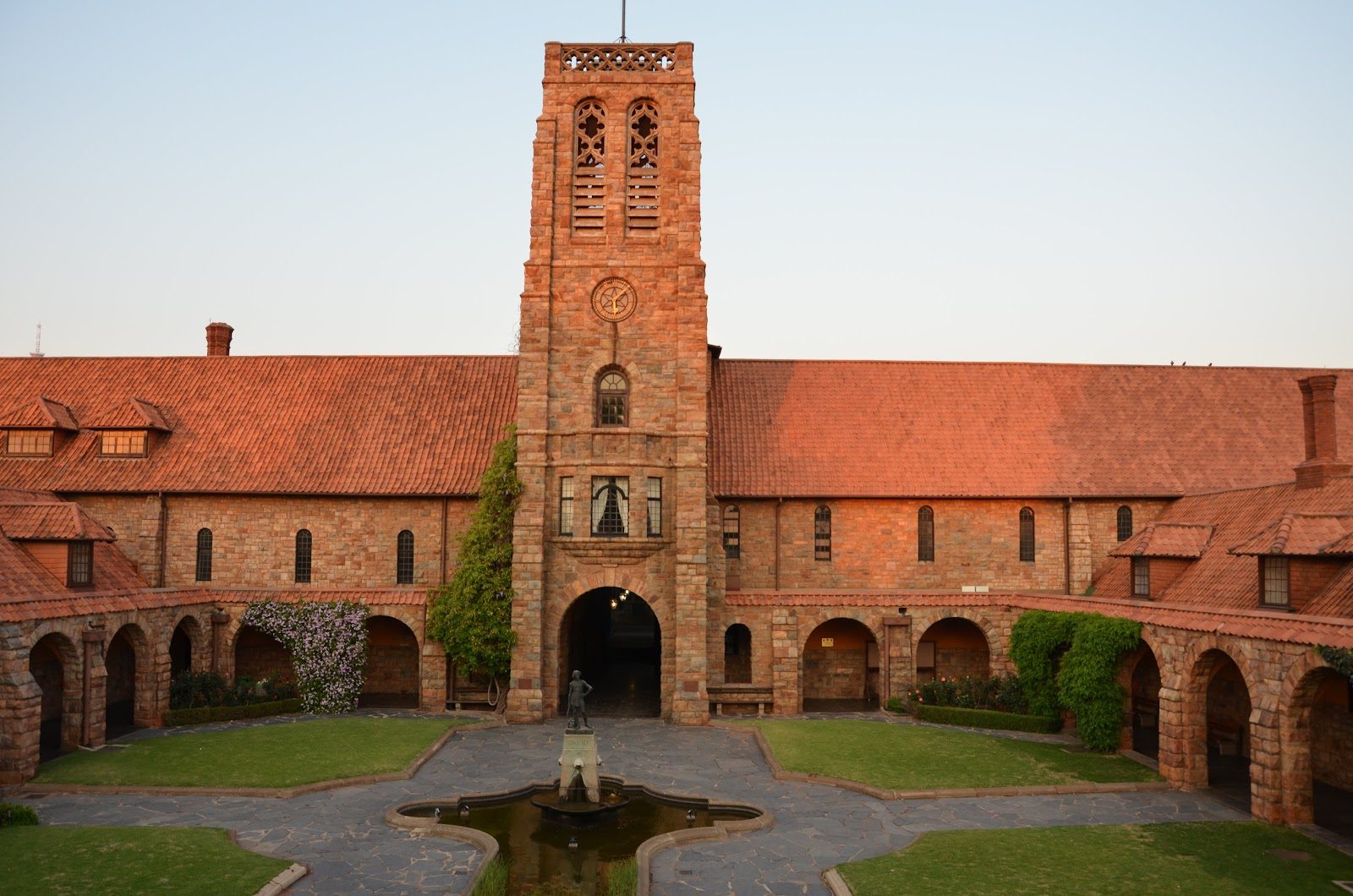
St John's College
Johannesburg · South Africa
Founded twelve years after the Witwatersrand gold rush, this Anglican boarding college blends Herbert Baker quadrangles with a four-house pastoral tradition
Roedean School South Africa
Johannesburg · South Africa
Founded in 1903 by two Cambridge-educated pioneers, this all-girls boarding school still occupies its original Herbert Baker campus in Parktown.
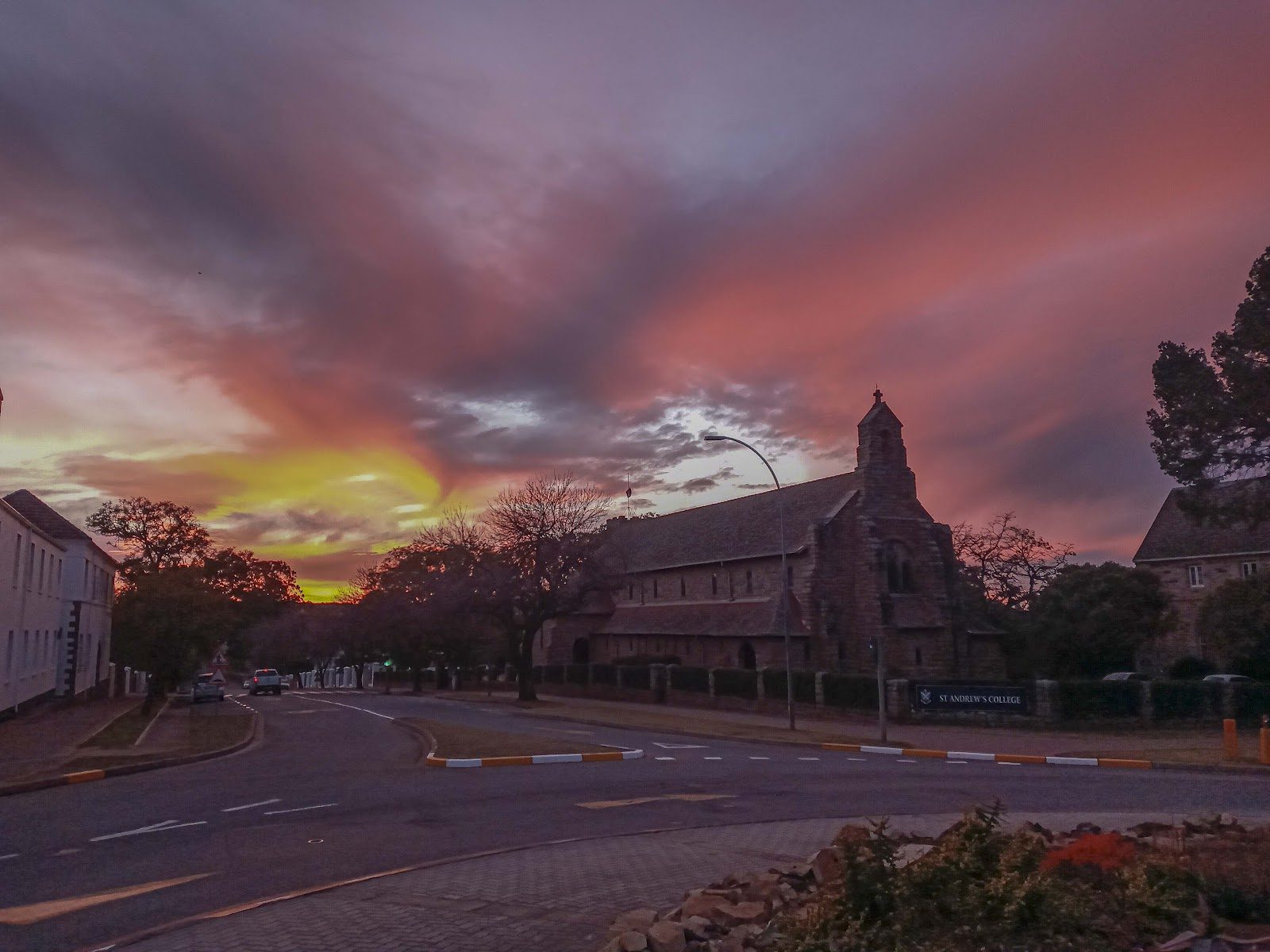
St Andrew's College
Makhanda · South Africa
On the Eastern Cape frontier since 1855, house tradition and shared classes with a sister school shape a distinct boarding life.
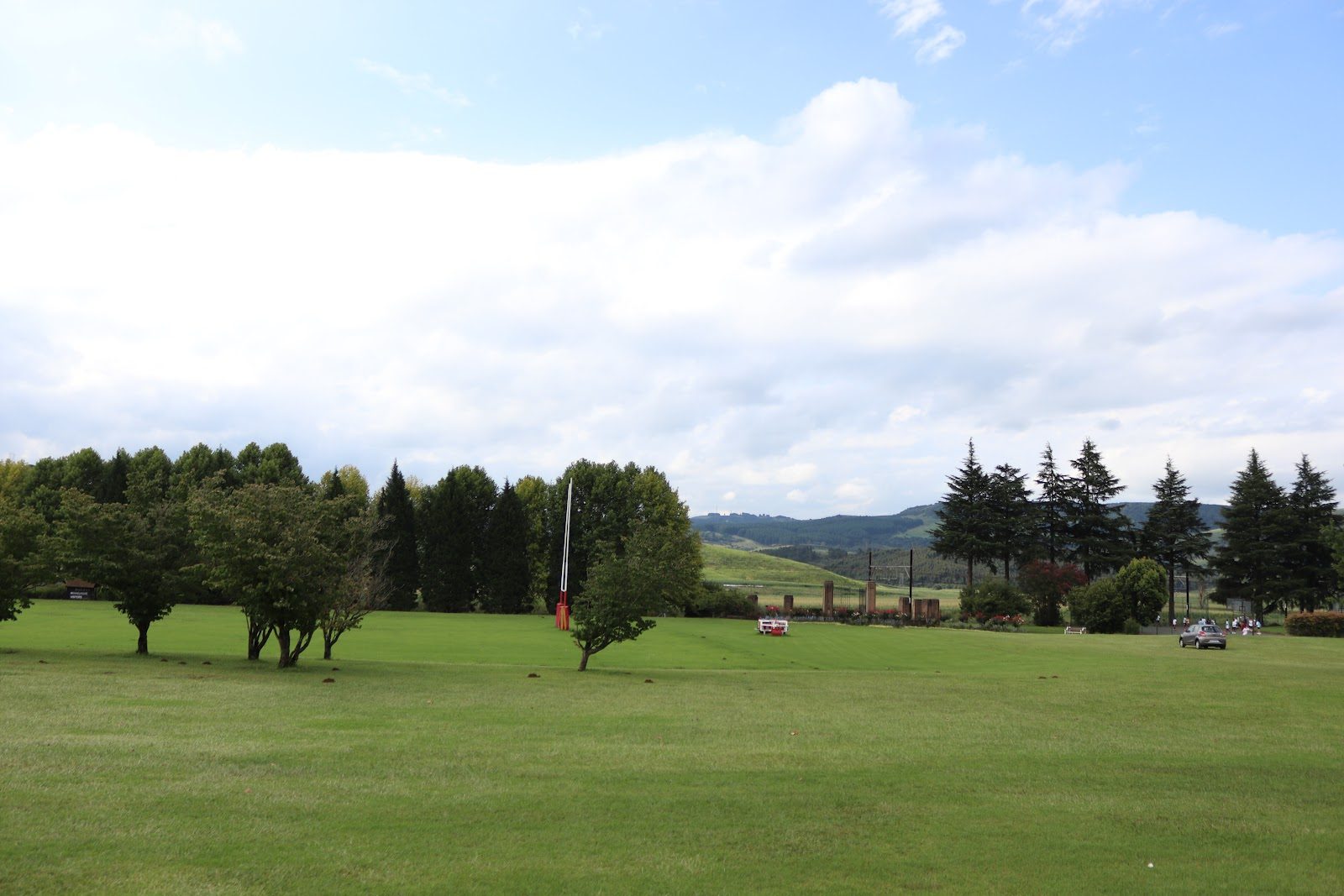
Michaelhouse
Balgowan · South Africa
In South Africa's Midlands, one of the world's few remaining all-boys, all-boarding schools borders a rare mistbelt grassland reserve.
Same country and curriculum — closest matches within ±10 points either way