
Muscat Governorate
The American International School Muscat
high confidence· 6/6 cats · 3.14 avg sourcesOman's sole American-curriculum school, pairing AP coursework with a hands-on Discover Oman outdoor learning program.
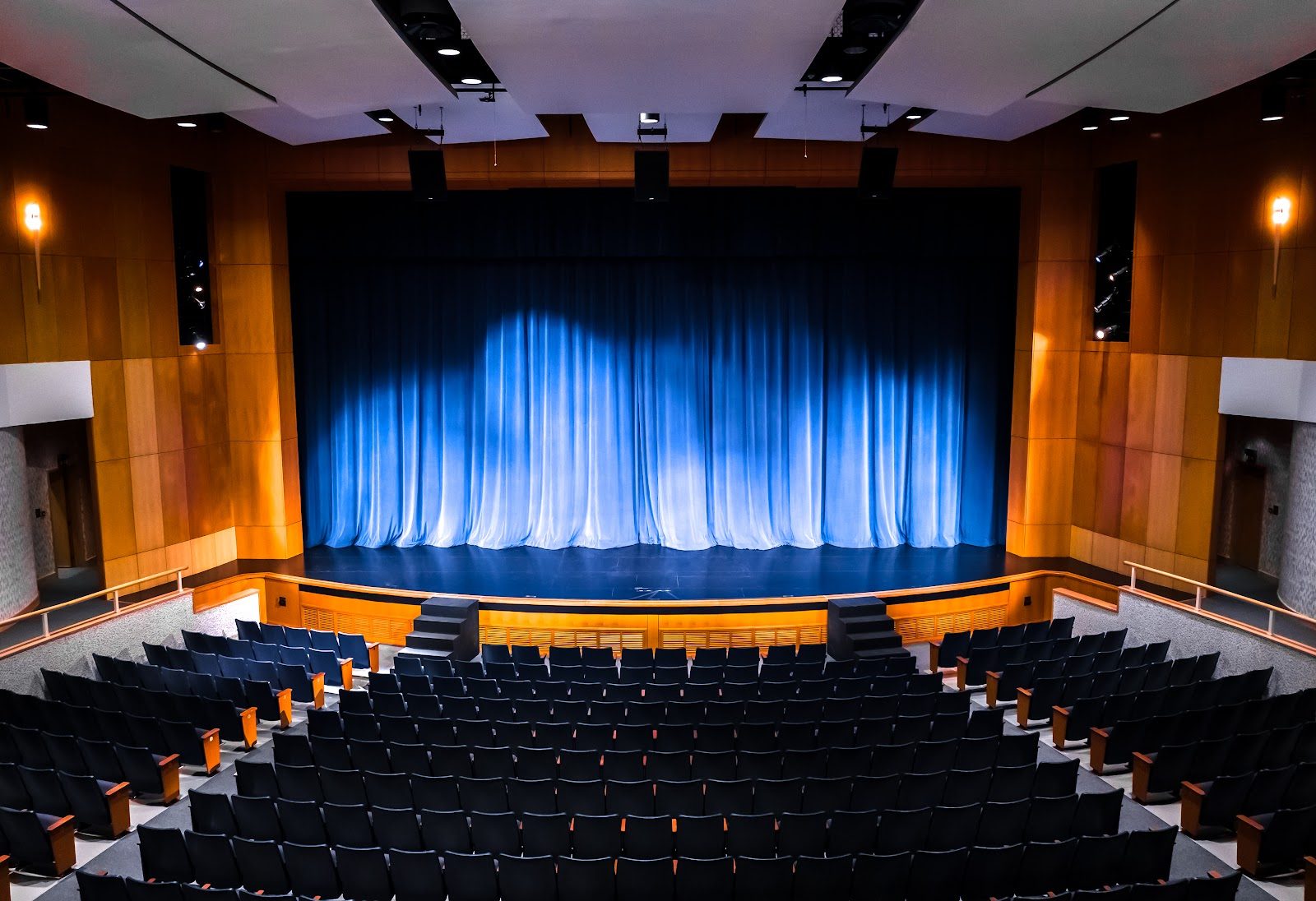
Photo © The American International School of Muscat (TAISM) via Google Maps
Type
Day
Ages
3–18
Curriculum
American
Qualifications
AP · IB Diploma
Ratio
—
The Verdict
Editor's commitment
Right for
Families in Muscat who want Oman’s sole American-curriculum school, founded in 1998, with English instruction from ages 3–18.
Wrong for
Parents chasing a British pathway, boarding, or a deep university track record beyond 44 leavers and single 2024 places at Amherst and American.
Watch out for
IB World School and MSA accreditation add credibility, but the school still defines itself as American-only; check how that balance works in practice.
Ranking breakdown
The American International School Muscat · #485 of 1591
Composite score 69.2. 8 weighted criteria.
By criterion
Academic Outcomes
Weight 20%
#585
of 1529 scored
University Placement
Weight 16%
#584
of 1529 scored
Prestige & Heritage
Weight 12%
#597
of 1571 scored
Alumni Network
Weight 12%
#389
of 1530 scored
Facilities
Weight 12%
#559
of 1534 scored
Transparency & Communications
Weight 8%
#650
of 1532 scored
Peer & Industry Review
Weight 10%
#640
of 1548 scored
Admissions Selectivity & Demand
Weight 8%
#438
of 1529 scored
Score history
The American International School Muscat · 2026
Movement across 2024–2026. Peer average overlaid.
Overall — 2024–2026
69.2/ 100
▲ +27.3 vs 2025
year on year
Peer & Industry Review
How The American International School Muscat is regarded in the sector
65
Respected · low confidence
TAISM is consistently mentioned in expat parent forums and regional 'best international schools in Oman' roundups as one of the established American-curriculum options in Muscat, alongside ABA and BSM, reflecting solid but not exceptional regional standing. It lacks coverage in flagship specialist press like Good Schools Guide International or Tatler, and no major alumni network visibility was found, limiting confidence in a higher tier.
Editors' overview
The American International School Muscat occupies a clear niche: it is Oman’s sole American-curriculum school, a direct answer for families who want a full US-style pathway without mixing systems. Founded in 1998, it offers an American curriculum in English from ages 3–18, with AP coursework in the upper school and IB World School accreditation alongside MSA. That combination matters. It gives families an American academic spine with enough external validation to reassure those who care about standards and transferability. In a market where many international schools default to the IB or British route, TAISM’s rare market position gives it real distinction.
What puts it on a shortlist is not novelty for its own sake, but fit. For internationally mobile families tied to the American system, this is the obvious local option. For parents who want broad university access rather than a narrow national curriculum, the AP offer helps. The school’s Discover Oman outdoor learning programme adds a second point of difference: a grounded sense of place in a sector that too often sells global citizenship in abstract terms. If that programme is executed well, it gives students more than trips and activities; it gives practical confidence, local knowledge and a stronger connection to the country they live in.
TAISM will suit students who thrive in an American classroom culture: continuous assessment, participation, breadth of subject choice and a less exam-dominated rhythm than many British schools. It also suits children who benefit from a broad-based education rather than early specialisation. Families looking for a highly traditional, tightly formal academic environment may find the American model too loose. Families who want an English-language day school with a clear US identity, recognised accreditation and an outdoor programme that pushes learning beyond the classroom will find TAISM a serious contender and, for the right child, a compelling fit.
Academic Performance
TAISM does not publish the exam data that would let parents judge academic performance with confidence. We have not seen aggregate AP scores, AP participation rates, SAT or ACT averages, IB Diploma results, or a full university destination pattern beyond a small sample from one leaving class. That leaves a clear transparency gap. In a competitive international market, schools that deliver strong external outcomes publish them. TAISM does not. Parents comparing it with stronger-reporting peers in the Gulf will find the picture frustratingly opaque.
What can be said is narrower. The school offers AP coursework and sends graduates to a spread of universities, with 44 leavers in the most recent class and named destinations that include selective US institutions alongside large public universities. That points to a broad middle-ground profile rather than an obviously high-octane exam culture. One Amherst place carries weight; single admits do not establish a pattern. Relative to peers, TAISM sits in the group where fit, continuity and school culture matter more than published score power. Families who need hard-edged proof of external academic strength will want more disclosure before drawing conclusions.
Facilities
TAISM’s facilities matter less as a display of excess than as support for a full day-school experience. The key asset is the scope to run early years through high school on one campus without the patched-together feel that weakens some smaller Gulf schools. For parents, that means the essentials need to work across ages: age-appropriate classrooms, science provision that can carry serious secondary work, sports space that sustains both curriculum PE and after-school activity, and arts rooms that do more than tick a box. The school’s Discover Oman programme also sets a practical demand that many peers do not face. Outdoor learning on that model requires organisation, kit, transport planning and staff confidence, not just a field and a slogan. If TAISM executes that well, it has a genuine operational advantage over schools whose facilities stop at the campus gate.
Against peer schools in Muscat, that proposition is distinct rather than lavish. TAISM does not trade on the kind of showpiece campus that newer premium operators in Dubai or Abu Dhabi use to justify high fees and brand prestige. Parents hunting for headline architecture, vast specialist centres or a resort-style sports complex may find stronger physical plant elsewhere in the region. In the Omani market, though, breadth and usability count more than spectacle. For a school with only 44 recent leavers, the better benchmark is whether facilities support continuity, activity and safe progression across the age range. That is the standard TAISM needs to meet.
If TAISM executes that well, it has a genuine operational advantage over schools whose facilities stop at the campus gate
Prestige
TAISM’s prestige rests on market position and parent fit, not on elite cachet. In Oman, being the only school offering a full American route gives it real practical status with diplomatic, expatriate and internationally mobile families who do not want a hybrid model. That matters. Scarcity creates demand, and clear system alignment carries weight in relocation decisions. The school also has the advantage of longevity and established name recognition in its local market. But prestige in the stronger international-school sense rests on visible academic outcomes, selectivity, and a consistent pipeline to top universities. TAISM does not publish enough to claim that territory. With only 44 leavers in the recent class and a destination list topped by isolated placements rather than a deep run of highly selective admissions, its profile reads as credible rather than commanding.
That puts TAISM in the tier of schools valued for stability, continuity and a distinct educational proposition, not in the tier that drives hard prestige across the Gulf. Parents on the ground will know the name; globally mobile families comparing schools across Dubai, Abu Dhabi or Doha will find less external signal here than at the region’s more status-heavy operators. The outdoor programme strengthens identity and gives the school a useful edge beyond academics alone, but it does not substitute for published results. The verdict: respected in its own market, not a glamour brand, and strongest where family priorities centre on American continuity rather than institutional shine.
But prestige in the stronger international-school sense rests on visible academic outcomes, selectivity, and a consistent pipeline to top universities
Communications
TAISM’s parent communication reads as the communication of a school that serves internationally mobile families: direct, functional and centred on day-to-day school life rather than brand theatre. That suits the job. Parents choosing a school with a strong expatriate constituency need clear routines, prompt notices and unambiguous academic reporting more than glossy storytelling. The school also runs an outdoor programme that carries extra logistical demands, so communication has to cover practical detail well: timings, kit, risk management, consent, transport and follow-up. If those basics slip, confidence drops fast. The public-facing picture points to a school that understands this operational burden and treats communication as part of safeguarding, not an afterthought. That is a sound instinct and, in this context, a serious test of competence.
The limit is visibility. TAISM does not publish the kind of academic outcome data that strong schools use to anchor parent confidence, and that weakens the communications picture. Good communication is not only about warmth or frequency; it is also about disclosure. When a school leaves parents without aggregate AP results, standardised test averages or a fuller destinations pattern beyond a single class of 44, communication shifts from clear enough to selective. Families already inside the community may find the flow of information perfectly serviceable. Families comparing schools from a distance will want more than operational updates and community messaging. They will want a harder-edged account of academic performance.
Uniqueness
TAISM’s uniqueness is plain: it is Oman’s only school built around a fully American pathway. That gives it a cleaner academic identity than the hybrid schools that mix systems to satisfy the market. For families moving in and out of US-style education, that matters immediately. Course choices, assessment habits, classroom expectations and university preparation all sit inside one logic rather than a stitched-together compromise. Students gain continuity. They also gain a school community with a more defined profile: families who have chosen this route on purpose, not by default. In a small market, that clarity of mission is rare.
The second differentiator is Discover Oman. Plenty of schools advertise outdoor education; few tie it so directly to the country around them. Done properly, that gives students more than enrichment. It builds practical resilience, local knowledge and a stronger sense of where they live, rather than the placeless international-school experience that dominates the sector. Combined with a leaving class of 44, TAISM reads as a school where identity is shaped less by scale or status and more by educational coherence. That will not suit every family. Parents chasing hyper-competitive prestige or a broad menu of parallel academic pathways will find tighter limits here. Parents who want one system, one community and learning that extends beyond the classroom will find a sharply defined proposition.
TAISM’s uniqueness is plain: it is Oman’s only school built around a fully American pathway
Student Profile
TAISM suits families who want a coherent American-school experience and a student body shaped by that choice. The fit is strongest for children who do well in discussion-led classrooms, can manage a broad workload across subjects, and prefer steady assessment to a single high-stakes exam culture. The school will also suit students who value continuity across the age range and who benefit from a community that is neither vast nor anonymous. With a graduating class of 44, this is not a place for those who want the social sprawl or near-endless subject menu of a mega-campus. It is a better match for students who like being known, who are comfortable in an internationally mobile peer group, and who do not need institutional grandeur to feel stretched.
The outdoor element sharpens that profile. Students who fit here will tolerate heat, dust, logistics and the minor discomforts that real field-based learning brings. They need a degree of practical resilience and a willingness to take part, not just watch. That gives TAISM a student culture that is less status-driven than at some Gulf competitors and more grounded in participation. Children who want a highly formal, tightly disciplined atmosphere may find the tone too open. Teenagers chasing a hyper-competitive academic herd may also want a bigger, more exam-intense environment. TAISM works best for families who value community, breadth and hands-on confidence over spectacle.
The American International School Muscat occupies a clear niche: it is Oman’s sole American-curriculum school, a direct answer for families who want a full US-style pathway without mixing systems
Co-curricular strengths
Arts & sport, on a separate axis
Overall 7.46/10
Scored 0-10 from the school's own published evidence. This axis is editorial-only — it does not feed the main WTS ranking.
Sports
8/10
Basketball, Football, Volleyball, and Swimming as extracurriculars.
Drama
7.5/10
Explicitly includes Drama Productions.
Dance
6.5/10
Music
7.8/10
Choir and Jazz Band, but offers.
Visual Arts
7.5/10
Editor first-pass · editor-reviewable · 7/27/2026
Outcomes & destinations
Where students go next
Class of 2024
44 graduates
Top destinations
177 placements
- American University· 1
- Amherst College· 1
- Arizona State University· 1
- Bentley University· 2
- Butler University· 1
- California State University Fullerton· 1
- Calvin University· 2
- Carnegie Mellon University· 3
- Chapman University· 1
- Colorado School of Mines· 1
- Cornell University· 1
- Duke University· 1
- Eckerd College· 1
- Florida State University· 1
- George Mason University· 1
- George Washington University· 2
- Georgia Institute of Technology· 1
- Georgia State University-Perimeter College· 1
- James Madison University· 1
- Kent State University· 1
- Louisiana State University· 1
- Loyola Marymount University· 1
- Loyola University Chicago· 1
- Luther College· 1
- Lynn University· 1
- Michigan State University· 2
- New York University· 2
- Northeastern University· 1
- Orange Coast College· 1
- Pennsylvania State University-Main Campus· 1
- Piedmont Valley Community College· 1
- Polk State College· 1
- Purdue University· 1
- Roanoke College· 1
- Rochester Institute of Technology· 1
- Rollins College· 1
- Saint Mary's University of Minnesota· 1
- San Jose State University· 1
- Santa Clara University· 1
- St Olaf College· 1
- Stevens Institute of Technology· 2
- Suffolk University· 2
- Syracuse University· 1
- Texas A&M University· 3
- Texas A&M University-College Station· 2
- The Pennsylvania State University· 1
- The University of Texas At Austin· 1
- Thomas Jefferson University· 1
- Tufts University· 2
- University of California, Berkeley· 1
- University of Florida· 1
- University of Houston-Clear Lake· 1
- University of Illinois Urbana-Champaign· 2
- University of La Verne· 1
- University of Massachusetts· 1
- University of Miami· 1
- University of Nevada, Reno· 1
- University of Richmond· 1
- University of Sioux Falls· 1
- University of Southern California· 3
- University of Waterloo· 1
- University of Wisconsin-Green Bay· 1
- University of Wisconsin, Eau Claire· 1
- Utah State University· 2
- Virginia Commonwealth University· 1
- Virginia Military Institute· 1
- Worcester State University· 1
- Dalhousie University· 1
- McGill University· 2
- McMaster University· 1
- Queen's University· 2
- St. Francis Xavier University· 1
- The University of British Columbia· 2
- Trent University· 1
- University of Alberta· 3
- University of British Columbia· 1
- University of Calgary· 6
- University of Lethbridge· 1
- University of Toronto· 13
- Arts University Bournemouth· 1
- City, University of London· 1
- King's College London· 4
- Queen Mary University of London· 1
- University of Bath· 1
- University of Birmingham· 1
- University of Cambridge· 1
- University of East Anglia· 1
- University of Edinburgh· 1
- University of Liverpool· 1
- University of Manchester· 4
- University of Reading· 1
- University of Southampton· 1
- University of St. Andrews· 3
- University of Sussex· 1
- CEU San Pablo University· 1
- EPFL· 1
- Eindhoven University of Technology· 1
- Erasmus University Rotterdam· 1
- Franklin University· 1
- Hotelschool The Hague· 1
- Howest University of Applied Sciences· 1
- Ie University - Madrid Campus· 1
- Leiden University· 1
- Maastricht University· 1
- Paris College of Art· 1
- Radboud University· 1
- Semmelweis University· 1
- Tbilisi State Medical University· 1
- The Hague University of Applied Sciences· 1
- Trinity College Dublin· 1
- University of Amsterdam· 2
- University of Groningen· 1
- University of Rome La Sapienza· 1
- Utrecht University· 2
- American University of Beirut· 2
- American University of Sharjah· 2
- Georgetown University in Qatar· 1
- Middlesex University Dubai· 1
- Modern College of Business and Science· 1
- The American University in Dubai· 3
- Monash University· 1
- University of Queensland· 1
- Addis Ababa University· 1
- Universidad EAFIT· 1
Reported by the school. Confirm with admissions.
Strengths
- +American curriculum throughout ages 3–18
- +English-medium teaching suits many expatriate families
- +IB World School accreditation broadens post-16 options
- +Non-religious, co-educational day school in Muscat
Considerations
- −Day school only; no boarding option
- −American curriculum only, limiting curricular choice
- −Founded date is inconsistent across published sources
Availability
Primary entry gate & tests
Academic Record
Gallery
Parent reviews
Have you sent your child here?
Voice reviews carry the strongest trust badge — we transcribe them for you to tidy up before they go live. Prefer to type? A written review is fine too.
Add your voice
In 60 seconds, tell other parents: what's the best thing about The American International School Muscat, and what surprised you when your child joined?
We ask for a Google sign-in so every review has a real face behind it — no anonymous drive-by attacks on schools, and no faked positive reviews. Your email is never shown publicly.
Send this profile to a friend
International parents rely on word-of-mouth. Share this review with someone weighing the same decision.
Schools with places
Similar schools to The American International School Muscat with places available now.
British School Muscat
Muscat · Oman
- 2026-27
- PLACES OPENApps open / space-dependent
- 2027-28
- WAITPOOL2027/28 timetable TBC
The Sultan's School
Muscat · Oman
- 2026-27
- PLACES OPENApps open / space-dependent
- 2027-28
- WAITPOOL2027/28 timetable TBC
Muscat International School
Muscat · Oman
- 2026-27
- PLACES OPENApps open / space-dependent
- 2027-28
- WAITPOOL2027/28 timetable TBC
Availability first, then country, area, curriculum, price, co-curricular
Consider also
Also worth looking at alongside The American International School Muscat.
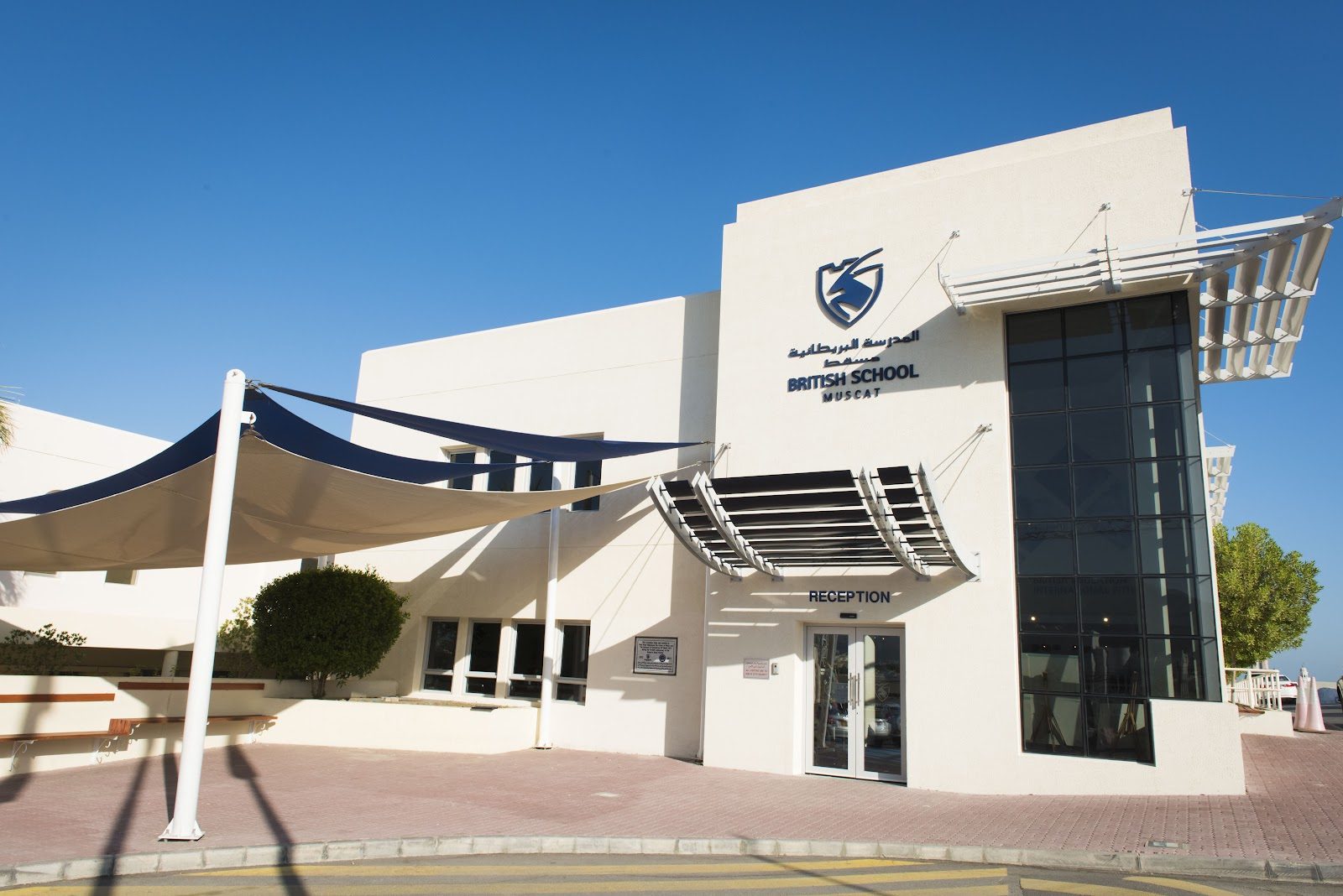
British School Muscat
Muscat · Oman
A Royal Charter granted by Sultan Qaboos underwrites five decades of not-for-profit British schooling on Muscat's coast.
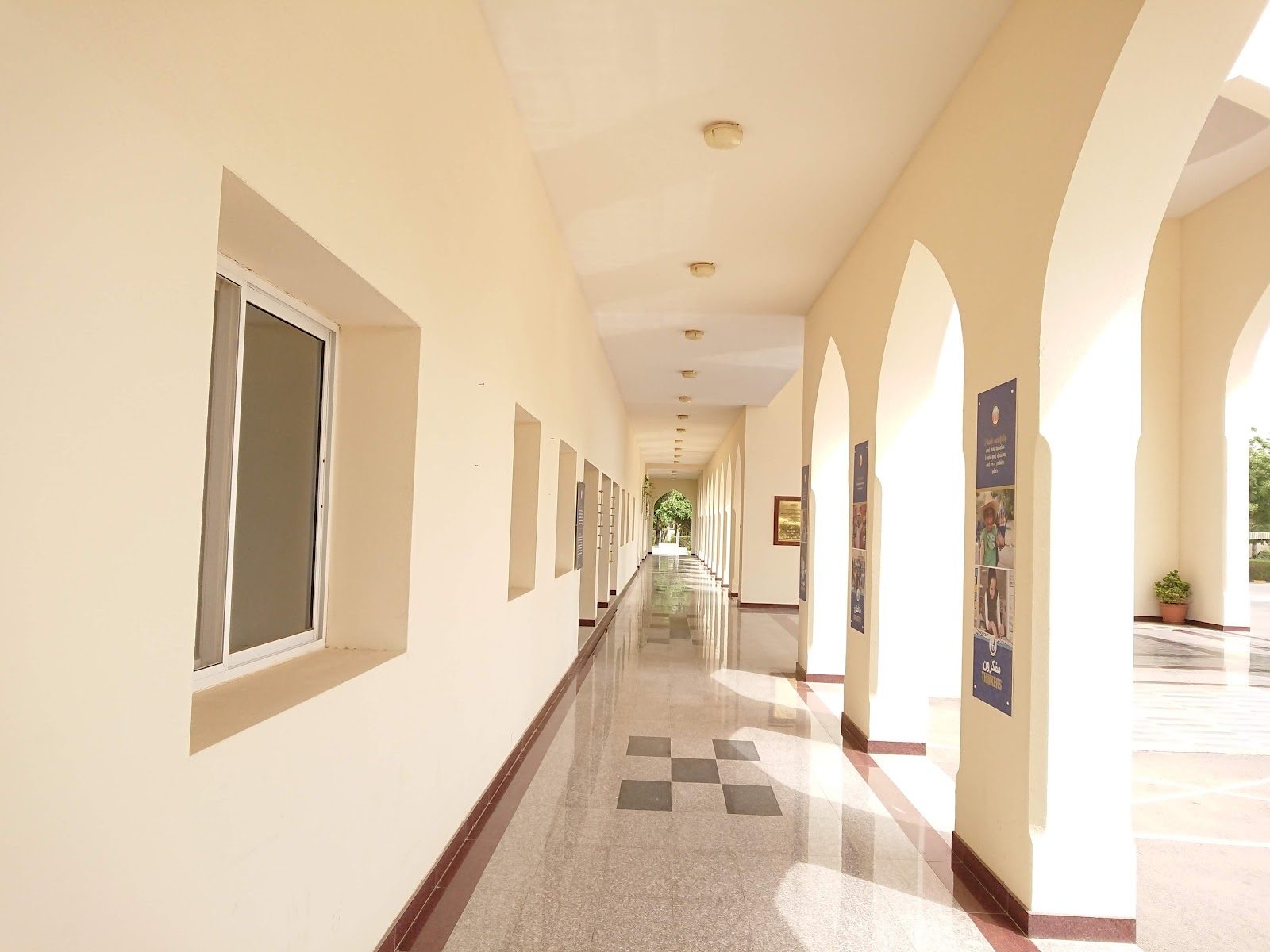
The Sultan's School
Muscat · Oman
Royally chartered in 1977, this Muscat day school fuses British academics with Arabic and Islamic studies to mould future Omani leaders.
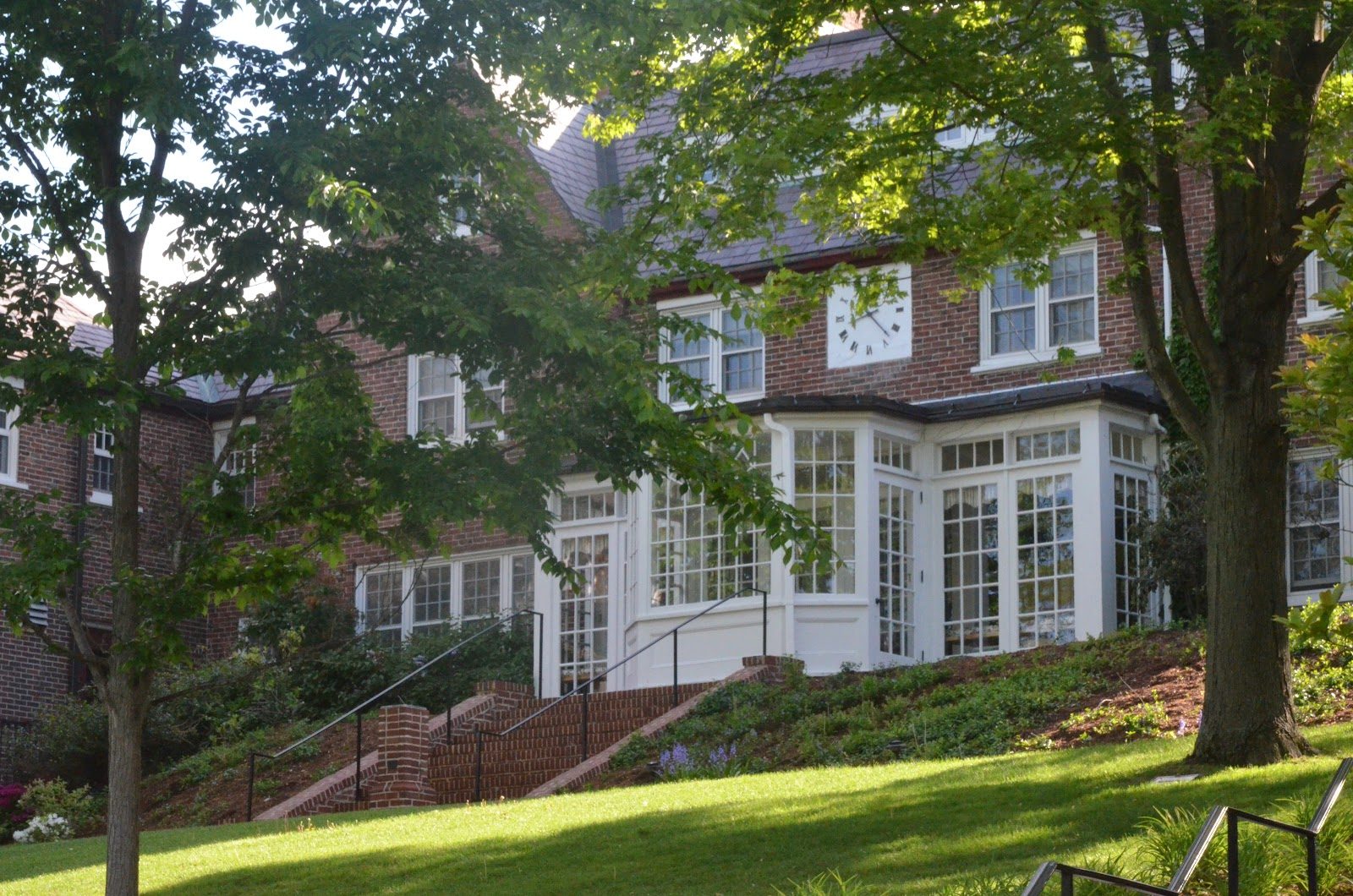
Belmont Hill School
Belmont · United States
A hilltop day school outside Boston, where jacket-and-tie ritual and family-style lunch anchor a century-old all-boys formation.
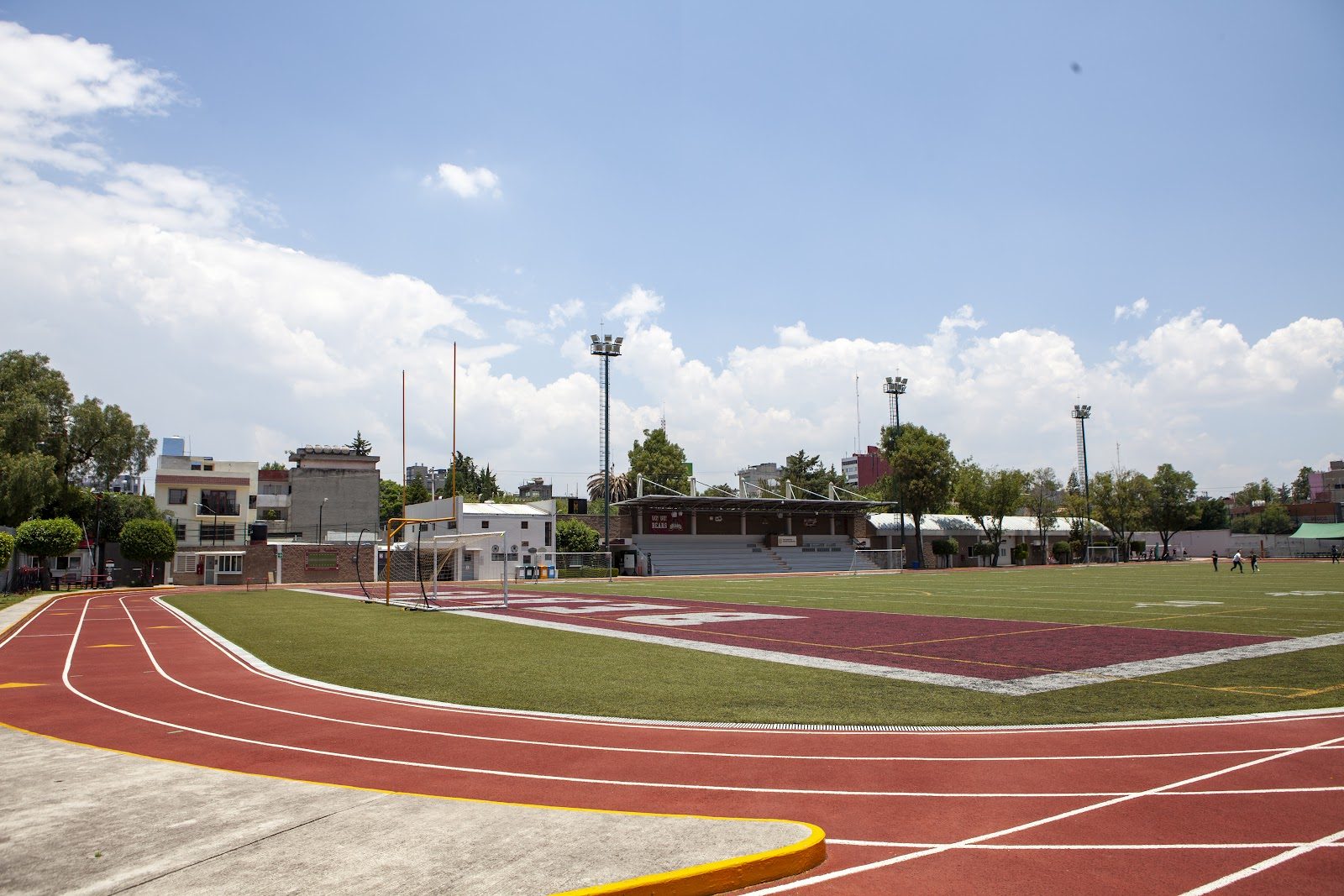
The American School Foundation
Mexico City · Mexico
Founded in 1888, the oldest continuously operating American school outside the U.S., blending IB rigor with bilingual roots in Mexico City.
Same country and curriculum — closest matches within ±10 points either way