
Eastern Cape
St Andrew's College
high confidence· 6/6 cats · 3.12 avg sourcesOn the Eastern Cape frontier since 1855, house tradition and shared classes with a sister school shape a distinct boarding life.

Photo © St Andrew's College via Google Maps
Type
Boarding
Ages
11–18
Curriculum
IB
Ratio
—
The Verdict
Editor's commitment
Right for
Boarders aged 11–18 who want Anglican house culture, English-medium teaching, and an IB school founded in 1855.
Wrong for
Families wanting a day-school atmosphere, secular ethos, or a curriculum narrower than IB and Cambridge accreditations permit.
Watch out for
Boarding averages $22,152 a year against $9,902 day fees; shared classes with a sister school shape daily life.
Ranking breakdown
St Andrew's College · #353 of 1591
Composite score 71.4. 8 weighted criteria.
By criterion
Academic Outcomes
Weight 20%
#449
of 1529 scored
University Placement
Weight 16%
#459
of 1529 scored
Prestige & Heritage
Weight 12%
#212
of 1571 scored
Alumni Network
Weight 12%
#142
of 1530 scored
Facilities
Weight 12%
#194
of 1534 scored
Transparency & Communications
Weight 8%
#592
of 1532 scored
Peer & Industry Review
Weight 10%
#385
of 1548 scored
Admissions Selectivity & Demand
Weight 8%
#1232
of 1529 scored
Score history
St Andrew's College · 2026
Movement across 2024–2026. Peer average overlaid.
Overall — 2024–2026
71.4/ 100
▲ +24.8 vs 2025
year on year
Peer & Industry Review
How St Andrew's College is regarded in the sector
78
Strong · medium confidence
St Andrew's College (Makhanda) is consistently featured in South African 'top schools' rankings and specialist press as one of the country's leading traditional boys' boarding schools, alongside peers like Michaelhouse, Hilton College, and Bishops. It has a strong, well-documented alumni network including notable figures in business, sports and public life, and is frequently referenced in South African private-school league tables and expat-parent forums discussing elite SA boarding options. However, it receives less international (UK/global) press coverage than the very top-tier globally recognised institutions, placing it just below the 90+ band.
Evidence sources
Editors' overview
What sets St Andrew’s College apart is not a glossy international-school formula but a very specific South African boarding tradition: an Anglican boys’ school in Makhanda, founded in 1855, with a sister-school relationship that shapes daily life as much as the timetable. The school covers ages 11 to 18, runs as a boarding school, and declares the IB, with Cambridge also listed among its accreditations. That combination matters. Parents are not buying a generic “global” product here; they are choosing a school with deep institutional memory, a strong house culture and a social life built around boarding routines, fixtures, chapel tradition and shared activities with a neighbouring girls’ school. In a market crowded with new-build campuses and interchangeable language, St Andrew’s has a clearer identity than most.
Its market position sits in the serious-but-not-stratospheric bracket. The average annual day fee is $9,902 and the average annual boarding fee is $22,152 across the full age range, which places it as an accessible full-boarding proposition by international standards and a distinct alternative to far pricier British-style boarding imports elsewhere on the continent. The draw here is not luxury; it is structure, continuity and belonging. Parents who want a highly curated cosmopolitan day school with multiple pathways and glossy facilities front and centre will find stronger options elsewhere. Parents who value boarding as a formative education in itself, and who want English-medium schooling with recognised international accreditation, will find a school with a sharply defined character.
The right pupil for St Andrew’s is one who will thrive in a traditional setting with rules, ritual and communal expectations. This is a school for boys who want the full boarding experience rather than a loose day-school add-on, and for families comfortable with an Anglican foundation and the cultural weight that comes with a school founded in 1855. It suits students who gain from team structures, inter-house loyalty and a busy collective life. It does not suit children who need anonymity, constant flexibility or a broad à la carte menu of school identities. Put plainly: St Andrew’s belongs on a shortlist for parents seeking old-school boarding substance in South Africa, not for those shopping for a frictionless international brand.
Academic Performance
St Andrew’s College does not publish the kind of granular public results data that lets parents benchmark it cleanly against South Africa’s most academically transparent independents. We have not seen cohort-level IB averages, subject-by-subject distributions, university placement tables, or multi-year trends in top grades. That matters. In the absence of those figures, no serious editor can place the school in the top-flight academic bracket on outcomes alone. What can be said is narrower: the school holds recognised international authorisation and long-established examination credibility, which gives families a solid baseline of trust that courses and assessment are externally moderated rather than purely internal.
Relative to peers, this puts St Andrew’s in an opaque middle ground. It has more academic seriousness than schools that trade mainly on lifestyle or pastoral rhetoric, but less published proof than the strongest results-driven boarding schools, which put aggregate scores and destination data in plain view. For parents, the implication is straightforward. If you want hard evidence of exceptional attainment, ask for recent IB score distributions, pass rates, higher-level subject outcomes and university destinations before treating academic strength as a deciding factor. If those numbers are strong, the school’s case sharpens quickly; without them, academic performance remains credible but unproven in the public domain.
Facilities
Facilities are not the school’s selling point in the luxury-market sense, and that clarity helps. Parents choosing St Andrew’s are buying into a worked-in boarding campus, not a resort-style build with showcase architecture, black-box buzzwords and design-led specialist centres on every corner. The important assets here are the ones that support the school’s core model: boarding houses that anchor daily life, dining and communal spaces that keep pupils in shared routine, chapel and assembly settings that reinforce the Anglican culture, and the sports grounds that carry a disproportionate share of institutional identity. Against South Africa’s richer urban independents, this reads as functional rather than flashy. Against weaker regional boarders, it is a more coherent, fully lived-in proposition, because the estate exists to sustain a whole-school residential culture rather than bolt boarding onto a day-school frame.
That places St Andrew’s in a middle bracket on facilities among boarding peers. It does not compete with the arms-race campuses of top-fee international schools, where aquatics centres, performing-arts complexes and extensive technology suites are used as brand signals. It competes through fit: spaces that serve house life, fixtures, practice, weekend structure and supervision. For the right family, that matters more than spectacle. For families who want visibly cutting-edge science, arts and maker facilities, the school needs closer scrutiny and direct questioning. At an average annual boarding fee of $22,152, the facilities case rests on boarding substance and everyday usability, not grandeur.
We have not seen cohort-level IB averages, subject-by-subject distributions, university placement tables, or multi-year trends in top grades
Prestige
St Andrew’s College carries real domestic prestige in the South African independent-school world, but it is a specific kind of prestige. It rests on heritage, continuity, sport, house identity and the social weight that attaches to a long-established Anglican boys’ boarding school, not on a glossy global brand or a flood of published academic metrics. That distinction matters. Within its own milieu, the name has pull: families who value traditional boarding culture, old-school networks and the status that attaches to enduring institutions will recognise it at once. At $22,152 for boarding on average, it also occupies a fee band that keeps it within reach of more families than ultra-premium international boarders, which broadens its social presence without making it cheap.
The rating stops short of the top prestige tier because the school’s reputation is stronger regionally and nationally than internationally, and because public proof of academic distinction is thin. Prestige built on tradition alone has limits. Parents buying for global university signalling or elite international-school cachet will find stronger names elsewhere. Parents buying for institutional gravitas, deep-rooted community and a serious, tradition-bound education will judge it differently. In plain terms: this is a school with earned standing and cultural heft in its own market, not a universal status symbol.
In the absence of those figures, no serious editor can place the school in the top-flight academic bracket on outcomes alone
Communications
Communication is where a boarding school either builds trust or burns it. At St Andrew’s, parents need clear, regular information because the school is not a casual drop-off operation: boys live inside a dense timetable of houses, sport, fixtures, chapel, weekends and shared activity with another school. That raises the bar. The public-facing communication gives a coherent sense of institutional life and a strong feel for culture and routine, which matters for first impressions. Parents can grasp the school’s ethos, traditions and the shape of pupil life without wading through corporate jargon. What is missing is the harder edge of communication that many serious families now expect: published academic data, fuller operational detail and more direct evidence of outcomes. When a school asks families to commit to an average boarding fee of $22,152, warmth and heritage are not enough.
So the verdict is mixed but clear. St Andrew’s communicates identity well; it communicates performance less well. That distinction matters more in boarding than in day schooling, because parents hand over a greater share of daily oversight. Strong school-parent communication needs more than atmosphere. It needs timely logistics, transparent expectations, pastoral clarity and hard academic reporting. We have already seen a gap on results transparency, and that weakens the wider communications picture. For families drawn to the school’s old-guard confidence and deeply embedded tradition, that may not be a deal-breaker. For analytical parents comparing peers line by line, it is a real limitation rather than a minor omission.
Uniqueness
St Andrew’s is unusual because its identity does not stop at the school gates. The defining feature is the long-running partnership with its sister school, which gives pupils access to a broader social and co-curricular world than a stand-alone boys’ boarder can offer. That matters in practical ways: shared classes widen the classroom mix, joint activities soften the insularity that can afflict single-sex boarding, and adolescent social life develops in a more grounded and socially literate setting than the all-boys bubble many traditional schools still defend. The house system then tightens that structure, giving boys a daily framework of loyalty, competition and responsibility. For the right student, that produces real belonging rather than vague “community”.
What students get from this is not polish but formation. Boarding here carries consequences: boys learn to manage routine, hierarchy, noise, team pressure and the lack of easy retreat. That can be character-building and bracing; it can also be hard for children who need privacy, looseness or emotional anonymity. The school’s distinctiveness lies in that combination of old institutional ritual and a more connected social ecosystem than many heritage boys’ schools provide. At an average annual boarding fee of $22,152, families are paying for a full-culture education as much as lessons: shared meals, fixtures, chapel expectations, weekend structures and the dense web of relationships that shape adolescence as powerfully as any syllabus.
St Andrew’s is unusual because its identity does not stop at the school gates
Student Profile
The boy who fits St Andrew’s is one who wants to belong to something bigger than himself and can tolerate the pressure that comes with it. This is not a school for drift, detachment or low-engagement adolescence. It suits boys who can handle shared space, institutional routine, public expectations and the social scrutiny that boarding brings. Sport-minded pupils, boys who enjoy team structures, and those who draw energy from house loyalty and organised busyness will find real traction here. The sister-school connection also matters: pupils who are more balanced, socially alert and comfortable moving across a wider teenage community will benefit from that less insulated environment. At an average annual boarding fee of $22,152, families are buying a full-immersion school life, not just classroom provision.
The weaker fit is just as clear. Boys who need high levels of privacy, abundant personal latitude or a loose, self-directed atmosphere will feel constrained. Children who resist hierarchy, ritual or communal discipline will grind against the grain. This is also not the right place for families who want every strength quantified and every outcome mapped in data before enrolment; the school asks for a degree of trust in the institution itself. The strongest candidates are resilient, socially game, ready to be known, and willing to be shaped by a culture that is demanding, old-guard and not for the faint-hearted.
The school’s distinctiveness lies in that combination of old institutional ritual and a more connected social ecosystem than many heritage boys’ schools provide
Co-curricular strengths
Arts & sport, on a separate axis
Overall 4.7/10
Scored 0-10 from the school's own published evidence. This axis is editorial-only — it does not feed the main WTS ranking.
Sports
6/10
Rugby, Cricket, Hockey, Athletics, Swimming and Rowing, showing a broad, structured sports offering, but the external-source sports evidence provided is for St Andrew's College, Dublin rather than this school in Makhanda and cannot be used.
Drama
4/10
'Drama productions', which is stronger than a bare listing because it indicates recurring staged activity.
Dance
—
Music
4/10
Choir, indicating an active music ensemble, but there is no evidence here of specialist staff, dedicated facilities, multiple ensembles or competitive recognition.
Visual Arts
—
Editor first-pass · editor-reviewable · 7/28/2026
Strengths
- +Founded in 1855 by the Right Reverend John Armstrong, the first Bishop of Grahamstown, making it one of South Africa's oldest independent schools, with a Herbert Baker-designed chapel at its heart.
- +In 2019 the school also implemented the Cambridge Assessment International Education A-Level curriculum as an alternative syllabus to the IEB, giving families a choice between a South African and an internationally portable exit qualification.
- +St Andrew's College enjoys a unique co-ordinate relationship with its neighbouring sister school, the Diocesan School for Girls (DSG), with classes shared by boys and girls from Grade 10-12, softening the single-sex boarding experience for older pupils.
- +The teacher:pupil ratio is about 1:10 which enables both a range of subjects and individual aspirations to flourish in classes which are usually upwards of 20, within a boarding community of roughly 450-480 boys.
- +Intake includes the Eastern Cape, the rest of South Africa, and the world, including Kenya, Uganda, Zimbabwe, Zambia, the United Kingdom, and Hong Kong, giving genuine international breadth despite the rural setting.
Considerations
- −In Grades 8 and 9, most of the classes are single-gender, so families wanting full coeducation from the outset of secondary school will not find it here.
- −The school is widely searched for its IB credentials due to naming overlap with unrelated 'St Andrew's' schools abroad, but its actual exit qualifications are the IEB National Senior Certificate and Cambridge International A-Levels, not the IB Diploma.
- −Makhanda (Grahamstown) is a small Eastern Cape university town well away from a major international gateway airport, meaning longer transfer connections for overseas boarding families.
- −School fees: R 340 064 p.a. (boarding); R 143 064 p.a. (day scholars), a substantial outlay by South African standards, and figures should be reconfirmed directly with the school as they date quickly.
Availability
Primary entry gate & tests
Internal Assessment (Boys)
Gallery
Photo © Michael Edward Manning via Google Maps
Photo © James Delaney via Google Maps
Photo © Daniel Roodt via Google Maps
Photo © Christel via Google Maps
Photo © Christel via Google Maps
Photo © Christel via Google Maps
Photo © St Andrew's College via Google Maps
Photo © St Andrew's College via Google Maps
Photo © St Andrew's College via Google Maps
Parent reviews
Have you sent your child here?
Voice reviews carry the strongest trust badge — we transcribe them for you to tidy up before they go live. Prefer to type? A written review is fine too.
Add your voice
In 60 seconds, tell other parents: what's the best thing about St Andrew's College, and what surprised you when your child joined?
We ask for a Google sign-in so every review has a real face behind it — no anonymous drive-by attacks on schools, and no faked positive reviews. Your email is never shown publicly.
Send this profile to a friend
International parents rely on word-of-mouth. Share this review with someone weighing the same decision.
Schools with places
Similar schools to St Andrew's College with places available now.
Availability first, then country, area, curriculum, price, co-curricular
Consider also
Also worth looking at alongside St Andrew's College.
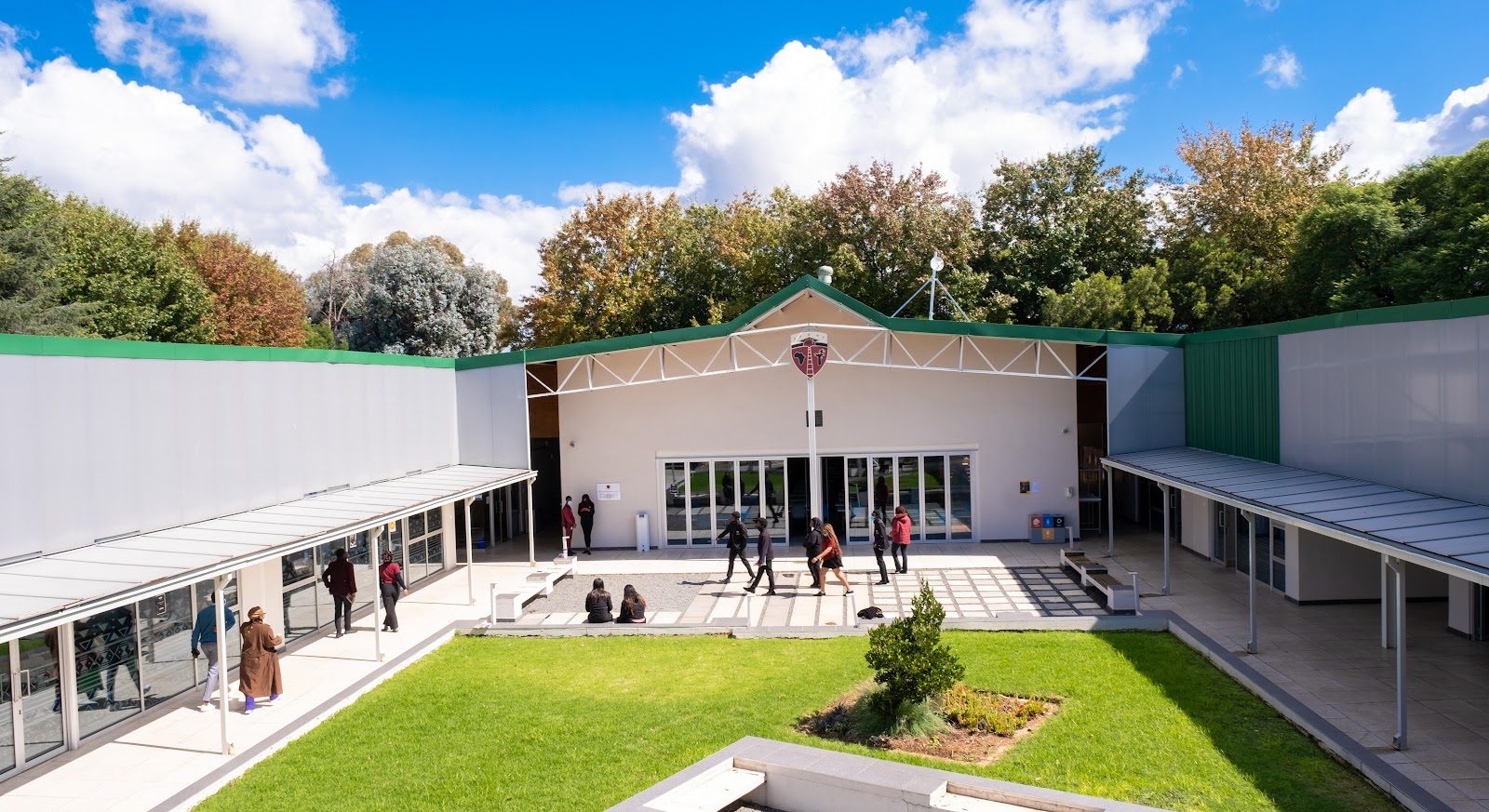
African Leadership Academy
Johannesburg · South Africa
A Johannesburg boarding campus where teens from 47 African nations run real ventures under a pan-African, entrepreneurship-driven curriculum.
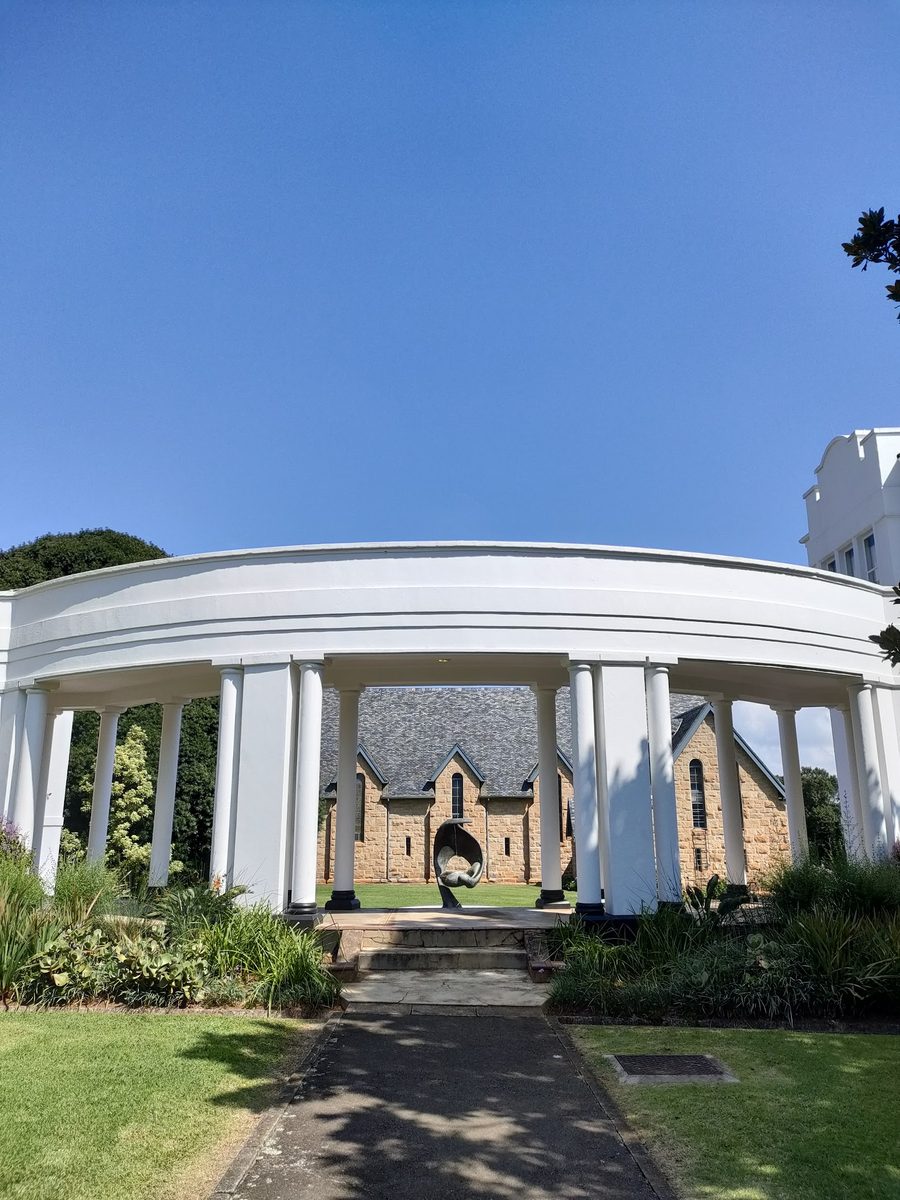
Hilton College
Hilton · South Africa
On a 1,700-hectare Midlands estate with its own game reserve, seven boarding houses have shaped South African boys since 1872.
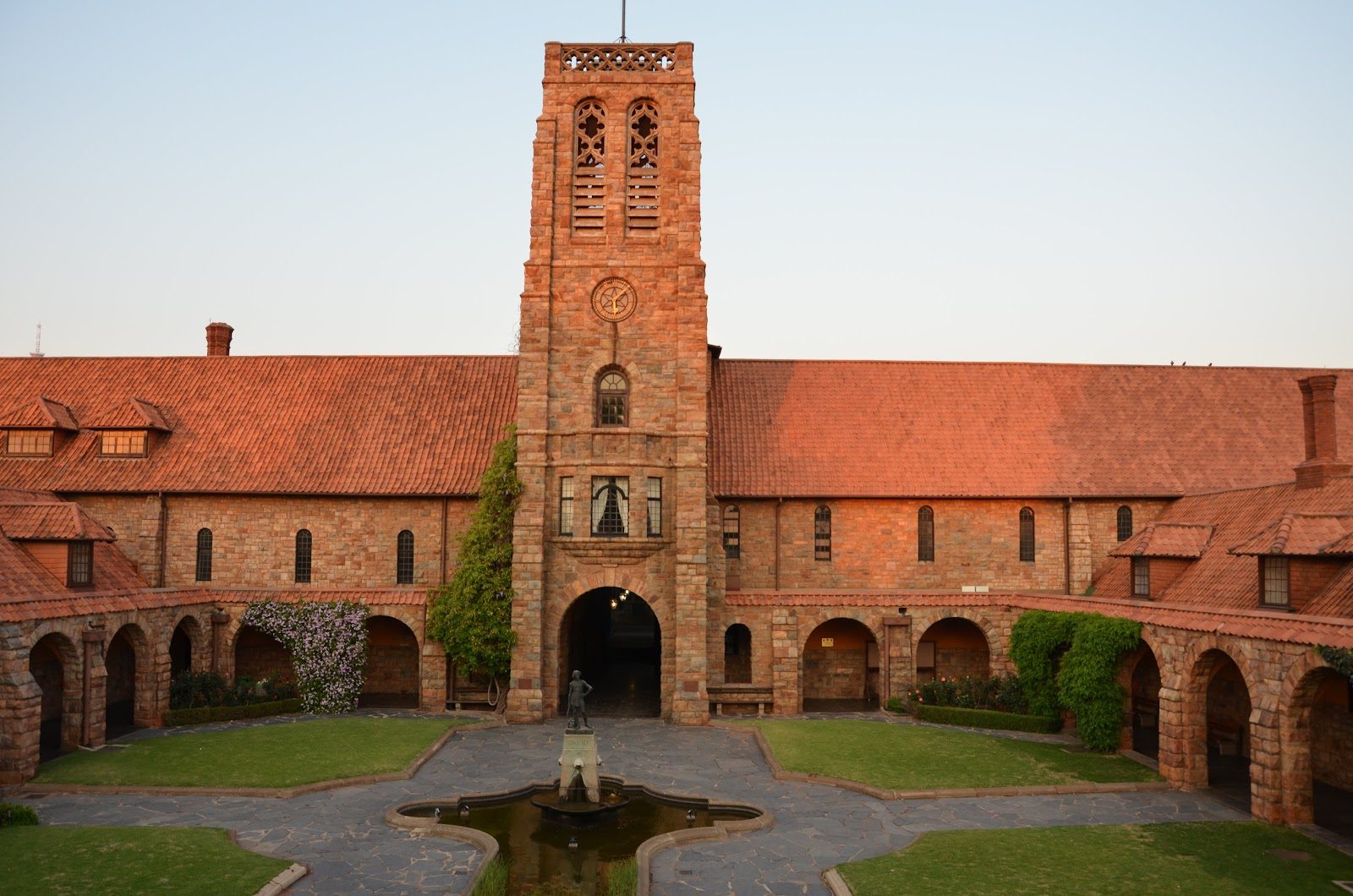
St John's College
Johannesburg · South Africa
Founded twelve years after the Witwatersrand gold rush, this Anglican boarding college blends Herbert Baker quadrangles with a four-house pastoral tradition
Roedean School South Africa
Johannesburg · South Africa
Founded in 1903 by two Cambridge-educated pioneers, this all-girls boarding school still occupies its original Herbert Baker campus in Parktown.
Same country and curriculum — closest matches within ±10 points either way