
Metro Manila
Ateneo de Manila Senior High School
medium confidence· 4/6 cats · 1.67 avg sourcesAtop Quezon City's Loyola Heights, Jesuit college-prep formation anchors a senior high that only went co-ed in 2016.
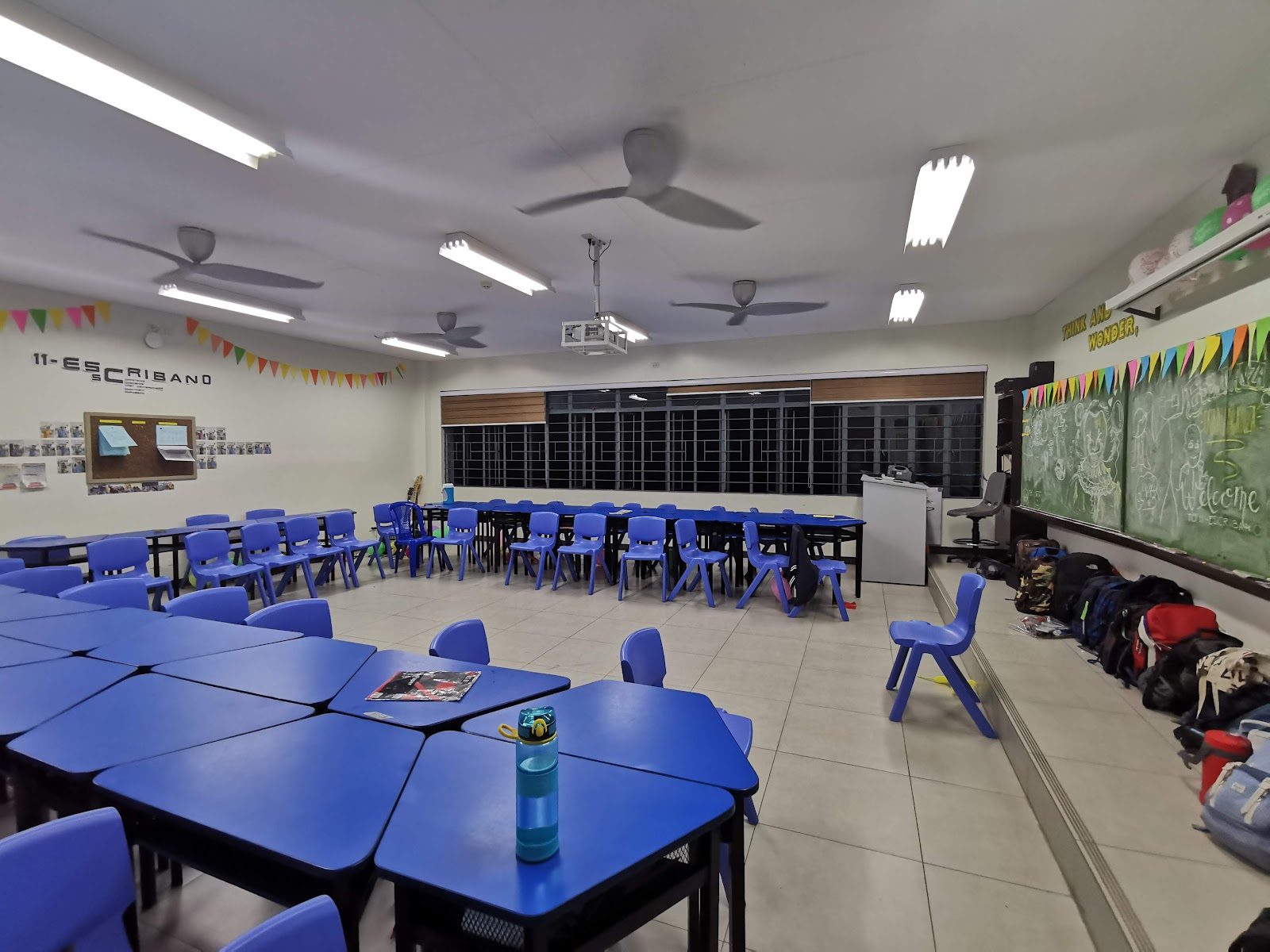
Photo © Danielito Jimenez, DCL (DJ JIMENEZ) via Google Maps
Type
Day
Ages
15–18
Curriculum
Philippine Senior High School Diploma
Ratio
—
The Verdict
Editor's commitment
Right for
Families wanting Jesuit, Catholic formation in Quezon City, with English and Filipino instruction and the Philippine Senior High School Diploma.
Wrong for
Students needing boarding, a co-ed tradition older than 2016, or any curriculum beyond the Philippine Senior High School Diploma.
Watch out for
Founded in 1859 but senior high is newer; PAASCU and CEAP signal recognised standards, not a broad menu of international pathways.
Ranking breakdown
Ateneo de Manila Senior High School · #352 of 1591
Composite score 71.4. 8 weighted criteria.
By criterion
Academic Outcomes
Weight 20%
#385
of 1529 scored
University Placement
Weight 16%
#398
of 1529 scored
Prestige & Heritage
Weight 12%
#438
of 1571 scored
Alumni Network
Weight 12%
#289
of 1530 scored
Facilities
Weight 12%
#654
of 1534 scored
Transparency & Communications
Weight 8%
#513
of 1532 scored
Peer & Industry Review
Weight 10%
#598
of 1548 scored
Admissions Selectivity & Demand
Weight 8%
#308
of 1529 scored
Peer & Industry Review
How Ateneo de Manila Senior High School is regarded in the sector
78
Strong · medium confidence
Ateneo de Manila's basic education unit (including its Senior High School) is consistently cited in Philippine media and specialist outlets like Tatler Philippines' 'Best Schools' features as one of the country's most prestigious institutions, and its parent university has an exceptionally strong alumni network (business leaders, presidents, senators) frequently referenced in Philippine Star and Business World coverage. However, it lacks the kind of international specialist press coverage (Good Schools Guide, Sunday Times School Awards) that would place it in the unanimous top-tier global bracket, reflecting its strong but primarily domestic-regional reputation.
Evidence sources
Editors' overview
Ateneo de Manila Senior High School occupies a rare position in the Philippine market: a senior high integrated into one of the country’s most established Jesuit institutions, on a university campus in Loyola Heights, with a formation model that treats character, service and intellect as a single project. That matters. Plenty of schools promise “holistic” education; Ateneo has the institutional depth to enforce it. The school carries the weight of a foundation dating to 1859, serves students aged 15–18, and delivers the Philippine Senior High School Diploma in English and Filipino within a Catholic, Jesuit frame. The late shift to co-education in 2016 also matters. This is not an old co-ed school with a settled social script; it is a historic boys’ institution that opened its senior high to girls and reshaped part of its culture in full public view. For some families, that gives the school intellectual seriousness without the stale ritual of older single-sex traditions.
What puts it on a shortlist is not novelty but concentration of advantages: brand strength, academic expectation, and Jesuit formation in a setting tied to a major university. Students do not just attend a standalone upper school; they study inside a wider academic ecosystem with a clear college-prep logic. That gives Ateneo a strong hold on ambitious Manila families who want prestige with moral architecture, not just raw competition. It also gives the school a distinct tone: disciplined ambition, moral seriousness, urban prestige. The trade-off is clear enough. This is not the right choice for families who want a relaxed, loosely structured sixth-form experience or a secular environment stripped of religious language. Jesuit education asks for engagement, reflection and service; students who resist that framework will find the culture constricting.
The best fit is a student who wants academic pressure with purpose: capable, organised, articulate, and willing to work inside a values-led institution rather than orbit around one. Pupils who thrive here tend to value structure, public service, leadership and a campus culture with standards. They also need the confidence to navigate a school whose reputation carries real social weight in Metro Manila. For the right child, that feels formative, demanding and deeply rooted; for the wrong one, it feels narrow and intense. In market terms, Ateneo de Manila Senior High School sits near the top of the local Catholic college-prep segment: not because it sells a fashionable educational gimmick, but because it offers a powerful combination of history, selectivity of culture, and institutional coherence.
Academic Performance
Ateneo’s academic reputation rests less on published senior-high exam tables than on institutional standing and university progression. That distinction matters. The school does not publish aggregate external examination outcomes for its senior high as a matter of routine, and there are no public headline figures here that let parents compare pass rates, distinctions or strand-by-strand performance against direct Manila competitors. That is a real gap. In a market where some schools trade hard on visible results, Ateneo asks families to trust the strength of its internal standards and the pull of the wider brand. For a school with this level of prestige, that opacity is striking.
Even so, the peer position is clear enough. This sits in the top tier of the local college-prep market, with expectations shaped by the wider Ateneo ecosystem and by families who are aiming high in higher education. The academic culture is demanding, status-conscious and built for students who can handle sustained scrutiny rather than exam-cram theatrics. Parents looking for a school that publishes clean, comparable performance data will find stronger transparency elsewhere. Parents looking for a senior high whose value lies in selective culture, institutional discipline and access to a serious academic milieu will still keep Ateneo near the front of the list.
Facilities
The senior high’s strongest facilities advantage is not a single showpiece building but access to the wider Loyola Heights campus. That gives students a deeper academic and co-curricular infrastructure than most standalone Philippine senior highs can field on their own: university-grade libraries, established sports venues, specialist teaching spaces, and a campus environment built for older teenagers rather than younger children. For families comparing it with boutique private schools that offer polished but compact upper-school provision, Ateneo holds a clear edge in breadth. The trade-off is that the senior high does not read as a self-contained, purpose-built sixth-form enclave. It reads as part of a larger institution, with all the institutional heft, scale and movement that entails.
Against direct Metro Manila peers, that places Ateneo in the upper tier for campus resource depth, even if the school does not trade on flashy facilities marketing. The setting suits students who want serious sport, organised activities and the habits of a university-facing academic life before graduation. It suits them less if they want a cosy, tightly bounded school environment where every facility is reserved for a small senior cohort. The practical benefit is clear: students work inside a mature academic ecosystem with more range than most rivals can offer. The limitation is also clear: parents looking for published, senior-high-specific detail on laboratories, arts spaces or dedicated sixth-form amenities will find the public picture thin rather than exhaustive.
My view: communications are competent and credible, but not exceptionally open
Prestige
An Ateneo senior high education carries serious social and academic cachet in the Philippines. The name does heavy lifting. It signals entry into one of the country’s most established Catholic educational circles, with all the class coding, parental recognition and university-facing credibility that brings. In Manila terms, this is high-prestige territory: a school families know, employers recognise and universities read within a long institutional lineage. The senior high also benefits from proximity to the wider Ateneo ecosystem, which gives it more weight than an isolated stand-alone sixth-form equivalent. That matters for families who care about peer group, networks and the reputational value of the badge itself. The move to co-education is still recent enough to register, but it has not weakened the brand; if anything, it widened the school’s reach.
I rate its prestige this highly because the school combines three things that rarely sit together this neatly: elite-market recognition, academic seriousness and a moral framework that many professional Filipino families still value. Prestige here does not rest on glossy international branding or published trophy metrics. It rests on selectivity of culture, on the force of the Ateneo name, and on the fact that this school sits inside a powerful domestic hierarchy of respected institutions. The caveat is straightforward. This is prestige with a distinct social script: disciplined, Catholic, ambitious. Families who dislike that script will not value the status nearly as much as families who actively want it.
The shift to co-education only adds to that distinctiveness: this is a senior high that has had to rework inherited traditions rather than merely preserve them
Communications
Parent communication carries the stamp of a large, disciplined institution rather than a boutique school built on hand-holding. The practical channels are clear: website notices, formal announcements, admissions information, calendars, office contacts and social-media updates tied to the wider Ateneo machine. That gives families structure and consistency. It does not give much intimacy. This is not the sort of school that courts parents with warmly personalised messaging or endless lifestyle content. Its tone is institutional, orderly and sometimes impersonal. For many families, that is a strength. Important information is handled with the gravity of a serious academic organisation, not the churn of a marketing department.
The weakness lies in depth and transparency. Public communication does the essentials, but it leaves gaps where exacting parents want more: clearer senior-high-specific detail, fuller academic reporting, and a sharper picture of day-to-day student experience beyond official events and formal programmes. That matters because a school with this much status invites close scrutiny. When performance data are thin and operational detail sits inside broad institutional messaging, parents must work harder to judge the lived reality. My view: communications are competent and credible, but not exceptionally open. Families who value polished systems and formal clarity will cope well. Families who expect granular, parent-facing transparency from a top-fee school will find the public-facing communication less satisfying than the brand’s stature promises.
Uniqueness
What distinguishes Ateneo’s senior high is not merely status or campus scale, but the fact that it sits at the junction of adolescent schooling and a full Jesuit university culture. Students are not parked in an exam factory or a polished upper-school annex. They are inducted into a formation-heavy, institutionally serious environment that treats late-teen education as moral, intellectual and civic training at once. That changes the texture of school life. The emphasis on reflection, service and leadership gives students a framework that reaches beyond grades, and the university setting exposes them early to the habits of older academic communities. The shift to co-education only adds to that distinctiveness: this is a senior high that has had to rework inherited traditions rather than merely preserve them. For families who value schools that evolve under pressure, that matters.
The benefit for students is a version of college preparation with more moral architecture than most prestige schools offer. They gain access to a peer group that is ambitious, articulate and socially aware, but also shaped by a house style that expects discipline and public purpose. That can be deeply formative. It can also feel constricting for teenagers who want reinvention without institutional script. Ateneo’s uniqueness lies in that tension: a senior high attached to a major educational tradition, yet tasked with preparing students for a modern, mixed-gender world in just 2 decisive school years.
Plenty of schools promise “holistic” education; Ateneo has the institutional depth to enforce it
Student Profile
The students who thrive here are bright, driven and comfortable inside a school culture that asks for more than academic compliance. Ateneo suits teenagers who can handle a clear moral framework, formal expectations and a peer group with real social confidence. It rewards students who speak up, organise themselves, take service seriously and can move between classroom pressure, leadership demands and campus life without needing constant coaxing. This is a strong fit for pupils who want their last 2 school years to feel purposeful, high-accountability and tied to a bigger institutional identity. It is less hospitable to the teenager who wants anonymity, low friction or a loose, experimental upper-school experience.
Socially, the best fit is a student who can manage status without being consumed by it. The Ateneo name attracts families with ambition, and that shapes the room. Students need resilience, self-possession and enough maturity to hold their own in a cohort where expectations carry weight. The school also suits those who can live with Catholic language and Jesuit priorities as part of daily life, not just ceremonial background. Teenagers who resent structure, dodge reflection or treat service requirements as box-ticking will chafe. Those who want disciplined ambition, institutional seriousness and a peer culture that prizes competence as much as charm will fit well.
For some families, that gives the school intellectual seriousness without the stale ritual of older single-sex traditions
Co-curricular strengths
Arts & sport, on a separate axis
Overall 7.5/10
Scored 0-10 from the school's own published evidence. This axis is editorial-only — it does not feed the main WTS ranking.
Sports
7.5/10
Drama
8/10
Dance
7/10
Music
7.5/10
Visual Arts
7.5/10
Editor first-pass · editor-reviewable · 7/30/2026
Strengths
- +Offers four academic-track strands (Accountancy, Business and Management; General Academic; Humanities and Social Sciences; and Science, Technology, Engineering and Mathematics), giving students some subject specialisation ahead of university.
- +Operates on Ateneo de Manila University's main Loyola Heights campus in Quezon City, giving senior high students access to the same 205-acre site as the university proper.
- +Runs a Jesuit, Catholic, Ignatian formation model built around five stated values: commitment, competence, conscience, compassion, and Christ-centeredness.
- +Has historically set aside scholarship grants for academically strong but financially disadvantaged applicants from the public school system, alongside slots reserved for students from outside Ateneo's own Junior High School.
- +Sits within a university system that in 2025 climbed to 141st in the QS Asia rankings, remaining the top-ranked private university in the Philippines, which lends institutional weight to the senior high school's academic environment.
Considerations
- −Grade 11 is the only entry point into the school; the institution does not accept transferees or new applicants directly into Grade 12, which is a hard constraint for families relocating mid-programme.
- −Admission is competitive rather than open: applicants must sit the Ateneo Senior High School Admission and Placement Exam (A-SHAPE) and are also assessed on prior grades, deportment, teacher recommendations and a written autobiography.
- −The application process is administratively heavy, with the school itself noting the process typically takes at least twelve days to complete once payment verification and document review are factored in.
- −As a Catholic, Jesuit-run institution, the religious and values-formation dimension of school life is not optional window-dressing but a core part of the curriculum, which will not suit every secular or non-Catholic family.
Availability
Primary entry gate & tests
Ateneo Senior High Admission Test
Gallery
Photo © Danielito Jimenez, DCL (DJ JIMENEZ) via Google Maps
Photo © Danielito Jimenez, DCL (DJ JIMENEZ) via Google Maps
Photo © Danielito Jimenez, DCL (DJ JIMENEZ) via Google Maps
Photo © Edric James Rojas via Google Maps
Photo © Danielito Jimenez, DCL (DJ JIMENEZ) via Google Maps
Parent reviews
Have you sent your child here?
Voice reviews carry the strongest trust badge — we transcribe them for you to tidy up before they go live. Prefer to type? A written review is fine too.
Add your voice
In 60 seconds, tell other parents: what's the best thing about Ateneo de Manila Senior High School, and what surprised you when your child joined?
We ask for a Google sign-in so every review has a real face behind it — no anonymous drive-by attacks on schools, and no faked positive reviews. Your email is never shown publicly.
Send this profile to a friend
International parents rely on word-of-mouth. Share this review with someone weighing the same decision.
Schools with places
Similar schools to Ateneo de Manila Senior High School with places available now.
Availability first, then country, area, curriculum, price, co-curricular
Consider also
Also worth looking at alongside Ateneo de Manila Senior High School.
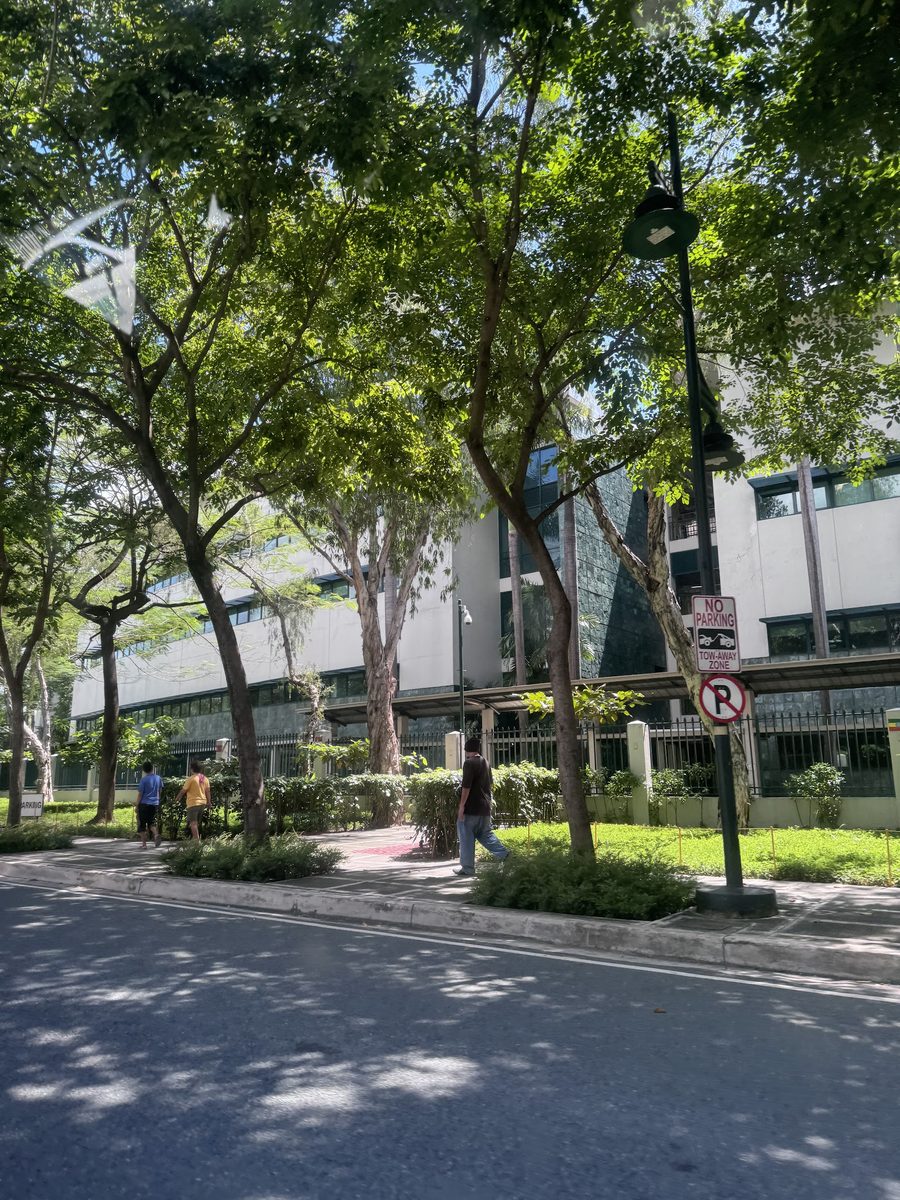
International School Manila
Manila · Philippines
Rooted in 1920 as the American School, this Bonifacio Global City campus was the first in Asia to offer the IB Diploma.

St Andrew's College
Makhanda · South Africa
On the Eastern Cape frontier since 1855, house tradition and shared classes with a sister school shape a distinct boarding life.
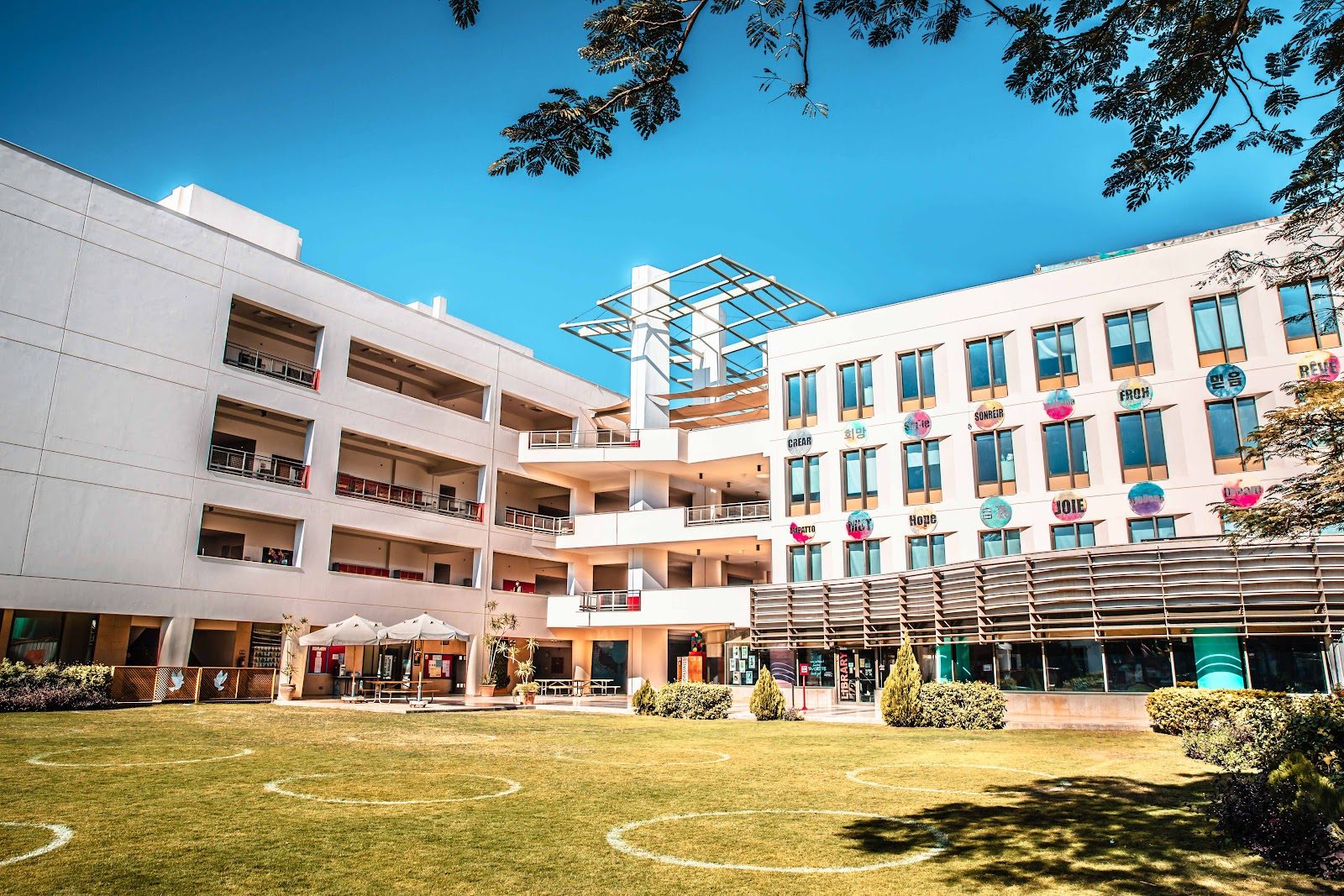
Cairo American College
Cairo · Egypt
Founded in 1945 as Egypt's only US State Department-sponsored school, pairing an American diploma with an IB pathway dating to 1993.
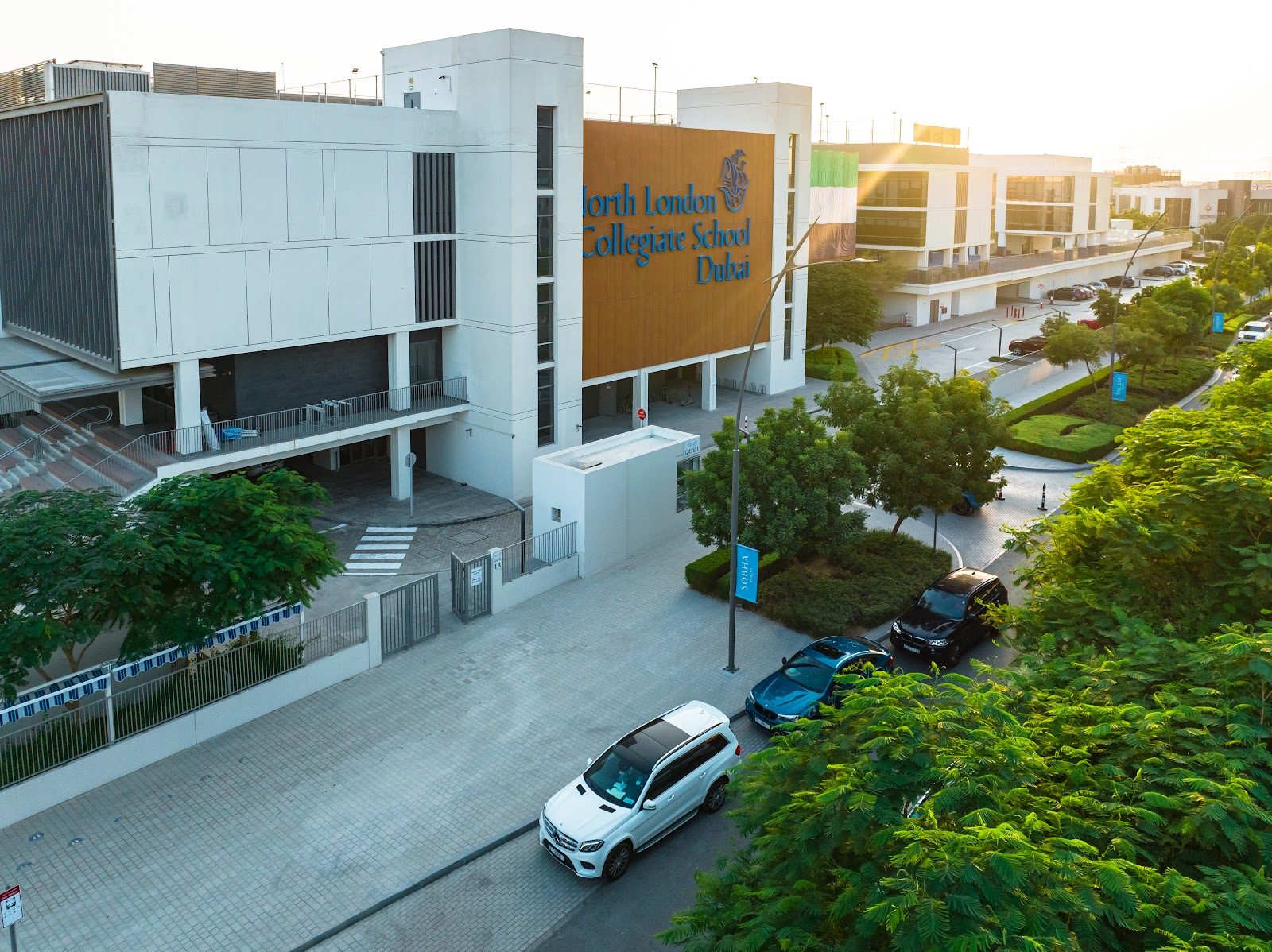
North London Collegiate School Dubai
Dubai · United Arab Emirates
A 170-year London academic lineage transplanted to Sobha Hartland, where the IB Diploma average has topped the region
Same country and curriculum — closest matches within ±10 points either way