
Lima
Colegio Roosevelt — The American School of Lima
high confidence· 6/6 cats · 2.94 avg sourcesNamed for a wartime American president, this La Molina campus layers an FDR diploma with IB and Peru's own official credential.
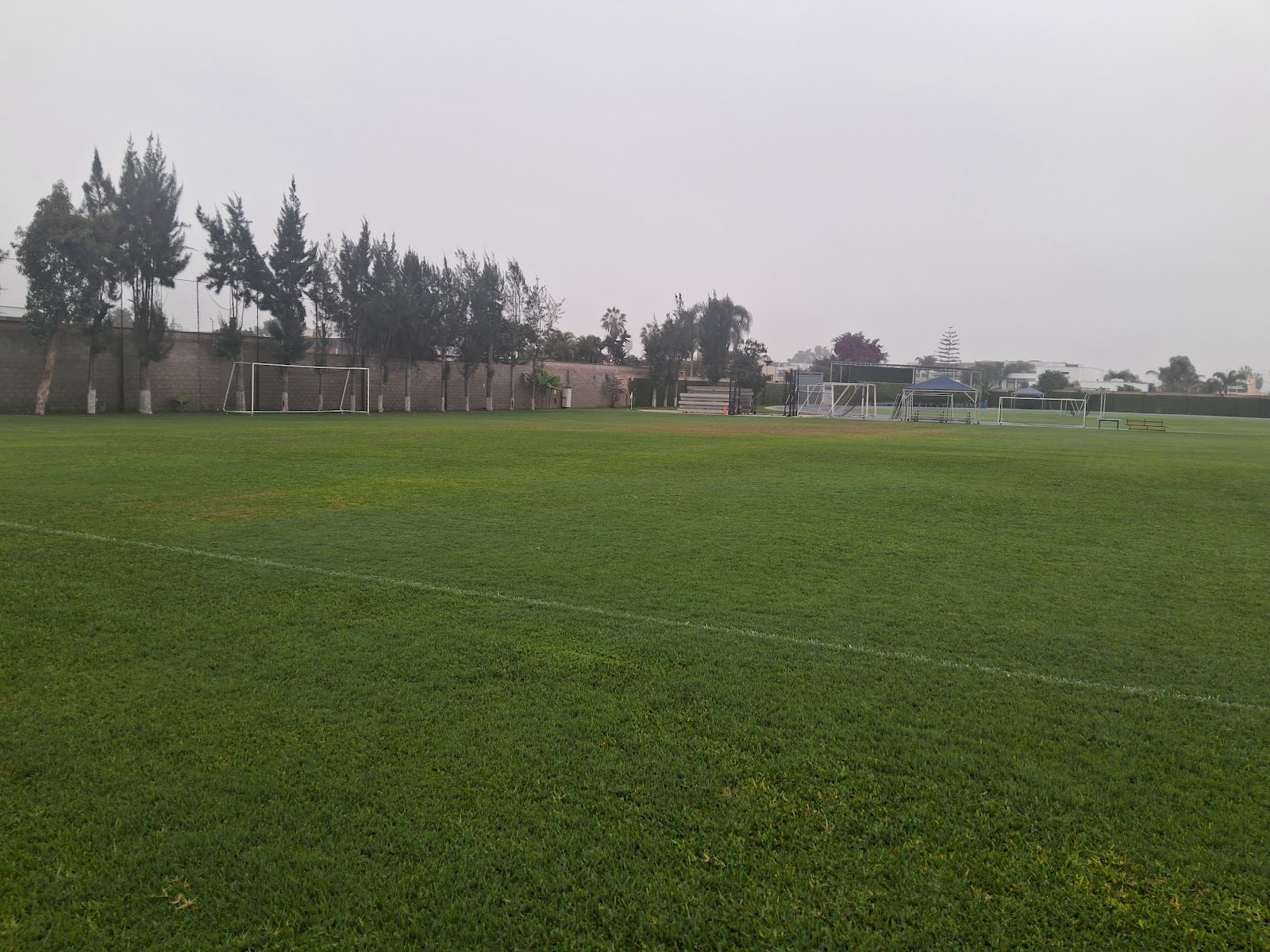
Photo © RAMON VIVAR via Google Maps
Type
Day
Ages
3–18
Curriculum
American
Qualifications
AP · US High School Diploma
Ratio
—
The Verdict
Editor's commitment
Right for
Families wanting a day school in Lima with English instruction, American curriculum, and MSA and CIS accreditation from age 3 to 18.
Wrong for
Parents seeking boarding, religious ethos, or a British pathway; Roosevelt is a non-religious day school founded in 1946 around an American model.
Watch out for
Recent destinations list Allegany College of Maryland, AMDA and American University; the school does not publish broader outcomes here, despite IB and Peru's diploma.
Ranking breakdown
Colegio Roosevelt — The American School of Lima · #482 of 1591
Composite score 69.2. 8 weighted criteria.
By criterion
Academic Outcomes
Weight 20%
#586
of 1529 scored
University Placement
Weight 16%
#584
of 1529 scored
Prestige & Heritage
Weight 12%
#608
of 1571 scored
Alumni Network
Weight 12%
#394
of 1530 scored
Facilities
Weight 12%
#569
of 1533 scored
Transparency & Communications
Weight 8%
#688
of 1532 scored
Peer & Industry Review
Weight 10%
#645
of 1548 scored
Admissions Selectivity & Demand
Weight 8%
#438
of 1529 scored
Score history
Colegio Roosevelt — The American School of Lima · 2026
Movement across 2024–2026. Peer average overlaid.
Overall — 2024–2026
69.2/ 100
▲ +20.5 vs 2025
year on year
Peer & Industry Review
How Colegio Roosevelt — The American School of Lima is regarded in the sector
65
Respected · medium confidence
Colegio Roosevelt is consistently cited in expat-parent forums (e.g., InterNations, Expat Exchange threads on Lima schooling) and U.S. State Department Office of Overseas Schools listings as one of the leading American international schools in Lima, alongside Markham and Newton College. It holds long-standing Cognia/AdvancED accreditation and AASSA membership, reflecting solid peer-institution standing, though it lacks broader international press coverage (e.g., Tatler, Good Schools Guide) that would place it in the top tier globally.
Evidence sources
Editors' overview
Colegio Roosevelt sits at the top end of Lima’s international-school market: a long-established, English-medium day school on a 23-acre La Molina campus, with 1,620 students and 41 nationalities. The proposition is clear. This is an American school first, not a bilingual local school with an international wing. It adds IB and Peru’s own official credential to the FDR diploma, which gives families a wider set of exit routes than a single-curriculum school. Founded in 1946 and accredited by MSA and CIS, it carries the weight of institutional permanence as well as scale. For parents who want serious academic infrastructure, a clear university-preparatory track and a school with enough breadth to run deep extracurricular and service programmes, Roosevelt belongs on the shortlist.
What sets it apart is not novelty but range and execution. Many schools promise global citizenship; Roosevelt has the numbers, campus and staffing to build it into daily school life rather than confine it to slogans. 277 faculty and staff for 1,620 students points to a substantial adult presence, and the school’s own language centres on students feeling known, valued, seen and heard. That rhetoric matters less than the structural reality behind it: a full age 3–18 pathway, distinct early childhood, elementary, middle and high school divisions, and the capacity that comes with a large independent school. The trade-off is obvious too. Families looking for a small, intimate school with a tightly curated community may find Roosevelt too big, too busy and too systems-driven. This is a large institution, not a boutique operation.
The students who thrive here are ambitious, outward-facing and comfortable in a diverse peer group. Roosevelt suits children who want room to grow, who will use a big campus, broad activities and a sizeable student body rather than get lost in them. It also suits internationally mobile families and Peruvian families who want an English-language education with multiple graduation outcomes. It is less well suited to students who need a very sheltered environment or who do better in a highly personalised small-school setting. In market terms, Roosevelt is one of Lima’s heavyweight schools: established, cosmopolitan and built for families who want scale, breadth and credible international pathways without leaving Peru.
Academic Performance
Roosevelt’s public case for academic strength rests on structure rather than published outcomes. The school runs a full college-preparatory programme and layers its own diploma with IB and Peru’s national credential, which gives pupils more than one examination route and broadens university access. That matters. In a market where many schools trade on aspiration and publish little, multiple exit pathways are a sign of serious academic engineering. The problem is disclosure. We have not seen aggregate IB results, average point scores, subject-level pass rates, SAT or AP data, or any longitudinal university outcomes beyond a short destinations list. For a school of this scale and standing, that opacity is a real weakness.
Relative to peers, Roosevelt still sits in the upper tier of Lima’s international schools because the institutional machinery is there: a large faculty body, a long-established college-preparatory model, and the breadth to support different academic profiles. But parents shopping at this end of the market should demand harder evidence than mission language and university branding. The recent destinations cited here are too thin to prove selective-placement strength; one named destination sending 1 student tells you almost nothing. Roosevelt therefore reads as academically credible but not results-transparent. That distinction matters. The school has the profile of a high-expectation institution; it does not publish enough examination data to prove exactly how far ahead of competitors it stands.
Facilities
Facilities are one of Roosevelt’s strongest selling points because the school has something many urban international schools lack: room. A 23-acre campus gives it operational breadth that cramped city campuses cannot match. For parents, that usually translates into proper separation between age groups, more outdoor circulation space, and the capacity to run sport, activities and day-to-day school life without every square metre feeling contested. In peer terms, that matters. Plenty of international schools in major Latin American capitals work with tighter footprints and make compromises on fields, specialist areas or simple ease of movement. Roosevelt does not face that constraint. The scale alone places it in the serious-infrastructure bracket rather than the make-do category.
The limitation is disclosure. The school publishes the headline acreage and talks confidently about life “around campus”, but it does not give a clear public inventory of specialist facilities: no detailed breakdown of sports provision, performing arts spaces, science labs, design rooms, libraries or technology suites. That leaves parents with an incomplete picture of how far the campus goes beyond sheer size. Against top-market peers, that is a weakness. Strong schools do not just have land; they show families exactly how that land is used. Roosevelt therefore reads as spacious, well-resourced and operationally substantial, but also under-documented where the finer grain of facilities is concerned. For a school at this level, that lack of specificity is an avoidable gap.
Roosevelt has the profile of a top-tier school, but the public evidence for exceptional academic dominance is thin
Prestige
Prestige at Roosevelt comes from market position, not mystique. This is one of Lima’s blue-chip international schools: long established, large enough to carry institutional weight, and visible enough that families know the name before they start touring campuses. The school’s draw rests on a combination that still matters in this market: an American identity, multiple leaving credentials, and a student body spanning 41 nationalities. That mix gives it social range as well as academic reach. For internationally minded Peruvian families, and for expatriate parents who want a school with recognisable standards and a strong university-preparatory culture, Roosevelt carries real cachet. The sheer scale of the operation also contributes to status. A campus of 23 acres and a community of 1,620 students signal permanence, resources and confidence.
That said, prestige here is earned through infrastructure, not through published elite outcomes. Roosevelt has the profile of a top-tier school, but the public evidence for exceptional academic dominance is thin. We have not seen the kind of exam disclosure that would turn reputation into proof, and the published university destinations listed here do not establish a clear pattern of high-selectivity placement. So the verdict is straightforward: Roosevelt is high-status within Peru’s international-school sector and a serious name in Lima, but its prestige rests more on longevity, scale and breadth than on transparent top-end results. For many families, that is enough. For forensic parents, it is not.
Its social media presence, including Instagram, adds a live window into campus activity and helps stop the official site from feeling static or over-managed
Communications
Roosevelt communicates like a large, confident institution. The public-facing site is polished, easy to navigate and segmented cleanly by phase, with clear routes into admissions and school life. The school also pushes a consistent message about mission, values, global citizenship and community identity. That coherence matters: parents can tell what the school wants to stand for, and the branding does not feel improvised. The hard sell is restrained. The stronger point is organisational clarity. A school serving 1,620 students and 41 nationalities needs disciplined communication systems, and Roosevelt gives the impression of a school that understands that. Its social media presence, including Instagram, adds a live window into campus activity and helps stop the official site from feeling static or over-managed.
The weakness is depth. Roosevelt communicates atmosphere and institutional purpose better than it communicates evidence. Parents get a strong sense of belonging, care and student experience; they get much less by way of concrete academic disclosure, detailed facility breakdowns or granular outcome data. That limits trust at the top end of the market, where families expect not just warmth and polish but hard information. In other words, the school is good at telling families what life feels like and less good at telling them exactly how well the machine performs. That makes communication effective in tone, thin in proof, and weaker than it needs to be for a school with this level of ambition.
Uniqueness
Roosevelt’s distinctiveness lies in combination. Plenty of schools offer an American frame; plenty talk about service, integrity and global citizenship. Roosevelt binds those elements into one proposition and does it at institutional scale. The result is a school that gives students more than classroom instruction: it gives them a thick social world in which academic ambition, intercultural fluency and organised participation are expected to coexist. With 41 nationalities in the student body, that internationalism is not decorative. It shapes daily peer life, group work, friendships and conflict, and it prepares students for universities and workplaces where people do not share the same assumptions. For the right child, that is serious preparation for adult life, not branding.
The other differentiator is continuity. Roosevelt runs a full through-school experience with separate early childhood, elementary, middle and high school divisions, so students can grow inside one institution without the disruption of repeated school changes. That matters in a city where many families prize stability as much as prestige. The school’s own language around students feeling known and heard could read as standard pastoral copy, but the more interesting point is structural: a campus community of 1,620 gives children access to a wide peer ecology, a broad spread of clubs and service activity, and enough social room to find their people. The trade-off remains clear. This is a big-machine school with big-school opportunities. Students who flourish in range, motion and diversity gain a great deal; students who need intimacy first gain less.
That limits trust at the top end of the market, where families expect not just warmth and polish but hard information
Student Profile
Roosevelt suits students who are energised by scale, diversity and movement. In a community spanning 41 nationalities, the children who do best are comfortable meeting people unlike themselves, joining in quickly and navigating a social world that does not revolve around one narrow local clique. This is a good fit for internationally mobile families, globally minded Peruvian families and pupils who want a broad friendship pool rather than a tightly enclosed year-group culture. It also suits children with intellectual range and extracurricular appetite: the kind who want academics, activities, service and leadership to sit alongside each other, not compete for space. Students who need constant adult orchestration, or who find large peer settings socially draining, will get less from it. This is not a retreat-like school and it does not cater to children who need a small-circle environment to feel secure.
The social tone points to pupils who can handle expectations around integrity, initiative and contribution to the wider community. Roosevelt talks in the language of being known and heard, but the stronger reading is that it expects students to participate, not drift. The best fit is a child who will make use of a big institution rather than disappear inside it: self-starting, socially adaptable and outward-facing. Families seeking a cosmopolitan peer group and a school culture with visible ambition will find the student body attractive. Families wanting a gentler, more sheltered atmosphere should look harder at smaller schools.
This is an American school first, not a bilingual local school with an international wing
Co-curricular strengths
Arts & sport, on a separate axis
Overall 8.24/10
Scored 0-10 from the school's own published evidence. This axis is editorial-only — it does not feed the main WTS ranking.
Sports
8.3/10
Soccer and basketball as extracurricular sports, showing clear participation opportunities but no further evidence of facilities, coaching depth, leagues or competitive results.
Drama
8.4/10
Theater productions, which is stronger than a bare mention of drama because it indicates recurring staged activity, but it gives no named department, specialist staff or dedicated performance venue.
Dance
7.5/10
Music
8.5/10
Concert band and choir, indicating multiple structured music ensembles, though there is no evidence here of specialist facilities, department housing, staff or notable awards.
Visual Arts
8.5/10
Editor first-pass · editor-reviewable · 7/27/2026
Outcomes & destinations
Where students go next
110 graduates
Top destinations
166 placements
- Allegany College of Maryland· 1
- American Musical and Dramatic Academy· 1
- American University· 1
- Amherst College· 1
- Arizona State University· 1
- Babson College· 1
- Barnard College· 1
- Bentley University· 1
- Berklee College of Music· 1
- Boston College· 1
- Boston Conservatory at Berklee· 1
- California State University, Monterey Bay· 1
- Carnegie Mellon University· 1
- Colorado School of Mines· 1
- Columbia College Chicago· 1
- Columbia School of General Studies· 1
- Columbia University in the City of New York· 1
- Cornell University· 1
- DePaul University· 1
- Duke University· 1
- Duquesne University· 1
- Emerson College· 1
- Emory University· 1
- Florida Institute of Technology· 1
- Florida International University· 1
- Florida State University· 1
- George Mason University· 1
- George Washington University· 1
- Georgetown University· 1
- Georgia Institute of Technology - Main Campus· 1
- Hamilton College· 1
- Harvard University· 1
- Hult International Business School· 1
- Indiana University Bloomington· 1
- James Madison University· 1
- Kenyon College· 1
- Lehigh University· 1
- Loyola Marymount University· 1
- Loyola University Chicago· 1
- Macalester College· 1
- Miami Dade College· 1
- Michigan State University· 1
- New York University· 1
- Northeastern University· 1
- Northwestern University· 1
- Occidental College· 1
- Oklahoma State University - Main Campus· 1
- Orange Coast College· 1
- Pepperdine University· 1
- Pratt Institute· 1
- Purdue University - Main Campus· 1
- Santa Barbara City College· 1
- Santa Clara University· 1
- Santa Monica College· 1
- Savannah College of Art and Design· 1
- Southern Methodist University· 1
- Southwestern University· 1
- St. Mary's University· 1
- Stanford University· 1
- Suffolk University· 1
- Syracuse University· 1
- Texas A&M University - San Antonio· 1
- Texas Christian University· 1
- The New School· 1
- The Pennsylvania State University· 1
- The University of Texas at Austin· 1
- The University of Texas at Dallas· 1
- Tulane University of Louisiana· 1
- University of Arizona· 1
- University of California, Berkeley· 1
- University of California, Davis· 1
- University of California, Irvine· 1
- University of California, Los Angeles· 1
- University of California, San Diego· 1
- University of Colorado Boulder· 1
- University of Connecticut· 1
- University of Denver· 1
- University of Florida· 1
- University of Georgia· 1
- University of Illinois Urbana-Champaign· 1
- University of Iowa· 1
- University of Massachusetts Amherst· 1
- University of Miami· 1
- University of Michigan-Ann Arbor· 1
- University of Minnesota-Twin Cities· 1
- University of Notre Dame· 1
- University of Oregon· 1
- University of Pennsylvania· 1
- University of San Diego· 1
- University of South Florida· 1
- University of Southern California· 1
- University of Utah· 1
- University of Virginia· 1
- University of Wisconsin-Madison· 1
- Villanova University· 1
- Virginia Commonwealth University· 1
- Virginia Military Institute· 1
- Virginia Polytechnic Institute and State University· 1
- Western Washington University· 1
- William & Mary· 1
- Yeshiva University· 1
- Bishop's University· 1
- Concordia University· 1
- McGill University· 1
- Queen's University· 1
- Simon Fraser University· 1
- The University of British Columbia· 1
- University of Calgary· 1
- University of Ottawa· 1
- University of Toronto· 1
- University of Waterloo· 1
- York University· 1
- Istituto Marangoni· 1
- Politecnico di Milano· 1
- Universita Bocconi· 1
- Università Cattolica del Sacro Cuore· 1
- City St George (University of London)· 1
- Goldsmiths (University of London)· 1
- King's College London (University of London)· 1
- Royal Central School of Speech and Drama· 1
- Royal Holloway (University of London)· 1
- University College London· 1
- University of Bristol· 1
- University of Sussex· 1
- University of the Arts London· 1
- American College of Greece· 1
- Trinity College Dublin· 1
- BIMM Music College· 1
- Constructor University· 1
- Amsterdam University College· 1
- Maastricht University· 1
- Technical University of Delft· 1
- University of Amsterdam· 1
- University of Groningen· 1
- University College Roosevelt· 1
- Vrije Universiteit Amsterdam· 1
- Alfonso X El Sabio University· 1
- CEU University Abat Oliba· 1
- CEU San Pablo University· 1
- CUNEF· 1
- ESADE Business School· 1
- ESIC Business and Marketing School· 1
- Francisco de Vitoria University· 1
- IE University· 1
- La Salle - Ramon Llull University· 1
- Politecnica de Madrid University· 1
- Toulouse Business School-Barcelona· 1
- Universidad Europea de Madrid· 1
- Universidad Francisco de Vitoria - UFV Madrid· 1
- University of Navarra· 1
- The University of Edinburgh· 1
- University of St Andrews· 1
- Peruvian University of Applied Sciences (UPC)· 1
- Universidad de Lima· 1
- Universidad San Ignacio de Loyola· 1
- University of the Pacific· 1
- Culinary Arts Academy Switzerland· 1
- Ecole Hôtelière de Lausanne (EHL)· 1
- Glion Institute of Higher Education· 1
- Hanyang University· 1
- Monash University· 1
- The University of Queensland· 1
- University of Melbourne· 1
- WASEDA University· 1
- UCINE· 1
- Charles University in Prague· 1
Reported by the school. Confirm with admissions.
Strengths
- +American curriculum offers continuity for US-bound families
- +IB World School status adds internationally recognised pathway
- +English-medium teaching suits expatriate and bilingual households
- +Day school format avoids boarding commitment from age three
Considerations
- −Day-only model excludes families needing boarding
- −English-only instruction may not suit Spanish-preferring families
- −American curriculum may not suit British-system families
Availability
Primary entry gate & tests
Academic Record (Expat Priority)
Gallery
Photo © Victor Gonzalez-Maertens via Google Maps
Photo © Victor Gonzalez-Maertens via Google Maps
Photo © Victor Gonzalez-Maertens via Google Maps
Photo © Antonio Mauriz Cornejo via Google Maps
Photo © Antonio Mauriz Cornejo via Google Maps
Parent reviews
Have you sent your child here?
Voice reviews carry the strongest trust badge — we transcribe them for you to tidy up before they go live. Prefer to type? A written review is fine too.
Add your voice
In 60 seconds, tell other parents: what's the best thing about Colegio Roosevelt — The American School of Lima, and what surprised you when your child joined?
We ask for a Google sign-in so every review has a real face behind it — no anonymous drive-by attacks on schools, and no faked positive reviews. Your email is never shown publicly.
Send this profile to a friend
International parents rely on word-of-mouth. Share this review with someone weighing the same decision.
Schools with places
Similar schools to Colegio Roosevelt — The American School of Lima with places available now.
Availability first, then country, area, curriculum, price, co-curricular
Consider also
Also worth looking at alongside Colegio Roosevelt — The American School of Lima.
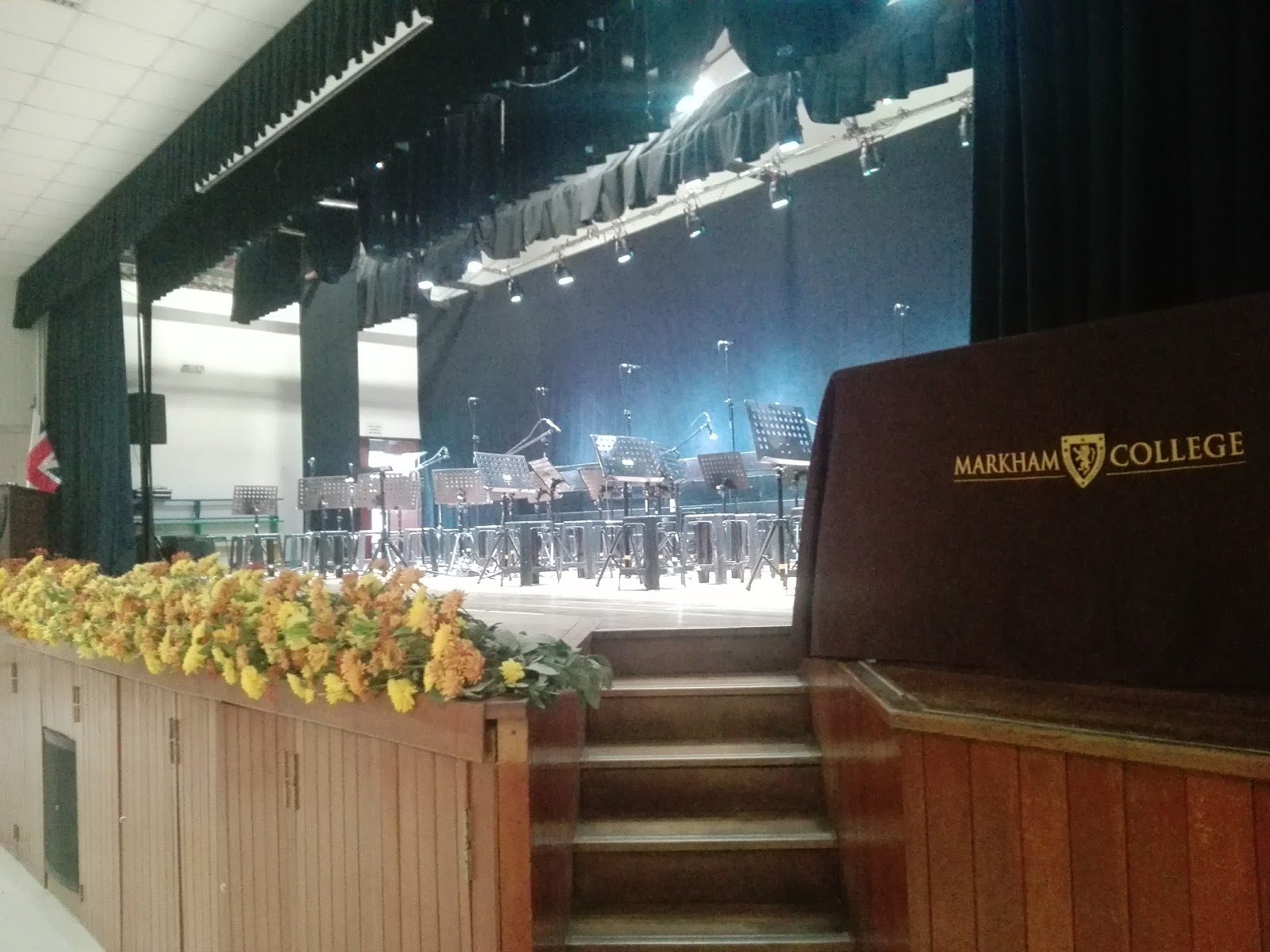
Markham College
Lima · Peru
Founded in 1946 by British expatriates, this Lima day school pairs house traditions with a bilingual IB-British curriculum.
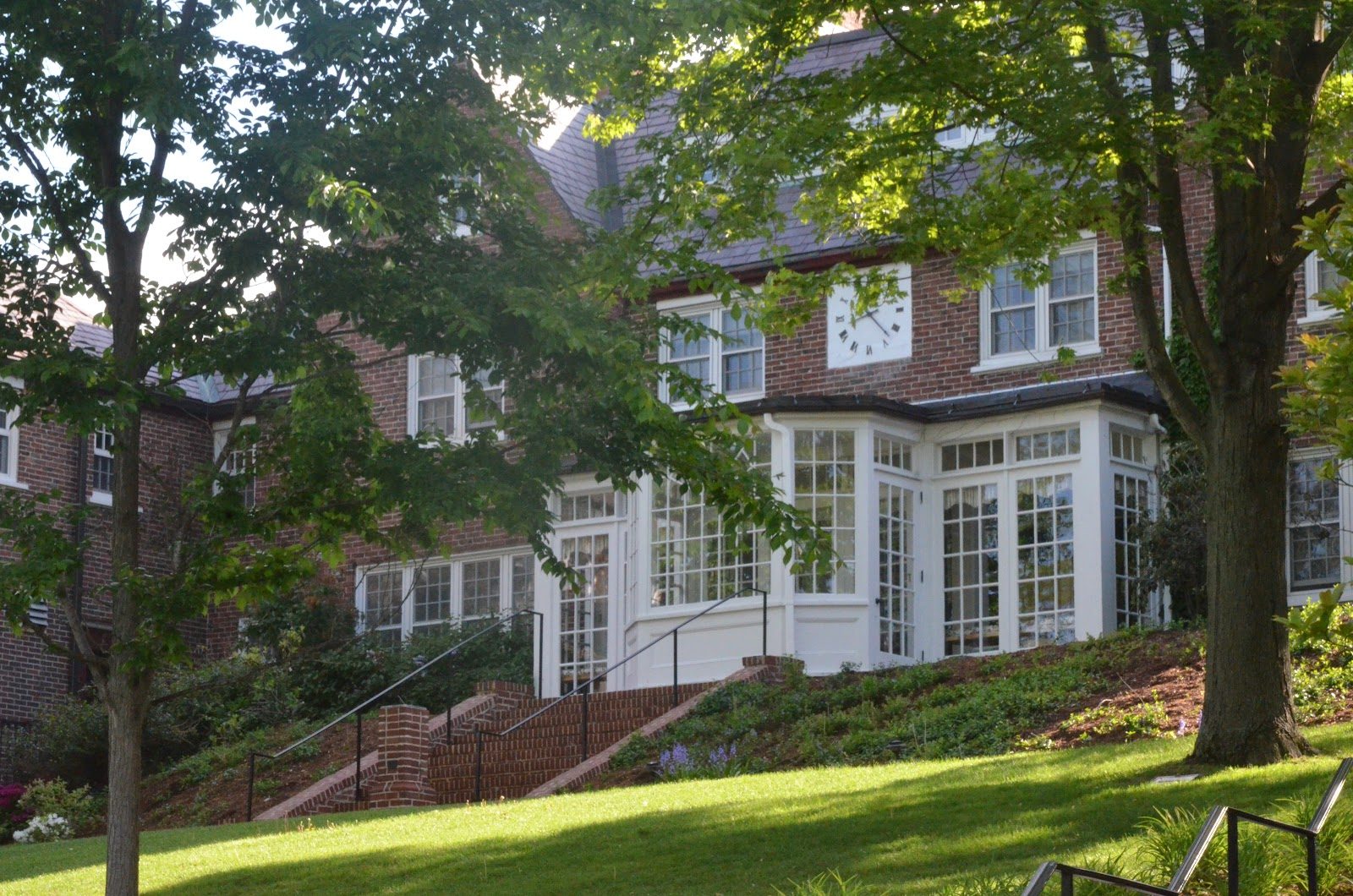
Belmont Hill School
Belmont · United States
A hilltop day school outside Boston, where jacket-and-tie ritual and family-style lunch anchor a century-old all-boys formation.
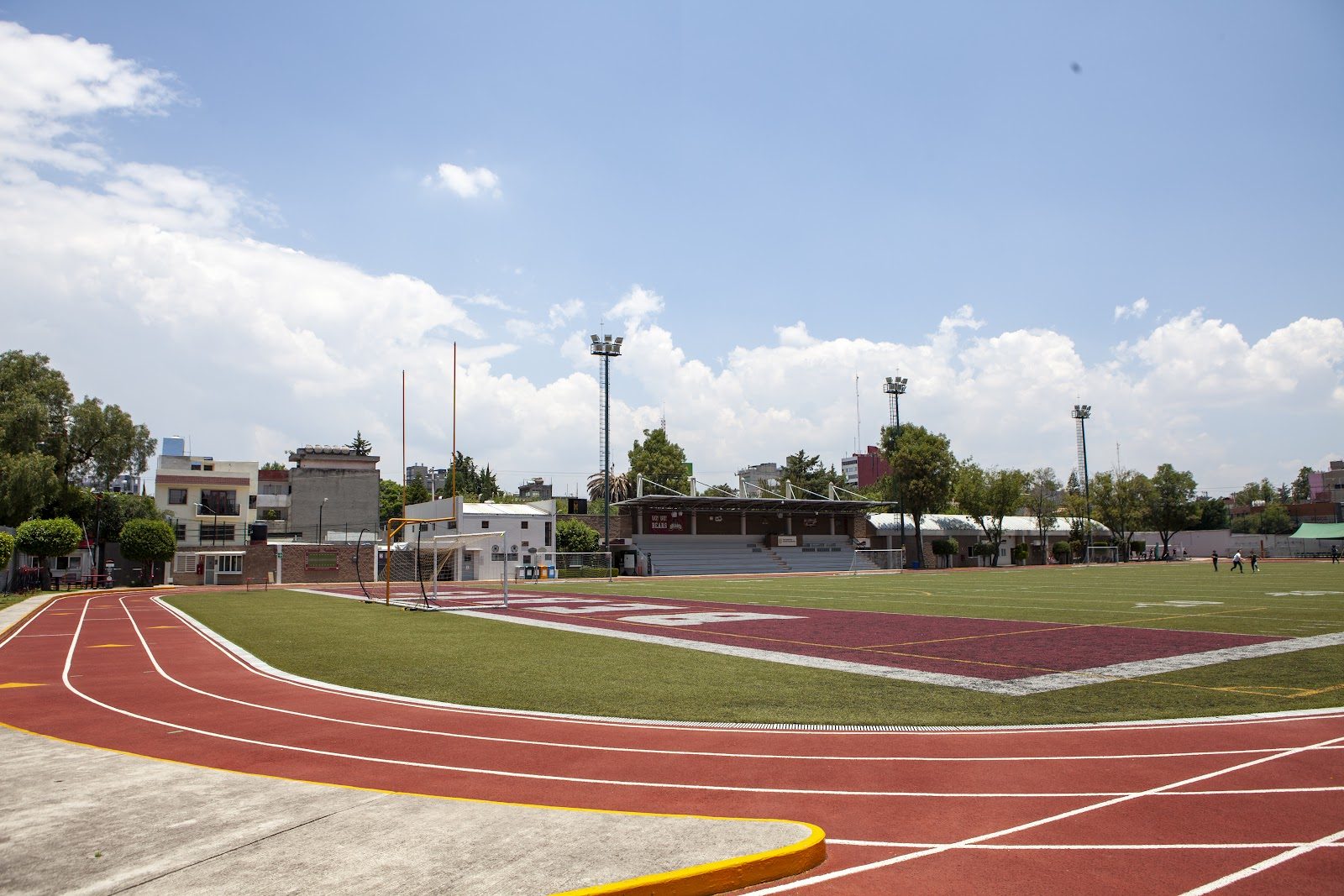
The American School Foundation
Mexico City · Mexico
Founded in 1888, the oldest continuously operating American school outside the U.S., blending IB rigor with bilingual roots in Mexico City.
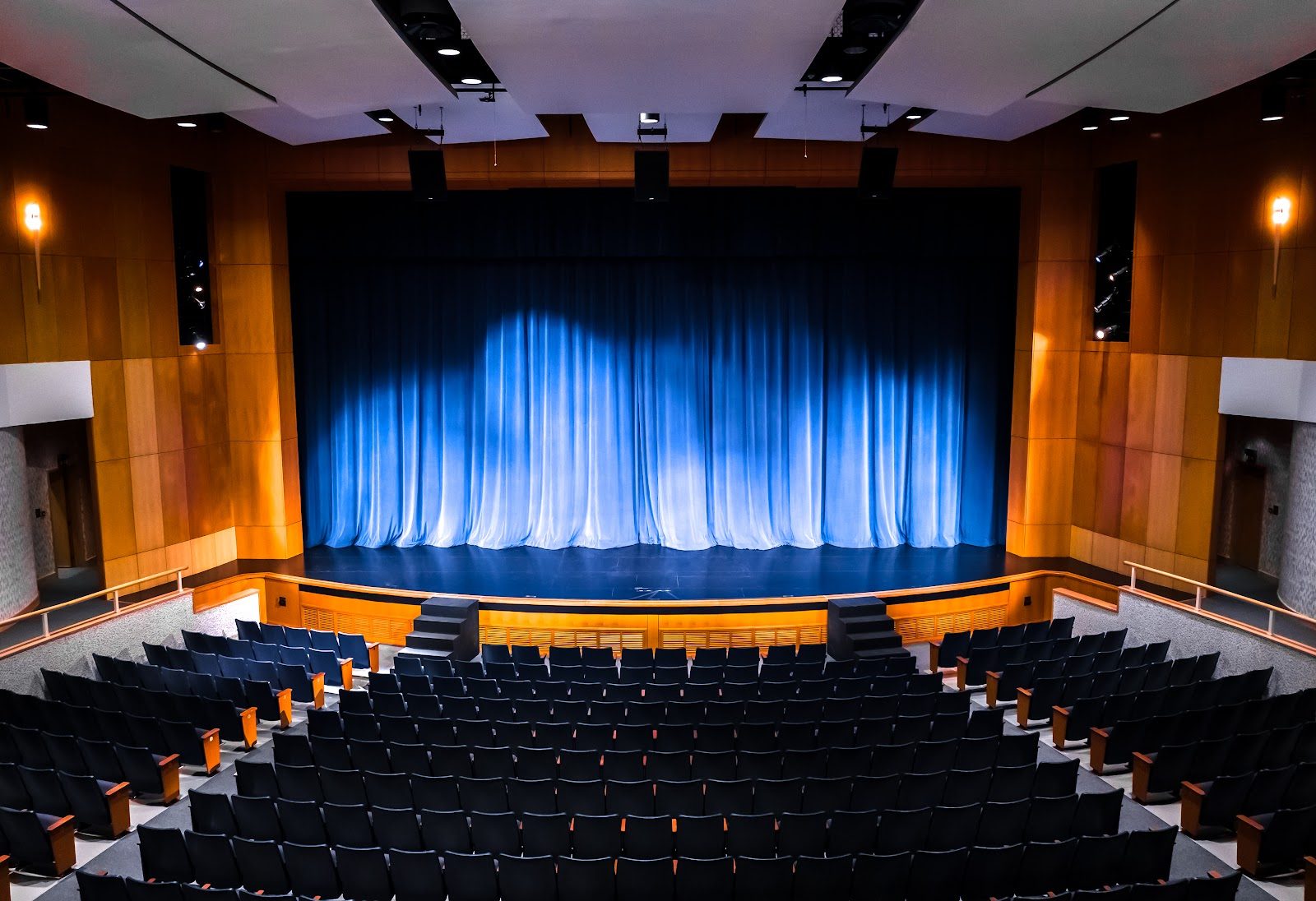
The American International School Muscat
Muscat · Oman
Oman's sole American-curriculum school, pairing AP coursework with a hands-on Discover Oman outdoor learning program.
Same country and curriculum — closest matches within ±10 points either way