
San Pedro Garza García
American School Foundation of Monterrey
low confidence· 4/6 cats · 1 avg sourcesSince 1928, Monterrey's oldest American-style school pairs a U.S. diploma track with the Mexican bachillerato near Huasteca Canyon.
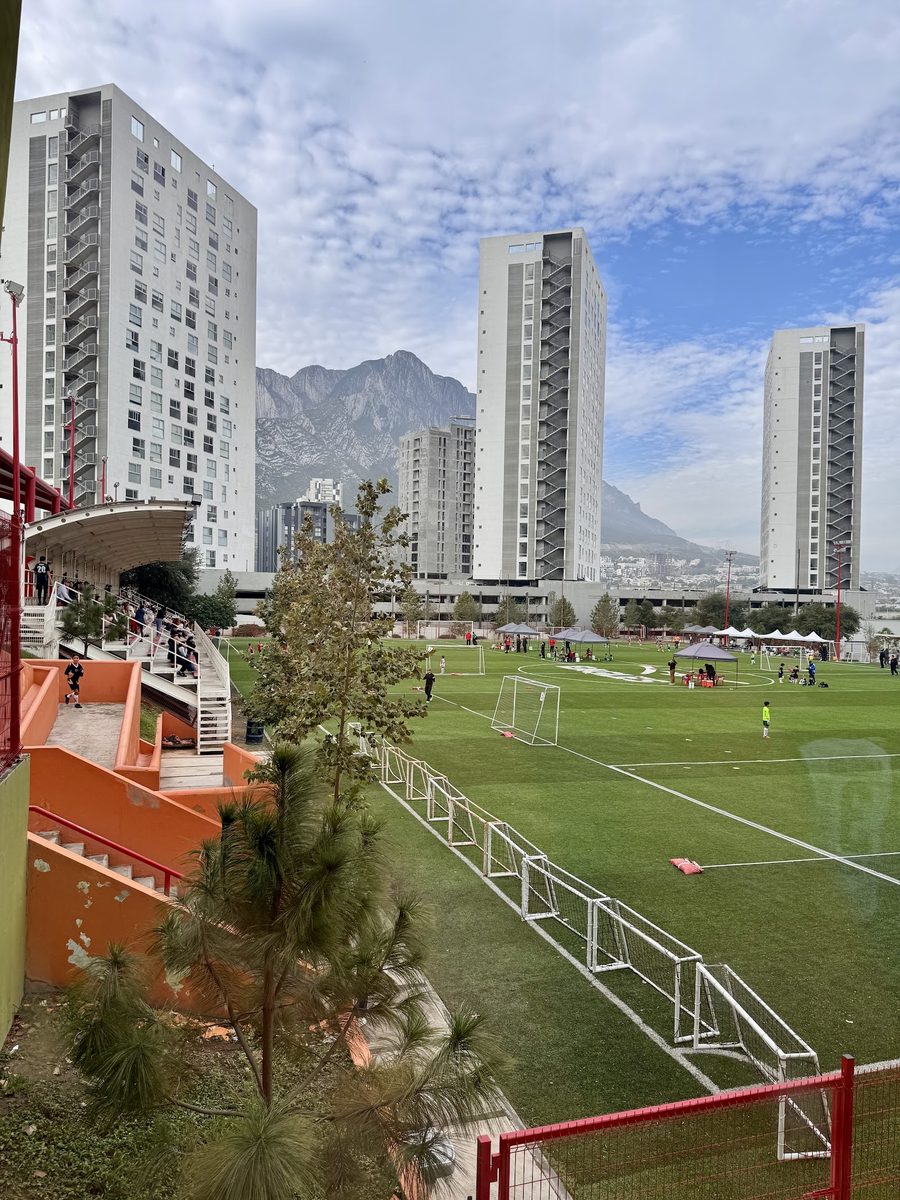
Photo © Juan José Franklin Uraga via Google Maps
Type
Day
Ages
3–18
Curriculum
American · IB
Qualifications
AP · IB Diploma · US High School Diploma
Ratio
—
The Verdict
Editor's commitment
Right for
Families wanting a 1928-founded, non-religious day school with American and IB pathways, English-Spanish teaching, and both a U.S. diploma and Mexican bachillerato.
Wrong for
Anyone wanting a small school or intimate campus culture: ASFM has 2,399 students, a 212,000m² site, and 43 high-school electives.
Watch out for
The average annual day fee is MXN 366,872; accreditations are solid—Middle States, IB World School, AASSA and SEP—but the scale is corporate.
Ranking breakdown
American School Foundation of Monterrey · #481 of 1591
Composite score 69.2. 8 weighted criteria.
By criterion
Academic Outcomes
Weight 20%
#586
of 1529 scored
University Placement
Weight 16%
#584
of 1529 scored
Prestige & Heritage
Weight 12%
#608
of 1571 scored
Alumni Network
Weight 12%
#394
of 1530 scored
Facilities
Weight 12%
#569
of 1533 scored
Transparency & Communications
Weight 8%
#688
of 1532 scored
Peer & Industry Review
Weight 10%
#645
of 1548 scored
Admissions Selectivity & Demand
Weight 8%
#438
of 1529 scored
Peer & Industry Review
How American School Foundation of Monterrey is regarded in the sector
58
Credible · low confidence
ASFM is a long-established (1930s) American international school in Monterrey recognized by the U.S. State Department's Office of Overseas Schools and accredited by Cognia (formerly SACS), and it is frequently cited in Monterrey expat-parent forums and relocation guides as the leading American-curriculum option in the city. However, it does not appear in flagship international rankings such as Tatler, Good Schools Guide, or Sunday Times School lists, and independent specialist-press coverage beyond regional expat community discussion is sparse.
Evidence sources
Editors' overview
A 212,000m² campus with 945 trees gives the American School Foundation of Monterrey physical scale that few city schools can match, and that scale matters here. ASFM is not a boutique international school trading on a polished image; it is a big, settled institution with 2,399 students, long roots in Monterrey and enough breadth to offer a genuine school experience rather than a narrow academic conveyor belt. Founded in 1928, it is the city’s oldest American-style school, and the dual academic proposition is clear: an American programme alongside the Mexican bachillerato, with IB in the mix and instruction in English and Spanish. For families who want a school that keeps doors open across Mexico and abroad, that combination puts ASFM firmly on the shortlist.
The practical attraction is breadth. High School offers 43 electives, the libraries hold 35,919 books in elementary and 17,483 items in middle and high school, and the sports provision is extensive enough to support both elementary and secondary teams. The school also publishes a striking community-service culture, with more than 21,000 hours recorded, and says over 93% of students take part in CCE sports fields. This is a large-scale, full-service school with the infrastructure to keep able, busy students occupied well beyond the core timetable. Its accreditations — Middle States, IB World School, AASSA and SEP — add useful external validation and place it securely in the established international tier rather than the newcomer market.
Parents do, however, need to want the realities that come with size. A school of this scale brings opportunity, but also less intimacy; families hunting for a small, hand-held environment need to look elsewhere. ASFM suits students who thrive when there is room to choose, compete and participate: academically ambitious children who want an American-style education, bilingual families who value English and Spanish, and teenagers who benefit from a broad extracurricular menu rather than a narrowly exam-driven culture. The average annual day fee across the full age range is MXN 366,872, which places it in the expensive bracket for Monterrey. That buys history, breadth and institutional heft. It does not buy obscurity: this is a serious local heavyweight, and it works best for families who want exactly that.
Academic Performance
ASFM does not publish the exam data that would let parents judge academic performance with confidence. We have not seen aggregate IB Diploma results, average points, pass rates, subject distributions, SAT or ACT profiles, AP outcomes, or destination lists broken down in a useful way. That matters. A school offering multiple pathways and a broad elective menu can produce strong individual outcomes without proving whole-cohort academic strength. In editorial terms, ASFM sits in the opaque middle ground: clearly substantial, plainly established, but not transparent enough on results to claim a place among the region’s hard-evidence academic leaders.
There are still clues. A student body of 2,399 and a high school programme with 43 electives point to serious course breadth rather than a stripped-down senior school. That usually supports better fit at sixth-form age and stronger university preparation across different profiles, from conventionally academic students to those whose strengths sit in specific disciplines. The school’s scale also reduces the risk of a narrow timetable or thin subject choice. But breadth is not the same as proof. Relative to peers, ASFM reads as a credible, full-service school with the infrastructure for good results, yet without the published outcomes that separate genuinely top-performing schools from merely well-resourced ones. For families who care about measurable academic return, that missing disclosure is the central fact.
Facilities
Facilities are one of ASFM’s strongest cards. The campus is genuinely expansive by urban-school standards, and the key point is not bragging rights but capacity: a site of 212,000m² gives room for proper sports provision, separate zones for different age groups and less of the stacked, space-poor feel that constrains many city schools. The school points to sports fields used by both elementary and secondary teams, and that matters more than glossy rhetoric: peer schools in dense metropolitan settings often make do with reduced outdoor space, hired venues or a single all-purpose field. Here, there is enough land to support a full-scale school day rather than a compromise. The tree cover also counts. A campus with 945 trees is not just decorative; it softens what might otherwise be an overwhelmingly institutional site.
The academic facilities read as substantial rather than flashy. Two separate library collections — 35,919 books in elementary and a further large holding for middle and high school — signal proper investment in age-specific resources, not a token reading room dressed up as a learning commons. High school students also get access to a broad elective structure, which in practice depends on specialist teaching spaces even if the school does not publish a full room-by-room inventory. That leaves one limit: ASFM does not disclose the kind of detailed facilities breakdown that top transparent schools now publish for science, arts or technology. Even so, against Monterrey peers, this is a serious, well-equipped campus with real operating scale, not a boutique school in borrowed space.
A 212,000m² campus with 945 trees gives the American School Foundation of Monterrey physical scale that few city schools can match, and that scale matters here
Prestige
ASFM carries real local prestige because it is an old, entrenched institution rather than a fashionable entrant. In Monterrey, that matters. Families know the name; universities know the name; employers know the name. Scale strengthens that standing. A school serving 2,399 students, drawing from 17 countries and sustaining a campus of unusual size sits in the civic landscape differently from a small private school. It has the weight of a serious establishment. The nonprofit structure also helps: this reads as an institution built for continuity, not a school built for rapid brand expansion or fee extraction. Prestige here rests on permanence, recognition and reach.
That said, ASFM’s prestige is solid rather than rarefied. It has social and institutional cachet, but not the published academic proof that would place it in the undisputed top academic tier. The school signals breadth, status and a busy student culture more clearly than intellectual selectivity. The large elective menu, the visible service culture and participation in sport all reinforce a picture of a well-connected, full-service school that families choose for standing as much as for scholarship. For many parents, that is enough: ASFM offers the status of a known quantity with deep roots and broad opportunity. For families chasing elite academic distinction above all else, the prestige case stops short of genuine educational pre-eminence.
That leaves one limit: ASFM does not disclose the kind of detailed facilities breakdown that top transparent schools now publish for science, arts or technology
Communications
ASFM communicates like a large, operationally busy school. The public-facing setup covers the essentials cleanly: a central news stream, an events feed, direct parent-service links, food and nutrition information, messages from the superintendent, the parent association, the values committee and the extended learning programme. That menu matters because it shows the school treats communication as a working system rather than a decorative admissions exercise. Parents can see where routine information lives and which parts of school life have their own channel. In a school serving 2,399 students, that basic structure is not optional; without it, families get noise, bottlenecks and dependence on informal WhatsApp chains. ASFM avoids that common institutional failure.
The limit is depth. The website establishes breadth of activity, but not a culture of hard-edged transparency. We have not seen the richer parent-facing disclosure that distinguishes the best-run schools: published leadership updates with substance, clear dashboards on academic outcomes, or detailed operational reporting beyond headline facts. The events section, at least in the extract we have seen, also lacks visible immediacy, which weakens the impression of a constantly updated parent information channel. So the verdict is clear: communication is competent, structured and serviceable, especially for day-to-day school operations, but it stops short of the first-rate openness that gives parents a strong sense of what is happening, why it matters and how well the school is performing.
Uniqueness
ASFM’s distinctiveness lies in institutional depth paired with civic scale. This is not an expatriate enclave built around transient demand; it is a school woven into the fabric of its city, with a student body large enough to create a proper social world rather than a narrow peer group. That matters for children growing up in Monterrey rather than passing through it. The mix of local and international families, drawn from 17 countries, gives students daily contact with peers beyond a single social slice, while the school’s nonprofit footing reinforces a sense of long-horizon stability. Students benefit from that in practical ways: more clubs, more teams, more friendship circles, more room to reset socially if one group or activity does not fit.
The other point of difference is breadth without obvious ideological narrowness. ASFM does not read as a school built around one tribe — not the hyper-elite pressure cooker, not the arts conservatoire, not the sports factory, not the faith school. It offers an expansive mainstream education with enough scope for students to build distinct profiles inside a large institution. The visible service culture, with more than 21,000 recorded hours, adds a useful corrective to pure status consumption; students are pushed towards participation beyond their own timetable and friendship group. For the right child, that brings confidence, social range and institutional fluency. For families who want intimacy or a sharply specialised identity, it brings the opposite: ASFM is big-system schooling done on an unusually mature scale.
It has social and institutional cachet, but not the published academic proof that would place it in the undisputed top academic tier
Student Profile
ASFM suits children who do well in a large, socially busy school where there is more than one way to belong. With 2,399 students drawn from 17 countries, the peer group is broad enough to absorb different personalities, ambitions and friendship patterns. This works for confident joiners, sport-oriented students, committee children, and teenagers who want options rather than a tightly managed cohort. It also works for families who value a school with a serious mainstream centre of gravity: not niche, not bohemian, not austere, but built for students who want to participate widely and build a visible profile across school life. The school’s emphasis on service and sport points to a culture that rewards involvement, stamina and willingness to contribute beyond the classroom.
The less obvious fit is just as important. Children who need intense adult hand-holding, a small-circle social world or a quieter daily rhythm will find the scale hard work. In a school this large, students need a measure of self-direction: the ability to navigate choice, seek out teachers, recover from social knocks and make use of the opportunities in front of them. ASFM will suit bilingual local families, internationally minded Mexican families, and expatriate households who want integration into the city rather than an insulated bubble. It is a high-functioning choice for adaptable students with energy and range. It is not a refuge for the timid.
For families chasing elite academic distinction above all else, the prestige case stops short of genuine educational pre-eminence
Co-curricular strengths
Arts & sport, on a separate axis
Overall 9/10
Scored 0-10 from the school's own published evidence. This axis is editorial-only — it does not feed the main WTS ranking.
Sports
9/10
Drama
9/10
Dance
9/10
Music
9/10
Visual Arts
9/10
Editor first-pass · editor-reviewable · 7/30/2026
Strengths
- +Dual exit routes: American curriculum and IB Diploma.
- +English-Spanish instruction suits bilingual or returning families.
- +Founded 1928; established Monterrey international-school presence.
- +2,399 students and 17 nationalities offer broad peer mix.
Considerations
- −Large enrolment, 2,399 students, may feel less personal.
- −Day school only; no boarding for relocations.
- −Campus sits in Monterrey, not a quieter satellite town.
Availability
Primary entry gate & tests
Academic Record
Gallery
Photo © ASFM via Google Maps
Photo © ASFM via Google Maps
Photo © ASFM via Google Maps
Photo © Mauro Escobedo via Google Maps
Photo © ASFM via Google Maps
Parent reviews
Have you sent your child here?
Voice reviews carry the strongest trust badge — we transcribe them for you to tidy up before they go live. Prefer to type? A written review is fine too.
Add your voice
In 60 seconds, tell other parents: what's the best thing about American School Foundation of Monterrey, and what surprised you when your child joined?
We ask for a Google sign-in so every review has a real face behind it — no anonymous drive-by attacks on schools, and no faked positive reviews. Your email is never shown publicly.
Send this profile to a friend
International parents rely on word-of-mouth. Share this review with someone weighing the same decision.
Schools with places
Similar schools to American School Foundation of Monterrey with places available now.
Availability first, then country, area, curriculum, price, co-curricular
Consider also
Also worth looking at alongside American School Foundation of Monterrey.
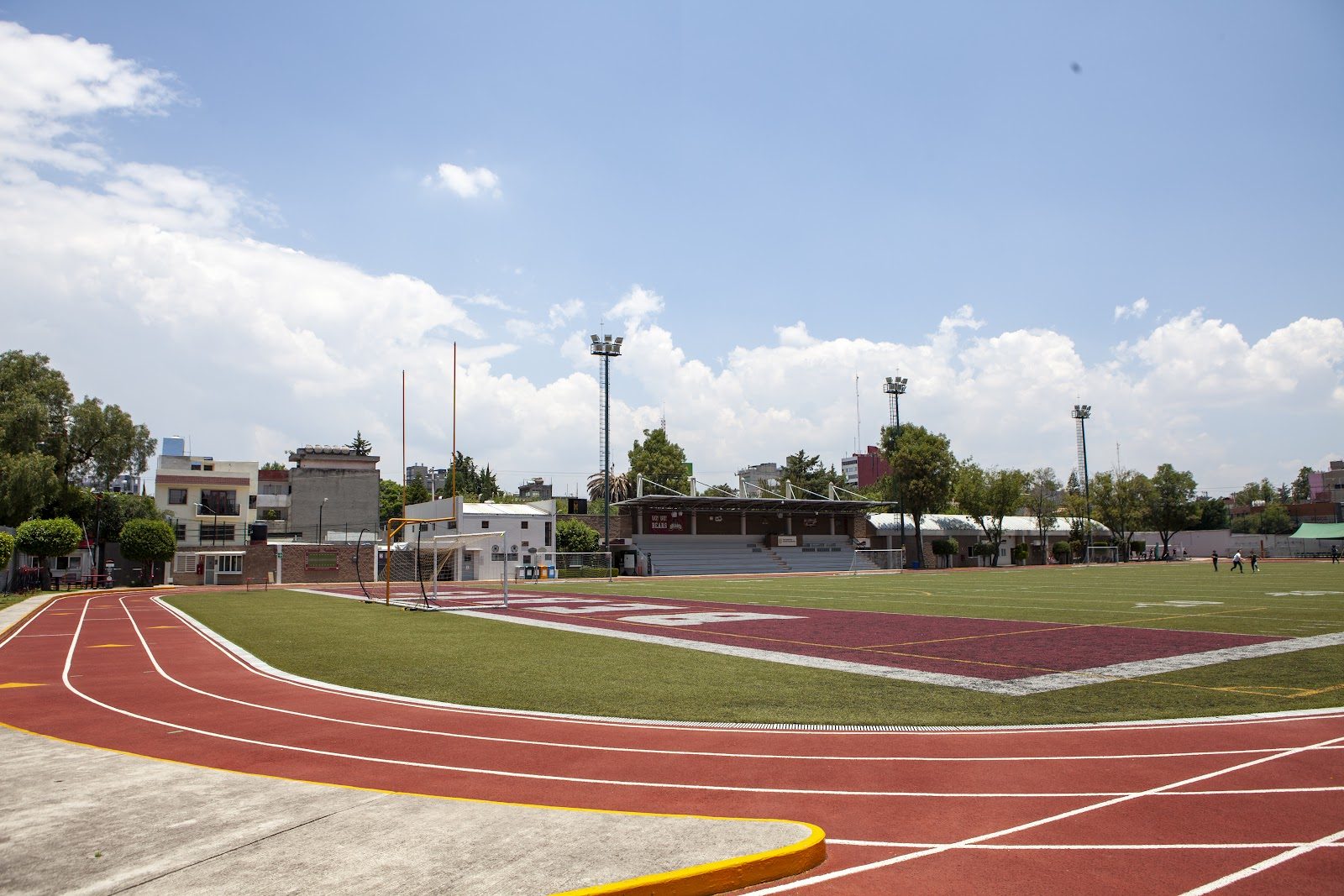
The American School Foundation
Mexico City · Mexico
Founded in 1888, the oldest continuously operating American school outside the U.S., blending IB rigor with bilingual roots in Mexico City.
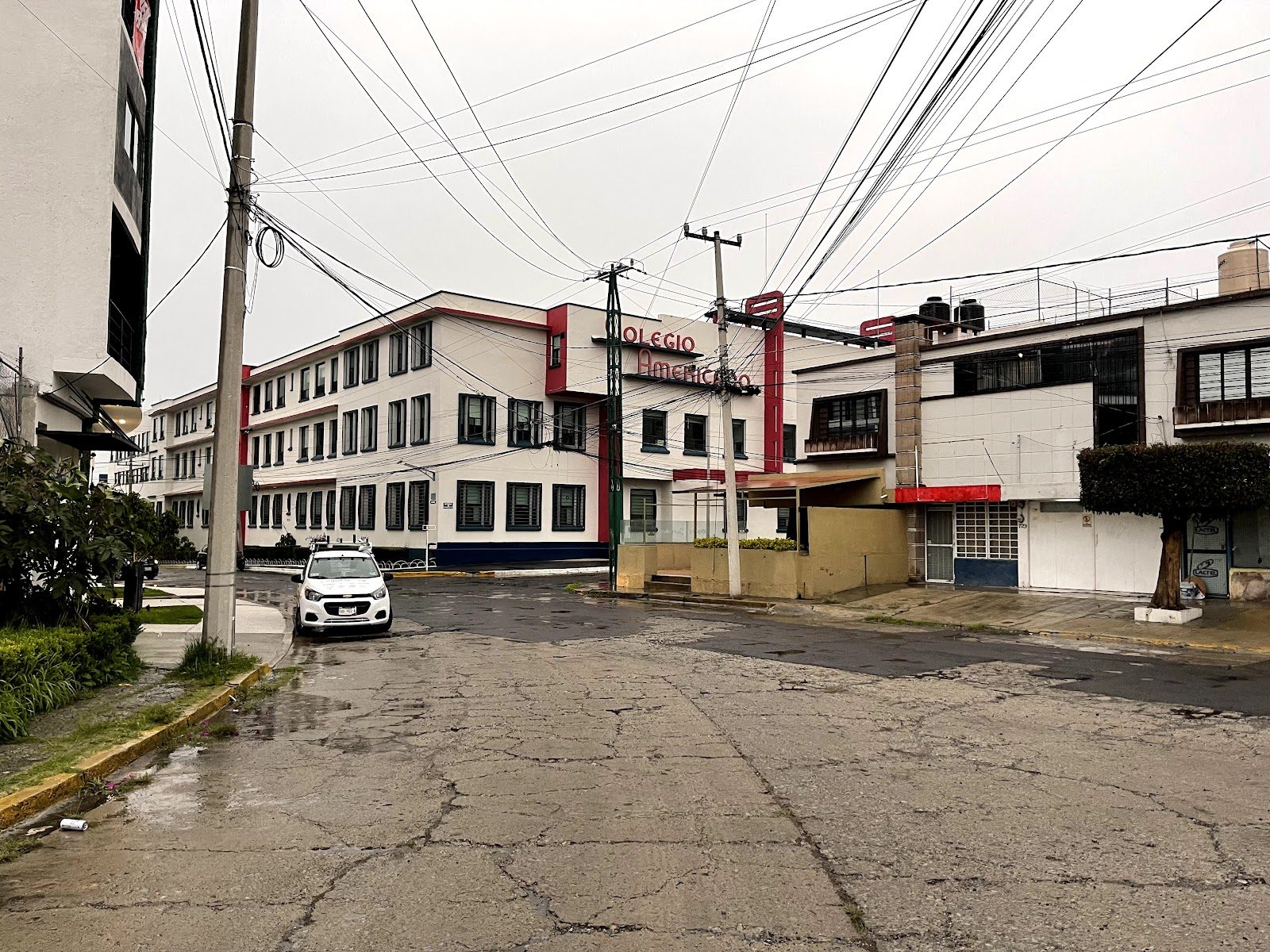
Puebla American School Foundation
Puebla · Mexico
Since 1942, this bilingual Puebla day school became the city's first to run the full IB continuum, from PYP to Diploma.

Greengates School
Mexico City · Mexico
Since 1951 in Naucalpan, the only Mexico City school requiring every sixth-former to sit the full IB Diploma, with results to match
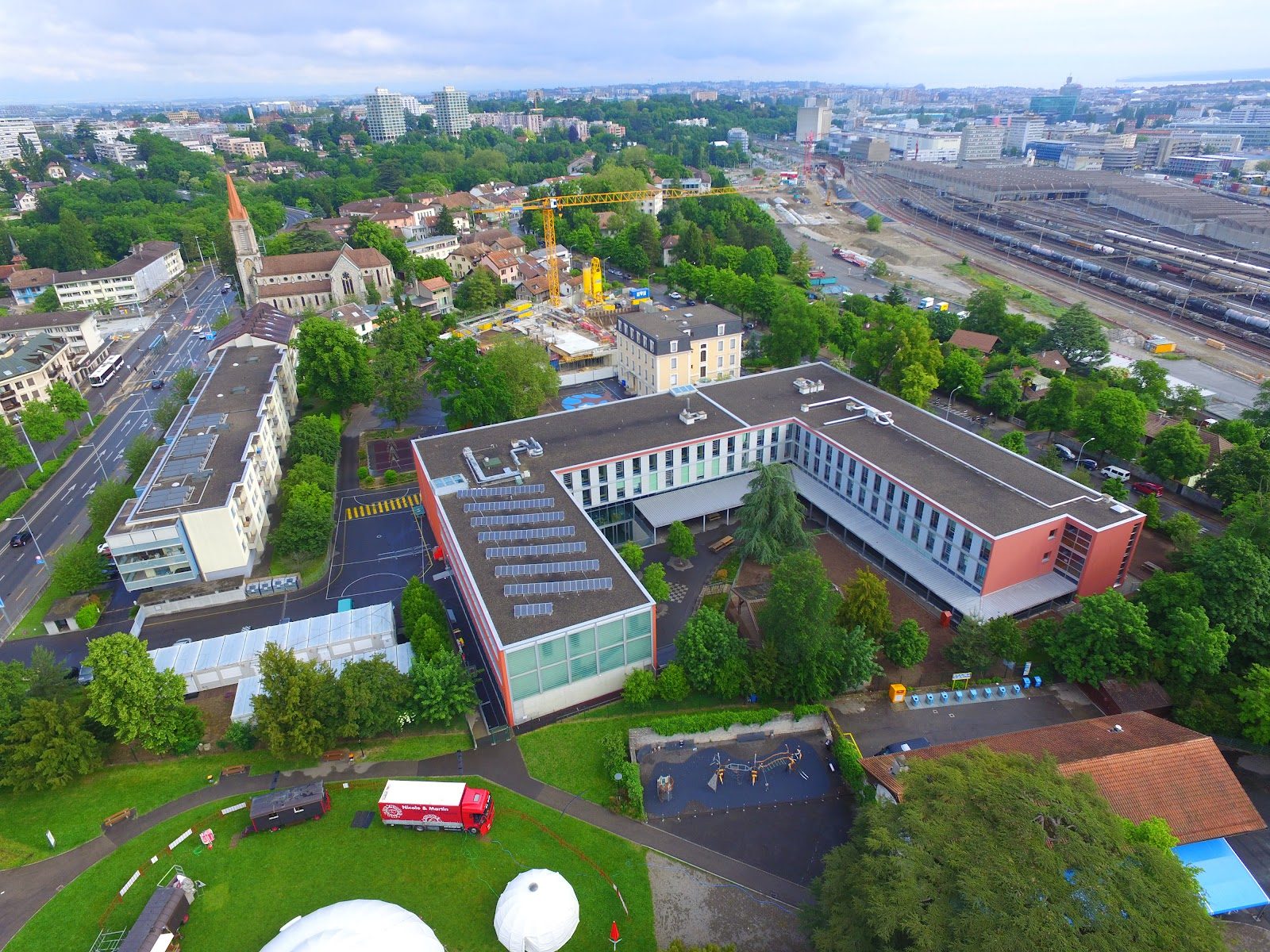
Institut International de Lancy
Geneva · Switzerland
Founded in 1903 near Geneva, this campus runs French, British and bilingual tracks side by side into the IB diploma.
Same country and curriculum — closest matches within ±10 points either way