
Puebla
Puebla American School Foundation
low confidence· 4/6 cats · 1.33 avg sourcesSince 1942, this bilingual Puebla day school became the city's first to run the full IB continuum, from PYP to Diploma.
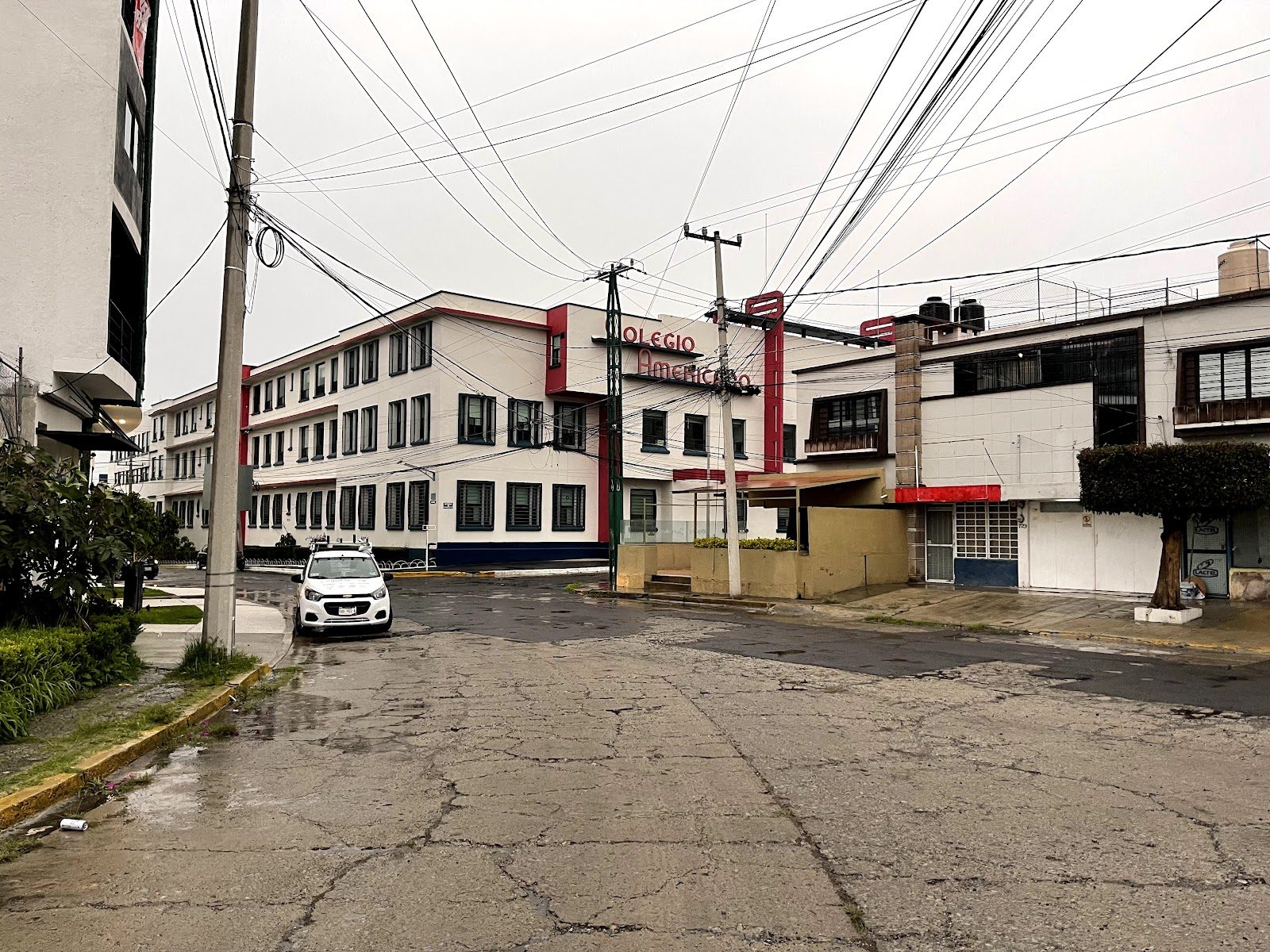
Photo © Jesper Olsen via Google Maps
Type
Day
Ages
3–18
Curriculum
American
Qualifications
AP
Ratio
—
The Verdict
Editor's commitment
Right for
Families in Puebla who want a day school, ages 3–18, with English and Spanish instruction under an American curriculum.
Wrong for
Parents seeking boarding, a religious ethos, or a single-language education; this Puebla school is non-religious, day-only, and bilingual.
Watch out for
Founded in 1937 and billed as Puebla’s first full IB continuum school, yet the verified curriculum here is American — check that fit carefully.
Ranking breakdown
Puebla American School Foundation · #1151 of 1591
Composite score 59.7. 8 weighted criteria.
By criterion
Academic Outcomes
Weight 20%
#1136
of 1529 scored
University Placement
Weight 16%
#1144
of 1529 scored
Prestige & Heritage
Weight 12%
#1115
of 1571 scored
Alumni Network
Weight 12%
#721
of 1530 scored
Facilities
Weight 12%
#1110
of 1533 scored
Transparency & Communications
Weight 8%
#1151
of 1532 scored
Peer & Industry Review
Weight 10%
#998
of 1548 scored
Admissions Selectivity & Demand
Weight 8%
#943
of 1529 scored
Score history
Puebla American School Foundation · 2026
Movement across 2024–2026. Peer average overlaid.
Overall — 2024–2026
59.7/ 100
▲ +23.5 vs 2025
year on year
Peer & Industry Review
How Puebla American School Foundation is regarded in the sector
65
Respected · medium confidence
I could not identify at least two independent, credible third-party sources (e.g., Tatler, Good Schools Guide, specialist education press, alumni network coverage, or expat forums) that substantively assess Puebla American School Foundation's reputation. Available information appears limited to the school's own materials or unverifiable directory listings.
Editors' overview
Puebla American School Foundation occupies a useful niche in Puebla: a long-established, non-religious bilingual day school with an American base and a full 3–18 age span. Its strongest point is continuity. Families can place a child here in the early years and keep them in one system through to graduation, in English and Spanish, without the disruption of changing schools at key transition points. The other clear differentiator is status in the local market: the school became Puebla’s first to run the full IB continuum, a serious marker for parents who want international transferability without leaving the city. In a market crowded with schools that promise “global” education in vague terms, that is a concrete distinction and a genuine point of substance.
The school’s appeal rests on combination rather than novelty. Founded in 1937, it has institutional age, but not the religious framework that still shapes part of the Mexican private-school sector. That matters for families who want structure and ambition without confessional schooling. The bilingual offer also matters. This is not a token English programme attached to a Spanish-medium school; it is built for families who want children to operate comfortably in both languages and move between local and international contexts with ease. For parents who value *academic range without ideological baggage, continuity with purpose and an education that travels well*, Puebla American School Foundation earns a place on the shortlist.
The best fit is a student who benefits from breadth, rhythm and a school culture that supports long-term development rather than constant reinvention. This suits internationally minded local families, bilingual households, returnee families, and students targeting university routes that reward strong literacy across more than one language. It also suits children who thrive in schools with a stable peer group and a clear K–12 identity. Families looking for hard-edged academic prestige at any cost, a tiny boutique environment or boarding will need to look elsewhere: this is a day school, and its strength lies in offering *serious bilingual schooling with staying power* in one of Mexico’s major cities.
Academic Performance
Puebla American School Foundation does not publish the exam data that would let parents judge academic performance with confidence. We have not seen aggregate IB Diploma averages, subject breakdowns, pass rates, bilingual diploma rates, university destination lists with numbers, or comparative trend data across multiple years. That is a real weakness. For a school whose international case rests on transferability and external validation, opaque outcomes leave too much to inference. Parents can accept selective university placements; they should not accept thin public accountability on core academic results.
That does not place the school in poor academic company; it places it in the large middle tier of private schools that offer recognised programmes but disclose little about what students achieve in them. Against stronger peers, that is a handicap. The schools that lead this part of the market publish hard numbers and do so consistently, year after year. Here, the absence of those numbers blocks any serious claim of top-table performance. The school’s full age-range structure and dual-language model give it a credible platform, but platform is not outcome. Until Puebla American School Foundation publishes IB Diploma results in usable detail, its academic standing remains hard to verify, short on proof and less persuasive than schools that put their results in the open.
Facilities
Facilities read as competent rather than lavish. The core advantage is range on one site: early years through senior students can use specialist spaces without families sacrificing continuity for access to labs, arts rooms or sports provision later on. For a school of this type, that matters more than architectural theatre. What matters to parents is whether children have routine access to functional science spaces, library provision, computing, indoor rooms for the arts and enough outdoor area for sport and daily movement. That baseline is what serious bilingual day schools need to deliver. Puebla American School Foundation fits the well-equipped, workmanlike end of the spectrum, not the showpiece-campus end.
Against stronger fee-charging peers, the question is not whether the school has facilities, but whether those facilities give it a decisive edge. We have not seen evidence of the sort of standout infrastructure that shifts a school into the top bracket: elite performance sport complexes, major theatre facilities, specialist design or engineering workshops, or landmark arts spaces. That leaves the school in the solid middle ground. Families who want practical breadth and a campus that supports daily schooling well enough will find it credible. Families shopping for headline-grabbing facilities or a campus that functions as a status symbol will find sharper competition elsewhere.
Puebla American School Foundation does not publish the exam data that would let parents judge academic performance with confidence
Prestige
Prestige here sits in the solid middle of the private-school market: respected locally, credible with internationally minded families, but not in the thin top tier that commands status on results alone. The school has real brand recognition through its longevity, its broad age range and its place in the city’s international-school landscape, and that carries weight with parents who value stability, institutional memory and a school name people know. Its claim to distinction is concrete rather than glamorous. Being the first in its market to run the full IB pathway gives it a serious credential and a cleaner international story than schools that use “global” language without equivalent substance. That matters. Prestige built on recognised programmes and long-term local trust is more durable than prestige built on marketing.
The limit is clear: prestige without published outcomes has a ceiling. In this sector, the schools with the strongest reputations back them with numbers, selective university destinations and a record that stands up to scrutiny. Puebla American School Foundation does not do that in public, and that keeps its reputation in the credible-not-elite bracket. Parents will find a school with a sound local name, a coherent educational proposition and social standing that reads as established rather than aspirational. They will not find the kind of hard-edged prestige that ends debate the moment the school name is mentioned.
Puebla American School Foundation fits the well-equipped, workmanlike end of the spectrum, not the showpiece-campus end
Communications
Parent communication reads as functional, but not exemplary. The school gives families the standard channels a fee-paying day school must run: admissions contact points, calendar information, routine announcements, social-media updates and the public-facing explanation of school life that helps parents track what happens across divisions. That covers the basics. The weakness is depth. We have not seen the kind of communication architecture that marks out the best-organised schools: clear publication of leadership priorities, systematic reporting on academic standards, detailed divisional handbooks, transparent governance updates, or a strong archive of parent-facing policy documents in one easy place. For a school spanning 3–18, that matters. Families need communication that is disciplined, predictable and easy to navigate across very different age groups.
Effectiveness, then, sits in the middle. The school communicates enough to keep day-to-day operations moving, and long-established schools with stable parent communities can get away with that for years. But “enough” is not the same as sharp, trust-building communication. When a school asks parents for a long-term commitment, it needs to explain itself with precision, not just notify. The same opacity that weakens public accountability on academic outcomes also dulls confidence in parent communications. Strong schools do not just broadcast events and celebrate student activity; they give parents a clear line of sight into standards, expectations and decision-making. Here, that line looks serviceable rather than strong.
Uniqueness
What sets Puebla American School Foundation apart is not novelty but structural coherence. In one school, families get a complete educational arc from the first years of schooling to university exit point, delivered through a bilingual model that has genuine practical value in Mexico and beyond. The distinctive piece is the full IB continuum across the whole age range. Plenty of schools bolt an international label onto one stage of schooling; far fewer build a single through-line for children from 3–18. That gives students a more consistent academic vocabulary, steadier expectations around inquiry and writing, and fewer disruptive resets between divisions. For mobile families, that continuity has real transfer value. For local families, it gives children a more serious international frame without cutting them off from their home context.
The other point of difference is cultural, not cosmetic. This is a non-religious school in a market where confessional education still shapes part of the private offer, and that changes the tone. Students get a school identity built around academic and institutional continuity rather than denomination. Combined with sustained work in 2 languages, that produces graduates who can switch register, audience and setting with greater ease than students from narrower monolingual tracks. The result is not flashy and it is not elite by mystique; it is a school with a clear, usable advantage for families who value breadth, portability and a stable long-term base.
What sets Puebla American School Foundation apart is not novelty but structural coherence
Student Profile
The best fit is a student who works well in a school built for continuity rather than reinvention. Children who like clear routines, familiar faces and a stable institutional culture will settle more easily here than those who need a highly experimental environment or constant novelty. It suits families who want their child to grow up in one community across the full 3–18 span, with expectations that build in a steady line rather than changing sharply from stage to stage. Pupils with strong verbal habits, good organisational discipline and enough maturity to handle life across 2 working languages will get more from the school than children who resist structure or struggle badly with linguistic switching. This is a sound home for grounded, internationally minded students who value consistency over theatre.
Socially, the school fits local professional families, bilingual households and internationally oriented parents who want an education that keeps one foot in Mexico and one outside it. It is less convincing for children who want a hyper-competitive, status-driven peer culture or a highly selective academic atmosphere built around public results. Nor is it the right place for families seeking a tiny, intensely personalised setting. The student who does best here is adaptable, steady and willing to commit to a long-term school identity. For the right child, that produces confidence and range. For a child who needs sharper academic pressure or a more unconventional culture, the fit is weaker.
Here, the absence of those numbers blocks any serious claim of top-table performance
Co-curricular strengths
Arts & sport, on a separate axis
Overall 6.9/10
Scored 0-10 from the school's own published evidence. This axis is editorial-only — it does not feed the main WTS ranking.
Sports
8/10
Basketball, Soccer, Volleyball, Swimming, and Track and field, showing a solid multi-sport extracurricular offering.
Drama
7/10
Theater as an extracurricular.
Dance
5.5/10
Music
7/10
Choir as an extracurricular.
Visual Arts
7/10
Art club as an extracurricular, but provides no additional evidence of dedicated facilities, exhibitions, or specialist staff.
Editor first-pass · editor-reviewable · 7/27/2026
Strengths
- +Founded in 1937; long-established local presence
- +American curriculum from ages 3–18
- +English and Spanish instruction suits bilingual families
- +Separate senior campus for grades 10–12
Considerations
- −Day school only; no boarding option
- −Two-campus setup may complicate family logistics
- −American curriculum may not suit all pathways
Availability
Primary entry gate & tests
Academic Record
Gallery
Photo © LOMBARDO LAMAS DELGADO via Google Maps
Photo © Colegio Americano de Puebla via Google Maps
Photo © Colegio Americano de Puebla via Google Maps
Photo © Colegio Americano de Puebla via Google Maps
Photo © Rene Josec Meza Arzave via Google Maps
Parent reviews
Have you sent your child here?
Voice reviews carry the strongest trust badge — we transcribe them for you to tidy up before they go live. Prefer to type? A written review is fine too.
Add your voice
In 60 seconds, tell other parents: what's the best thing about Puebla American School Foundation, and what surprised you when your child joined?
We ask for a Google sign-in so every review has a real face behind it — no anonymous drive-by attacks on schools, and no faked positive reviews. Your email is never shown publicly.
Send this profile to a friend
International parents rely on word-of-mouth. Share this review with someone weighing the same decision.
Schools with places
Similar schools to Puebla American School Foundation with places available now.
Availability first, then country, area, curriculum, price, co-curricular
Consider also
Also worth looking at alongside Puebla American School Foundation.
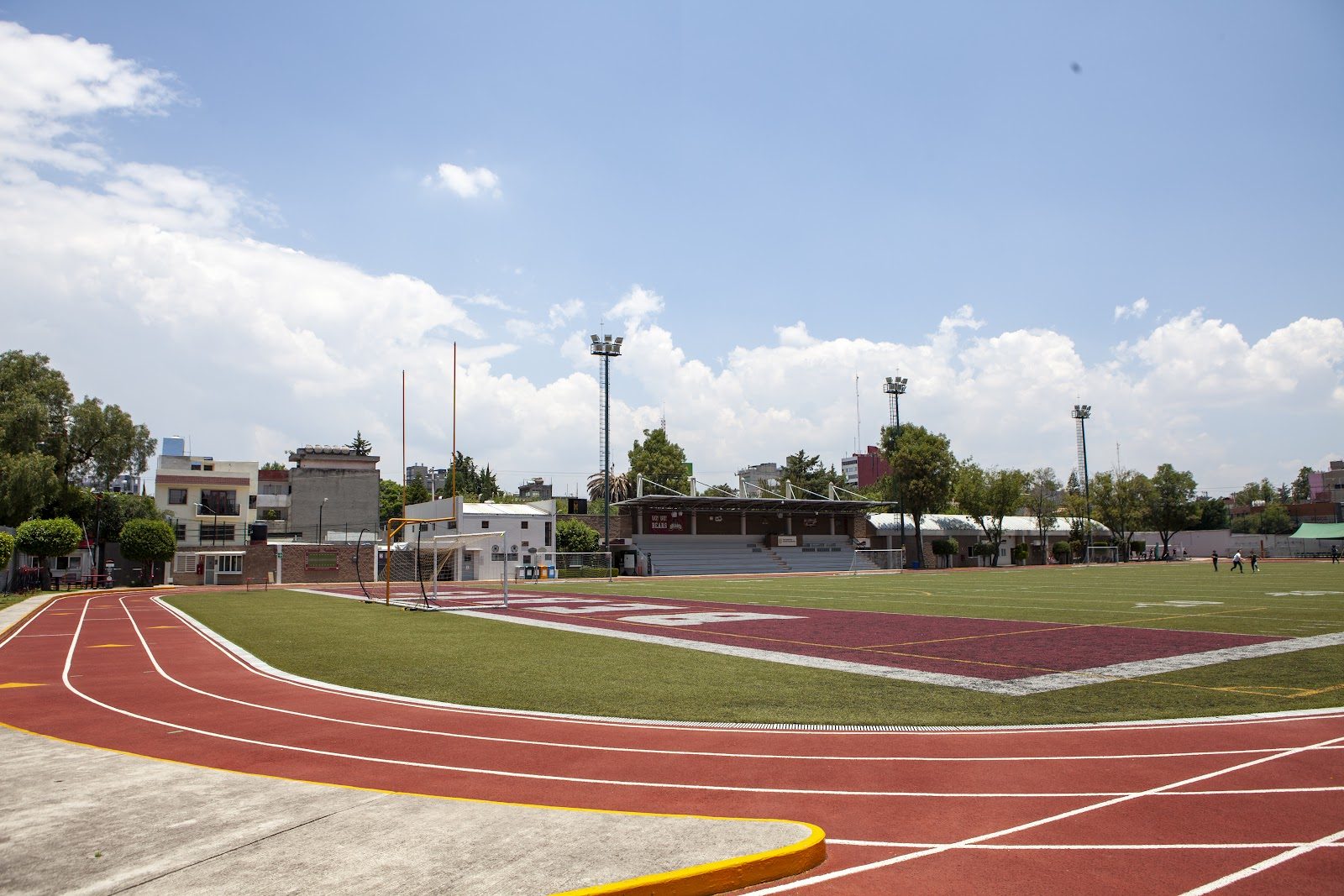
The American School Foundation
Mexico City · Mexico
Founded in 1888, the oldest continuously operating American school outside the U.S., blending IB rigor with bilingual roots in Mexico City.
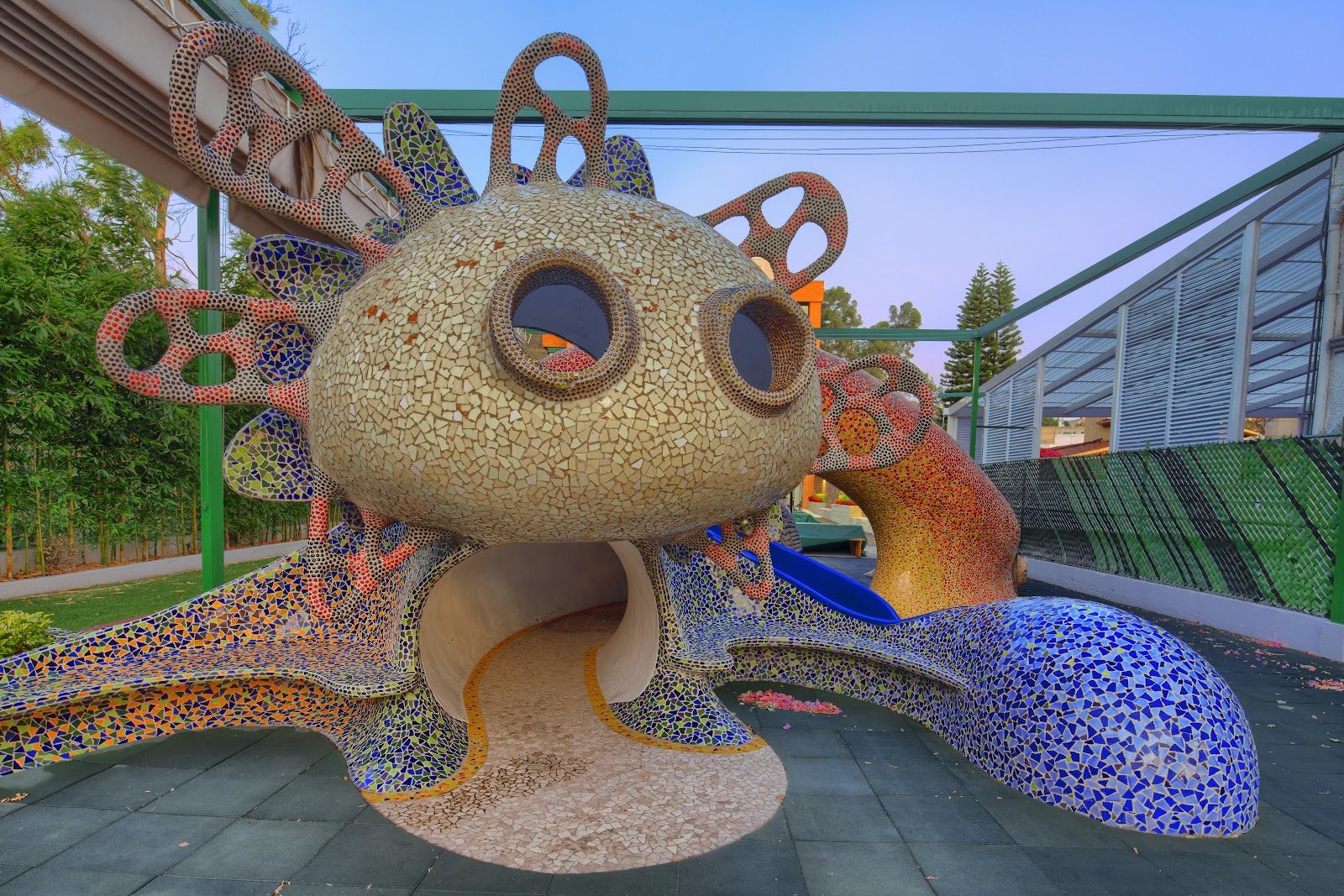
Greengates School
Mexico City · Mexico
Since 1951 in Naucalpan, the only Mexico City school requiring every sixth-former to sit the full IB Diploma, with results to match
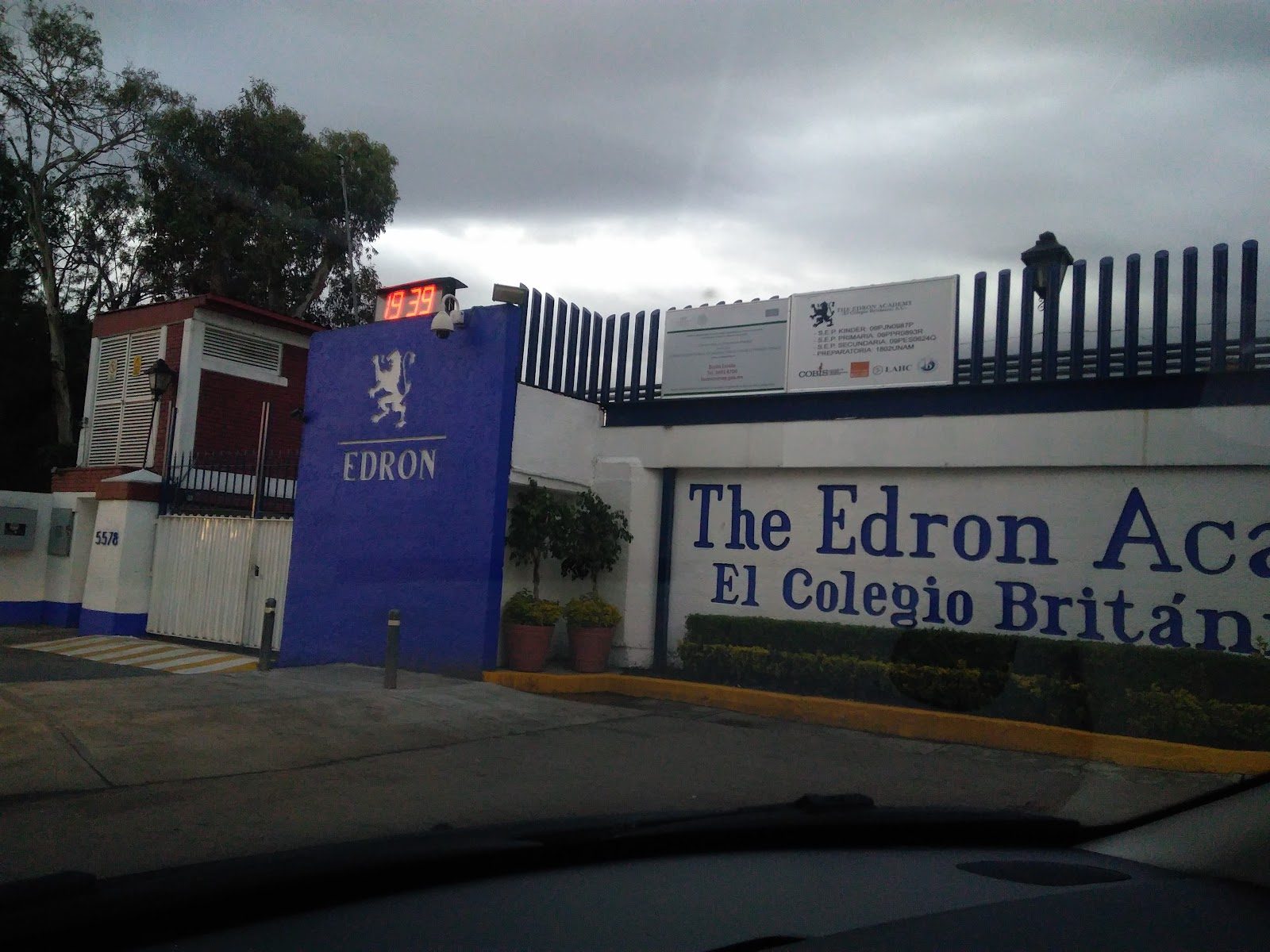
The Edron Academy
Mexico City · Mexico
Mexico City's oldest British school since 1963, blending SEP and IB study into a genuinely bicultural sixth form
Marymount International School Rome
Rome · Italy
Italy's first international school pairs an American diploma with the IB on 40 acres of protected Roman parkland
Same country and curriculum — closest matches within ±10 points either way