
Lazio
Marymount International School Rome
low confidence· 4/6 cats · 0 avg sourcesItaly's first international school pairs an American diploma with the IB on 40 acres of protected Roman parkland
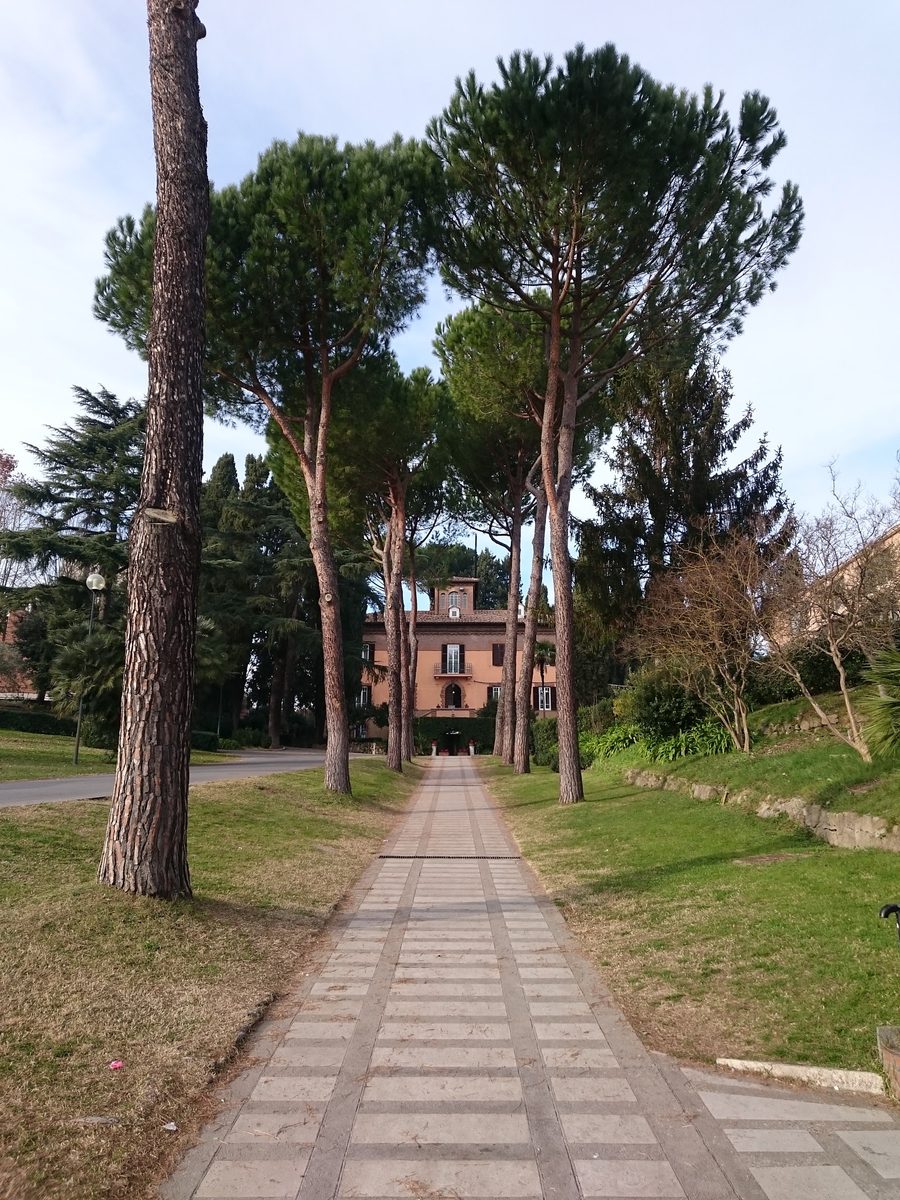
Photo © Adeeb Ali via Google Maps
Type
Day
Ages
2–18
Curriculum
American · IB
Qualifications
US High School Diploma · IB Diploma
Ratio
6:1
The Verdict
Editor's commitment
Right for
Families wanting English-medium schooling from age 2 to 18, a Catholic ethos, and an American diploma alongside the IB.
Wrong for
Parents who want boarding, a non-religious culture, or cheaper schooling: the average annual fee is €22,091 for a day school.
Watch out for
The 6:1 student-teacher ratio and 20-pupil average classes sound intimate, but the school publishes no aggregate AP or IB results.
Ranking breakdown
Marymount International School Rome · #680 of 1591
Composite score 68.1. 8 weighted criteria.
By criterion
Academic Outcomes
Weight 20%
#667
of 1529 scored
University Placement
Weight 16%
#649
of 1529 scored
Prestige & Heritage
Weight 12%
#706
of 1529 scored
Alumni Network
Weight 12%
#579
of 1529 scored
Facilities
Weight 12%
#741
of 1529 scored
Transparency & Communications
Weight 8%
#725
of 1529 scored
Peer & Industry Review
Weight 10%
#637
of 1529 scored
Admissions Selectivity & Demand
Weight 8%
#489
of 1529 scored
Score history
Marymount International School Rome · 2026
Movement across 2024–2026. Peer average overlaid.
Overall — 2024–2026
68.1/ 100
▲ +32.2 vs 2025
year on year
Peer & Industry Review
How Marymount International School Rome is regarded in the sector
65
Respected · medium confidence
Marymount International School Rome is a long-established (founded 1946) girls'/IB school frequently mentioned in expat-parent forums (e.g. Expat Exchange, InterNations, Rome-based expat community boards) as one of the recommended international schools in Rome, and it appears in general 'international schools in Rome' round-ups alongside St. George's, St. Stephen's, and Rome International School. It lacks the depth of specialist press coverage (Tatler, Good Schools Guide) seen for top-tier UK/international schools, but has a stable, respected local reputation among the Rome expat and diplomatic community due to its longevity and IB program recognition.
Evidence sources
- Maria Shriver — Journalist/Author, Media
- Christina Schwarzenegger — Media Producer, Entertainment
- Katherine Schwarzenegger — Author, Media
Editors' overview
Forty acres of protected Roman parkland gives Marymount International School Rome a setting few city schools can match, and the school uses that physical advantage to sell more than scenery. This is a Catholic, co-educational day school for ages 2 to 18, with English as the language of instruction, a 6:1 student-teacher ratio and average class sizes of 20. The academic proposition is clearer than at many European internationals: students work within an American curriculum, can take Advanced Placement courses, and finish with both an American high school diploma and the IB Diploma route. That combination puts Marymount in a distinctive niche in Rome: less narrowly national than a straight American school, less structurally rigid than a traditional British one.
What puts Marymount on a shortlist is the mix of scale, credentials and atmosphere. It has been operating since 1946, which matters in a city where international schooling can drift into the temporary and improvised. Accreditation from the Middle States Association, the Council of International Schools and the International Baccalaureate gives the school a solid external framework. The school also pushes an explicitly whole-child model through advisory, enrichment, after-school activities and sport, all under a Catholic banner that is present but not, on the face of the published description, heavy-handed. For families who want an international education with moral structure but without a boarding-school wrapper, that is a serious draw. The average annual day fee across the full age range is €22,091, which places Marymount in the expensive bracket for Rome, though not at the very top of global-city pricing.
The pupils who will thrive here are those who benefit from close adult attention, breadth and a campus that gives them room to breathe. A 6:1 ratio is genuinely intimate by international-school standards, and it suits children who need teachers to know them well, both academically and pastorally. Marymount also fits families who want US-style schooling but do not want to give up the global currency of the IB. It is less convincing for parents who want a stripped-back, exam-factory academic culture or a secular institutional identity; this school places clear weight on personal development, pastoral systems and Catholic ethos alongside attainment. In short, Marymount is for internationally minded families who want a grounded, well-accredited school with real space, close supervision and a dual American-IB exit route.
Academic Performance
Marymount’s public case on academic performance has a clear gap: it advertises pathways, support structures and breadth, but does not publish aggregate external-results data in the public domain. We have not seen headline IB Diploma averages, AP score distributions, diploma pass rates, or university-matriculation breakdowns. For parents comparing schools at the top end of Rome’s international market, that is a material weakness. Strong schools do not need to publish every decimal point, but they do need to disclose enough to let families judge whether pastoral warmth is matched by academic outcomes. At present, Marymount asks parents to trust the model more than inspect the numbers.
That does not place the school in the weak-performing camp; it places it in the opaque one. The ingredients for solid outcomes are there: a dual exit route, close adult attention, and a school structure that gives staff room to track students carefully. That combination suits children who value breadth and support over a hard-edged, exam-obsessed culture. Against peers that publish full IB averages and selective university destinations, Marymount loses ground on transparency. Against schools that offer less individual attention or a narrower senior pathway, it gains on flexibility. The academic verdict is therefore credible but unproven: a school with the machinery for good results, but without the published data that would move it into Rome’s clearly evidenced top tier.
Facilities
The defining facility here is the campus itself. In a market where many international schools operate on constrained urban sites, Marymount has room to do more than fit classrooms into a city footprint. The school’s 40-acre parkland setting gives it a rare physical advantage: proper outdoor circulation, space for sport, and a daily environment that does not feel compressed or improvised. That matters in Rome, where peer schools can offer strong academics but not the same sense of air, separation and calm. The grounds are a real asset for younger children in particular, and they support the school’s broader pastoral pitch without needing decorative language to sell it.
Beyond the setting, the public picture is functional rather than lavish. The school highlights technology, sport, after-school activities and enrichment, plus a full academic pathway through to senior years, but it does not publish the kind of detailed facilities inventory that top-tier competitors now treat as standard: no serious public breakdown of specialist labs, performing-arts spaces, libraries, maker facilities or elite sports provision. That does not mean the provision is thin; it means the school is less transparent than peers that document every studio and science room. Against Rome rivals, Marymount’s estate is the standout strength. On specialist bricks-and-mortar detail, the case is less fully evidenced. Parents choosing on campus quality will find a compelling proposition; parents choosing on high-spec published infrastructure will want more precision.
A 6:1 ratio is genuinely intimate by international-school standards, and it suits children who need teachers to know them well, both academically and pastorally
Prestige
Marymount carries solid but bounded prestige. In Rome, its name has weight because it has been part of the international-school landscape for decades, runs on a substantial campus, and belongs to a wider network of 19 RSHM schools. That combination gives it continuity, recognisable institutional backing and a clientele that values stability over fashion. The Catholic identity also matters to its standing: for some families, that adds moral seriousness and a clear sense of institutional character; for others, it narrows the appeal. This is not a universal-status school in the mould of the most globally dominant brands. It is a well-established, self-possessed institution with a clear constituency.
The level of prestige rises through its senior-school exit routes and external validation, but it stops short of the rarefied tier because the school does not publish the kind of headline outcomes that convert reputation into hard proof. Prestige in international education rests on three things: brand recognition, social cachet and published results. Marymount has the first two in good measure, helped by its long presence and its affluent, internationally mobile parent base. It is weaker on the third. That leaves the school with a reputation that is credible, respectable and attractive to families who want a polished education with strong pastoral framing, but not the kind of trophy-school status that dominates every conversation among high-net-worth expatriate parents.
For parents comparing schools at the top end of Rome’s international market, that is a material weakness
Communications
Marymount communicates in a structured, parent-facing way, with the main channels easy to identify and the school’s priorities easy to read. The public site is organised around the areas parents actually ask about: mission, curriculum, advisory, enrichment, after-school activities, sport, technology, scholarships and senior pathways. That breadth matters. It tells families that communication is not treated as an afterthought or reduced to admissions gloss. The presence of a dedicated advisory strand also matters, because schools that build pastoral care into their operating model need regular, disciplined contact with home. Marymount’s low staffing ratio of 6:1 gives that model practical force: teachers and advisers have the capacity to know families well and to communicate in a close-grained, personal way rather than through generic bulk messaging.
The limits are clear too. Marymount communicates ethos, structure and opportunity confidently; it communicates outcomes less well. Parents can find plenty on student support and school life, but far less hard data on academic results, destinations or comparative performance. That creates an imbalance: strong storytelling on experience, weaker disclosure on proof. For many families, especially in the early and middle years, that will feel sufficient because the day-to-day message is coherent and human. For hard-nosed senior-school parents, it leaves a gap. The verdict on communications is therefore *strong on accessibility and pastoral clarity, but too guarded where scrutiny matters most*.
Uniqueness
Marymount’s real distinction lies in the combination of Catholic identity, an American-school structure and an IB finish, all delivered inside a tightly supervised day-school setting. Plenty of schools offer one or two of those elements. Few bind them together with this level of coherence. Add the school’s place inside a global RSHM network of 19 sister schools and the result is a model that is more rooted than transient and more values-led than neutral without tipping into doctrinal narrowness. For students, that brings a daily experience shaped not just by subject delivery but by advisory, enrichment and pastoral oversight working in the same direction. Children who need adults to know them well, notice drift early and treat character formation as part of schooling get a clear institutional benefit here.
The other point of difference is the school’s refusal to force a choice between an American diploma track and a globally portable sixth-form leaving qualification. That gives older students useful strategic range: a US-style academic framework, access to AP courses, and the option of the IB Diploma inside one school rather than through a disruptive transfer. In practical terms, that widens university-planning routes and suits internationally mobile families who do not want their child locked too early into one national system. Combined with the unusually spacious campus, the effect is a school that offers more room to develop than many urban internationals, both academically and personally. That mix is genuinely distinctive in Rome.
Forty acres of protected Roman parkland gives Marymount International School Rome a setting few city schools can match, and the school uses that physical advantage to sell more than scenery
Student Profile
The students who fit Marymount best are those who flourish in a contained, high-attention environment rather than a loose, anonymous one. This is a school for children who benefit from adults noticing mood, effort and drift early, and for families who want character formation treated as part of the school’s job, not an optional extra. The Catholic framework will suit parents who want a moral centre to the school day, even if they are not hunting for a heavily doctrinal setting. It also suits internationally mobile families who want a socially mixed peer group without the abrasive status culture that can creep into more aggressively elite schools. With a 6:1 student-teacher ratio, the social and academic experience is built around visibility: students who like being known do well here; students who want to disappear into the crowd will not.
Personality matters. Marymount fits children who are open to guidance, willing to join in, and comfortable with a school that expects participation beyond lessons through sport, activities, enrichment and advisory. It is a strong match for steady, rounded students rather than teenage iconoclasts determined to push against every institutional boundary. Families chasing a hard-driving, results-first peer culture may find the student body less sharpened by competition than at Rome schools with a more overtly selective academic image. Families who value warmth, structure and daily pastoral contact will find a more natural home. Average annual day fees of €22,091 also place the intake firmly in the affluent bracket.
What puts Marymount on a shortlist is the mix of scale, credentials and atmosphere
Co-curricular strengths
Arts & sport, on a separate axis
Overall 8.3/10
Scored 0-10 from the school's own published evidence. This axis is editorial-only — it does not feed the main WTS ranking.
Sports
8.2/10
Basketball and Volleyball as extracurriculars, evidencing an active sports offering but with no Marymount-specific facility, specialist staff, or competitive results described.
Drama
8.4/10
Drama Productions, which goes beyond a bare listing of drama by indicating recurring staged activity.
Dance
7.8/10
Music
8.5/10
School Choir and String Ensemble, showing structured music participation through named ensembles, though no dedicated music facility, department, or specialist staff are cited.
Visual Arts
8.6/10
Visual Arts is offered.
Editor first-pass · editor-reviewable · 7/27/2026
Strengths
- +Founded in 1946
- +English-medium teaching throughout
- +Offers American and IB curricula
- +Day school for ages 3–18
Considerations
- −No boarding option
- −Non-religious ethos may not suit all
- −Average class size is 20
Availability
Primary entry gate & tests
Academic Record
Gallery
Photo © Domenico Barbieri via Google Maps
Photo © Domenico Barbieri via Google Maps
Parent reviews
Have you sent your child here?
Voice reviews carry the strongest trust badge — we transcribe them for you to tidy up before they go live. Prefer to type? A written review is fine too.
Add your voice
In 60 seconds, tell other parents: what's the best thing about Marymount International School Rome, and what surprised you when your child joined?
We ask for a Google sign-in so every review has a real face behind it — no anonymous drive-by attacks on schools, and no faked positive reviews. Your email is never shown publicly.
Send this profile to a friend
International parents rely on word-of-mouth. Share this review with someone weighing the same decision.
Schools with places
Similar schools to Marymount International School Rome with places available now.
Availability first, then country, area, curriculum, price, co-curricular
Consider also
Also worth looking at alongside Marymount International School Rome.
American School of Milan
Milan · Italy
South of Milan, the city's first IB World School pairs an American diploma with seven decades of international pedigree.
The British School of Milan
Milan · Italy
Since 1969, the only Milan school rated Excellent by UK inspectors, pairing IGCSE rigor with a close-knit IB Sixth Form.
St George's British International School (Rome)
Rome · Italy
Italy's oldest British international school, splitting classrooms between the Vatican and Rome's northern hills, posts IB scores among the continent's highest.
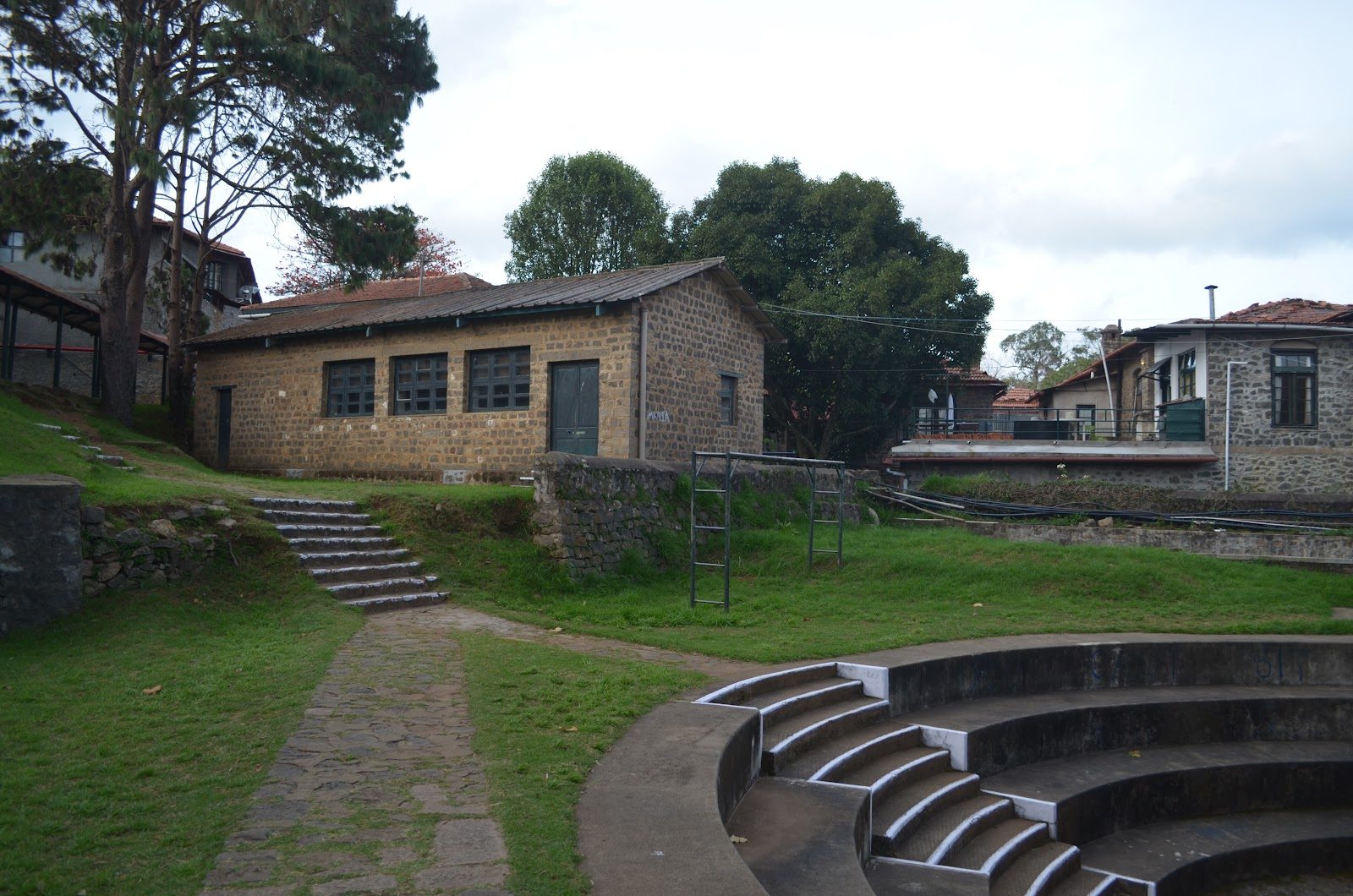
Kodaikanal International School
Kodaikanal · India
Founded in 1901 at 6,998 feet in the Palani Hills, it became India's first IB school and runs its own 135-acre wilderness campus for outdoor learning.
Same country and curriculum — closest matches within ±10 points either way