
Lombardy
The British School of Milan
medium confidence· 4/6 cats · 2.8 avg sourcesSince 1969, the only Milan school rated Excellent by UK inspectors, pairing IGCSE rigor with a close-knit IB Sixth Form.
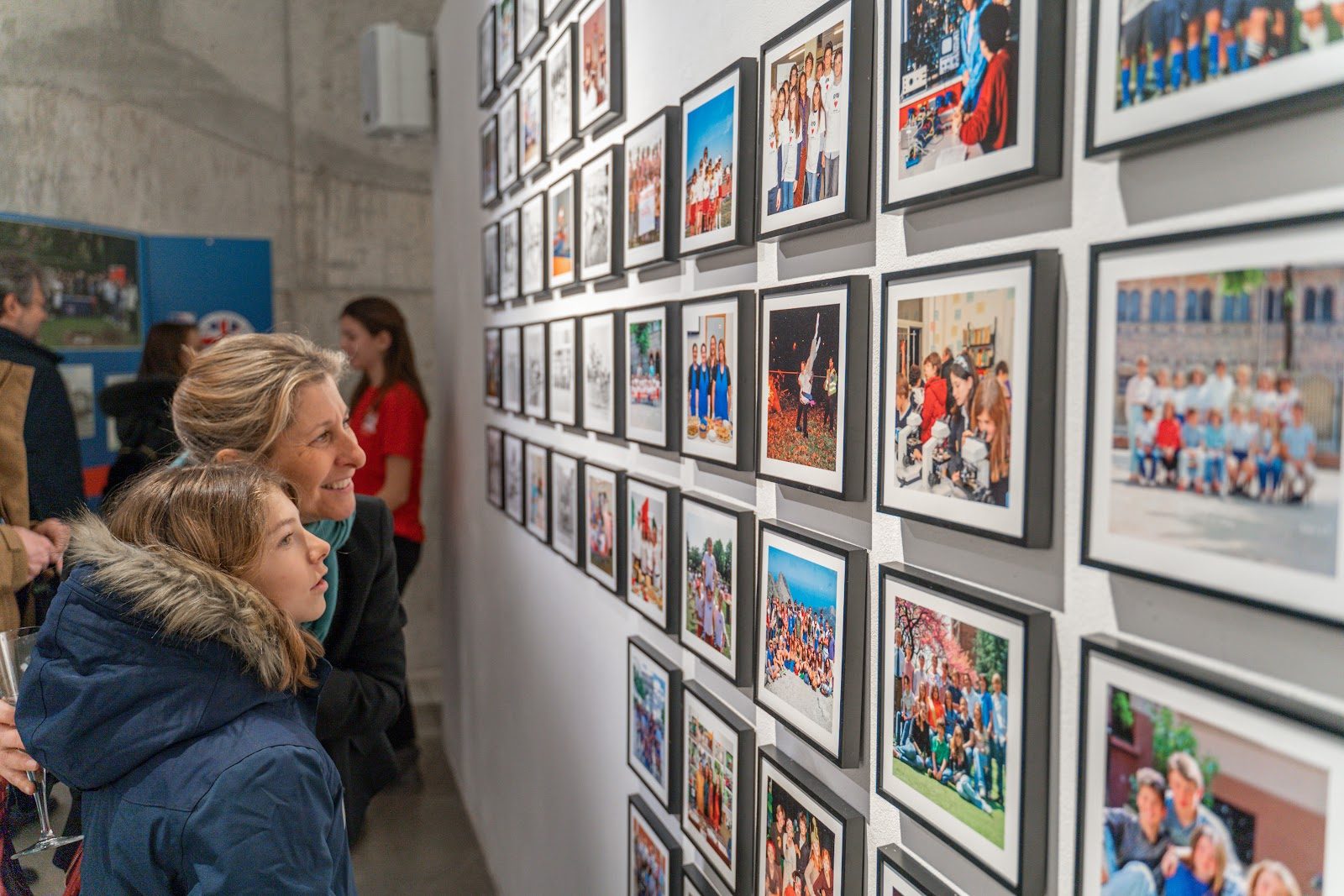
Photo © The British School of Milan - Sir James Henderson via Google Maps
Type
Day
Ages
3–18
Curriculum
IB · British
Ratio
—
The Verdict
Editor's commitment
Right for
Families wanting English-medium schooling in Milan since 1969, with a British curriculum feeding into the IB and IBO accreditation.
Wrong for
Parents after boarding, religious formation, or a bargain: this is a non-religious day school, ages 3–18, at €22,000 average.
Watch out for
The school trades hard on academic excellence and UK-inspector praise; it does not publish those outcomes here, so press for results.
Ranking breakdown
The British School of Milan · #503 of 1591
Composite score 69.0. 8 weighted criteria.
By criterion
Academic Outcomes
Weight 20%
#586
of 1529 scored
University Placement
Weight 16%
#584
of 1529 scored
Prestige & Heritage
Weight 12%
#608
of 1571 scored
Alumni Network
Weight 12%
#394
of 1530 scored
Facilities
Weight 12%
#666
of 1533 scored
Transparency & Communications
Weight 8%
#688
of 1532 scored
Peer & Industry Review
Weight 10%
#645
of 1548 scored
Admissions Selectivity & Demand
Weight 8%
#438
of 1529 scored
Score history
The British School of Milan · 2026
Movement across 2024–2026. Peer average overlaid.
Overall — 2024–2026
69.0/ 100
▲ +28.9 vs 2025
year on year
Peer & Industry Review
How The British School of Milan is regarded in the sector
65
Respected · medium confidence
The British School of Milan is one of the established international/British curriculum schools in Italy, regularly cited in expat parent forums (e.g., Expat Exchange, InterNations discussions) and specialist directories like the Good Schools Guide International as a solid choice for British curriculum education in Milan. It lacks the extensive Tatler-level or Sunday Times-style coverage seen for top-tier international schools, but maintains a respected regional reputation among Milan's expat and business community with consistent third-party validation of its accreditation status (COBIS, British Schools in Italy network).
Evidence sources
Editors' overview
What sets The British School of Milan apart is not the generic claim of “British education abroad”, but the combination of a long-established British academic spine with the IB at sixth form, in a city where many international options tilt either local or fully international in style. This is a day school in Milan for ages 3 to 18, founded in 1969, teaching in English and Italian, and it carries IBO accreditation. That matters because it gives the school a clear shape: British curriculum structure through the main school, then the IB for older pupils, rather than a looser all-through international blend. The editorial tagline cuts to the key market distinction: it is the only Milan school rated Excellent by UK inspectors. For parents who want external scrutiny, not just school rhetoric, that is a serious point in its favour.
The school’s own language leans hard on aspiration, challenge and pastoral care, and the mix is credible because the model itself demands it. A British curriculum with IGCSE rigour and a close-knit IB Sixth Form suits students who want academic structure first and breadth later. This is not the right school for families hunting for progressive looseness, experimental timetables or a vague “child-led” atmosphere. It is for children who do well with clear standards, regular challenge and adults who expect them to stretch. The principal’s background in established UK independent schools reinforces that reading: this is a school with traditional academic instincts and a strong interest in character, resilience and future readiness, not a soft international finishing school.
In market terms, BSM sits in the serious academic bracket rather than the luxury-brand bracket. The average annual day fee is €22,000, which places it in the expensive segment of the Milan market without pushing into the price territory that relies on spectacle. For parents, the shortlist case is straightforward: a non-religious day school, a British-plus-IB curriculum, English and Italian in daily school life, and a record strong enough to support an Excellent UK inspection outcome. The child who will want to go here is bright, adaptable and happy in a school that asks for effort. The family who will value it most is not shopping for glossy facilities or social cachet; they want academic discipline, close pastoral attention and a school with a clear point of view about what education is for.
Academic Performance
Academic performance is central to BSM’s case, and the school puts that front and centre. It claims “exceptional outcomes”, calls itself a “Top IB School in Italy”, and advertises “Best IGCSE Results in Milan” and a “Top 50 IB School in the World”. Those are big claims, and they place the school in the high-output academic tier of Milan’s international market rather than the broad middle. The important caveat is disclosure: we have not seen the underlying aggregate figures here, so parents cannot test those claims against a full run of published cohort data, subject spread or trend lines. That lack of public detail matters, because serious academic schools earn trust by showing their numbers, not just their slogans.
Even with that qualification, the pattern is clear. A school that trades this heavily on external results, and ties that message to entry to top universities, is not operating as a soft-option international school. It is competing on examination performance and post-school destinations. Relative to peers, that places BSM among the results-driven options for families who want measurable academic returns from a British-to-IB route. The strongest conclusion available is straightforward: BSM belongs on the shortlist for parents prioritising exam outcomes, but the school would strengthen its academic case materially by publishing fuller results data rather than relying on headline claims alone.
Facilities
The school pushes hard on teaching, outcomes and pastoral life, but gives parents little concrete detail on bricks-and-mortar facilities. What it does disclose points to breadth rather than spectacle: 100+ after-school activities, strong provision for creativity, and a campus life built to keep pupils busy beyond lessons. That places BSM in a different bracket from the Milan schools that market themselves through vast grounds, headline sports architecture or resort-style extras. This looks like a workmanlike, education-first site: facilities geared to supporting a demanding school day, not to selling a fantasy of abundance. For many families, that is a strength. For others, the lack of public detail on specialist spaces, sports stock and campus scale is a real gap.
Against peers, that leaves BSM with a mixed facilities profile. It has enough range to support a busy all-round programme and an international community drawn from over 40 countries, but it does not make facilities the centrepiece of its identity. In a market where some competitors flaunt pools, theatres and expansive outdoor space, BSM’s public case is thin on physical plant. Parents who care most about laboratories, performing-arts venues, competitive sports infrastructure or standout early-years environments need sharper answers than the school currently provides. Parents who care more about what happens inside classrooms than about campus theatre will mind this less.
It claims “exceptional outcomes”, calls itself a “Top IB School in Italy”, and advertises “Best IGCSE Results in Milan” and a “Top 50 IB School in the World
Prestige
Prestige here rests on three things: external validation, academic ambition and market position. The strongest badge is the school’s status as the only one in its city rated Excellent by UK inspectors. That is a hard-edged credential, not a lifestyle flourish. Add the school’s own public push around IB standing, IGCSE results and entry to top universities, and the picture is clear: this is a school selling earned reputation through outcomes and scrutiny, not through architecture, acreage or old-money mystique. Its not-for-profit status also carries weight. In an international-school market crowded with polished commercial operators, that structure gives BSM a serious institutional tone.
This is not prestige in the grande dame mould. It does not trade on global brand saturation, celebrity alumni lists or inherited social cachet. The verified alumni footprint in public databases is thin, with 1 notable alumnus catalogued, so the school’s prestige does not rest on a famous old network. It rests on academic credibility and a selective-minded parent appeal: families who care more about inspection grade, exam discipline and university outcomes than about spectacle. The fee level — €22,000 on average across the school — reinforces that reading. This is expensive, but not absurdly so. The result is a form of prestige that feels substantive rather than decorative: strong within the Milan international market, respected by academically focused families, and less potent if your definition of prestige starts with social theatre.
This is a day school in Milan for ages 3 to 18, founded in 1969, teaching in English and Italian, and it carries IBO accreditation
Communications
BSM communicates with parents in the voice of a school that wants to project control, standards and certainty. The website is polished, easy to navigate and clear about the messages leadership wants front and centre: academic results, pastoral care, breadth beyond lessons, and a partnership with families. That gives parents a strong read on the school’s priorities. It also creates a blind spot. The communication is highly managed and selective: there is plenty of branding language, but less operational detail than a rigorous parent will want on day-to-day matters such as assessment reporting, routines, escalation routes or the practical mechanics of home–school contact. A school offering 100+ activities and serving families from over 40 countries needs disciplined communication systems; the public-facing picture shows intent, but not much of that machinery.
That leaves the overall effectiveness as good at persuasion, weaker on proof. Parents will understand the school’s ethos quickly. They will not get the same clarity on process. The principal’s welcome helps: it is direct, personal and anchored in educational priorities rather than empty sentiment, which gives the leadership voice some credibility. The partnership line with parents also matters, because schools with demanding academic expectations need families aligned early and kept informed consistently. Still, the public communications lean too heavily on slogans and headline claims. For an audience paying an average of €22,000 a year, that is not enough. Strong schools do more than declare excellence; they explain how information flows, when parents hear bad news, and who answers when problems start.
Uniqueness
What makes BSM distinct is not novelty for its own sake, but a clear institutional shape. Many international schools blur into a broad “global” middle. BSM does not. It runs on a British academic spine, then shifts into the IB in the sixth form, which gives students a disciplined early structure before widening the frame later on. That sequence matters. Younger pupils get explicit expectations, external exams and a culture built around effort; older students then move into a programme that rewards independence, synthesis and intellectual range. For the right child, that is a sharp educational progression, not a compromise. Add its status as the only not-for-profit British school in its market, and the school stands apart again: the identity here is educational before commercial.
That distinctiveness brings practical benefits. Students get the advantages of a close-knit all-through community without the vagueness that weakens many all-age schools. The public emphasis on pastoral care, resilience and stepping outside comfort zones fits the model: high standards work better when adults know the children well and hold them to account. The scale of activity beyond lessons also matters. With 100+ after-school options and pupils from over 40 countries, BSM offers more than an exam factory. Students get a serious academic culture with enough breadth to test interests, build confidence and learn how to operate across national and social lines. That combination — rigour without social frostiness — is the school’s strongest point of difference.
The editorial tagline cuts to the key market distinction: it is the only Milan school rated Excellent by UK inspectors
Student Profile
The pupils who fit best here are the ones who do not need a school to entertain them into working. This is a place for children who can handle structure, steady pressure and adults with high expectations. They need enough resilience to be challenged, enough self-possession to cope with a busy day, and enough curiosity to use the school’s breadth rather than hide behind the timetable. The public emphasis on risk-taking, self-belief and robust character is not decorative language; it points to a student culture that rewards engagement and stamina. With students drawn from over 40 countries and more than 100 after-school activities, BSM suits internationally minded children who want both academic traction and a full programme beyond lessons. It will also suit families who value a close-knit, pastorally attentive environment rather than anonymity.
The weaker fit is just as clear. Children who bridle at routine, resist correction or need a very loose, highly personalised style of schooling will struggle. So will families looking for social gloss, campus flash or a soft-touch version of international education. The right student here is ambitious without being performative: bright, grounded and willing to work. They do not need to be narrowly competitive, but they do need to be comfortable among peers who take school seriously. In that sense, BSM suits the steady high-achiever better than the child who wants to drift, and the globally mobile family better than one looking for a casual local add-on.
For parents who want external scrutiny, not just school rhetoric, that is a serious point in its favour
Co-curricular strengths
Arts & sport, on a separate axis
Overall 8.7/10
Scored 0-10 from the school's own published evidence. This axis is editorial-only — it does not feed the main WTS ranking.
Sports
8.8/10
Multiple sports—football, basketball, volleyball, swimming, and tennis—and indoor and outdoor sports areas, showing a solid multi-activity offering but no named sports complex, specialist staff, or competitive results.
Drama
9/10
Drama is explicitly named both in the extracurriculars as 'Drama club' and in the external evidence stating the school emphasises creativity including drama, but there is no further detail on productions, facilities, or specialist staff.
Dance
7.5/10
Music
9.2/10
A school choir, and the external evidence says the school emphasises music and serves as the Italian centre for the Associated Board of the Royal Schools of Music (ABRSM), which is strong specialist evidence warranting a notable score.
Visual Arts
9/10
Visual arts is offered and the external evidence says the school emphasises art, but there is no named facility, exhibition programme, specialist staff, or awards described.
Editor first-pass · editor-reviewable · 7/28/2026
Strengths
- +Not-for-profit school founded in 1969
- +British and IB curriculum combination
- +Co-educational day school for ages 3–18
- +10:1 student-teacher ratio; average class size 18
Considerations
- −Day fees reach 22,000 EUR annually
- −No boarding despite listed 40,000 EUR fee
- −English and Italian instruction may not suit all families
Availability
Primary entry gate & tests
Academic Record + Assessment
Gallery
Photo © Elisa via Google Maps
Photo © G.n va via Google Maps
Photo © Gino il lino via Google Maps
Photo © Andrea Bello via Google Maps
Parent reviews
Have you sent your child here?
Voice reviews carry the strongest trust badge — we transcribe them for you to tidy up before they go live. Prefer to type? A written review is fine too.
Add your voice
In 60 seconds, tell other parents: what's the best thing about The British School of Milan, and what surprised you when your child joined?
We ask for a Google sign-in so every review has a real face behind it — no anonymous drive-by attacks on schools, and no faked positive reviews. Your email is never shown publicly.
Send this profile to a friend
International parents rely on word-of-mouth. Share this review with someone weighing the same decision.
Schools with places
Similar schools to The British School of Milan with places available now.
Availability first, then country, area, curriculum, price, co-curricular
Consider also
Also worth looking at alongside The British School of Milan.
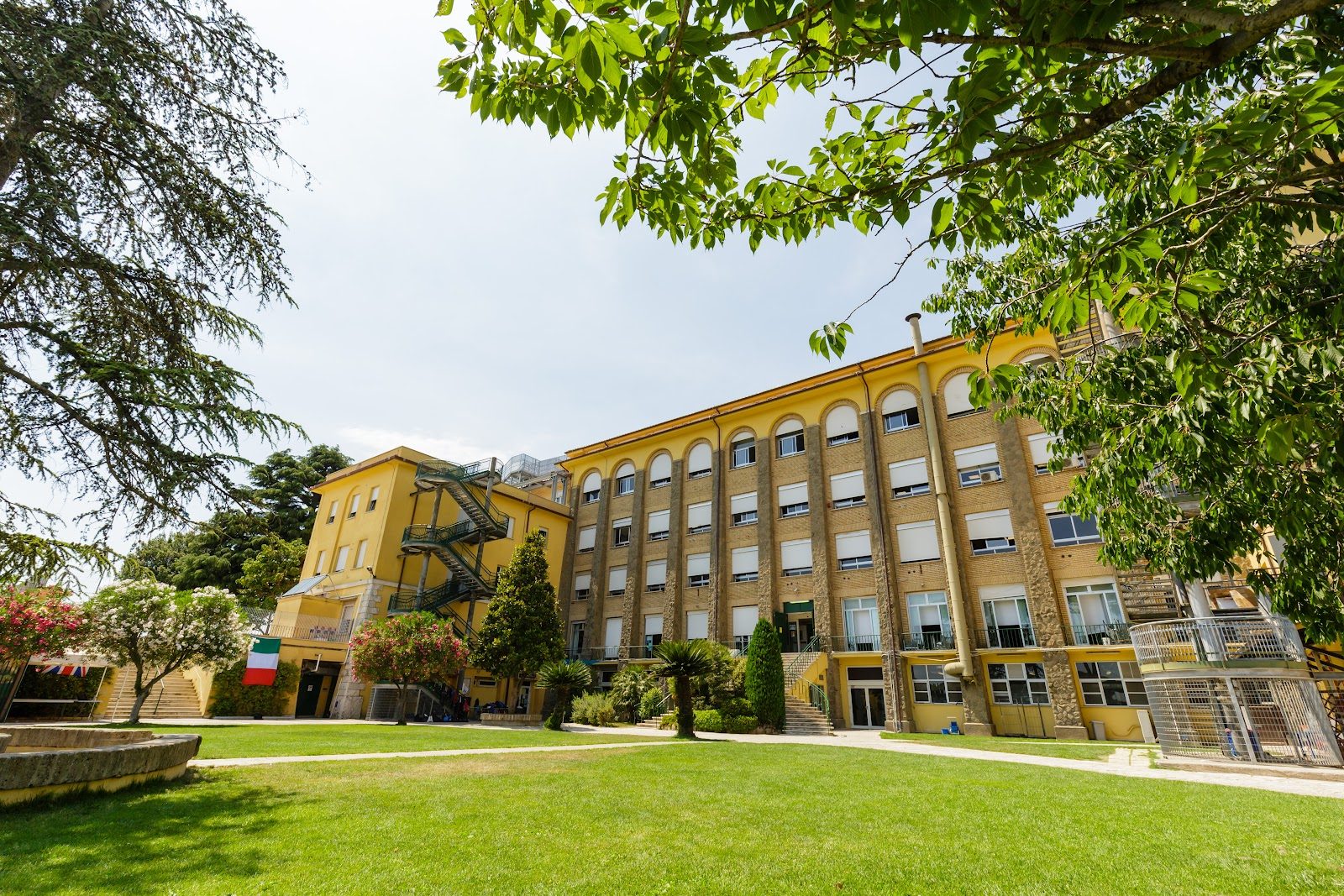
St George's British International School (Rome)
Rome · Italy
Italy's oldest British international school, splitting classrooms between the Vatican and Rome's northern hills, posts IB scores among the continent's highest.
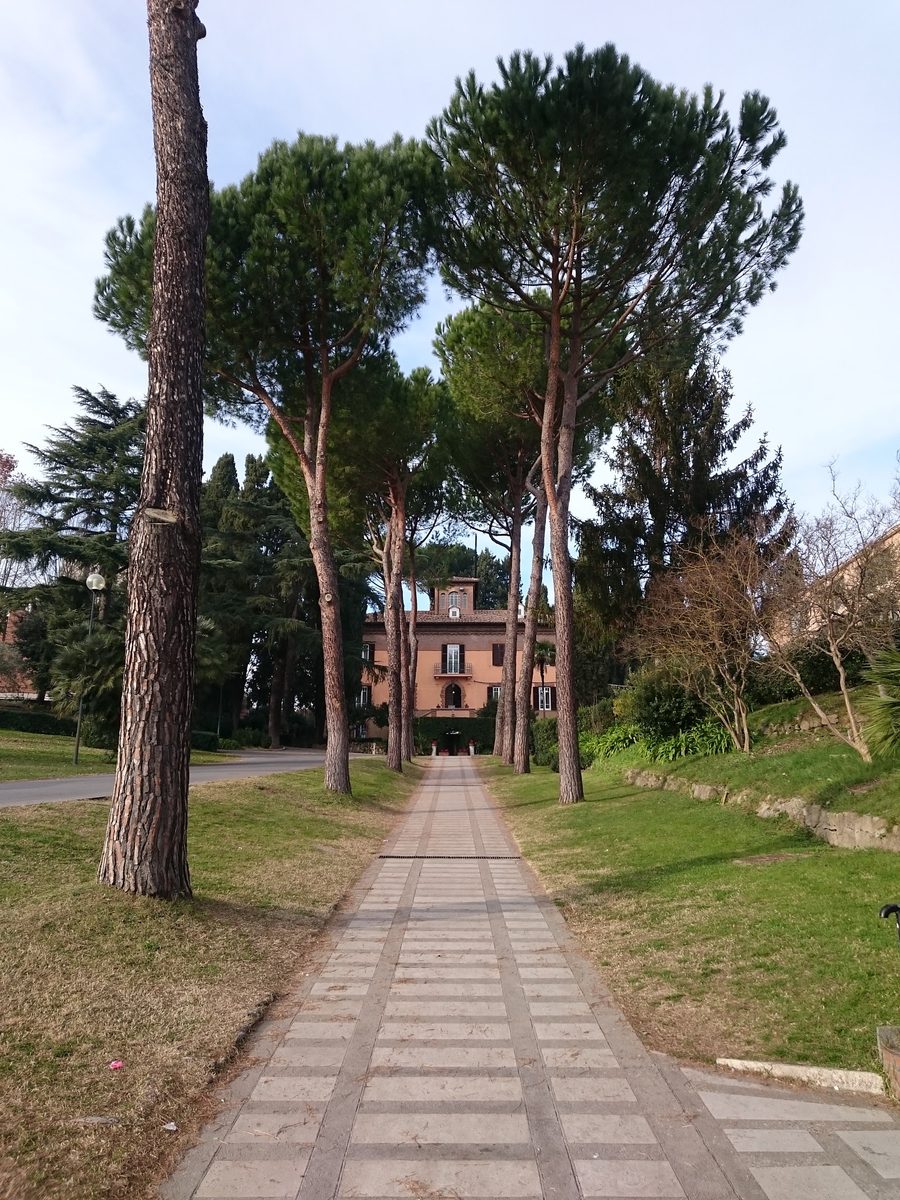
Marymount International School Rome
Rome · Italy
Italy's first international school pairs an American diploma with the IB on 40 acres of protected Roman parkland
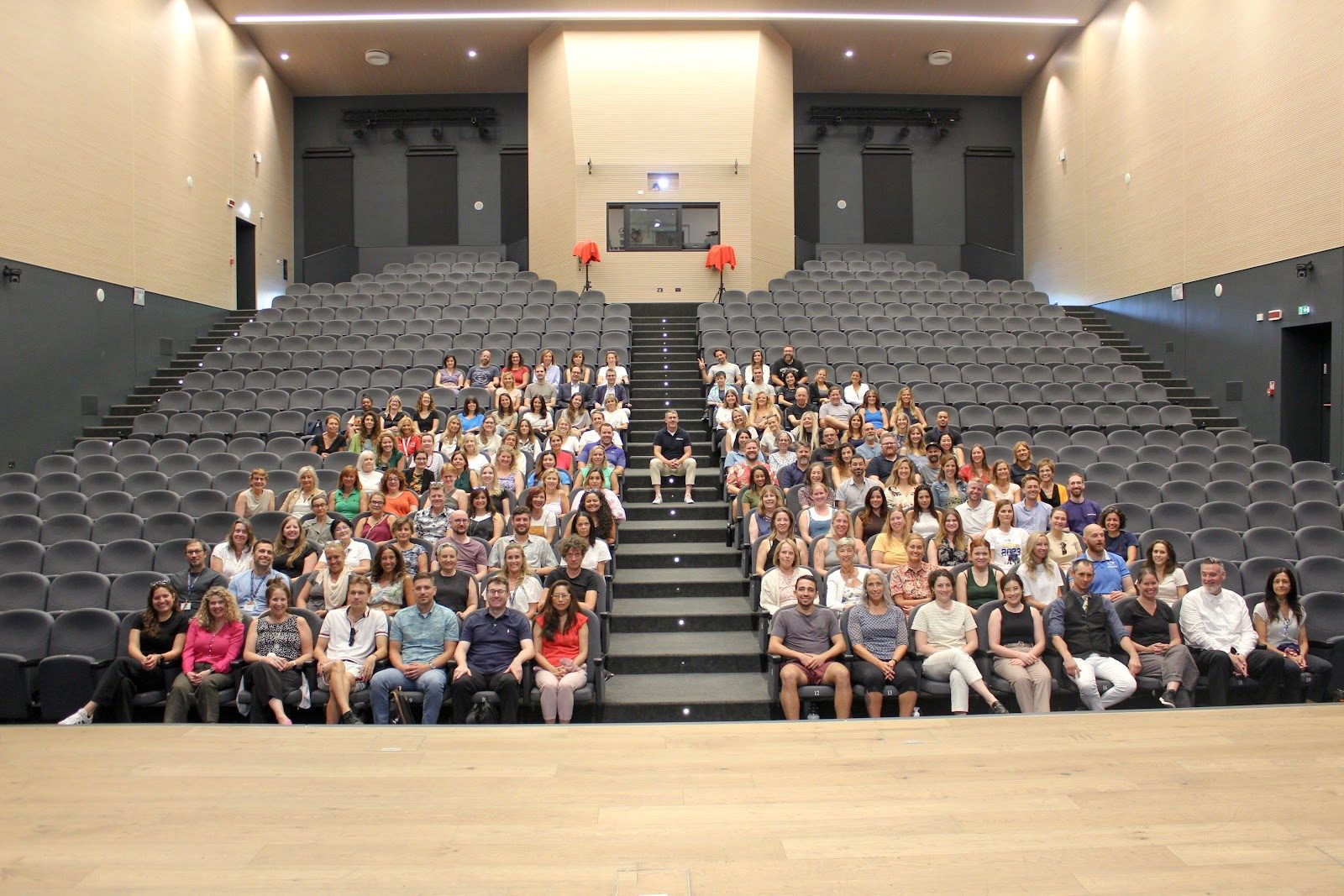
American School of Milan
Milan · Italy
South of Milan, the city's first IB World School pairs an American diploma with seven decades of international pedigree.
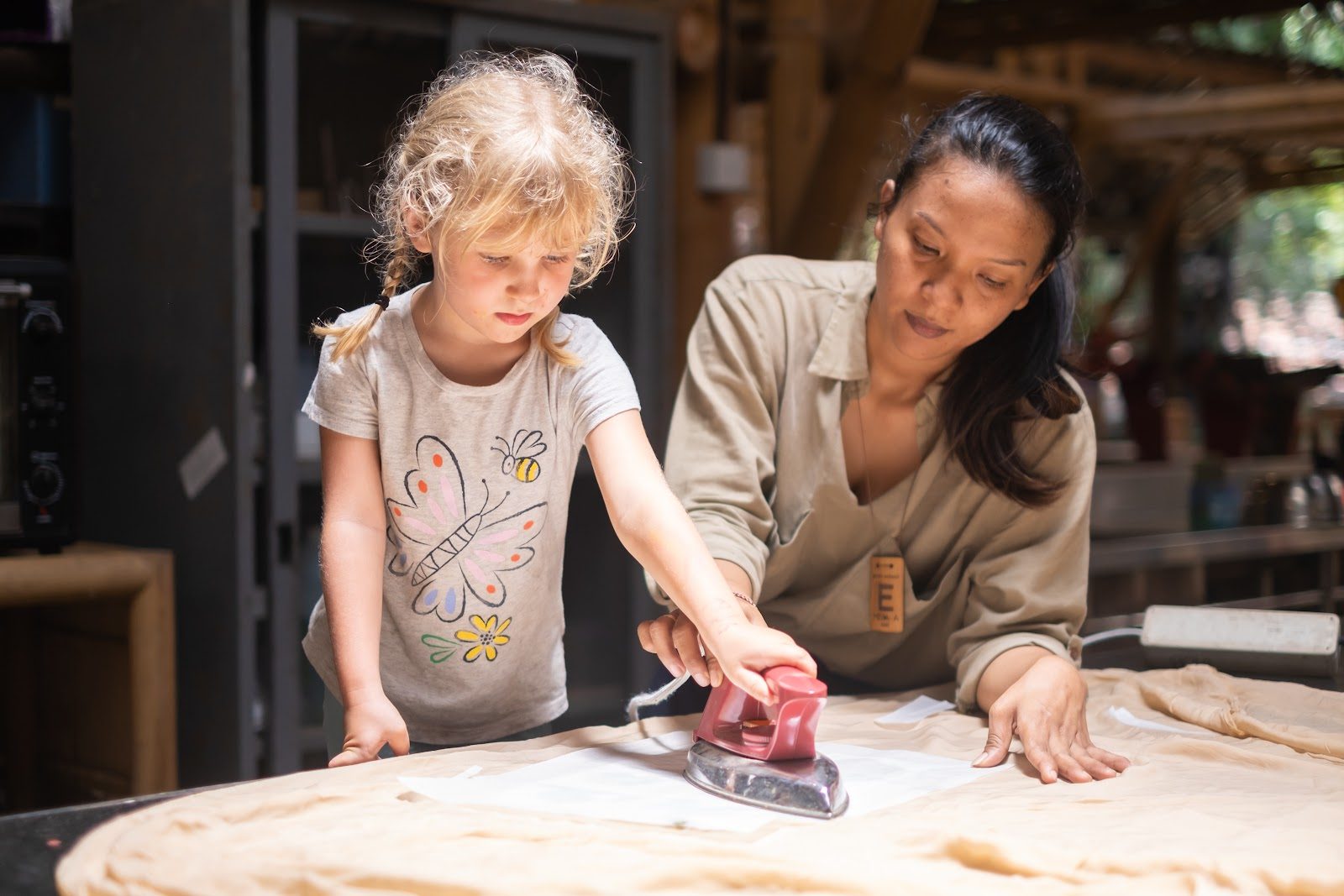
Green School Bali
Abiansemal · Indonesia
A walless bamboo campus on the Ayung River where IB study runs alongside rice cultivation and river ecology
Same country and curriculum — closest matches within ±10 points either way