
Bali
Green School Bali
medium confidence· 4/6 cats · 1.86 avg sourcesA walless bamboo campus on the Ayung River where IB study runs alongside rice cultivation and river ecology
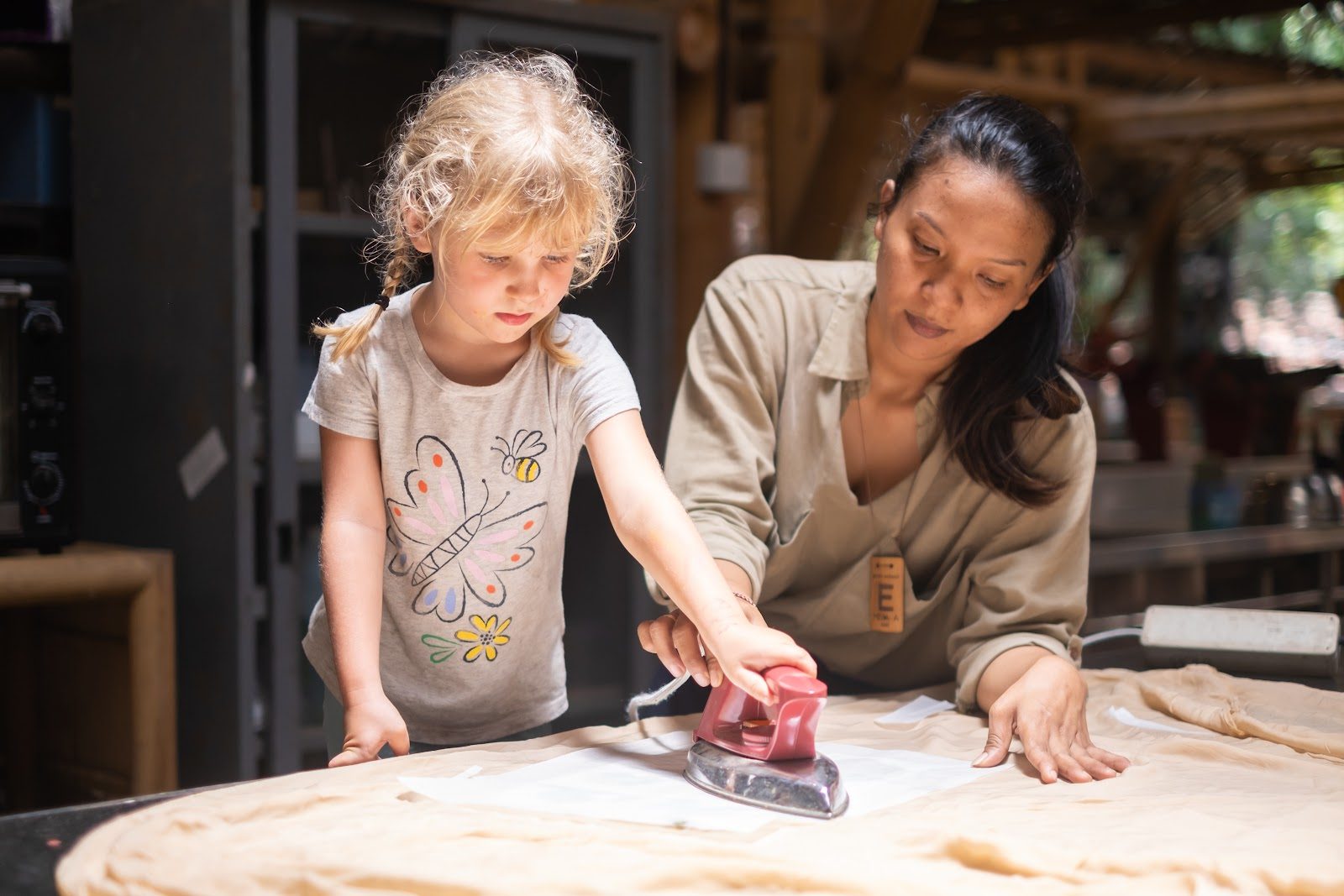
Photo © Green School Bali via Google Maps
Type
Day
Ages
3–18
Curriculum
IB
Qualifications
IB PYP · IB MYP · IB Diploma
Ratio
12:1
The Verdict
Editor's commitment
Right for
Children aged 3–18 who want IB study in English on a wall-less Bali campus, with a 12:1 ratio and sustainability at the centre.
Wrong for
Families who want conventional classrooms, tighter structure or urban convenience; this day school in Abiansemal trades standard schooling for immersion.
Watch out for
WASC and IBO accreditation give legitimacy, but the school does not publish aggregate IB results; inspect outcomes as hard as the bamboo campus.
Ranking breakdown
Green School Bali · #508 of 1591
Composite score 69.0. 8 weighted criteria.
By criterion
Academic Outcomes
Weight 20%
#1085
of 1529 scored
University Placement
Weight 16%
#1089
of 1529 scored
Prestige & Heritage
Weight 12%
#139
of 1571 scored
Alumni Network
Weight 12%
#432
of 1530 scored
Facilities
Weight 12%
#125
of 1533 scored
Transparency & Communications
Weight 8%
#93
of 1532 scored
Peer & Industry Review
Weight 10%
#38
of 1548 scored
Admissions Selectivity & Demand
Weight 8%
#1232
of 1529 scored
Score history
Green School Bali · 2026
Movement across 2024–2026. Peer average overlaid.
Overall — 2024–2026
69.0/ 100
▲ +30.9 vs 2025
year on year
Peer & Industry Review
How Green School Bali is regarded in the sector
75
Strong · medium confidence
Green School Bali has extensive independent media coverage (The New York Times, The Guardian, CNN, National Geographic, Forbes) highlighting its pioneering sustainability-focused curriculum, and its alumni (e.g., Melati and Isabel Wijsen of Bye Bye Plastic Bags) have received significant international press and TED recognition. It is frequently cited in specialist and mainstream press as a model for alternative/green education globally, though it is less consistently featured in traditional academic 'best schools' rankings like Tatler or Good Schools Guide.
Evidence sources
Editors' overview
Green School Bali occupies a category of its own. This is not a polished urban international school with climate-controlled corridors and a conventional academic culture. It is a day school, founded in 2008, on a wall-less bamboo campus by the Ayung River, built around sustainability not as branding but as operating principle. The school’s mission is explicit: education for sustainability through community-integrated, entrepreneurial learning in a natural environment. For families tired of schools that bolt service projects onto a standard programme, that matters. Here, the setting and the educational idea are inseparable: learning by doing, a campus without walls, river ecology, rice cultivation, outdoor movement, and a strong expectation that students engage with the real world rather than sit apart from it. The 12:1 student-teacher ratio adds a practical advantage to the philosophy.
Its market position is clear. Green School Bali sits at the progressive edge of the international-school sector: IB, English-medium, non-religious, accredited by IBO and WASC, and openly uninterested in the usual signals of prestige. Parents choosing it are not buying tradition, formality or exam-centred status. They are buying an education shaped by environmental literacy, student agency and community participation. That distinction will attract one group and repel another. Families who want a highly structured, conventional academic machine with strict uniforms, heavy top-down discipline and a narrow university-results narrative will find stronger fits elsewhere. Green School’s public case rests instead on natural curiosity, student-guided learning and the production of changemakers. That is compelling, but it also demands buy-in from home.
Why shortlist it? Because few schools deliver this degree of coherence between mission, campus and daily experience. The physical environment is not decorative; it sets the terms of school life. The school opened with 90 students in 2008 and has grown to 514, which gives it enough scale to offer breadth while retaining a distinct identity. Governance is also more developed than many schools built around a founder’s vision, with a Governance Council, a non-profit Indonesian foundation structure, a Board of Learners and an executive committee. That does not make it conventional. It makes it serious. The result is a school for children who thrive in deep and meaningful discussion, practical projects, outdoor learning and interdisciplinary work; for families who value purpose over polish; and for students who want school to feel joyful, physically open and tied to the living world rather than sealed off from it.
Academic Performance
Green School Bali does not publish aggregate IB outcomes, average point scores, subject distributions, university destination lists, or year-on-year attainment data in the public domain. That is a serious gap. In a market where academically confident schools put headline results front and centre, this level of opacity limits any hard comparison with stronger-known IB peers in Singapore, Hong Kong, Bangkok or Jakarta. Parents can infer a great deal about educational philosophy here; they cannot verify external examination performance with the same ease. For a school asking families to trust a distinctive model, that missing evidence matters.
That does not mean weak outcomes. It means unproven outcomes in public. Green School’s academic proposition sits closer to the progressive end of the international spectrum than to the results-first schools that trade on published diploma averages and elite university placement tables. For the right student, that can be a strength: interdisciplinary learning, student agency and environmental literacy build real intellectual range. But families who need a hard-edged academic benchmark against comparable IB schools will find the school’s public reporting thin. Relative to transparent IB competitors, Green School asks parents to buy into mission and method before they see quantified examination evidence. That is an acceptable bargain for believers in the model. It is a weak one for families making a strictly academic comparison.
Facilities
The defining facility here is the campus itself: a wall-less bamboo environment set in jungle and rice fields, linked by a bridge over the Ayung River and used as part of the school day rather than as scenery. That matters because many schools now advertise sustainability while teaching inside standard concrete blocks with a token garden attached. Green School’s physical plant does the opposite. It puts students in direct contact with weather, terrain, vegetation and water systems. For work in ecology, food growing and environmental design, that is a serious operational advantage. For families used to sealed, air-conditioned international campuses with labs, theatres and sports halls concentrated in one polished core, it also marks a trade-off: the school offers immersion and character, not the slick institutional finish of top-tier city peers.
The strongest facilities are the ones tied to the mission: outdoor learning spaces, productive landscape, river setting, and a campus built to support community-integrated activity rather than corridor-based schooling. The school’s own history highlights a 22-metre bamboo bridge as a symbol of the place, and that captures the wider truth: infrastructure here carries educational meaning. Parents comparing it with peer IB schools in Singapore, Bangkok or Jakarta need to read the campus correctly. This is not a facilities arms race school competing on aquatic centres, black-box theatres or glossy STEM suites. It competes on distinctiveness, environmental integration and day-to-day use of place. That makes the campus memorable, purpose-built and highly effective for the right child.
Green School Bali is unique because the school’s idea, campus and daily practice lock together with unusual force
Prestige
Green School Bali has prestige, but it is niche prestige, not establishment prestige. In the conventional hierarchy of international schools, status flows from published exam results, long alumni networks, selective admissions, and a steady stream of elite university destinations. Green School does not trade on that currency. Its standing comes from distinctiveness. A wall-less bamboo campus over the river, sustainability as the organising idea rather than an enrichment theme, and a student body drawn from around the world give it instant recognition. For a certain global parent cohort, that carries real cachet: the school signals values, lifestyle and educational dissent from the polished mainstream. The growth from 90 students at opening to 514 now also shows that this is not a fringe experiment on the verge of collapse.
That said, prestige here is ideological and cultural more than academic. The school has become a reference point in progressive education and environmental schooling; it is famous for its concept. That draws admiration, media interest and word-of-mouth power. It does not place Green School in the same prestige bracket as the hard-edged academic leaders of the region, because the school does not publish the outcome data that would justify that ranking. Its governance structure adds seriousness, and its association with a wider education group gives institutional ballast. Still, this is prestige for families who prize mission, symbolism and educational philosophy. Parents seeking old-fashioned academic clout or a results-driven badge will rank it lower.
Green School Bali has prestige, but it is niche prestige, not establishment prestige
Communications
Green School Bali communicates in the same register it teaches: mission-first, personal and community-heavy. The public-facing side is clear enough on ethos. Parents can find the school’s vision, mission, history, governance structure, safeguarding statement and key leadership names without much digging, and that matters. Too many progressive schools trade in mood and imagery while hiding decision-making. Green School does publish the bones of how it is run: a Governance Council, the Indonesian foundation structure, a Board of Learners with elected representation, an executive committee, and named leadership under the Head of Campus. That gives families a better sense of institutional accountability than the average founder-led school. There is also a visible newsletter sign-up and a direct invitation to contact admissions, which fits a school that depends on parent buy-in rather than passive consumption.
The weakness is the same one that runs through the rest of the school’s public communication: strong on philosophy, weaker on proof. Green School tells parents what it believes, how it wants children to learn, and why sustainability sits at the centre of the model. It tells them far less about outcomes, performance trends or the hard evidence that turns inspiring language into a fully testable proposition. For families already aligned with the school’s worldview, that style will feel warm, open and coherent. For harder-nosed parents, it will feel selective. Effective communication does not stop at values; it also requires disclosure. On that measure, Green School is persuasive but incomplete.
Uniqueness
Green School Bali is unique because the school’s idea, campus and daily practice lock together with unusual force. Plenty of schools talk about sustainability; this one organises learning around it. The mission is explicit: education for sustainability through community-integrated, entrepreneurial learning in a natural environment. That produces a school where children do not study nature at a distance from a classroom window; they work inside it. The wall-less setting changes the texture of the day, the expectations placed on students and the kind of attention the school cultivates. It also creates a student experience that is immersive, physically open and deliberately unconventional. The result is not a decorative eco-campus but a working educational model built around real contact with land, water, weather and community.
What students gain from that is broader than environmental awareness. They learn to connect ideas with action, to treat sustainability as a practical problem, and to work with other people beyond the classroom. The school’s governance adds another distinctive layer: a Board of Learners includes representatives of students, teachers, parents and Balinese families, with members elected annually and the chair rotating every 2 years. That is not token student voice; it embeds participation in the institution itself. The school also opened with 90 students and has since grown into a recognised reference point for mission-driven education, now serving 514. For self-directed children, that mix of agency, purpose and place can be transformative. For children who need tight structure and conventional routines, it is a harder fit.
Green School Bali communicates in the same register it teaches: mission-first, personal and community-heavy
Student Profile
The best fit is a child who likes school to be active, hands-on and exposed to the real world rather than insulated from it. Green School suits students with high curiosity, a degree of independence, and tolerance for mess, weather, movement and unpredictability. Children who enjoy building, discussing, growing, making and testing ideas in practice will find the place energising. So will students who care about environmental questions in a serious way, not as an occasional theme week. The school’s scale and staffing support that kind of engagement: classes average 20, and the low adult-to-student ratio gives quieter, self-directed children room to be known well. The intake also has an international cast, which helps students who are open-minded and socially adaptable.
The harder fit is just as clear. Children who want tight routines, heavy external direction and constant conventional academic signalling will find this model demanding in the wrong way. The same goes for students who need the motivational machinery of competition, rank and frequent hard metrics. Green School asks for internal drive. It also asks families to share the school’s values, because this is not a campus where sustainability sits at the edge of school life; it runs through the centre of it. For the right student, that creates a deeply distinctive education and a strong sense of purpose. For the wrong one, it will feel too loose, too ideological and too unlike a standard international school.
For a school asking families to trust a distinctive model, that missing evidence matters
Co-curricular strengths
Arts & sport, on a separate axis
Overall 8.2/10
Scored 0-10 from the school's own published evidence. This axis is editorial-only — it does not feed the main WTS ranking.
Sports
7.5/10
The extracurriculars explicitly list martial arts and yoga, which is enough to evidence a sports-related co-curricular offering.
Drama
8/10
Theatre productions, which goes beyond a bare mention of drama by indicating recurring staged activity, but gives no named department, specialist facility, or higher-level distinction.
Dance
8/10
Dance is offered, but there is.
Music
8.5/10
The extracurriculars explicitly mention music ensembles, indicating organised group music participation beyond a bare listing, but with no named facility, department, specialist staff, or notable achievements.
Visual Arts
9/10
Visual arts is offered and the external source also references the creative arts, showing a real arts offering, but without evidence of dedicated studios, specialist staff, exhibitions, or standout facilities.
Editor first-pass · editor-reviewable · 7/27/2026
Strengths
- +IB curriculum from ages 3–18
- +English-medium teaching throughout
- +Low 12:1 student-teacher ratio
- +Average class size of 20
Considerations
- −Day school only; no boarding
- −No published religious affiliation
- −Founded only in 2008
Availability
Primary entry gate & tests
Academic Record + Interview
Gallery
Photo © Green School Bali via Google Maps
Photo © Green School Bali via Google Maps
Parent reviews
Have you sent your child here?
Voice reviews carry the strongest trust badge — we transcribe them for you to tidy up before they go live. Prefer to type? A written review is fine too.
Add your voice
In 60 seconds, tell other parents: what's the best thing about Green School Bali, and what surprised you when your child joined?
We ask for a Google sign-in so every review has a real face behind it — no anonymous drive-by attacks on schools, and no faked positive reviews. Your email is never shown publicly.
Send this profile to a friend
International parents rely on word-of-mouth. Share this review with someone weighing the same decision.
Schools with places
Similar schools to Green School Bali with places available now.
Availability first, then country, area, curriculum, price, co-curricular
Consider also
Also worth looking at alongside Green School Bali.
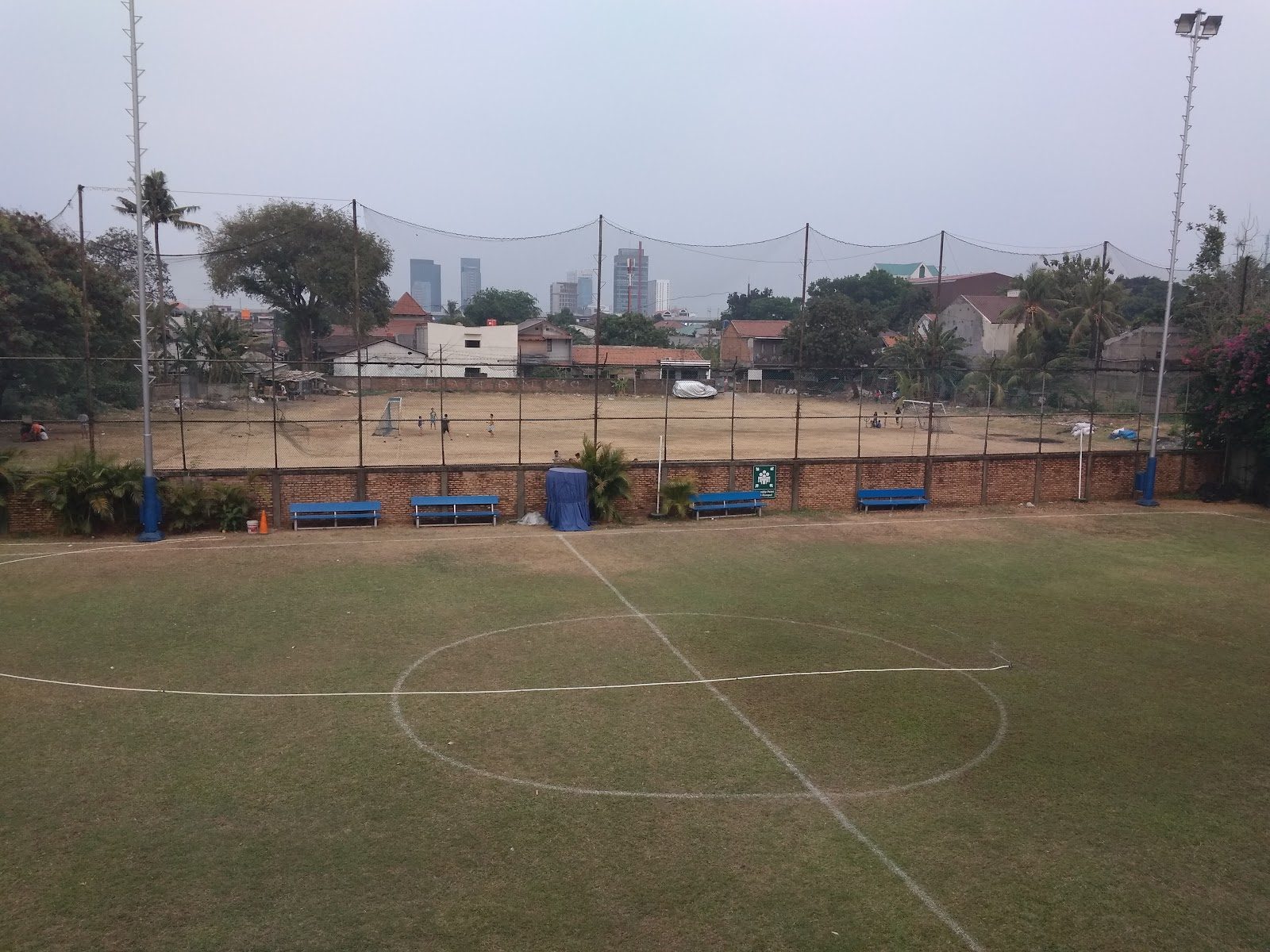
Jakarta Intercultural School
Jakarta · Indonesia
Founded in 1951 by UN diplomats' embassies, this South Jakarta campus still competes in Southeast Asia's invitation-only IASAS athletics and arts league.
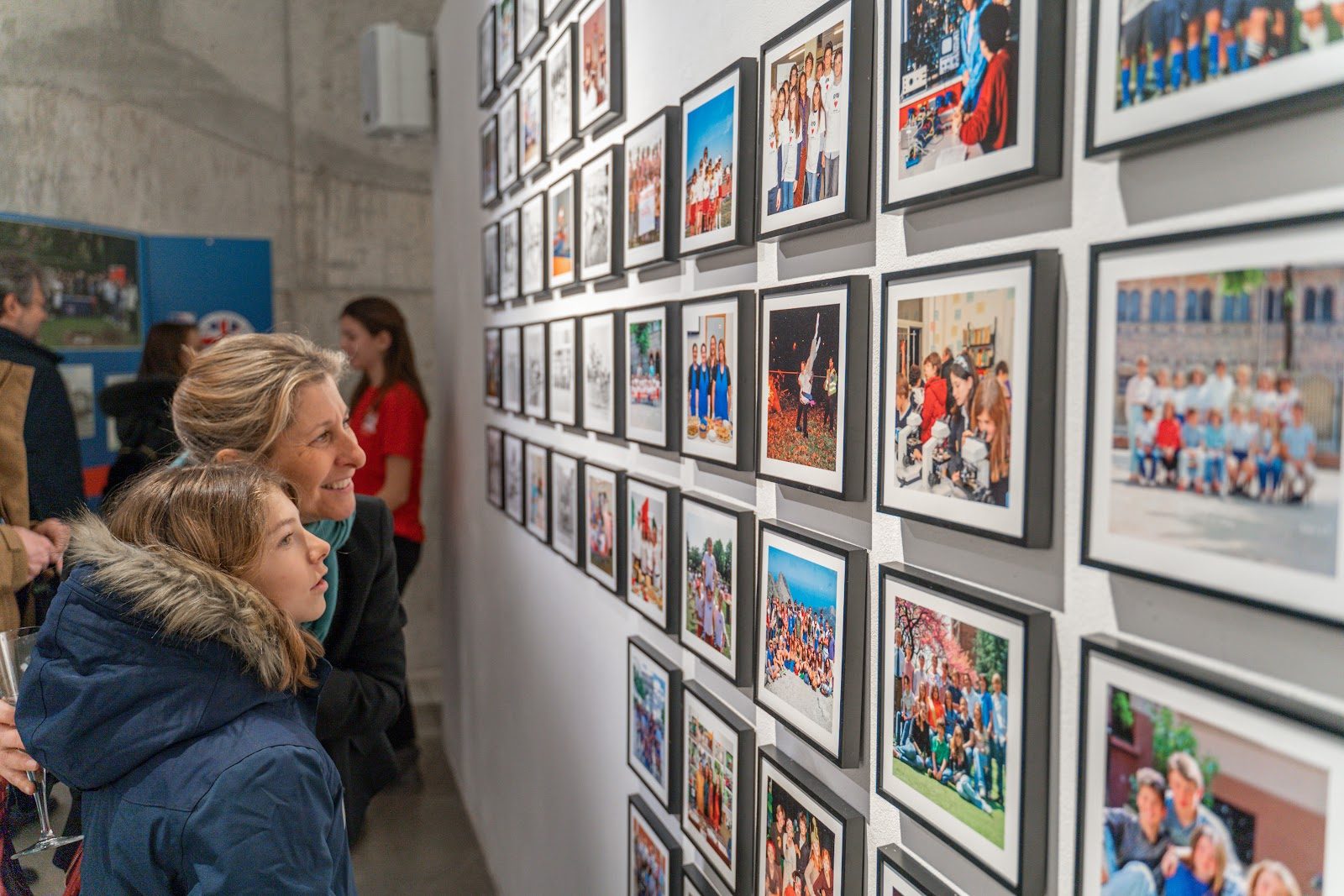
The British School of Milan
Milan · Italy
Since 1969, the only Milan school rated Excellent by UK inspectors, pairing IGCSE rigor with a close-knit IB Sixth Form.
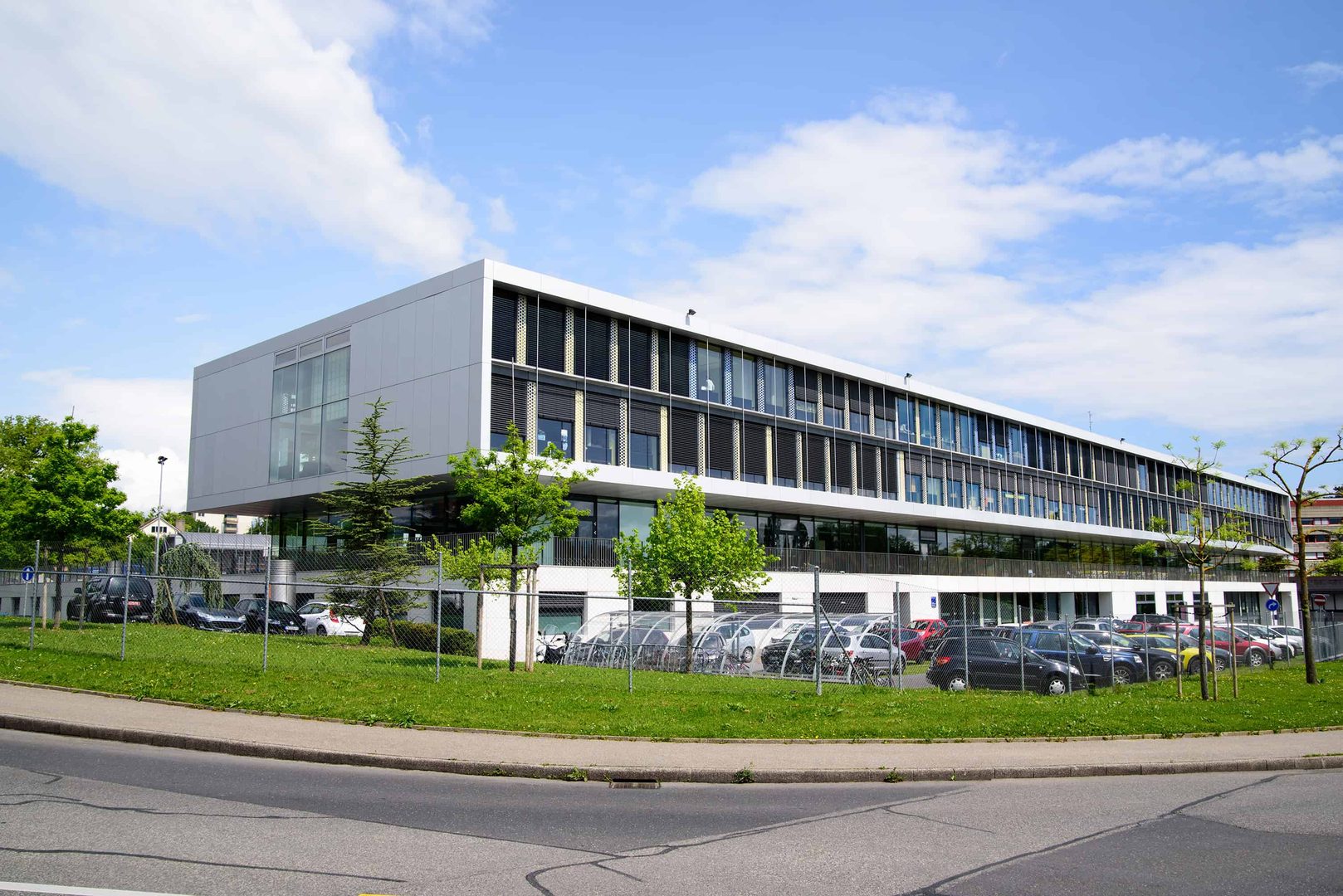
International School of Geneva
Geneva · Switzerland
Born beside the League of Nations in 1924, where its own teachers first drafted the IB diploma.
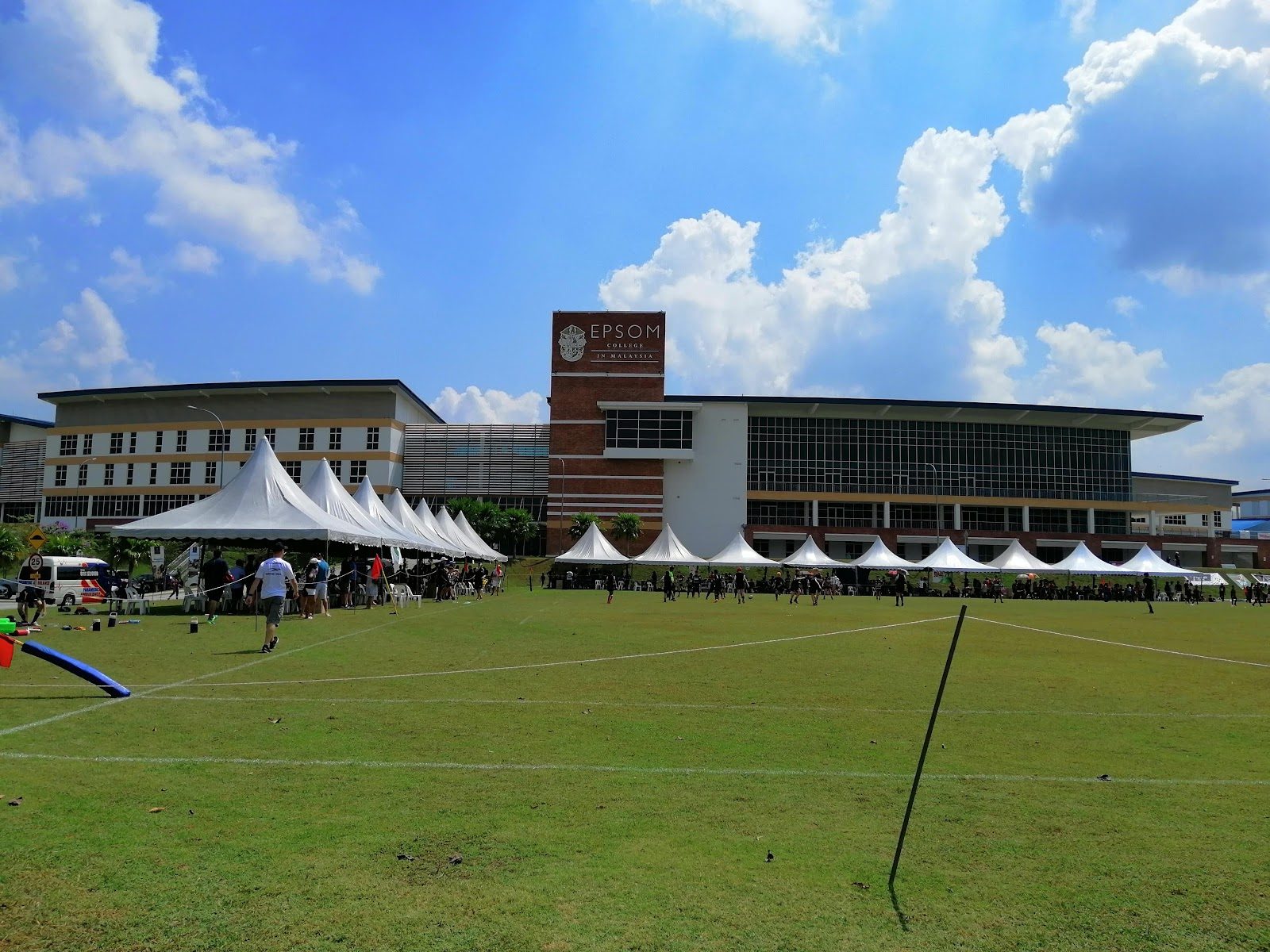
Epsom College in Malaysia
Negeri Sembilan · Malaysia
The lone Asian sister campus of a 170-year-old Surrey boarding school, its British house system anchors a 50-acre Negeri Sembilan estate.
Same country and curriculum — closest matches within ±10 points either way