
Warwickshire
Warwick School
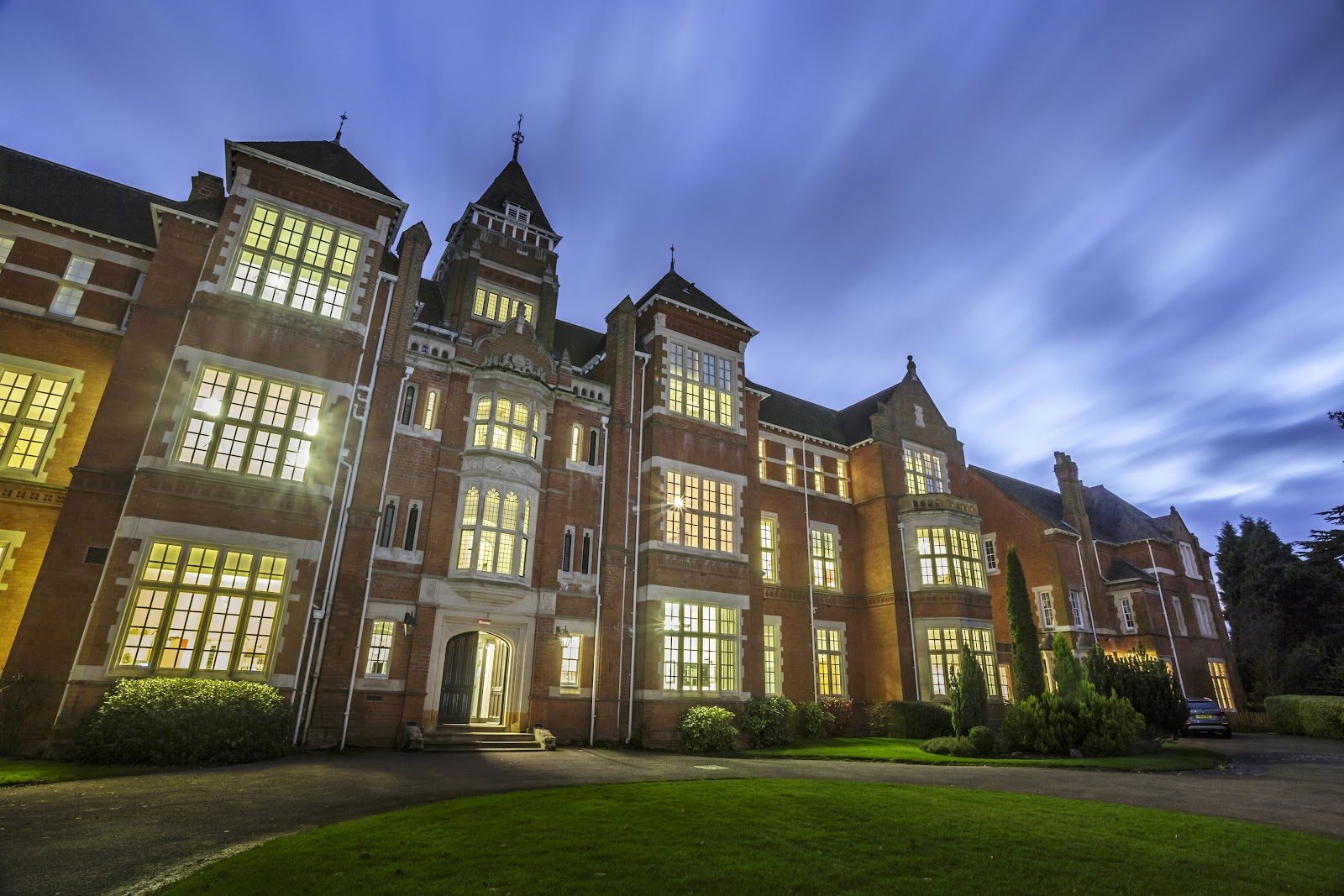
low confidence· 3/6 cats · 2.83 avg sourcesFounded in 914 beside Warwick Castle, this Midlands day school built its name on sport and hard-edged academic results.
Type
Both
Ages
7–18
Curriculum
British
Qualifications
A-Level · GCSE
Ratio
—
The Verdict
Editor's commitment
Right for
Boys 7–18 who want a British education with Anglican roots, HMC membership, and sport given serious weight beside academics.
Wrong for
Families wanting co-education throughout, a non-British curriculum, or girls beyond junior ages; Warwick School is a boys' school.
Watch out for
The average annual fee is £22,000 day or £51,000 boarding, and the school does not publish headline results in this extract.
Ranking breakdown
Warwick School · #507 of 1591
Composite score 69.0. 8 weighted criteria.
By criterion
Academic Outcomes
Weight 20%
#668
of 1529 scored
University Placement
Weight 16%
#649
of 1529 scored
Prestige & Heritage
Weight 12%
#537
of 1571 scored
Alumni Network
Weight 12%
#293
of 1530 scored
Facilities
Weight 12%
#569
of 1533 scored
Transparency & Communications
Weight 8%
#594
of 1532 scored
Peer & Industry Review
Weight 10%
#645
of 1548 scored
Admissions Selectivity & Demand
Weight 8%
#647
of 1529 scored
Peer & Industry Review
How Warwick School is regarded in the sector
68
Respected · medium confidence
Within the Midlands independent sector, Warwick School is regarded as a well-established, HMC-member institution with genuine historical standing, though it is not typically placed in national conversations alongside the top academically-selective boarding schools. Local peer comparisons tend to position it against other strong regional day schools such as Solihull School and King Edward's Birmingham rather than against London or traditional boarding powerhouses. University destinations lean toward strong Russell Group placement with a steady but unremarkable Oxbridge flow, consistent with a solid-but-not-exceptional academic profile. Independent guides such as the Good Schools Guide have historically praised its sporting and co-curricular breadth and its historic character while noting academic results are respectable rather than outstanding. Coverage in the education press is modest and largely regional, reflecting its status as a respected but non-flagship member of the independent sector.
Editors' overview
Warwick School trades on two facts that matter: it was founded in 914, and it still runs as a serious Anglican boys’ school in the English independent tradition. That long history can descend into costume-drama irrelevance; here it has sharper practical value. The school has the institutional confidence of a place that knows exactly what it is: British curriculum, ages 7 to 18, day and boarding, and unapologetically structured. Parents looking for progressive educational experimentation should look elsewhere. Parents looking for hard-edged academic culture, a strong co-curricular spine and a school where sport still carries real status will put Warwick high on the list. It also sits within the Warwick Schools Foundation and occupies a prominent Warwick setting beside the castle, which gives it both profile and a sense of continuity that newer schools cannot replicate.
The attraction is not novelty but concentration. Warwick offers a full senior and sixth-form academic range, with visible depth in classics, computing, design technology, theology and philosophy, modern foreign languages and the sciences, alongside a substantial music, drama and sport programme. The website also points to character education, Friday electives, chapel, house system and pastoral structures, which tells you this is a school that wants to shape conduct as well as exam performance. That will suit boys who thrive with pace, competition and expectation, and families who want a school with clear internal standards rather than therapeutic vagueness. It holds ISI and HMC status, which places it firmly inside the established upper tier of British independent schooling. Fees are expensive but not aberrant for that market: an average annual day fee of £22,198 and an average annual boarding fee of £51,086 across the full age range.
What is special about Warwick is the combination of age, identity and pressure. Plenty of schools sell heritage; fewer still convert it into a live culture that values scholarship, leadership, chapel, houses and fixtures in equal measure. The school’s own language about “exceptional teaching”, pastoral care and community is standard-issue independent-school copy; the more telling point is the breadth of structures behind it. This is a place for boys who want a full-blooded school life and can cope with a traditional framework that asks a lot in return. It is not for the faint-hearted, and that is part of the appeal. For the able, energetic student who wants academic stretch without giving up sport, music or boarding life, Warwick makes a strong case.
Academic Performance
Warwick publishes celebratory headlines on both GCSE and A-level outcomes, which places results at the centre of its case to parents. That emphasis fits the school’s reputation: this is a results-driven operation, not a broad church where academic ambition sits politely in the background. The public line points to a strong examination culture, and the subject architecture behind it is serious: classics, computing, theology and philosophy, modern languages, the sciences, economics and politics all sit within a full senior and sixth-form offering. That breadth matters. Schools with real sixth-form depth can preserve academic momentum beyond a narrow menu of safe subjects, and Warwick has that depth. The inclusion of EPQ and visible academic support also signals a school that expects pupils to push beyond baseline course requirements.
What Warwick does not publish here is the hard comparative data that would let parents place it precisely against the most transparent academic independents: no aggregate grade distribution, no clean multi-year table, no destination breakdown in the extracts we have seen. That weakens external scrutiny. Even so, the school’s own messaging, combined with its longstanding standing in the independent boys’ sector, points to a high-attaining and competitive cohort. Relative to peers, Warwick sits in the bracket where strong results are assumed, sport and co-curricular life do not dilute academic seriousness, and families expect boys to leave with more than respectable passes. It does not give enough public data here to claim top-table dominance. It does give enough to mark Warwick out as an academically forceful school.
Facilities
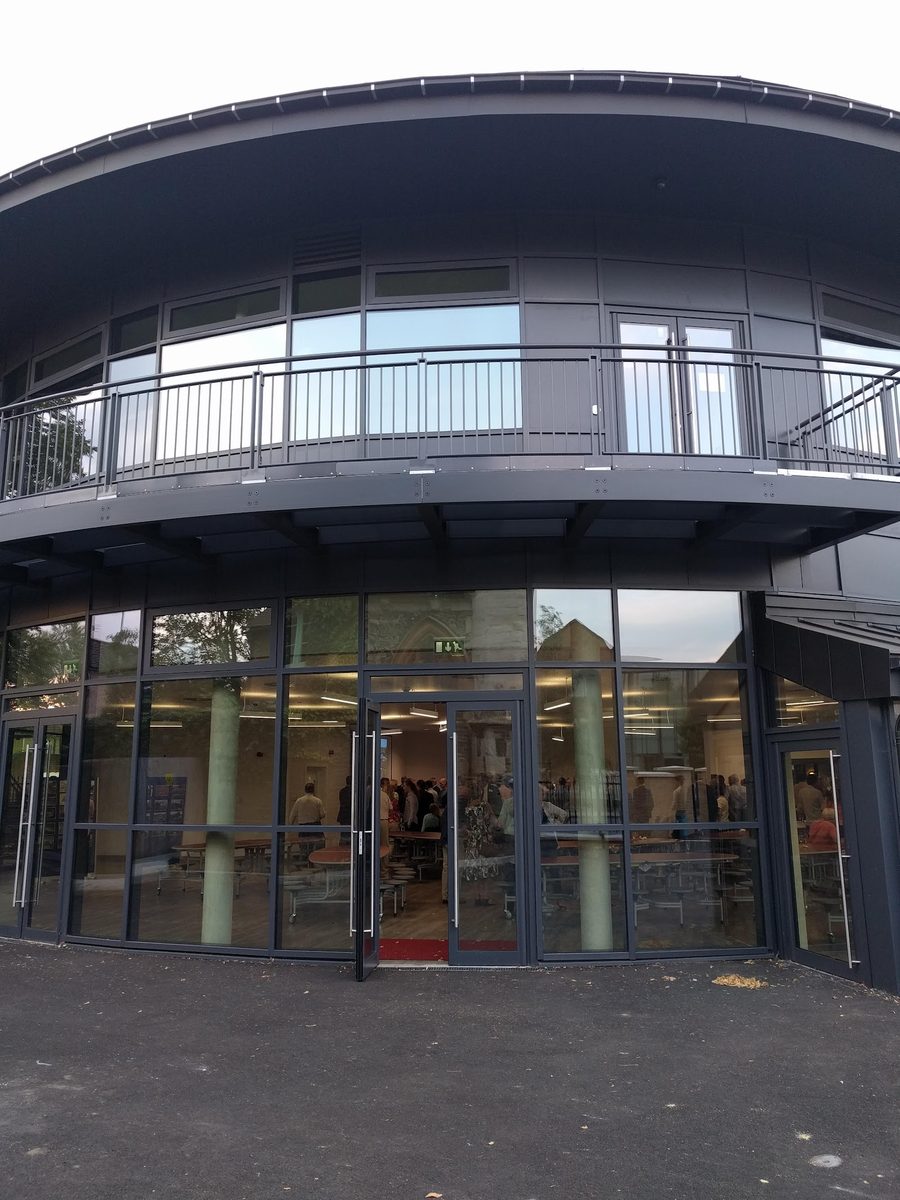
The campus’s defining advantage is space. The school talks about 55 acres of grounds, and that matters because Warwick runs the kind of education that needs room to breathe: sport fixtures, houses, drama, music and boarding all compete for physical territory. Many urban independents promise breadth and then squeeze it into a compact site; Warwick has the footprint to support a full-scale school life. The senior and sixth-form subject list also points to specialist teaching spaces rather than generic classrooms: design technology, computing, drama, music, separate sciences and food science all demand properly equipped rooms if they are to function well. Add chapel, catering and a boarding house, and the picture is of a serious operational campus, not a polished front block with modest depth behind it.
Against direct peers, that puts Warwick in a strong bracket. Plenty of respected boys’ schools match it for academic ambition; fewer combine that with this amount of land and a visibly broad co-curricular infrastructure. The sports offer, in particular, carries weight because it sits within a culture where fixtures are central rather than decorative. What the school does not publish in these extracts is the finer grain parents often want: no public detail here on theatres, libraries, labs, strength and conditioning provision, or boarding-house capacity and refurbishment. That lack of specificity stops short of best-in-class status. Even so, the available picture is of facilities that are *substantial, traditional and hard-working* rather than flashy.
Warwick School trades on two facts that matter: it was founded in 914, and it still runs as a serious Anglican boys’ school in the English independent tradition
Prestige
A Warwick education carries real old-school prestige in the English independent market, but not the glossy, internationalised kind built on branding alone. Its standing rests on endurance, selectivity of culture and the fact that it still operates as a serious boys’ school with a strong internal identity. The association with the Warwick Schools Foundation helps, as does the school’s place in a town where it is woven into local civic life rather than dropped in as an isolated fee-paying enclave. HMC membership matters too: it places Warwick inside the established club of academically ambitious British independents that parents, universities and rival schools recognise at once. The school’s average annual boarding fee of £51,086 also signals its market position with brutal clarity. This is not aspirational middle-market schooling; it sits in the upper reaches of the sector.
I rate its prestige highly because it joins social weight to institutional seriousness. The breadth of school life — chapel, houses, fixtures, leadership, boarding, co-curricular depth — gives Warwick the feel of a fully formed traditional public school, not a day school borrowing the vocabulary. That still carries force with families who want status, structure and proven routes into competitive next steps. There is a limit. Warwick’s prestige is substantial rather than glamorous: more respected than fashionable, more domestically rooted than globally burnished. For many parents, that distinction is a strength. It trades on substance, not sparkle.
It does not give enough public data here to claim top-table dominance
Communications
Warwick communicates in the idiom of an established independent school: orderly navigation, clear admissions pathways, visible term dates, calendar access, sports fixtures, uniform information, policies, portal access and named routes into senior school, sixth form and boarding. That breadth matters. Parents do not need to dig for the operational basics, and the site reflects a school that runs on schedules, systems and routine. The news feed is active rather than abandoned, with results stories, pupil conferences and inclusion events giving families a current read on school life. The public message is also tightly controlled. You get a disciplined institutional voice, a strong sense of priorities and no confusion about the school’s values. You also get a heavy layer of slogan-led language — “Aim for Higher Things”, “The Warwick Way”, “Best of Both Worlds” — that pushes the presentation towards brand management when plain information would do the job better.
For current parents, the practical communication infrastructure looks well drilled. A portal, calendar and fixture list are the tools families use every week, and Warwick puts them front and centre. That is the mark of a school that understands parent communication as administration as much as storytelling. Where it is weaker is transparency. The school advertises strong public outcomes and a rich pupil experience, but the extracts here do not show the level of published academic detail, pastoral explanation or boarding specificity that exacting parents now expect. So the verdict is clear: operationally effective, polished and regular, but still selective in what it discloses.
Uniqueness
What marks Warwick out is not heritage on its own, but heritage fused to a fully lived institutional culture. Plenty of old schools have a date and a crest; fewer still run a daily life in which chapel, houses, leadership, boarding, Friday electives, guest lectures and heavy fixture lists still carry real force. Warwick does. The result for pupils is a school experience with *clear hierarchy, strong ritual and high participation*. Boys do not drift anonymously through a timetable here. They are drawn into a structure that asks for commitment across classrooms, teams, performances and community life. That gives the school a distinctive internal coherence that many newer independents lack.
The other point of difference is the scale of the operation around boys’ education. Warwick is not a boutique academic school, nor a pastoral refuge dressed up as one. It is a full-pressure traditional environment with a wide subject menu, a substantial co-curricular engine and campus room to sustain both. Boarding from 13 sharpens that further by extending school life beyond lessons into evenings, weekends and peer culture. For the right student, that brings confidence, loyalty, stamina and an ease with responsibility. It also produces boys who are accustomed to being stretched in public, not protected from scrutiny. That is Warwick’s real distinctiveness: *not gentle polish, but formation through expectation*.
That lack of specificity stops short of best-in-class status
Student Profile
The boy who fits Warwick is bright, energetic and comfortable with visible standards. This school suits pupils who like being busy, who can handle comparison without folding, and who want school life to extend well beyond lessons. The timetable and culture point towards boys who will throw themselves into teams, performances, lectures, chapel, house commitments and the wider churn of organised activity. A quiet scholar can do well here, but only if he is content in a setting where the collective rhythm is public, structured and demanding. Boys who need constant hand-holding, loose boundaries or a soft social atmosphere will struggle. The school’s own framing of day and boarding life from 13 reinforces that expectation of independence.
Socially, Warwick will work best for boys who are happy in a traditional male environment and who do not need a progressive or experimental tone to feel engaged. There is pastoral language on the site, and there are clear support structures, but the dominant impression is of a school that values resilience, responsibility and contribution over self-display. That can be formative and bracing for the right student. It can also feel hard-edged for boys who dislike competition or who want a more relaxed relationship with authority. In short: Warwick is for the able, robust boy who wants to be stretched, expects to be known, and is ready to earn his place in a culture with high internal expectations.
That gives the school a distinctive internal coherence that many newer independents lack
Co-curricular strengths
Arts & sport, on a separate axis
Overall 9.24/10
Scored 0-10 from the school's own published evidence. This axis is editorial-only — it does not feed the main WTS ranking.
Sports
9.6/10
Absolute all-boys athletic powerhouse; fields nationally dominant rugby and cricket programs across state-of-the-art turf grounds.
Drama
9.5/10
The school's performing arts tracks function like a professional conservatory environment, mounting elite, large-scale theater productions inside the Bridge House Theatre.
Dance
8.5/10
Offered primarily as a movement asset within theatrical physical training rather than an independent classical track.
Music
9.6/10
Exceptional music wing supporting top-tier youth orchestras, chamber groups, and elite choirs with deep cathedral pipelines.
Visual Arts
9/10
Highly disciplined fine arts track emphasizing technical portfolio mastery and advanced graphic design suites.
Strengths
- +Founded 914; among the oldest schools in the world, with deep institutional continuity.
- +Strong, published outcomes: 53.8% of 2025 GCSE entries at A*/9/8 and 44.4% of A-level grades at A/A*.
- +World-class co-curricular provision in sport, drama and music.
- +Particular strength and investment in the sciences and technology.
- +Day school with a well-regarded boarding option from 13+.
- +Excellent rating in the most recent ISI inspection.
Considerations
- −All-boys throughout; unsuitable for families wanting co-education.
- −Anglican foundation may not suit all families.
- −Boarding is small in scale and historically concentrated among a narrow set of nationalities.
- −British curriculum only; limited curricular breadth of pathway.
Availability
Primary entry gate & tests
Written Exams + Interview (Boys)
Parent reviews
Have you sent your child here?
Voice reviews carry the strongest trust badge — we transcribe them for you to tidy up before they go live. Prefer to type? A written review is fine too.
Add your voice
In 60 seconds, tell other parents: what's the best thing about Warwick School, and what surprised you when your child joined?
We ask for a Google sign-in so every review has a real face behind it — no anonymous drive-by attacks on schools, and no faked positive reviews. Your email is never shown publicly.
Send this profile to a friend
International parents rely on word-of-mouth. Share this review with someone weighing the same decision.
Schools with places
Similar schools to Warwick School with places available now.
Tiffin School
Kingston upon Thames · United Kingdom
- 2026-27
- CLOSEDStandard route
- 2027-28
- PLACES OPENCloses 1 Sept '26, 12pm
Fettes College
Edinburgh · United Kingdom
- 2026-27
- CLOSEDStandard route closed
- 2027-28
- PLACES OPEN
University College School
London · United Kingdom
- 2026-27
- CLOSEDStandard route
- 2027-28
- PLACES OPEN11+ (9 Nov); 16+ (28 Sept)
Emanuel School
London · United Kingdom
- 2026-27
- CLOSEDStandard route closed
- 2027-28
- PLACES OPEN11+ / 16+ active
Availability first, then country, area, curriculum, price, co-curricular
Consider also
Also worth looking at alongside Warwick School.
Oundle School
Oundle · United Kingdom
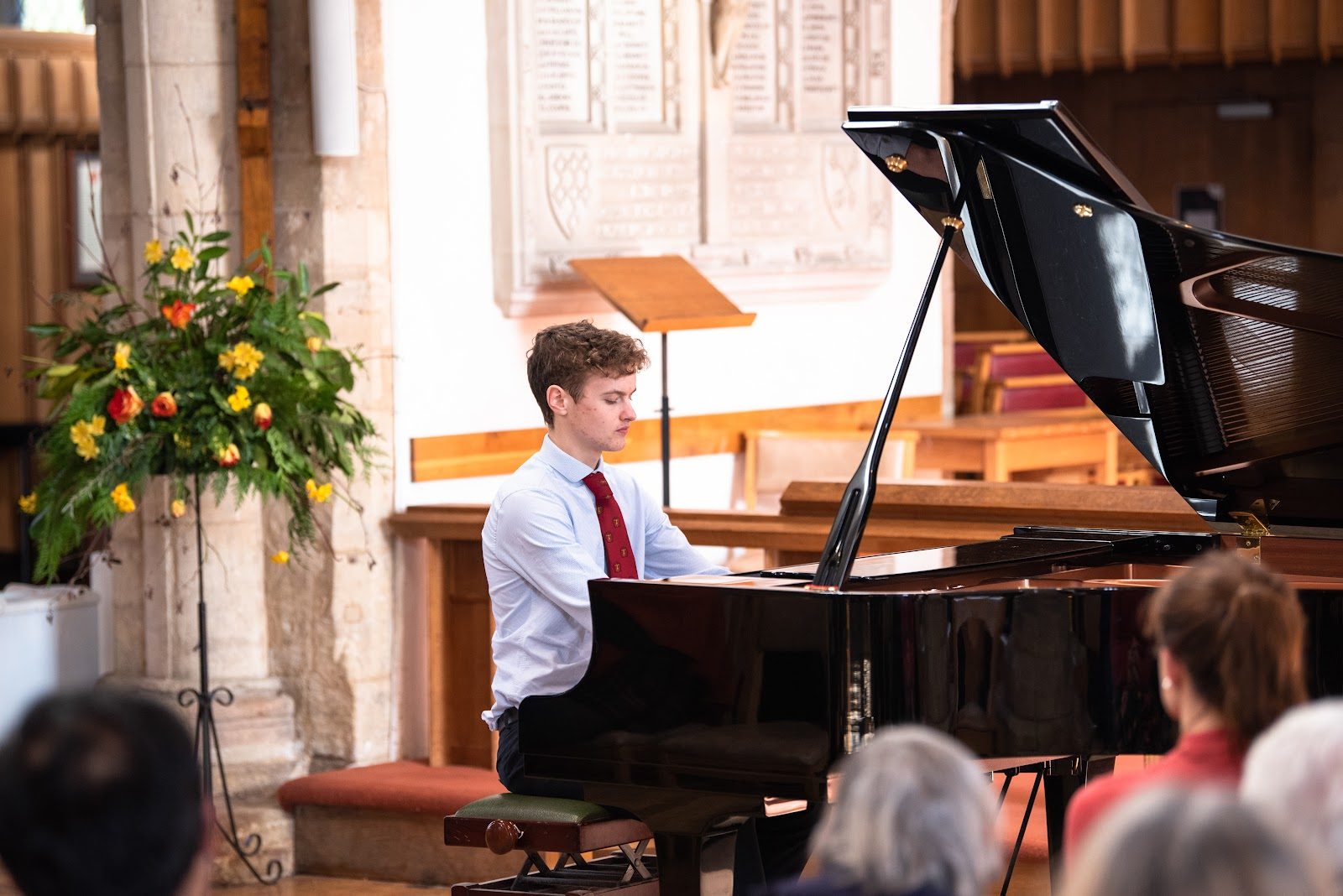
Boarding houses woven into a historic market town, and an engineering centre that 3D-prints titanium and carbon fibre.
The Latymer School
London · United Kingdom
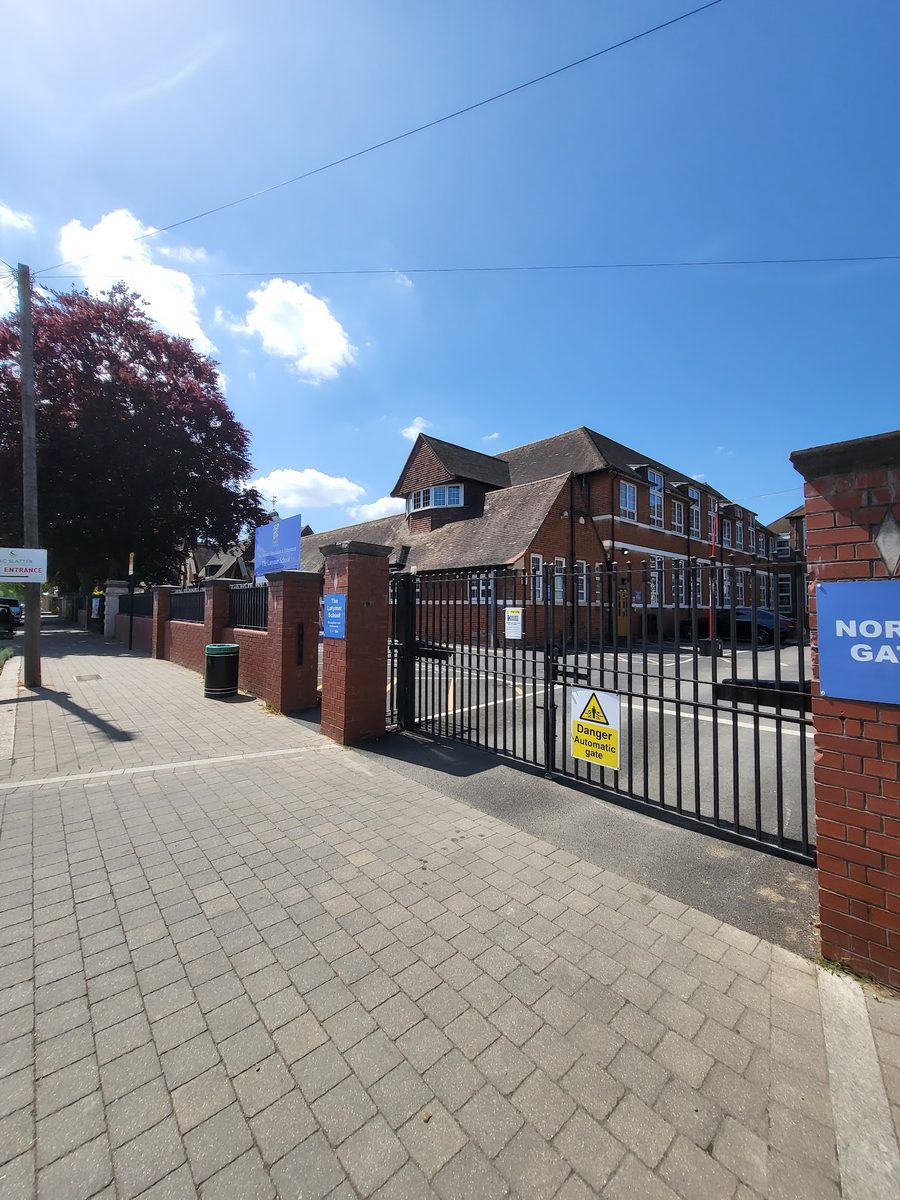
A 400-year-old state grammar in Edmonton where over 1,000 applicants compete yearly for just 192 places, with Cambridge college endowments still funding leavers.
Rugby School
Rugby · United Kingdom
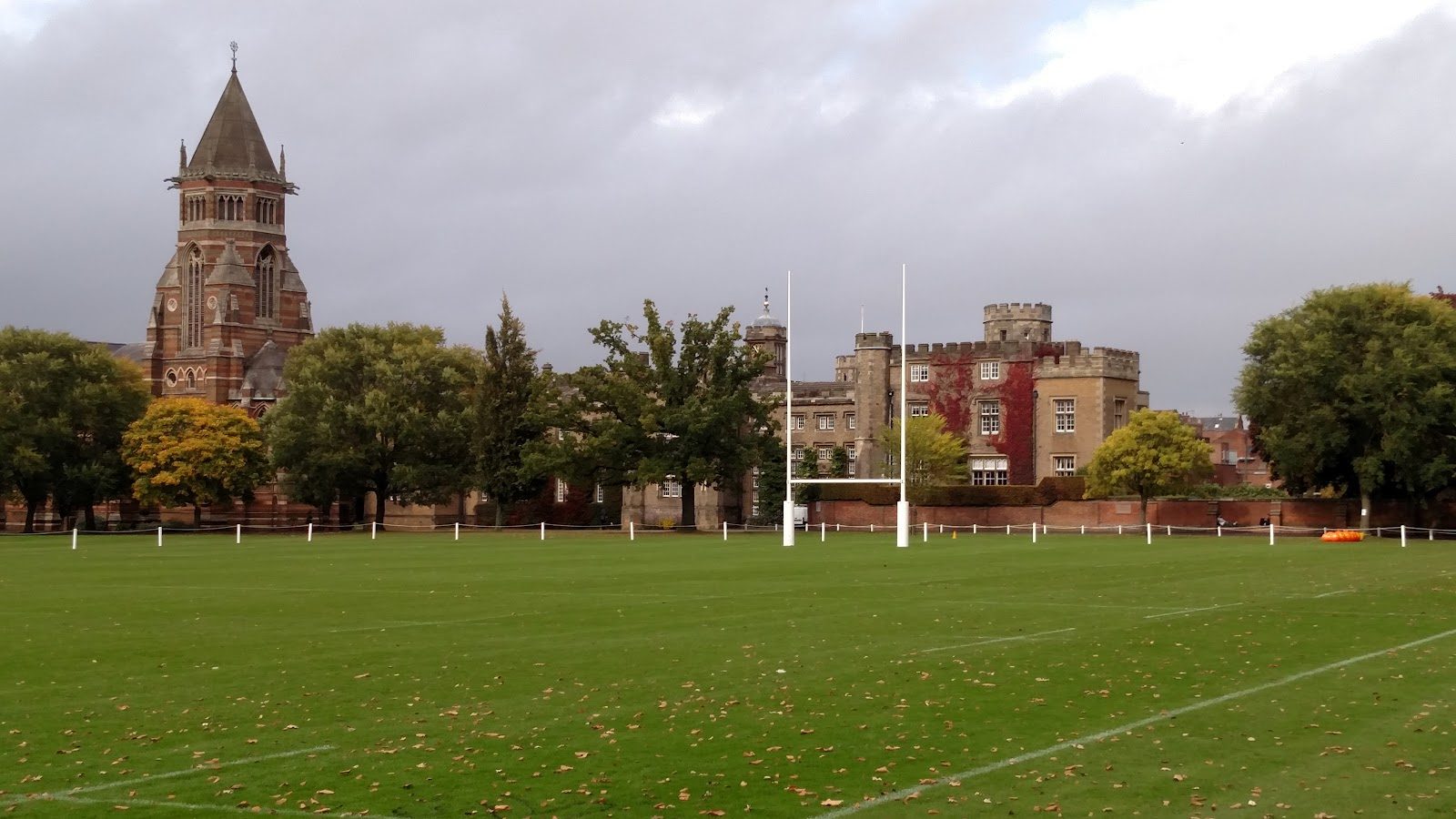
The Warwickshire close where a schoolboy's 1823 sprint with the ball gave rugby its name and its game.
Tiffin School
Kingston upon Thames · United Kingdom
No fees, no let-up: a Kingston grammar school where two-stage testing turns 2,000 hopefuls into a class of 180.
Same country and curriculum — closest matches within ±10 points either way