
Jakarta
Founded in 1951 by UN diplomats' embassies, this South Jakarta campus still competes in Southeast Asia's invitation-only IASAS athletics and arts league.
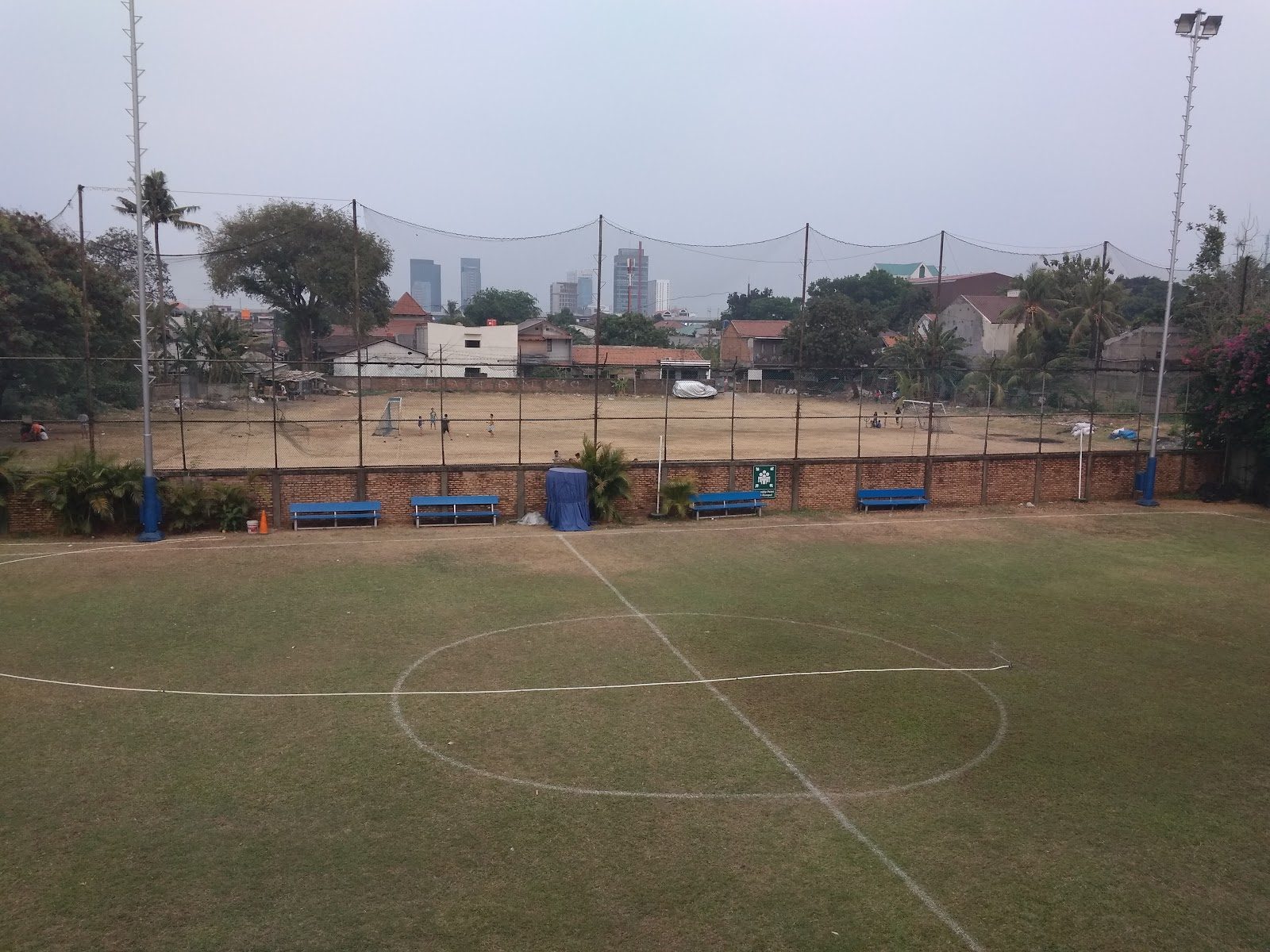
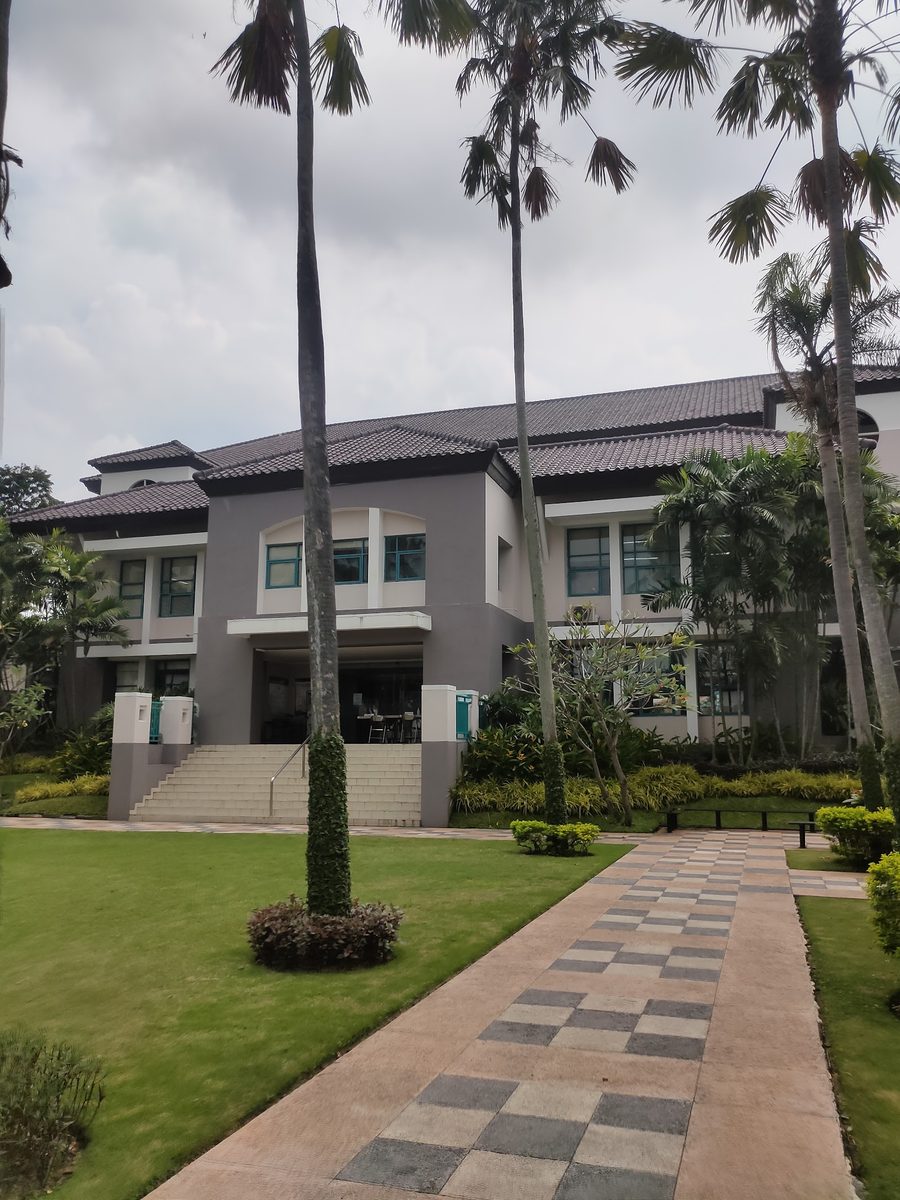
Photo © Febri Priyansyah via Google Maps
Type
Day
Ages
3–18
Curriculum
American · IB
Ratio
—
The Verdict
Editor's commitment
Right for
Families wanting scale and breadth: founded in 1951, 2,500 students from 70 nationalities, with American and IB pathways in English.
Wrong for
Anyone seeking intimacy or one-site convenience; JIS runs three campuses, and the Cilandak main site serves junior high and high school.
Watch out for
At an average $28,000 a year, you are paying for reach and reputation; recent destinations listed are ANU, Monash and QUT.
Ranking breakdown
Jakarta Intercultural School · #114 of 1591
Composite score 77.3. 8 weighted criteria.
By criterion
Academic Outcomes
Weight 20%
#294
of 1529 scored
University Placement
Weight 16%
#136
of 1529 scored
Prestige & Heritage
Weight 12%
#139
of 1571 scored
Alumni Network
Weight 12%
#117
of 1530 scored
Facilities
Weight 12%
#6
of 1533 scored
Transparency & Communications
Weight 8%
#22
of 1532 scored
Peer & Industry Review
Weight 10%
#83
of 1548 scored
Admissions Selectivity & Demand
Weight 8%
#1232
of 1529 scored
Score history
Jakarta Intercultural School · 2026
Movement across 2024–2026. Peer average overlaid.
Overall — 2024–2026
77.3/ 100
▲ +23.9 vs 2025
year on year
Peer & Industry Review
How Jakarta Intercultural School is regarded in the sector
90
Top-tier · high confidence
JIS is consistently cited as one of the oldest and most prestigious international schools in Indonesia, widely referenced in expat parent forums (InterNations, Expat.com, Living in Indonesia forums) as the benchmark school in Jakarta alongside BIS and ACG. It holds long-standing WASC/CIS accreditation, has a large and notable alumni network (including public figures and diplomats' children), and is frequently mentioned in regional 'best international schools in Southeast Asia' round-ups by education consultancies. Its reputation is well-established over decades, though it has occasionally faced scrutiny in specialist press regarding safety/legal incidents in the past, which slightly tempers but does not undermine its top-tier standing.
Evidence sources
Editors' overview
IASAS is the tell. Jakarta Intercultural School still plays in Southeast Asia’s invitation-only schools league for athletics and the arts, and that places it in a small club of long-established, highly mobile, high-expectation international schools. Founded in 1951 by UN diplomats’ embassies, JIS remains a large operation by Indonesian standards, with more than 2,500 students aged 3 to 18 from over 70 nationalities. It runs an American and IB offer in English across three campuses, with elementary provision split between Pattimura and Pondok Indah and the main junior and senior campus in Cilandak, South Jakarta. This is not a boutique school and it does not trade on intimacy; it trades on scale, history and a serious international mix.
What puts it on a shortlist is breadth. Large schools can offer things smaller competitors cannot: deeper sport, more arts, more course choice, more peer variety, and a social life that does not depend on one year group getting on with itself. JIS has that big-school muscle. Its American base suits families who want continuity with US-style schooling, while the IB element gives it international currency for university admissions. The school also has real institutional standing: it is an IB World School in the verified context, and the primary source adds accreditation by WASC and CIS. Alumni depth is not a manufactured talking point here; Wikidata alone records 25 notable alumni, including politicians, business figures, writers and actors, with one star-tier drama laureate. The average annual day fee across the full age range is $28,000, which puts JIS in the premium bracket for Jakarta, but not in the stratosphere by the standards of major capital-city international schools.
This suits children who thrive in a busy, outward-facing environment and families who value an expatriate network that is still substantial rather than decorative. It will appeal to confident joiners, competitive athletes, committed performers and internationally mobile students who want a school with enough scale to absorb arrivals and departures without wobbling. It is less compelling for parents who want a small, tightly held community or a school built around a single national tradition. Recent university destinations listed here are modest — Australian National University, Monash and Queensland University of Technology, one student each — so parents who want a heavily advertised outcomes narrative will find the published picture thin. Still, JIS has a long runway, a hard-earned regional reputation and the kind of campus infrastructure and peer range that keep it near the top of Jakarta shortlists.
Academic Performance
Academic performance is the weak point in JIS’s public case. The school offers an American and IB pathway, but it does not publish aggregate IB outcomes here: no cohort average, no subject spread, no bilingual diploma figure, no pass rate, no breakdown of top scores. That absence matters because schools in its competitive set across Southeast Asia and the wider Asian capitals do publish headline diploma data, and parents use those figures to separate serious academic operators from schools that rely on brand, history or breadth. JIS has the institutional depth and scale to produce strong results; it has not chosen to make that case with numbers in the public domain. The only hard outcomes listed here are recent university destinations, with 1 student each to Australian National University, Monash University and Queensland University of Technology. That is thin disclosure, not a convincing attainment picture.
Relative to peers, that places JIS in an awkward spot: well-established and clearly substantial, but opaque on the one set of metrics many globally mobile families want first. That does not mean weak results; it means unpublished results. In editorial terms, this is not a data-led academic story. Parents who prioritise transparent exam performance and a heavily evidenced university placement record will find stronger public reporting elsewhere. Parents who value a broader school experience, and are prepared to press admissions for hard numbers, will still keep it in play.
Facilities
Facilities are one of JIS’s strongest selling points because the school has the footprint to build for breadth, not just adequacy. The split-campus structure matters: two elementary sites and a much larger main campus for older pupils give it the physical capacity that many Jakarta competitors lack. For families, that usually translates into dedicated age-appropriate spaces rather than younger children being squeezed into an all-through layout designed around older students. The main draw is scale. With 3 campuses, JIS operates more like a full-service international institution than a compact private school. That matters for sport, rehearsals, specialist teaching rooms and the day-to-day logistics of running a large co-curricular programme without every space doing double duty.
Against peer schools, the benchmark is strong at the top end of Jakarta and credible even against established Southeast Asian comparators. Large, old-line international schools win on gyms, pitches, performance venues, libraries and specialist labs because they have the student base and fee income to justify them; JIS sits in that camp. What it does not offer is the single-campus intimacy some parents prize, and the spread across sites brings complexity along with capacity. Still, if your test for facilities is whether a school can sustain serious sport, serious arts and specialist secondary provision without feeling improvised, JIS clears it. The larger question is not whether the school has enough infrastructure. It is whether your child wants a campus experience built on scale rather than closeness.
Against peer schools, the benchmark is strong at the top end of Jakarta and credible even against established Southeast Asian comparators
Prestige
JIS carries real prestige in the international-school market because its reputation rests on things that are hard to fake: longevity, scale, selective parent demand and regional visibility beyond Jakarta. Membership of IASAS matters here. That league functions as a marker of peer recognition among old-line international schools in Asia, and schools do not drift into it by accident. Add a student body of more than 2,500 drawn from over 70 nationalities and you get a school with serious institutional weight, a deep expatriate network and the social confidence that comes from operating at a level above the local pack. In Indonesia, few schools match that combination of history, breadth and international density.
The prestige is substantial, but it is not immaculate. JIS has name recognition and regional cachet; it also has an uneven public case on academic outcomes. That matters because top-tier prestige today rests not only on heritage and facilities, but on published attainment and clear university trajectories. On alumni footprint, JIS still has force: Wikidata alone records 25 notable alumni across politics, business, writing and the arts, including one star-tier drama laureate. That gives the school cultural reach beyond the usual corporate-diplomatic circle. My rating is high because the school is a genuine heavyweight in Southeast Asia’s international sector. It stops short of the very top rank because parts of that standing rely on history, network and scale more than hard academic disclosure.
That matters because top-tier prestige today rests not only on heritage and facilities, but on published attainment and clear university trajectories
Communications
JIS communicates like a large, established institution rather than a founder-led school that runs on charm. The basics are clear: the school’s public-facing information sets out the age range, the multi-campus structure and the broad shape of school life without much fuss. For parents, that matters. In a school spread across 3 sites and serving more than 70 nationalities, communication needs to do more than announce events; it needs to keep a transient, internationally mixed parent body aligned on routines, expectations and who is where. On that front, JIS benefits from scale and administrative maturity. You do not get the sense of a scrappy operation or a school improvising its parent messaging term by term.
Where the picture weakens is depth and candour. The school communicates institutional facts and community identity more effectively than academic accountability. Parents can grasp the school’s structure and ethos quickly, but they do not get the same level of clarity on outcomes, performance benchmarks or comparative attainment. That gap matters because good school communications are not only about warmth, logistics and community confidence; they are also about hard disclosure. JIS’s messaging looks competent, orderly and built for a large mobile community. It is less strong where ambitious parents press hardest: transparent academic reporting, destination depth and the numbers that convert reputation into evidence.
Uniqueness
What marks JIS out is not a single programme or a glossy specialism, but a rare concentration of institutional heft in one school: a student body of more than 2,500, drawn from over 70 nationalities, tied to a regional league that tests schools in public, not just on prospectus pages. IASAS gives JIS a distinct identity. This is a school built for serious inter-school competition and high-functioning mobility, where sport, performance and student leadership operate in a circuit larger than Jakarta. For students, that brings a peer group wide enough to escape the social claustrophobia of smaller expatriate schools, plus a co-curricular culture with real external benchmarks. Children do not just participate; they measure themselves against other established international schools across the region.
Its other point of difference is scale without a single national mould. Many international schools in one city lean heavily British, local-elite or narrowly corporate-expat. JIS has a broader diplomatic-commercial mix and a more international social fabric than that. The gain for students is practical: new arrivals fold into a community that is used to churn, difference and multiple onward paths, and older pupils prepare for university from a base that is less parochial than most. The trade-off is clear too. This is not an intimate school and it does not hold every child closely by default. Students who flourish here tend to like range, pace and a campus culture with real competitive voltage.
It stops short of the very top rank because parts of that standing rely on history, network and scale more than hard academic disclosure
Student Profile
This is a strong fit for children who like movement, range and other people. With a student body above 2,500 and families drawn from more than 70 nationalities, JIS suits internationally mobile pupils who are used to arrivals, departures and friendship groups that reset. Newcomers do not land in a school built around one local clique or one national identity; they enter a community where turnover is normal and social confidence carries value. The pupils who prosper here tend to be outward-facing, socially agile and comfortable finding their place in a big, busy ecosystem. Competitive athletes, performers and students who enjoy inter-school fixtures, productions and public-facing activity have clear room to operate. Children who need a wide peer pool, rather than one tight year-group dynamic, get more chances to find their people.
The weaker fit is just as clear. This is not the school for a child who wants constant hand-holding, a small, closely watched environment or a campus culture built on quiet intimacy. Scale brings opportunity, but it also demands initiative. Students need to cope with a lot happening around them and with adults who cannot know every family in the way a smaller school can. Parents who want a tight pastoral cocoon or a strongly bounded local community will find this harder going. Pupils who enjoy independence, can advocate for themselves and want access to a serious competitive circuit will fit far better.
This is not a boutique school and it does not trade on intimacy; it trades on scale, history and a serious international mix
Co-curricular strengths
Arts & sport, on a separate axis
Overall 9.06/10
Scored 0-10 from the school's own published evidence. This axis is editorial-only — it does not feed the main WTS ranking.
Sports
9.1/10
Multiple indoor and outdoor sports areas and a serious aquatics set-up, plus six gymnasiums, six playing fields, three swimming pools, tennis courts, three IASAS sports seasons, and varsity/junior varsity interscholastic competition, which together evidence dedicated facilities plus recurring competitive fixtures.
Drama
9.1/10
Drama is explicitly offered through Theatre, the school has four theaters and performance spaces, participates in IASAS 'Dance and Drama' cultural convention, and a verified star-tier drama alumnus (Angela Kinsey, Daytime Emmy Award) anchors at least a 7.
Dance
9/10
Wikipedia explicitly places JIS in the recurring IASAS 'Dance and Drama' cultural convention, which is clear named participation in a structured interschool programme.
Music
9.1/10
Choir and Band and mentions performance spaces supporting more than token music, while Wikipedia shows participation in IASAS 'Art and Music' cultural convention and notes four theaters, giving both structured ensembles and dedicated performance facilities.
Visual Arts
9/10
Visual Arts is explicitly listed and Wikipedia shows JIS taking part in IASAS 'Art and Music' cultural convention, with banner painting also mentioned, indicating a defined visual arts offering with recurring interschool participation but no named specialist facility.
Editor first-pass · editor-reviewable · 7/28/2026
Outcomes & destinations
Where students go next
Top destinations
161 placements
- Australian National University· 1
- Monash University· 1
- Queensland University of Technology· 1
- University of Melbourne· 1
- University of New South Wales· 1
- University of Sydney· 1
- Katholieke Universiteit Leuven· 1
- Carleton University· 1
- Concordia University· 1
- Fraser International College· 1
- Ontario Tech University· 1
- University of British Columbia· 1
- University of Toronto· 1
- Vancouver Film School· 1
- Western University· 1
- American University of Paris· 1
- ECE Engineering School· 1
- LISAA - L’Institut Supérieur des Arts Appliqués· 1
- Sorbonne University· 1
- University of Targu Mures Medical Campus· 1
- Hong Kong Polytechnic University· 1
- Hong Kong University of Science and Technology· 1
- MIT Maripal· 1
- University of Delhi· 1
- Binus University· 1
- Sampoerna University· 1
- Swiss German University· 1
- University of Indonesia· 1
- Hosei University· 1
- Keio University· 1
- Kokushikan University· 1
- Waseda University· 1
- Amsterdam University of Applied Sciences· 1
- Erasmus University Rotterdam· 1
- INHOLLAND University of Applied Sciences· 1
- Leiden University· 1
- Maastricht University· 1
- Technical University of Delft· 1
- University of Amsterdam· 1
- Quaid-i-Azam University· 1
- De La Salle University· 1
- Nanyang Academy of Fine Arts· 1
- Nanyang Technological University· 1
- National University of Singapore· 1
- Chung-Ang University· 1
- Ewha Women’s University· 1
- Hankuk University of Foreign Studies· 1
- Hanyang University· 1
- Korea University· 1
- Seoul National University· 1
- Sogang University· 1
- Sungkyunkwan University· 1
- Yonsei University· 1
- Alfonso X El Sabio University· 1
- CEU San Pablo University· 1
- Escuela de Cinematografía y del Audiovisual de la Comunidad de Madrid - ECAM· 1
- Universidad Europea de Valencia· 1
- Istanbul Bilgi University· 1
- City, University of London· 1
- Durham University· 1
- Hartpury University· 1
- Imperial College London· 1
- Istituto Marangoni London· 1
- King’s College London· 1
- Leeds Arts University· 1
- London School of Economics and Political Science, University of London· 1
- Queen Mary University of London· 1
- SOAS University of London· 1
- University College London· 1
- University of Bath· 1
- University of Edinburgh· 1
- University of Exeter· 1
- University of Leeds· 1
- University of Manchester· 1
- University of Sheffield· 1
- University of Southampton· 1
- University of the Arts London· 1
- UWE Bristol· 1
- Arizona State University· 1
- Babson College· 1
- Barnard College· 1
- Bentley University· 1
- Boston College· 1
- Boston University· 1
- Brandeis University· 1
- Brown University· 1
- Bunker Hill Community College· 1
- Carnegie Mellon University· 1
- Central College· 1
- College of William & Mary· 1
- College of Wooster· 1
- Columbia University· 1
- Cornell University· 1
- Dartmouth College· 1
- DePauw University· 1
- DigiPen Institute of Technology· 1
- Emerson College· 1
- Fordham University· 1
- George Mason University· 1
- Georgetown University· 1
- Harvard University· 1
- Indiana University· 1
- James Madison University· 1
- Johns Hopkins University· 1
- Loyola Marymount University· 1
- Marquette University· 1
- Mt San Jacinto Community College· 1
- New York University· 1
- Northeastern University· 1
- Northwestern University· 1
- Ohio State University· 1
- Oregon State University· 1
- Otis College of Art and Design· 1
- Pasadena City College· 1
- Pennsylvania State University· 1
- Pepperdine University· 1
- Pomona College· 1
- Pratt Institute· 1
- Purdue University· 1
- Radford University· 1
- Rensselaer Polytechnic Institute· 1
- Rhode Island School of Design· 1
- Santa Monica College· 1
- Savannah College of Art and Design· 1
- School of Visual Arts· 1
- Seattle University· 1
- Stanford University· 1
- Suffolk University· 1
- Tennessee Technological University· 1
- Texas A & M University· 1
- Tufts University· 1
- Union College· 1
- University of California-Berkeley· 1
- University of California-Davis· 1
- University of California-Irvine· 1
- University of California-Los Angeles· 1
- University of California-Riverside· 1
- University of California-San Diego· 1
- University of California-Santa Barbara· 1
- University of California-Santa Cruz· 1
- University of Chicago· 1
- University of Illinois Urbana-Champaign· 1
- University of Massachusetts-Boston· 1
- University of Michigan· 1
- University of North Carolina at Chapel Hill· 1
- University of North Carolina at Charlotte· 1
- University of Oregon· 1
- University of Pennsylvania· 1
- University of Rhode Island· 1
- University of Rochester· 1
- University of Southern California· 1
- University of Texas at Austin· 1
- University of Utah· 1
- University of Virginia· 1
- University of Washington· 1
- University of Wisconsin· 1
- Utah Tech University· 1
- Virginia Tech· 1
- Western Washington University· 1
- Worcester Polytechnic Institute· 1
- Yale University· 1
Reported by the school. Confirm with admissions.
Notable alumni · Wikidata
25notable alumni
0 historic (born pre-1930) · 17 modern (born post-1970)wikidata:2026-07-28 How we source this
WTS 300 badge
2025/26 editionJakarta Intercultural School is one of the World's Top 300 Schools for 2025/26. Claim your listing to add it to your site →
Strengths
- +Jakarta Intercultural School traces its roots to 1951, making it one of the oldest continuously operating international schools in Southeast Asia.
- +The school is both IB and AP accredited, giving high school students a genuine choice between the IB Diploma and Advanced Placement exit qualifications.
- +JIS is Jakarta's largest and most internationally diverse school, with more than 2,500 students from over 70 nationalities.
- +The three campuses cover more than 20 hectares with 280+ classrooms, four libraries holding over 100,000 titles, four theaters, and dedicated science, robotics and design technology labs.
- +Over 99 percent of graduating seniors go on to university, with the 2024 cohort placing strongly at institutions including Boston University, the University of Toronto and the University of British Columbia.
Considerations
- −Fees sit at the premium end of the Jakarta market: as of the 2023-2024 school year High School tuition was USD31,040 and separate figures put the top band closer to USD35,916, before enrollment, capital and technology fees.
- −Admission is organised into three priority lanes, with dependents of the three founding embassies (US, UK, Australia) and JIS faculty given first call on places, meaning other applicants compete for remaining capacity.
- −Applicants in Grades 3 to 10 must sit an admissions screening test, and non-native English speakers may face an additional English proficiency test and interview, adding a selective hurdle beyond paperwork.
- −Elementary schooling is split across two campuses (Pattimura and Pondok Indah) roughly 20 minutes apart, and the school can reassign a child to the non-preferred campus if a grade level reaches capacity.
Availability
Primary entry gate & tests
Academic record + capacity/priority lanes
Gallery
Photo © Andry_S via Google Maps
Photo © Fiqi Ramadhan via Google Maps
Photo © Jakarta Intercultural School via Google Maps
Photo © Blabla bla via Google Maps
Photo © Daryono Daryono via Google Maps
Photo © Emyr Williams via Google Maps
Photo © Jakarta Intercultural School via Google Maps
Photo © yohanes_dn w via Google Maps
Photo © Yatnovzsky via Google Maps
Parent reviews
Have you sent your child here?
Voice reviews carry the strongest trust badge — we transcribe them for you to tidy up before they go live. Prefer to type? A written review is fine too.
Add your voice
In 60 seconds, tell other parents: what's the best thing about Jakarta Intercultural School, and what surprised you when your child joined?
We ask for a Google sign-in so every review has a real face behind it — no anonymous drive-by attacks on schools, and no faked positive reviews. Your email is never shown publicly.
Send this profile to a friend
International parents rely on word-of-mouth. Share this review with someone weighing the same decision.
Schools with places
Similar schools to Jakarta Intercultural School with places available now.
Availability first, then country, area, curriculum, price, co-curricular
Consider also
Also worth looking at alongside Jakarta Intercultural School.
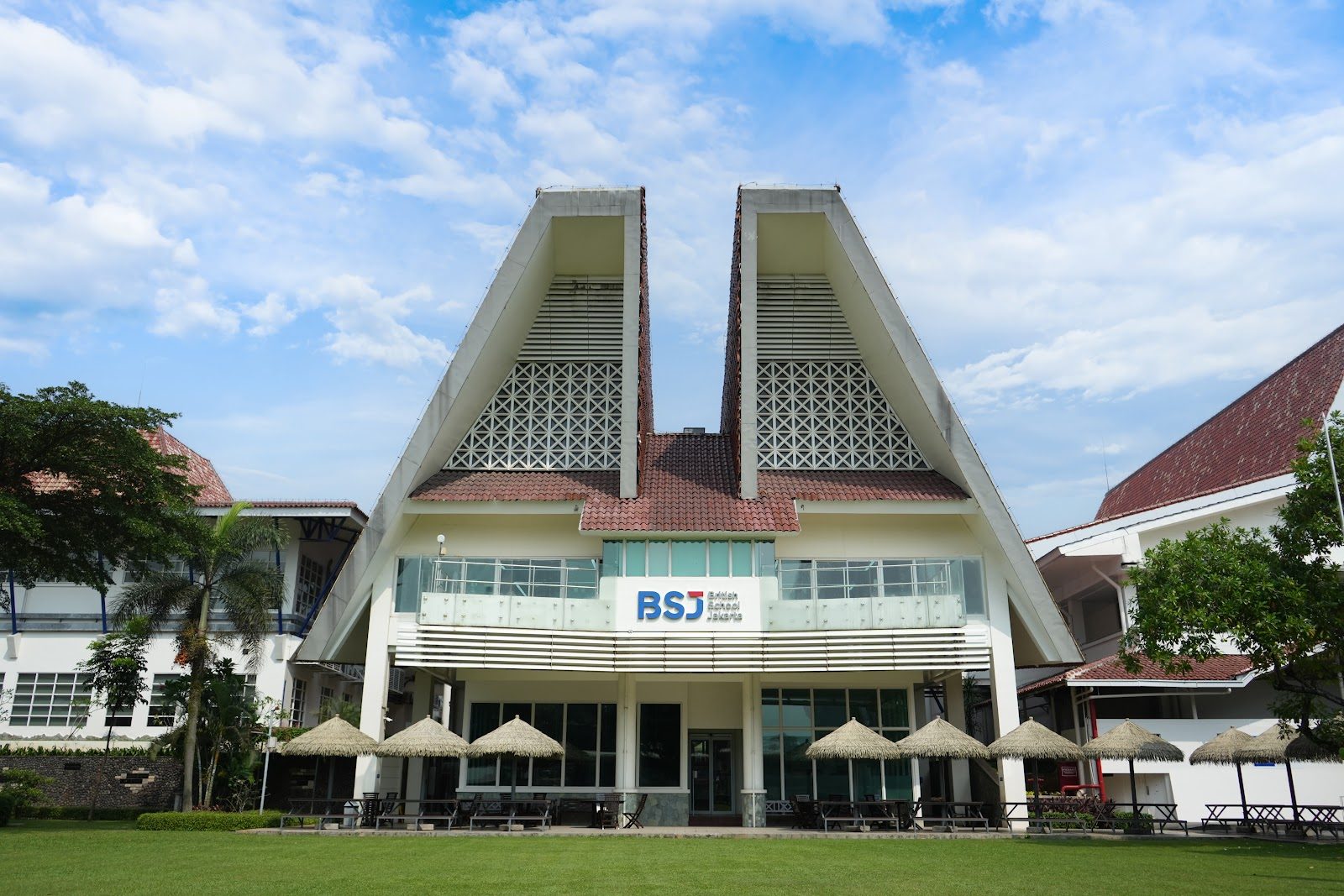
British School Jakarta
South Tangerang · Indonesia
Grown from a 1973 British Embassy classroom into a 45-acre Bintaro estate where English roots meet an IB finish.
Sekolah Pelita Harapan Lippo Village
Tangerang · Indonesia
The first Indonesian school to run a full IB continuum, pairing Christian formation with inquiry-led science in Tangerang's Lippo Village.

Green School Bali
Abiansemal · Indonesia
A walless bamboo campus on the Ayung River where IB study runs alongside rice cultivation and river ecology
Sekolah Ciputra Surabaya
Surabaya · Indonesia
The only school in East Java running the full IB continuum, with entrepreneurship woven in from Playgroup to Grade 12.
Same country and curriculum — closest matches within ±10 points either way