
California
A century-old mesa-top boarding school above the Pacific, where equestrian roots meet inquiry-driven academic rigor.

Photo © Willie Kellogg via Google Maps
Type
Both
Ages
14–18
Curriculum
American
Qualifications
AP
Ratio
—
The Verdict
Editor's commitment
Right for
Ambitious 14–18-year-olds who want a selective American boarding school founded in 1910, with NEASC and NAIS credentials above Carpinteria.
Wrong for
Families who want a large campus ecosystem; Cate had 270 students, and that scale leaves nowhere to hide academically or socially.
Watch out for
Boarding averages $82,600 a year, and the Pacific setting does not dilute the intensity of a grade 9–12 university-preparatory school.
Ranking breakdown
Cate School · #133 of 1591
Composite score 77.3. 8 weighted criteria.
By criterion
Academic Outcomes
Weight 20%
#182
of 1529 scored
University Placement
Weight 16%
#187
of 1529 scored
Prestige & Heritage
Weight 12%
#199
of 1529 scored
Alumni Network
Weight 12%
#144
of 1529 scored
Facilities
Weight 12%
#141
of 1529 scored
Transparency & Communications
Weight 8%
#204
of 1529 scored
Peer & Industry Review
Weight 10%
#227
of 1529 scored
Admissions Selectivity & Demand
Weight 8%
#198
of 1529 scored
Score history
Cate School · 2026
Movement across 2024–2026. Peer average overlaid.
Overall — 2024–2026
77.3/ 100
▲ +14.8 vs 2025
year on year
Peer & Industry Review
How Cate School is regarded in the sector
88
Strong · high confidence
Cate School is consistently regarded as one of the top elite boarding schools in the United States, frequently grouped with peers like Deerfield, Thacher, and Hotchkiss in Boarding School Review and Niche rankings. It has a strong, visible alumni network including notable figures in business, entertainment, and public service, and is a member of the selective Eight Schools Association, signaling peer-recognized elite status. Coverage in college counseling and independent school admissions press consistently references Cate as a top-tier West Coast boarding school with strong Ivy League placement rates.
Evidence sources
Editors' overview
Perched above the Pacific in Carpinteria, eleven miles from Santa Barbara, Cate trades on something rarer than scenery: scale, selectivity and seriousness. This is a small American boarding and day school for ages 14 to 18, founded in 1910, with a student body recorded at 270 students and drawn from 31 states and 18 countries. That matters. Schools of this size cannot hide weak teaching, loose culture or indifferent pastoral care behind sprawl. Cate’s identity is clear: a university-preparatory school with a tight academic core, a boarding culture and the confidence to stay small.
Its market position is straightforward. Cate sits in the US top tier of boarding schools: expensive, selective and built for families who want an intimate residential setting rather than a vast East Coast institution. The average annual boarding fee is $82,600, which places it firmly in premium territory. Parents are paying for more than a bed and a timetable. They are buying access to a compact campus community where teenagers live and work in close formation, and where the school’s old California boarding tradition still has force. The school’s accreditations, NEASC and NAIS, give it the expected institutional credibility; the stronger point is the combination of mesa-top seclusion and intellectual ambition. Cate does not offer anonymity. For the right student, that is a major strength. For a child who wants constant choice, urban energy or room to disappear, it is a poor fit.
Why shortlist it? Because Cate occupies a distinct niche that few schools match well: serious American academics in a small, high-trust boarding environment on the West Coast. It also has enough cultural weight to register beyond its size, with 30 notable alumni catalogued in Wikidata across science, writing, music and the performing arts, including 3 star-tier award winners. That does not make it a celebrity factory, but it does mark a school with durable intellectual and artistic reach. The student who thrives here will be self-propelled, comfortable with adults, and willing to lean into a community that is close-knit and demanding. This is not a glossy resort school. It is for adolescents who want structured independence, strong preparation for university, and a boarding experience with real shape and pressure.
Academic Performance
Cate does not publish the kind of headline exam data that makes direct comparison easy. We have not seen aggregate SAT, ACT or Advanced Placement figures, nor a full university matriculation table with enough depth to judge outcomes against the strongest US boarding-school peers. That opacity matters. In the American independent-school market, the most confident operators disclose at least some hard attainment data; when a school does not, parents must lean harder on selectivity, academic reputation and university-preparatory intent. Cate’s standing remains plainly elite, but the public proof points are thinner than at schools that release detailed score distributions and placement patterns.
Relative to peers, Cate fits the small-circle end of the top US boarding market: highly selective, academically serious, and built for students who thrive under close scrutiny rather than mass-course abundance. The available external marker with the clearest signal is reputational rather than statistical: Niche placed it 13th among boarding schools nationally and first in California. That is not exam data, and it does not replace published results. It does, however, place Cate in the conversation with the country’s hard-driving residential schools. The editorial conclusion is straightforward: academic ambition is central to the school’s identity, but families who want forensic transparency on external results will find the published picture too thin and should ask directly for AP participation, score distributions, average standardised-test results, and recent university destinations.
Facilities
Cate’s most important facility is the campus itself: a mesa-top residential setting above the Pacific that gives the school a sealed-in, high-attention character many day-led American independents cannot match. At schools in this bracket, parents are not only buying classrooms; they are buying a physical environment that controls rhythm, supervision and peer culture from breakfast to lights-out. That matters more here than flashy specialist buildings. The practical advantage against larger boarding peers lies in concentration rather than breadth: fewer distractions, shorter distances, and a stronger sense that academic work, sport and residential life sit in one tightly run whole. The trade-off is obvious. Families expecting the sheer scale of facilities offered by the biggest East Coast campuses may find Cate less expansive and less amenities-driven.
One facility thread does stand out in the school’s identity: its equestrian inheritance, which still gives Cate a distinctive Western edge in a market crowded with polished but interchangeable boarding schools. That heritage sets it apart from peers whose sports infrastructure follows a more standard prep-school template. Beyond that, the public picture is thinner than it should be for a school at this level. We have not seen a detailed, school-published inventory of arts, science or athletic provision, nor the kind of campus-specification detail that lets parents benchmark labs, theatres, maker spaces or performance venues with confidence. The conclusion is direct: the setting is a real asset, the residential infrastructure is central, but families should ask hard questions about specialist academic and arts facilities before treating Cate as a facilities-led choice.
Perched above the Pacific in Carpinteria, eleven miles from Santa Barbara, Cate trades on something rarer than scenery: scale, selectivity and seriousness
Prestige
Cate carries real prestige, but it is a discerning form of prestige rather than mass-market brand power. In American boarding-school circles, the school sits in the serious upper tier: selective, small, and hard to access without strong academic promise and the temperament for a tightly observed community. Its national standing gains outside validation from Niche’s placement — first in California and 13th in the country among boarding schools — which gives parents a clean proxy for reputation even in the absence of fuller public attainment data. Prestige here also rests on scarcity. A school with only 270 pupils generates a different kind of signal from a larger institution: admission feels harder won, social and academic standards carry more weight, and the name retains a clubbable, insider cachet among US independent-school families.
That said, Cate’s prestige has limits, and they are worth naming. It does not command the same automatic international recognition as the biggest East Coast boarding names, and it does not publish enough hard outcomes data to convert reputation into indisputable academic proof. Families drawn to quantified excellence will find that frustrating. The school’s standing instead rests on a mix of selectivity, durability, geography and alumni reach, with 30 notable alumni catalogued across the arts, writing and scholarship. That is a credible prestige profile: old-money West Coast, intellectually ambitious, and socially polished without the scale or public statistical transparency of the very largest rivals.
Schools of this size cannot hide weak teaching, loose culture or indifferent pastoral care behind sprawl
Communications
Cate’s parent communications reflect the school’s scale and structure: they are built for a community where adults expect direct access and fast clarification, not a bureaucratic chain of messages. A residential school with a student body of 270 cannot hide behind generic newsletters for long. Parents in this market need clear reporting on academic progress, pastoral issues, residential life and university planning, and Cate’s close-quarters model puts pressure on the school to deliver that with discipline and speed. The strongest inference from the school’s profile is that communication works best when it is personal rather than heavily systematised: teacher contact, adviser contact and house-level contact matter more here than polished mass updates. That suits families who value straight dealing and know when to ask precise questions.
The weakness is public-facing transparency. Cate does not publish enough hard academic outcomes data, and that limits confidence in how fully it communicates performance beyond the immediate parent body. A school charging $82,600 for boarding invites scrutiny, and scrutiny includes openness. When a school is selective, high-pressure and expensive, parents need more than atmosphere and reputation; they need concrete disclosure. Cate’s communications therefore read as effective for families already inside the tent, but less convincing for outsiders doing due diligence. That is a meaningful gap. Strong internal communication and weak public transparency are not the same thing, and Cate sits on the wrong side of that line.
Uniqueness
What marks Cate out is not novelty for its own sake, but the rarity of its combination: a small-scale, high-control West Coast boarding school with old equestrian DNA and a serious intellectual brief. Many American schools can offer strong academics; many can offer a beautiful campus; a few can offer a tight residential community. Cate fuses those elements in a way that produces a distinct social and educational climate. With only 270 pupils, the school has little room for drift. Teachers know who is coping and who is coasting. Peers know one another well enough for standards to hold. The result for students is intensity: more visibility, more accountability, and fewer places to hide than in a larger boarding environment. For the right teenager, that creates real momentum.
Its other point of difference lies in cultural tone. Cate carries a Western austerity that separates it from the lacquered, East Coast prep-school model many international families picture when they think of elite American boarding. The equestrian inheritance matters here not as decorative branding, but as a clue to the school’s temperament: self-command, physical competence, and a tolerance for challenge over polish. Add a student body drawn from 31 states and 18 countries, and students get a community that is both intimate and outward-looking. That combination can sharpen judgement, independence and social range. It also raises the pressure. Cate suits adolescents who want close attention and can absorb it without resentment.
Cate’s identity is clear: a university-preparatory school with a tight academic core, a boarding culture and the confidence to stay small
Student Profile
Cate suits a teenager who wants to be known, challenged and held to account. In a school this small, social camouflage does not work. The right student is academically ambitious, comfortable speaking to adults, and able to live under close observation without reading that as intrusion. They need emotional steadiness too. A compact residential community asks for tact, resilience and the capacity to recover after disagreement; there is nowhere to vanish after a bad seminar, a weak training session or a strained dorm conversation. The student mix has reach beyond a local intake — drawn from 31 states and 18 countries — which raises the value of curiosity, social confidence and an interest in lives unlike one’s own.
Fit matters more here than image. Cate is not for the teenager who wants a giant menu of peers, constant anonymity or a loose social code. It is for students who can tolerate pressure, accept feedback and use structure well. The school’s equestrian inheritance still colours the type: there is a thread of self-command, physical competence and unfussy toughness in the culture. Artists, writers and scholars can thrive here, but only if they also handle a community that is demanding and high-expectation. Families considering Cate should picture a student who enjoys intensity rather than one who merely endures it.
The average annual boarding fee is $82,600, which places it firmly in premium territory
Co-curricular strengths
Arts & sport, on a separate axis
Overall 8.52/10
Scored 0-10 from the school's own published evidence. This axis is editorial-only — it does not feed the main WTS ranking.
Sports
9.3/10
The profile and Wikipedia evidence show a broad interscholastic athletics programme across many sports, a longstanding annual rivalry fixture (Gymkhana), and multiple professional-sport alumni.
Drama
8.5/10
Cate has explicit drama provision including a drama society producing several productions each year, and the verified alumni list includes three star-tier laureates in drama-related fields, which anchors this dimension at at least 8.
Dance
7.5/10
Dance is explicitly included in the extracurricular programme and intramurals.
Music
8.5/10
Music is explicitly part of the extracurricular programme, with numerous musical groups performing in concerts and 'coffee house' presentations, showing a solid participatory offering without evidence here of dedicated facilities, specialist staff, or major honours.
Visual Arts
8.8/10
Visual arts, and art is a required course for younger students, supporting a clear programme but without named studios, exhibitions, specialist facilities, or stronger distinction in the supplied material.
Editor-verified · 8/6/2026
Notable alumni · Wikidata
30notable alumni
9 historic (born pre-1930) · 7 modern (born post-1970)wikidata:2026-07-28 How we source this

WTS 300 badge
2025/26 editionCate School is one of the World's Top 300 Schools for 2025/26. Claim your listing to add it to your site →
Strengths
- +Very low student-to-faculty ratio (around 5:1 to 6:1) with average class sizes of roughly 10-11 students, allowing close contact with teachers.
- +A high proportion of faculty hold advanced degrees, with 82% holding advanced degrees and 18% of those holding PhDs.
- +Strong college outcomes: roughly 60% of a recent graduating class matriculated to the country's top 25-ranked colleges, with 18% going to Ivy League schools or Stanford.
- +A diverse student body for a school of its size, drawing around 21% international students and reporting 54% students of color.
- +Substantial need-based financial aid budget, with the school offering more than $3,000,000 in aid annually to about 30% of students.
Considerations
- −Boarding tuition is high, listed at around $79,980 to over $87,000 per year depending on the source and year, before any aid.
- −Admission is highly competitive, with a reported acceptance rate of around 14-17%, well below the average for private schools nationally.
- −The school is small (around 300-310 students total), and most openings are at grades 9 and 10; it is described as highly unusual for a twelfth-grade place to become available.
- −Cate offers no ESL program, so international applicants must already be fluent in English and pass the TOEFL as part of admission.
Availability
Primary entry gate & tests
SSAT/ISEE + interview
Gallery
Photo © Willie Kellogg via Google Maps
Photo © david musyimi via Google Maps
Photo © david musyimi via Google Maps
Photo © david musyimi via Google Maps
Photo © david musyimi via Google Maps
Photo © david musyimi via Google Maps
Photo © Robert J. W. COLLINS via Google Maps
Photo © Cate School via Google Maps
Photo © Cate School via Google Maps
Parent reviews
Have you sent your child here?
Voice reviews carry the strongest trust badge — we transcribe them for you to tidy up before they go live. Prefer to type? A written review is fine too.
Add your voice
In 60 seconds, tell other parents: what's the best thing about Cate School, and what surprised you when your child joined?
We ask for a Google sign-in so every review has a real face behind it — no anonymous drive-by attacks on schools, and no faked positive reviews. Your email is never shown publicly.
Send this profile to a friend
International parents rely on word-of-mouth. Share this review with someone weighing the same decision.
Schools with places
Similar schools to Cate School with places available now.
Loomis Chaffee School
Windsor · United States
- 2026-27
- WAITPOOLLate/Rolling Space Available
- 2027-28
- OPENS SOONOpens 1 Sept '26
Riverdale Country School
New York City · United States
- 2026-27
- WAITPOOLLate application possible
- 2027-28
- OPENS SOONOpens 8 Sept '26 (Noon ET)
Ethical Culture Fieldston School
New York City · United States
- 2026-27
- WAITPOOLLimited late availability
- 2027-28
- OPENS SOONOpens post-Labor Day '26
Davidson Academy of Nevada
Reno · United States
- 2026-27
- PLACES OPENApplications still open
- 2027-28
- OPENS SOONOpens late summer '26
Availability first, then country, area, curriculum, price, co-curricular
Consider also
Also worth looking at alongside Cate School.
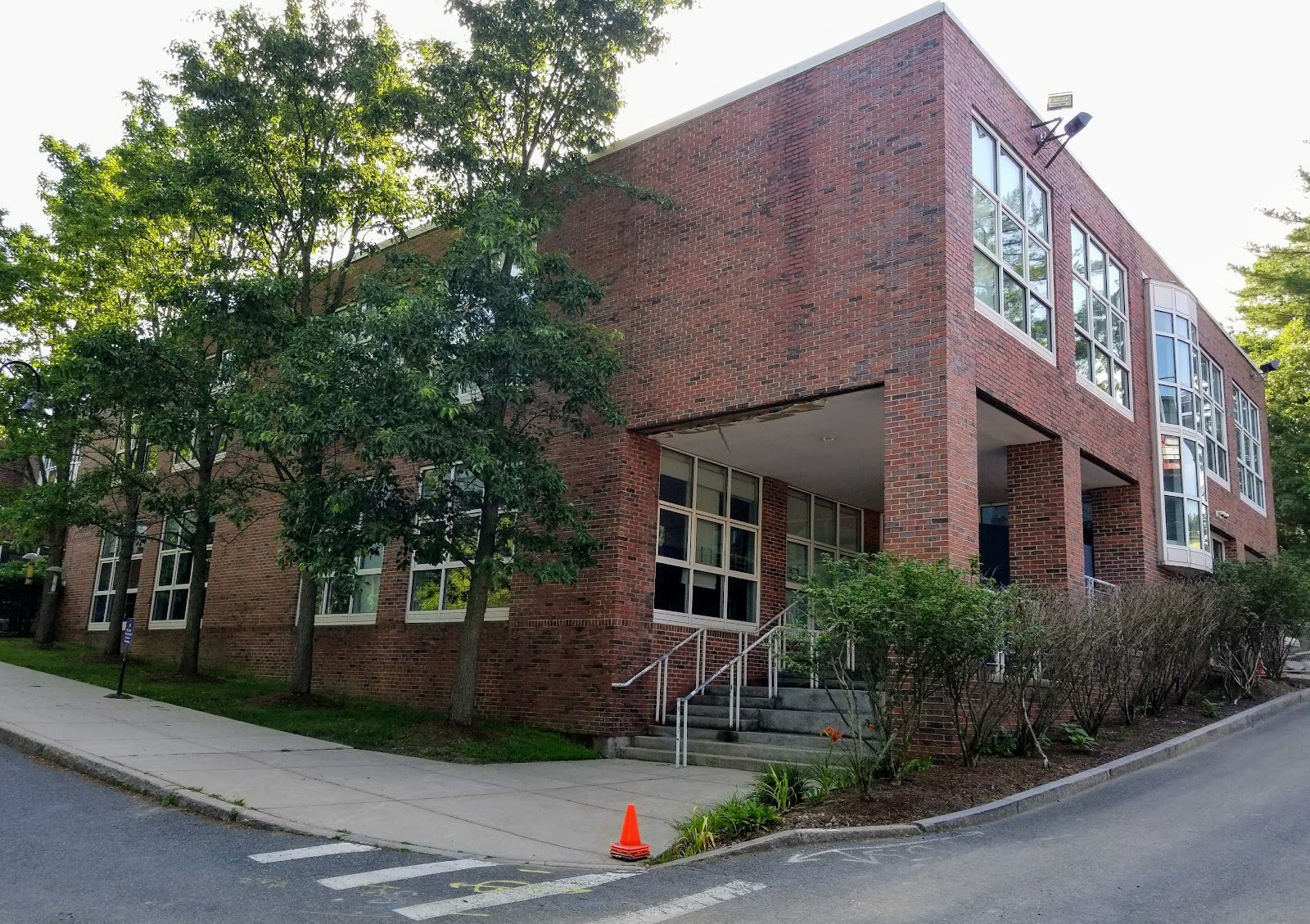
Noble and Greenough School
Dedham · United States
Founded in Boston in 1866, this Charles River campus pairs rigorous academics with hands-on EXCEL leadership training.
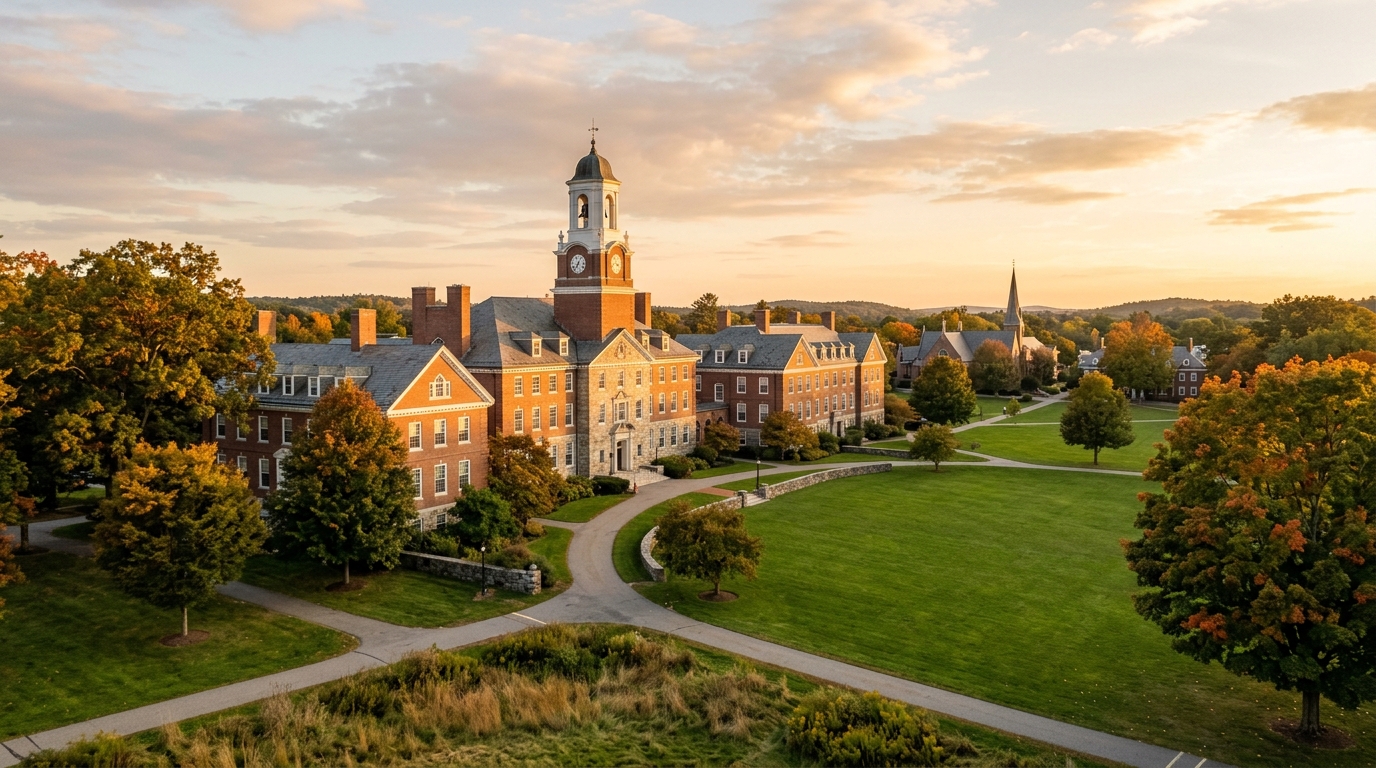
Middlesex School
Concord · United States
A secular alternative to New England's church-affiliated academies since 1901, on an Olmsted-designed campus in historic Concord.
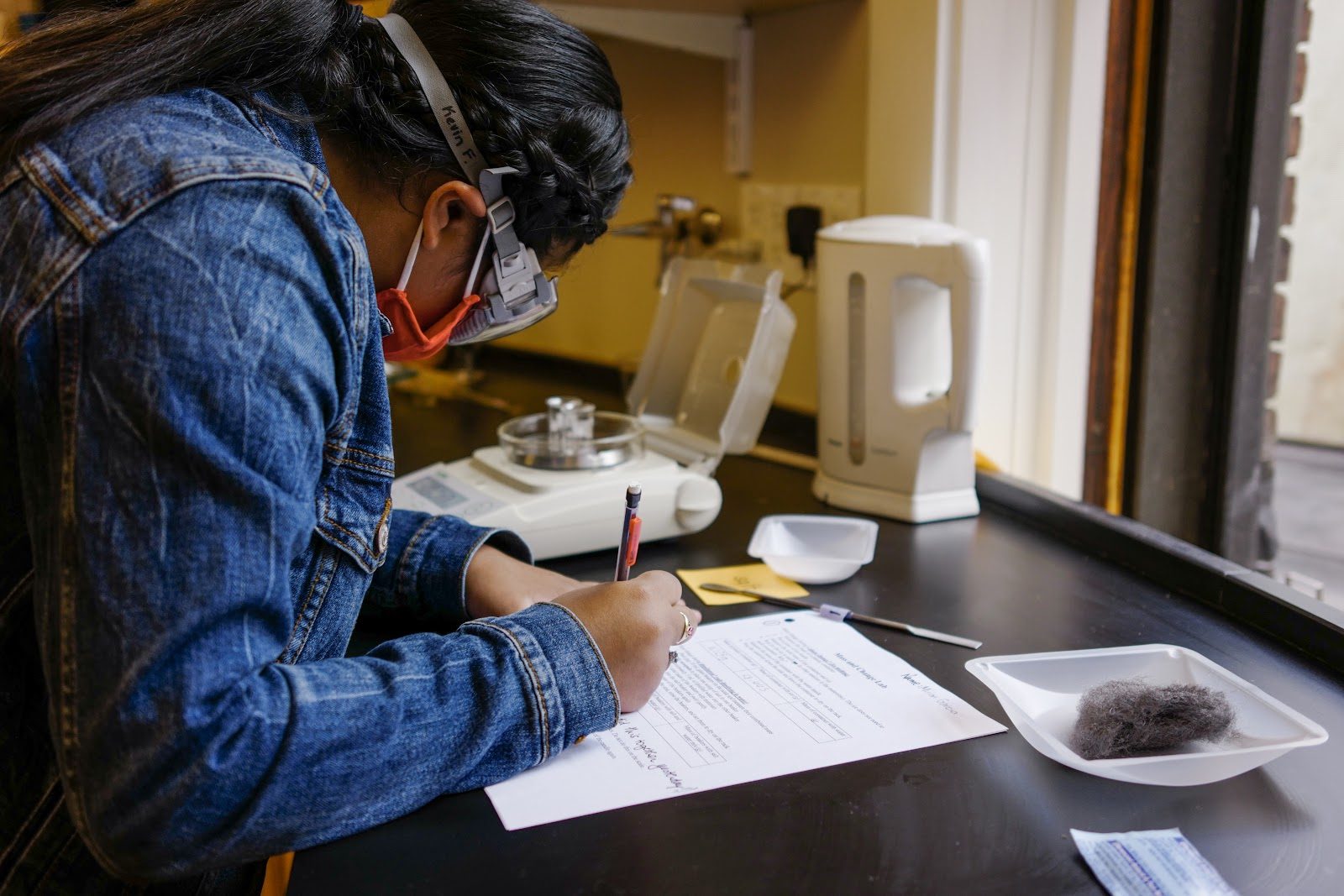
Commonwealth School
Boston · United States
In Back Bay brownstones, a 150-student cohort takes college-level seminars from set theory to Shakespeare

Concord Academy
Concord · United States
No class rank, no academic prizes, and mandatory arts study set apart this selective day-and-boarding school in literary Concord.
Same country and curriculum — closest matches within ±10 points either way