
Nevada
America's first tuition-free public school for profoundly gifted students, embedded on a university campus in Reno.

Photo © The Davidson Academy via Google Maps
Type
Day
Ages
11–18
Curriculum
American · AP
Ratio
—
The Verdict
Editor's commitment
Right for
Profoundly gifted 11–18 year-olds who need a public, tuition-free school on the University of Nevada, Reno campus with AP and 10-pupil classes.
Wrong for
Families wanting a conventional secondary experience: this secular day school in Reno serves a narrow gifted cohort, not the broad middle.
Watch out for
Cognia accreditation and 10-pupil classes are clear; public aggregate AP outcomes and university destinations are not published here.
Ranking breakdown
Davidson Academy of Nevada · #43 of 1591
Composite score 79.7. 8 weighted criteria.
By criterion
Academic Outcomes
Weight 20%
#1
of 1529 scored
University Placement
Weight 16%
#1
of 1529 scored
Prestige & Heritage
Weight 12%
#1219
of 1571 scored
Alumni Network
Weight 12%
#900
of 1530 scored
Facilities
Weight 12%
#732
of 1533 scored
Transparency & Communications
Weight 8%
#22
of 1532 scored
Peer & Industry Review
Weight 10%
#83
of 1548 scored
Admissions Selectivity & Demand
Weight 8%
#1
of 1529 scored
Score history
Davidson Academy of Nevada · 2026
Movement across 2024–2026. Peer average overlaid.
Overall — 2024–2026
79.7/ 100
▲ +49.7 vs 2025
year on year
Peer & Industry Review
How Davidson Academy of Nevada is regarded in the sector
62
Respected · medium confidence
Davidson Academy of Nevada, operated by the Davidson Institute for Talent Development and hosted on the University of Nevada, Reno campus, is well recognized within the niche field of profoundly gifted education, with coverage in outlets like Education Week and the Chronicle of Higher Education discussing its unique early-college model for highly gifted students. It lacks broad mainstream 'best schools' list presence but has a solid, specialized reputation among gifted-education specialists, university partners, and family networks who track programs for profoundly gifted youth.
Evidence sources
Award
Elite Mathematics 60
World's Top School · The Global Ranking
Davidson Academy of Nevada is featured on our Global Top 60 ranking at #49. This seal is available for the school's marketing team to use on their website, prospectus and social channels.
Editors' overview
Davidson Academy of Nevada occupies a niche that almost no other school can credibly claim: a tuition-free public school built for profoundly gifted students, on the University of Nevada, Reno campus, with classes averaging 10 students. That combination matters. Most schools talk about stretch; Davidson is organised around it. The point is not enrichment after the main lesson, but an academic programme calibrated from the start for pupils who move faster, think further and hit the ceiling of standard schooling early. For the right child, that is a serious intellectual release. For the wrong child, it is unforgiving.
Its market position is clear. In the United States, selective options for highly gifted adolescents tend to split into two camps: expensive private schools with strong academics, or magnet and public programmes that still operate within a conventional school frame. Davidson sits outside both. It is public, secular, day-only, and explicitly tailored to a narrow cohort aged 11–18. The American curriculum with AP gives it a recognisable academic structure, while the university setting adds adult air, sharp pace and access to a campus environment that suits students who are ready to live more like undergraduates than schoolchildren. That same setting also strips away a lot of the soft padding families find in traditional schools. Parents looking for broad social normality, Friday-night football culture or a conventional adolescence should look elsewhere.
Why shortlist it? Because for profoundly gifted students, fit matters more than almost any other school variable, and schools built for that level of cognitive intensity are rare. Davidson offers true academic peer group, compressed class sizes and a model that treats exceptional ability as the baseline, not the exception to be managed. The school’s tuition-free status is another decisive advantage: at a time when specialist education often carries punishing fees, 0 tuition changes the equation. The ideal student is academically restless, self-propelled, comfortable around older peers and motivated by ideas rather than school theatre. Students who need heavy pastoral scaffolding, a big-sport identity or social camouflage will find Davidson narrow. Students who want intellectual oxygen and can handle the pressure of a highly specialised environment will find one of the most distinctive offers in American schooling.
An Elite Mathematics 60 school
Davidson Academy of Nevada, on the University of Nevada, Reno campus, sits at rank forty-nine on the Elite Mathematics 60 on the strength of student Christopher Bao, who earned the Gold Award in the 2025 USAMO, placing him in the top 6% of all qualifying students nationally. That result sits alongside a public-school structure built exclusively for profoundly gifted learners, giving the mathematics pipeline unusual depth for a school this size.
The specialism here is less a bolt-on competition squad than a structural feature of the school itself: students are grouped by ability rather than age and are working at least three years ahead in all subjects, so acceleration runs through the whole cohort rather than a handful of stars. Because the Academy sits physically inside UNR, students access dual-enrollment coursework at the university, with the Wikipedia entry noting offerings including differential equations and graduate-level classes once high school material is exhausted; UNR's own graduate mathematics catalogue includes Abstract and Real Analysis and Modern Algebra, the kind of proof-based content rarely available to secondary pupils elsewhere. MATHCOUNTS success has been consistent, with Julian Kuang named top individual mathlete at the Nevada state competition under coaches Darren Ripley and, more recently, Carol Smith-Nichols.
The school's most visible named alumnus is Taylor Wilson, who achieved controlled nuclear fusion at age fourteen while a Davidson Academy student, a physics rather than pure-mathematics landmark but one that captures the institution's tolerance for radically accelerated specialists. Named mathematics olympiad alumni with longer track records are still emerging, and Bao and Kuang currently represent the strongest verified evidence of the pipeline in action.
International openness is limited and should be stated plainly: this is a tuition-free Nevada public school, day-only with no boarding, and admission legally requires students to be, or become, Nevada residents, physically relocating to Reno before the first day of term. There is no visa-sponsorship pathway for boarding overseas applicants. Families abroad seeking a Davidson-built curriculum without relocating should instead look at Davidson Academy Online, a separate accredited school open to US and Canadian residents with published high-school tuition near $17,000. For genuine access to the Reno campus, plan a full family relocation and residency well ahead of the application window, which reopens in August each year.
Academic Performance
Davidson’s academic case rests on selectivity of mission more than published scoreboards. The school offers AP, but we have not seen aggregate AP results, average SAT or ACT outcomes, university matriculation lists, or other cohort-level attainment data in the public domain. That opacity matters. For a school aimed at an extremely specialised population, parents have a right to expect hard external data, not just confidence in the model. In a US market crowded with independent schools and exam-driven magnets that publish score profiles, Davidson is less transparent than it should be on results.
That does not weaken the underlying academic proposition. A school built for profoundly gifted students, with classes averaging 10, starts from a different baseline than mainstream public schools and even many selective independents. Its peer group is the point. Relative to broad American public-school comparators, the ceiling is plainly higher; relative to top selective schools, the question is not whether students are able enough, but whether the school proves attainment with the same rigour. Until Davidson publishes consistent external exam and destination data, its academic performance sits in a rarefied but hard-to-benchmark category: intellectually ambitious, structurally credible, and short on the public evidence that would place it cleanly against elite peers.
Facilities
Facilities at Davidson are defined less by grand physical plant than by access. The decisive asset is its place on a university campus. For students who are already working beyond standard school pace, that matters more than manicured quads or a glossy performing arts centre. The setting gives the school a grown-up academic atmosphere and proximity to the kind of spaces older students need: university libraries, laboratories, lecture rooms and specialist academic infrastructure. That is a stronger proposition than the facilities package at many gifted programmes housed inside ordinary public-school buildings, where the teaching may be advanced but the environment remains conventionally schoolish. Families expecting the sports complexes, theatres and all-purpose student centres of a wealthy independent school will find Davidson deliberately narrow.
That narrowness is not a flaw; it is the model. The school’s own footprint reads as functional rather than lavish, with the emphasis on teaching spaces that support very small-group learning rather than on showcase amenities. Against elite private-school peers, Davidson loses on architectural spectacle and breadth of dedicated school-owned facilities. Against specialist academic programmes for highly able students, it gains from direct integration into a higher-education environment that few schools can match. The average class size of 10 shapes the experience here as much as any building does: less crowd management, more seminar-style work, and a campus context that feels closer to undergraduate life than to a standard secondary school.
Davidson offers true academic peer group, compressed class sizes and a model that treats exceptional ability as the baseline, not the exception to be managed
Prestige
Davidson’s prestige is niche, not broad. It does not carry the old-money social cachet of America’s famous boarding schools, nor the public glamour of a top exam-magnet with heavily advertised results. Its standing comes from rarity and fit. A school built expressly for profoundly gifted students, run as a public institution and charging 0 tuition, occupies a highly unusual place in the market. Among families who know this corner of education well, that carries real weight. The university setting strengthens that reputation: it signals seriousness, speed and a willingness to let adolescents work in an environment closer to higher education than conventional school life. For the right student, that is genuinely prestigious because it is hard to access and harder still to replicate elsewhere.
That prestige has limits, and they matter. Outside gifted-education circles, the name lacks the instant recognition of Phillips Exeter, Stuyvesant or Thomas Jefferson. Prestige here is intellectual rather than social: brain-first, specialised, and indifferent to school-pageantry markers that many parents still associate with status. The school also blunts its own authority by disclosing too little hard outcome data. Prestige rests most securely when selectivity, mission and results all align in public. Davidson has the first two. The third remains frustratingly opaque. That leaves it with strong esteem among informed families and professionals, but a narrower, more technical reputation than the country’s best-known elite schools.
It does not carry the old-money social cachet of America’s famous boarding schools, nor the public glamour of a top exam-magnet with heavily advertised results
Communications
Davidson’s parent communication has to do a harder job than at a conventional school, because the school serves children whose educational needs, pace and emotional profile sit well outside the norm. That raises the standard. Families need clear explanations of placement, academic expectations, workload, social fit and the practical realities of studying on a university campus. The public-facing communication does one important thing well: it states the school’s purpose plainly. There is no fog about whom the school is for. That clarity is useful, adult and refreshingly free of sales patter. The problem sits elsewhere. We have not seen much public evidence of the kind of detailed outcome reporting, parent-facing academic dashboards or routine performance disclosure that would let families judge delivery with confidence. For a school with such a specialised remit, that is a real weakness.
Day-to-day communication inside the school may well be stronger than the public record indicates, but schools earn trust by publishing facts, not by relying on mission. Davidson gives parents a sharp sense of ethos and a weaker sense of measurable results. That imbalance matters more here than at an ordinary school, because families are making a high-stakes decision for children who have already outgrown standard provision. A school this distinctive needs communication that is not just clear in tone but rigorous in evidence. At present, the message is coherent; the proof is thin. The tuition-free model and highly specialised intake lift the school’s profile, but they also raise the bar for transparency to zero tolerance for vagueness.
Uniqueness
What makes Davidson unique is not a single feature but a rare alignment: a public school built for profoundly gifted students, attached to a university campus, and organised around a cohort that standard schools do not handle well. Most schools treat exceptional ability as an outlier to accommodate. Davidson treats it as the operating assumption. That changes the whole experience. Teaching can move at a pace that does not punish quick thinkers with repetition; discussion can start from shared high ability rather than waiting for the room to catch up; intellectual intensity stops being a social liability and becomes the norm. For the right student, that is liberating, serious and hard to replicate.
The gains are clear. Students get a genuine academic peer group, a school culture with little patience for artificial age-staging, and daily life that feels closer to advanced study than to mainstream adolescence. The fact that this sits inside a public, tuition-free model matters just as much as the specialism itself: access is not reserved for families who can pay elite private-school fees. That gives Davidson a radical place in the American market. It also sharpens the trade-off. The school is narrow by design, not socially generic, and better suited to pupils who want stretch than to those who want a broad, conventional school experience. Its distinctiveness brings intellectual relief for a very specific child, and a poor fit for many others.
For the right student, that is genuinely prestigious because it is hard to access and harder still to replicate elsewhere
Student Profile
The right student for Davidson is not just bright, but profoundly advanced in both pace and appetite. This is a school for children who have already exhausted the normal grammar of schooling: those who find age-grade classes slow, who want argument rather than repetition, and who are comfortable being defined by intellect in a way many adolescents spend years trying to hide. The age span starts at 11, which tells you something important about fit: students can arrive early into an environment that expects unusual maturity, independence and tolerance for social difference. A child who needs constant external structure, heavy hand-holding or a broad school culture to carry them along will struggle. A child who wants serious academic company and finds comfort in intensity will settle faster.
Socially, the best-fit student is secure enough to live without mainstream teen markers and thin-skinned conformity. This is not the place for families chasing spectacle, status rituals or a conventional adolescent script. It suits young people who are self-propelled, mentally quick and at ease around peers whose identities are also built around high ability. Because the school sits within a public framework and serves a very specific niche, it also suits families who value mission over polish and precision over theatre. For the wrong child, the environment will feel narrow and exposed. For the right one, it offers something rare: a peer group that does not ask them to slow down.
A school this distinctive needs communication that is not just clear in tone but rigorous in evidence
Co-curricular strengths
Arts & sport, on a separate axis
Overall 3.94/10
Scored 0-10 from the school's own published evidence. This axis is editorial-only — it does not feed the main WTS ranking.
Sports
3.5/10
Drama
4.2/10
Dance
3/10
Music
4.8/10
Visual Arts
4.2/10
Editor first-pass · editor-reviewable · 7/28/2026

WTS 300 badge
2025/26 editionDavidson Academy of Nevada is one of the World's Top 300 Schools for 2025/26. Claim your listing to add it to your site →
Strengths
- +Only free public school in the United States built specifically for profoundly gifted students, with no tuition charged to Nevada residents.
- +Located on the University of Nevada, Reno campus, giving students dual-enrollment access to university-level coursework alongside Academy classes.
- +Ranked the best public high school in America by Niche in 2024 and 4th nationally by U.S. News & World Report.
- +Ability-grouped, non-graded structure lets students progress at a pace matched to their individual capability in each subject rather than age.
- +Established in 2006 as the first public school in the country dedicated to profoundly gifted students, operating under the nonprofit Davidson Institute.
Considerations
- −Admission requires a score at or above the 99.9th percentile on approved IQ or achievement tests, restricting eligibility to roughly 1 in 1,000 children.
- −The Reno day-school place is contingent on Nevada residency, so out-of-state and international families must actually relocate to enroll.
- −Enrollment is very small, with 169 students on the Reno campus in 2024-25, limiting the breadth of extracurriculars, sports and social variety typical of larger schools.
- −The school's entire model is built around a narrow, unconventional population; families seeking a mainstream cohort experience or broad academic middle-ground will find little fit here.
Availability
Primary entry gate & tests
IQ (99.9th%) / SAT / ACT
Gallery
Photo © The Davidson Academy via Google Maps
Photo © The Davidson Academy via Google Maps
Photo © The Davidson Academy via Google Maps
Photo © The Davidson Academy via Google Maps
Photo © The Davidson Academy via Google Maps
Photo © The Davidson Academy via Google Maps
Photo © The Davidson Academy via Google Maps
Photo © The Davidson Academy via Google Maps
Photo © The Davidson Academy via Google Maps
Parent reviews
Have you sent your child here?
Voice reviews carry the strongest trust badge — we transcribe them for you to tidy up before they go live. Prefer to type? A written review is fine too.
Add your voice
In 60 seconds, tell other parents: what's the best thing about Davidson Academy of Nevada, and what surprised you when your child joined?
We ask for a Google sign-in so every review has a real face behind it — no anonymous drive-by attacks on schools, and no faked positive reviews. Your email is never shown publicly.
Send this profile to a friend
International parents rely on word-of-mouth. Share this review with someone weighing the same decision.
Schools with places
Similar schools to Davidson Academy of Nevada with places available now.
St. Mark's School of Texas
Dallas · United States
- 2026-27
- CLOSEDRegular cycle
- 2027-28
- OPENS SOONOpens Sept '26
Stuyvesant High School
New York City · United States
- 2026-27
- CLOSEDStandard route
- 2027-28
- OPENS SOONOpens 6 Oct '26
The Brearley School
New York City · United States
- 2026-27
- CLOSEDConfirmed full
- 2027-28
- OPENS SOONOpens mid-Aug '26
The Nueva School
Hillsborough · United States
- 2026-27
- CLOSEDRegular cycle
- 2027-28
- OPENS SOONOpens Sept '26
Availability first, then country, area, curriculum, price, co-curricular
Consider also
Also worth looking at alongside Davidson Academy of Nevada.
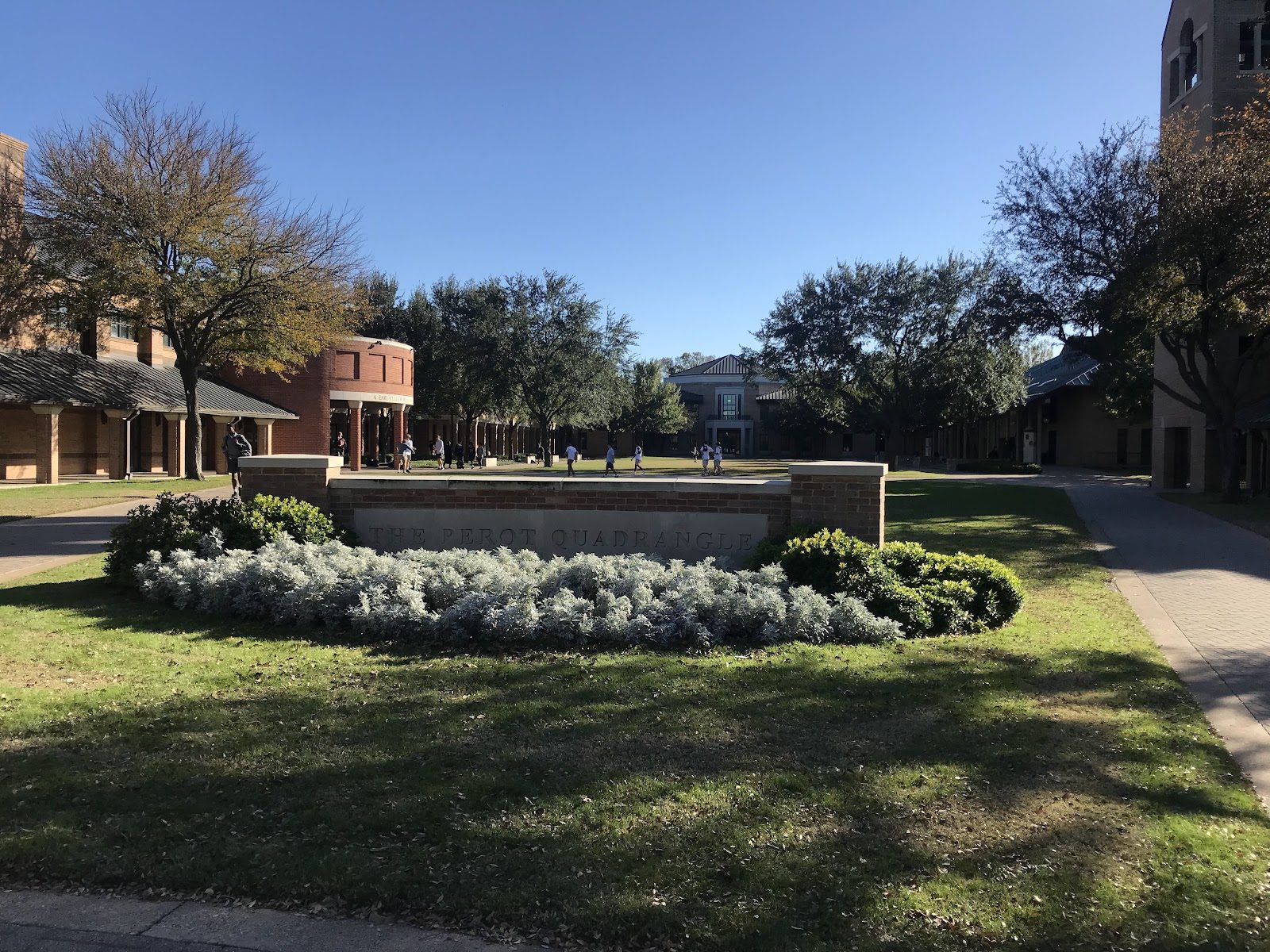
St. Mark's School of Texas
Dallas · United States
An all-boys Dallas day school where ninth graders trade classrooms for a 12-day trek through the Pecos wilderness
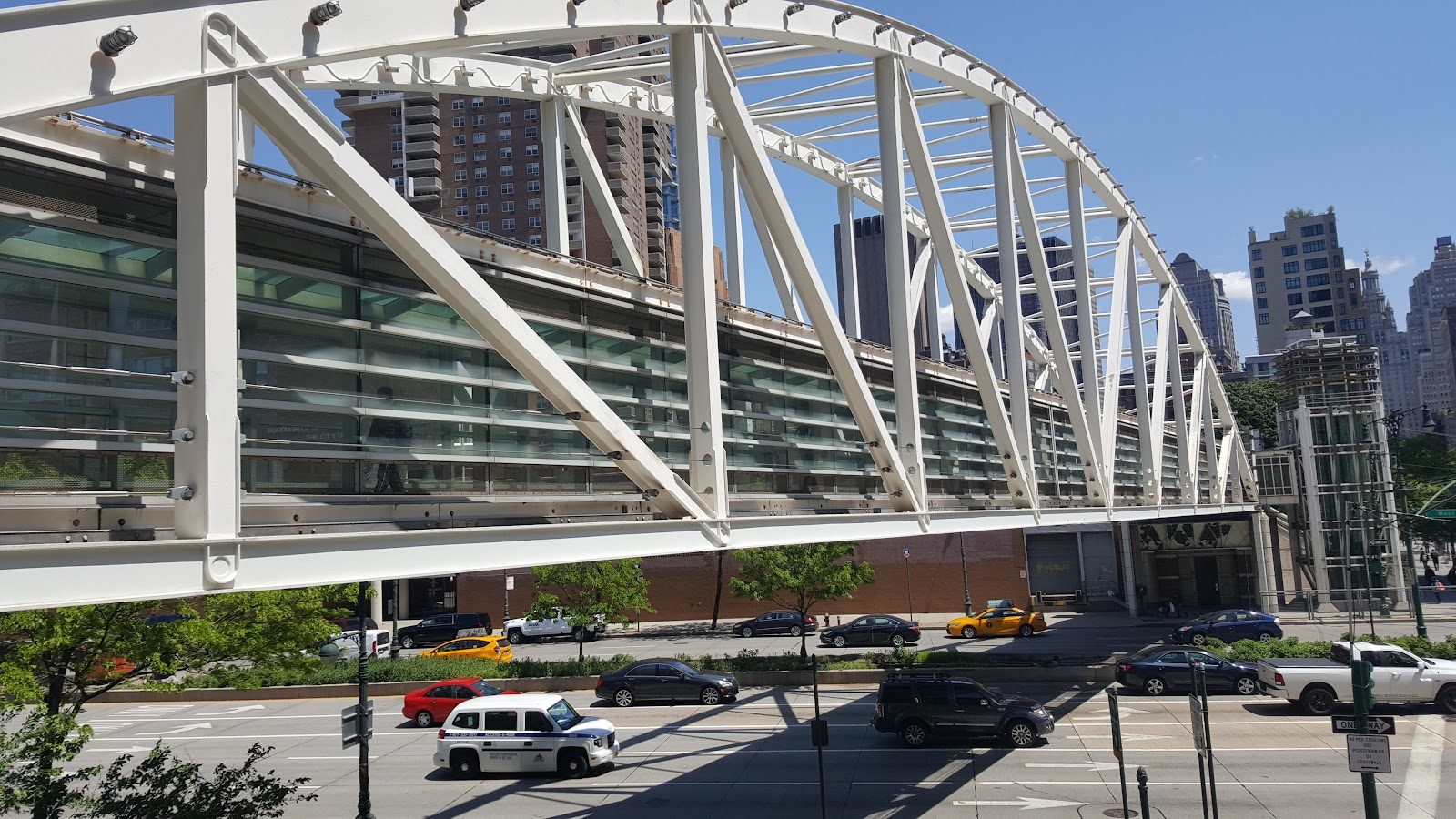
Stuyvesant High School
New York City · United States
A single exam and a sub-3-percent acceptance rate feed a Battery Park City engine for math, science and technology talent.
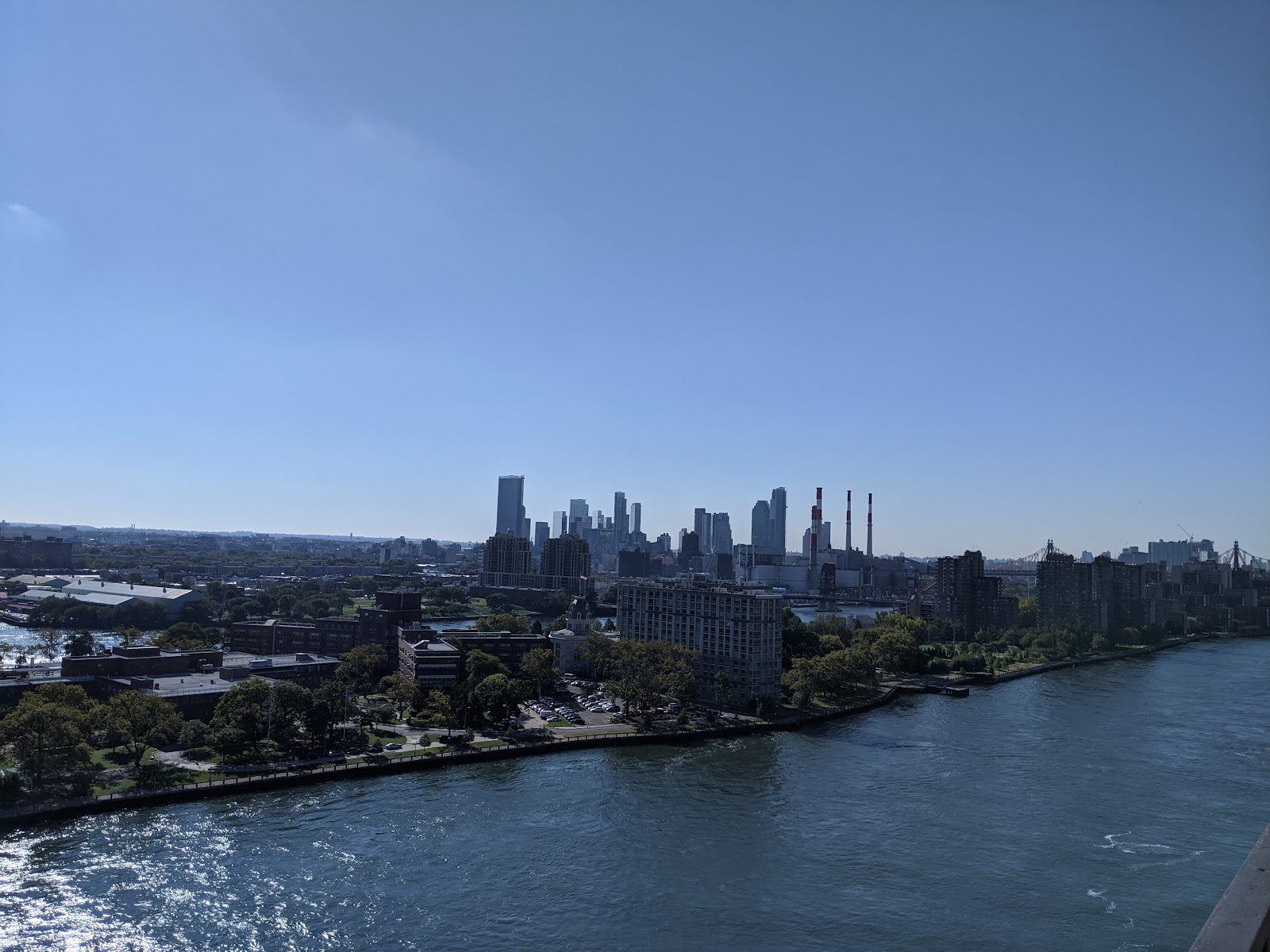
The Brearley School
New York City · United States
Founded in 1884 to match boys' schools in rigor, this Upper East Side day school still leads girls' education in humanities and Ivy placement.
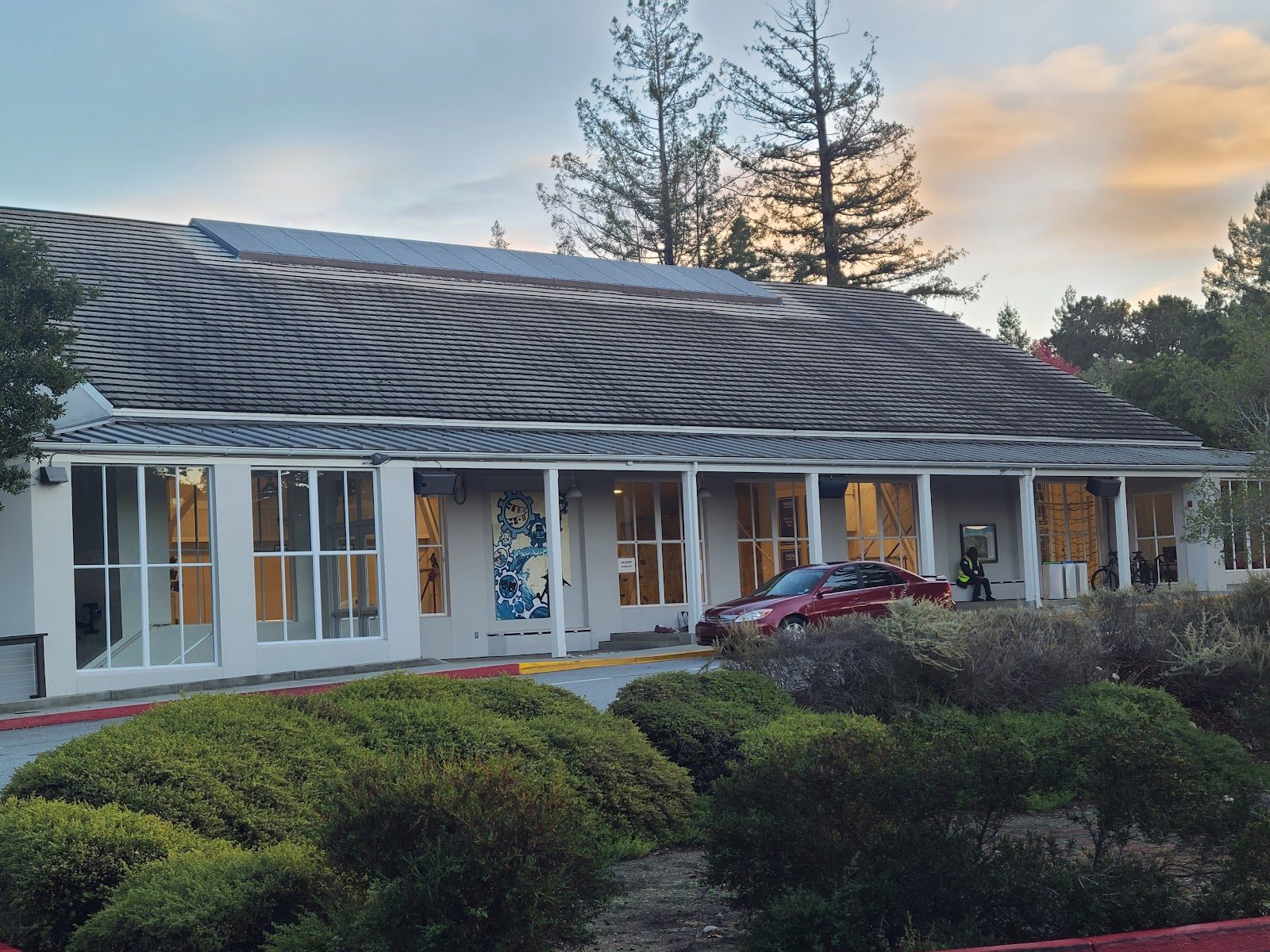
The Nueva School
Hillsborough · United States
Since 1967, a Bay Area laboratory for gifted minds, pairing design thinking with the country's first dedicated social-emotional learning curriculum.
Same country and curriculum — closest matches within ±10 points either way