
Texas
An all-boys Dallas day school where ninth graders trade classrooms for a 12-day trek through the Pecos wilderness
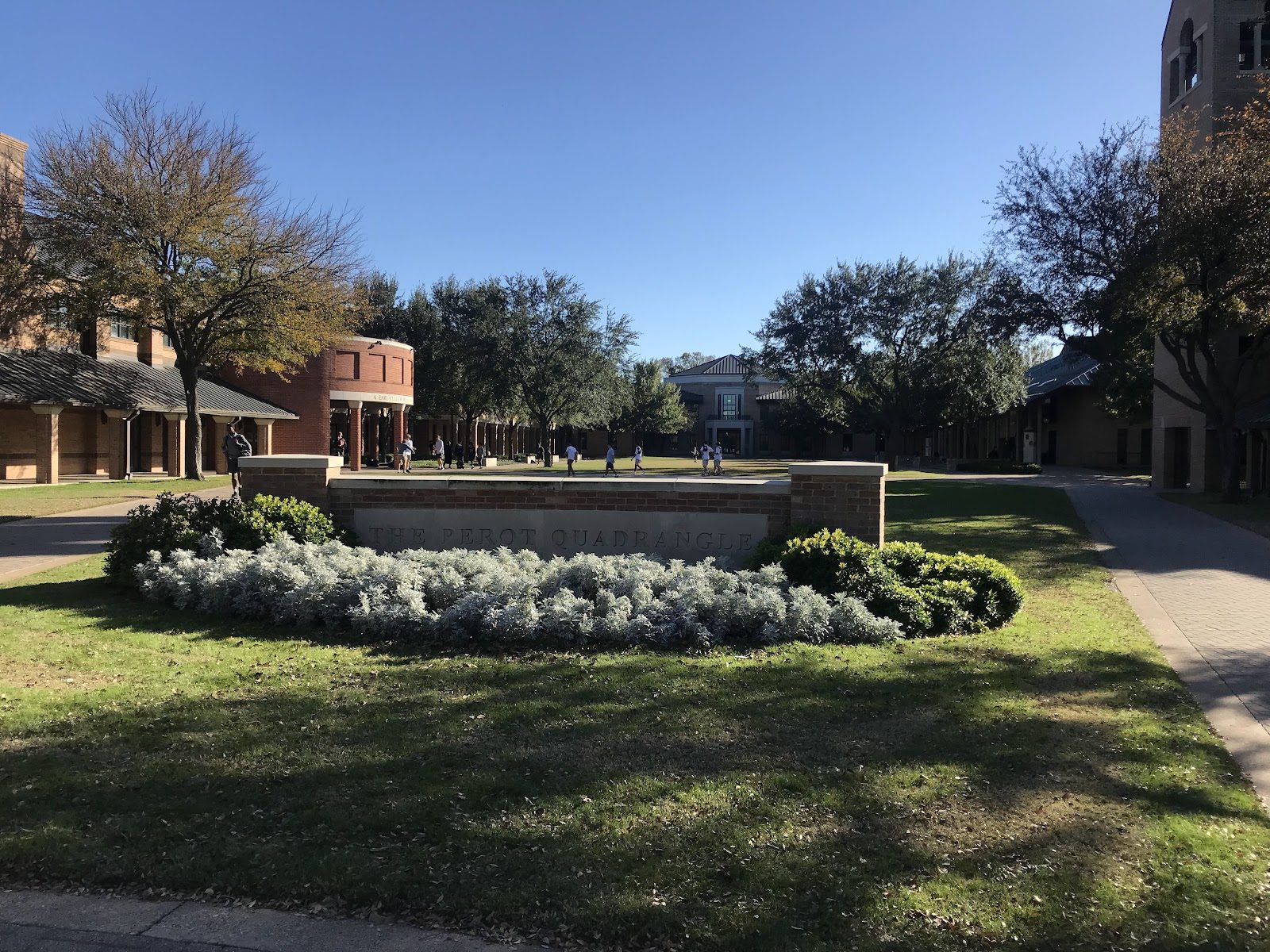
Photo © Ronan A. via Google Maps
Type
Day
Ages
6–18
Curriculum
American
Qualifications
AP
Ratio
—
The Verdict
Editor's commitment
Right for
Boys who want a serious American day school with NEASC and NAIS accreditation, plus a 12-day Pecos wilderness trek in ninth grade.
Wrong for
Families wanting co-education, boarding or a softer runway: St. Mark’s is boys-only, ages 6–18, with 98 leavers in 2026.
Watch out for
At an average $37,731 a year, this Dallas school is expensive, and 17 of 98 leavers still chose the University of Texas at Austin.
Ranking breakdown
St. Mark's School of Texas · #50 of 1591
Composite score 79.7. 8 weighted criteria.
By criterion
Academic Outcomes
Weight 20%
#118
of 1529 scored
University Placement
Weight 16%
#104
of 1529 scored
Prestige & Heritage
Weight 12%
#92
of 1529 scored
Alumni Network
Weight 12%
#48
of 1529 scored
Facilities
Weight 12%
#126
of 1529 scored
Transparency & Communications
Weight 8%
#92
of 1529 scored
Peer & Industry Review
Weight 10%
#146
of 1529 scored
Admissions Selectivity & Demand
Weight 8%
#180
of 1529 scored
Score history
St. Mark's School of Texas · 2026
Movement across 2024–2026. Peer average overlaid.
Overall — 2024–2026
79.7/ 100
▲ +26.7 vs 2025
year on year
Peer & Industry Review
How St. Mark's School of Texas is regarded in the sector
78
Strong · medium confidence
St. Mark's School of Texas is consistently ranked among the top private boys' schools in the U.S. by Niche.com rankings and regularly appears in Texas Monthly and D Magazine coverage of elite Dallas prep schools, with a strong record of Ivy League and top-university matriculation. It has a notable alumni network including prominent business and political figures, though its national/international visibility is more regional than schools like Phillips Exeter or Andover.
Evidence sources
Editors' overview
The detail that sticks is the 12-day Pecos wilderness trek for ninth graders. That tells you a lot about St. Mark’s School of Texas before you even reach the academic pages: this is a boys’ school in Dallas that wants stamina, self-command and a taste for challenge, not just polished classroom performance. The structure is orthodox on paper — an American curriculum, day-only, boys aged 6 to 18, founded in 1906 — but the culture reads as demanding, old-school and intentionally formative. The website gives real weight to outdoor education, student publications, chapel talks, community service and a long-running arts programme alongside the core academic offer. Parents who want a co-ed environment, a softer institutional tone or a more casual approach to adolescence should look elsewhere.
In market terms, St. Mark’s sits in the expensive end of the US day-school sector at an average annual fee of $37,731. That price buys entry to a school with established institutional heft rather than lifestyle gloss. The accreditations listed here — NEASC and NAIS — are solid markers of standing, and the alumni base is not thin: Wikidata alone catalogues 62 notable alumni, including figures across business, science, journalism, film and music, with verified top-tier award winners in drama and music. Outcomes also hold up in plain numbers. The Class of 2026 had 98 leavers, with the largest named destinations The University of Texas at Austin at 17, Texas A&M at 8 and Boston College at 6. That pattern matters. This is not a school built around a narrow Ivy-or-failure script; it feeds strong universities with a visible Texas centre of gravity.
What is special here is not novelty for its own sake. It is the combination of intellectual seriousness, male-only peer culture and a programme that presses boys into public speaking, writing, performance, service and physical endurance. The presence of The ReMarker student newspaper, literary and scientific publications, a planetarium, distinguished guest speakers and long-established drama seasons points to breadth with substance. St. Mark’s belongs on a shortlist for families who want a fiercely structured boys’ education with real extension beyond exams, and who do not need hand-holding from the institution. The pupil who will want St. Mark’s is bright, energetic and not frightened by pressure; a boy who likes being busy, competes well, and will use the school’s scale and traditions rather than resist them. For a reflective or scholarly boy who also wants robust mentoring and challenge, it is a serious proposition. For a child who needs a looser, warmer or more experimental setting, it is the wrong fit.
Academic Performance
St. Mark’s keeps one awkward fact out of public view: it does not publish aggregate SAT, ACT or AP results. For a school with this level of academic ambition and selectivity, that is a conspicuous omission. Many direct competitors in the US independent sector put hard outcome data on the record, whether mean test scores, AP participation, top-grade rates or National Merit counts. Here, parents get a strong college destinations list and a clear college-preparatory identity, but not the exam table that would let them benchmark St. Mark’s cleanly against peers. That limits external scrutiny. It also means any judgement on raw examination performance rests on institutional reputation and university placements rather than published score data.
Even with that caveat, the broad picture is clear. This is a high-pressure, academically serious school whose boys progress in large numbers to selective universities, with 98 leavers in the latest destination cohort and a visible concentration into major research institutions. That pattern places St. Mark’s in the upper tier of American college-prep day schools, though not in the tiny group that trades on a near-monastic fixation with Ivy admissions alone. The stronger reading is substance over scoreboard theatre: a school confident enough in its internal standards not to market every metric, but still exposed to criticism for the lack of published exam results. Parents who want hard data before paying an average annual fee of $37,731 will find the opacity frustrating.
Facilities
The most important facility here is not a single showcase building but a campus set up for range. The school gives dedicated space to 3D design and woodworking, ceramics, painting and drawing, photography, band, choir, orchestra, drama and film studies, then backs that up with student-run outlets that need real production infrastructure: a newspaper, literary magazine, scientific publication and yearbook. Add libraries, a wellness centre, chapel, athletics facilities and a planetarium, and you get a school with the physical means to keep boys occupied from first lesson to late afternoon. The planetarium is the standout because few peer day schools have one on site; it signals a campus built for serious enrichment, not just classrooms and pitches. The outdoor-education strand also matters. A school that sends pupils into the Pecos for 12 days has logistics, staffing and programme support behind it.
Against peer US independent boys’ schools, this is a strong, old-guard facilities profile rather than an architectural arms race. There is no published list here of headline labs, maker spaces or performing-arts centres on the scale some wealthier rivals advertise in minute detail, so parents do not get the full hard-spec inventory. What they do get is breadth with clear evidence of sustained use: long-running drama seasons, substantial music provision, competitive sport and multiple platforms for student work. That compares well with schools that have glossy buildings but thinner intellectual and extracurricular infrastructure. The result is a campus that feels purpose-built for busy boys and light on empty spectacle.
Mark’s is distinctive because it does not dilute that message
Prestige
St. Mark’s carries serious domestic prestige in the American independent-school world, and not the flimsy kind built on branding alone. The signal comes from three places. First, it has the institutional weight of a long-established boys’ school with a deep enough bench to sustain specialist programmes, substantial arts provision, competitive athletics, distinguished guest speakers, multiple student publications and even a planetarium. Second, its alumni record is not decorative. Wikidata alone logs 62 notable former pupils across business, scholarship, journalism, film, music and the arts, with verified top-tier award winners in drama and music. Third, the university destinations pattern confirms that families, pupils and admissions offices treat the school as a high-status launch pad, even if the school declines to publish the full exam-score spreadsheet that would sharpen the academic case.
That said, prestige here has a distinct flavour. This is not a social-finishing school, nor a glossy operation selling aspiration by the metre. Its authority rests on institutional seriousness, competitive masculine culture and a clear idea of what it wants boys to become: articulate, resilient, publicly engaged and able to handle pressure. The school’s own language about leadership, responsibility, discipline and service is old-fashioned in the literal sense, and that cuts both ways. For many families, that is the draw. For others, it will read as rigid, tradition-bound and narrower in temperament than elite co-ed peers. My rating is high because the school has real standing, recognisable outcomes and durable influence, not because it flatters applicants.
The detail that sticks is the 12-day Pecos wilderness trek for ninth graders
Communications
St. Mark’s communicates like an established institution that expects parents to meet it on formal terms. The website is dense, wide-ranging and well organised across admissions, academics, campus life, arts, athletics, publications and alumni, with named routes into practical parent business such as tuition and financial aid, calendars, lunch menus, the Parents’ Association and directory access. That matters because this is a school with a lot going on, and the site gives parents a credible map of the machinery. It also signals culture clearly. The headmaster’s letter, statement of purpose, chapel presence, outdoor education, student newspaper and long archival trails in drama and alumni life all reinforce a school that values continuity, seriousness and institutional memory. For families who like clear hierarchy, old-school formality and high institutional coherence, that works well.
The weakness is the same one visible elsewhere at St. Mark’s: communication is strong on ethos, structure and opportunity, weaker on the hard performance data many fee-paying parents now expect. You can find rich detail on programmes and school life, but not the aggregate exam results that would sharpen academic accountability. Nor does the public-facing communication strain to reassure nervous families with a soft, confiding tone. This is not hand-holding communication. It is self-possessed, information-rich and at points deliberately austere. For parents comfortable navigating a busy independent-school ecosystem, that is efficient. For parents who want cleaner comparative data and more warmth, it falls short.
Uniqueness
What sets St. Mark’s apart is the coherence of its idea of boyhood. Plenty of boys’ schools talk about character; this one builds it into the machinery of school life. The Pecos trip is the cleanest example: a 12-day wilderness expedition for the entire ninth-grade cohort that turns resilience and interdependence into lived experience rather than assembly rhetoric. The same pattern runs through the rest of the school. Boys are pushed into print through The ReMarker and other student publications, onto stages through a drama tradition with real longevity, and into public argument through guest speakers, chapel talks and a culture that prizes defending one’s own views. That produces a deliberately demanding, old-fashioned education in the strict sense: discipline, responsibility, service, endurance.
The benefit for pupils is breadth with teeth. A bright boy does not need to choose between scholarship, performance, sport and technical hobbies because the school has built routes into all of them, from woodworking and ceramics to orchestra, film studies and a planetarium. The result is a peer culture that rewards competence in public, not private drifting. For the right pupil, that is formative and high-yield: he learns to speak, write, perform, lead and cope when things are uncomfortable. For the wrong pupil, it can feel unforgiving and intensely conformist. St. Mark’s is distinctive because it does not dilute that message.
Parents who want a co-ed environment, a softer institutional tone or a more casual approach to adolescence should look elsewhere
Student Profile
The boy who fits St. Mark’s is bright, energetic and happy in a culture that rewards output in public. He needs to tolerate scrutiny, competition and a steady diet of expectations from adults and peers alike. This is not a place for coasting. The school’s own language centres on discipline, responsibility, leadership and service, and the programme backs that up with real demands: boys write for publications, perform, debate, train, serve and, in Upper School, head into the wilderness for 12 days with their year group. That mix suits pupils who like being stretched across several fronts at once and who take pride in mastering hard things. It also suits boys who respond well to structure and to a clear code of conduct. The all-boys setting will appeal to families who want an environment built around male adolescent development rather than mixed-school social dynamics.
The tougher question is who will not thrive. A boy who needs a gentler tempo, a looser institutional style or frequent emotional cushioning will find the culture hard going. So will one who dislikes organised busyness or resists collective expectations. St. Mark’s has room for intellectually serious, artistic and reflective pupils, but they still need enough backbone to handle a high-pressure peer group and a school that prizes self-command over self-display. In practical terms, the best fit is a boy who is curious, resilient, willing to be occupied from morning to evening, and unbothered by a campus ethos that is demanding, formal and not for the faint-hearted.
Mark’s sits in the expensive end of the US day-school sector at an average annual fee of $37,731
Co-curricular strengths
Arts & sport, on a separate axis
Overall 7.8/10
Scored 0-10 from the school's own published evidence. This axis is editorial-only — it does not feed the main WTS ranking.
Sports
9.2/10
Absolute athletic powerhouse in the Southwest SPC league, utilizing state-of-the-art indoor pavilions, pools, and pristine turf layouts.
Drama
8.3/10
High-quality seasonal theater tracker staging complex, technically demanding productions inside the modern Robert K. Weiss '72 Black Box.
Dance
3.8/10
Strong afternoon performance track providing core choreography assets for major collaborative musical theater shows with neighboring schools.
Music
9/10
Outstanding musical depth; features the renowned St. Mark's Choir alongside active jazz ensembles and symphonic bands.
Visual Arts
8.7/10
Exceptional art school infrastructure running top-tier advanced studios for architecture, fine oil painting, and high-end digital photography.
Editor-verified · 8/7/2026
Outcomes & destinations
Where students go next
Class of 2026
98 graduates
Top destinations
109 placements
- The University of Texas at Austin· 17
- Texas A&M University-College Station· 8
- Boston College· 6
- Duke University· 4
- Northwestern University· 4
- Clemson University· 3
- Columbia University in the City of New York· 3
- Stanford University· 3
- University of Chicago· 3
- Vanderbilt University· 3
- Washington University in St Louis· 3
- Amherst College· 2
- Claremont McKenna College· 2
- Cornell University· 2
- Georgetown University· 2
- Indiana University-Bloomington· 2
- Tulane University of Louisiana· 2
- University of Florida· 2
- University of Michigan-Ann Arbor· 2
- University of Pennsylvania· 2
- Wake Forest University· 2
- Auburn University· 1
- Austin Community College District· 1
- Brown University· 1
- Case Western Reserve University· 1
- Chapman University· 1
- College of Charleston· 1
- Dartmouth College· 1
- Emory University· 1
- Georgia Institute of Technology· 1
- Harvard University· 1
- IE University - Madrid Campus· 1
- Johns Hopkins University· 1
- Massachusetts Institute of Technology· 1
- New York University· 1
- Northeastern University· 1
- Purdue University-Main Campus· 1
- Rhode Island School of Design· 1
- Rice University· 1
- Santa Clara University· 1
- Swarthmore College· 1
- United States Naval Academy· 1
- University of Austin· 1
- University of California-Davis· 1
- University of Illinois Urbana-Champaign· 1
- University of Miami· 1
- University of North Carolina at Chapel Hill· 1
- University of North Texas· 1
- University of Oklahoma-Norman Campus· 1
- University of Virginia-Main Campus· 1
- William & Mary· 1
- Williams College· 1
- Yale University· 1
Reported by the school. Confirm with admissions.
Notable alumni · Wikidata
62notable alumni
11 historic (born pre-1930) · 13 modern (born post-1970)wikidata:2026-07-28 How we source this

WTS 300 badge
2025/26 editionSt. Mark's School of Texas is one of the World's Top 300 Schools for 2025/26. Claim your listing to add it to your site →
Strengths
- +Very low student-teacher ratio of about 9 to 1, with roughly 15 students per class period in the Middle and Upper Schools.
- +Strong college-preparatory record, with Niche reporting that 100% of graduates go on to a four-year college.
- +Substantial financial aid resources: the school awards more than $3 million annually and, per its own figures, financial aid can cover approximately 90% of tuition for families earning under $140,000.
- +Long, stable institutional history dating to 1906, with a sizeable endowment (reported at $181-$200 million in recent filings) supporting facilities and faculty.
- +Established alumni network in business, law, medicine, sport and the arts, including entertainment figures such as Luke Wilson and Tommy Lee Jones and multiple alumni who have played in the NFL.
Considerations
- −All-boys institution with no coeducational option, which will not suit families seeking a mixed-gender environment.
- −Day school only, with no boarding or homestay program; students must live with a parent or guardian in the Dallas metropolitan area, ruling it out for families relocating without a local base.
- −Selective admissions, with an acceptance rate reported around 15-20%, meaning entry is competitive even at the earliest grades.
- −Among the more expensive private schools in Dallas; local reporting has placed its tuition as the third-highest in the city, after Greenhill School and the Episcopal School of Dallas.
Availability
Primary entry gate & tests
ISEE + Interview (Boys)
Gallery
Photo © Ronan A. via Google Maps
Photo © Metroplex Aerials via Google Maps
Photo © St. Mark's School Of Texas via Google Maps
Photo © St. Mark's School Of Texas via Google Maps
Photo © St. Mark's School Of Texas via Google Maps
Photo © St. Mark's School Of Texas via Google Maps
Photo © St. Mark's School Of Texas via Google Maps
Parent reviews
Have you sent your child here?
Voice reviews carry the strongest trust badge — we transcribe them for you to tidy up before they go live. Prefer to type? A written review is fine too.
Add your voice
In 60 seconds, tell other parents: what's the best thing about St. Mark's School of Texas, and what surprised you when your child joined?
We ask for a Google sign-in so every review has a real face behind it — no anonymous drive-by attacks on schools, and no faked positive reviews. Your email is never shown publicly.
Send this profile to a friend
International parents rely on word-of-mouth. Share this review with someone weighing the same decision.
Schools with places
Similar schools to St. Mark's School of Texas with places available now.
Davidson Academy of Nevada
Reno · United States
- 2026-27
- PLACES OPENApplications still open
- 2027-28
- OPENS SOONOpens late summer '26
Loomis Chaffee School
Windsor · United States
- 2026-27
- WAITPOOLLate/Rolling Space Available
- 2027-28
- OPENS SOONOpens 1 Sept '26
Riverdale Country School
New York City · United States
- 2026-27
- WAITPOOLLate application possible
- 2027-28
- OPENS SOONOpens 8 Sept '26 (Noon ET)
Ethical Culture Fieldston School
New York City · United States
- 2026-27
- WAITPOOLLimited late availability
- 2027-28
- OPENS SOONOpens post-Labor Day '26
Availability first, then country, area, curriculum, price, co-curricular
Consider also
Also worth looking at alongside St. Mark's School of Texas.
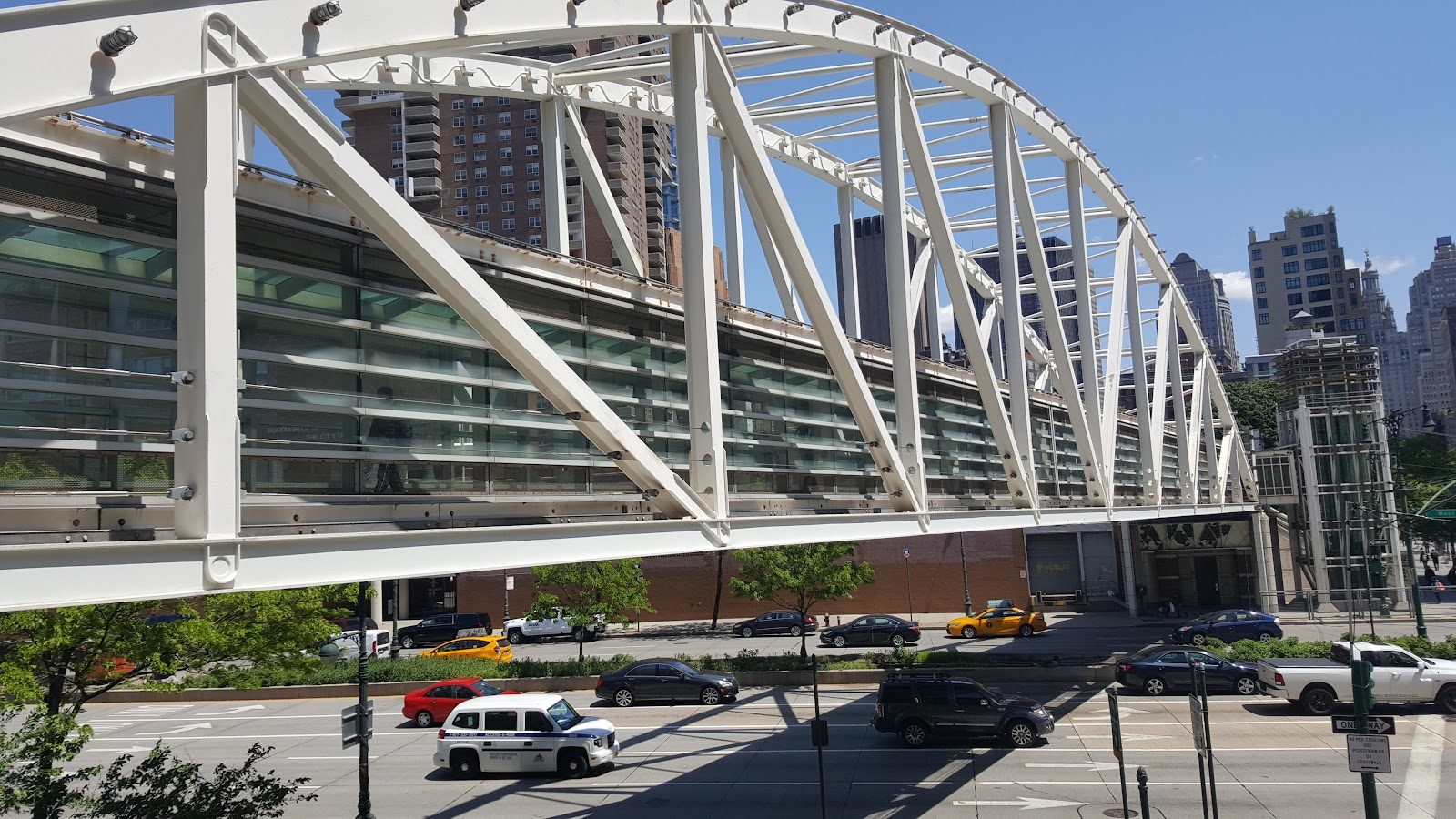
Stuyvesant High School
New York City · United States
A single exam and a sub-3-percent acceptance rate feed a Battery Park City engine for math, science and technology talent.

Davidson Academy of Nevada
Reno · United States
America's first tuition-free public school for profoundly gifted students, embedded on a university campus in Reno.
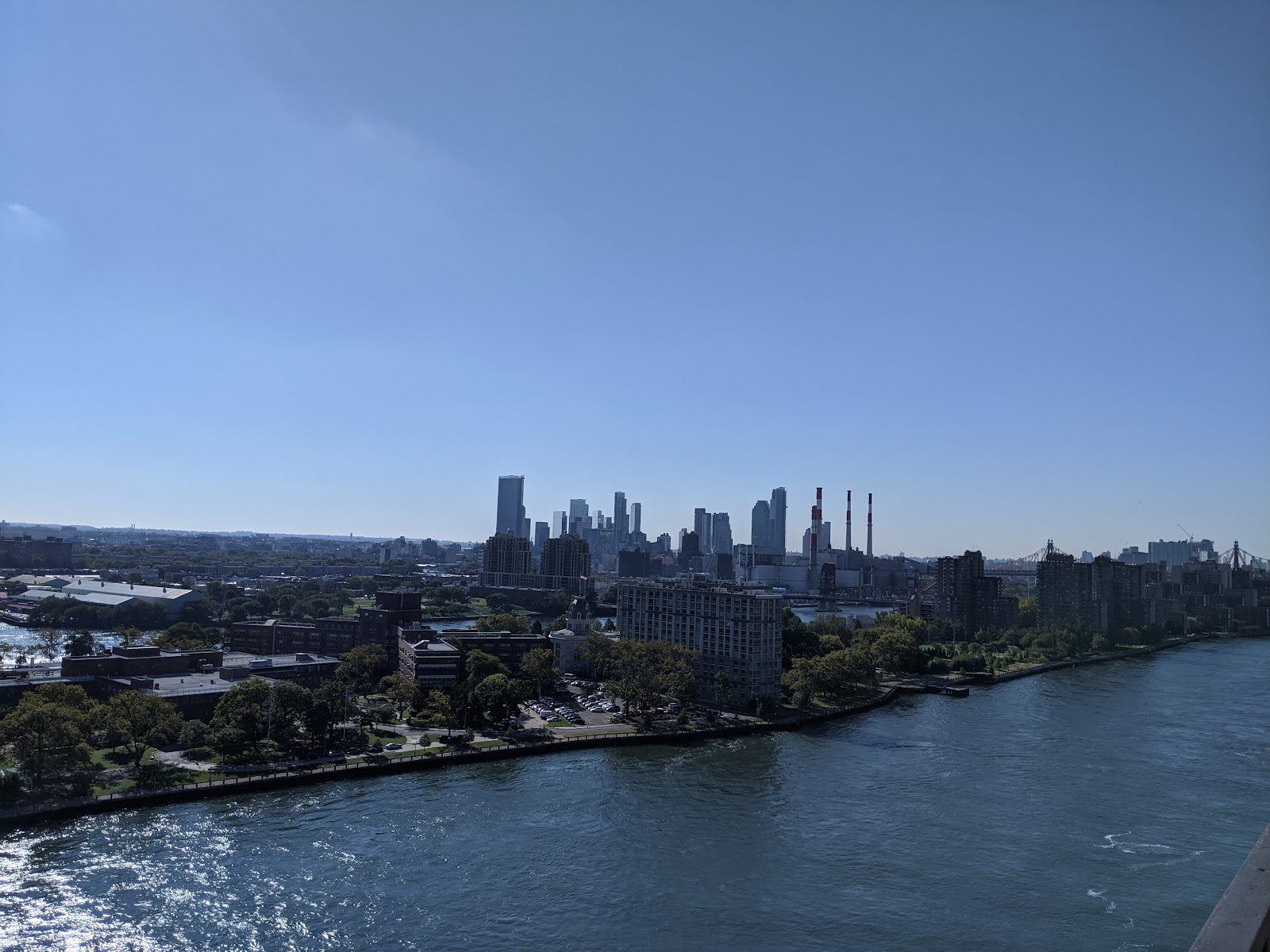
The Brearley School
New York City · United States
Founded in 1884 to match boys' schools in rigor, this Upper East Side day school still leads girls' education in humanities and Ivy placement.
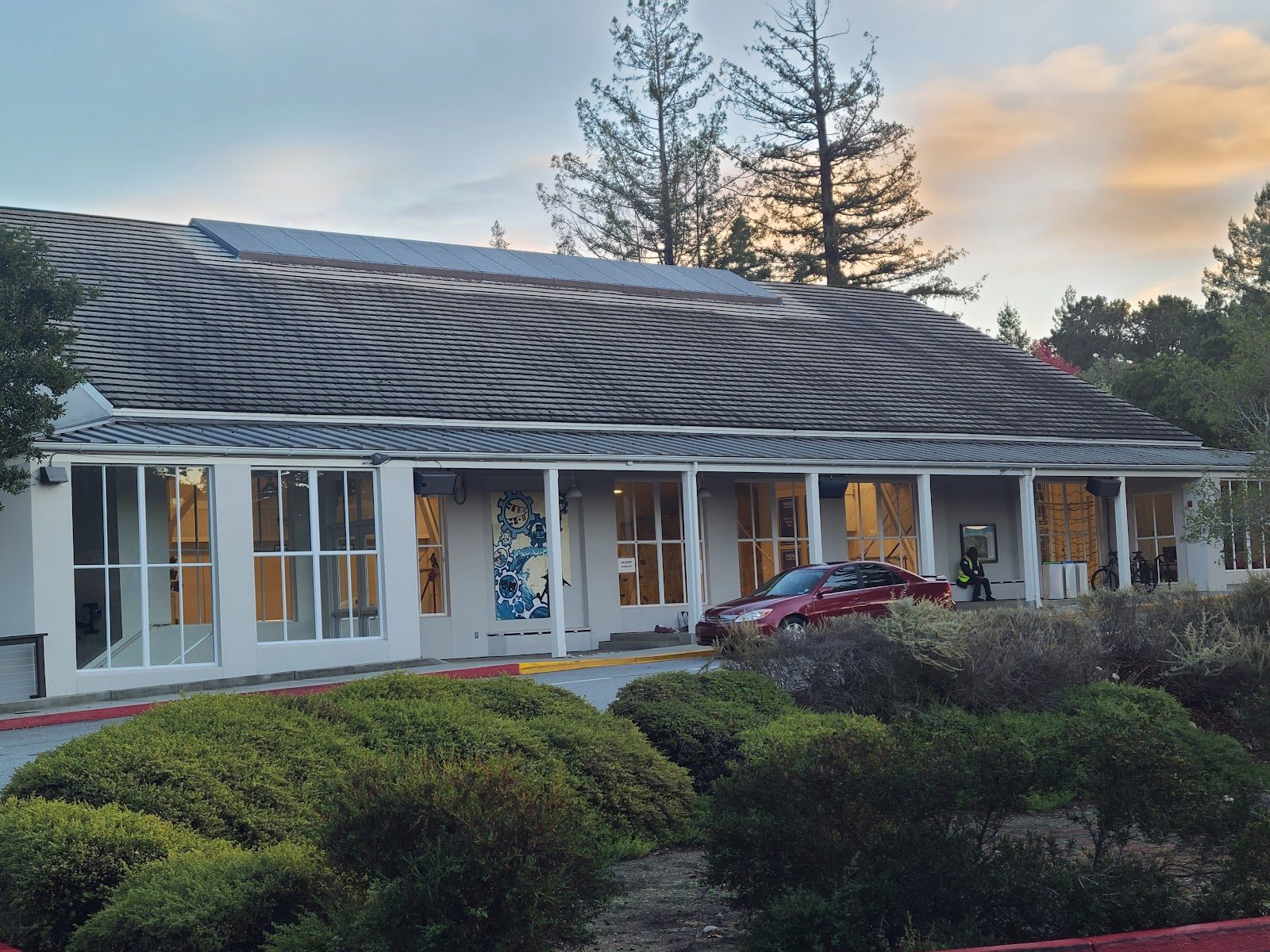
The Nueva School
Hillsborough · United States
Since 1967, a Bay Area laboratory for gifted minds, pairing design thinking with the country's first dedicated social-emotional learning curriculum.
Same country and curriculum — closest matches within ±10 points either way