
Connecticut
On a river-cut 'Island' campus, seniors trade classrooms for client work each spring in the Innovation Trimester.
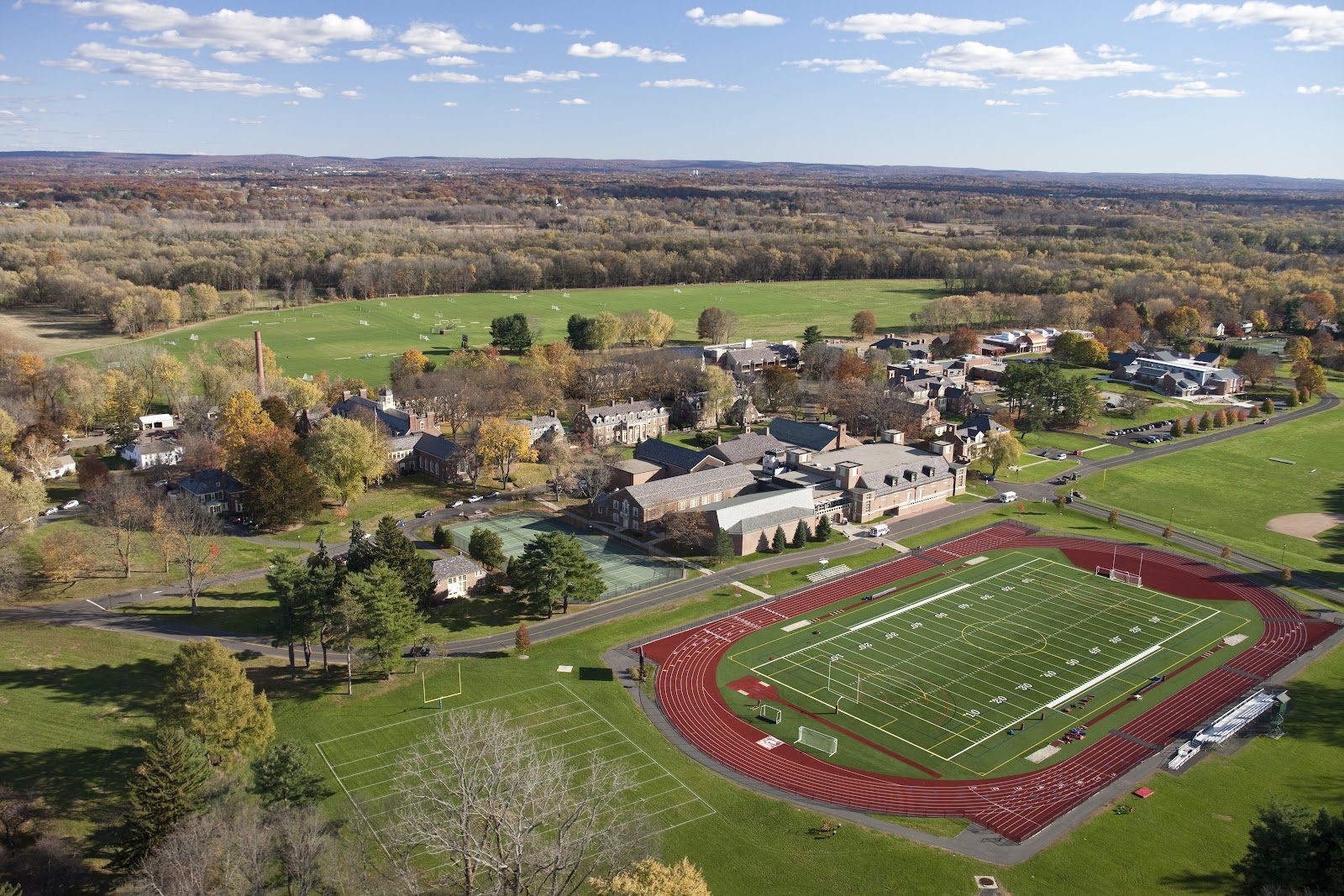
Photo © Loomis Chaffee School via Google Maps
Type
Both
Ages
14–19
Curriculum
American
Qualifications
AP
Ratio
10:1
The Verdict
Editor's commitment
Right for
Students aged 14–19 who want a serious American boarding school: 10:1 staffing, average classes of 18, and the Innovation Trimester.
Wrong for
Families wanting a cheap option or a specialised religious school; Loomis is non-religious and averages $59,460 day, $77,340 boarding.
Watch out for
Founded in 1914 and accredited by NEASC and NAIS, Loomis sells breadth and polish; check whether your child needs more edge.
Score history
Loomis Chaffee School · 2026
Movement across 2024–2026. Peer average overlaid.
Overall — 2024–2026
78.4/ 100
▲ +21.9 vs 2025
year on year
Peer & Industry Review
How Loomis Chaffee School is regarded in the sector
82
Strong · medium confidence
Loomis Chaffee is consistently ranked among the top elite New England boarding schools alongside peers like Choate, Hotchkiss, and Deerfield, frequently appearing in Niche.com and Boarding School Review rankings of best US boarding schools. It has a strong, well-documented alumni network including notable figures in business, politics, and media, and is a member of the selective Eight Schools Association, signaling peer recognition among top-tier prep schools. It draws sustained attention in specialist education press covering New England boarding school admissions and college matriculation outcomes, though it sits slightly below the very top tier (Andover, Exeter, Groton) in prestige signaling.
Evidence sources
Editors' overview
What sets Loomis Chaffee apart is not a slogan about character but the fact that it gives older pupils a structured route out of the classroom and into live work. The Innovation Trimester, where seniors spend the spring on client-based projects, is a serious differentiator in a crowded American boarding-school market. So is the setting: a river-cut campus in Windsor that the school itself treats as part of its identity. This is an American school for ages 14 to 19, taught in English, with a 10:1 student-teacher ratio and an average class size of 18. Those are strong operational numbers: small enough for real access to teachers, large enough to avoid the narrowness and social claustrophobia that can afflict smaller boarding schools.
The school’s strongest selling point is breadth with structure. Loomis Chaffee promises rigorous academics, high-level athletics and expansive arts provision, and that mix matters because many schools manage two of those three well and leave the third as window dressing. The mission language about “the best self and the common good” is standard American independent-school rhetoric; the more persuasive fact is that the school has been co-educational and non-religious in its admissions stance since opening in 1914, with a clear statement that students are welcomed regardless of religious or political beliefs, gender, national origin or financial resources. Accreditation by NEASC and NAIS gives the school the expected institutional credibility. The fees place it squarely in the top-tier US independent bracket: an average annual day fee of $59,460 and an average annual boarding fee of $77,340.
This is not the right school for every child. Loomis suits students who want a full residential-school experience without a military edge, a religious frame or a single-track academic culture. It will appeal to ambitious pupils who can handle a busy campus, want strong teachers, and intend to use sport, arts or applied projects as more than decorative extras. It also suits internationally minded families who want a boarding school with an inclusive social brief rather than an old-guard, socially coded atmosphere. Students who need an ultra-specialist conservatoire model, a small therapeutic setting, or a stripped-back academic environment with little co-curricular expectation will find better fits elsewhere. For the right child, though, Loomis earns a shortlist place because it combines serious academic intent, a broad campus life and a sixth-form experience that extends beyond conventional college-prep routine.
Academic Performance
Loomis Chaffee does not publish the sort of exam scoreboard that makes comparison easy. We have not seen aggregate SAT, ACT, AP or IB figures in the public domain, and the school does not foreground university matriculation data in the way some US boarding-school rivals do. That matters. In a market where the strongest schools can point to hard external benchmarks, this level of opacity leaves parents judging academic performance through proxies: selectivity, staffing, course breadth, and the school’s willingness to build applied academic programmes such as the senior Innovation Trimester. That points to a school with serious academic ambition, but not one that invites a cold, data-led league-table reading.
Relative to peers, Loomis sits in the upper tier of American college-preparatory boarding schools, but without the publicly quantified outcomes that would push it into the results-obsessed category. The academic proposition reads as broad rather than narrow: rigorous classroom study, substantial arts and athletics, and a clear attempt to connect senior study to real-world work. For many families, that is a strength, not a compromise. For families who want forensic proof in the form of published exam distributions and destination grids, Loomis asks for more trust than the most transparent competitors. That does not weaken the school’s academic reputation; it does limit how precisely its external performance can be ranked against the very top data-rich names.
Facilities
The campus itself is one of Loomis Chaffee’s major assets. The school sits on an “Island” cut by the Farmington River, and that geography gives it a distinctive sense of enclosure that many American boarding schools chase but do not achieve. This is a large, self-contained setting, with 300 acres to work with, and the school uses that scale in the conventional independent-school way: room for athletics, arts and residential life to coexist without feeling squeezed into one another. Against peers, that places Loomis in the upper bracket for physical plant. It does not trade on an urban address or a single signature building; its advantage is a campus that supports a full-spectrum boarding-school life and gives students space to move between academic, sporting and social worlds without friction.
The important point for parents is not luxury but functionality. Schools that promise rigorous academics, championship-level sport and expansive arts need the estate to back those claims up. Loomis has that estate. The weakness is that the school does not publish a sharply detailed public case for standout specialist facilities in the way some rivals do, whether that means a marquee performing arts centre, a flagship science complex or a headline athletics venue. So the verdict is clear: the campus is impressive, substantial and well-suited to residential education, but the public picture is stronger on overall environment than on facility-by-facility distinction. That still puts Loomis comfortably in top-tier company, just short of the schools whose buildings themselves function as part of the sales pitch.
The fees place it squarely in the top-tier US independent bracket: an average annual day fee of $59,460 and an average annual boarding fee of $77,340
Prestige
Loomis Chaffee carries serious national prestige in the American independent-school world. It is not a niche local school with a grand website; it is an established boarding-school name with reach beyond its region, drawing pupils from 51 countries and 27 US states. That breadth matters because prestige in this market rests not only on price or age, but on whether a school can attract families with options. Loomis does. Its alumni record adds weight: at least 29 notable alumni are catalogued in Wikidata across politics, scholarship, journalism, the arts and music. That is not decorative name-dropping. It signals a school with a durable network and a track record of sending graduates into public-facing and intellectually serious fields.
The prestige here is broad-based rather than myth-soaked. Loomis sits below the tiny handful of US boarding schools whose names function as global luxury shorthand, but it is firmly inside the group that sophisticated families recognise as top-rank and worth competing for. The school’s standing also benefits from scale and composition: a substantial student body, a strong residential majority, and an international footprint that gives the community more than a provincial feel. The weak point is public academic transparency. Schools at the very top of the prestige ladder can pair reputation with hard outcome data and make the case airtight. Loomis relies more on institutional reputation, peer standing and long-developed trust. That still places it in elite company; it just stops short of the most rarefied tier.
That does not weaken the school’s academic reputation; it does limit how precisely its external performance can be ranked against the very top data-rich names
Communications
Loomis Chaffee communicates with parents in the way strong American boarding schools tend to: confidently, institutionally and with a clear sense of audience. The public-facing message is polished and consistent. Admissions pages, the main About section and calls to visit campus all reinforce the same line about challenge, belonging and opportunity. That coherence matters. Parents are not forced to decode mixed messages from different corners of the school. The school also gives useful top-line facts without fuss — enrolment, the boarding-day split, diversity data and the reach of the student body — which signals a communications culture that understands what parents actually want to know. For an international family, the fact that students come from 51 countries gives that message extra force.
The weakness is depth. Loomis is strong on identity and less strong on disclosure. It tells families what the school values, what sort of community it wants and what kind of student life it offers. It is less rigorous when parents want hard operational detail: public academic results are thin, and the school does not build a data-led case with the forensic clarity that the best communicators now provide. That limits trust at the margin, especially for families making an expensive decision from abroad. Still, the overall standard is high-calibre and well controlled: warm without gush, polished without chaos, and clear enough to give parents a solid feel for the school’s culture before they ever step onto campus.
Uniqueness
What marks Loomis Chaffee out is not heritage or acreage on their own, but the way the school turns place and programme into a coherent senior experience. The “Island” identity is more than branding: a river-bounded campus creates a self-contained, all-in boarding-school atmosphere that intensifies community life and gives adolescents room to test independence without the distractions of a city campus. Add a student body drawn from 51 countries and 27 states, and the result is a school that mixes New England tradition with a social range wider than many old-line American rivals. That matters for students. Daily life is not confined to one region’s assumptions or one narrow social type.
The sharper differentiator is the Innovation Trimester. Many schools talk about applied learning; Loomis builds a dedicated spring term in which seniors work on client-based projects beyond standard classroom routine. That is genuinely distinctive. It gives older pupils a controlled transition from school to adult expectations: deadlines set by real work, collaboration that carries consequences, and a taste of professional ambiguity before university. For the right student, that produces more than polish. It builds judgement, stamina and the habit of turning academic knowledge into action. The trade-off is clear too: this is not a monastic, exam-only school. Students who want a narrow, score-maximising final year may find the model too expansive. For intellectually ambitious pupils who want school to connect with the world outside it, Loomis offers a serious, modern answer.
That still puts Loomis comfortably in top-tier company, just short of the schools whose buildings themselves function as part of the sales pitch
Student Profile
Loomis Chaffee suits adolescents who want a busy, high-expectation school rather than a gentle or anonymous one. The social mix is a real part of the experience: students arrive from 51 countries and 27 American states, which gives the campus a wider frame of reference than many old-line New England boarding schools. The right pupil here is academically purposeful, comfortable around talent, and willing to join in beyond lessons. This is not a place for students who want to disappear into the background or keep school as a narrow classroom transaction. It fits young people who can manage structure, competition and community at the same time, and who value a peer group with range rather than one dominant social mould.
It also fits students with genuine breadth. The school sells challenge, leadership and contribution, and that has practical implications: pupils need the stamina to balance study with sport, arts or other commitments, and the confidence to work across different circles. Older students who like the idea of applied, outward-facing work will find a serious outlet here, not just another round of college-prep routine. The less suitable profile is clear too. A child who needs a tiny setting, a highly sheltered atmosphere or an exam-only culture will find Loomis too expansive and too demanding of participation. The students who thrive are the ones ready for an all-in, socially engaged boarding-school life.
Schools at the very top of the prestige ladder can pair reputation with hard outcome data and make the case airtight
Co-curricular strengths
Arts & sport, on a separate axis
Overall 9.12/10
Scored 0-10 from the school's own published evidence. This axis is editorial-only — it does not feed the main WTS ranking.
Sports
9.1/10
High-performance New England Founders League giant; fields nationally dominant cross-country, soccer, and lacrosse programs across a 300-acre riverfront campus.
Drama
9.2/10
The school's performing arts tracks function like a professional conservatory environment, mounting elite, large-scale theater productions inside the Hubbard Music Center.
Dance
8.8/10
Highly active formal dance curriculum running modern, jazz, and classical composition inside custom sprung-floor studios.
Music
9.2/10
Outstanding musical depth; supports multiple jazz big bands, massive symphonies, and elite choirs with deep civic pipelines.
Visual Arts
9.3/10
Breathtaking visual studios producing top-tier design portfolios, digital multimedia creations, and fine art pieces inside the Richmond Art Center.
Editor-verified · 8/6/2026
Notable alumni · Wikidata
29notable alumni
7 historic (born pre-1930) · 8 modern (born post-1970)wikidata:2026-07-28 How we source this

WTS 300 badge
2025/26 editionLoomis Chaffee School is one of the World's Top 300 Schools for 2025/26. Claim your listing to add it to your site →
Strengths
- +Founding member of the Ten Schools Admission Organization, a group of long-established New England boarding schools, and set on a 300-acre riverside campus known as 'The Island'.
- +The school meets 100% of demonstrated financial need for admitted students who apply for aid, and roughly a third of the student body currently receives need-based support.
- +Operates a test-optional admissions policy for most domestic applicants, a distinctive stance among its closest boarding-school peers, most of whom still require SSAT or ISEE scores.
- +Draws a genuinely international and multi-state population, with students representing 46 countries and 32 states in a student body of around 740.
- +Notable alumni include former U.S. Secretary of State George P. Shultz, KKR co-founder Henry Kravis, and former Connecticut Governor Ella T. Grasso, indicating a long track record of producing high-profile graduates.
Considerations
- −Acceptance is competitive, with reported rates in the 17-20% range, placing it among the more selective independent boarding schools in the United States.
- −Boarding tuition runs to roughly $74,000 a year (day tuition around $56,900), before additional technology, health-center, and international-student fees.
- −The school requires mandatory extracurricular participation every season (athletics, arts, or equivalent), which suits joiners but leaves little room for students who prefer unstructured free time.
- −International students make up only about 12% of enrollment, a smaller proportion than at some globally oriented boarding schools, which may matter to families prioritising a highly international peer group.
Availability
Primary entry gate & tests
SSAT/ISEE + Interview (Test Optional)
Gallery
Photo © Loomis Chaffee School via Google Maps
Photo © Loomis Chaffee School via Google Maps
Photo © Marclion McMikle via Google Maps
Photo © Nathan Rasmussen via Google Maps
Photo © Jim Ben via Google Maps
Photo © Jim Ben via Google Maps
Photo © Loomis Chaffee School via Google Maps
Photo © Loomis Chaffee School via Google Maps
Photo © Loomis Chaffee School via Google Maps
Parent reviews
Have you sent your child here?
Voice reviews carry the strongest trust badge — we transcribe them for you to tidy up before they go live. Prefer to type? A written review is fine too.
Add your voice
In 60 seconds, tell other parents: what's the best thing about Loomis Chaffee School, and what surprised you when your child joined?
We ask for a Google sign-in so every review has a real face behind it — no anonymous drive-by attacks on schools, and no faked positive reviews. Your email is never shown publicly.
Send this profile to a friend
International parents rely on word-of-mouth. Share this review with someone weighing the same decision.
Schools with places
Similar schools to Loomis Chaffee School with places available now.
Taft School
Watertown · United States
- 2026-27
- CLOSEDRegular cycle
- 2027-28
- PLACES OPENInterviews underway
Hopkins School
New Haven · United States
- 2026-27
- CLOSEDRegular cycle
- 2027-28
- OPENS SOONOpens Sept '26
The Hotchkiss School
Lakeville · United States
- 2026-27
- CLOSEDRegular cycle
- 2027-28
- PLACES OPENFall '27 interviews open
Brunswick School
Greenwich · United States
- 2026-27
- CLOSEDRegular cycle
- 2027-28
- OPENS SOONOpens Sept '26
Availability first, then country, area, curriculum, price, co-curricular
Consider also
Also worth looking at alongside Loomis Chaffee School.

Polytechnic School
Pasadena · United States
Descended from Caltech's own Throop roots, this 1907 Pasadena day school still marries rigorous academics with hands-on inquiry.
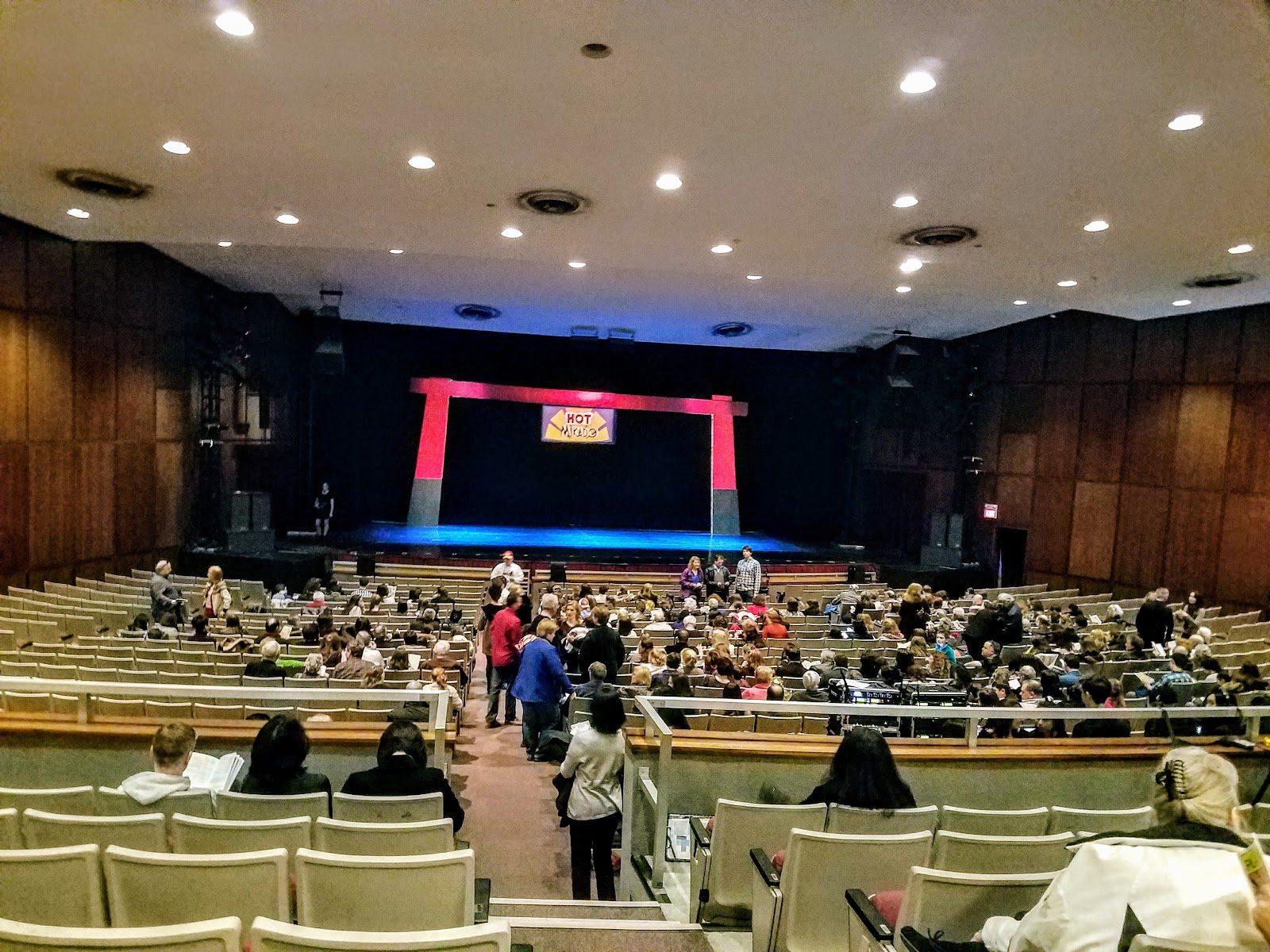
Bergen County Academies
Hackensack · United States
Seven college-style academies and on-campus stem-cell, nanotech, and optics labs turn Hackensack teens into Regeneron Science Talent Search scholars.
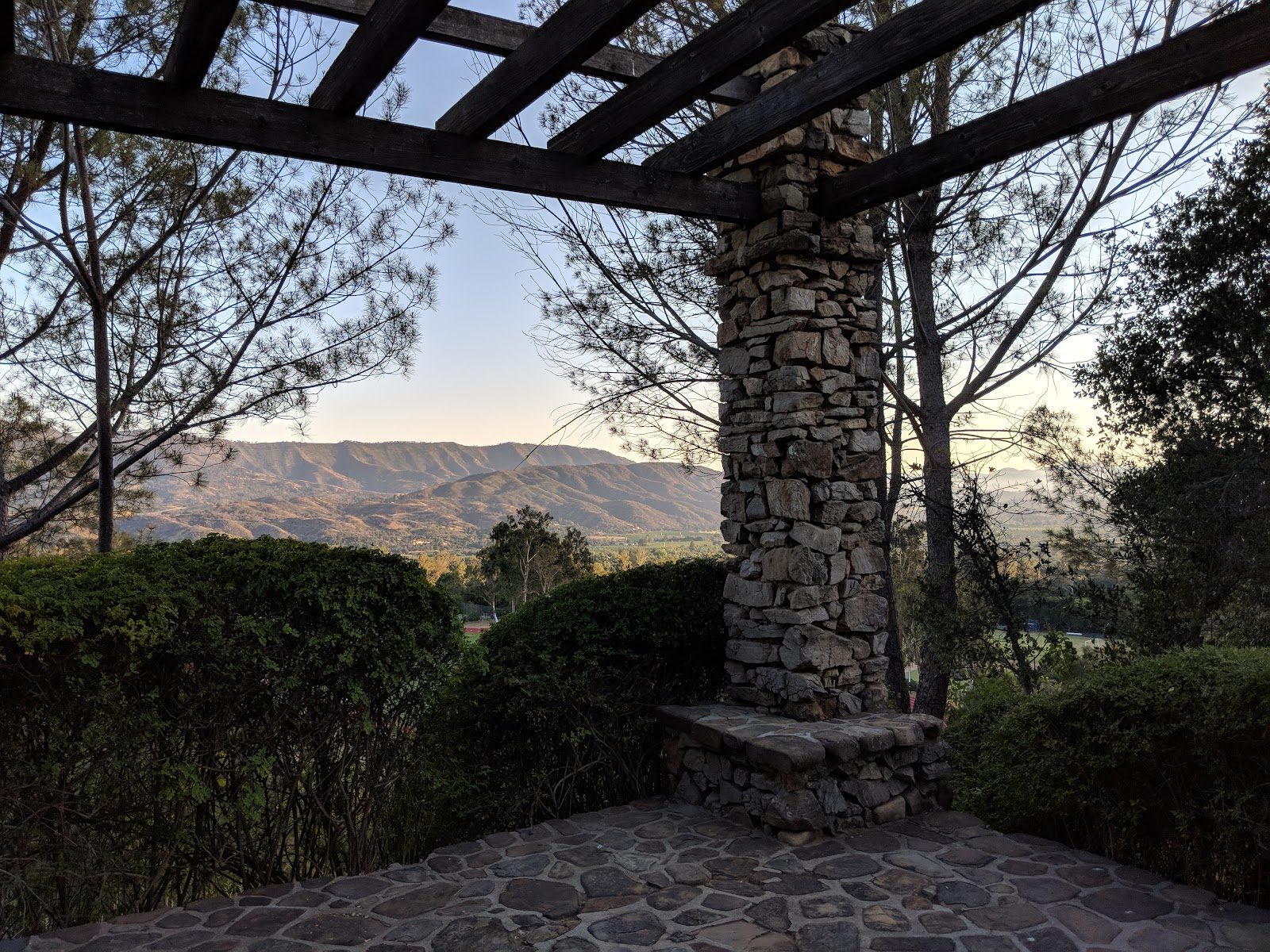
The Thacher School
Ojai · United States
Every freshman is assigned a horse to feed, saddle and ride daily in the foothills above Ojai
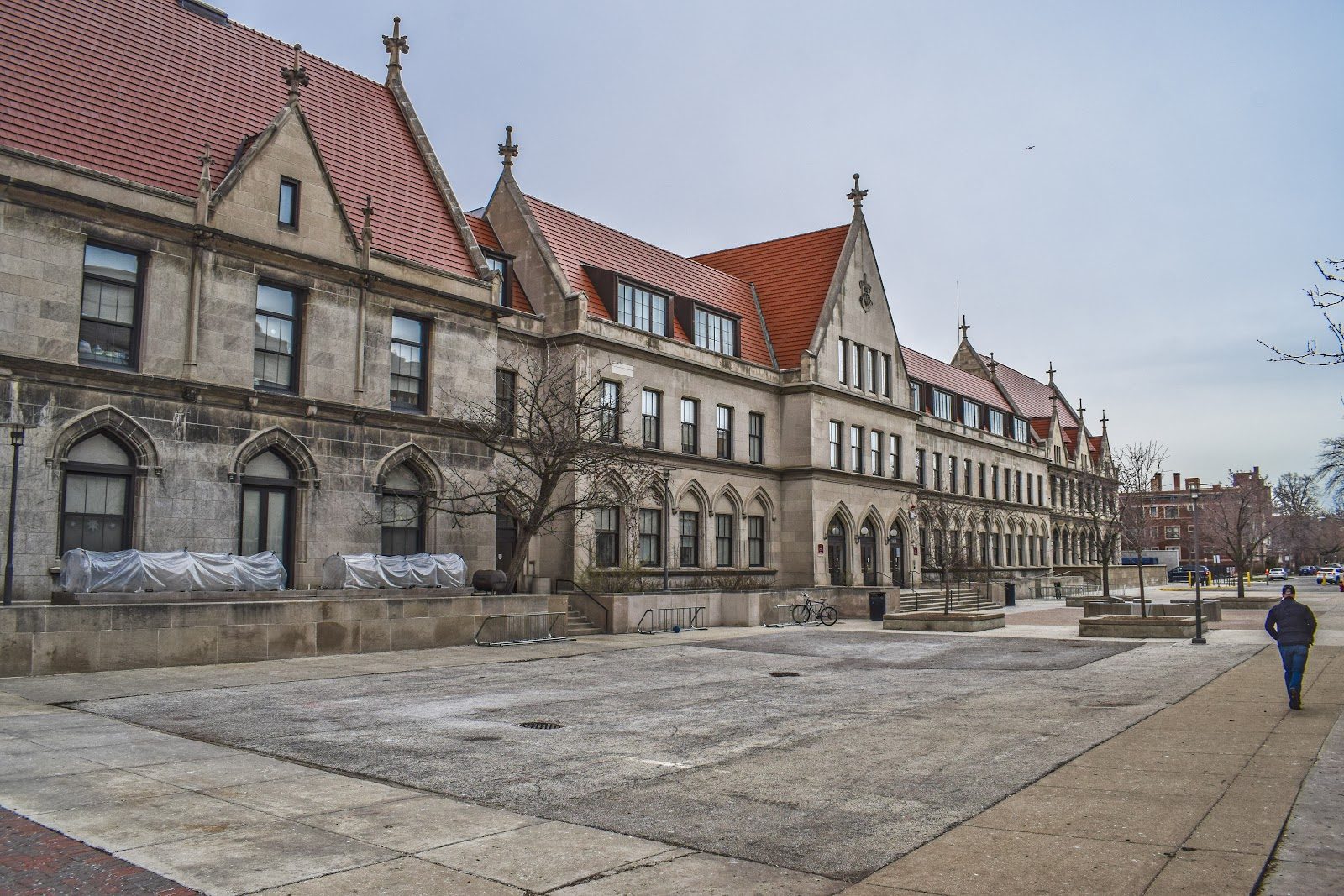
University of Chicago Laboratory Schools
Chicago · United States
Born from John Dewey's 1896 experiment in progressive education, still testing ideas in Hyde Park classrooms today
Same country and curriculum — closest matches within ±10 points either way