
Illinois
Born from John Dewey's 1896 experiment in progressive education, still testing ideas in Hyde Park classrooms today
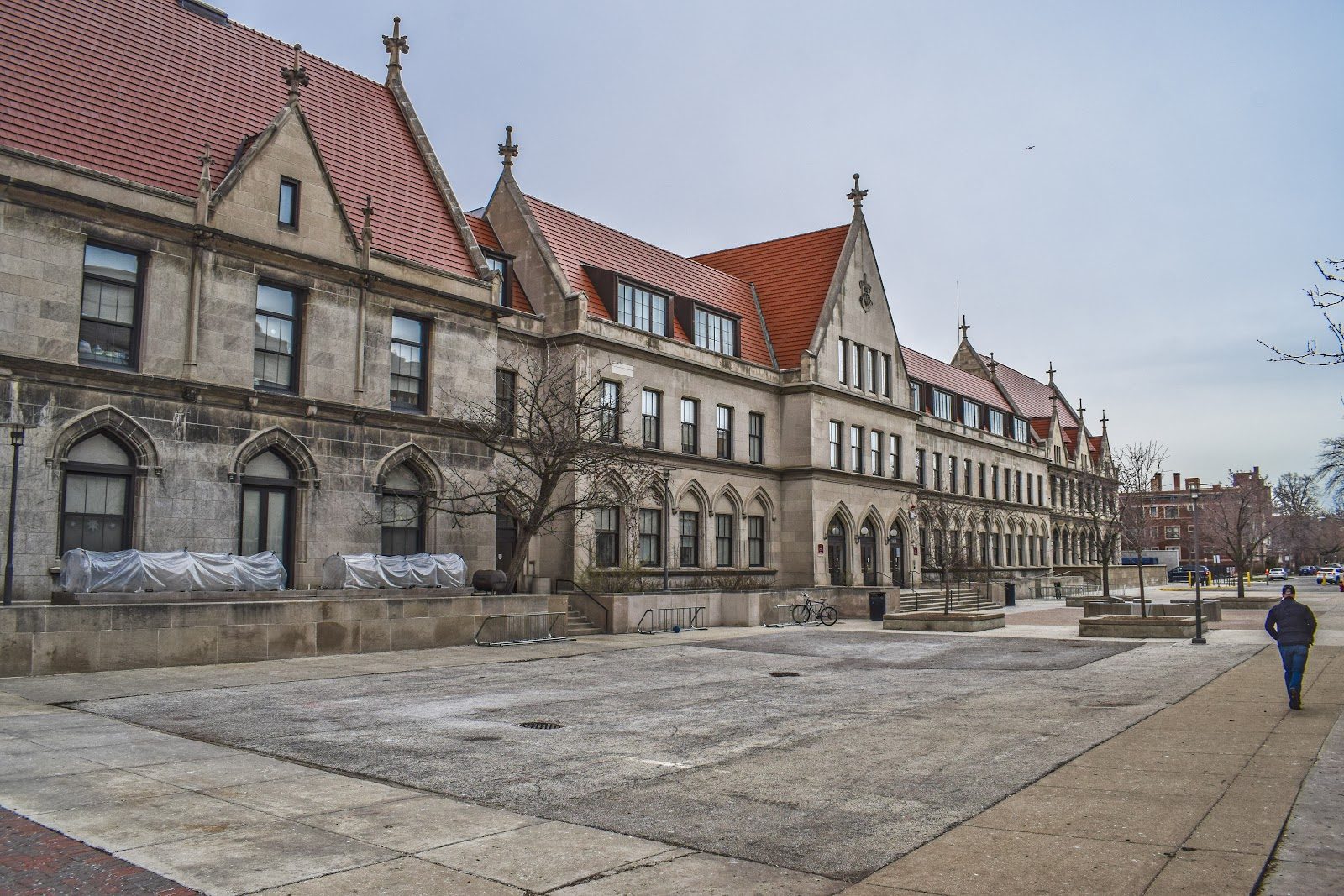
Photo © MBA Photography via Google Maps
Type
Day
Ages
3–18
Curriculum
American
Qualifications
AP
Ratio
—
The Verdict
Editor's commitment
Right for
Families who want a serious American day school, ages 3–18, with roots in John Dewey’s 1896 laboratory for progressive education.
Wrong for
Parents seeking religious formation, boarding, or a British or IB pathway; this is non-religious, day-only, English-medium and explicitly American.
Watch out for
The average annual fee is $45,730, and NEASC plus NAIS accreditation does not make academic outcomes more transparent.
Ranking breakdown
University of Chicago Laboratory Schools · #87 of 1591
Composite score 78.1. 8 weighted criteria.
By criterion
Academic Outcomes
Weight 20%
#119
of 1529 scored
University Placement
Weight 16%
#104
of 1529 scored
Prestige & Heritage
Weight 12%
#139
of 1571 scored
Alumni Network
Weight 12%
#104
of 1530 scored
Facilities
Weight 12%
#279
of 1533 scored
Transparency & Communications
Weight 8%
#153
of 1532 scored
Peer & Industry Review
Weight 10%
#164
of 1548 scored
Admissions Selectivity & Demand
Weight 8%
#180
of 1529 scored
Score history
University of Chicago Laboratory Schools · 2026
Movement across 2024–2026. Peer average overlaid.
Overall — 2024–2026
78.1/ 100
▲ +21.3 vs 2025
year on year
Peer & Industry Review
How University of Chicago Laboratory Schools is regarded in the sector
93
Top-tier · high confidence
University of Chicago Laboratory Schools is consistently ranked among the top private K-12 schools in the US by Niche.com and similar rankings, and is famous for its association with University of Chicago founder John Dewey's progressive education laboratory. Its notable alumni list (including Nobel laureates, the Obama daughters, and prominent academics/business leaders) is frequently referenced in press coverage from Chicago Tribune, Chicago magazine, and national outlets. The school benefits from deep institutional ties to the University of Chicago, is a perennial benchmark in discussions of elite Chicago-area private education, and its reputation extends into academic/education-policy circles due to its founding role in progressive pedagogy.
Evidence sources
Editors' overview
This school still carries the force of its origin story. University of Chicago Laboratory Schools opened in 1896 as John Dewey’s experiment in progressive education, and that pedigree matters because the school still trades on inquiry, ideas and intellectual independence rather than polish or athletic mythology. It is a non-religious American day school in Hyde Park, teaching in English from age 3 to 18, with NEASC and NAIS accreditation and an average annual fee of $45,730. That price puts it in the upper tier of US day schools. Parents are paying for a full Nursery-to-Grade 12 education tied to one of the world’s great universities, not for country-club optics.
What puts it on a shortlist is the combination of serious academic culture and a school identity that resists standard private-school packaging. The public face is full of concrete examples of student work and intellectual life: sixth graders touring the Obama Presidential Center after one pupil simply asked; second graders spending a year studying trees with an artist; senior academic honours pushed to the front of the school’s own news flow. That tells you something important. This is a school that values inquiry, initiative and substantive work. The alumni record strengthens the case. Wikidata alone captures 87 notable alumni, including 29 scientists and scholars and a Nobel laureate, which fits the school’s long-standing reputation for producing thinkers, researchers, writers and cultural figures rather than a narrow parade of résumé-builders.
The trade-off is clear. This will not suit families who want a glossy, high-touch college-placement machine with published outcome grids at every turn. The school does not publish aggregate exam results or destination breakdowns in the information here, so parents who want hard outcome data need to ask for it directly. Nor is this the place for a child who needs constant hand-holding, heavy external structure or a simple reward system. Lab suits the self-propelled, intellectually curious student who likes ideas, tolerates ambiguity and wants teachers to treat questions as the main event. For that child, it offers something distinctive and hard to copy: a through-school education built around thought, independence and the habit of testing assumptions in the classroom rather than reciting them back.
Academic Performance
The school advertises academic seriousness, but it does not publish the hard outcome tables that let parents test that claim against peer schools. There are no aggregate SAT, ACT, AP or IB results in the public domain here, and no destination grid showing where a full graduating class lands. That is a real gap for a school in this fee bracket and competitive set. What Lab does put forward instead is a pattern of academic signals: “top national academic honours” for seniors, a high-school programme with 158 courses, discussion-based teaching in the upper years, and a large faculty base with advanced degrees. Those details point to a demanding internal culture, but they are not a substitute for published external performance data.
Relative to peers, that leaves Lab in an unusual category: *academically serious, statistically opaque*. The strongest evidence of long-run academic success sits in its alumni footprint, which is rich in scholars, researchers, writers and public figures, and in the school’s own insistence on inquiry over test-prep theatre. That places it closer to the intellectual end of the US independent-school market than to schools that sell themselves on score grids and college-placement dashboards. For parents, the conclusion is straightforward. If you want a school with a clear scholarly identity and confidence in its own methods, Lab merits attention. If you want published examination data to compare against rival schools, Lab does not give you enough, and you need to press for it directly.
Facilities
The school has the physical plant of a large urban through-school, not a compact townhouse operation. The headline strengths are in arts and science: 13 wet science labs, 4 fully equipped art studios and 3 theatres, anchored by the Gordon Parks Arts Hall and backed by substantial indoor space. That matters because Lab’s educational pitch depends on students making, testing, performing and exhibiting, not just sitting in seminar rooms. On that front, the facilities are serious and fit for purpose. The school also uses the city as an “extended campus”, which is more than slogan in this context; Hyde Park gives direct access to museums, research institutions and civic sites that many suburban independents cannot match.
Against peers, this is a strong urban campus with genuine depth in specialist spaces, but not the country-estate model that some American private schools use to impress. Families looking for vast playing fields, equestrian centres or a resort-style athletics complex will find richer provision elsewhere. The school’s own emphasis points in another direction: laboratories, studios, stages, clubs and a student body large enough to sustain real breadth. With 60+ upper-school activities and a high share of pupils involved in team sport, the provision clears the bar for a top-tier day school. Its edge lies in intellectual and creative infrastructure, not spectacle.
With 60+ upper-school activities and a high share of pupils involved in team sport, the provision clears the bar for a top-tier day school
Prestige
Prestige here rests on two things that few schools can match: a direct line to one of America’s great universities, and a century-plus record of producing people who matter beyond school gates. This is not prestige built on blazers, acreage or manufactured exclusivity. It is intellectual prestige: the status that comes from serious academic lineage, durable institutional confidence and a graduate network with real reach in public life, scholarship and the arts. The school’s affiliation with the University of Chicago carries weight in its own right, and the family body’s strong University connection reinforces that pull. Add a documented alumni bench of 87 notable figures, with strength concentrated in scholarship, writing, politics and culture, and the school earns a rating near the top of the American independent-school market.
Why not place it in the absolute top ceremonial tier occupied by the most globally legible East Coast names? Because Lab’s prestige is more specialised than social. It carries enormous esteem among academics, university families and parents who value ideas over polish; it has less of the old-network glamour that drives conversation in some private-school circles. For many families, that is a strength, not a limitation. The school’s reputation is earned rather than performed. A programme offering 158 courses in the upper school and an alumni archive that reaches from Nobel-level science to public office gives the brand substance. This is serious, high-order prestige with an unmistakably Hyde Park cast: cerebral, self-assured and uninterested in show.
Why not place it in the absolute top ceremonial tier occupied by the most globally legible East Coast names?
Communications
Parent communication is strong on volume and visibility, and weaker on the hard operational detail some families want. The website is busy, current and full of school life: news stories, alumni items, directory search, social feeds and quick links all sit close to the surface. That gives parents a lively, open window into what children are doing and what the institution values. The message is consistent: questions, projects, civic engagement and student initiative sit at the centre. A school of this scale also helps itself by publishing concrete points of orientation — contact numbers, address details, divisional structure, club breadth and a clear sense of where activity happens. The claim to be a connected community is backed by visible output rather than empty sentiment.
Where communication falls short is in parent decision-grade transparency. There is a lot on culture and current activity, but less on the outcome data and comparative information many fee-paying families expect before or after enrolment. The school tells parents there are 60+ clubs and 158 courses in the senior years, and that 50+ languages are spoken in pupils’ homes; it does not pair that richness with public destination tables, aggregate testing data or a more granular account of academic results. That imbalance matters. For existing families, the communications style will feel *rich, confident and intellectually on-brand*. For prospectives doing due diligence, it leaves real gaps and demands direct questions.
Uniqueness
What sets Lab apart is that its founding idea still governs daily school life. This is not a private school that borrowed the language of inquiry after the fact; it was built for it. The public-facing picture is unusually coherent: a nursery-to-high-school structure that treats children as active investigators, a progression from play-based early years to discussion-heavy senior classrooms, and a school culture that gives questions institutional status. Even the news feed points in that direction, celebrating a child who opened a door by asking, a class that spent a year studying trees, and student work tied to the Obama Presidential Center and the moral legacy of the atomic age. The result is an intellectual culture with continuity, not a set of disconnected enrichment add-ons. For students, that brings real permission to think, test ideas, and follow lines of interest beyond the standard script.
The other point of difference is scale with seriousness. Lab is big enough to offer 60+ clubs and activities and a strikingly deep upper-school course menu, but it keeps a clear academic centre of gravity. It also sits inside a university orbit without feeling like a finishing school for university admissions. That matters. Students get a more adult academic atmosphere than at many American independents: less obsession with polish, more expectation of independence, initiative and substantive work. The student body’s connection to university families sharpens that tone further. For the right child, the benefit is substantial: a school life shaped by ideas, civic context and intellectual confidence, not by status performance or institutional theatre.
Parents are paying for a full Nursery-to-Grade 12 education tied to one of the world’s great universities, not for country-club optics
Student Profile
The clearest fit is a child who enjoys ideas for their own sake and does not need every step externally managed. This student body leans bookish, verbally confident and comfortable with adults who answer questions by pushing the question further. The school’s own portrait of itself points to children who like to investigate, discuss, make and test: pupils in a play-based early years setting, older students in activity-led classrooms, and teenagers in a rigorous discussion culture. A community with 50+ home languages and a heavy University of Chicago family presence also shapes the social tone. Conversation, intellectual ambition and cultural literacy carry status here. So does initiative. A child who wants to do the assignment, get the mark and move on will find stronger alignment elsewhere.
The best match is the self-directed student with curiosity, stamina and a tolerance for ambiguity. Children who relish reading, argument, research, performance, design, journalism, robotics or civic projects have room to stretch, and the breadth of upper-school options and 60+ clubs gives them outlets beyond the timetable. This is not a refuge for coasters. Nor is it ideal for pupils who need tight behavioural rails, relentless affirmation or a simple, highly coached route through school. Socially, the environment suits families comfortable with a high-expectation, intellectually saturated culture. For the right child, that mix is energising and formative; for the wrong one, it can feel exacting and unforgiving.
What puts it on a shortlist is the combination of serious academic culture and a school identity that resists standard private-school packaging
Co-curricular strengths
Arts & sport, on a separate axis
Overall 7.98/10
Scored 0-10 from the school's own published evidence. This axis is editorial-only — it does not feed the main WTS ranking.
Sports
8/10
Two gymnasiums (Sunny Gym and Kovler Gymnasium), Jackman Field, and multiple IHSA 1A state championships in boys soccer and boys' and girls' tennis, which constitutes sustained state-level recognition.
Drama
8.7/10
Theater productions, theater as a popular activity, and a verified Academy Award-winning alumnus (Graham Moore) anchors this dimension at at least 7.
Dance
6/10
Music
8.5/10
A jazz ensemble, plus that Calvin Brainerd Cady served as director of the music department, evidencing a named department and specialist leadership.
Visual Arts
8.7/10
Visual arts, and Wikipedia identifies Gordon Parks Arts Hall plus award-winning student arts publication Renaissance, giving both a dedicated arts building and recurring recognition.
Editor first-pass · editor-reviewable · 7/28/2026
Notable alumni · Wikidata
87notable alumni
18 historic (born pre-1930) · 21 modern (born post-1970)wikidata:2026-07-28 How we source this

WTS 300 badge
2025/26 editionUniversity of Chicago Laboratory Schools is one of the World's Top 300 Schools for 2025/26. Claim your listing to add it to your site →
Strengths
- +Founded in 1896 by American educator John Dewey as a research and demonstration centre for the Department of Pedagogy at the University of Chicago, giving it one of the longest continuous histories among American progressive schools.
- +Alumni include Justice John Paul Stevens, Janet Rowley, John Rogers Jr., Andrea Ghez, Maria Hinojosa, Erwin Chemerinsky and Arne Duncan, and both daughters of a sitting US president (Malia and Sasha Obama) were pupils here before their family relocated to Washington.
- +Direct affiliation with the University of Chicago places the school on and near the university's Hyde Park campus, with facilities such as Gordon Parks Arts Hall, which houses a 750-seat theater-in-the-round, a 250-seat black box theater, classrooms, studios and a digital media lab.
- +Financial aid is substantial relative to peer day schools: 70% of the student body receives some discount up to full tuition through financial aid, tuition remission, or both, and the school awarded over $7 million in need-based financial aid with no loans in a recent year.
- +Standardised outcomes are strong, with an average SAT score of 1428 and average ACT score of 30.9 reported for the upper school.
Considerations
- −Fees are high even by independent-school standards: 2025-26 tuition reaches $46,824 for University High School (grades 9-12), with lower but still substantial fees from Nursery upward.
- −Applying to Lab does not guarantee admission, as every child is assessed individually through a holistic process, and one third-party estimate puts the acceptance rate at 79%, lower than the national average of 84%, so popular entry grades can be competitive.
- −It is a single day-campus school in the Hyde Park neighbourhood on Chicago's South Side, with no boarding option, so relocating families must live within a practical commute rather than choosing from the wider Chicago suburbs.
- −With approximately 2,200 students from Nursery 3 through grade 12, it is a large, multi-division institution rather than an intimate small school, which may not suit families seeking a tightly-knit community feel.
Availability
Primary entry gate & tests
ISEE + UChicago Affiliation
Gallery
Photo © Maximilian G. via Google Maps
Photo © Maximilian G. via Google Maps
Photo © Apoloniusz Jakistam via Google Maps
Photo © Tamer Barsbay via Google Maps
Photo © Xinming Simon GUO via Google Maps
Photo © Xinming Simon GUO via Google Maps
Photo © Xinming Simon GUO via Google Maps
Photo © Xinming Simon GUO via Google Maps
Photo © Xinming Simon GUO via Google Maps
Parent reviews
Have you sent your child here?
Voice reviews carry the strongest trust badge — we transcribe them for you to tidy up before they go live. Prefer to type? A written review is fine too.
Add your voice
In 60 seconds, tell other parents: what's the best thing about University of Chicago Laboratory Schools, and what surprised you when your child joined?
We ask for a Google sign-in so every review has a real face behind it — no anonymous drive-by attacks on schools, and no faked positive reviews. Your email is never shown publicly.
Send this profile to a friend
International parents rely on word-of-mouth. Share this review with someone weighing the same decision.
Schools with places
Similar schools to University of Chicago Laboratory Schools with places available now.
The Thacher School
Ojai · United States
- 2026-27
- CLOSEDRegular cycle
- 2027-28
- OPENS SOONOpens 1 Sept '26
The Winsor School
Boston · United States
- 2026-27
- CLOSEDRegular cycle
- 2027-28
- OPENS SOONOpens Sept '26
Hopkins School
New Haven · United States
- 2026-27
- CLOSEDRegular cycle
- 2027-28
- OPENS SOONOpens Sept '26
Polytechnic School
Pasadena · United States
- 2026-27
- CLOSEDRegular cycle
- 2027-28
- OPENS SOONOpens Oct '26
Availability first, then country, area, curriculum, price, co-curricular
Consider also
Also worth looking at alongside University of Chicago Laboratory Schools.
The Thacher School
Ojai · United States
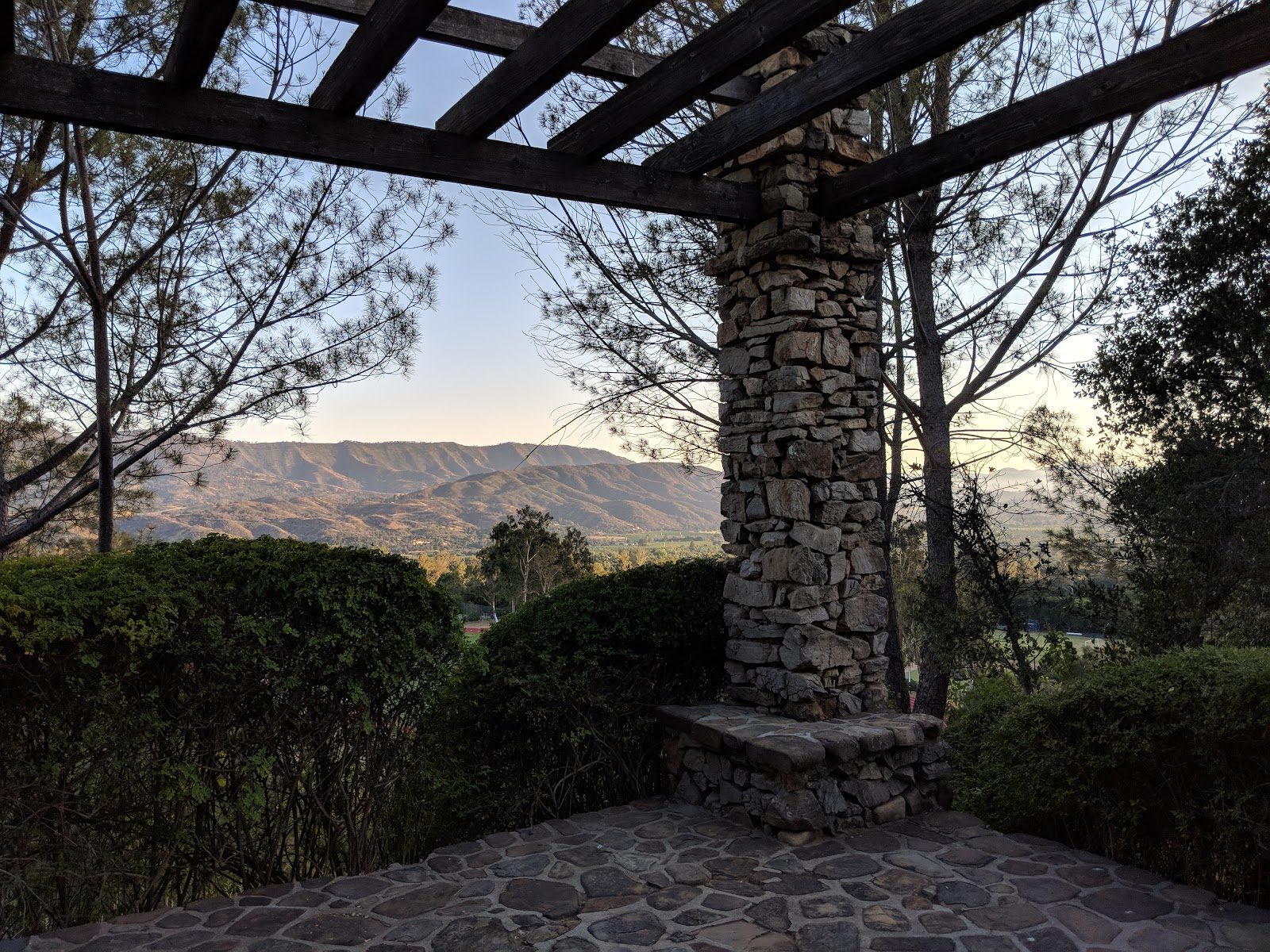
Every freshman is assigned a horse to feed, saddle and ride daily in the foothills above Ojai
The Harker School
San Jose · United States
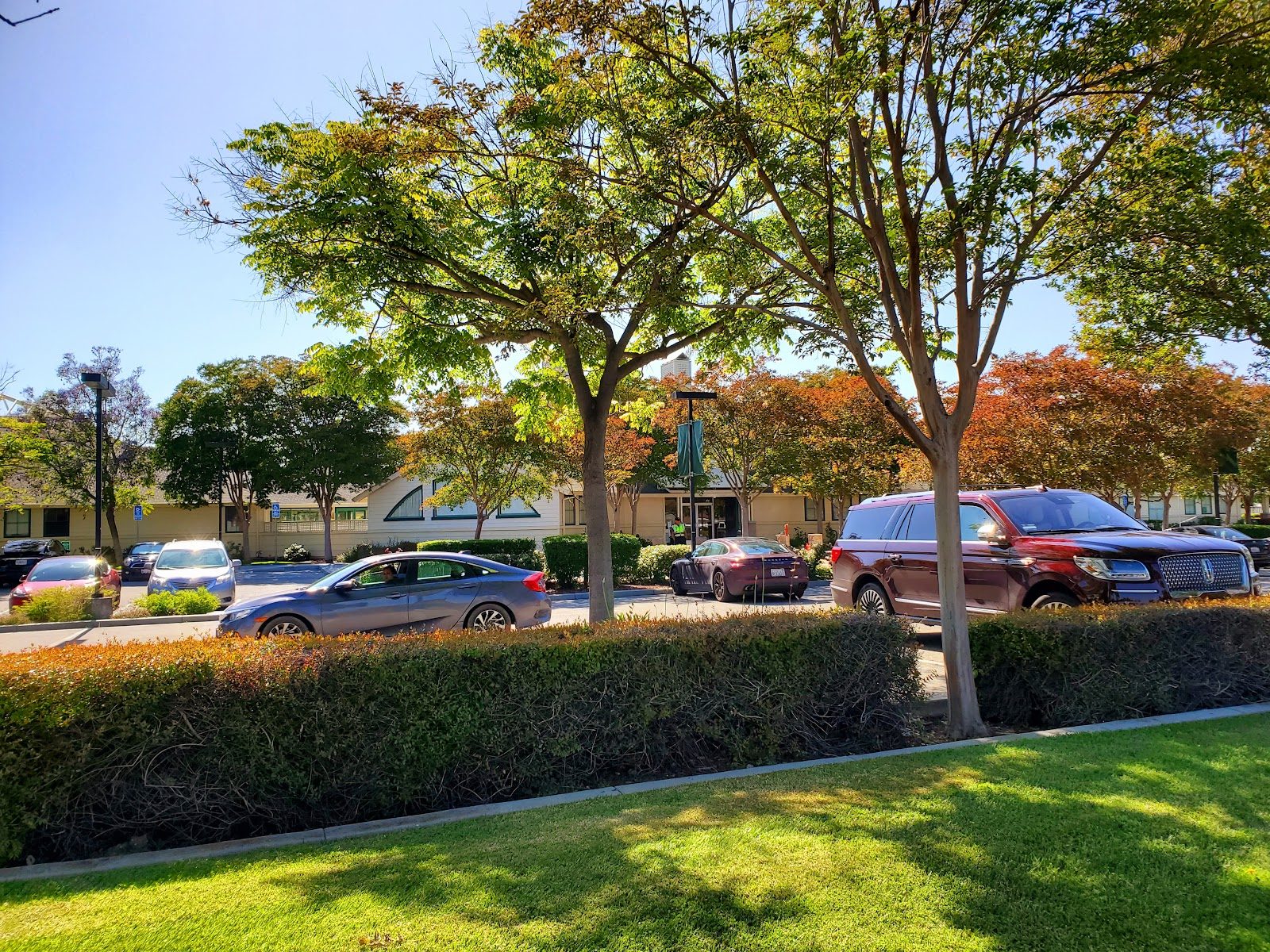
In Silicon Valley's backyard, a student-run research symposium turns science fair projects into published papers.
High Technology High School
Lincroft · United States
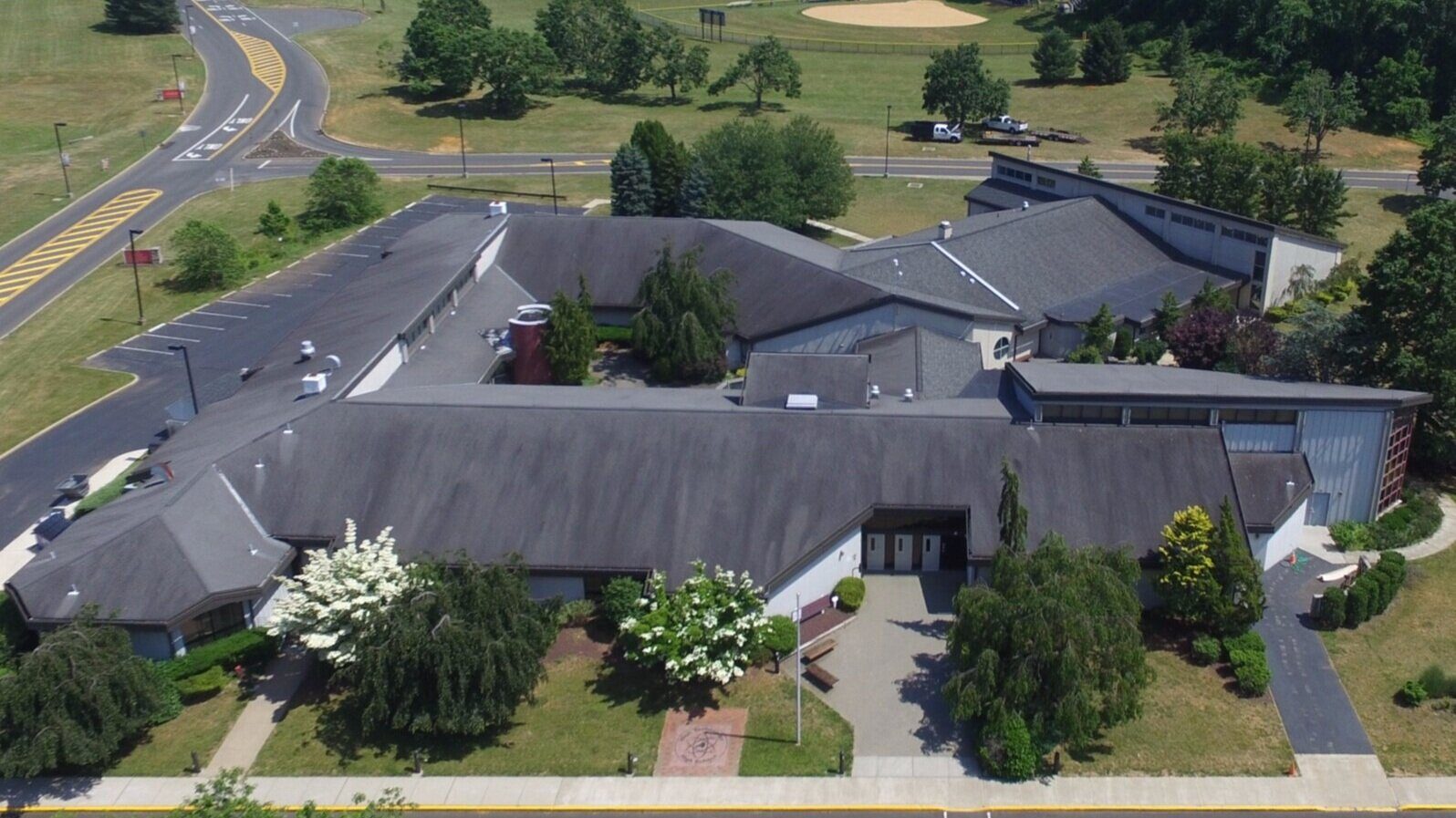
A 284-student engineering magnet in Monmouth County where civil design and digital electronics substitute for standard electives.
North Carolina School of Science and Mathematics
Durham · United States
America's first public residential STEM high school, a Durham model tuition-free program now replicated by eighteen sister schools worldwide.
Same country and curriculum — closest matches within ±10 points either way