Connecticut
Rooted in a 1660 charitable trust on the New Haven Green, this hilltop campus builds rigor around original scientific research.
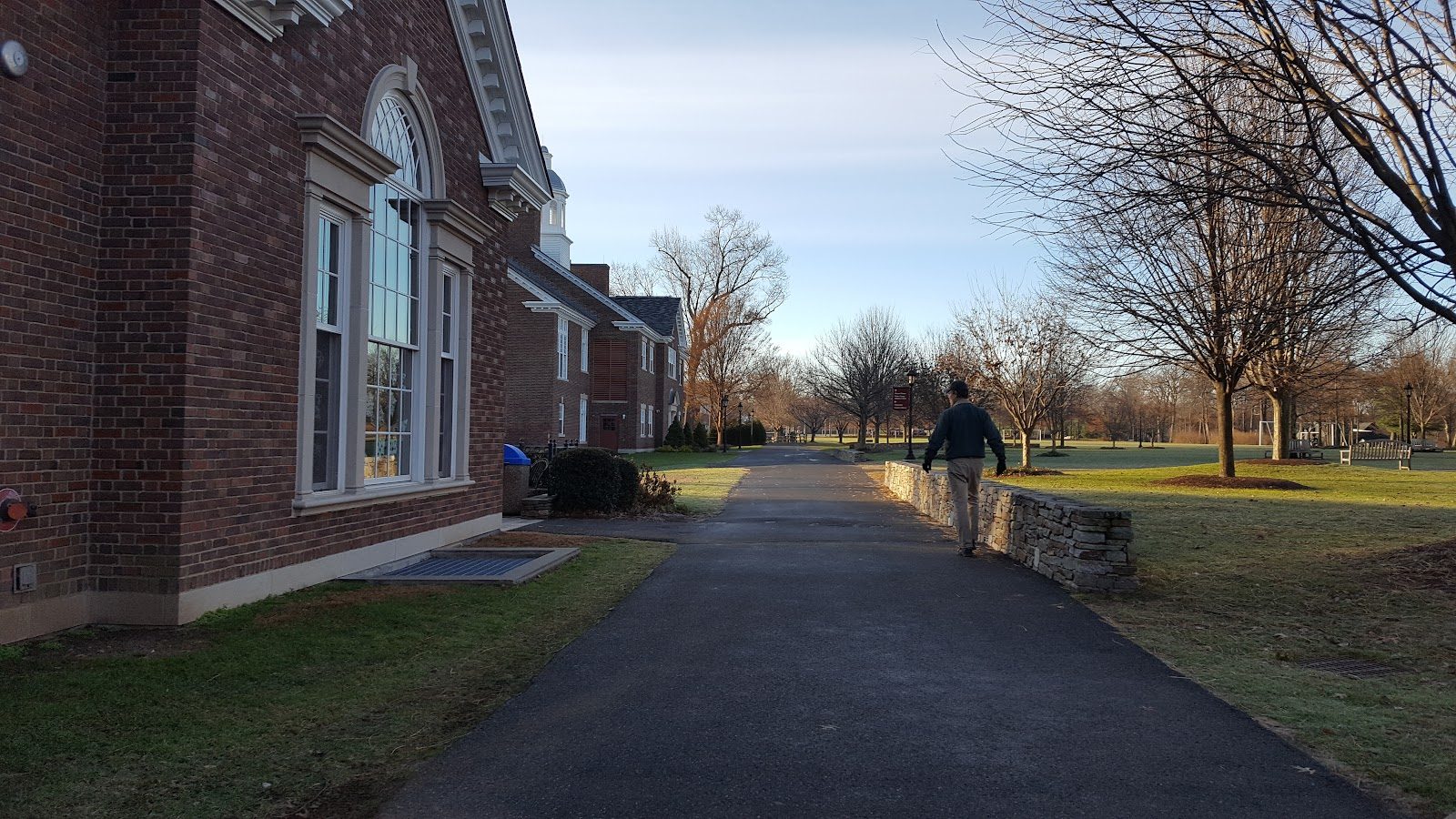
Photo © M QM via Google Maps
Type
Day
Ages
12–18
Curriculum
American
Qualifications
AP
Ratio
10:1
The Verdict
Editor's commitment
Right for
Bright 12–18-year-olds who want an American curriculum with a 10:1 ratio, 18-pupil classes and serious academic pace.
Wrong for
Families wanting boarding, religious education or a gentler ride; this non-religious New Haven day school has run hard since 1660.
Watch out for
The average annual fee is $55,850, and recent destinations listed here top out at American University, Auburn and Barnard.
Ranking breakdown
Hopkins School · #114 of 1591
Composite score 77.8. 8 weighted criteria.
By criterion
Academic Outcomes
Weight 20%
#118
of 1529 scored
University Placement
Weight 16%
#104
of 1529 scored
Prestige & Heritage
Weight 12%
#80
of 1571 scored
Alumni Network
Weight 12%
#87
of 1530 scored
Facilities
Weight 12%
#584
of 1533 scored
Transparency & Communications
Weight 8%
#289
of 1532 scored
Peer & Industry Review
Weight 10%
#231
of 1548 scored
Admissions Selectivity & Demand
Weight 8%
#153
of 1529 scored
Score history
Hopkins School · 2026
Movement across 2024–2026. Peer average overlaid.
Overall — 2024–2026
77.8/ 100
▲ +17.5 vs 2025
year on year
Peer & Industry Review
How Hopkins School is regarded in the sector
78
Strong · medium confidence
Hopkins School is a highly regarded independent day school in New Haven, Connecticut, consistently ranked among top private schools in Connecticut and New England by Niche.com and similar education-ranking aggregators, with strong college matriculation outcomes cited in local press coverage. It has a notable alumni network including public figures and is frequently referenced in regional 'best schools' coverage, though it lacks the national/international press presence (Tatler, Good Schools Guide UK-focused outlets) of globally benchmarked institutions. Its reputation is strong and well-established regionally and among peer independent schools, but third-party specialist education press coverage is more limited compared to top-tier nationally famous prep schools.
Evidence sources
Editors' overview
Hopkins trades on something few American schools can match: a foundation in 1660 and a campus life tied to the New Haven Green, then shifted to a hilltop setting that gives it room to act like a serious secondary school rather than a polished urban boutique. The school covers grades 7–12, teaches through an American curriculum, and keeps its academic engine tight with a 10:1 student-teacher ratio and average classes of 18. That matters here, because Hopkins is built for students who want intensity, not hand-holding. The school itself calls the programme demanding; that rings true. This is a place for adolescents who like argument, reading, problem-solving and teachers who know their subjects in depth.
What puts Hopkins on a shortlist is the combination of age, intellectual seriousness and a culture that values original work. The school’s own emphasis on curiosity and high achievement fits the editorial tagline neatly: rigor here is not decorative, and original scientific research gives the offer more substance than the standard American independent-school promise of “challenge”. Accreditation from NEASC and NAIS places it firmly inside the established US independent-school mainstream, but the character is more exacting than many schools that sell themselves on balance first and academics second. Parents paying an average annual fee of $55,850 will want that clarity. This is an expensive day school, and it earns its place in the market by being unapologetically academic rather than trying to please every family.
The right student for Hopkins is bright, self-propelled and comfortable in a room full of other able children. It suits the child who enjoys being stretched and does not need constant reassurance when work gets hard. It also suits families who want a non-religious school with real academic ambition and the infrastructure to support it, rather than a looser progressive model. Recent destinations listed in the school context include American University, Auburn and Barnard, which tells you less about prestige than about breadth: Hopkins sends pupils on to solid American universities, but the school does not publish the kind of outcome breakdown that would let parents judge the full consistency of results at the top end. Even so, its alumni base is deep, with 90 notable alumni catalogued in Wikidata across politics, science, writing and the arts. That long civic and intellectual footprint gives Hopkins something many younger schools lack: institutional weight.
Academic Performance
Hopkins does not publish aggregate SAT, ACT or AP results in the public domain, and that limits any hard comparison with the strongest US day schools, many of which now disclose at least headline testing data or detailed matriculation patterns. That opacity matters. In the absence of school-wide score distributions, parents cannot verify whether Hopkins converts its demanding academic culture into exam performance at the very top of the range, or whether its strongest outcomes sit with a narrower slice of the cohort. The same problem applies to university destinations: a few named placements tell you something, but not enough to judge depth, consistency or how the middle of the class fares.
What can be said with confidence is that Hopkins belongs in the serious college-preparatory tier rather than the softer end of the independent-school market. A low staffing ratio, an average class size of 18, and a student body selected for intellectual appetite all point towards classrooms built for pace and pressure, not remedial support. That profile usually produces strong external results, but Hopkins has chosen not to publish the figures that would prove it. Relative to transparent peers, that is a clear weakness. Relative to less academic local independents, the school still reads as more exacting and more ambitious. Parents who value published evidence over institutional reputation will want more data before treating Hopkins as a top-flight academic bet.
Facilities
Hopkins’s facilities read as those of a serious academic day school rather than a country-estate showpiece. The clearest strengths sit in the spaces tied directly to teaching and student life: a dedicated library, visible technology support, structured academic support, athletics infrastructure with team pages and live-stream capacity, and an arts offer that is split into visual arts, drama and music rather than folded into one generic department. The presence of signature programmes, global learning, semester-away options and a named adventure programme also points to specialist provision beyond ordinary classrooms. For a school of its type, that is substantial, and the research emphasis in science gives the campus more academic purpose than many peers whose facilities lean harder on polish than use.
Against American independent-school competitors, Hopkins sits in the upper tier for breadth, but not at the extravagant end. There is no public push around headline architecture, Olympic-scale aquatics, professional-grade theatres or vast boarding-school acreage. That matters: families looking for a showcase campus will find stronger physical spectacle elsewhere. Hopkins instead puts its weight behind facilities that serve an intellectually driven day-school experience on a hilltop site overlooking the city. The Gibbs Center, Calarco Library and the school’s visible support for athletics, publications and the arts give students enough range without turning the campus into a theme park of amenities. That is the right balance for many families, but peers at the top of the market often publish more detail on labs, performance venues and specialist centres than Hopkins does.
Parents who value published evidence over institutional reputation will want more data before treating Hopkins as a top-flight academic bet
Prestige
Hopkins carries real prestige, but it is a specific kind of prestige. This is not the flash of a nationally dominant boarding school with a globally recognisable sports brand or a conveyor belt into a tiny cluster of elite universities. Its standing rests on longevity, selectivity, and seriousness of purpose. The school’s own language is unabashedly intellectual: students are expected to like thinking, to enjoy academic pressure, and to learn alongside other high-achieving children who raise the temperature in the room. That creates a reputation with substance behind it. The hilltop setting, the link to the New Haven Green, and the status as one of the country’s oldest independent schools give Hopkins institutional weight that newer schools cannot manufacture. The alumni footprint strengthens that further: 90 notable alumni catalogued in Wikidata is a credible marker of long civic and intellectual reach.
The limit on Hopkins’s prestige is visibility. It has deep recognition in its region and among families who know the American independent-school landscape, but it does not dominate the public conversation in the way a handful of New England names do. Nor does it help itself by withholding the exam and outcomes data that would turn reputation into measurable proof. That matters, because true top-tier prestige now rests on both heritage and transparent performance. Hopkins has the first in abundance. On the second, it is opaque. My rating stays high because the school’s history, alumni bench and fiercely academic identity are strong assets; it stops short of the very top because the public evidence is too thin for that tier.
Hopkins instead puts its weight behind facilities that serve an intellectually driven day-school experience on a hilltop site overlooking the city
Communications
Hopkins communicates with parents in the manner of a school that expects families to meet it on serious terms. The public-facing structure is clear: admission, academics, student support, transport, athletics, arts, summer programmes, safety, governance and giving all have named destinations, and parent access is separated through a login rather than folded into the marketing layer. That matters. It signals an institution with orderly internal systems rather than one relying on glossy front-end reassurance. Student life also has visible outlets — including multiple publications and council archives — which gives parents a more textured read on school culture than the usual admissions copy. The adviser system and student support architecture add substance. This is not a school hiding the pastoral machinery behind the academic pitch.
Effectiveness is strong in structure and only middling in disclosure. Parents can find who runs the school, how it is organised and where to direct practical questions. The navigation breadth points to a well-drilled administrative operation. But Hopkins is tight-lipped where ambitious families want hard evidence: no aggregate SAT, ACT or AP figures, and no full university outcomes picture. That gap weakens trust at the top end of the market, where communication is not just about access and tone but about publishing proof. So the verdict is clear: day-to-day communication looks competent, formal and institutionally mature; strategic communication around outcomes is too guarded. For a school charging an average of $55,850 a year, parents can ask for more candour.
Uniqueness
What sets Hopkins apart is not heritage alone but the way it turns that inheritance into a working academic culture. Plenty of old schools trade on age; fewer make intellectual appetite the organising principle of daily life. Hopkins does. The school speaks plainly about students who love to think and about a programme that asks a lot of them, and that directness matters. Add the editorially verified emphasis on original scientific research and you get something more distinctive than a standard college-prep formula: a school where scholarship is treated as active work, not just high marks and polished seminar talk. The student experience is sharpened further by the combination of a tight adult-to-student structure and classes of 18, which gives teachers room to push, notice, and correct.
The other unusual strength is the balance between old civic roots and a live adolescent culture. Hopkins has student publications, a serious adviser system, semester-away options, global learning, and an outdoor adventure strand; that mix stops the place hardening into a purely academic grind. Students get a demanding classroom climate without being trapped inside one narrow definition of success. The alumni record adds force here too: 90 notable alumni in Wikidata across public life, scholarship, writing and the arts point to a school that has fed into American civic and intellectual life for a long time. For the right child, that brings a bracing benefit: peers who are switched on, teachers who expect substance, and a culture that treats thought as something to do, not just something to reward.
That matters, because true top-tier prestige now rests on both heritage and transparent performance
Student Profile
Hopkins suits the child who gets energy from school rather than merely tolerating it. The social and academic centre of gravity sits with students who read willingly, argue cleanly, ask follow-up questions and do not panic when a teacher pushes back. This is a high-pressure peer group by ordinary standards: able adolescents in rooms that move at pace, with adults who expect preparation, independence and intellectual stamina. The average class size of 18 helps, because weak habits are harder to hide and strong habits get noticed fast. Children who want constant praise, heavy hand-holding or a gentle academic climate will struggle. Children who enjoy being tested by other bright students will fit.
The fit also depends on temperament. Hopkins works for pupils who can handle correction without drama, manage a busy day, and contribute beyond lessons through publications, arts, sport or organised activities. The school’s adviser and support structures matter, but they do not change the basic fact that this is a demanding, self-propelled environment. Socially, it will reward students who are engaged, curious and comfortable around ambitious classmates, not those looking for anonymity or a low-friction ride. In family terms, this is a strong match for parents who value serious scholarship, clear standards and an unapologetically academic culture over soft-focus wellbeing rhetoric. It is not for the faint-hearted.
That gap weakens trust at the top end of the market, where communication is not just about access and tone but about publishing proof
Co-curricular strengths
Arts & sport, on a separate axis
Overall 7.84/10
Scored 0-10 from the school's own published evidence. This axis is editorial-only — it does not feed the main WTS ranking.
Sports
9/10
Multiple playing fields, courts, a track, fitness space and an ice rink, while the external evidence adds a named Walter Camp Athletic Center, a 25-yard pool, 50 acres of playing fields and a full three-season athletics programme with NEPSAC/FAA competition.
Drama
8/10
Theater productions and dedicated theatre space, and the the Academic and Performing Arts Center with a theater, practice performance spaces and costume studios, plus Townshend Auditorium in Lovell Hall.
Dance
5.5/10
Music
8.2/10
Jazz ensemble and chamber orchestra and mentions dedicated music space, which supports a notable programme with named ensembles but no stronger facility or specialist-staff detail specific to music.
Visual Arts
8.5/10
The the Academic and Performing Arts Center with art studios, pottery, photography and wood shop, indicating multiple specialist visual-arts facilities rather than a simple general arts offering.
Editor-verified · 8/6/2026
Outcomes & destinations
Where students go next
Class of 2025
Top destinations
132 placements
- American University· 2
- Auburn University· 1
- Barnard College· 1
- Bates College· 1
- Bentley University· 1
- Boston College· 2
- Boston University· 4
- Bowdoin College· 1
- Brown University· 2
- Bucknell University· 1
- California Institute of Technology· 1
- Case Western Reserve University· 1
- Claremont McKenna College· 1
- Colby College· 4
- Colgate University· 2
- Columbia University· 2
- Connecticut College· 3
- Cornell University· 3
- Dartmouth College· 2
- Dickinson College· 1
- Eckerd College· 1
- Fordham University· 1
- Franklin & Marshall College· 1
- Georgetown University· 3
- Georgia Institute of Technology· 1
- Haverford College· 1
- Howard University· 2
- Loyola University Maryland· 1
- Massachusetts Institute of Technology· 5
- McGill University· 2
- New York University· 3
- Northeastern University· 1
- Northwestern University· 2
- Occidental College· 1
- Princeton University· 2
- Purdue University· 1
- Smith College· 1
- Spelman College· 1
- St. Olaf College· 1
- Swarthmore College· 1
- Syracuse University· 1
- The New School· 1
- The University of Texas at Austin· 1
- United States Military Academy at West Point· 1
- United States Naval Academy· 1
- University of Amsterdam· 1
- University of Chicago· 6
- University of Colorado Boulder· 3
- University of Connecticut· 8
- University of Miami· 1
- University of Michigan· 2
- University of Notre Dame· 1
- University of Pennsylvania· 4
- University of Southern California· 1
- University of St Andrews· 3
- University of Virginia· 1
- Vanderbilt University· 3
- Vassar College· 2
- Wake Forest University· 1
- Washington University in St. Louis· 1
- Wesleyan University· 2
- Yale University· 19
Reported by the school. Confirm with admissions.
Notable alumni · Wikidata
90notable alumni
62 historic (born pre-1930) · 6 modern (born post-1970)wikidata:2026-07-28 How we source this
WTS 300 badge
2025/26 editionHopkins School is one of the World's Top 300 Schools for 2025/26. Claim your listing to add it to your site →
Strengths
- +Hopkins is one of only three mid-seventeenth-century independent schools in the country to survive to today, founded in 1660, giving it an unusually long institutional track record.
- +The school reports an average annual financial aid award of $33,405 for a Hopkins family, with aided families receiving on average a 60% reduction in tuition costs for 2026-27.
- +Mid-50% SAT scores run 1390-1540 and mid-50% ACT scores 30-34, indicating a strong academic peer group among the small senior class.
- +The school is a founding school of the Malone Schools Online Network (MSON) and runs the Hopkins Authentic Research program, widening access to specialised courses beyond its own faculty roster.
- +Classes are small, with an average class size of 12 and a student-to-teacher ratio reported as low as 5:1 to 7:1 depending on the source.
Considerations
- −Day tuition is high, listed at $54,800 for 2024, with additional fees for international students such as a student management fee.
- −Admission is genuinely hard to secure: admission to Hopkins is very competitive, with most applicants scoring above the 75th percentile on standardized entrance exams, and third-party trackers put the acceptance rate around 46-51%.
- −International representation is thin -- the school has about 724 students, of whom only 0.30% are international students, limiting global-peer exposure for relocating expat children.
- −The academic load is demanding by design: the curriculum includes mandatory Latin and a fast pace across core subjects, requiring students to be highly motivated and organized to manage the workload effectively.
Availability
Primary entry gate & tests
ISEE/SSAT + Interview
Gallery
Photo © Scott Q via Google Maps
Photo © David DeNaples via Google Maps
Photo © Hopkins School via Google Maps
Photo © Tak Layan via Google Maps
Photo © Tak Layan via Google Maps
Photo © Tak Layan via Google Maps
Photo © Tak Layan via Google Maps
Photo © Tak Layan via Google Maps
Photo © Laura Ruth via Google Maps
Parent reviews
Have you sent your child here?
Voice reviews carry the strongest trust badge — we transcribe them for you to tidy up before they go live. Prefer to type? A written review is fine too.
Add your voice
In 60 seconds, tell other parents: what's the best thing about Hopkins School, and what surprised you when your child joined?
We ask for a Google sign-in so every review has a real face behind it — no anonymous drive-by attacks on schools, and no faked positive reviews. Your email is never shown publicly.
Send this profile to a friend
International parents rely on word-of-mouth. Share this review with someone weighing the same decision.
Schools with places
Similar schools to Hopkins School with places available now.
Loomis Chaffee School
Windsor · United States
- 2026-27
- WAITPOOLLate/Rolling Space Available
- 2027-28
- OPENS SOONOpens 1 Sept '26
Taft School
Watertown · United States
- 2026-27
- CLOSEDRegular cycle
- 2027-28
- PLACES OPENInterviews underway
Brunswick School
Greenwich · United States
- 2026-27
- CLOSEDRegular cycle
- 2027-28
- OPENS SOONOpens Sept '26
The Hotchkiss School
Lakeville · United States
- 2026-27
- CLOSEDRegular cycle
- 2027-28
- PLACES OPENFall '27 interviews open
Availability first, then country, area, curriculum, price, co-curricular
Consider also
Also worth looking at alongside Hopkins School.
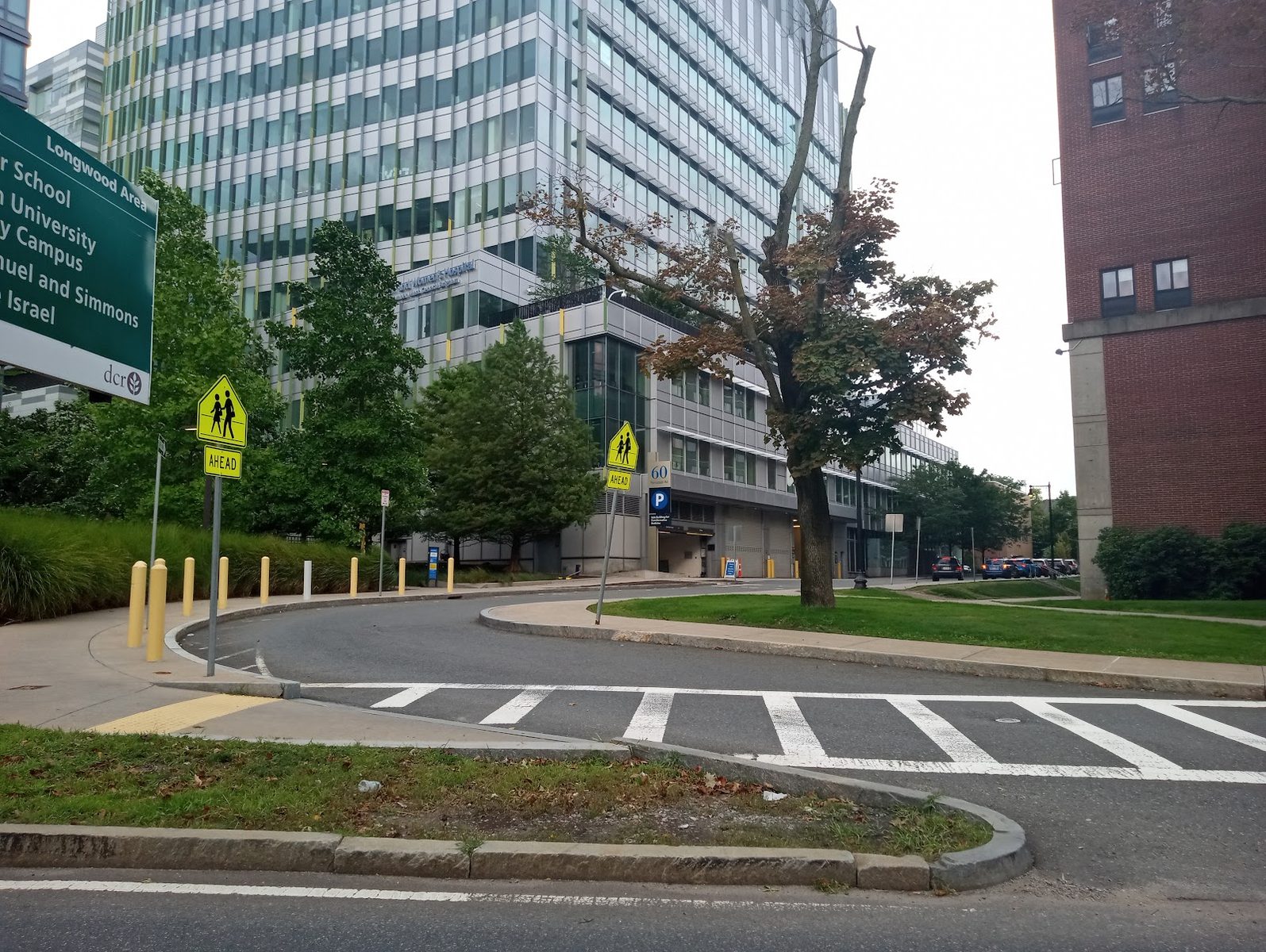
The Winsor School
Boston · United States
Founded in 1886 as Boston's only grade 5-12 school for girls, set amid Longwood's teaching hospitals and research campuses.
The Harker School
San Jose · United States
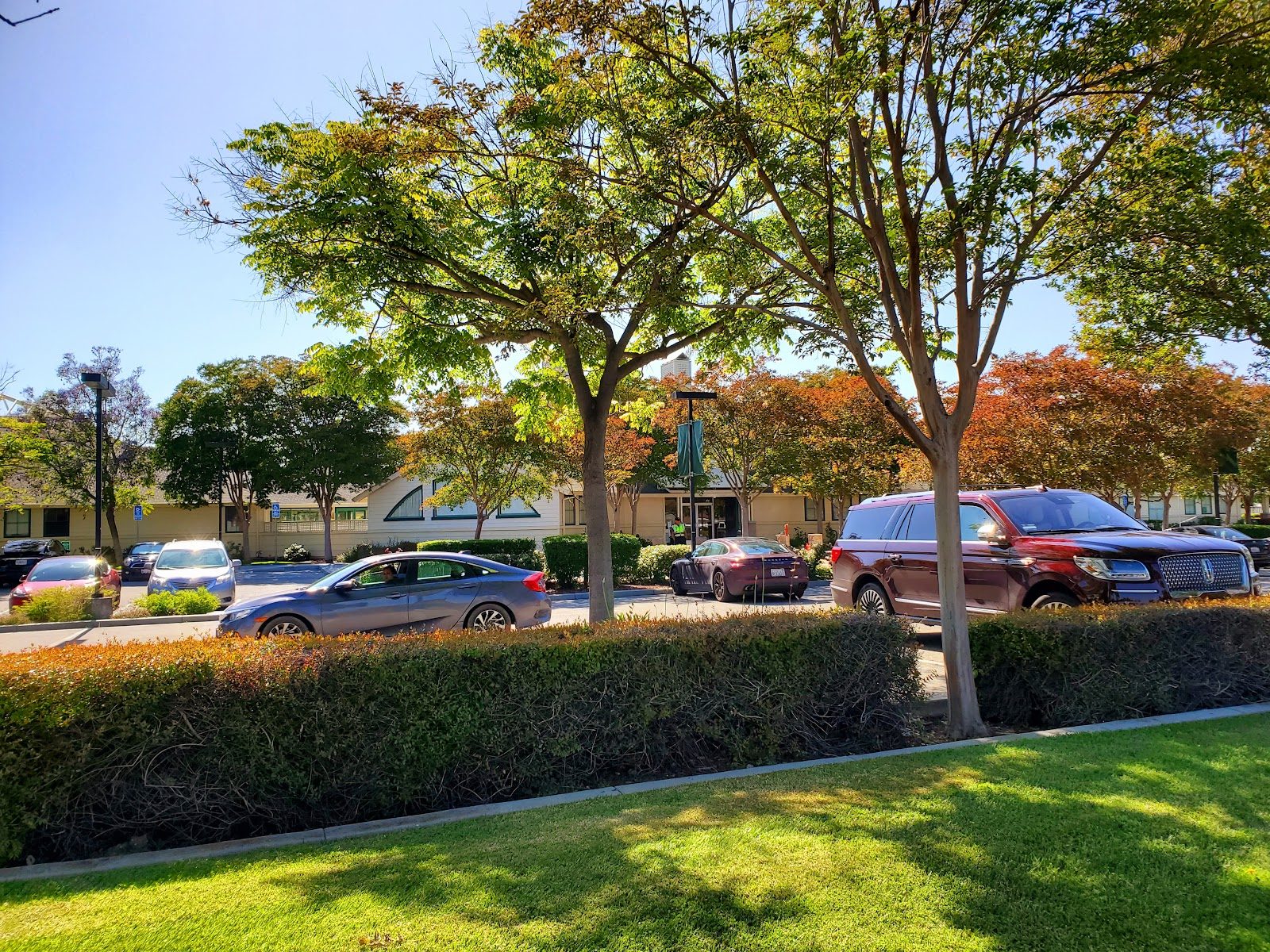
In Silicon Valley's backyard, a student-run research symposium turns science fair projects into published papers.
North Carolina School of Science and Mathematics
Durham · United States
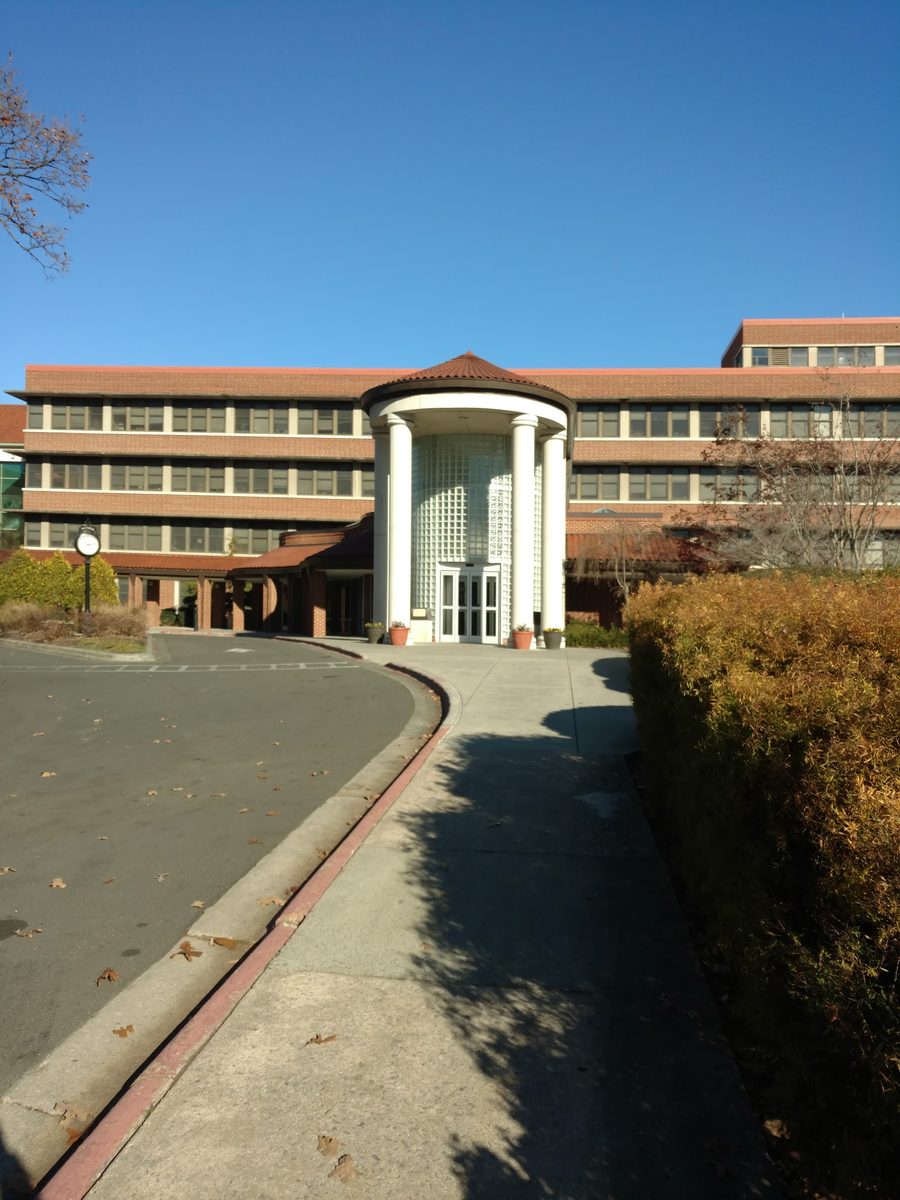
America's first public residential STEM high school, a Durham model tuition-free program now replicated by eighteen sister schools worldwide.
High Technology High School
Lincroft · United States
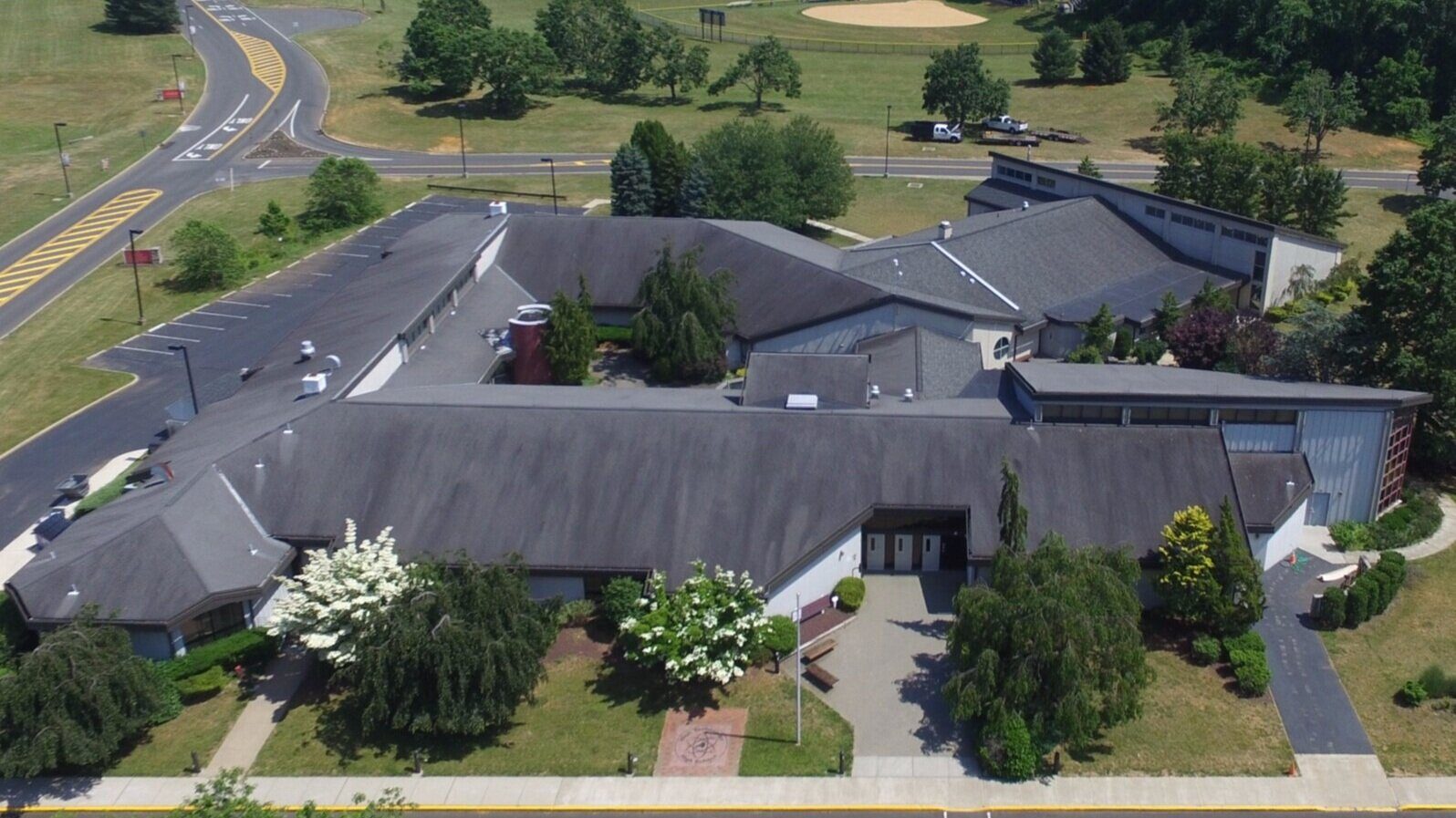
A 284-student engineering magnet in Monmouth County where civil design and digital electronics substitute for standard electives.
Same country and curriculum — closest matches within ±10 points either way