
Connecticut
On 226 acres in Connecticut's Litchfield Hills, a 19-percent-acceptance boarding school still lives by one motto: to serve, not be served.
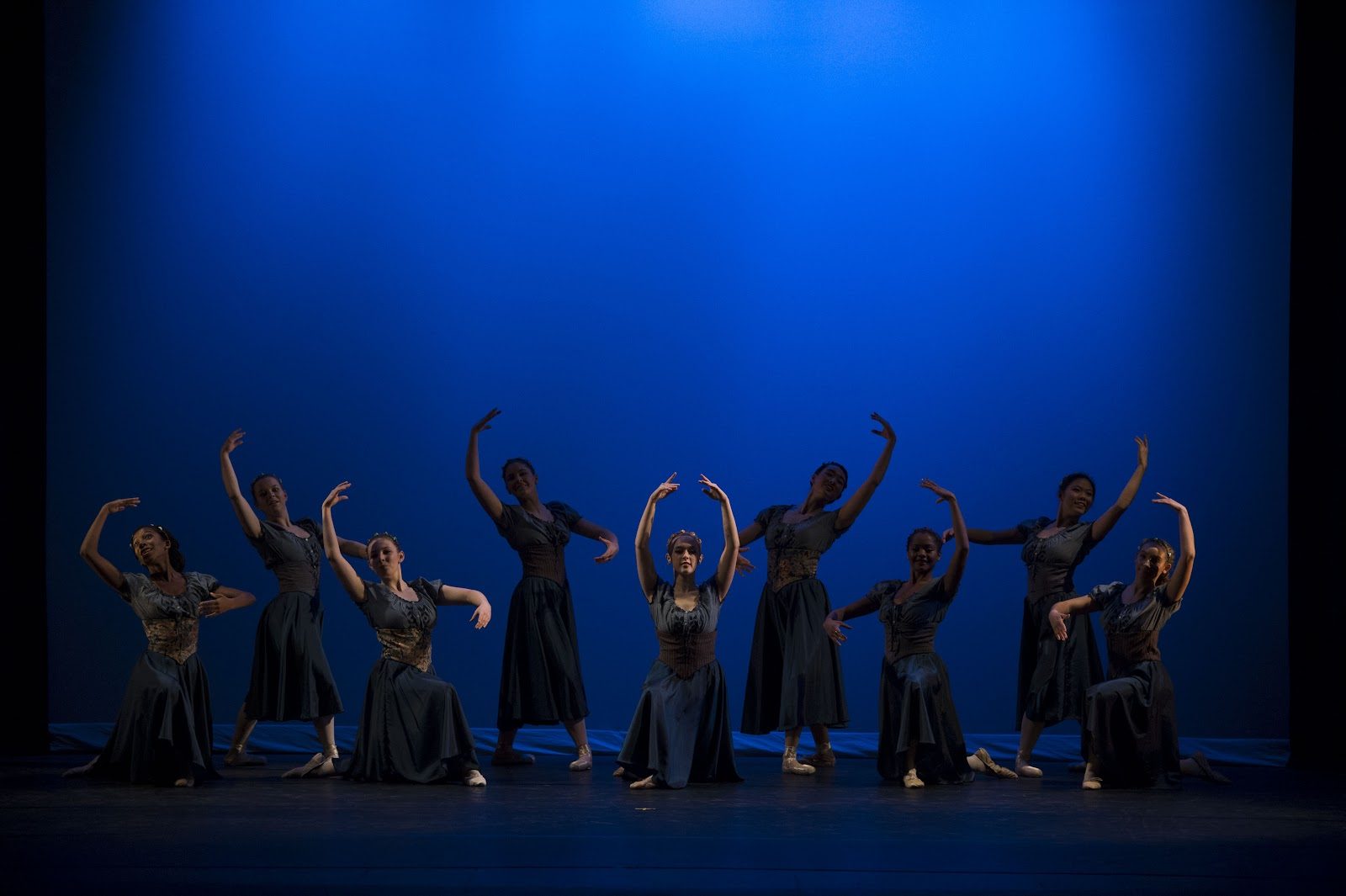
Photo © The Taft School via Google Maps
Type
Both
Ages
14–18
Curriculum
American
Qualifications
AP
Ratio
10:1
The Verdict
Editor's commitment
Right for
Ambitious boarders who want a 226-acre Connecticut campus, grades 9 to postgraduate, and a service ethos that still defines the place.
Wrong for
Teenagers who need anonymity or loose academic oversight; 583 students, a 10:1 ratio and average classes of 18 leave little room to coast.
Watch out for
At an average US$75,400 a year for boarding, Taft is expensive; with a 19 per cent acceptance rate, entry is competitive and expectations are high.
Ranking breakdown
Taft School · #78 of 1591
Composite score 78.9. 8 weighted criteria.
By criterion
Academic Outcomes
Weight 20%
#182
of 1529 scored
University Placement
Weight 16%
#136
of 1529 scored
Prestige & Heritage
Weight 12%
#80
of 1571 scored
Alumni Network
Weight 12%
#44
of 1530 scored
Facilities
Weight 12%
#47
of 1533 scored
Transparency & Communications
Weight 8%
#255
of 1532 scored
Peer & Industry Review
Weight 10%
#176
of 1548 scored
Admissions Selectivity & Demand
Weight 8%
#229
of 1529 scored
Score history
Taft School · 2026
Movement across 2024–2026. Peer average overlaid.
Overall — 2024–2026
78.9/ 100
▲ +19.7 vs 2025
year on year
Peer & Industry Review
How Taft School is regarded in the sector
90
Top-tier · high confidence
Taft School is consistently ranked among the top boarding schools in the US alongside Andover, Exeter, Hotchkiss, and Groton, frequently appearing in Niche and Boarding School Review 'best boarding schools' lists. It has a highly visible alumni network including notable figures in business, politics, and entertainment, and is a member of the elite 'Ten Schools Admissions Organization' alongside other historically prestigious New England prep schools. Its reputation is well-established in specialist education press covering elite US secondary education and is a frequent benchmark for peer boarding schools.
Evidence sources
Editors' overview
Taft’s sales pitch is built into the place itself: 226 acres in western Connecticut, about 583 students, and a boarding-school model that still expects adolescents to live close to adults who know them well. That matters more than the school’s polished facilities, though those are substantial: a 45,000-square-foot science and maths building, two theatres, two ice rinks, an 18-hole golf course and a library with 55,000 print volumes. The real draw is the combination of scale and supervision. Taft is big enough to offer serious sport, arts and academic range, but small enough for students to be known. The school quotes a 1:5 teacher-student ratio and classes averaging 11, while the editorially verified figures put the ratio at 10:1 with an average class size of 18; either way, the market position is clear: this is a high-attention, fully resourced American boarding school, not a loose, sink-or-swim campus.
What sets Taft apart is not novelty but discipline of purpose. The motto, “Not to be served but to serve”, could read as pious boilerplate at another school; here it sits at the centre of the school’s self-definition, alongside an honour code and a declared commitment to developing academic, artistic and athletic talent together. That combination gives Taft a recognisable shape in the US boarding market: traditional, demanding and invested in character without religious framing. It is also selective. A 19 per cent acceptance rate places it firmly in the competitive tier, and parents paying an average annual boarding fee of US$75,400 will expect substance. Taft’s NEASC and NAIS accreditations are standard for a school operating at this level; they do not distinguish it, but they confirm institutional seriousness.
The right student for Taft is not a narrow specialist. This is a school for teenagers who want breadth and can carry it: strong academics, competitive sport or committed arts, communal living, and a culture that places weight on conduct as well as performance. It suits boarders who thrive in structured intensity and who want the classic American independent-school experience rather than a progressive experiment or an urban day-school rhythm. It will appeal less to families hunting for radical flexibility, overt informality or a highly sheltered environment. Taft belongs on a shortlist because it offers something concrete and durable: a serious boarding education with scale, resources and a moral framework that the school has kept intact since 1890.
Academic Performance
Taft does not publish the kind of granular outcome data that makes hard academic comparison easy. We have not seen school-wide AP averages, IB results, subject-by-subject pass rates, or a full university-destination breakdown by cohort. That opacity matters. In the top tier of US boarding schools, parents paying premium fees have reason to expect cleaner disclosure than broad claims about matriculation to leading colleges. What Taft does offer, indirectly, is a picture of academic seriousness: selective admissions, a faculty-heavy residential model, and a student body drawn nationally and internationally. That places it in the high-expectation New England boarding bracket, where the baseline is strong classroom performance and competitive college placement rather than mass-market grade inflation.
Relative to peers, then, Taft sits in the group of academically ambitious American boarding schools whose reputation rests more on selectivity, teaching depth and post-school destinations than on published external-exam tables. The school’s own framing leans on whole-person formation, honour code and service, not on score-chasing. For some families, that balance is attractive; for others, the lack of published aggregate results is a real weakness. The market conclusion is straightforward: Taft belongs among the serious academic boarding schools, but it does not give the public the same level of results transparency that the best data-sharing schools now provide.
Facilities
Facilities are one of Taft’s strongest cards. The science and mathematics building alone signals a school that invests at a level above the norm, and the library’s 55,000 print volumes still matter in an age when many schools talk more about digital access than intellectual atmosphere. Two theatres give the performing arts proper capacity rather than token space, while two ice rinks and an 18-hole golf course place sport on a distinctly American independent-school footing. This is not a campus making do with shared municipal provision or a single overbooked hall. It has the infrastructure to run multiple serious programmes at once, and that makes a practical difference to timetable breadth, training time and student access.
Against peer boarding schools, the picture is clear: Taft sits in the well-funded upper tier for physical plant, with facilities that genuinely rival small colleges. The strength lies in range as much as polish. Plenty of schools can point to a smart science block or a handsome theatre; fewer can combine strong academic, arts and athletics provision without one area feeling secondary. The limitation is equally clear. Exceptional buildings do not, by themselves, guarantee exceptional teaching, and Taft’s public case remains stronger on visible capital investment than on hard proof of academic outcomes. Still, on facilities alone, this is a serious, heavily resourced campus that stands up well against its New England competitors.
Taft is big enough to offer serious sport, arts and academic range, but small enough for students to be known
Prestige
Taft carries real prestige in the American boarding-school market, though not the automatic global name recognition of the very small handful of schools that dominate every conversation. Its selectivity matters, and so does the company it keeps: this is a school that competes for the same families, teachers and university outcomes as the better-established New England independents. The alumni footprint strengthens that standing. Wikidata alone records 44 notable alumni, spanning politics, finance, scholarship, journalism and film. That breadth counts. It points to a school that has fed graduates into influential fields over time, not one that trades on a single famous donor or a narrow athletic reputation. The service motto and honour-code language also give Taft a clear moral identity, which many old-line boarding schools claim but fewer sustain with conviction.
The prestige here rests less on glamour than on institutional weight. Taft has the assets of a serious residential school, a long-settled culture and a student body drawn from 54 countries as well as across the US. That mix gives it reach beyond a local or purely regional pool. The weakness is public proof. Taft does not match the most transparent schools on published academic outcomes, and that limits how forcefully its reputation can be tested against peers. Even so, in market terms this remains a high-status school: selective, expensive, socially connected and fully part of the American independent-school elite, if not at its absolute summit.
What sets Taft apart is not novelty but discipline of purpose
Communications
Taft communicates in the manner of an old established boarding school that knows exactly what it wants to say. The public message is coherent, tightly controlled and built around a few recurring themes: service, character, breadth and residential life. That consistency counts. Parents can grasp the school’s priorities quickly, and there is little of the muddle that weaker schools create when they try to sound all things to all families. The site also gives concrete anchors rather than empty uplift: students drawn from 54 countries and 30 states, a faculty body with 101 advanced degrees, and a clear account of the school’s honour-code culture. For prospective parents, that is effective signalling. It tells you what sort of institution Taft is and what sort of child it wants.
Where the communication falls short is in operational candour. The school is strong on identity and atmosphere, weaker on the practical detail many fee-paying parents now expect. Public-facing information does not give a hard, comprehensive picture of academic outcomes, nor does it open much of the day-to-day machinery of school life. That leaves the impression of a school more comfortable articulating values than exposing performance. For families already aligned with Taft’s ethos, that disciplined, polished style will feel reassuring. For parents who want data, process and sharper comparative evidence, it will feel selective to the point of evasive. In short: excellent at stating mission, less good at proving results.
Uniqueness
What distinguishes Taft is the coherence between its moral language and its institutional design. Plenty of boarding schools talk about character, service and the whole child; Taft builds those ideas into daily life through an honour code, a residential model and an expectation that students develop in three directions at once: academic, artistic and athletic. That gives the school a clear internal logic. It is not a place for teenagers who want to optimise one strength while treating the rest as optional. It is for students who can live inside a demanding, old-fashioned bargain: work hard, contribute to the community, and accept that conduct matters as much as talent. The phrase “Not to be served but to serve” risks sounding ceremonial elsewhere. At Taft, it functions as a real organising principle.
The other point of difference is the mix of reach and containment. A student body drawn from 54 countries and 30 states gives pupils a wider social field than many American boarding schools of comparable scale, but the school still operates as a close residential community rather than a diffuse campus. For students, that brings two advantages. First, there is sustained exposure to peers with different habits, assumptions and ambitions. Second, there is nowhere to hide. In the right case, that produces mature, self-managing young adults with breadth, stamina and a stronger sense of obligation to others. In the wrong case, it feels pressurised and tradition-bound. That trade-off is central to Taft’s identity.
That combination gives Taft a recognisable shape in the US boarding market: traditional, demanding and invested in character without religious framing
Student Profile
The Taft student is not a dilettante. This school suits adolescents with range, stamina and a tolerance for expectation. The intake is drawn from 30 states and 54 countries, so students need social confidence as well as academic competence: the ability to live with difference, hold their own in a mixed residential community and cope without constant hand-holding. The best fit is a teenager who wants a full life rather than a narrow one — serious classes, organised sport or sustained arts, shared rules, adult oversight and a code of conduct that carries weight. Taft will reward students who are self-disciplined, community-minded and willing to be visible. In a school of this kind, effort gets noticed and so does idleness.
It is a poor match for students who want anonymity, loose structure or a purely transactional route to college. The culture asks for contribution, not just consumption. Teenagers who resent communal obligations, resist authority or want to specialise early at the expense of everything else will find the place constraining. Those who thrive tend to enjoy measured competition without needing constant applause, and they can handle a social setting that is high-expectation and not for the faint-hearted. The school’s own motto gives the clearest clue: this is for pupils prepared to serve a community, not just use one.
A 19 per cent acceptance rate places it firmly in the competitive tier, and parents paying an average annual boarding fee of US$75,400 will expect substance
Co-curricular strengths
Arts & sport, on a separate axis
Overall 9.14/10
Scored 0-10 from the school's own published evidence. This axis is editorial-only — it does not feed the main WTS ranking.
Sports
9.2/10
Phenomenal Founders League athletic infrastructure featuring an on-campus 18-hole golf course and dual indoor ice rinks.
Drama
9.2/10
Highly unique double-theater configuration on campus that acts as a technical conservatory environment for actors and tech crews.
Dance
8.8/10
Offers dedicated sprung-floor studio tracks that provide core asset choreography for major mainstage musical theater.
Music
9.3/10
Rich ensemble tradition highlighted by the grand annual Vespers choral service and active jazz combos.
Visual Arts
9.2/10
Housed within the professional Mark W. Potter Gallery, running advanced tracks in digital media and sculpture portfolios.
Editor-verified · 8/6/2026
Notable alumni · Wikidata
44notable alumni
23 historic (born pre-1930) · 8 modern (born post-1970)wikidata:2026-07-28 How we source this

WTS 300 badge
2025/26 editionTaft School is one of the World's Top 300 Schools for 2025/26. Claim your listing to add it to your site →
Strengths
- +Founded in 1890 by Horace Dutton Taft, brother of President William Howard Taft, giving the school over 130 years of continuous operating history.
- +Small class sizes (average 11 students) and a 5:1 student-to-teacher ratio support close academic supervision across the curriculum.
- +The school states it meets 100 percent of demonstrated financial need, with roughly a third of students receiving aid.
- +226-acre Watertown, Connecticut campus sits within a 95-mile drive of New York City and 125 miles of Boston, easing family visits and cultural access.
- +Notable alumni span distinct fields, including U.S. Senator Robert A. Taft, Nobel laureate Alfred G. Gilman, and philosopher of science Thomas Kuhn.
Considerations
- −Boarding tuition runs approximately $75,250 and day tuition $55,500 for 2025-26, placing it among the costliest US secondary options.
- −Admission is highly selective, with an acceptance rate commonly cited around 16-19 percent, so entry is far from guaranteed even for strong applicants.
- −With about 82 percent of students boarding, day students are a small minority and get comparatively less immersion in the dominant residential culture.
- −The rural Litchfield County setting means no direct urban amenities on the doorstep, unlike city-based day schools.
Availability
Primary entry gate & tests
SSAT/ISEE + Interview
Gallery
Photo © Randy Voytas via Google Maps
Photo © Randy Voytas via Google Maps
Photo © Randy Voytas via Google Maps
Photo © Randy Voytas via Google Maps
Photo © The Taft School via Google Maps
Photo © Randy Voytas via Google Maps
Photo © Mustafa Hamadah via Google Maps
Photo © The Taft School via Google Maps
Photo © The Taft School via Google Maps
Parent reviews
Have you sent your child here?
Voice reviews carry the strongest trust badge — we transcribe them for you to tidy up before they go live. Prefer to type? A written review is fine too.
Add your voice
In 60 seconds, tell other parents: what's the best thing about Taft School, and what surprised you when your child joined?
We ask for a Google sign-in so every review has a real face behind it — no anonymous drive-by attacks on schools, and no faked positive reviews. Your email is never shown publicly.
Send this profile to a friend
International parents rely on word-of-mouth. Share this review with someone weighing the same decision.
Schools with places
Similar schools to Taft School with places available now.
Loomis Chaffee School
Windsor · United States
- 2026-27
- WAITPOOLLate/Rolling Space Available
- 2027-28
- OPENS SOONOpens 1 Sept '26
Hopkins School
New Haven · United States
- 2026-27
- CLOSEDRegular cycle
- 2027-28
- OPENS SOONOpens Sept '26
The Hotchkiss School
Lakeville · United States
- 2026-27
- CLOSEDRegular cycle
- 2027-28
- PLACES OPENFall '27 interviews open
Choate Rosemary Hall
Wallingford · United States
- 2026-27
- CLOSEDRegular cycle
- 2027-28
- OPENS SOONOpens 1 Sept '26
Availability first, then country, area, curriculum, price, co-curricular
Consider also
Also worth looking at alongside Taft School.
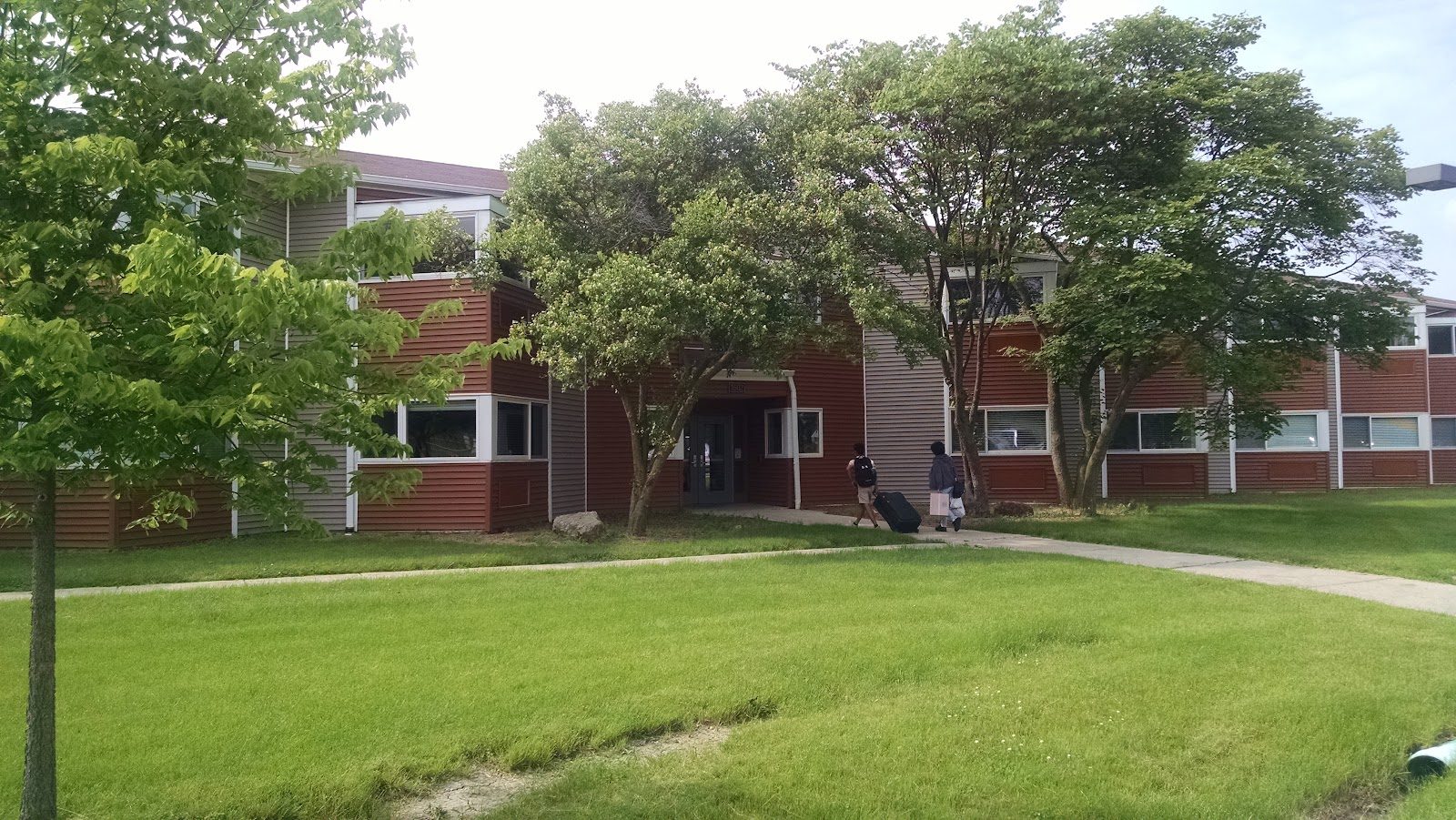
Illinois Mathematics and Science Academy
Aurora · United States
A tuition-free state laboratory in Aurora where a fifth of the school week is reserved for original research, not lectures.
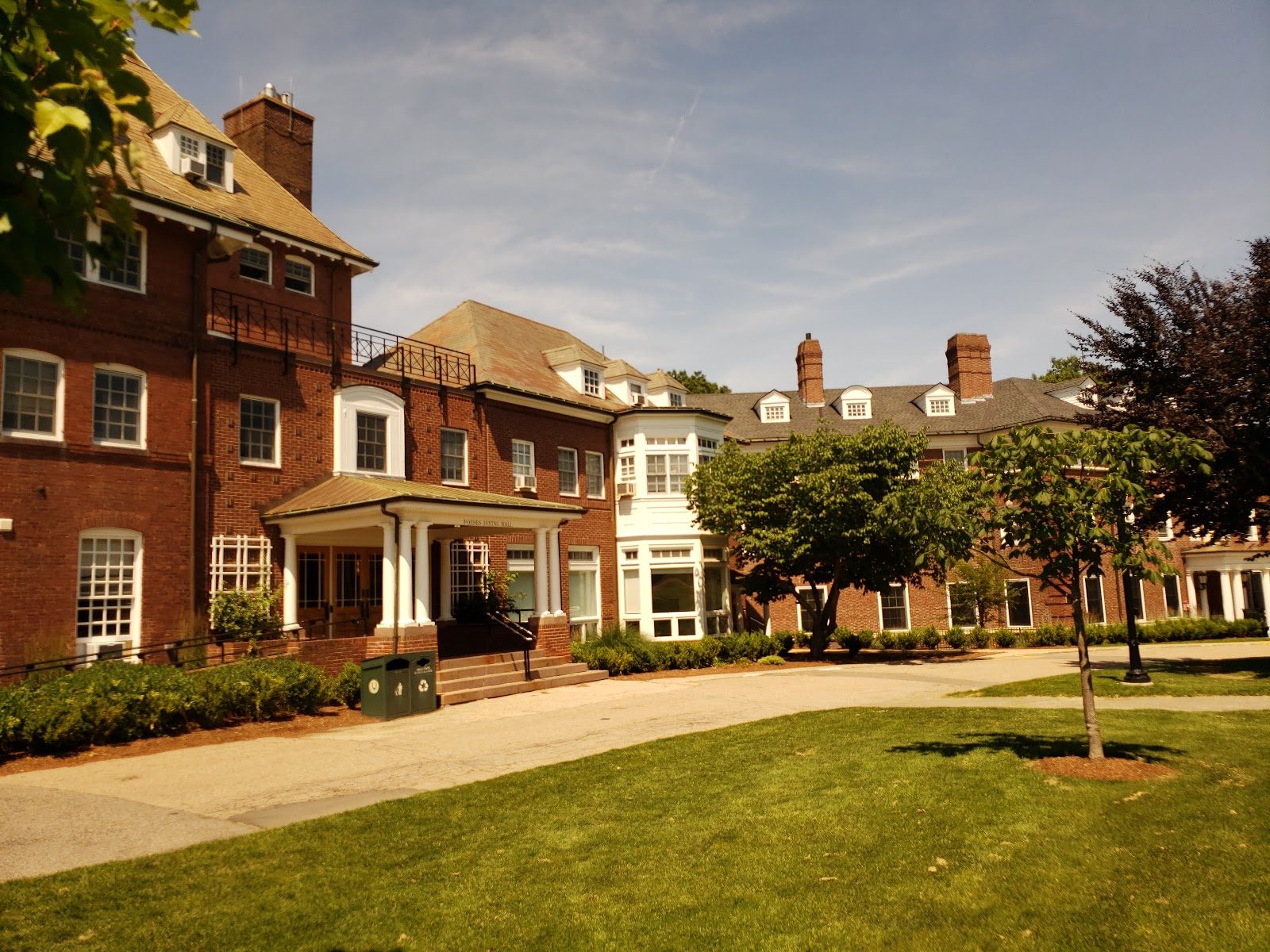
Milton Academy
Milton · United States
Eight miles from Boston, a 1798 charter still runs on Harkness-table debate rather than lecture halls.
Horace Mann School
New York City · United States
Born as Columbia Teachers College's 1887 experiment, now a Riverdale hilltop campus that swaps AP exams for homegrown advanced courses
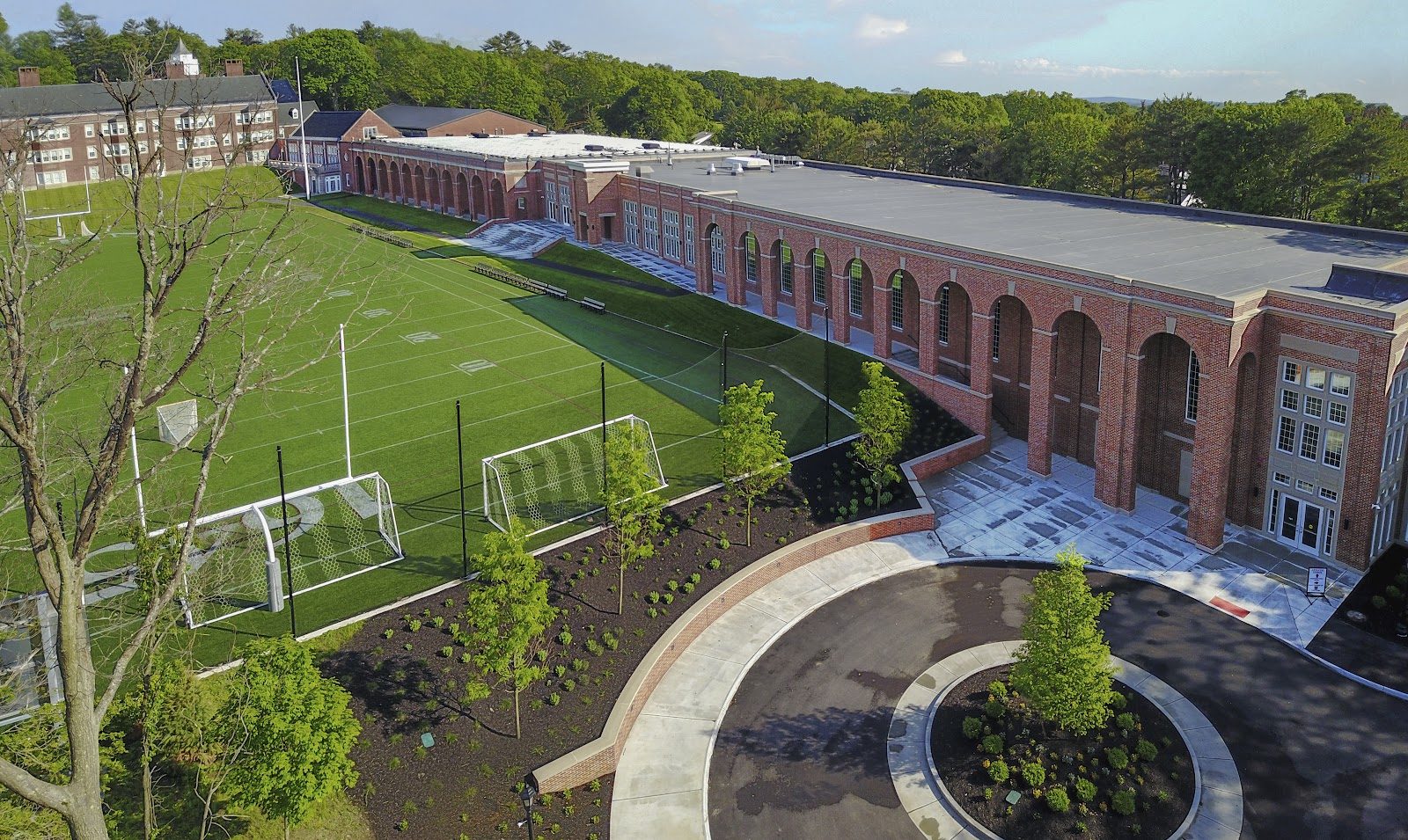
The Roxbury Latin School
Boston · United States
In West Roxbury, a boys' day school founded in 1645 has run continuously ever since, prizing 6:1 mentorship over scale.
Same country and curriculum — closest matches within ±10 points either way