
Victoria
Founded in 1851 on the Yarra, Victoria's oldest secondary school blends IB and VCE with non-selective results that rival the selective few.
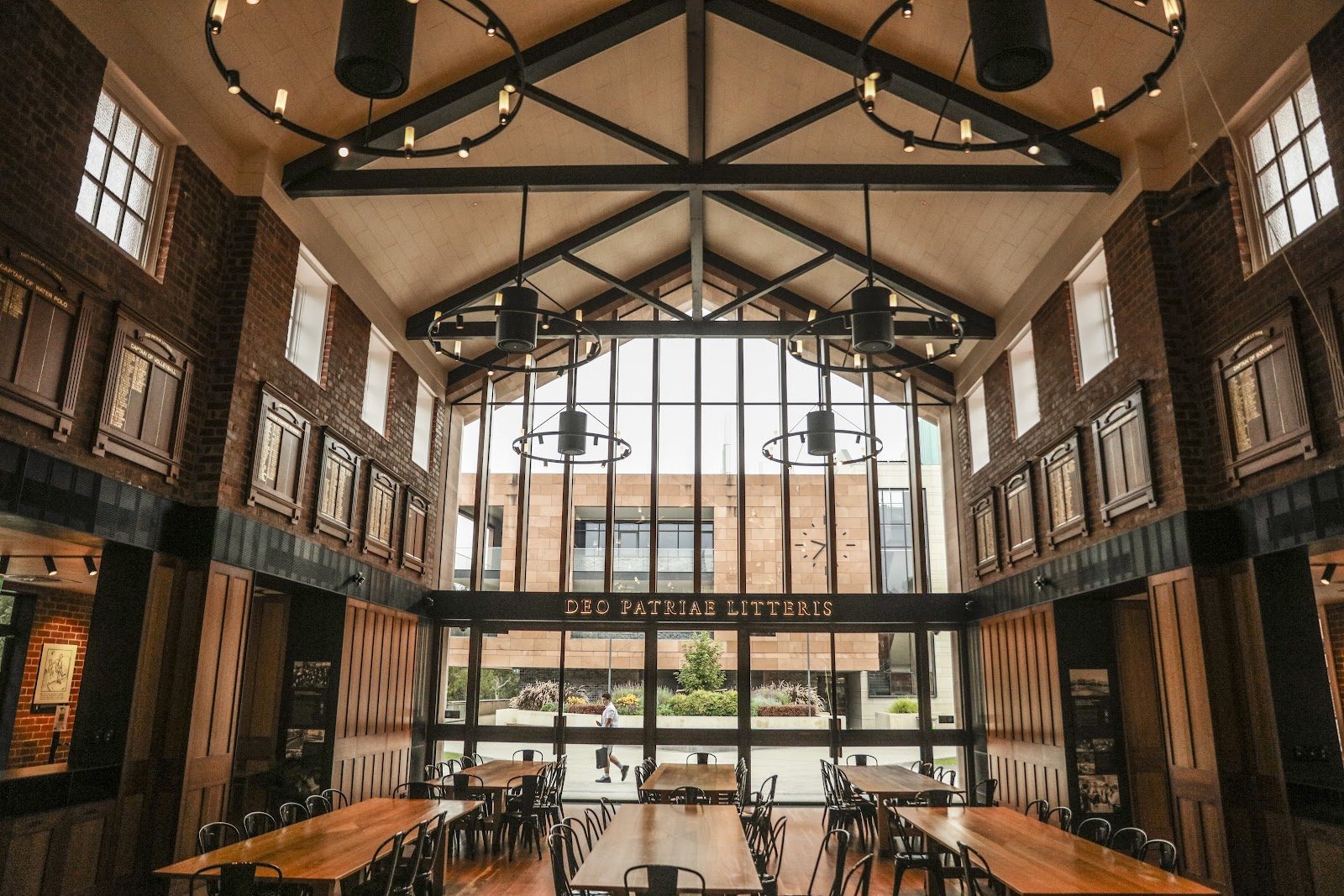
Photo © Scotch College via Google Maps
Type
Both
Ages
3–18
Curriculum
IB · VCE · Australian
Qualifications
HSC
Ratio
—
The Verdict
Editor's commitment
Right for
Families wanting Melbourne pedigree with substance: founded in 1851, English-medium, Anglican, with IB and VCE under one roof.
Wrong for
Anyone expecting selective-entry exclusivity; Scotch is non-selective, co-educational from 3–18, and still posts ICSEA 1195 with Y9 Numeracy 630.
Watch out for
This is expensive even by Melbourne standards: average annual day fees are AUD 46,967 and boarding averages AUD 60,545.
Ranking breakdown
Scotch College · #67 of 1591
Composite score 78.9. 8 weighted criteria.
By criterion
Academic Outcomes
Weight 20%
#182
of 1529 scored
University Placement
Weight 16%
#187
of 1529 scored
Prestige & Heritage
Weight 12%
#53
of 1571 scored
Alumni Network
Weight 12%
#21
of 1530 scored
Facilities
Weight 12%
#37
of 1534 scored
Transparency & Communications
Weight 8%
#153
of 1532 scored
Peer & Industry Review
Weight 10%
#66
of 1548 scored
Admissions Selectivity & Demand
Weight 8%
#489
of 1529 scored
Score history
Scotch College · 2026
Movement across 2024–2026. Peer average overlaid.
Overall — 2024–2026
78.9/ 100
▲ +18.2 vs 2025
year on year
Peer & Industry Review
How Scotch College is regarded in the sector
88
Strong · high confidence
Scotch College Melbourne is consistently ranked among Australia's most prestigious GPS (Associated Public Schools of Victoria) schools, regularly appearing in independent media coverage (The Age, Sydney Morning Herald 'best schools' features) alongside peers like Melbourne Grammar and Geelong Grammar. Its extensive alumni network includes prominent business, political and cultural figures frequently profiled in Australian press, and it is a benchmark reference point for other elite Melbourne private schools in sector comparisons. It lacks the international Tatler/Good Schools Guide coverage typical of UK schools, but within Australian specialist education press and peer-institution discourse it holds top-tier standing.
Evidence sources
Editors' overview
Scotch College sits in a rare bracket in Melbourne: a non-selective school with academic indicators that compete with selective peers. Its 2023 My School figures are blunt evidence of that strength, with an ICSEA of 1195, Year 9 reading at 628 and Year 9 numeracy at 630. Founded in 1851, it has institutional weight that few Australian schools can match, but the point is not heritage for its own sake. The point is that Scotch has used that long runway to build a serious academic machine across the full age range from 3 to 18, while keeping both the IB and VCE in play. That dual-path offer matters. It gives families genuine flexibility at the senior end rather than forcing an early commitment to one route.
The school’s market position is clear: this is a top-tier Melbourne independent with fees to match. The average annual day fee across the full ladder is AUD 46,967; boarding averages AUD 60,545. That places Scotch squarely in the premium end of the market, and parents are paying for more than old-school prestige. They are buying academic depth, continuity from early years to sixth form equivalent, and a campus identity on the Yarra that has long made Scotch part of Melbourne’s educational establishment. The Anglican setting will suit some families and deter others, but it gives the school a defined institutional character rather than a vague values pitch.
Why shortlist it? Because very few schools combine this level of attainment, this age span, boarding provision and a choice between IB and VCE under one roof. That mix makes Scotch attractive to ambitious families who want options at 16 rather than a dead end. It will suit students who are comfortable in a high-expectation, tradition-conscious environment and who want strong academic peers around them. It is less suited to families looking for a progressive, informal culture or a cheaper route to strong results. Scotch is for students who will thrive in a structured, competitive setting and who want the advantages of an established school without giving up curricular choice at the top.
Academic Performance
Scotch’s academic standing is clear even without a published parade of league-table claims. The hard public marker is its My School profile, where an ICSEA of 1195 sits alongside Year 9 reading at 628 and numeracy at 630. Those are elite-sector numbers. More to the point, they place a non-selective school in territory that parents normally associate with selective entry and exam-screened cohorts. That matters because it changes the interpretation of the results: Scotch is not simply harvesting pre-selected academic talent, it is producing outcomes at a level that puts it in the serious top tier of Melbourne independents.
What is missing is full exam transparency. We have not seen aggregate IB results, VCE study scores, ATAR distributions or subject-level outcome tables published in the public domain here, so parents cannot benchmark senior outcomes with the same precision available at more data-forward schools. That is a weakness. Still, the broader picture is not hard to read. A school that posts these middle-years attainment figures, across a full through-school structure, is operating in a high-performance academic culture. Relative to peers, Scotch sits with the *strongest non-selective schools in the state* and competes in practice with selective benchmarks. The caveat is straightforward: its reputation for results is strong, but the published senior-results picture is more opaque than it should be.
Facilities
The campus setting on the Yarra is one of Scotch’s strongest physical assets, and it matters because schools at this price point need more than competent classrooms. The advantage here is breadth: a full through-school needs serious sports provision, specialist teaching space and facilities that can absorb both day pupils and boarders without feeling cramped. Scotch has that scale. Against Melbourne peers, that places it in the top bracket for campus presence and gives it the kind of institutional heft families expect from an old independent school. The boarding offer also changes the facilities equation: a school serving resident pupils must provide a more complete daily environment than a day school, and Scotch operates in that all-day, all-week mode rather than as a campus that empties in the afternoon.
The limitation is transparency. The school’s public-facing information does not set out a crisp, itemised facilities case in the way some rivals do, with named centres, performance venues, laboratories and sport infrastructure mapped in detail. That does not mean the estate is weak; it means parents get less hard specificity than they should. In a market where competitors use facilities as proof of educational priorities, Scotch relies more on inherited campus reputation than on precise disclosure. For some families that will be enough. For others, especially those comparing premium schools line by line, the lack of granular detail is a real weakness. The physical offer reads as substantial and established; the published explanation of it does not.
Scotch College sits in a rare bracket in Melbourne: a non-selective school with academic indicators that compete with selective peers
Prestige
Scotch carries old-money Melbourne prestige in the plainest sense: it is one of the city’s entrenched establishment schools, with the social recognition, intergenerational loyalty and parent-network pull that status brings. The fees alone place it in rarefied company, with an average annual day fee of AUD 46,967 and boarding at AUD 60,545. Price does not create prestige by itself, but at this level it signals the market Scotch occupies: families are buying entry into a school with durable standing, a powerful local name and the confidence that attaches to institutions that have shaped professional and business circles for decades. In Melbourne, Scotch is not a hidden gem or an upstart success story. It is part of the furniture.
What lifts that prestige beyond inherited reputation is that the school has academic substance behind the brand. Plenty of old schools trade on memory; Scotch has current performance indicators that justify continued status. That matters because prestige without output decays into nostalgia. Here, the school’s standing rests on a combination of social cachet, institutional gravity and results strong enough to keep it in serious conversation with the city’s most sought-after independents. The Anglican identity adds to that definition rather than blurring it. This is a school for families who want a full-strength establishment education and do not mind the cultural formality that comes with it.
The school’s market position is clear: this is a top-tier Melbourne independent with fees to match
Communications
Scotch communicates like an old, confident institution: formal, controlled and not interested in chatter. That has strengths. Parents choosing a school with average annual fees of AUD 46,967 for day pupils and AUD 60,545 for boarders need clarity, cadence and adult-level professionalism, not a stream of breezy updates. The school’s public-facing communication reads as disciplined, institutional and self-assured. It gives a firm sense of identity and avoids the desperate over-selling that clutters many premium-school websites. That restraint is a mark in its favour. Families who value order and authority will read that as reassuringly serious.
The weakness is detail. Scotch does not publish enough hard information in key areas, and that affects parent confidence. The gap is clearest around senior outcomes, where the absence of aggregate result data leaves a hole that polished tone cannot fill. The same pattern touches practical school explanation more widely: there is less itemised, decision-useful specificity than top-fee competitors now provide as standard. For current families, that style may work well once inside the system, where direct contact and established routines carry more weight. For prospective parents, it is too reliant on reputation and not transparent enough. Effective communication at this price needs precision as well as polish. Scotch has the polish. It needs more precision.
Uniqueness
What sets Scotch apart is not heritage alone but the combination of establishment gravitas with academic flexibility and non-selective entry. In Melbourne, many schools can claim one or two of those things. Very few combine all three. Parents get a school with the social confidence and long institutional memory of the old private sector, but without the narrow proposition of a single senior pathway or an admissions model built around filtering for the highest scorers at the gate. That matters for students. It creates a culture where strong performance is expected across the school, not reserved for a hand-picked academic tranche. The My School profile underlines that point: an ICSEA of 1195 paired with Year 9 scores of 628 and 630 puts Scotch in rare company.
The practical gain for students is breadth without dilution. A child can move through the full age range in one institution, with the option to take different academic routes at the senior end, while still benefiting from the coherence, traditions and peer expectations of a single school culture. Add boarding to that mix and Scotch serves families who want both permanence and range. The trade-off is clear. This is a high-pressure, status-conscious, tradition-heavy environment, not a loose or experimental one. For the right student, that brings confidence, continuity and a serious competitive edge. For the wrong one, it brings constraint.
Its 2023 My School figures are blunt evidence of that strength, with an ICSEA of 1195, Year 9 reading at 628 and Year 9 numeracy at 630
Student Profile
The right student for Scotch is academically ambitious, resilient and comfortable in a culture that expects a lot without constantly explaining itself. This is not a school for children who need a soft-edged, highly informal atmosphere or a broad church of competing identities. It suits pupils who are energised by strong peers, clear standards and a social environment with its own codes. The public attainment markers make that plain: an ICSEA of 1195 and Year 9 scores of 628 and 630 point to a cohort that works hard and keeps pace. Students who fit here will not treat that pressure as an intrusion; they will treat it as normal. The school will reward the self-directed, the thick-skinned and the quietly competitive.
Social fit matters as much as academic fit. Scotch will suit families who are at ease with institutional formality, an Anglican setting and a school identity that carries real social weight. Some children thrive in that environment because it gives them structure, confidence and a strong sense of belonging. Others will find it status-conscious, tradition-heavy and not for the faint-hearted. Boarders and day pupils alike need enough independence to navigate a school with an established culture rather than trying to remake it around them. Pupils who want breadth, high expectations and a peer group that takes achievement seriously will do well here. Pupils who want looseness, radical informality or constant hand-holding will not.
Founded in 1851, it has institutional weight that few Australian schools can match, but the point is not heritage for its own sake
Co-curricular strengths
Arts & sport, on a separate axis
Overall 8.4/10
Scored 0-10 from the school's own published evidence. This axis is editorial-only — it does not feed the main WTS ranking.
Sports
10/10
Absolute athletic giant in Australia's APS league; fields a legendary, historically dominant rowing program alongside premier cricket and football pipelines.
Drama
8.5/10
Ambitious theater curriculum utilizing the professional-standard James Forbes Academy performance spaces.
Dance
5/10
Maintained strictly as a minor auxiliary component for physical movement blocks inside theatrical productions or house competitions.
Music
9.5/10
Outstanding symphonic wind bands, pipes and drums bands, and elite touring choirs that perform at venues like the Melbourne Arts Centre.
Visual Arts
9/10
Features museum-standard visual arts studios running advanced portfolios in fine painting, architectural drawing, and sculpture.
Editor-verified · 8/7/2026
MySchool · ACARA
Australian benchmarks
Editorial estimateReporting year
2023
ICSEA index
1195
+195 vs national average (1000)
Student cohort by national ICSEA quarter
Year 9 NAPLAN — mean scale score
Dashed line = national average
Attendance
94.4%
Enrolments
1970
Sector
Independent
Year range
P–12
Melbourne boys' day + boarding; one of Victoria's largest independent schools.
MySchool.edu.au source pageEditor-approximated from MySchool.edu.au. Awaiting school-attested figures.
WTS 300 badge
2026/27 editionScotch College is one of the World's Top 300 Schools for 2026/27. Claim your listing to add it to your site →
Strengths
- +Scotch College is the oldest continuing secondary school in Victoria, founded in 1851 by Rev. James Forbes and the Presbyterian Church.
- +2024 VCE results were strong: median ATAR of 90.4, with 73.5% of the cohort achieving an ATAR of 80 or above and 16 perfect study scores of 50.
- +Offers a dual academic pathway, with both the VCE and the International Baccalaureate Diploma available in the senior years alongside the standard Australian curriculum.
- +One of the largest and best-resourced alumni networks in Australia, producing three Governors-General and more Order of Australia honours than any other Australian school.
- +Substantial financial resources, having been identified as holding the largest financial investment portfolio of any Australian school, valued at more than $144 million in 2021.
Considerations
- −Single-sex boys' school offering only day and boarding models, so families wanting co-education or a girls' option must look elsewhere.
- −Tuition is high by Australian standards, with local fees running into the tens of thousands of dollars annually plus separate enrolment, holding and (for boarders) boarding charges, and additional overseas-student surcharges for non-residents.
- −Admission operates on a long waitlist system with applications accepted from birth, so families relocating with older sons may find popular entry years (Prep, Year 4, Year 7) already full.
- −A large cohort of close to 1,900 boys across Prep-12 means the school operates at a scale that some families may find less personal than smaller institutions.
Availability
Primary entry gate & tests
Academic Record + Interview
Gallery
Photo © SHAOFENG CHEN via Google Maps
Photo © SHAOFENG CHEN via Google Maps
Photo © Eddy Yang via Google Maps
Photo © Scotch College via Google Maps
Photo © Scotch College via Google Maps
Photo © SHAOFENG CHEN via Google Maps
Photo © Luke Goodin via Google Maps
Photo © Ryan Miller via Google Maps
Photo © Scotch College via Google Maps
Parent reviews
Have you sent your child here?
Voice reviews carry the strongest trust badge — we transcribe them for you to tidy up before they go live. Prefer to type? A written review is fine too.
Add your voice
In 60 seconds, tell other parents: what's the best thing about Scotch College, and what surprised you when your child joined?
We ask for a Google sign-in so every review has a real face behind it — no anonymous drive-by attacks on schools, and no faked positive reviews. Your email is never shown publicly.
Send this profile to a friend
International parents rely on word-of-mouth. Share this review with someone weighing the same decision.
Schools with places
Similar schools to Scotch College with places available now.
Melbourne Grammar School
Melbourne · Australia
- 2026-27
- WAITPOOLVacancy-dependent
- 2027-28
- PLACES OPENBoarding open; Day waitpool
Geelong Grammar School
Corio, Victoria · Australia
- 2026-27
- WAITPOOLSpace-dependent
- 2027-28
- PLACES OPEN
Methodist Ladies' College
Melbourne · Australia
- 2026-27
- WAITPOOLVacancy-dependent
- 2027-28
- PLACES OPEN
Wesley College
Melbourne · Australia
- 2026-27
- WAITPOOLVacancy-dependent
- 2027-28
- PLACES OPEN
Availability first, then country, area, curriculum, price, co-curricular
Consider also
Also worth looking at alongside Scotch College.
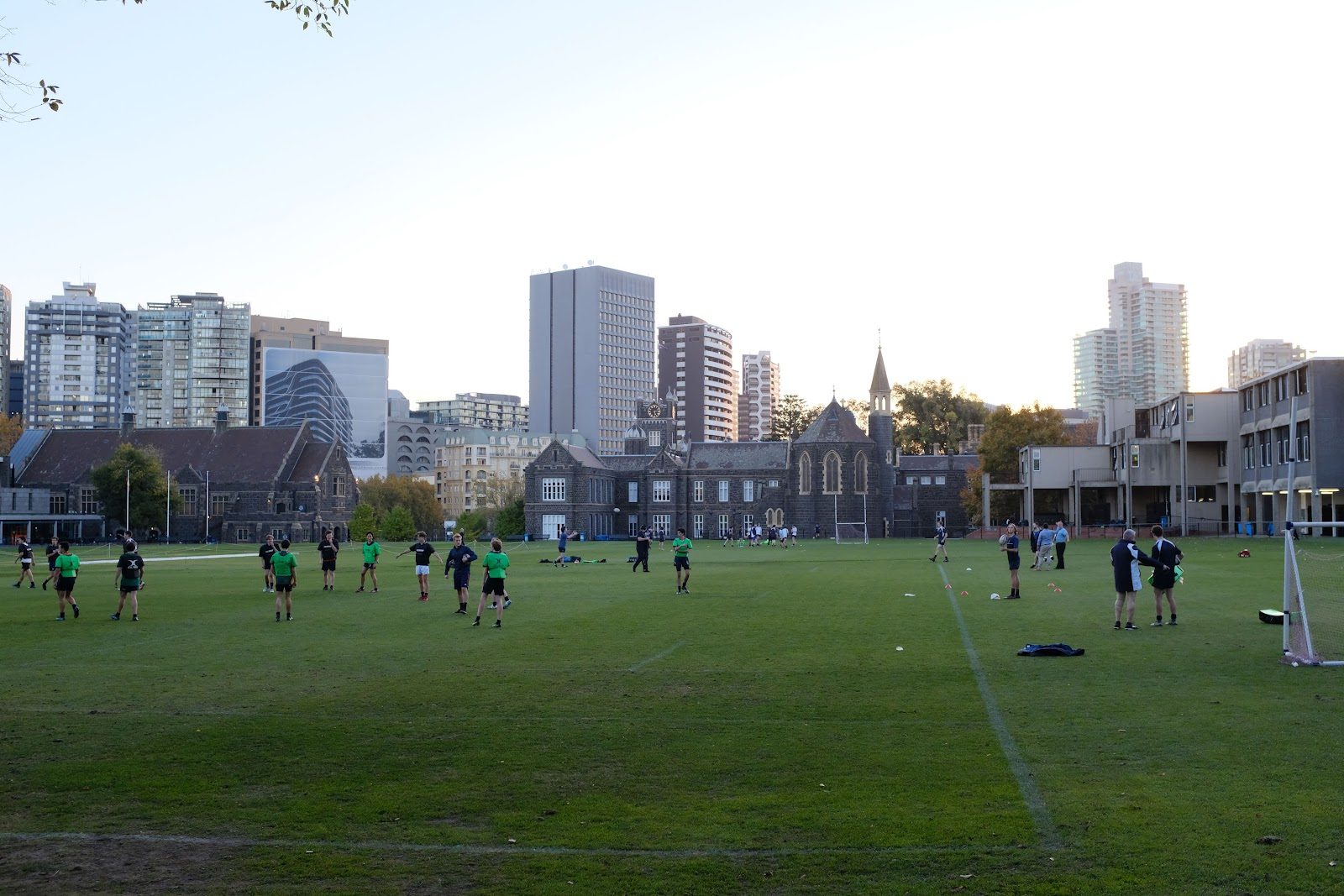
Melbourne Grammar School
Melbourne · Australia
Site of the first recorded Australian Rules football match in 1858, its bluestone St Kilda Road campus still borders the Royal Botanic Gardens.
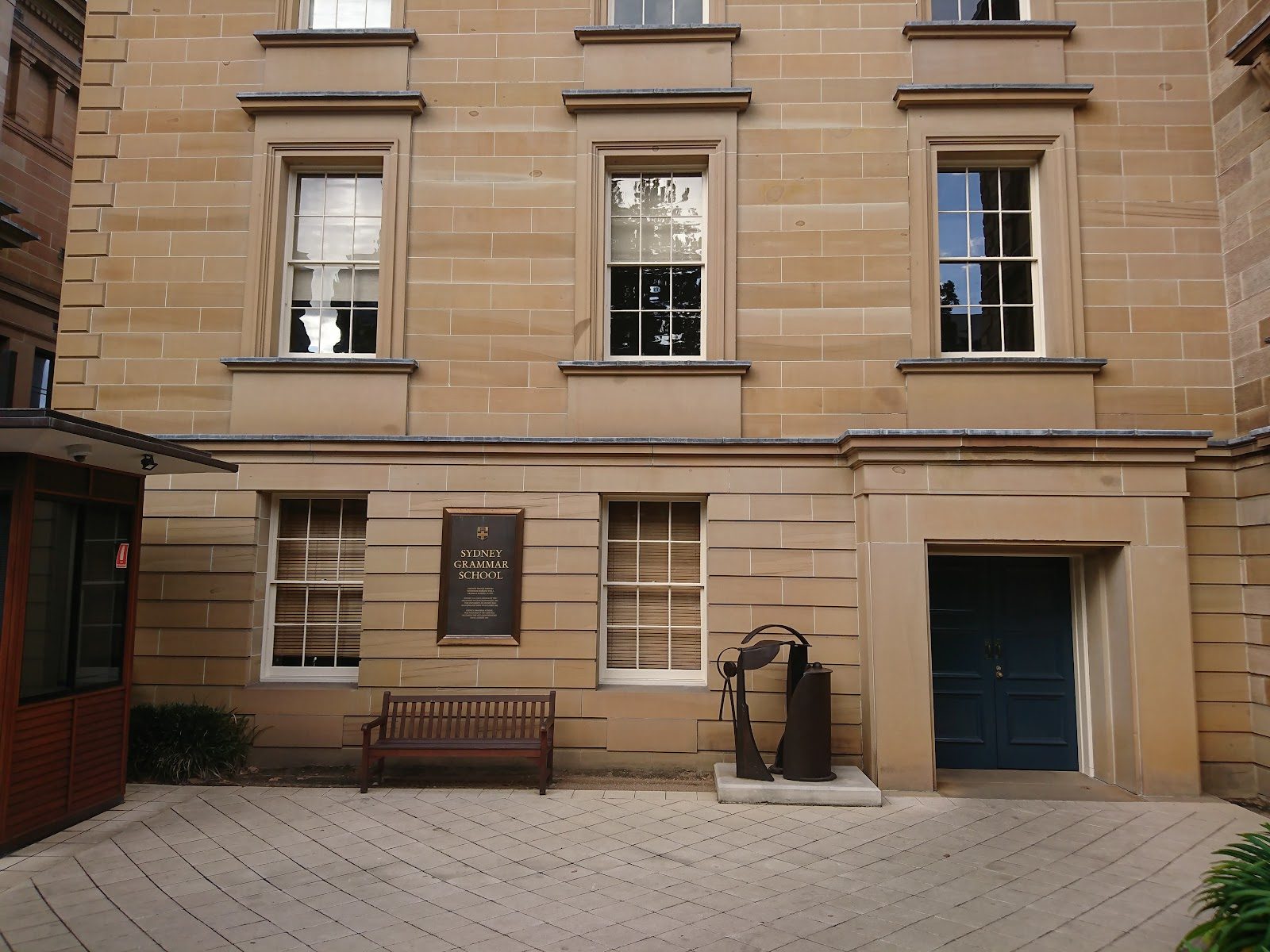
Sydney Grammar School
Sydney · Australia
A College Street institution since 1857, pairing classical Latin and Greek study with the state's highest-placed independent-school HSC results.
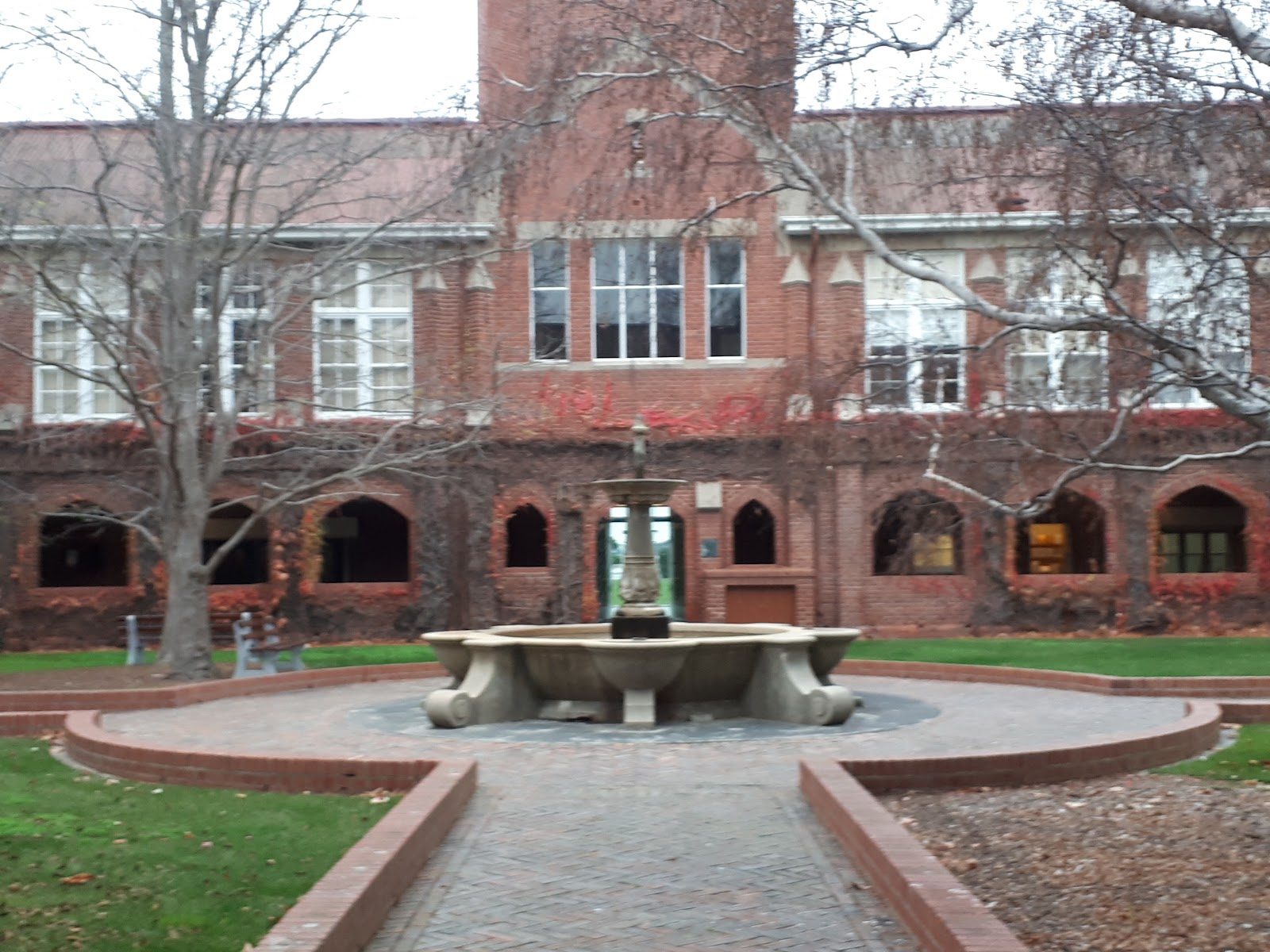
Geelong Grammar School
Corio, Victoria · Australia
Sends every Year 9 to a remote alpine campus, then blends IB and VCE with the wellbeing model it pioneered.
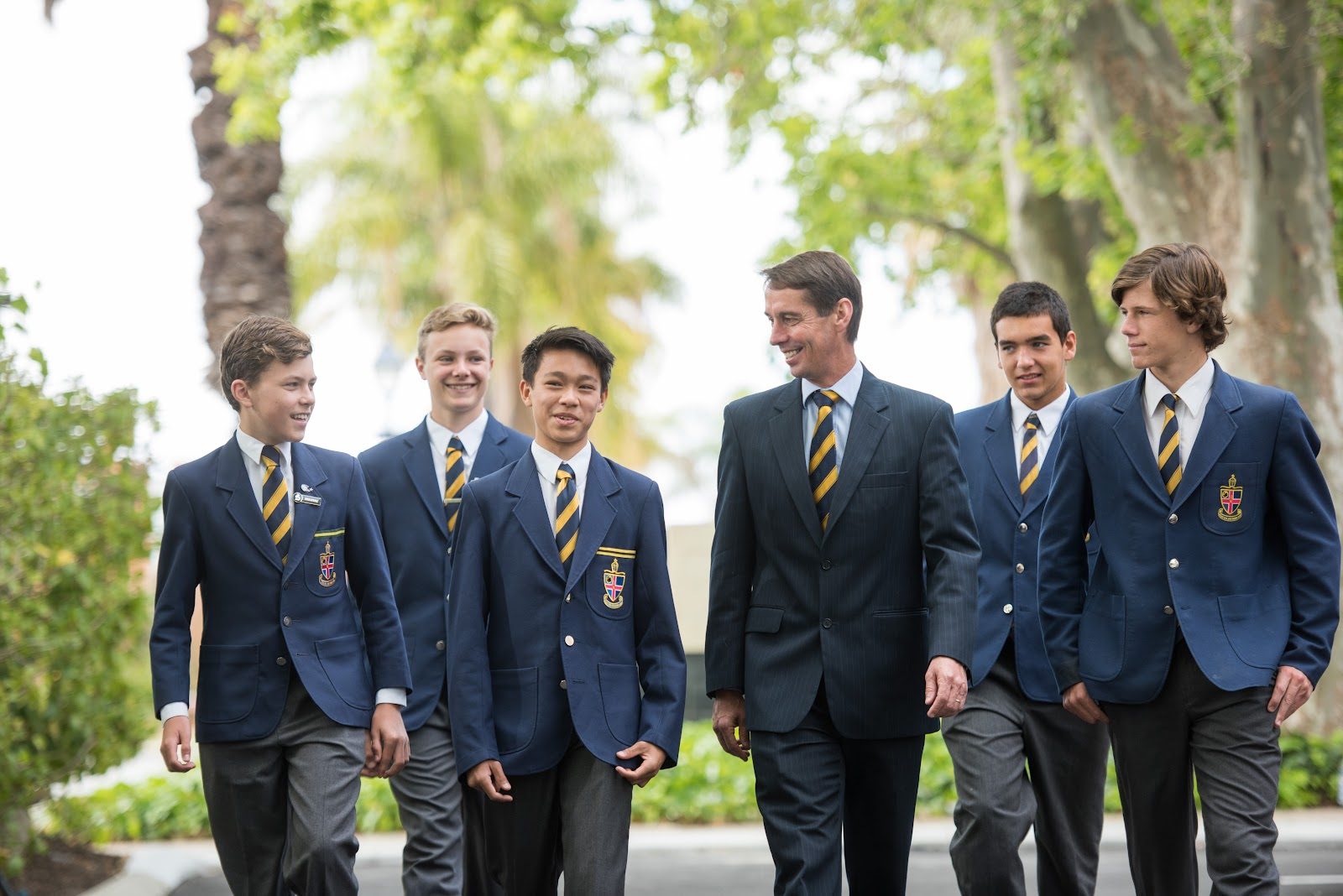
Christ Church Grammar School
Perth · Australia
Freshwater Bay frontage anchors an Anglican boys' school where rowing tradition and strong ATAR results define the culture
Same country and curriculum — closest matches within ±10 points either way