
New York
Born as Columbia Teachers College's 1887 experiment, now a Riverdale hilltop campus that swaps AP exams for homegrown advanced courses
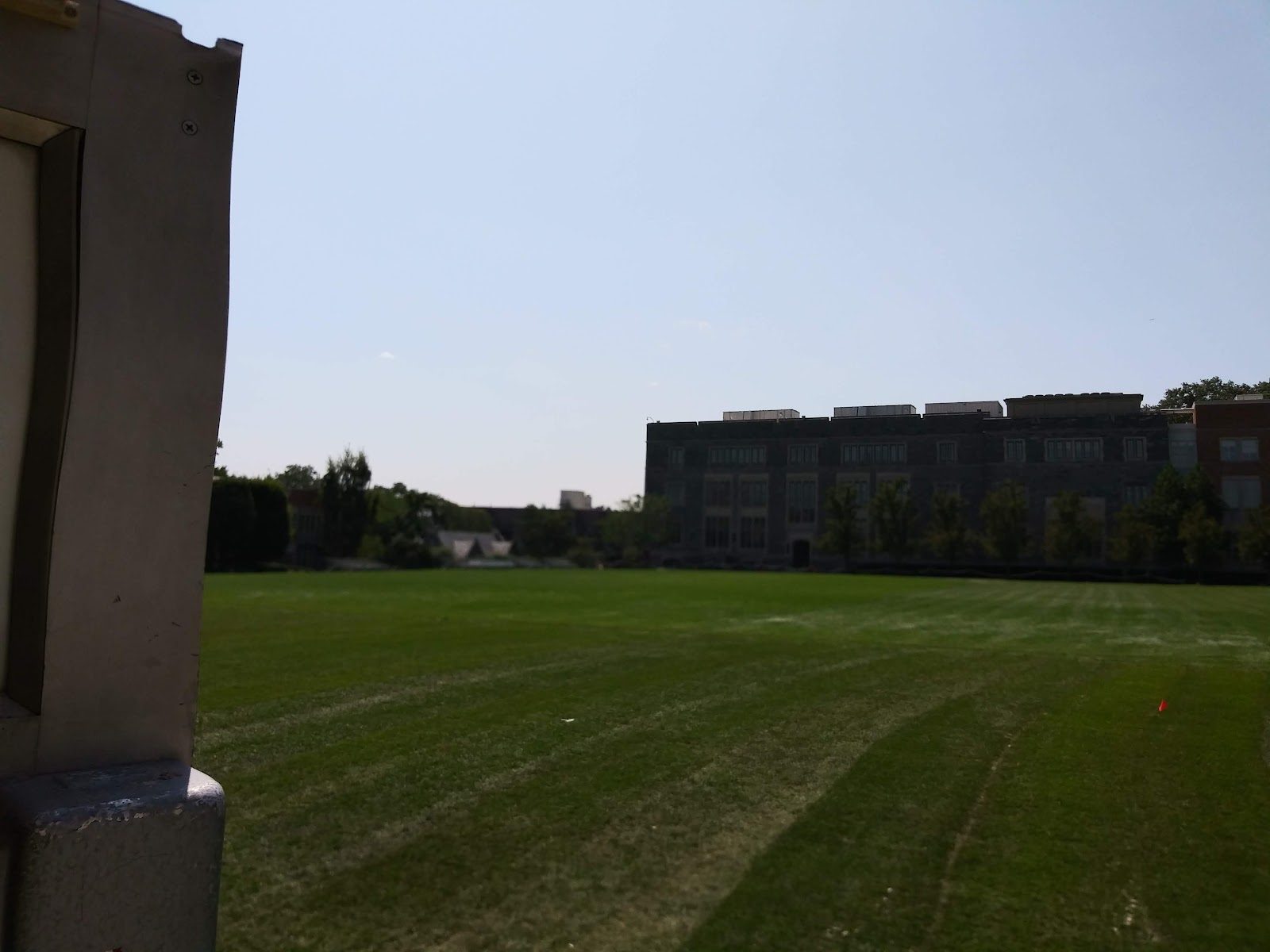
Photo © Patrick “Augustus” Jonas via Google Maps
Type
Day
Ages
3–18
Curriculum
American
Qualifications
AP
Ratio
10:1
The Verdict
Editor's commitment
Right for
Families wanting an American day school with real scale: 1,800 pupils, a 10:1 ratio, and University of Chicago leading 2026 destinations.
Wrong for
Parents chasing AP branding, boarding, or bargain fees: Horace Mann is day-only, runs its own advanced courses, and averages $59,025 a year.
Watch out for
Founded in 1887 and accredited by NEASC and NAIS, it has pedigree and polish; with average classes of 18, anonymity is no excuse.
Ranking breakdown
Horace Mann School · #68 of 1591
Composite score 79.1. 8 weighted criteria.
By criterion
Academic Outcomes
Weight 20%
#118
of 1529 scored
University Placement
Weight 16%
#59
of 1529 scored
Prestige & Heritage
Weight 12%
#92
of 1529 scored
Alumni Network
Weight 12%
#72
of 1529 scored
Facilities
Weight 12%
#292
of 1529 scored
Transparency & Communications
Weight 8%
#92
of 1529 scored
Peer & Industry Review
Weight 10%
#146
of 1529 scored
Admissions Selectivity & Demand
Weight 8%
#180
of 1529 scored
Score history
Horace Mann School · 2026
Movement across 2024–2026. Peer average overlaid.
Overall — 2024–2026
79.1/ 100
▲ +22.4 vs 2025
year on year
Peer & Industry Review
How Horace Mann School is regarded in the sector
93
Top-tier · high confidence
Horace Mann is consistently ranked among the top independent schools in the US by Niche and other education rankings, and is frequently cited alongside Dalton, Trinity, and Collegiate as an elite NYC private school. Its alumni network includes prominent figures in finance, media, law, and academia (e.g., Jack Kerouac attended briefly, and numerous CEOs and public figures are alumni), and it is a perennial feeder to Ivy League universities, frequently discussed in college admissions press (e.g., New York Times, Chronicle of Higher Education coverage of elite private school pipelines). It is widely referenced in specialist education press and parent forums (Urban Baby, Manhattan private school guides) as one of the most competitive and prestigious schools in New York City.
Evidence sources
Editors' overview
Horace Mann’s defining feature is not a gleaming campus or a branded global network, but an old-fashioned American independent-school confidence in writing its own academic script. This is a coeducational day school founded in 1887, with more than 1,800 pupils from Nursery through Grade 12 across Manhattan and the Bronx, plus a 320-acre outdoor education centre in Connecticut. The school’s interest for parents sits in that combination of scale and seriousness: 10:1 student-teacher ratio, average class size of 18, and a culture built around a hard-driving intellectual life rather than exam factory habits. The tagline matters here too: Horace Mann swaps AP exams for its own advanced courses. That will suit families who want depth, teacher-led challenge and a school confident enough to resist standardised American prestige markers. It will not suit parents who want the reassurance of a long list of AP scores.
The market position is clear. At an average annual day fee of $59,025, Horace Mann sits in New York’s top fee bracket and competes for families who could choose any elite day school in the city. What puts it on a shortlist is not polish alone, but institutional heft: NEASC and NAIS accreditation, a large alumni base, and destination power that is hard to ignore. For the Class of 2026, with 183 leavers, the leading university destinations were the University of Chicago with 64 students, Cornell with 45, and the University of Pennsylvania with 23. Those are striking numbers, even allowing for a self-selecting cohort. The school also carries real cultural and intellectual weight beyond admissions statistics, with 141 notable alumni catalogued in Wikidata across politics, business, science, writing and the arts. That breadth gives Horace Mann a serious civic and cultural footprint.
The pupil who will thrive here is bright, self-propelled and comfortable in a large, high-pressure environment where ambition is normal. This is not a cosy boutique school. It is a big, established New York institution with the resources to offer theatre, athletics, research, service and outdoor education at scale, but also the expectation that students will use them well. Children who want close adult attention without a sheltered atmosphere will find that balance in the ratio and class size. Children who need constant hand-holding or a softer academic pace will find the place demanding. For the right family, Horace Mann offers something distinctive: a formidable American college-prep education with intellectual confidence, deep extracurricular reach and outcomes that justify its price.
Academic Performance
Horace Mann does not publish the usual parade of AP totals and score distributions, because it does not organise its sixth-form profile around AP entry in the first place. That makes direct spreadsheet comparison with New York’s most exam-forward independents impossible, and parents who want a clean grid of externally benchmarked results will find the picture opaque by design. The school asks families to judge academic strength through university exits, internal course rigour and the quality of student work rather than through a stack of standardised test data. In market terms, that places Horace Mann with the self-confident end of the US private-school sector: schools secure enough in their reputation to reject the AP numbers game, but also willing to give up an easy public proof point.
That trade-off matters. Among peers, schools with heavy AP or IB reporting offer a simpler read on academic performance; Horace Mann offers a harder-edged, more interpretive case. The best external signal sits in destination outcomes: 183 leavers dispersing to a wide range of selective universities, with unusually heavy representation at Chicago, Cornell and Penn. Those figures point to a school with real admissions credibility, even if they do not replace published exam data. For families fluent in the American independent-school world, that is enough. For everyone else, the absence of transparent examination reporting leaves Horace Mann less legible than rivals that publish results in full.
Facilities
Facilities are a serious strength here, and not in the show-home manner some New York independents favour. The main advantage is breadth. Horace Mann operates across separate Manhattan and Riverdale sites, with the core Lower, Middle and Upper Divisions gathered on the Bronx campus rather than split into cramped urban fragments. That gives it room many city day schools cannot match. For parents, the standout asset is the John Dorr Nature Laboratory in Connecticut: a dedicated outdoor education centre on 320 acres used for trips and away-from-home learning. Among direct peers, that is a genuine differentiator. Plenty of elite day schools offer outdoor programmes; far fewer control a landholding of that scale for their own pupils. Add an active theatre programme, ceramics provision, summer courses and sports camps, and the picture is of a school with real operational heft rather than a single polished showpiece.
Against top-tier day-school competition, the facilities profile reads powerful, practical and expansive. The weakness is not quality but romance: parents hunting for a single iconic historic quad or a highly choreographed campus aesthetic will find a more functional, distributed setup. Horace Mann’s estate works hardest as infrastructure for busy, ambitious children. With more than 1,800 pupils to serve, that matters. The school needs facilities that can absorb scale without feeling pinched, and on that front it stands up well against peers. The outdoor centre alone pushes it beyond the standard Manhattan premium-school template into something more substantial and better resourced.
Against top-tier day-school competition, the facilities profile reads powerful, practical and expansive
Prestige
Horace Mann carries real metropolitan prestige: not the glossy, newly engineered kind, but the dense reputation that accumulates when a school has long sat near the top of New York’s independent sector and kept its hold there. Scale matters. With more than 1,800 pupils, it has the reach, alumni depth and institutional confidence of a major American day school, not a niche operation. The alumni record reinforces that standing. Wikidata alone captures 141 notable former pupils across politics, finance, scholarship, journalism and the arts, with award winners in drama and music. That breadth gives the school cultural weight as well as social cachet. Families are not buying obscurity here; they are buying entry into a well-entrenched elite network with serious name recognition.
The prestige is also academic, though in a distinctly Horace Mann way. This is not a school that leans on a pile of public exam metrics to prove itself. It trades instead on selective university exits, an intellectually assertive house style, and the confidence to run advanced study on its own terms. That raises status among families who value institutional self-belief and a school secure enough to resist standard American prestige rituals. It lowers clarity for parents who want externally benchmarked score tables. Even so, the market verdict is plain: an average annual fee of $59,025 places Horace Mann in the company of schools that do not need to discount, explain away weak demand or manufacture exclusivity. Its prestige is earned, durable and expensive.
That gives the school a distinctive academic independence that few large US independents still maintain
Communications
Horace Mann communicates like a large, fully built institution: frequent news postings, a live calendar of school activity, clear parent and employee portal links, and a homepage that treats current school life as a running public record rather than a static prospectus. That matters. Parents can see theatre productions, academic prizes, service trips, summer programmes, language travel, arts showcases and athletics camps moving through the year in real time. The volume alone tells you something about the school’s operating rhythm. With more than 1,800 pupils spread across divisions and sites, communication has to function as infrastructure, not decoration, and here it does. The tone is orderly, confident and institutional rather than intimate.
The strength is consistency. Updates span academics, arts, sport and pastoral life, so parents get a broad picture of what children are actually doing. The weakness is the same thing that shapes much of Horace Mann’s public face: high polish, limited candour. You get celebration, programme detail and institutional messaging; you do not get much public evidence of friction, hard questions or performance data beyond headline outcomes. That does not make the communication weak. It makes it controlled. For families who want regular visibility into school life, that is effective. For families who judge communication by openness on results, pressure points and trade-offs, it is *less transparent than the best schools in the category*.
Uniqueness
What marks Horace Mann out is its refusal to rely on the standard American prestige script. Instead of building sixth-form status around AP accumulation, it runs its own advanced courses and asks pupils to do harder intellectual work without the comfort blanket of a national exam badge. That gives the school a distinctive academic independence that few large US independents still maintain. It also changes the pupil experience. Children here are trained to think, write and argue inside a demanding internal culture rather than chase a sequence of test scores. For strong self-starters, that is liberating and exacting at once: more room for depth, more reliance on teacher judgement, and less incentive to treat learning as an exercise in point-scoring. For anxious comparers, it is a tougher sell, because the school offers less public numerical proof than AP-driven rivals.
The second point of difference is scale deployed with purpose. Horace Mann combines a very large student body with unusual access to outdoor education through its Connecticut site, giving pupils a version of elite urban schooling that extends beyond classrooms, theatres and sports fixtures. That matters because big schools can feel impersonal; here, the structure creates range instead. Students get access to a broad, high-functioning ecosystem of clubs, service, arts and trips, plus a graduate cohort of 183 feeding into a powerful university network. The result is institutional muscle without a narrow conveyor-belt feel: ambitious, resource-heavy, and not remotely cosy.
The tagline matters here too: Horace Mann swaps AP exams for its own advanced courses
Student Profile
The pupil who fits Horace Mann is intellectually quick, independently motivated and comfortable being surrounded by other able children who treat ambition as normal. This is a school for students who want to range widely: serious classroom discussion, high-output arts, competitive sport, service activity, research projects, outdoor trips and a social world big enough to avoid the claustrophobia of a tiny school. With more than 1,800 pupils, there is room to find one’s tribe. That scale helps children who are confident enough to navigate a large institution and make use of it. It does not flatter the passive. A child waiting to be coaxed into interests, friendships or academic momentum will get less from the place than one who arrives self-directed, energetic and ready for pressure.
Socially, Horace Mann suits families who value adult expectations, mature conduct and a school culture that takes the life of the mind seriously. The mission language is explicit about respect, safety and contribution to the common good, and the public record backs that up with a steady mix of arts, history, service and global travel. The right student is not just bright but well-organised, thick-skinned and willing to work inside a high-expectation peer group. Children who want a cosier, more sheltered atmosphere, or who need constant reassurance from external benchmarks, will find a tougher fit. This is a strong choice for engaged, capable pupils who want breadth without losing academic edge.
That will suit families who want depth, teacher-led challenge and a school confident enough to resist standardised American prestige markers
Co-curricular strengths
Arts & sport, on a separate axis
Overall 8.6/10
Scored 0-10 from the school's own published evidence. This axis is editorial-only — it does not feed the main WTS ranking.
Sports
8.5/10
Powerful Ivy Preparatory League force, utilizing its historic Bronx campus and John Dorr Nature Laboratory for rugged athletic training.
Drama
9/10
Ambitious theater curriculum staging large-scale classical and contemporary plays inside their primary performing arts spaces.
Dance
7.8/10
Popular choreographic asset utilized to build movement and synchronization ensembles for large-scale performance showcases.
Music
9/10
Outstanding chamber orchestras, wind ensembles, and choral troupes that routinely headline major East Coast youth music festivals.
Visual Arts
8.7/10
Sun-drenched studio spaces running advanced design pipelines, ceramics, and photography to build elite university portfolios.
Editor-verified · 8/6/2026
Outcomes & destinations
Where students go next
Class of 2026
183 graduates
Top destinations
349 placements
- University of Chicago· 64
- Cornell University· 45
- University of Pennsylvania· 23
- New York University· 22
- University of Michigan-Ann Arbor· 19
- Duke University· 16
- Northwestern University· 15
- Columbia University· 14
- Vanderbilt University· 13
- Emory University· 13
- University of Texas at Austin· 12
- Brown University· 11
- Colgate University· 10
- Yale University· 10
- Tulane University of Louisiana· 10
- Georgetown University· 10
- Harvard University· 9
- University of Wisconsin-Madison· 9
- Princeton University· 8
- Dartmouth College· 8
- University of St Andrews· 8
Reported by the school. Confirm with admissions.
Notable alumni · Wikidata
141notable alumni
73 historic (born pre-1930) · 18 modern (born post-1970)wikidata:2026-07-28 How we source this
WTS 300 badge
2025/26 editionHorace Mann School is one of the World's Top 300 Schools for 2025/26. Claim your listing to add it to your site →
Strengths
- +Founding member of the Ivy Preparatory School League, with an athletics program that has won 219 league championships and 30 state titles since 1946.
- +A low student-teacher ratio of 7:1 across roughly 1,800 students from Nursery through Grade 12.
- +Owns the John Dorr Nature Laboratory, a 275-320 acre outdoor-education campus in Washington Depot, Connecticut, used from second grade through senior orientation.
- +Financial aid is substantial in scale: 17 percent of students shared more than $18 million in need-based aid in 2025-26, with awards ranging up to full tuition.
- +Has moved away from Advanced Placement designations in favor of its own advanced-course curriculum, alongside an unusually deep catalogue in science research, performing arts and athletics.
Considerations
- −Tuition is among the highest of any New York day school, set at $68,700 for the 2026-27 year for Threes through Grade 12, before required fees.
- −Financial aid is need-based only; the school awards no merit scholarships, so full-paying families bear the entire cost.
- −Only Nursery, Kindergarten, Grade 6 and Grade 9 are genuine entry points; all other grades are filled on a wait-pool basis only, which limits options for families arriving mid-cycle.
- −The main campus sits in Riverdale, the Bronx, while the Nursery Division is a separate site in Manhattan, meaning young children face a campus change and families outside the immediate area face a real commute.
Availability
Primary entry gate & tests
ISEE/SSAT + Interview
Gallery
Photo © Patrick “Augustus” Jonas via Google Maps
Photo © Patrick “Augustus” Jonas via Google Maps
Photo © Patrick “Augustus” Jonas via Google Maps
Photo © Patrick “Augustus” Jonas via Google Maps
Photo © Patrick “Augustus” Jonas via Google Maps
Photo © Patrick “Augustus” Jonas via Google Maps
Photo © Pierson Cohen via Google Maps
Photo © Pierson Cohen via Google Maps
Photo © Pierson Cohen via Google Maps
Parent reviews
Have you sent your child here?
Voice reviews carry the strongest trust badge — we transcribe them for you to tidy up before they go live. Prefer to type? A written review is fine too.
Add your voice
In 60 seconds, tell other parents: what's the best thing about Horace Mann School, and what surprised you when your child joined?
We ask for a Google sign-in so every review has a real face behind it — no anonymous drive-by attacks on schools, and no faked positive reviews. Your email is never shown publicly.
Send this profile to a friend
International parents rely on word-of-mouth. Share this review with someone weighing the same decision.
Schools with places
Similar schools to Horace Mann School with places available now.
Riverdale Country School
New York City · United States
- 2026-27
- WAITPOOLLate application possible
- 2027-28
- OPENS SOONOpens 8 Sept '26 (Noon ET)
Ethical Culture Fieldston School
New York City · United States
- 2026-27
- WAITPOOLLimited late availability
- 2027-28
- OPENS SOONOpens post-Labor Day '26
Saint Ann's School
Brooklyn · United States
- 2026-27
- WAITPOOLLate / attrition-dependent
- 2027-28
- OPENS SOONOpens 8 Sept '26
Friends Seminary
New York City · United States
- 2026-27
- WAITPOOLLate/held pending openings
- 2027-28
- OPENS SOONExpected Sept '26
Availability first, then country, area, curriculum, price, co-curricular
Consider also
Also worth looking at alongside Horace Mann School.
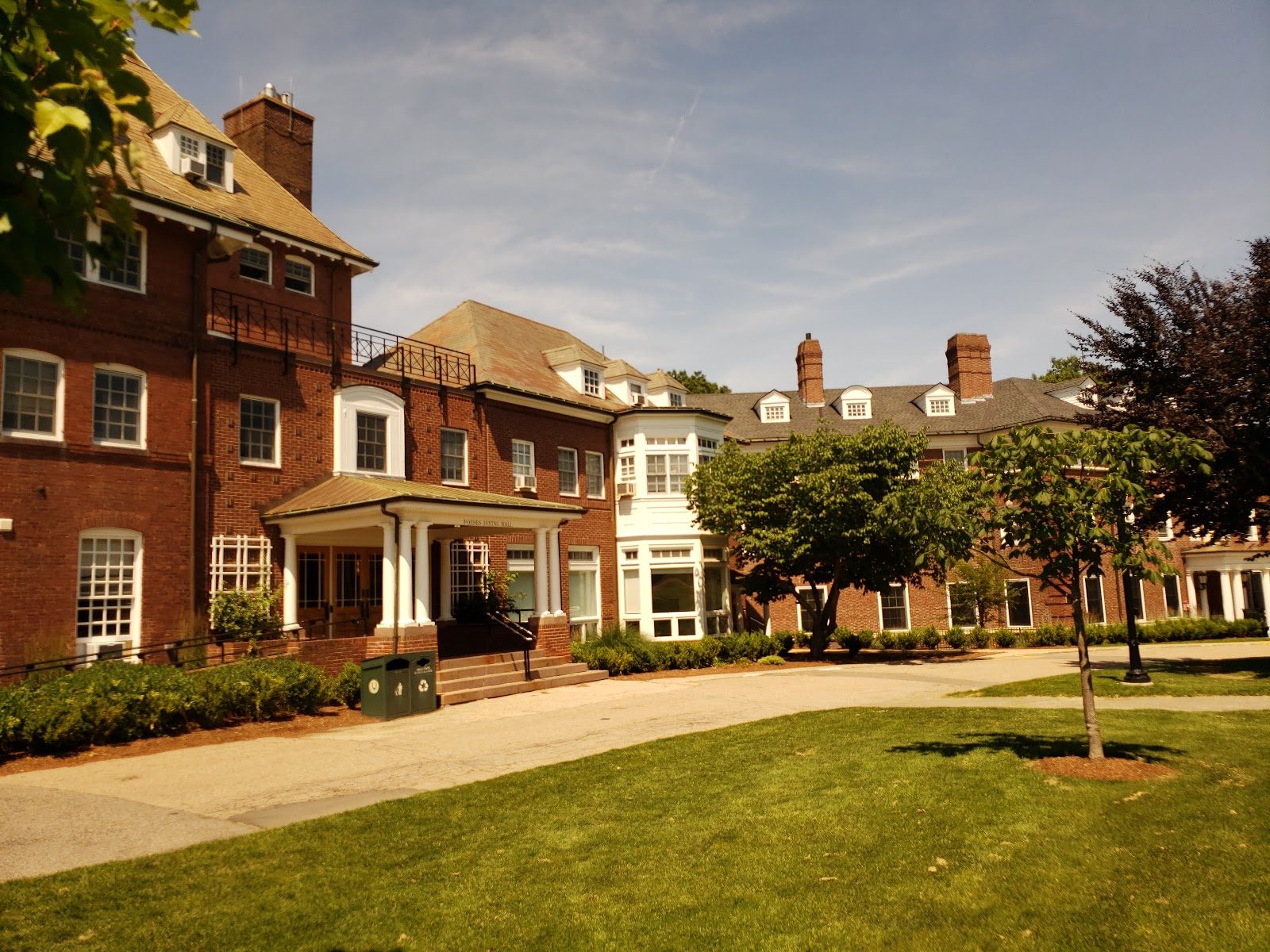
Milton Academy
Milton · United States
Eight miles from Boston, a 1798 charter still runs on Harkness-table debate rather than lecture halls.
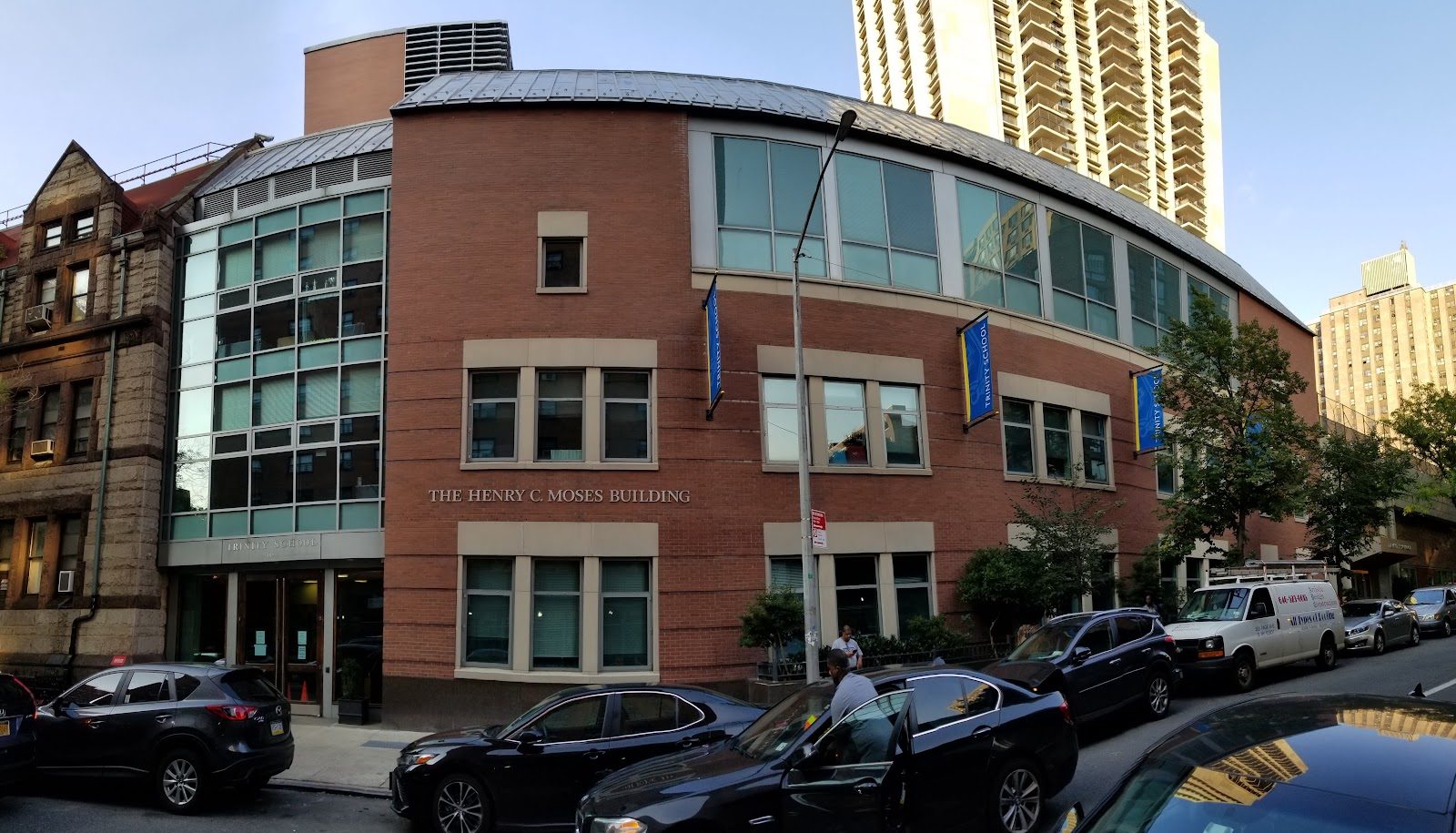
Trinity School
New York City · United States
Founded in 1709 as a charity school, now the oldest continuously operating school in New York City, still built on a rare full Classics department
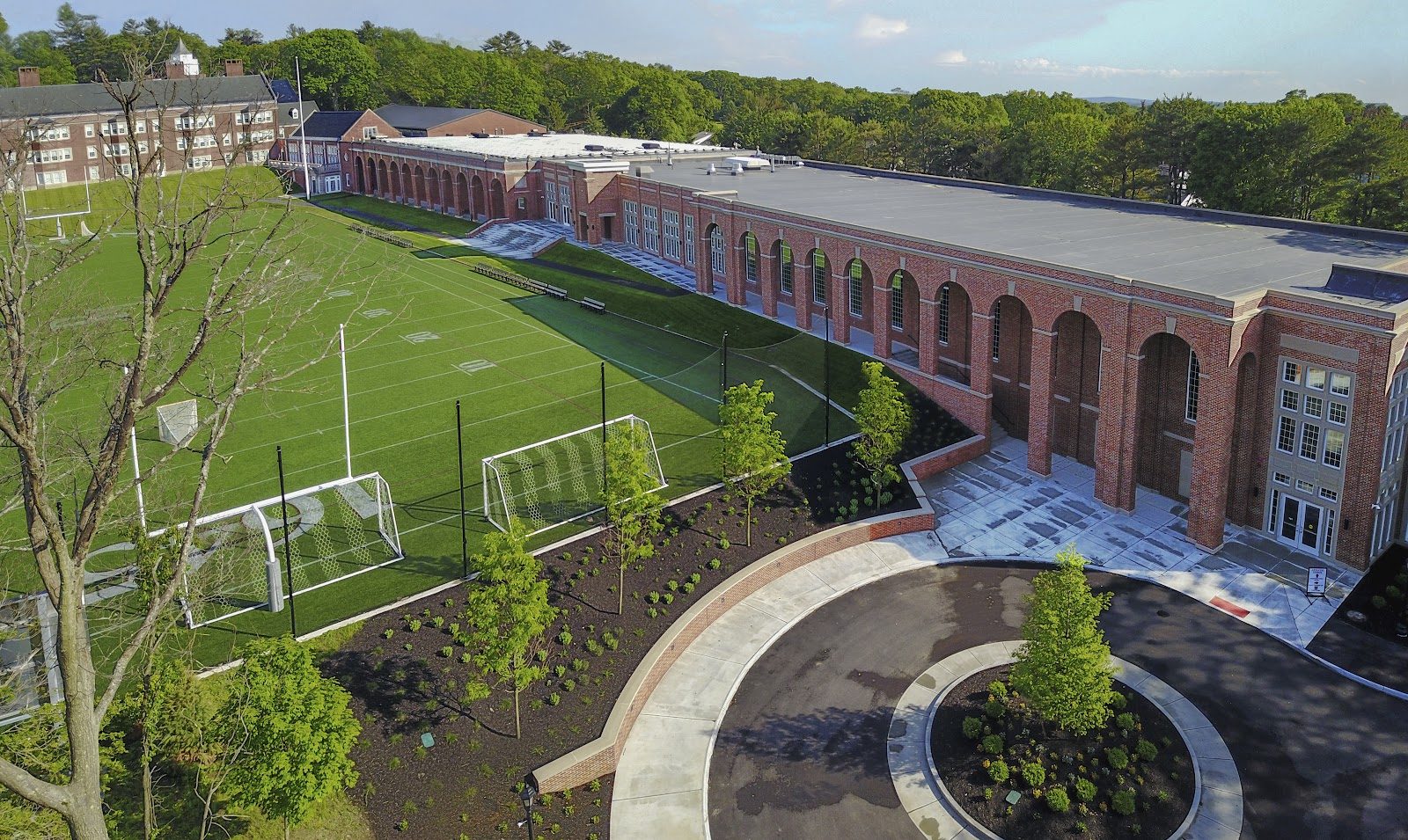
The Roxbury Latin School
Boston · United States
In West Roxbury, a boys' day school founded in 1645 has run continuously ever since, prizing 6:1 mentorship over scale.
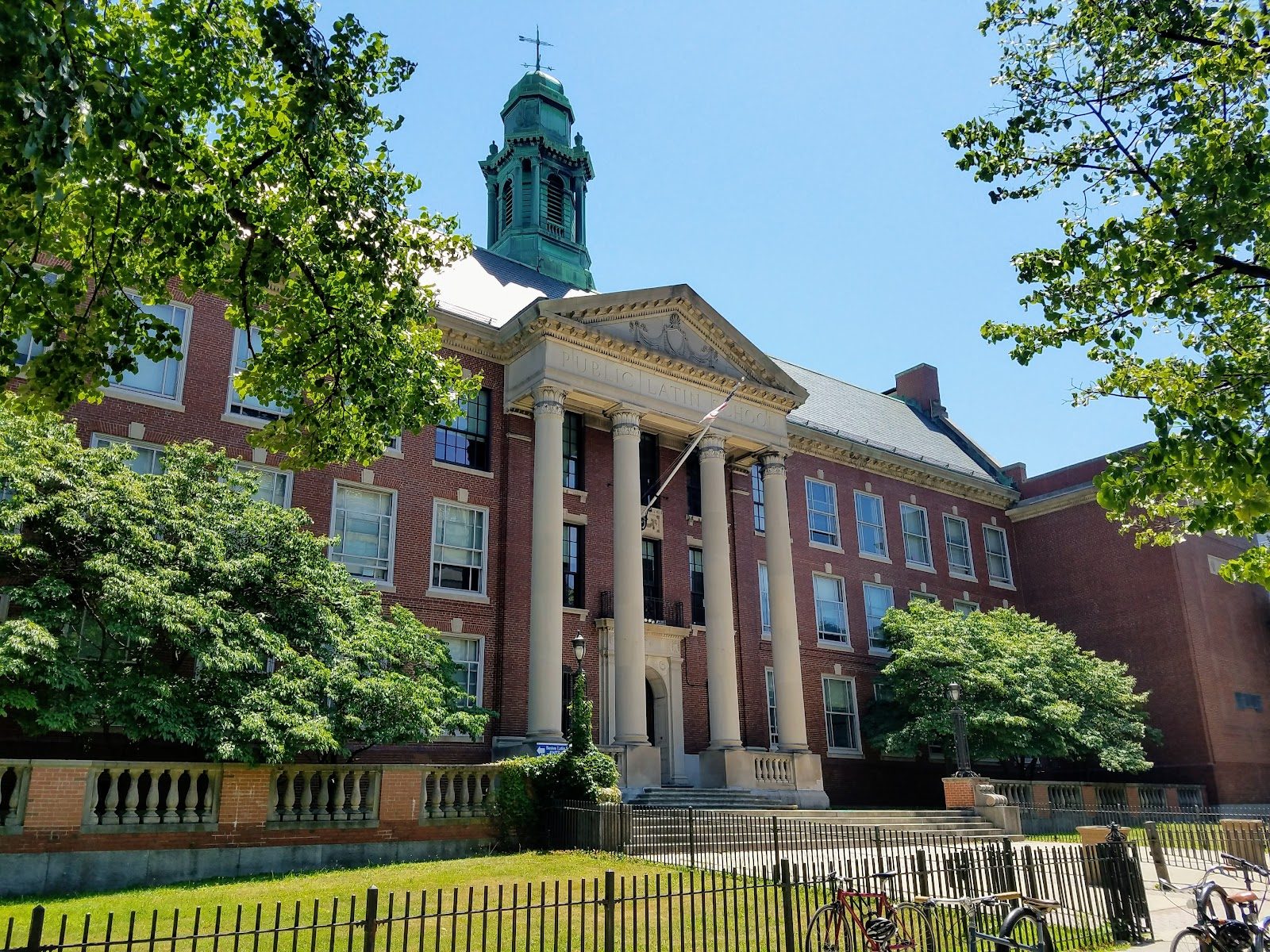
Boston Latin School
Boston · United States
Founded in 1635, America's first public school still tests every applicant, predating Harvard by more than a year.
Same country and curriculum — closest matches within ±10 points either way