
New Jersey
Seven college-style academies and on-campus stem-cell, nanotech, and optics labs turn Hackensack teens into Regeneron Science Talent Search scholars.
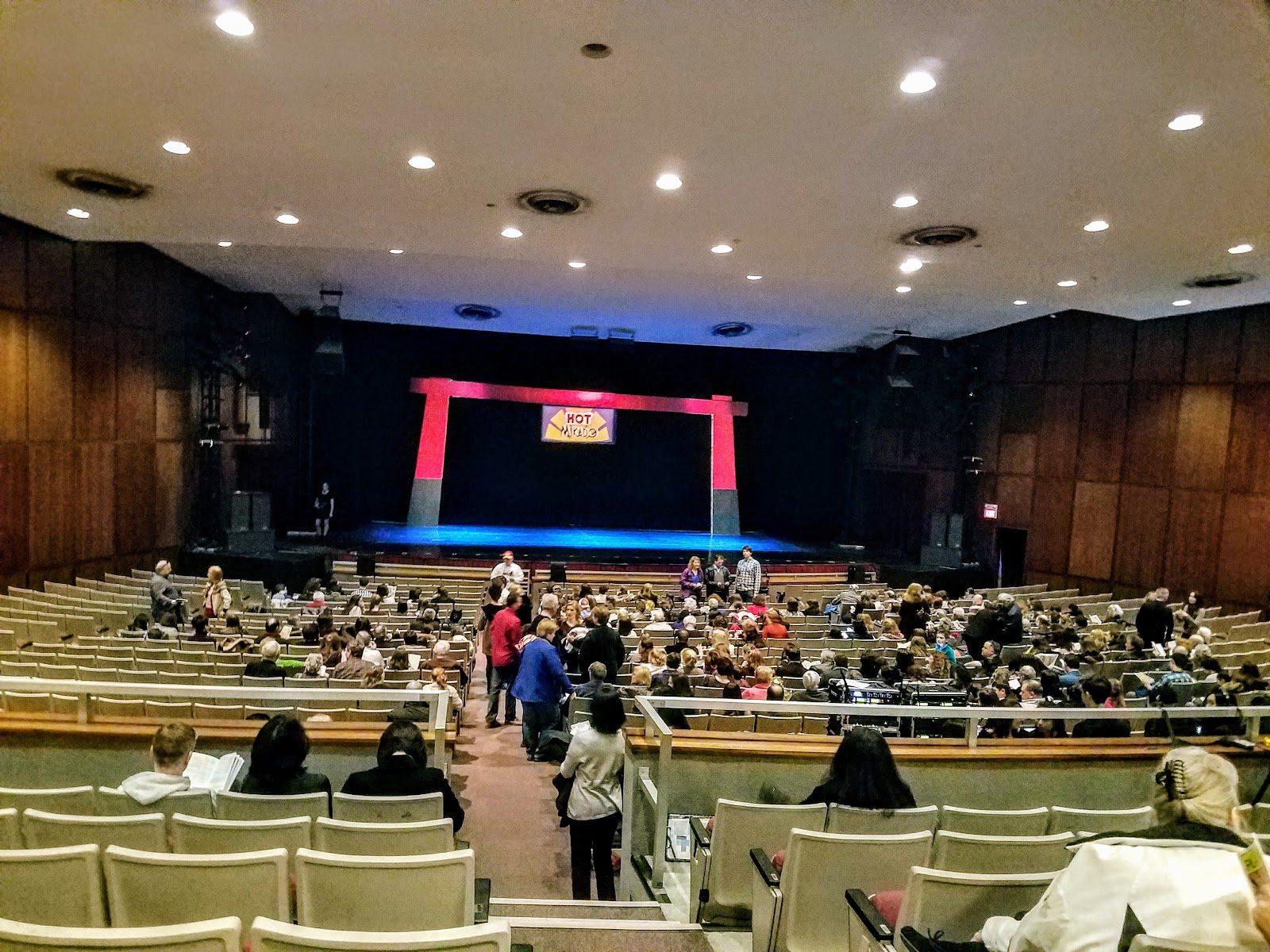
Photo © Kristin Crowley via Google Maps
Type
Day
Ages
14–18
Curriculum
American
Qualifications
AP
Ratio
10:1
The Verdict
Editor's commitment
Right for
Bright Bergen County teenagers who want a tuition-free public magnet, English instruction, and a 10:1 ratio across ages 14–18.
Wrong for
Families wanting a through-school, boarding, or a gentler pace; BCA is a day high school only, founded in 1991 for grades 9–12.
Watch out for
The seven-academy model and specialist labs suit focused 14–18 year-olds; if your teenager lacks direction, Hackensack's flagship will expose it fast.
Ranking breakdown
Bergen County Academies · #78 of 1591
Composite score 78.4. 8 weighted criteria.
By criterion
Academic Outcomes
Weight 20%
#43
of 1529 scored
University Placement
Weight 16%
#59
of 1529 scored
Prestige & Heritage
Weight 12%
#377
of 1571 scored
Alumni Network
Weight 12%
#234
of 1530 scored
Facilities
Weight 12%
#406
of 1533 scored
Transparency & Communications
Weight 8%
#62
of 1532 scored
Peer & Industry Review
Weight 10%
#164
of 1548 scored
Admissions Selectivity & Demand
Weight 8%
#51
of 1529 scored
Score history
Bergen County Academies · 2026
Movement across 2024–2026. Peer average overlaid.
Overall — 2024–2026
78.4/ 100
▲ +18.0 vs 2025
year on year
Peer & Industry Review
How Bergen County Academies is regarded in the sector
90
Top-tier · high confidence
Bergen County Academies (BCA) is consistently ranked as one of the top public high schools in the United States by Niche.com and U.S. News & World Report, often placing in the top 10-20 nationally and frequently #1 in New Jersey. It has a strong reputation for producing Intel/Regeneron Science Talent Search finalists and semifinalists at rates rivaling elite specialized schools like Stuyvesant, and is well-known among competitive academic circles, college admissions officers, and STEM competition communities as a premier public magnet school.
Evidence sources
Award
Elite Science & Research 58
World's Top School · The Global Ranking
Bergen County Academies is featured on our Global Top 58 ranking at #14. This seal is available for the school's marketing team to use on their website, prospectus and social channels.
Award

Elite Computing & AI 60
World's Top School · The Global Ranking
Bergen County Academies is featured on our Global Top 60 ranking at #12. This seal is available for the school's marketing team to use on their website, prospectus and social channels.
Award

Elite Entrepreneurship, Economics & Finance 60
World's Top School · The Global Ranking
Bergen County Academies is featured on our Global Top 60 ranking at #2. This seal is available for the school's marketing team to use on their website, prospectus and social channels.
Editors' overview
Bergen County Academies compresses the feel of a specialist sixth-form college into a public high school for ages 14 to 18. The draw is clear: seven academy pathways under one roof, paired with on-campus stem-cell, nanotechnology and optics labs. This is not a broad, all-purpose American high school with a few honours classes bolted on. It is a tuition-free public magnet in Hackensack, founded in 1991, built for bright teenagers across Bergen County who want academic life to run fast and deep. The 10:1 student-teacher ratio reinforces that point. So does the age range: this is a focused 9–12 school, not a through-school trying to be all things to all families.
What puts BCA on a shortlist is the combination of public access and serious intellectual ambition. In the US market, selective magnet schools often trade on prestige but lack distinctive infrastructure; BCA’s editor-verified tagline points to stem-cell, nanotech and optics labs on campus, which is a different order of commitment. The school’s reputation for producing Regeneron Science Talent Search scholars fits that setup. Parents looking at independent schools with glossy science wings should note the market position here: BCA offers elite academic stretch without private-school fees, because there are no fees. It also operates in English, follows an American curriculum, and serves a narrow age band with a clear mission rather than a sprawling K–12 brief.
The trade-off is obvious. This is a school for students who want intensity, specialisation and peers who will push them hard. It suits teenagers with a strong academic identity already in place by 14, especially those drawn to research, advanced STEM, or a high-pressure meritocratic culture. It will also suit students who like the idea of belonging to a smaller intellectual community inside a larger public system. It will not suit children who need a gentler pace, a broad church of abilities, or a school where academic competition sits in the background. Bergen County Academies is not for the faint-hearted; it is for ambitious adolescents who want a demanding, selective, publicly funded route through Years 9–12.
An Elite Science & Research 58 school
Bergen County Academies in Hackensack, New Jersey sits at rank fourteen on the Elite Science & Research 58 because its research output rivals the strongest specialist science schools in the country while remaining a free public magnet. In 2020 the school tied with Bronx High School of Science for the most Regeneron Science Talent Search scholars in the nation, with eleven students named as Scholars including two Finalists.
The specialism is built around the Academy for the Advancement of Science and Technology, whose curriculum is unique at BCA in that it provides in-depth instruction in biology, chemistry and physics by the end of sophomore year, empowering students to pursue advanced classes, group projects, and research as soon as sophomore year. Original research is scaffolded through the Cell and Molecular Biology Lab and the Laboratory of Cell Biology, where students have access to equipment including an electron microscope, a level of internal lab access the school's own admissions materials say only its students receive rather than needing outside internships. In 2026 three Regeneron STS finalists built their projects through the school's Experimental Biology and lab programs under mentors Dr. German Sabio, Donna Leonardi and Dr. Ericka Smith. Career totals include three Presidential Scholars, twelve Regeneron STS Finalists, over one hundred Regeneron STS Scholars, nineteen Intel ISEF International Finalists and six Davidson Fellows.
Sachin H. Jain, now a physician-executive who serves as adjunct professor of medicine at Stanford and has led national health plans including CareMore and SCAN, credits BCA mentors for shaping his path and founded the school's debate team and a regional leaders' forum as a student there. Recent research cohorts have gone on to Princeton, Harvard, MIT, Williams and Duke, and current students continue placing at Regeneron ISEF, including a 2024 Grand Award in Physics and Astronomy.
International openness is where families must be realistic. BCA is a tuition-free public magnet school, and admission is restricted to applicants whose primary residence is in Bergen County by September 1 of the application year; there is no international admissions route, no boarding option, and no visa sponsorship pathway, since eligibility depends entirely on county residency rather than a competitive overseas application. This is not a destination school for relocating international families in the way a private boarding institution would be. Parents genuinely seeking this research architecture for a child should treat BCA as a benchmark to request from prospective private or international schools, or as an option only if the family is independently relocating to Bergen County for other reasons well before the 8th-grade application deadline.
An Elite Computing & AI 60 school
Bergen County Academies in Hackensack, New Jersey, sits at rank twelve on the Elite Computing & AI 60 because it houses a dedicated computer-science academy inside one of the most research-decorated free public high schools in the country. The anchoring fact: in 2020, BCA tied with Bronx High School of Science for the most Regeneron Science Talent Search Scholars nationally, eleven scholars including two finalists, three years after BCA senior Indrani Das won the competition's outright top prize of $250,000 in 2017.
The specialism runs through the Academy for Technology and Computer Science (ATCS), one of BCA's seven academies, founded in 2002 around computing and the internet. Students start with an Intro to Computer Science course in Python before moving into Java ahead of AP Computer Science, then advance into AP Computer Science & Data Structures, which extends the College Board syllabus with added data-structures content, alongside a Functional Programming course and study of the theoretical underpinnings of computation, including proofs of program correctness. Electives span processor design, computer security, game development and artificial intelligence, with students competing through the national CyberStart cybersecurity challenge. ATCS faculty lead Bryan Respass studied computer science at Princeton and spent a decade in professional web development at KPMG. Graduates matriculate regularly into MIT, Caltech, Carnegie Mellon and Columbia.
Notable alumni tied specifically to the computing and AI track are still emerging in public records, though the wider research pipeline feeding ATCS is well documented: Charles Gleason, a 2013 graduate, placed first individually at the International Biology Olympiad, and BCA produced eleven Regeneron Science Talent Search Semifinalists in 2018 alongside eleven Scholars in 2020 - evidence of a sustained research culture rather than a published IOI or ICPC roster.
International openness is the clear limitation here. BCA is a tuition-free public magnet school open only to Bergen County, New Jersey residents; primary residence in the county by September 1 of the application year is required, only rising 8th-graders may apply, and later transfers are not permitted. There is no visa-sponsored or fee-paying international route, no boarding even for domestic applicants, and no separate ESL track, since every entrant comes from a local Bergen County middle school. There are no fees to quote, because eligible residents pay no tuition. For an overseas family, the only realistic path is establishing county residency well before the autumn application window, not applying from abroad.
An Elite Entrepreneurship, Economics & Finance 60 school
Bergen County Academies in Hackensack, New Jersey, sits at rank two on the Elite Entrepreneurship, Economics & Finance 60 because its student investment team did not just place well internationally, it won outright. In the 2023-2024 Wharton Global High School Investment Competition, BCA's Spark Investments took first place globally, with each member earning a Wharton Global Youth scholarship and the school earning an automatic berth in the following year's semifinals.
The specialism runs through a dedicated Academy for Business and Finance, whose juniors and seniors are the only BCA cohort required to complete the full IB Diploma, layered onto business, finance, marketing and economics core courses. The Academy's Financial Markets Lab is equipped with Bloomberg technology, giving students access to real-time market data and analytics used by finance professionals worldwide, and a dedicated course sequence has students trading through FTS real-time simulations while keeping a trading journal. Students also run BCAMart, the school's own student-led retail business, and compete in the New York Fed's High School Federal Reserve Challenge, the Euro Challenge, the Fairleigh Dickinson Business Idea program, and DECA, whose BCA chapter has produced ICDC finalists across multiple recent years. Depth beyond one title team was confirmed in 2024-2025, when two further BCA teams, Canary Capital Management and Flame Investments, reached the top 50 Wharton semifinalists out of more than 1,800 submissions from 66 countries.
Notable alumni in finance and entrepreneurship specifically are still emerging from this pipeline; the strongest evidence is the competition record itself: a global Wharton championship in 2024, back-to-back semifinalist berths, and a DECA chapter that has reached the International Career Development Conference finals repeatedly since at least 2011.
International openness is the honest caveat here. BCA is a tuition-free public magnet school, and admission is restricted to Bergen County residents applying in eighth grade, with roughly 270 of 1,200-1,300 applicants admitted annually; there is no boarding, no SEVP/F-1 visa sponsorship route, and no separate international admissions channel. Families relocating from abroad would need to first establish New Jersey residency in Bergen County well before the eighth-grade application window opens each fall. For overseas parents, this school should be treated as an aspirational benchmark for what a public finance-and-economics program can achieve, not a direct application target, unless the family is already resident or planning a move to Bergen County at least a year ahead of the application cycle.
Academic Performance
Bergen County Academies sits in the top tier of US public selective schools for research-driven academic distinction, but the school does not publish a clean, school-wide exam dashboard in the way many independent schools do. That matters. Parents will not find a simple set of aggregate SAT, ACT, AP or IB figures that lets them benchmark the whole cohort at a glance. Instead, BCA’s academic standing rests on selectivity, specialist provision and the strength of its outcomes in high-end science competition. The clearest signal in the verified record here is Regeneron Science Talent Search success, which places the school in rare company nationally. In the American market, that is a stronger marker of elite STEM culture than inflated claims about “rigour”.
Relative to peers, BCA fits alongside the hard-driving magnet schools that send disproportionate numbers of students into top universities and competitive STEM pathways. Its weakness is not academic seriousness; it is transparency around whole-cohort external results. For families who want a school where measurable attainment is laid out in one neat table, that opacity is a drawback. For families who care more about whether a school produces genuinely exceptional young researchers, BCA has a persuasive case. The balance of evidence points to a school with serious intellectual output and a peer group that runs fast, even if the published exam data are thinner than a first-rate school of this calibre ought to provide.
Facilities
The facilities that matter at Bergen County Academies are the specialist labs tied to its academy structure, not glossy lifestyle extras. The standout provision is scientific: on-campus stem-cell, nanotechnology and optics labs, attached to a school organised into seven separate academies. That is a serious piece of kit for a public high school. At peer magnet schools, strong science teaching is common; dedicated research-grade environments inside the school day are not. This matters because it shifts advanced STEM work from occasional enrichment to the centre of the timetable. Students are not relying on borrowed university access, a summer programme, or a competition club after lessons. The infrastructure is built into the school’s operating model, which gives BCA a clear competitive edge in research-led sixth-form-equivalent study.
Against selective independent schools, the comparison is more mixed. Some private campuses will beat BCA on theatres, athletics complexes, dining and pure architectural polish. That is not the point here. BCA’s facilities profile is utilitarian and intellectually loaded: less country-club campus, more working academic environment. For families choosing on substance, that is the right trade. For families who want broad premium amenities across sport, arts and social spaces, the public information is thin and the school does not trade on those areas. The conclusion is straightforward: BCA offers *exceptional specialist STEM infrastructure* for its sector, and a narrower facilities mix than all-rounder independents.
Bergen County Academies compresses the feel of a specialist sixth-form college into a public high school for ages 14 to 18
Prestige
Bergen County Academies carries serious prestige in the American public-school landscape because it couples selectivity with a level of specialist provision that most state-funded schools do not match. The decisive point is not generic “academic excellence”; it is the school’s identity as a magnet built around seven distinct academies and the kind of advanced scientific infrastructure that signals real institutional ambition. That combination gives BCA status well beyond its local catchment. In parent terms, this is the sort of school that attracts students who would also be competitive for expensive independents, then wins on intellectual concentration and public funding. Its tuition-free model sharpens the prestige rather than diluting it: admission carries weight because places are scarce and the peer group is fiercely able.
The rating also rests on outcomes that travel. Regeneron Science Talent Search success is not a decorative extra; it is a marker of national-level academic credibility in one of the toughest corners of American secondary education. Add a low staffing ratio of 10:1 and a verified minimum of 6 notable alumni catalogued in Wikidata, and the picture is clear: this is a school with real standing, not just local cachet. The limit on its prestige is public-facing data. BCA’s reputation runs ahead of its published whole-school results, and that weakens the case for families who want prestige backed by a clean exam ledger. Even so, in selective US education, BCA sits in rare company.
Bergen County Academies is not for the faint-hearted; it is for ambitious adolescents who want a demanding, selective, publicly funded route through Years 9–12
Communications
Bergen County Academies does not project the polished parent-comms machinery of a fee-charging school, and that is the first point to grasp. As a county public magnet, it sits inside a district framework, so communication runs through institutional channels rather than a tightly managed admissions-facing narrative. That brings strengths and weaknesses. The strengths are clarity of function and a low tolerance for fluff: key identity points are plain, and the school’s role as a selective county-wide option is easy to understand. The weakness is depth. Parents who want a rich, well-organised public window into day-to-day school life, academic tracking, or a clean performance dashboard will find the picture thinner than it should be. For a school with seven academy pathways and a formidable academic reputation, the public-facing explanation does not do enough work.
That matters because specialist schools need disciplined communication. Families are not choosing a generic neighbourhood high school; they are choosing a demanding, differentiated model that asks teenagers to commit early. In that context, strong communication means clear guidance on how the academy structure works in practice, how pastoral support operates under pressure, and how parents stay informed once a student is inside. BCA gives the broad case for itself, but not with the granularity serious parents expect. The result is effective baseline communication and underpowered transparency. For an institution of this calibre, that is a missed opportunity rather than a fatal flaw.
Uniqueness
What sets Bergen County Academies apart is the way it borrows the structure of a university department and applies it to teenagers. The school is organised into seven separate academies, which gives students an intellectual home early rather than asking them to drift through a generic high-school menu. That matters. A teenager drawn to medicine, engineering, business or design enters a setting where subject identity has institutional weight, dedicated peers, and a timetable built around depth. Add the on-campus stem-cell, nanotechnology and optics labs and the distinction sharpens: this is not a token “STEM emphasis”. It is a research-minded public school with equipment and expectations that push beyond standard advanced classes.
For students, the gain is twofold. First, they get serious early specialisation without giving up the breadth of a secondary education. Second, they work inside a peer culture where high attainment is normal and ambitious projects have practical support. That combination produces a compressed launchpad into selective universities, research competitions and adult-style academic work. The cost is clear as well. Early specialisation suits adolescents who already know how they like to think and study; it is less forgiving for those who want time to explore slowly or change direction without pressure. BCA’s uniqueness, then, is not prestige alone. It is the rare decision to treat bright teenagers as apprentice specialists, and to build a public institution around that premise.
For families who care more about whether a school produces genuinely exceptional young researchers, BCA has a persuasive case
Student Profile
The students who fit Bergen County Academies are the ones who want school to feel like an intellectual proving ground, not a social holding pattern. This is a place for teenagers with a strong academic motor, real tolerance for pressure, and the confidence to work among peers who are used to being the cleverest person in the room. The academy structure matters here: pupils do best when they already have a clear pull towards a field and want that interest taken seriously. The school suits self-starters, competition-minded learners, and adolescents who enjoy being pushed into advanced work rather than coaxed towards it. With seven distinct academies, BCA rewards focus. Students who thrive on open-ended research, long projects, and high-level discussion will feel at home; students who want a loose, exploratory high-school experience will not.
Socially, the best fit is not one narrow personality type, but one broad disposition: *driven, resilient, and intellectually secure*. A teenager does not need to be flashy or extrovert to succeed here, but they do need to cope well with comparison. In a selective public magnet, academic identity carries real social weight. That can be electrifying for the right child and abrasive for the wrong one. Pupils who need constant reassurance, a slower pace, or a less concentrated peer group will find the culture hard going. Those who want serious company and a school day organised around ambition will find exactly that.
The facilities that matter at Bergen County Academies are the specialist labs tied to its academy structure, not glossy lifestyle extras
Co-curricular strengths
Arts & sport, on a separate axis
Overall 8.42/10
Scored 0-10 from the school's own published evidence. This axis is editorial-only — it does not feed the main WTS ranking.
Sports
7/10
Drama
9/10
Dance
7.5/10
Music
9.2/10
Visual Arts
9.4/10
Editor-verified · 8/6/2026
Notable alumni · Wikidata
6notable alumni
0 historic (born pre-1930) · 5 modern (born post-1970)wikidata:2026-07-28 How we source this

WTS 300 badge
2025/26 editionBergen County Academies is one of the World's Top 300 Schools for 2025/26. Claim your listing to add it to your site →
Strengths
- +Tuition-free public magnet school, so families pay no fees despite its reputation for rigorous, selective academics.
- +Ranked #41 nationally and second in New Jersey by US News, with a 98% Advanced Placement participation rate among students.
- +Offers seven specialized academy tracks -- including engineering, medical science, business, culinary arts and visual/performing arts -- letting students focus early while still taking cross-academy electives.
- +Strong record in the Regeneron Science Talent Search, including years where the school tied with Bronx High School of Science for the most scholars nationwide.
- +Small classes and favorable staffing, with a student-to-teacher ratio of about 12:1 and roughly 1,130 students across grades 9-12.
Considerations
- −Admission is restricted to residents of Bergen County, New Jersey -- there is no general enrollment pathway for out-of-county or international families without establishing residency.
- −As a public school, BCA does not offer boarding, visa sponsorship, or the kind of dedicated international-student support services common at private schools catering to expat families.
- −Entry is highly competitive: applicants sit exams and go through a multi-phase process, with acceptance far from guaranteed even for strong students.
- −The academy-track structure means students commit early to a specialized field (e.g. culinary, engineering, finance), which can narrow breadth compared with a fully comprehensive high school curriculum.
Availability
Primary entry gate & tests
BCA Entrance Exam (NJ Res.)
Gallery
Photo © Michael Liang via Google Maps
Photo © Sam Liu via Google Maps
Photo © R David Koby via Google Maps
Photo © R David Koby via Google Maps
Photo © R David Koby via Google Maps
Photo © Julie Chase via Google Maps
Photo © j k via Google Maps
Photo © j k via Google Maps
Parent reviews
Have you sent your child here?
Voice reviews carry the strongest trust badge — we transcribe them for you to tidy up before they go live. Prefer to type? A written review is fine too.
Add your voice
In 60 seconds, tell other parents: what's the best thing about Bergen County Academies, and what surprised you when your child joined?
We ask for a Google sign-in so every review has a real face behind it — no anonymous drive-by attacks on schools, and no faked positive reviews. Your email is never shown publicly.
Send this profile to a friend
International parents rely on word-of-mouth. Share this review with someone weighing the same decision.
Schools with places
Similar schools to Bergen County Academies with places available now.
Peddie School
Hightstown · United States
- 2026-27
- CLOSEDRegular cycle
- 2027-28
- PLACES OPENApplication portal live
The Lawrenceville School
Lawrenceville · United States
- 2026-27
- CLOSEDRegular cycle
- 2027-28
- PLACES OPENInterviews underway
The Pingry School
Basking Ridge · United States
- 2026-27
- CLOSEDRegular cycle closed
- 2027-28
- PLACES OPENActive now
Delbarton School
Morristown · United States
- 2026-27
- CLOSEDRegular cycle closed
- 2027-28
- OPENS SOONOpens Sept '26
Availability first, then country, area, curriculum, price, co-curricular
Consider also
Also worth looking at alongside Bergen County Academies.
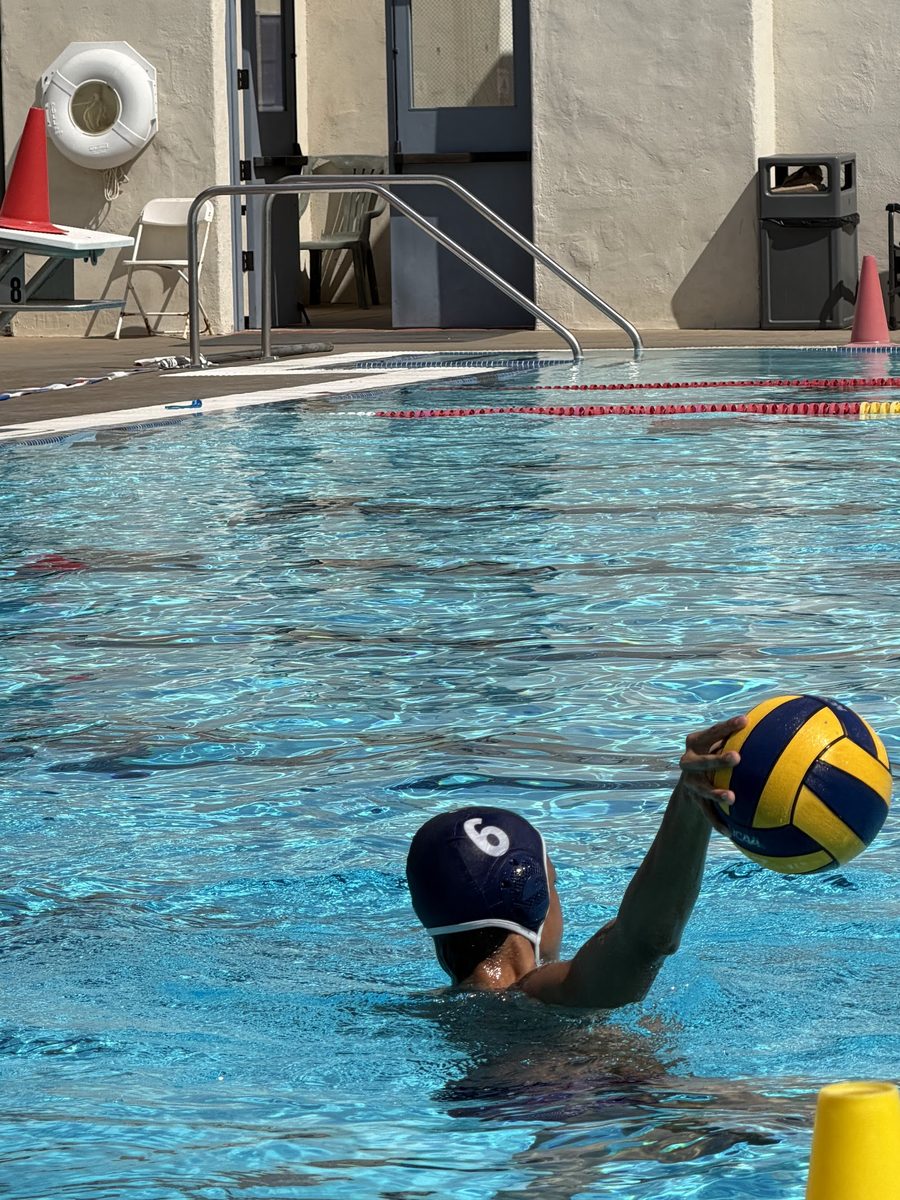
Polytechnic School
Pasadena · United States
Descended from Caltech's own Throop roots, this 1907 Pasadena day school still marries rigorous academics with hands-on inquiry.
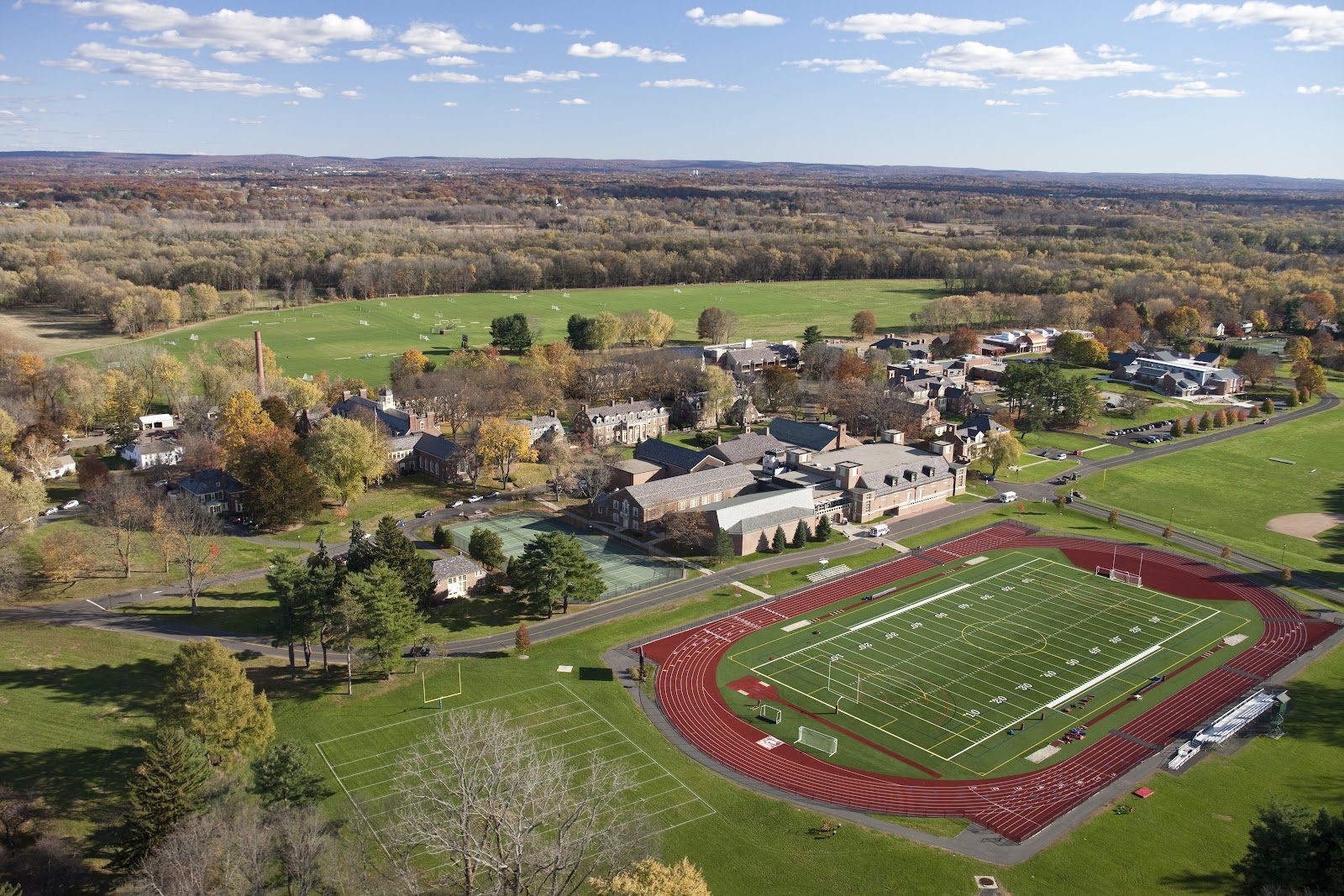
Loomis Chaffee School
Windsor · United States
On a river-cut 'Island' campus, seniors trade classrooms for client work each spring in the Innovation Trimester.

The Thacher School
Ojai · United States
Every freshman is assigned a horse to feed, saddle and ride daily in the foothills above Ojai
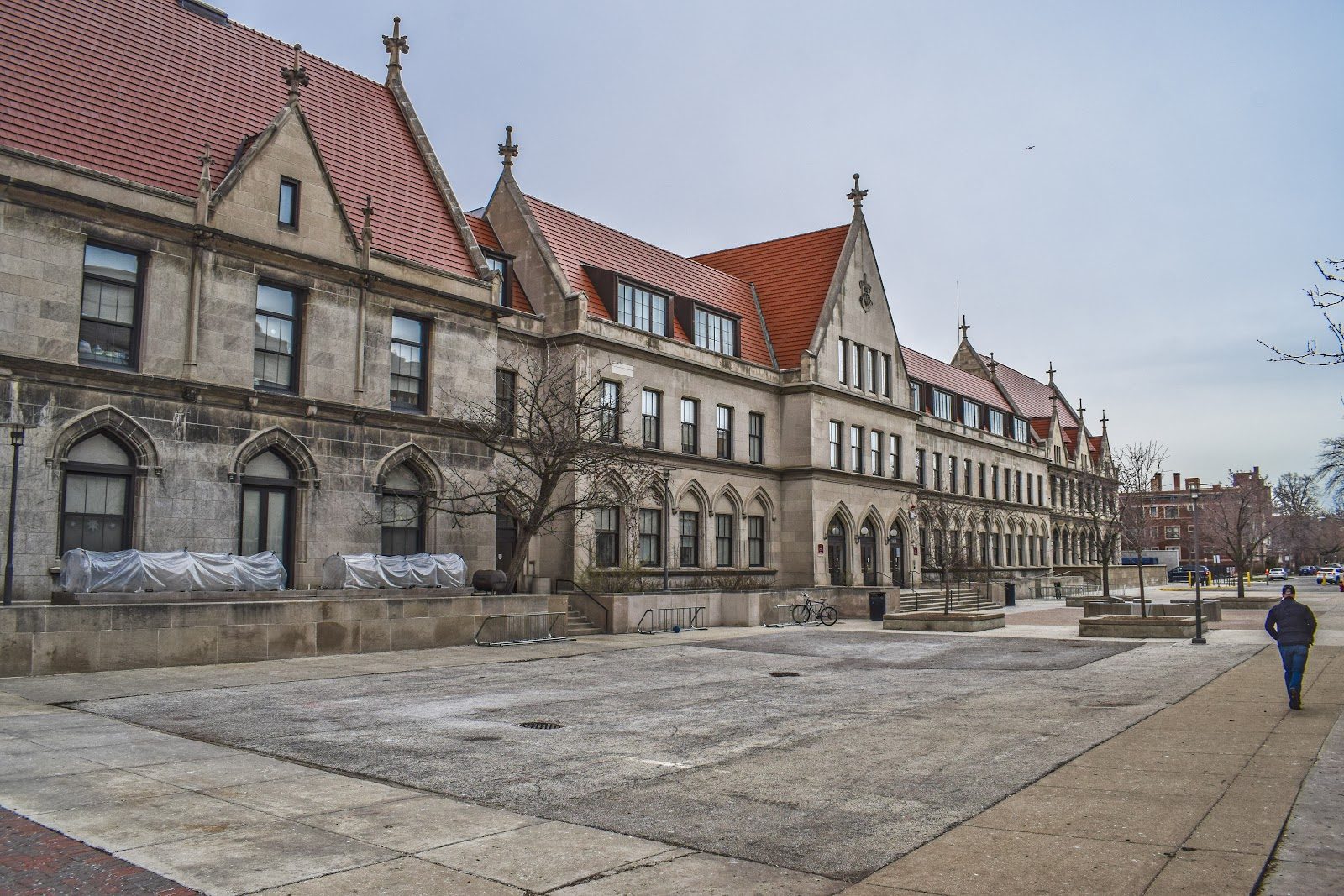
University of Chicago Laboratory Schools
Chicago · United States
Born from John Dewey's 1896 experiment in progressive education, still testing ideas in Hyde Park classrooms today
Same country and curriculum — closest matches within ±10 points either way