
East Java
Sekolah Ciputra Surabaya
low confidence· 4/6 cats · 1.2 avg sourcesThe only school in East Java running the full IB continuum, with entrepreneurship woven in from Playgroup to Grade 12.
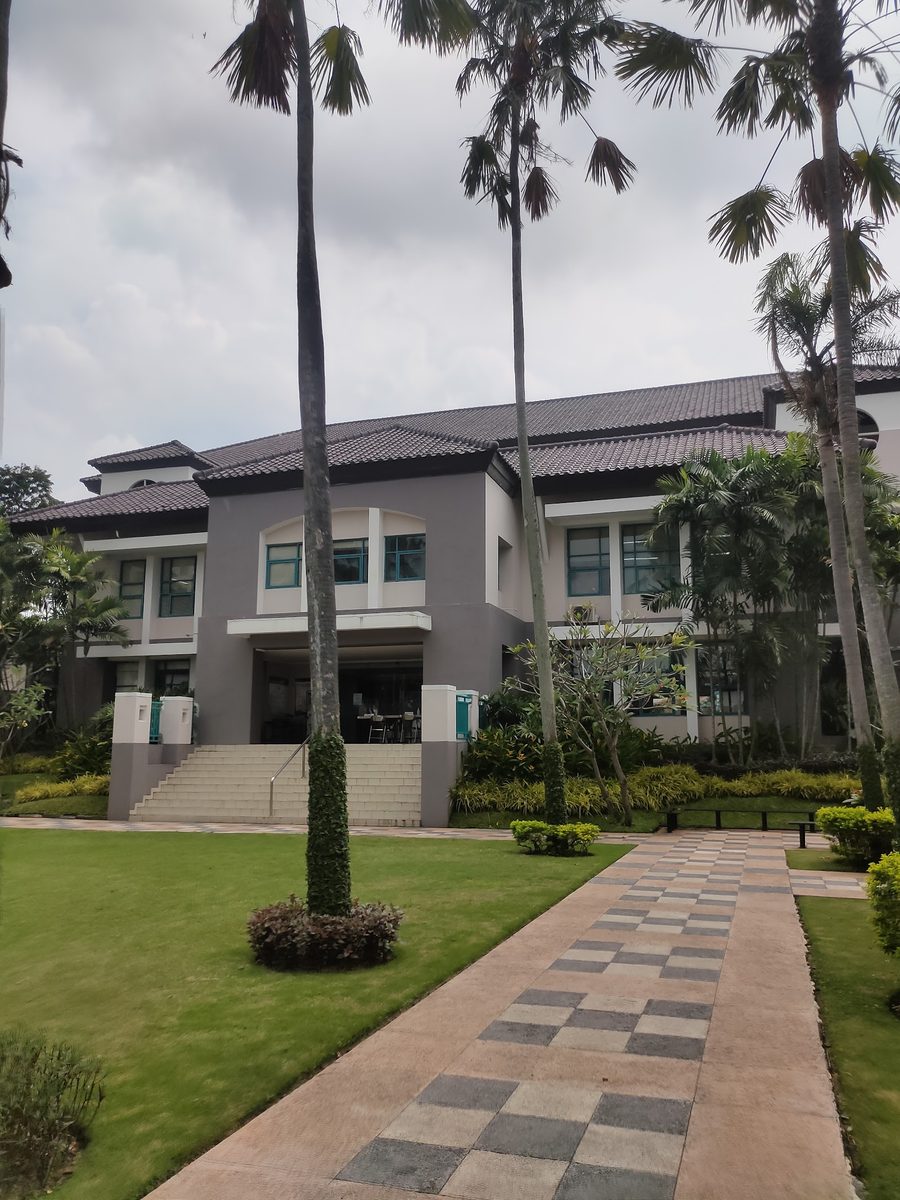
Photo © Rendra Maulydana via Google Maps
Type
Day
Ages
3–18
Curriculum
IB
Qualifications
IB Diploma · IB MYP · IB PYP
Ratio
—
The Verdict
Editor's commitment
Right for
Families in Surabaya who want the full IB continuum from age 3 to 18, with English and Indonesian used daily.
Wrong for
Parents wanting boarding, a religious ethos, or a non-IB route; Sekolah Ciputra is a day school and an IB World School.
Watch out for
Founded in 1996, it sells entrepreneurship hard; the school does not publish aggregate IB Diploma results or university destination data.
Ranking breakdown
Sekolah Ciputra Surabaya · #563 of 1591
Composite score 68.2. 8 weighted criteria.
By criterion
Academic Outcomes
Weight 20%
#792
of 1529 scored
University Placement
Weight 16%
#793
of 1529 scored
Prestige & Heritage
Weight 12%
#608
of 1571 scored
Alumni Network
Weight 12%
#481
of 1530 scored
Facilities
Weight 12%
#279
of 1533 scored
Transparency & Communications
Weight 8%
#204
of 1532 scored
Peer & Industry Review
Weight 10%
#424
of 1548 scored
Admissions Selectivity & Demand
Weight 8%
#1232
of 1529 scored
Peer & Industry Review
How Sekolah Ciputra Surabaya is regarded in the sector
72
Respected · medium confidence
I could not verify at least two independent third-party sources (e.g., Tatler, Good Schools Guide, expat forums with substantive discussion) discussing Sekolah Ciputra Surabaya's reputation; available information is largely limited to school-published materials or general directory listings without independent editorial assessment.
Editors' overview
Sekolah Ciputra occupies a clear niche in Surabaya: it is the only school in East Java offering the full IB pathway from Playgroup to Grade 12, and it has done so since 1996. For families who want one school, one educational philosophy and no curriculum switch at 11 or 14, that matters. The school’s defining feature is not only the IB continuum but the way it threads entrepreneurship through the whole age range. That gives the proposition more shape than the standard “international school with good facilities” formula. The campus is large by city standards at 5 hectares, and the school points to more than 1,890 alumni, which signals scale, stability and an established local reputation.
What puts Sekolah Ciputra on a shortlist is consistency. Children start early in an English-rich environment, then move through PYP, MYP and DP without the structural breaks that weaken many schools’ academic and pastoral coherence. Instruction runs in English and Indonesian, which suits internationally minded Indonesian families and bilingual households better than schools that operate in English only. The school also holds IB World School status, and its public case rests heavily on long-term institutional credibility and a clear through-line from early years to university preparation. Parents looking for flashy marketing or published headline exam statistics will not find much satisfaction here; the school does not put aggregate IB outcomes at the centre of its public case. That opacity is a weakness in a market where academically ambitious families want hard data.
The right student for Sekolah Ciputra is intellectually steady rather than narrowly exam-drilled: a child who benefits from inquiry, discussion, projects and room to develop enterprise-minded confidence. It will suit students who enjoy breadth, who can handle the writing and self-management demands of IB, and who respond well to a school culture that values leadership, communication and initiative alongside academics. It is also a strong fit for families who want continuity without compromise from age 3 to 18, and who value a non-religious setting in Surabaya with an established bilingual environment. Students who want a relentlessly results-public, hyper-selective, competition-driven school may find the pitch too soft-edged. Students who want a coherent K–12 journey with entrepreneurship built into daily school life will find a serious option here.
Academic Performance
Sekolah Ciputra does not publish the data that would let parents judge academic performance with precision. We have not seen aggregate IB Diploma scores, subject averages, pass rates, university destination breakdowns by cohort, or multi-year trend lines. That is a serious omission for a school that asks families to trust a long all-through journey. The public case leans instead on institutional credibility, alumni testimonials and the breadth of the programme. That leaves the academic picture less transparent than at the strongest peer schools, where headline exam outcomes sit in plain view and do heavy lifting. In a market for results-conscious families, that weakens the school’s position.
What can be said is narrower. The school runs all 3 IB programmes and frames its senior years around university preparation, which puts it in the established college-preparatory bracket rather than the light-touch international category. It also states that staff support other schools with IB accreditation work, a point that indicates internal curriculum expertise. That matters, but it is not a substitute for published outcomes. Relative to peers, Sekolah Ciputra fits the group of schools with a credible academic structure and an opaque results record. Parents who prioritise continuity, teaching approach and school culture will accept that trade-off. Parents who compare schools by hard external benchmarks will want more than assurances before treating it as a top-tier academic contender.
Facilities
The campus gives Sekolah Ciputra one of its strongest practical advantages. At 5 hectares, it has room to operate as a full all-through school without the cramped, vertical feel common in urban Indonesian campuses. The school describes the site as purpose-built, with an extensive range of facilities to support learning, and that scale matters more than brochure language. For families, the key point is functional breadth: enough space for early years, elementary, junior high and senior high to coexist without constant compromise over rooms, timetables or specialist areas. Peer schools in the city often manage the academic programme adequately but do it on tighter footprints; Sekolah Ciputra has a clear spatial edge. That supports a more complete school day and gives the campus a serious K–12 backbone rather than the improvised feel some competitors never outgrow.
The weakness is disclosure. The school talks up world-class facilities but does not publish a clean, detailed facilities inventory on the landing-page material here, so parents do not get the sharp room-by-room picture that stronger operators provide. There is no concise public showcase of labs, arts spaces, sports provision or performance venues in the way one would expect from a school making facilities a central selling point. That does not mean the campus is weak; it means the presentation is less rigorous than it should be. Against peers, Sekolah Ciputra sits in the upper group for space and likely day-to-day usability, but not in the top bracket for public transparency about what, exactly, families are paying for.
Parents who compare schools by hard external benchmarks will want more than assurances before treating it as a top-tier academic contender
Prestige
Sekolah Ciputra carries solid local standing and credible professional weight, but not the kind of prestige that travels on name alone. Its strongest claim is structural: an all-through IB school with a long institutional run, a substantial campus and an alumni base of 1,890. In Surabaya, that combination gives it real market presence. The school also points to staff involvement in helping other schools with IB accreditation work. That adds serious professional credibility and marks it out from schools that simply deliver a programme without shaping practice beyond their own gates. For families in East Java, that matters more than borrowed gloss from a foreign brand.
The ceiling on prestige is clear. Sekolah Ciputra does not publish the academic outcome data that turns reputation into hard-edged distinction. There are no public aggregate Diploma results, no university destinations table with enough detail to carry competitive weight, and no evidence of the sort of selective admissions culture that defines the most coveted schools. Its prestige therefore rests on continuity, institutional maturity and local trust rather than on elite global cachet. That still places it in the upper tier of the Surabaya market, and the scale of the operation — including 5 hectares of facilities and all 3 IB programmes under one roof — reinforces that status. But this is earned regional prestige, not automatic international prestige.
For families who want one school, one educational philosophy and no curriculum switch at 11 or 14, that matters
Communications
Sekolah Ciputra communicates with parents in a steady, institutional way rather than with polish. The public-facing pattern is clear: a prospectus, enrolment and FAQ pages for practical matters, regular news posts from the Executive Principal’s desk, and a constant stream of event and activity updates. That cadence counts. Parents can see that the school has an established habit of addressing its community directly, and the principal’s weekly-style notes give communication a visible backbone instead of leaving leadership silent behind the scenes. The site also runs in two languages, which makes access more usable for mixed households and local families who do not want every key message filtered through English alone. For a school with more than 1,890 alumni and a broad age range, that kind of routine matters.
The weakness is sharp. Much of the communication is promotional or community-facing rather than decisively informative. Parents get testimonials, welcome messages and broad claims about quality, but not enough hard-edged clarity on the issues that matter most once a child is enrolled: academic outcomes, detailed facilities information, and the sort of data that lets families track school performance over time. The FAQ does useful work on structure and positioning, and it answers obvious first-stage questions cleanly. Beyond that, the communication has a managed, top-down feel. It is competent rather than exemplary: good at maintaining contact, weaker at full transparency. Families who prize warmth and regular updates will be satisfied; families who want rigorous disclosure will find the school too guarded.
Uniqueness
Sekolah Ciputra’s real distinction is coherence. Plenty of schools offer an international programme at one stage or another; far fewer carry children from the earliest years to the end of school inside one system, one teaching logic and one institutional culture. Here, that continuity is paired with entrepreneurship as a lived strand rather than an after-school add-on. The result for students is a more intentional education: inquiry, communication, initiative and public-facing confidence are reinforced year after year instead of being introduced late as résumé polish. For the right child, that produces a strong internal compass and a habit of connecting ideas to action, not just mastering content for the next test.
The other point of difference is professional depth. The school states that members of staff support other schools through IB accreditation work, which marks a level of curriculum fluency beyond routine classroom delivery. That matters to students because schools with serious internal expertise tend to implement programmes with more consistency and less improvisation. Add a large all-through operation and an alumni base of 1,890, and students get a setting with institutional memory as well as scale. The benefit is not glamour. It is steadiness: a school that gives children time to grow into leadership, discussion, performance and independent study without repeated resets of method or expectation across phases.
The school’s defining feature is not only the IB continuum but the way it threads entrepreneurship through the whole age range
Student Profile
The best fit here is a student who thrives on range, not narrow specialisation. Sekolah Ciputra suits children who like to speak up, test ideas, work across subjects and turn classroom learning into something practical. The school’s own emphasis on leadership, public speaking, networking and entrepreneurship points to a student body shaped less around silent compliance than around active participation. Children who enjoy projects, presentations, events and visible roles in school life will have room to grow. So will students who value continuity and settle well when expectations build steadily across the years rather than shifting with each school stage. The all-through structure and alumni base of 1,890 give the place a settled social identity, which tends to suit families who want long-term relationships rather than constant churn.
This is not the natural home for every child. A student who wants a hard-driving, exam-dominant culture with published scoreboards and overt academic competition may find the environment too diffuse. The school talks far more about growth, initiative and experience than about rank-order performance. That makes it a strong match for internationally minded Indonesian families, bilingual households and students with enterprise-minded energy who benefit from discussion and independence. It is a weaker fit for children who need heavy external structure, prefer rote mastery, or want a school defined by results theatre. For confident joiners, self-directed learners and students with broad interests, it has clear appeal across the full 3-programme journey.
That gives the proposition more shape than the standard “international school with good facilities” formula
Co-curricular strengths
Arts & sport, on a separate axis
Overall 8.5/10
Scored 0-10 from the school's own published evidence. This axis is editorial-only — it does not feed the main WTS ranking.
Sports
8/10
Drama
8.5/10
Dance
9/10
Music
8.5/10
Visual Arts
8.5/10
Editor first-pass · editor-reviewable · 7/30/2026
Strengths
- +Authorized to offer the full IB continuum (PYP, MYP, and Diploma Programme), giving curriculum continuity for internationally mobile families.
- +Part of the wider Ciputra Group education network, which includes Universitas Ciputra, offering a possible local progression pathway after graduation.
- +Based in Surabaya, Indonesia's second-largest city, providing an English-medium IB option without requiring relocation to Jakarta.
- +Founding association with the Ciputra family's entrepreneurship-focused educational philosophy gives the school a distinct institutional identity among Indonesian IB schools.
Considerations
- −Surabaya has a much smaller expatriate community than Jakarta, meaning fewer international peer networks and support services for relocating families.
- −As a 'rising star' rather than an established top-tier school, it lacks the long track record and international brand recognition of longer-running IB schools in Jakarta or Singapore.
- −Little independently verified data on IB Diploma results or university placement outcomes is publicly available for comparison against more scrutinized international schools.
- −Single-campus day school in a secondary Indonesian city, so extracurricular breadth and specialist facilities may be narrower than at larger metropolitan competitors.
Availability
Primary entry gate & tests
Academic Record + Assessment
Gallery
Photo © Sekolah Ciputra via Google Maps
Photo © Adwin Kurniawan via Google Maps
Photo © RiZhu via Google Maps
Photo © RiZhu via Google Maps
Parent reviews
Have you sent your child here?
Voice reviews carry the strongest trust badge — we transcribe them for you to tidy up before they go live. Prefer to type? A written review is fine too.
Add your voice
In 60 seconds, tell other parents: what's the best thing about Sekolah Ciputra Surabaya, and what surprised you when your child joined?
We ask for a Google sign-in so every review has a real face behind it — no anonymous drive-by attacks on schools, and no faked positive reviews. Your email is never shown publicly.
Send this profile to a friend
International parents rely on word-of-mouth. Share this review with someone weighing the same decision.
Schools with places
Similar schools to Sekolah Ciputra Surabaya with places available now.
Green School Bali
Abiansemal · Indonesia
- 2026-27
- WAITPOOLSpace-dependent
- 2027-28
- PLACES OPENRolling
Jakarta Intercultural School
Jakarta · Indonesia
- 2026-27
- WAITPOOLSpace-dependent
- 2027-28
- PLACES OPENRolling
Availability first, then country, area, curriculum, price, co-curricular
Consider also
Also worth looking at alongside Sekolah Ciputra Surabaya.
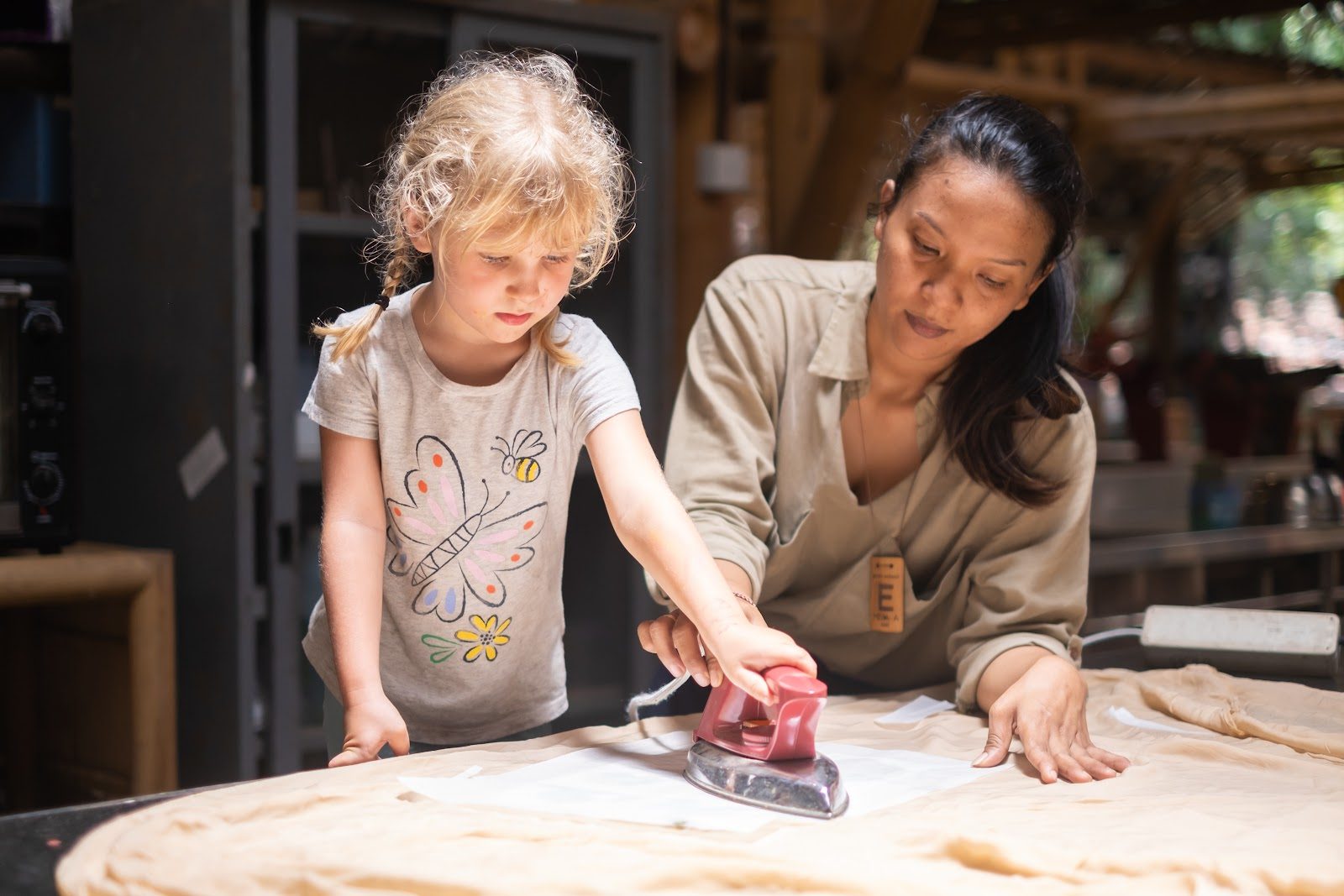
Green School Bali
Abiansemal · Indonesia
A walless bamboo campus on the Ayung River where IB study runs alongside rice cultivation and river ecology
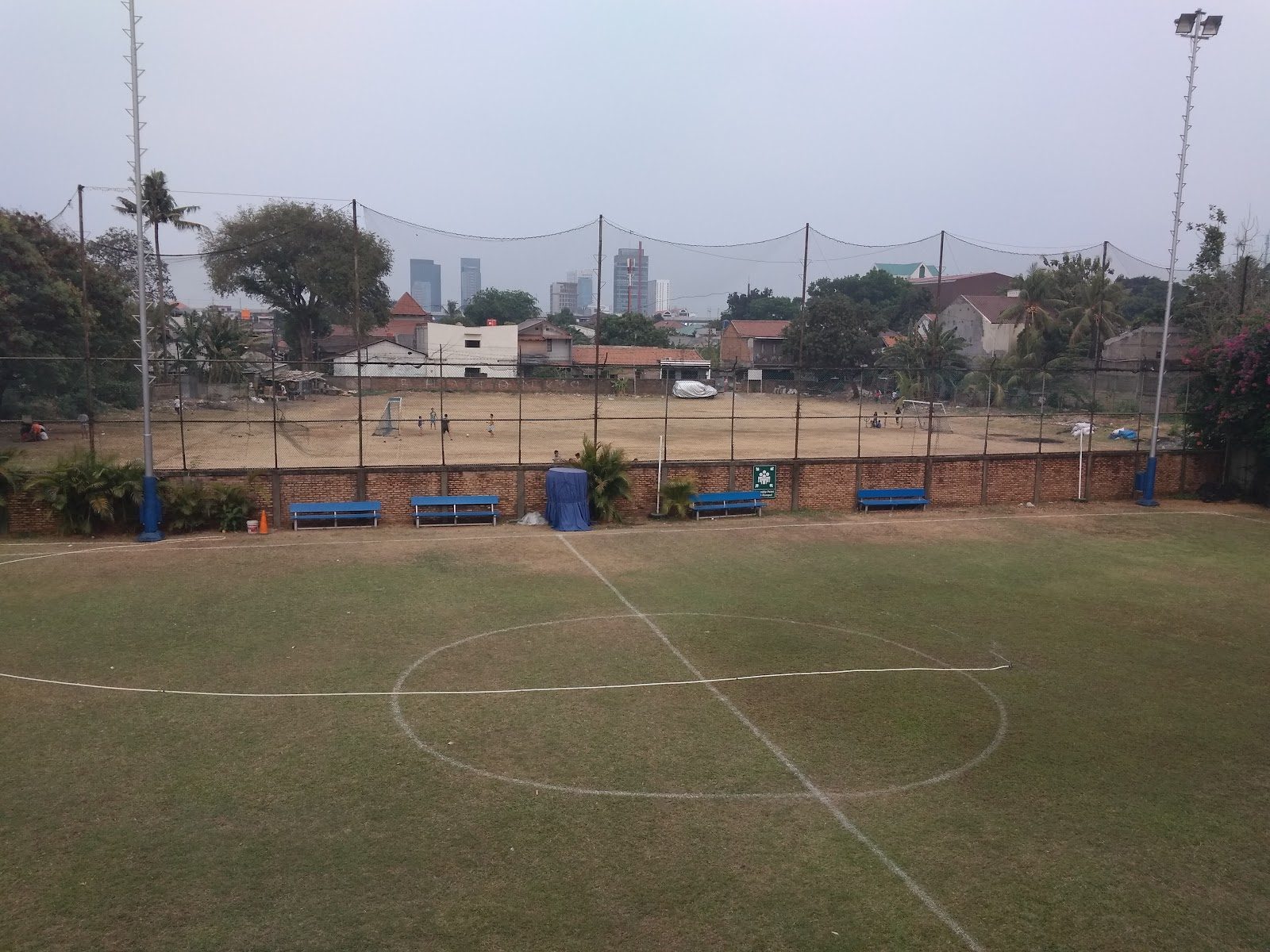
Jakarta Intercultural School
Jakarta · Indonesia
Founded in 1951 by UN diplomats' embassies, this South Jakarta campus still competes in Southeast Asia's invitation-only IASAS athletics and arts league.
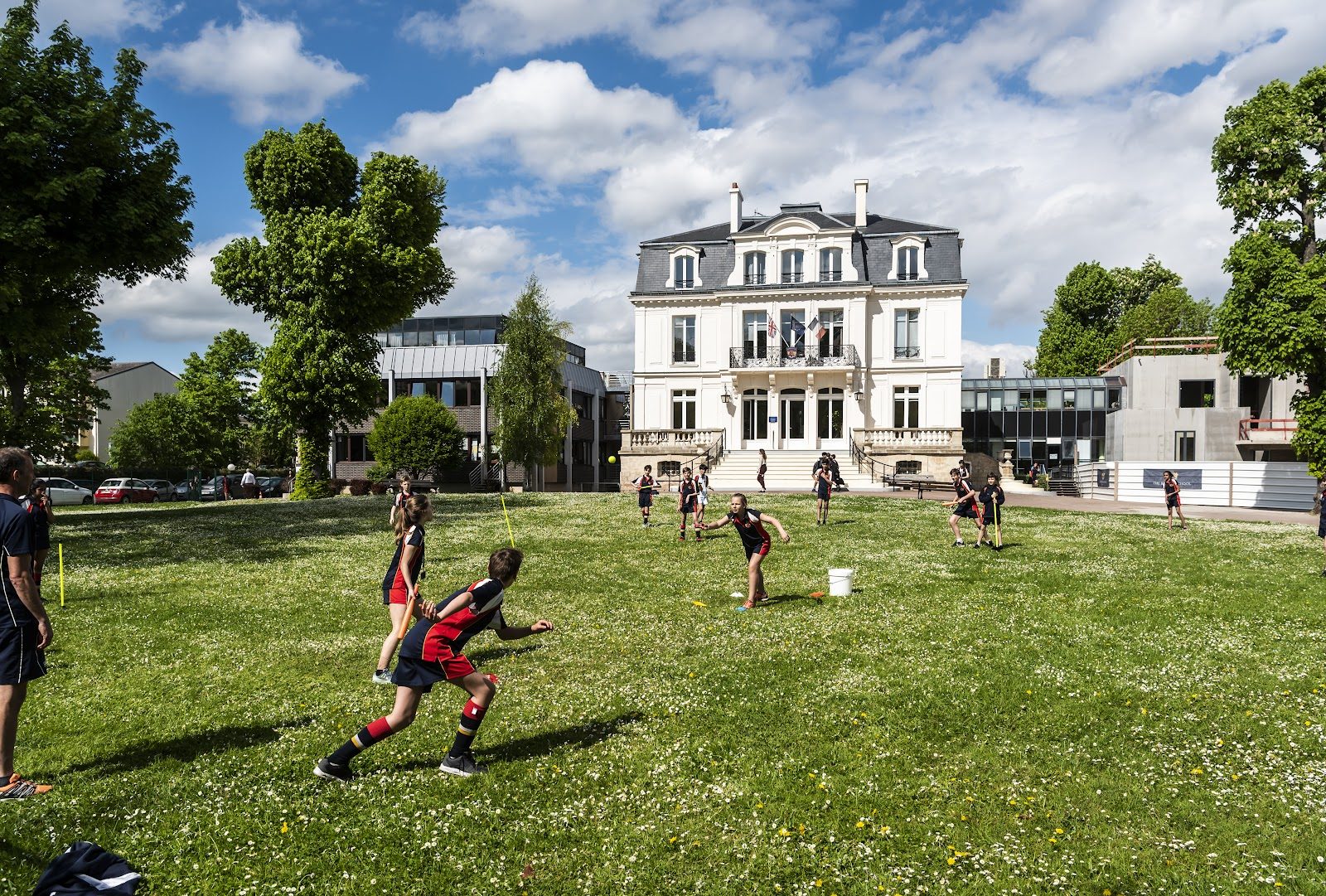
The British School of Paris
Paris · France
The only UK-government-accredited British School Overseas in France, pairing A-Levels and IB on the Seine west of Paris
Qatar Academy Doha
Doha · Qatar
Anchored in Education City, this IB continuum school was Qatar's first authorized to run all three Baccalaureate programmes.
Same country and curriculum — closest matches within ±10 points either way