
Tamil Nadu
Kodaikanal International School
high confidence· 6/6 cats · 3.11 avg sourcesFounded in 1901 at 6,998 feet in the Palani Hills, it became India's first IB school and runs its own 135-acre wilderness campus for outdoor learning.
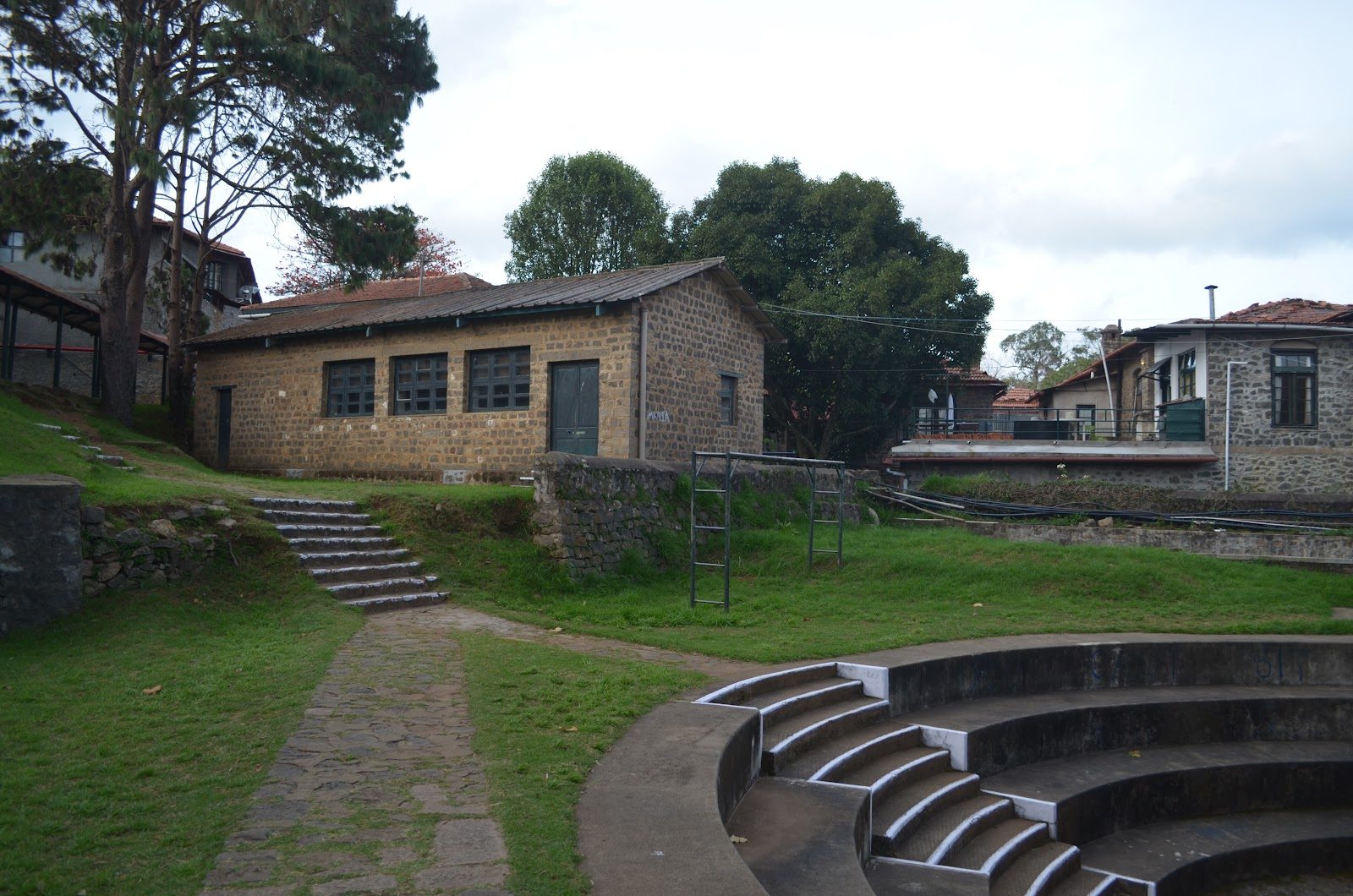
Photo © DIWAKAR PRAKASAM via Google Maps
Type
Both
Ages
11–18
Curriculum
IB · Indian National · British
Qualifications
ISC · IGCSE
Ratio
—
The Verdict
Editor's commitment
Right for
Boarders aged 11–18 who want IB in a school founded in 1901, with CIS accreditation and a 135-acre outdoor campus.
Wrong for
Families wanting a conventional city school or lower fees: boarding averages $20,900, day fees $19,650, and Kodaikanal is remote by design.
Watch out for
The curriculum mix spans IB, Indian National and British, but the school does not publish aggregate IB or SAT results; Class of 2025 sent 94 leavers widely, not heavily concentrated at the top.
Ranking breakdown
Kodaikanal International School · #681 of 1591
Composite score 68.1. 8 weighted criteria.
By criterion
Academic Outcomes
Weight 20%
#745
of 1529 scored
University Placement
Weight 16%
#736
of 1529 scored
Prestige & Heritage
Weight 12%
#623
of 1529 scored
Alumni Network
Weight 12%
#531
of 1529 scored
Facilities
Weight 12%
#582
of 1529 scored
Transparency & Communications
Weight 8%
#777
of 1529 scored
Peer & Industry Review
Weight 10%
#637
of 1529 scored
Admissions Selectivity & Demand
Weight 8%
#547
of 1529 scored
Score history
Kodaikanal International School · 2026
Movement across 2024–2026. Peer average overlaid.
Overall — 2024–2026
68.1/ 100
▲ +21.3 vs 2025
year on year
Peer & Industry Review
How Kodaikanal International School is regarded in the sector
70
Respected · medium confidence
Kodaikanal International School is one of India's oldest international boarding schools (est. 1901) and is consistently mentioned in expat and international-schools directories and forums as a leading IB boarding option in South Asia, with a notable global alumni network including missionaries, diplomats' children, and international business figures. It appears in International Schools Database and expat forum discussions (e.g., ExpatArrivals, International School Consultancy coverage of South Asian boarding schools) as a respected, long-established institution, though it receives less mainstream Western specialist press coverage (e.g., Tatler, Good Schools Guide) than schools primarily serving UK/US markets.
Evidence sources
Editors' overview
At 6,998 feet in the Palani Hills, Kodaikanal International School trades urban convenience for altitude, forest and institutional memory. Founded in 1901, it carries real historical weight: it became India’s first IB school in 1976 and runs its own 135-acre separate campus for camping and outdoor activities, a rare asset in any market and an unusually serious one in India. This is a non-religious English-medium school for ages 11 to 18, with IB, Indian National and British strands in the mix, plus CIS and IBO accreditation. That combination gives it a distinct place in the market: not a slick metro day school, not a British-branded clone, and not a conventional hill-station boarding school either. It is a genuinely international boarding community with a long record of doing things its own way.
What puts KIS on a shortlist is not polish; it is substance. The school’s public identity rests on community, residential life and outdoor education, and in this case that claim has concrete backing. A boarding school with its own wilderness campus can build a kind of independence and peer culture that brochure language alone never delivers. The school also states that its IB and SAT results run above world averages and that 100 per cent of applicants secure university places, though it does not publish the aggregate score data that would let parents judge the scale of that academic edge. The most recent destinations listed for the Class of 2025 are modest rather than trophy-driven — University of California, San Diego, University of Pittsburgh and University of Massachusetts Lowell, with one student each among 94 leavers — which tells parents something useful: KIS is not selling itself on a conveyor belt to a handful of hyper-selective names.
Fees place it in a strikingly accessible bracket for an established international boarding school: an average annual $20,900 for boarding and $19,650 for day places across the full age range it covers. That matters. Parents are buying a century-old residential school, IB pedigree, CIS accreditation and a mountain campus without the fee inflation attached to many prestige internationals. The trade-off is clear too. Kodaikanal is *not for families who want a glossy, high-status urban launchpad* with a constant stream of headline admissions. It suits independent, outdoors-minded, culturally adaptable teenagers who will use boarding properly rather than endure it. A student who wants close adult contact, a multicultural peer group and a school life shaped by landscape as much as classrooms will thrive here. A student who wants metropolitan buzz, narrow exam drilling or social cachet first will not.
Academic Performance
KIS makes strong claims on outcomes but with limited public proof. The school says its IB and SAT results beat global averages and that 100% of applicants win places at colleges and universities worldwide. That is a serious statement. It also carries less weight than a published score profile. KIS does not disclose aggregate IB points, subject distribution, SAT ranges, top grades, pass rates or multi-year trends. For parents comparing it with academically hard-charging IB competitors, that gap matters. Schools confident in their edge publish the numbers. KIS publishes the claim and leaves the detail opaque.
That places the school in a clear tier editorially: credible but under-evidenced. Its university outcomes, at least in the destinations now listed, do not read like a school built around status theatre or a narrow run at ultra-selective admissions. They read like the output of a school focused on broad progression across an international cohort. That will suit families who value boarding life, independence and range over league-table signalling. It will not satisfy parents who want a data-rich account of academic performance or a visible pipeline to global brand-name universities. Relative to peers, KIS has the advantage of institutional maturity and the disadvantage of thin disclosure.
Facilities
The defining facility here is not a glass atrium, a black-box theatre or an Olympic brag sheet. It is the school’s outdoor estate. KIS runs its own separate camping and activities campus across 135 acres, which puts it in a different category from schools that bolt Duke of Edinburgh-style trips onto an urban timetable. For a boarding school, that matters: outdoor learning has space, permanence and institutional priority, not the status of an annual add-on. The main school site itself sits on 43 acres, giving it a physical looseness that dense city campuses cannot match. Against peer schools in India, that land-rich mountain setting is a serious operational advantage for pastoral life, movement and residential culture. Against top international boarders globally, it is still distinctive, though parents should not confuse acreage with high-spec luxury.
What is less clear is the conventional facilities package. The school talks at length about community and residential life but does not publish a crisp, parent-facing account of science labs, performing arts spaces, sports provision, libraries or specialist senior facilities. That lack of detail is a weakness. Peer schools competing at the top end of the international boarding market spell out the hardware because parents expect to see it. KIS instead asks families to buy into a landscape-led education and a self-contained boarding world. If you want slick metropolitan infrastructure, this is the wrong shortlist. If you want a school where the mountain environment functions as a real part of the education, few Indian peers can match it.
At 6,998 feet in the Palani Hills, Kodaikanal International School trades urban convenience for altitude, forest and institutional memory
Prestige
Kodaikanal International School has real prestige, but it is a specific kind of prestige. It does not trade on metropolitan visibility, old-boy cachet or a conveyor belt to globally famous universities. Its standing comes from longevity, educational firsts and the durability of its boarding culture. In the Indian market, being the country’s first IB school still carries weight because it signals institutional memory rather than recent adoption. The school also benefits from an alumni footprint that is deeper than its current profile might imply: 22 notable alumni are catalogued in Wikidata across politics, science, writing and film. That breadth matters. It points to a school that has produced internationally mobile adults over time, not a brand built around a short burst of marketing-led prominence.
That said, KIS sits in the respected rather than glamorous end of the prestige spectrum. Its university destinations, as currently published, do not create elite-admissions theatre. Its academic data disclosure is thin, which limits the force of any prestige claim tied to results. For some families, that cuts against status. For others, it is part of the appeal: KIS has the self-contained confidence of a school that does not need to imitate urban flagship internationals. The education carries genuine distinction for parents who value intellectual breadth, independence and a serious residential community. It carries less force for families chasing social display, city networks or the validation of headline admissions lists.
Against top international boarders globally, it is still distinctive, though parents should not confuse acreage with high-spec luxury
Communications
KIS communicates its priorities clearly and, at points, too selectively. The public message is coherent: community, individual attention, residential life and learning through shared experience sit at the centre. That gives parents a sharp sense of what the school values and what daily life is meant to feel like. The voice is personal rather than corporate, which fits a school built around close adult contact and a tight boarding community. For families already drawn to that model, the communication will feel convincing and human-scale. The line on university entry is also blunt — 100% of applicants placed — and the school does not bury its claim to strong external results.
The weakness is disclosure. KIS talks in themes and outcomes, but gives parents too little operational detail in the places that matter when choosing a school. We have not seen a robust public account of assessment data beyond headline claims, nor a clear parent-facing breakdown of core facilities, academic support structures, house life, routines, or how pastoral oversight works in practice for adolescents living away from home. That makes the communication warm but incomplete. It tells you the school’s philosophy; it does not do enough to answer the harder parental questions about consistency, scrutiny and day-to-day systems. For a school asking families to commit to a high-trust residential environment, that gap matters. The communication is effective on ethos and weak on proof.
Uniqueness
What marks KIS out is that its character comes from place and lived routine, not branding. This is a school built around altitude, separation and shared residential life, and that combination shapes students in ways a city international cannot. Teenagers here do not step in and out of school as a service. They live inside a self-contained community where roommates, house staff, teachers and friends all carry educational weight. The result is a schooling experience with more friction and more growth: students have to negotiate difference, manage themselves and function with people from outside their own background. For the right child, that produces earned independence rather than the polished dependency many premium schools quietly preserve.
The other point of difference is that outdoor education sits at the centre of the institution rather than the edge of it. The school’s separate wilderness base — 135 acres devoted to camping and activities — gives it a rare seriousness in this area. That brings practical gains: resilience, judgement, teamwork and confidence away from screens and urban scaffolding. It also changes the social climate. A mountain boarding school with this kind of outdoor infrastructure tends to reward adaptability over display. Students who want constant external stimulation or a high-gloss metropolitan social life will find that limiting. Students who thrive on community, responsibility and a stronger relationship with the natural world will get something distinctive and hard to replicate.
Kodaikanal International School has real prestige, but it is a specific kind of prestige
Student Profile
The right student for KIS is not a child shopping for polish, speed or metropolitan spectacle. This school suits adolescents who can live with other people well: students who tolerate difference, recover from friction, and do not need constant parental orchestration to stay steady. Boarding changes the social equation. Teenagers here need emotional stamina, decent self-management and a willingness to be known closely by peers and adults. The fit is strongest for students who are independent without being performative, socially adaptable, and open to a life in which community is not optional but built into every day. A cohort of 94 leavers also points to a school with breadth, but not anonymity; students who want to disappear into a crowd will find that harder.
It also suits pupils who learn from experience as much as from instruction. KIS is a strong match for students drawn to outdoor life, shared routines and a less status-driven idea of success. The school’s own emphasis on roommate learning, conversation, reflection and lived intercultural exchange gives a clear signal: this is not a results-factory for brittle strivers, nor a haven for children who need relentless supervision to function. It will work well for a grounded, curious teenager who can contribute to a close residential culture and gain from it. It will work badly for families whose child wants luxury, urban momentum, or a school identity built around constant external validation.
It is a genuinely international boarding community with a long record of doing things its own way
Co-curricular strengths
Arts & sport, on a separate axis
Overall 8.22/10
Scored 0-10 from the school's own published evidence. This axis is editorial-only — it does not feed the main WTS ranking.
Sports
8.6/10
Basketball, Football, Volleyball and Hiking, showing a solid multi-activity sports offering, but there is no named facility, specialist staff or competitive record cited.
Drama
8.5/10
Theatre Productions, and external evidence lists multiple notable acting and film alumni, which supports drama as a notable strength even without a named theatre facility.
Dance
7.5/10
Music
8.5/10
A Music Ensemble, indicating a clear music extracurricular, but provides no dedicated facility, specialist staff, or higher-level recognition.
Visual Arts
8/10
Editor first-pass · editor-reviewable · 7/28/2026
Outcomes & destinations
Where students go next
Class of 2025
94 graduates
Top destinations
34 placements
- University of California, San Diego· 1
- University of Pittsburgh· 1
- University of Massachusetts Lowell· 1
- Indiana University Bloomington· 1
- University of Rochester· 1
- Northeastern University· 1
- Washington and Lee University· 1
- Virginia Tech· 1
- Goshen College· 1
- Randolph College· 1
- Stony Brook University· 1
- School of the Art Institute of Chicago· 1
- Penn State University· 1
- Willamette University· 1
- Georgetown University - Qatar· 1
- Parsons Paris· 1
- Glion· 1
- Les Roches· 1
- University of British Columbia· 1
- Queen's University· 1
- University of Waterloo· 1
- University College London· 1
- University of Auckland· 1
- University of Amsterdam· 1
- Frankfurt School of Finance & Management· 1
- Ritsumeikan University· 1
- Hong Kong University of Science and Technology· 1
- Krea University· 1
- NMIMS· 1
- Plaksha University· 1
- MESA School of Business· 1
- Mount Carmel College· 1
- Loyola College Chennai· 1
- Istituto Marangoni (India)· 1
Reported by the school. Confirm with admissions.
Notable alumni · Wikidata
22notable alumni
3 historic (born pre-1930) · 7 modern (born post-1970)wikidata:2026-07-28 How we source this
Strengths
- +Founded in 1901
- +Boarding school for ages 11–18
- +Offers IB, ISC and IGCSE
- +10:1 student-teacher ratio
Considerations
- −Boarding fees: 20,000 USD annually
- −Day fees: 12,000 USD annually
- −Only English instruction listed
Availability
Primary entry gate & tests
Internal Assessment
Gallery
Photo © DIWAKAR PRAKASAM via Google Maps
Photo © Aditya Mitra via Google Maps
Photo © Aditya Mitra via Google Maps
Photo © Arjun Ramesh via Google Maps
Photo © Joseph Thampy via Google Maps
Photo © Jayesh Singh via Google Maps
Photo © Shebeer Pm via Google Maps
Photo © Kodaikanal International School via Google Maps
Photo © Ushnish Dutta via Google Maps
Parent reviews
Have you sent your child here?
Voice reviews carry the strongest trust badge — we transcribe them for you to tidy up before they go live. Prefer to type? A written review is fine too.
Add your voice
In 60 seconds, tell other parents: what's the best thing about Kodaikanal International School, and what surprised you when your child joined?
We ask for a Google sign-in so every review has a real face behind it — no anonymous drive-by attacks on schools, and no faked positive reviews. Your email is never shown publicly.
Send this profile to a friend
International parents rely on word-of-mouth. Share this review with someone weighing the same decision.
Schools with places
Similar schools to Kodaikanal International School with places available now.
Availability first, then country, area, curriculum, price, co-curricular
Consider also
Also worth looking at alongside Kodaikanal International School.
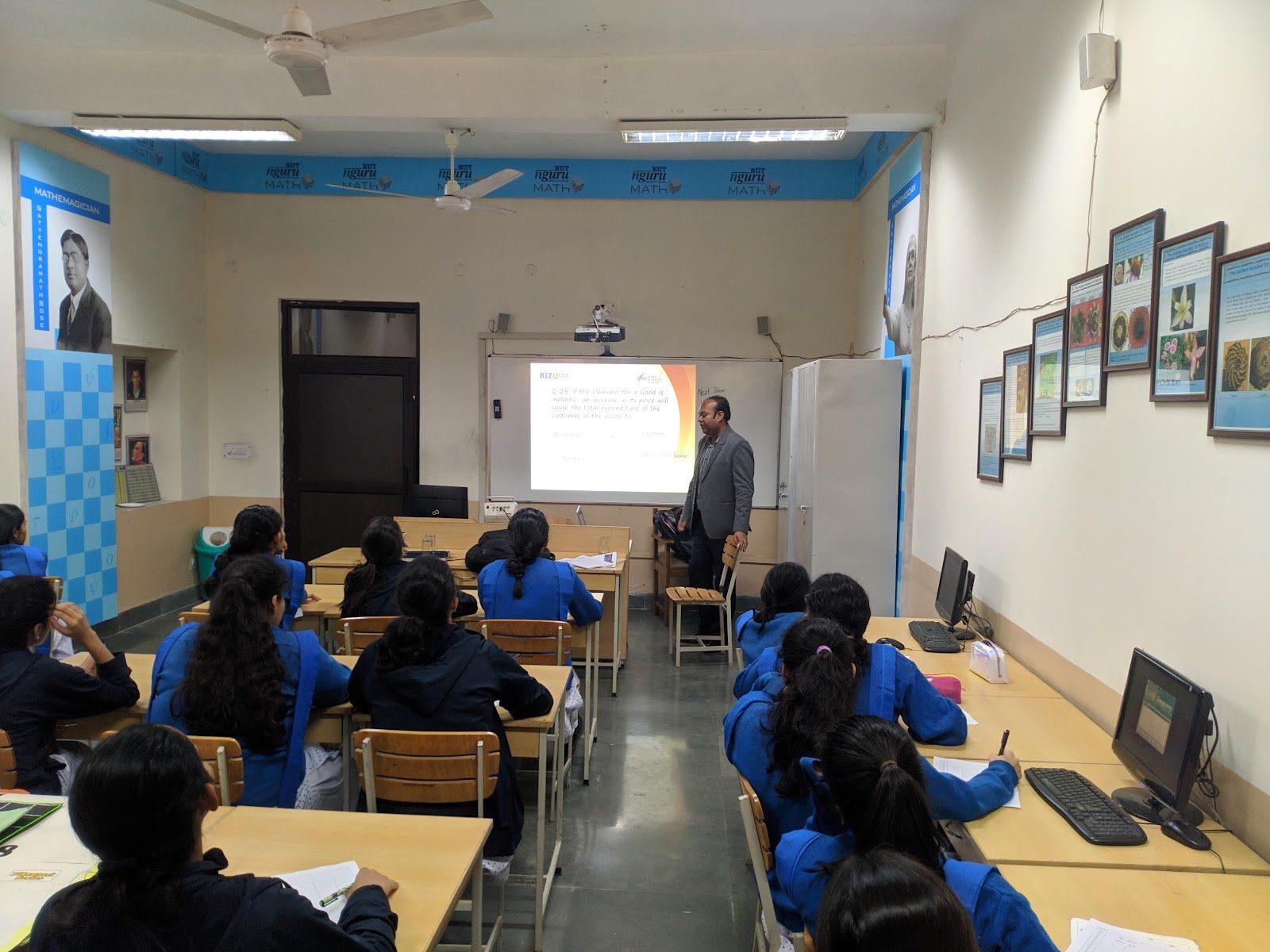
Welham Girls' School
Dehradun · India
Founded in 1957 as a bold counterpart to boys-only boarding, with bird-named houses and a legacy museum honoring the women who dared.
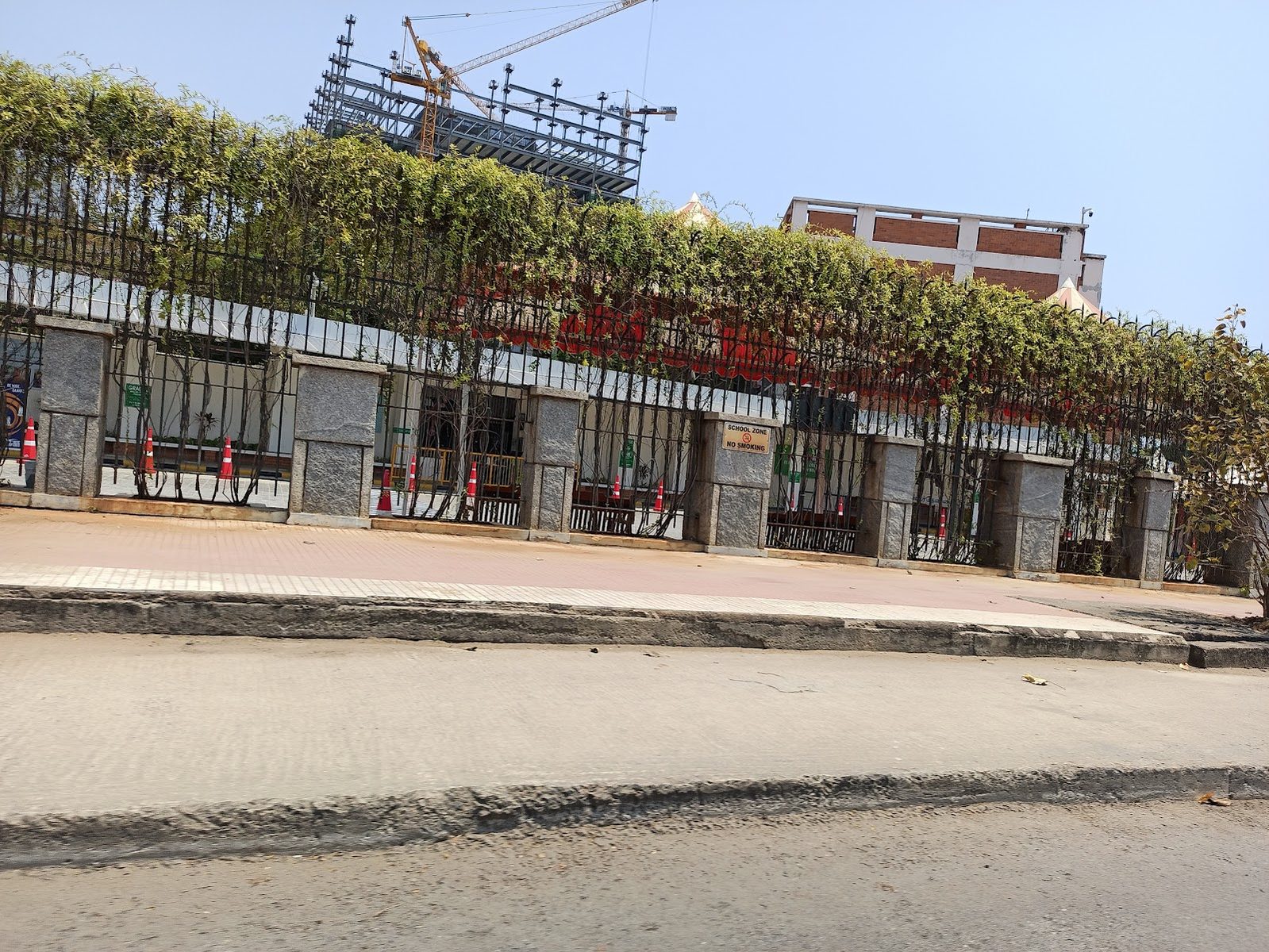
American International School Chennai
Chennai · India
Born of a 1995 US-India accord, this Taramani campus blends AP and IB rigor with the world's first K-12 LEED Platinum campus
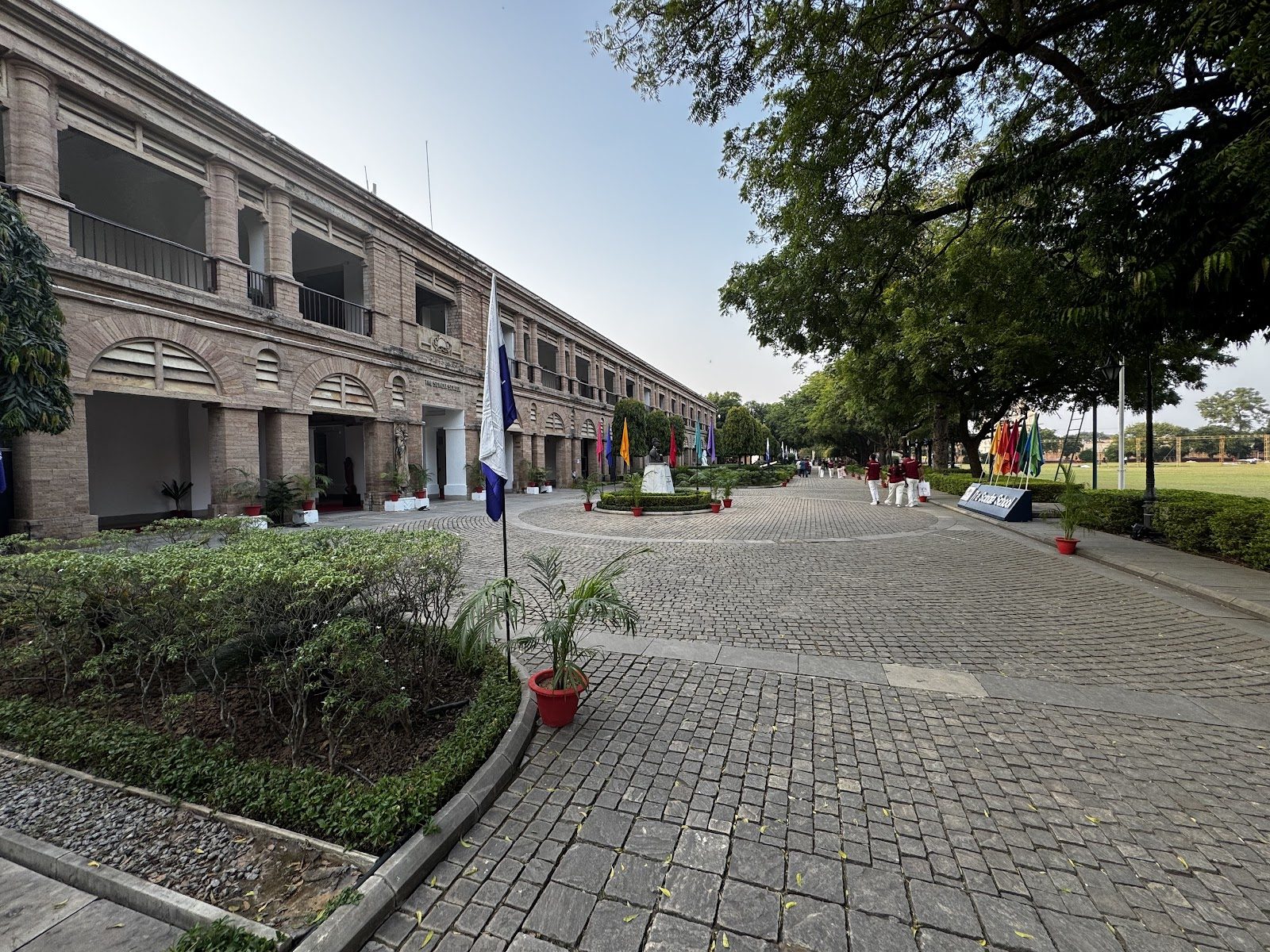
The Scindia School
Gwalior · India
Storied boys' boarding school inside Gwalior Fort, delivering a CBSE curriculum with a British public-school ethos.
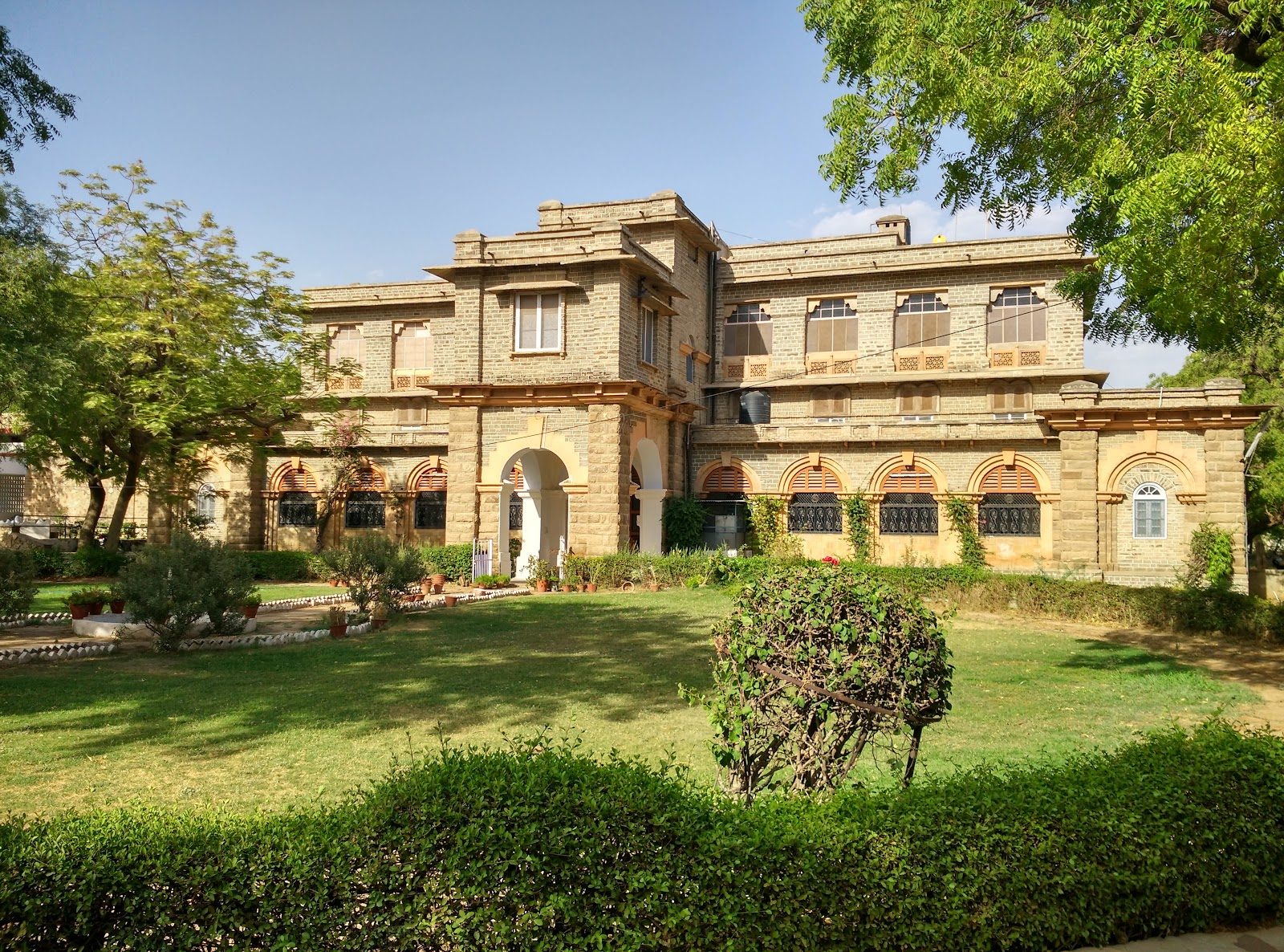
Mayo College
Ajmer · India
Historic all-boys boarding school in Ajmer offering the CBSE and Cambridge IGCSE curricula.
Same country and curriculum — closest matches within ±10 points either way