
Madhya Pradesh
The Scindia School
high confidence· 6/6 cats · 3.35 avg sourcesStoried boys' boarding school inside Gwalior Fort, delivering a CBSE curriculum with a British public-school ethos.
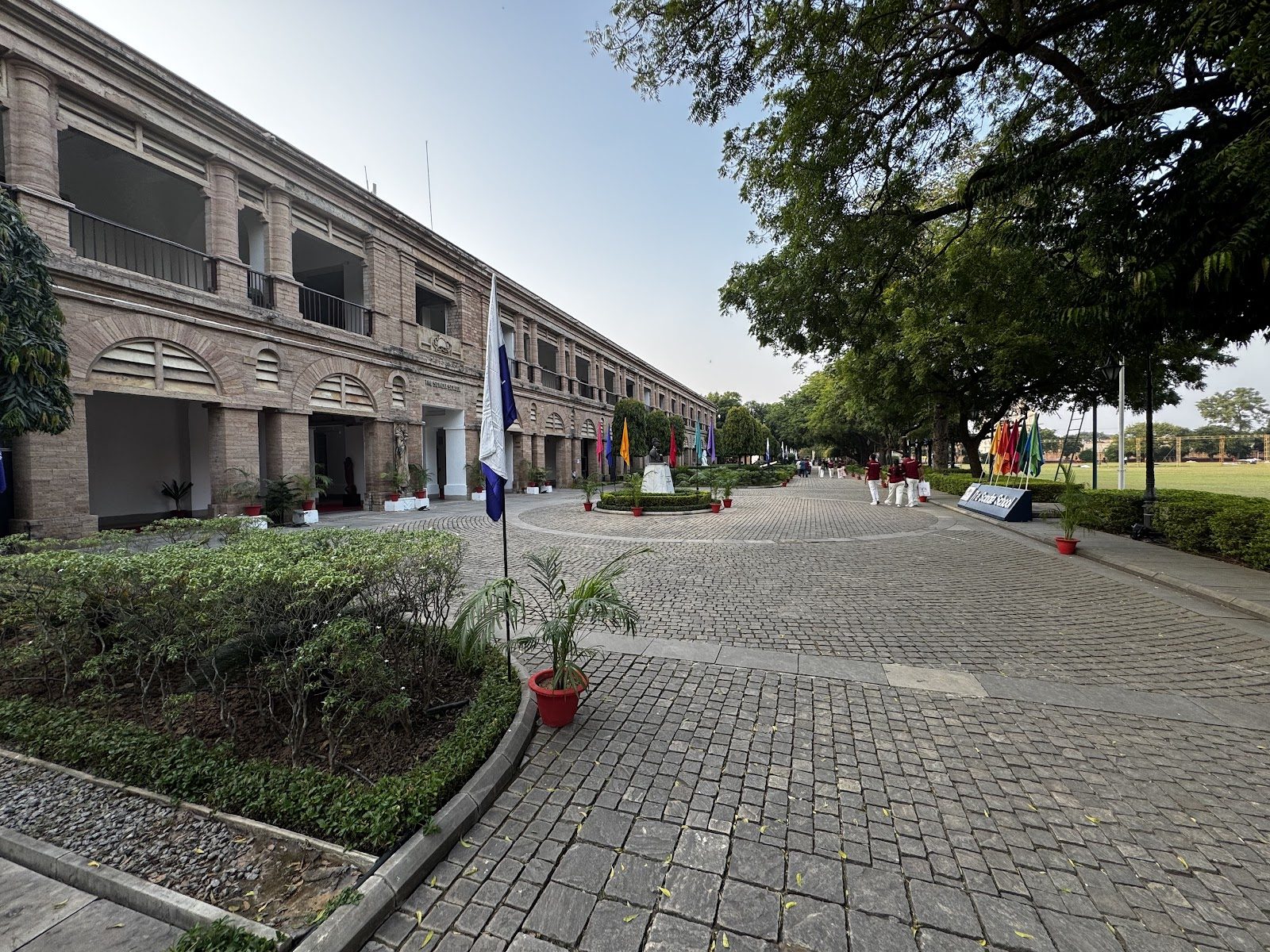
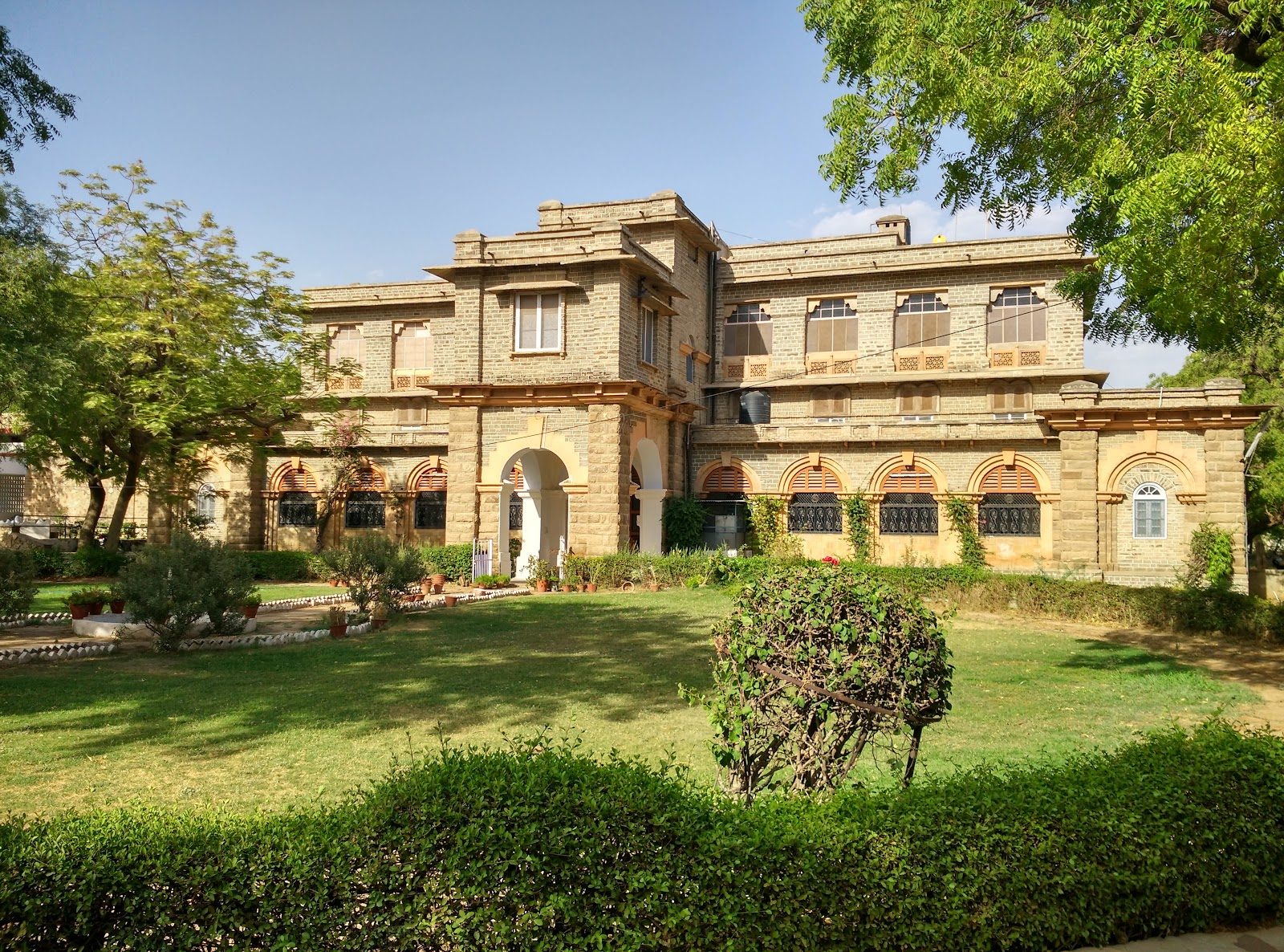
Photo © Saurabh Dubey via Google Maps
Type
Boarding
Ages
11–18
Curriculum
IB · Indian National · British
Qualifications
ISC · IGCSE
Ratio
—
The Verdict
Editor's commitment
Right for
Boys aged 11–18 who want full boarding in Gwalior Fort, with English-medium teaching and CBSE alongside IB and British strands.
Wrong for
Families wanting co-education, day schooling or a faith-based ethos; The Scindia School is non-religious, boarding-only and for boys 11–18.
Watch out for
The draw is obvious: founded in 1897, inside Gwalior Fort, with CIS and IBO accreditation; the question is substance beyond the setting.
Ranking breakdown
The Scindia School · #665 of 1591
Composite score 67.1. 8 weighted criteria.
By criterion
Academic Outcomes
Weight 20%
#902
of 1529 scored
University Placement
Weight 16%
#911
of 1529 scored
Prestige & Heritage
Weight 12%
#262
of 1571 scored
Alumni Network
Weight 12%
#158
of 1530 scored
Facilities
Weight 12%
#808
of 1533 scored
Transparency & Communications
Weight 8%
#938
of 1532 scored
Peer & Industry Review
Weight 10%
#793
of 1548 scored
Admissions Selectivity & Demand
Weight 8%
#686
of 1529 scored
Score history
The Scindia School · 2026
Movement across 2024–2026. Peer average overlaid.
Overall — 2024–2026
67.1/ 100
▲ +10.6 vs 2025
year on year
Peer & Industry Review
How The Scindia School is regarded in the sector
78
Strong · medium confidence
The Scindia School is consistently cited in Indian and international press as one of India's oldest and most prestigious boarding schools, founded in 1897 for Indian royalty, with alumni including business leaders and politicians frequently referenced in profiles of India's elite educational institutions. It is regularly featured in third-party 'best boarding schools in India' rankings and coverage by outlets like Condé Nast Traveller, Forbes India, and other education press discussing India's legacy institutions, though it lacks the global name recognition or Tatler/Good Schools Guide coverage typical of top international schools since it is India-focused rather than internationally benchmarked.
Evidence sources
Editors' overview
The Scindia School trades on a setting that few schools in India can match: a boys’ boarding school inside Gwalior Fort, founded in 1897 and still drawing power from that ceremonial, old-regime atmosphere. For some families, that setting will feel romantic; for others, it will feel unyieldingly traditional. Either way, it gives the school a clear identity. This is not a generic modern boarding campus with an imported brand. It is a long-established Indian school with a British public-school flavour, English as the language of instruction, and a boarding model that puts school life at the centre of the week, not at its edges.
Academically, the picture is more complex than the usual shorthand. The school declares IB, Indian National and British curricula, and it holds both IBO and CIS accreditation. That combination matters. It signals a school that wants to operate in more than one educational register: rooted in India, but with international validation and a strong awareness of British-style schooling. Parents should still press for precision on how those pathways work in practice across ages 11–18, because the broad label alone does not tell you how a boy moves through the senior years, or how teaching time and university guidance are structured. The school’s market position rests less on data transparency than on heritage, boarding culture and institutional seriousness.
That makes The Scindia School a strong shortlist option for families seeking structured independence, high adult supervision, and a school identity that extends well beyond the classroom. It suits boys who will thrive in a full-immersion boarding environment, who want ritual, house spirit and a strong sense of belonging, and who are comfortable in a school with a distinct masculine tradition. It will not suit every child. Boys who need a softer, more informal culture, or who want a co-educational setting with a lighter touch, will find stronger fits elsewhere. On price, the boarding average is USD 12,606 a year across the full age range, which places Scindia in an unusually accessible bracket for a school with this level of history and international accreditation. The draw, then, is plain: a storied Indian boarding school with real institutional heft, a rare setting, and a character that is far more defined than fashionable.
Academic Performance
The school does not publish the kind of exam data that allows a clean comparison with India’s stronger boarding competitors. We have not seen aggregate board results, subject-level top grades, university destinations by cohort, or multi-year trend lines. That is a real weakness in a market where ambitious families expect hard outcomes, not just institutional reputation. For a school with international affiliations and a long-established name, the absence of public performance data leaves too much to inference. Parents need to ask for recent CBSE and IB results, score distributions, university offers, and the size of each graduating cohort before treating academic claims as settled.
That opacity places Scindia in a different bracket from schools that publish headline attainment and use it to prove academic strength. Its standing rests more on institutional gravitas, selective intake, and the habits of a demanding residential regime than on disclosed examination metrics. That does not make the academic standard weak; it makes it insufficiently evidenced. Against transparent top-tier Indian boarding schools, that counts against it. Against less established schools with thinner traditions and weaker sixth-form pathways, the school still holds ground through seriousness of culture and continuity of expectations. The verdict is plain: academically credible, data-light, and not a results leader in public view.
Facilities
The campus’s defining asset is the fort itself. That delivers something most boarding schools cannot: a daily physical environment with real grandeur, heavy symbolism and a strong sense of enclosure. For boys who respond to setting, that matters. It can sharpen belonging and school identity in a way purpose-built suburban campuses rarely do. The trade-off is practical. Heritage sites do not lend themselves to the frictionless, expansive sports and specialist-building layouts that newer premium boarders now offer. Against peers with vast modern grounds, Scindia’s estate carries more atmosphere than flexibility. Parents should ask direct questions about the condition and scale of science labs, indoor sports provision, music practice rooms, theatre spaces, design and technology workshops, and sixth-form study areas, because these are the facilities that separate a romantic campus from a fully equipped one.
Benchmarking it against India’s stronger boarding competitors, Scindia wins on distinctiveness and loses on public detail. Top peers now publish clear evidence of high-spec STEM blocks, competition-standard sports infrastructure, performing arts centres and residential amenities pitched to modern expectations. Scindia does not disclose that level of facility-by-facility specification on the public side. That does not make the campus weak; it makes it hard to verify. The boarding context still counts in its favour: a school built around residential life needs robust dining, pastoral, recreation and supervised study spaces, and families should inspect those with care. The verdict: a campus with rare character and strong symbolic pull, but not one that matches the best-documented peers for visible modern hardware.
We have not seen aggregate board results, subject-level top grades, university destinations by cohort, or multi-year trend lines
Prestige
Scindia carries real old-school prestige in India’s boarding market. The source of that prestige is not published academic dominance or a fashionable global brand. It is lineage, selectivity of social reputation, and the school’s grip on a deeply codified boarding culture that many families still read as a route to polish, resilience and networks. The setting inside the fort matters here because it confers rarity; very few schools can draw on that degree of historical theatre without lapsing into gimmickry. Scindia does not need to manufacture mystique. It already has it. Among Indian legacy boarding schools, that still counts. The average annual boarding fee of USD 12,606 also sharpens its status: this is a school with a high-prestige name at a price point that undercuts many international-facing rivals.
That said, prestige here is institutional and social before it is academic. The school has recognition, memory and symbolic weight; it does not back that up in public with the level of outcomes data that top academic operators now provide. That distinction matters. Families buying into Scindia buy access to an established culture of leadership, ceremony, alumni identity and personal formation. They do not buy transparent proof of elite results. That keeps the school in the upper tier of reputation for traditional Indian boarding, but short of the most convincing all-round prestige, where heritage and hard performance data reinforce each other.
Against transparent top-tier Indian boarding schools, that counts against it
Communications
Scindia’s parent communication carries the strengths and limits of a school built around residential life and institutional tradition. The essentials are easy to find: admissions routes, contact points, calendar information, leadership visibility and a clear sense of school identity. That matters, because boarding schools need disciplined communication more than day schools do; parents are delegating a large share of daily oversight. Scindia does enough to signal orderly administration and strong internal culture. What it does not do with equal force is publish the kind of operational and academic detail that reassures demanding parents from a distance. When a school asks families to trust a high-control environment, it also needs to show how reporting works on progress, pastoral issues, university guidance and residential care.
That gap makes the communications model feel *institution-first rather than parent-first*. The tone carries confidence and heritage, but confidence is not the same thing as transparency. We have not seen the level of granular public disclosure that now marks the best-run boarding schools: regular reporting rhythms, named pastoral structures, clear escalation routes, sample parent communications, or a thorough picture of how families stay informed during term. For local families with prior knowledge of the school, that matters less. For international or first-time boarding parents, it matters a great deal. The verdict: communication that is credible and functional, but not forensically clear or modern in its transparency.
Uniqueness
What sets Scindia apart is not a single programme or headline result. It is the total experience of living and studying inside one of India’s most charged historic settings, under a house-based regime that treats character formation as seriously as classroom work. That creates a school life with rare theatrical force: ceremony is not an add-on, hierarchy is visible, and belonging carries weight. For the right boy, that can be formidably shaping. Daily routines gain gravity, friendships deepen through shared residential life, and leadership stops being a slogan and becomes a lived expectation. Few schools offer that degree of institutional intensity at an average annual boarding fee of USD 12,606.
That distinctiveness brings clear advantages and clear limits. Boys who thrive on structure, competition, tradition and collective identity can gain resilience, self-command and a strong sense of place. The school gives them a world with rules, rituals and memory, and that can be deeply anchoring during adolescence. It also narrows the fit. Families seeking a more relaxed culture, wider gender mix, or a visibly modern school personality will find Scindia stubbornly traditional. Its uniqueness lies in that refusal to dilute itself. This is a school that still believes education happens through atmosphere, expectation and communal life, not just teaching blocks and activity menus.
Benchmarking it against India’s stronger boarding competitors, Scindia wins on distinctiveness and loses on public detail
Student Profile
The best fit is a boy who wants his school life to be all-in, not compartmentalised: lessons, sport, friendships, discipline and status folded into one continuous social world. He needs to tolerate scrutiny, respond to hierarchy and find energy in competition rather than shrink from it. Boys who enjoy ritual, house loyalties and visible expectations will find a strong current to swim in. Boys who need privacy, low-pressure social dynamics or a more forgiving emotional climate will struggle. This is not a school for dabblers or fence-sitters. It suits adolescents who are ready to live by shared rules, absorb correction and earn standing through conduct as much as academic effort. The fee level — USD 12,606 on average across the school years — also places it within reach for families who want a high-status boarding culture without the price tag attached to many international rivals.
Social fit matters as much as intellectual fit. A boy does well here if he can handle institutional intensity, form close peer bonds in a male boarding environment and accept that tradition sets the tone of daily life. Confidence helps, but so does stamina: the culture rewards boys who can persist, adapt and carry themselves with composure. Internationally minded families can still find value here, but the stronger fit is for parents who want character formation with hard edges, not a softened or therapeutic version of adolescence. In plain terms, this suits boys who want to be shaped by a school, not merely taught by one.
Daily routines gain gravity, friendships deepen through shared residential life, and leadership stops being a slogan and becomes a lived expectation
Co-curricular strengths
Arts & sport, on a separate axis
Overall 8.16/10
Scored 0-10 from the school's own published evidence. This axis is editorial-only — it does not feed the main WTS ranking.
Sports
9.2/10
Sports and co-curricular provision are traditionally central and lists cricket, football, basketball and athletics, indicating a solid multi-sport offering but no named specialist sports facility or competitive results.
Drama
8.2/10
Dramatics appears explicitly in the extracurricular list.
Dance
6.5/10
Music
8.4/10
School Band is offered, but there is.
Visual Arts
8.5/10
Art Club is offered.
Editor first-pass · editor-reviewable · 7/27/2026
Strengths
- +Founded 1897; unusually longstanding Indian boarding school
- +Offers IB, ISC and IGCSE pathways
- +CIS and IBO accredited
- +10:1 student-teacher ratio; average class size 18
Considerations
- −Boarding fee is 20000 USD annually
- −Day fee is 12000 USD annually
- −Boarding-only type limits day-school flexibility
Availability
Primary entry gate & tests
Academic Record
Gallery
Photo © Sagar S via Google Maps
Photo © Subodh Yadav via Google Maps
Photo © Admission via Google Maps
Photo © Neelav Agarwala via Google Maps
Photo © Neelav Agarwala via Google Maps
Photo © Neelav Agarwala via Google Maps
Photo © Rohit Singh via Google Maps
Photo © Rohit Singh via Google Maps
Photo © Admission via Google Maps
Parent reviews
Have you sent your child here?
Voice reviews carry the strongest trust badge — we transcribe them for you to tidy up before they go live. Prefer to type? A written review is fine too.
Add your voice
In 60 seconds, tell other parents: what's the best thing about The Scindia School, and what surprised you when your child joined?
We ask for a Google sign-in so every review has a real face behind it — no anonymous drive-by attacks on schools, and no faked positive reviews. Your email is never shown publicly.
Send this profile to a friend
International parents rely on word-of-mouth. Share this review with someone weighing the same decision.
Schools with places
Similar schools to The Scindia School with places available now.
The Lawrence School, Sanawar
Solan · India
- 2026-27
- WAITPOOLSpace-dependent
- 2027-28
- PLACES OPENRolling
Kodaikanal International School
Kodaikanal · India
- 2026-27
- CLOSEDStandard route closed
- 2027-28
- OPENS SOONExpected Autumn '26 Reg
American International School Chennai
Chennai · India
- 2026-27
- WAITPOOLSpace-dependent
- 2027-28
- PLACES OPENRolling
Woodstock School
Mussoorie · India
- 2026-27
- CLOSED
- 2027-28
- OPENS SOONOpens 17 Aug '26
Availability first, then country, area, curriculum, price, co-curricular
Consider also
Also worth looking at alongside The Scindia School.
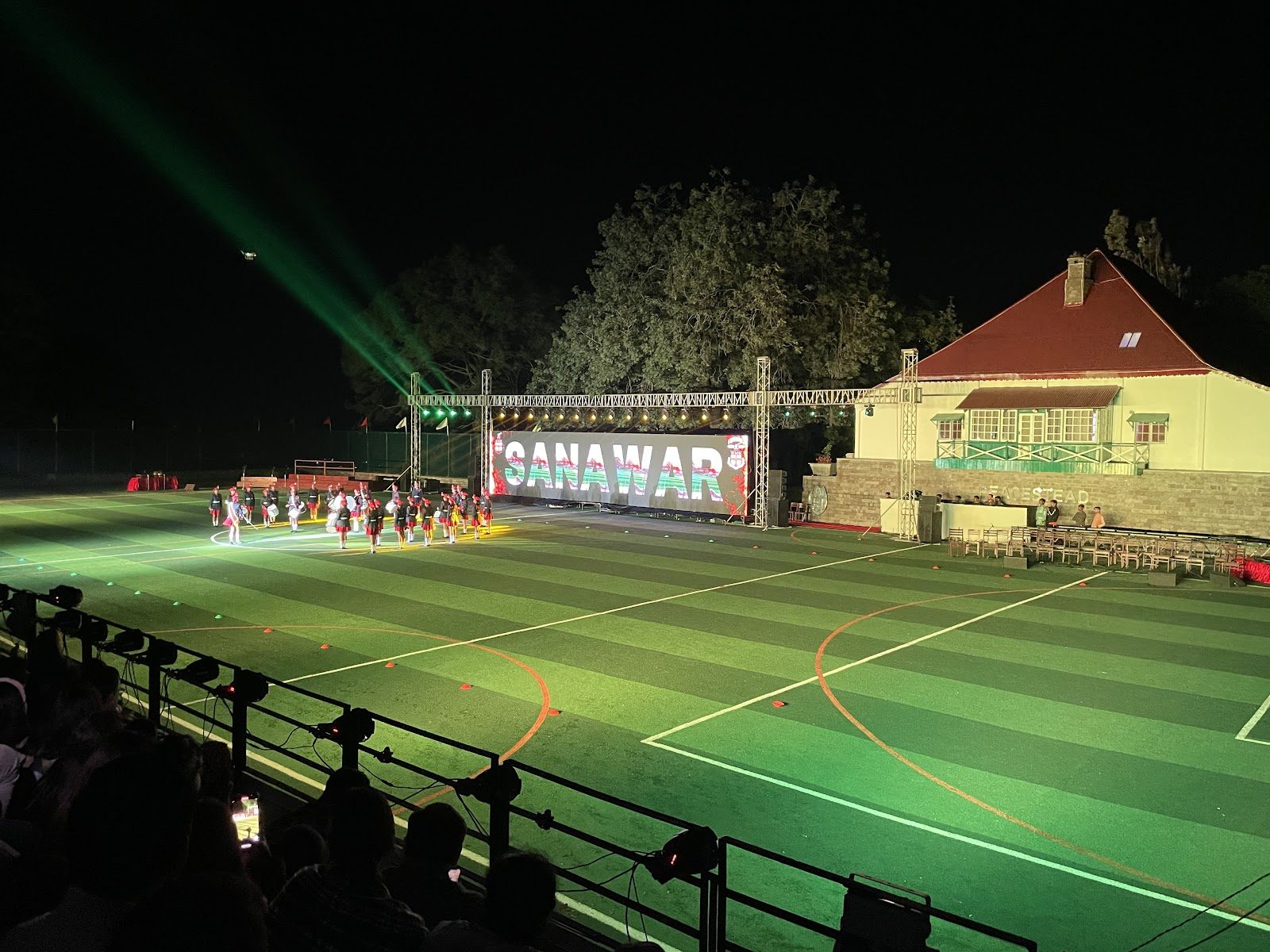
The Lawrence School, Sanawar
Solan · India
Perched at 1,750 metres in the Shivaliks, Asia's oldest co-educational boarding school sent the first team to summit Everest in 2013.
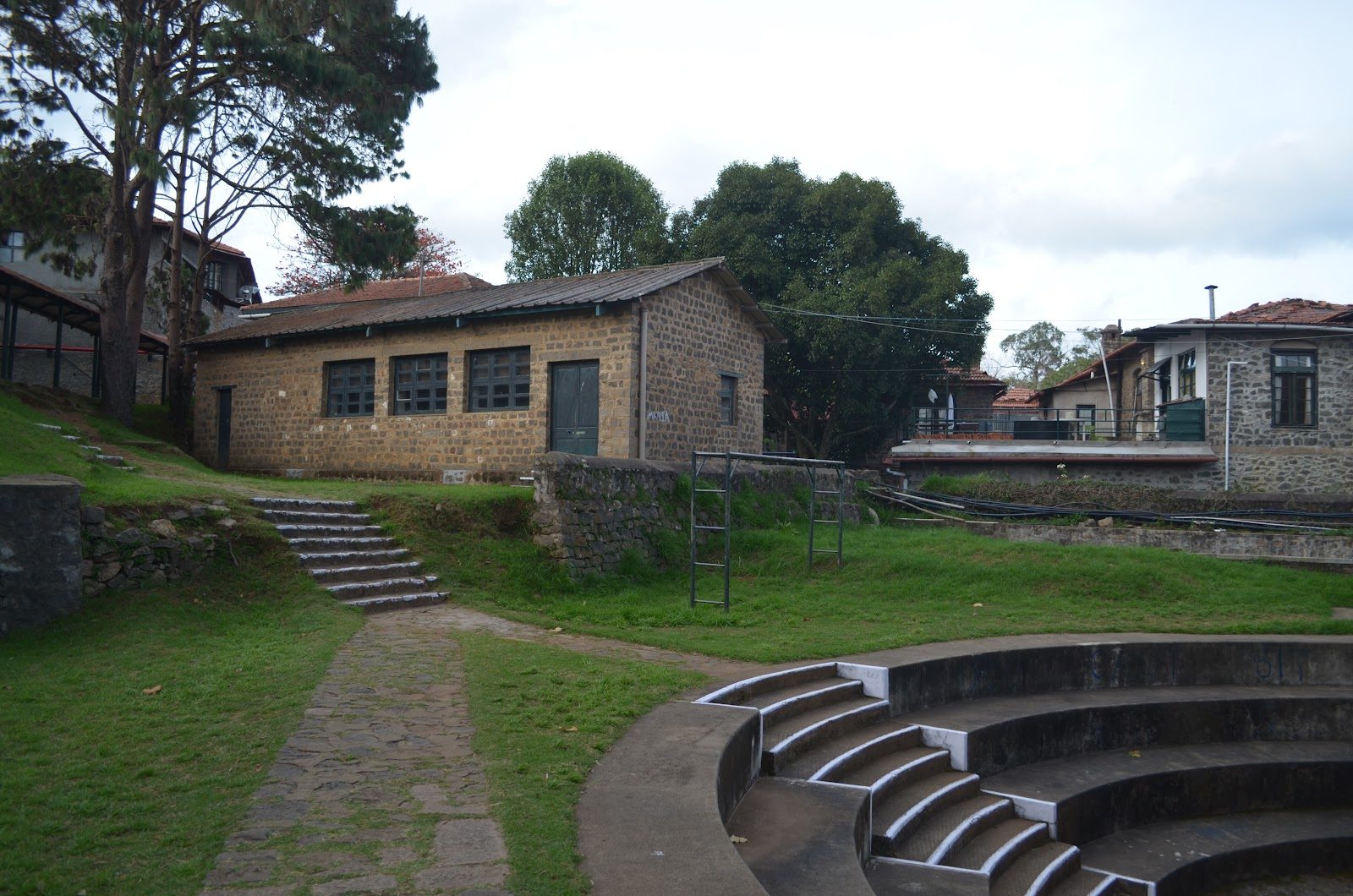
Kodaikanal International School
Kodaikanal · India
Founded in 1901 at 6,998 feet in the Palani Hills, it became India's first IB school and runs its own 135-acre wilderness campus for outdoor learning.
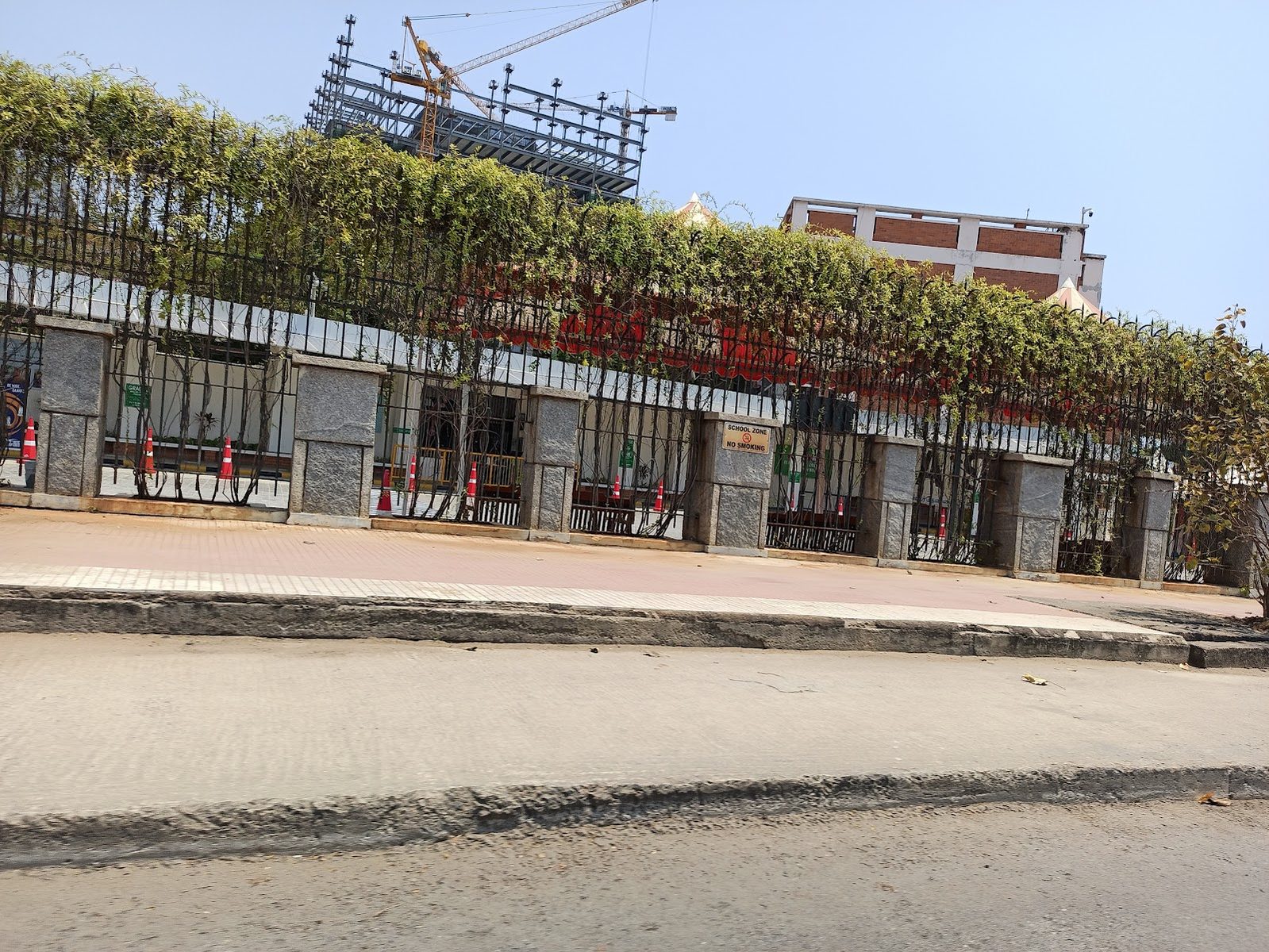
American International School Chennai
Chennai · India
Born of a 1995 US-India accord, this Taramani campus blends AP and IB rigor with the world's first K-12 LEED Platinum campus
Mayo College
Ajmer · India
Historic all-boys boarding school in Ajmer offering the CBSE and Cambridge IGCSE curricula.
Same country and curriculum — closest matches within ±10 points either way