
District of Columbia
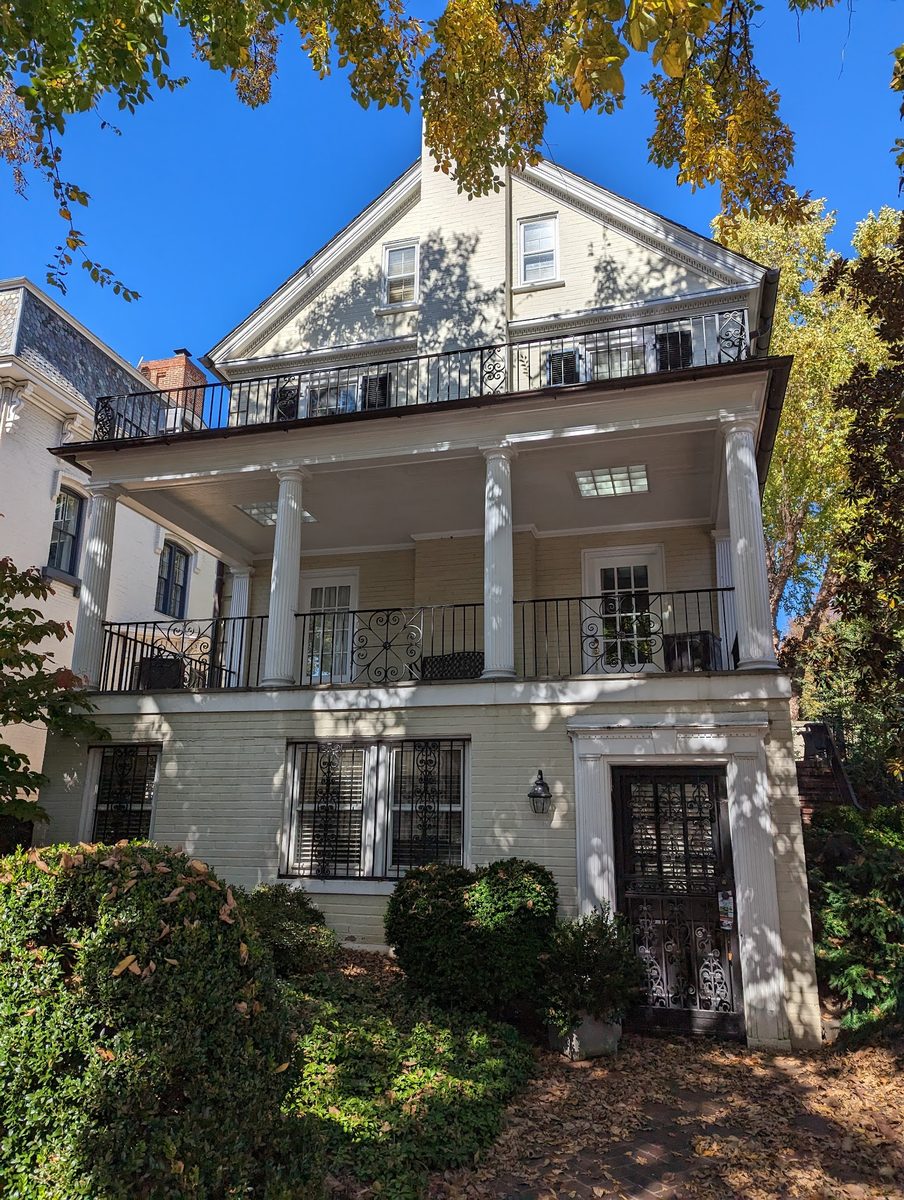
Georgetown Visitation Preparatory School
low confidence· 2/6 cats · 2.75 avg sourcesFounded in 1799 on a working Georgetown convent campus, the nation's oldest Catholic school for girls still runs on Salesian rigor.
Type
Day
Ages
13–18
Curriculum
American
Qualifications
AP
Ratio
9:1
The Verdict
Editor's commitment
Right for
Girls aged 13–18 who want a Catholic, all-girls Grades 9–12 school with a 9:1 ratio and 15-pupil classes.
Wrong for
Families wanting co-education, boarding, or a less confessional setting; this is a day school in Washington, D.C., rooted in Roman Catholic faith.
Watch out for
At an average USD 40,750 a year, you are paying for a 1799 institution on a working convent campus with clear Salesian discipline.
Ranking breakdown
Georgetown Visitation Preparatory School · #664 of 1591
Composite score 58.6. 8 weighted criteria.
By criterion
Academic Outcomes
Weight 20%
#746
of 1529 scored
University Placement
Weight 16%
#736
of 1529 scored
Prestige & Heritage
Weight 12%
#734
of 1571 scored
Alumni Network
Weight 12%
#1487
of 1530 scored
Facilities
Weight 12%
#857
of 1533 scored
Transparency & Communications
Weight 8%
#688
of 1532 scored
Peer & Industry Review
Weight 10%
#793
of 1548 scored
Admissions Selectivity & Demand
Weight 8%
#686
of 1529 scored
Peer & Industry Review
How Georgetown Visitation Preparatory School is regarded in the sector
67
Respected · medium confidence
Within Washington's crowded field of elite day schools, Visitation is respected as a serious academic option but is generally discussed in a narrower lane than secular rivals such as Sidwell Friends, National Cathedral School, or Holton-Arms, which dominate broader coverage of the city's prep-school hierarchy in outlets like the Washington Post and Washingtonian. Its standing rests more on longevity and Catholic-education circles, including Catholic girls'-school associations, than on the kind of independent-press scrutiny UK-style guides (Good Schools Guide, WhichSchoolAdvisor) apply to international schools, and there is little public evidence of that kind of granular external review for Visitation specifically. University-facing reputation is solid but regionally understood rather than nationally trumpeted: admissions officers in the mid-Atlantic recognize the school's rigor and its Catholic single-sex identity, and it retains a steady, if unglamorous, presence at girls'-school and Catholic-education conferences rather than at the marquee international education forums that dominate discussion of globally branded competitors.
- Rose Fitzgerald Kennedy — Kennedy family matriarch, philanthropist
- Eunice Kennedy Shriver — Founder, Special Olympics
- Jean Kennedy Smith — Diplomat, Founder of VSA
Editors' overview
A working convent campus in Georgetown is not a decorative backstory here; it is the school’s operating reality, and that gives Georgetown Visitation a character few American girls’ schools can match. Founded in 1799, it claims the nation’s oldest Catholic school for girls, and the Salesian inheritance still shapes the place: disciplined, faith-centred, serious about moral formation, and unapologetic about it. This is a day school for ages 13–18, teaching an American curriculum in English, with NAIS accreditation, a 9:1 student-teacher ratio and average classes of 15. The result is a school with real adult oversight and little room for anonymity. Parents who want a soft-focus version of Catholic education should look elsewhere; Visitation’s identity is clear-cut.
What puts it on a shortlist is the combination of institutional weight and daily intimacy. Plenty of schools promise belonging; fewer can back that up with structural conditions that make it plausible. Small classes, a tight ratio and a single-sex setting in grades 9–12 create a school where girls are expected to speak, write, serve and be known. The mission statement is direct about its aims: intellectual maturity, self-reliance and moral responsibility. That will suit families who want a college-preparatory education with an explicit religious frame, not religion as branding garnish. At an average annual day fee of $40,750, Visitation sits in the expensive end of the Washington private-school market, but not at the extreme edge. The price buys a high-control, high-attention environment with historic identity, not glossy sprawl.
The student who will want Georgetown Visitation is a girl who values community but does not need a casual culture to feel at home. She will thrive in a school that is structured, verbal and values-driven, where pastoral life and academic life are closely tied and where the expectation is to participate rather than drift. Girls who want a co-ed social atmosphere, a more secular ethos, or a looser institutional style will find the school constraining. Girls who want a serious all-girls education with Catholic conviction, close teacher access and a strong sense of institutional continuity will find Visitation distinctive and, for the right family, compelling.
Academic Performance
Georgetown Visitation does not publish the kind of hard outcome data that lets parents place it cleanly against Washington’s most transparent college-preparatory schools. We have not seen aggregate SAT or ACT results, AP score distributions, or a full university matriculation breakdown in the public domain. That matters. For a school with a serious academic brief and a longstanding claim to intellectual formation, the absence of published external benchmark data leaves parents judging performance through proxies: small classes, selective independent-school competition, honour-society activity in languages, and the college-preparatory framing built into the school’s mission. Those indicators point to an academically orderly, high-expectation culture. They do not answer the central question of how strong results are at scale.
Relative to peers, then, Visitation sits in the category of academically credible but statistically opaque schools. That is not rare among American independents, but the stronger operators in this bracket still disclose more than this. The school’s staffing model and average class size of 15 support close instruction, and a student body of 507 gives it enough scale to run a proper secondary programme without becoming anonymous. Parents choosing between elite girls’ schools and top co-educational independents will need to probe directly: AP participation and score profile, testing medians, subject strengths, and where graduates land year after year. Until those figures are public, Visitation reads as demanding, well-supervised and credible — but not fully evidenced.
Facilities
The campus’s defining asset is not a trophy theatre or a vast sports complex; it is the fact that the school operates on a lived religious site with 23 acres in the heart of Georgetown. That gives Visitation something peers cannot buy: institutional texture, physical separation from the city around it, and a sense that school life sits inside a larger moral order rather than beside it. For daily use, the essentials are strong: enough room for a full secondary programme, visual and performing arts activity housed in named school buildings, and a co-curricular estate large enough to support 24 athletic teams and 50 co-curricular clubs without feeling improvised. Against Washington independents, that places Visitation in the substantial rather than lavish category: serious provision, but not the arms-race grandeur of the richest campuses.
What matters more is fit between plant and purpose. A girls’ school with close supervision and a strong communal identity does not need sprawling acreage spread across satellite sites; it needs spaces that keep pupils visible, active and engaged across the day. On that measure, Visitation has a coherent, high-oversight campus model. Families looking for cutting-edge showcase facilities, major architectural spectacle or university-scale specialist infrastructure will find stronger options elsewhere. Families who value contained scale, usable breadth and a campus that reinforces the school’s tradition-bound character will rate this highly. The facilities serve the institution’s mission well. They do not try to distract from it.
In an American private-school market crowded with vague wellness language and interchangeable college-prep branding, that is unusually explicit
Prestige
Georgetown Visitation carries real local weight and a strong niche identity, but its prestige is specific rather than universal. In Washington’s independent-school market, an all-girls Catholic school with this depth of institutional history, a working religious campus and a long-established college-preparatory brief commands respect. The school also benefits from structural markers that affluent and educated parents recognise instantly: a 9:1 student-teacher ratio, classes kept to 15, and a student body large enough to sustain serious co-curricular life without dissolving into anonymity. That combination gives Visitation social credibility and institutional substance. It does not trade on novelty or luxury; it trades on continuity, discipline and a clear idea of what a girls’ education is for.
That said, prestige here does not rest on public academic proof in the way it does at the most data-forward American independents. The school does not publish the full spread of external results that would turn reputation into hard comparative evidence, and that limits how far the claim can go. Its standing therefore rests less on transparent outcomes than on heritage, selectivity by implication, religious seriousness and durable esteem among families who want an all-girls Catholic environment with strong adult oversight. In editorial terms, this is high-status within its lane: not a mass-market name, not a flamboyant status school, but a serious old institution with a loyal following and a clear social signal.
This is a day school for ages 13–18, teaching an American curriculum in English, with NAIS accreditation, a 9:1 student-teacher ratio and average classes of 15
Communications
Visitation’s parent communication starts from a positional advantage: it is a compact secondary school with a contained age range, one campus and a community small enough for messages to travel without bureaucratic drag. The public-facing site does the core job cleanly. It states the school’s mission in plain terms, gives a usable snapshot of scale and co-curricular breadth, and keeps a steady news feed that shows what pupils are actually doing — art exhibitions, language-honour-society inductions, performances and student life. That matters. Schools that communicate well do not just broadcast values; they document daily institutional life. On that measure, Visitation is orderly, legible and more substantive than glossy. The school also benefits from an identity that is hard to misread. Parents will know quickly whether the culture suits them.
The limitation is depth. The website gives atmosphere, ethos and activity, but less of the hard operational and academic detail that demanding parents want once interest turns serious. We have not seen published aggregate exam data, and the same restraint carries into communications style: strong on community narrative, thinner on measurable outcomes. For current families, that does not mean poor communication; a school of 507 pupils and an average class size of 15 has the structural conditions for direct staff-parent contact and quick follow-through. For prospective families, though, the communications are clear but controlled: enough to convey character, not enough to answer every searching question without a conversation. That suits parents who value close-knit school culture. It frustrates parents who want full documentary transparency up front.
Uniqueness
What sets Georgetown Visitation apart is not old age alone but continuity of purpose. Many historic schools keep the past as scenery; this one still runs inside a convent setting founded by the Sisters of the Visitation, with a Catholic and Salesian frame that reaches past chapel attendance into the school’s daily logic. That gives the place a rare internal coherence. The school’s message to pupils is not “sample everything and invent yourself from scratch” but “know yourself, discipline yourself, and use your gifts well”. In an American private-school market crowded with vague wellness language and interchangeable college-prep branding, that is unusually explicit. For girls who want moral structure, adult clarity and a community that expects commitment, the effect is formative rather than decorative.
The benefit to students lies in compression: one site, one sex, one strong ethos, and enough scale to offer real breadth without losing grip. A pupil here does not vanish into the back row. With 50 clubs, 24 athletic teams and 5 performing arts ensembles, participation has institutional weight, not token status, and the school’s language around self-reliance and moral responsibility carries practical force because the community is small enough to enforce it. That produces girls who are used to speaking up, taking roles and being held to account. The trade-off is obvious. Students who want ideological looseness, co-ed social life or a lighter-touch culture will find Visitation constraining. Students who want a serious, identity-rich education will find very few direct equivalents.
The result is a school with real adult oversight and little room for anonymity
Student Profile
The girl who fits Visitation is not hunting for anonymity, irony or a low-friction adolescence. She is comfortable in a school where adults know her, notice her and expect her to contribute. This is a strong match for students who value routine, moral vocabulary and a community in which faith is woven into daily life rather than parked at the edge of it. She does not need co-ed energy to feel socially engaged; she is content in an all-girls environment where voice, presence and participation carry weight. With around 50 clubs, 24 athletic teams and 5 performing arts ensembles, the school gives active, involved girls plenty of channels through which to lead, perform, compete and serve. The social centre of gravity sits with girls who are community-minded, verbally confident and willing to join in.
The weaker fit is just as clear. A student who wants a detached relationship with religion, a more casual culture, or the freedom to keep school at arm’s length will chafe here. The same goes for girls who prefer a large, impersonal peer scene or who rely on institutional looseness to find their footing. Visitation suits students who can handle high adult visibility without resenting it, and who read expectations as support rather than control. For the right girl, that produces real assurance and staying power. For the wrong one, it feels tight, insistent and not for the faint-hearted.
Parents who want a soft-focus version of Catholic education should look elsewhere; Visitation’s identity is clear-cut
Co-curricular strengths
Arts & sport, on a separate axis
Overall 8.74/10
Scored 0-10 from the school's own published evidence. This axis is editorial-only — it does not feed the main WTS ranking.
Sports
8.8/10
Highly active in ISL tournaments across lacrosse, tennis, and netball, utilizing modern indoor physical pavilions and field layouts.
Drama
8.8/10
Exceptional theatrical training centered around world-class campus theaters, running a pre-professional training model for acting and tech.
Dance
8.5/10
Highly dedicated formal dance curriculum running classical ballet, jazz, and modern composition inside custom studios.
Music
8.8/10
Outstanding musical depth; supports multiple jazz big bands, massive symphonies, and elite choirs with deep sacred choral traditions.
Visual Arts
8.8/10
Breathtaking visual studios producing top-tier design portfolios, digital multimedia creations, and fine art pieces.
Strengths
- +Founded in 1799; unusual historical continuity.
- +All-girls Grades 9–12 sharpens female-focused leadership.
- +Catholic Salesian tradition gives clear moral framework.
- +Washington, D.C. location broadens civic and cultural access.
Considerations
- −Day school only; no boarding for overseas families.
- −Catholic ethos may not suit non-religious families.
- −American curriculum only; no IB or British options.
Availability
Primary entry gate & tests
ISEE/SSAT + Interview
Gallery
Parent reviews
Have you sent your child here?
Voice reviews carry the strongest trust badge — we transcribe them for you to tidy up before they go live. Prefer to type? A written review is fine too.
Add your voice
In 60 seconds, tell other parents: what's the best thing about Georgetown Visitation Preparatory School, and what surprised you when your child joined?
We ask for a Google sign-in so every review has a real face behind it — no anonymous drive-by attacks on schools, and no faked positive reviews. Your email is never shown publicly.
Send this profile to a friend
International parents rely on word-of-mouth. Share this review with someone weighing the same decision.
Schools with places
Similar schools to Georgetown Visitation Preparatory School with places available now.
Maret School
Washington, D.C. · United States
- 2026-27
- CLOSEDRegular cycle closed
- 2027-28
- PLACES OPENCloses 6 Jan '27
St. Albans School
Washington, D.C. · United States
- 2026-27
- CLOSEDRegular cycle
- 2027-28
- OPENS SOONOpens Sept '26
Sidwell Friends School
Washington, D.C. · United States
- 2026-27
- CLOSEDRegular cycle
- 2027-28
- OPENS SOONOpens Aug '26
Availability first, then country, area, curriculum, price, co-curricular
Consider also
Also worth looking at alongside Georgetown Visitation Preparatory School.

Germantown Friends School
Philadelphia · United States
Rooted in an 1845 Quaker meeting in historic Germantown, where juniors design a month-long independent study of their own.
Poly Prep Country Day School
Brooklyn · United States
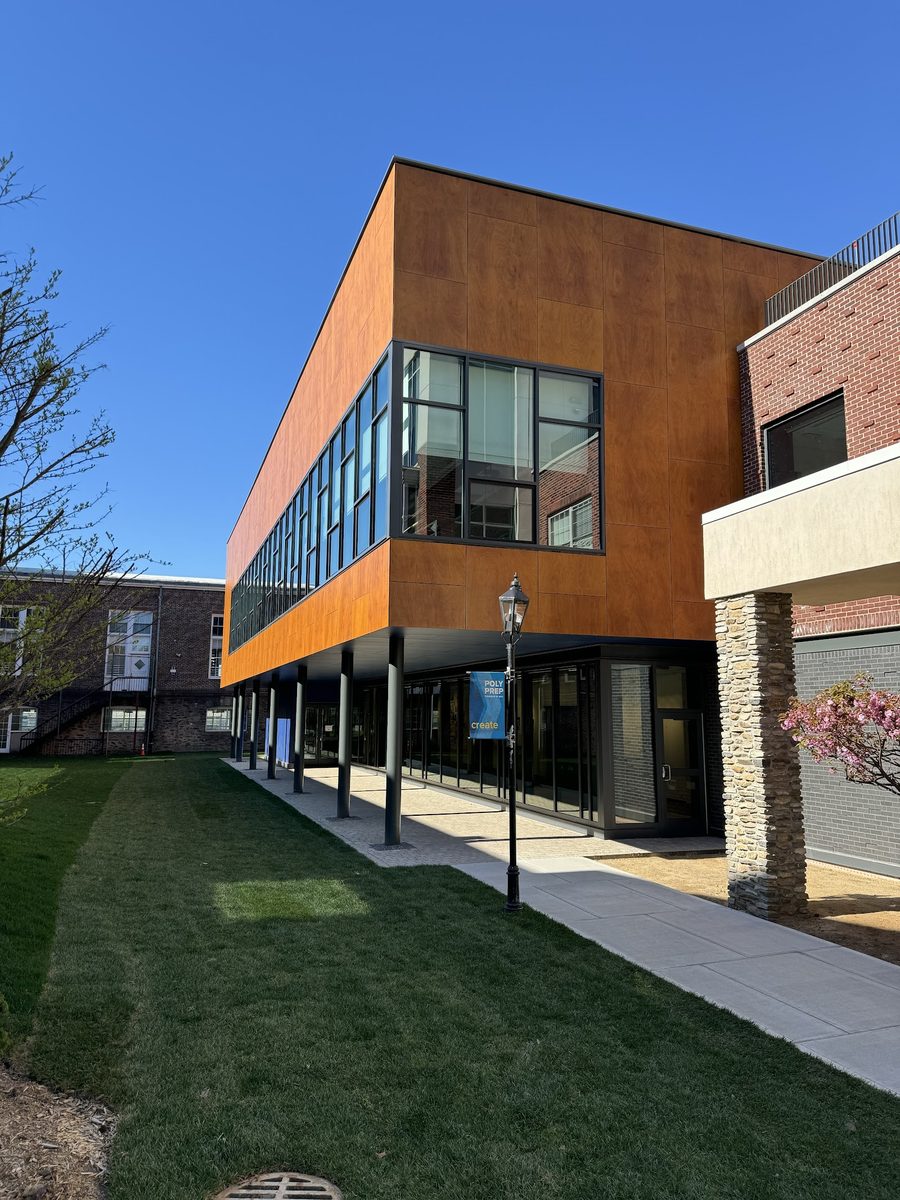
Founded in 1854 as Brooklyn's first boys' school, this day school pairs a Prospect Park mansion with a 25-acre Dyker Heights campus.
Marymount School of New York
New York City · United States
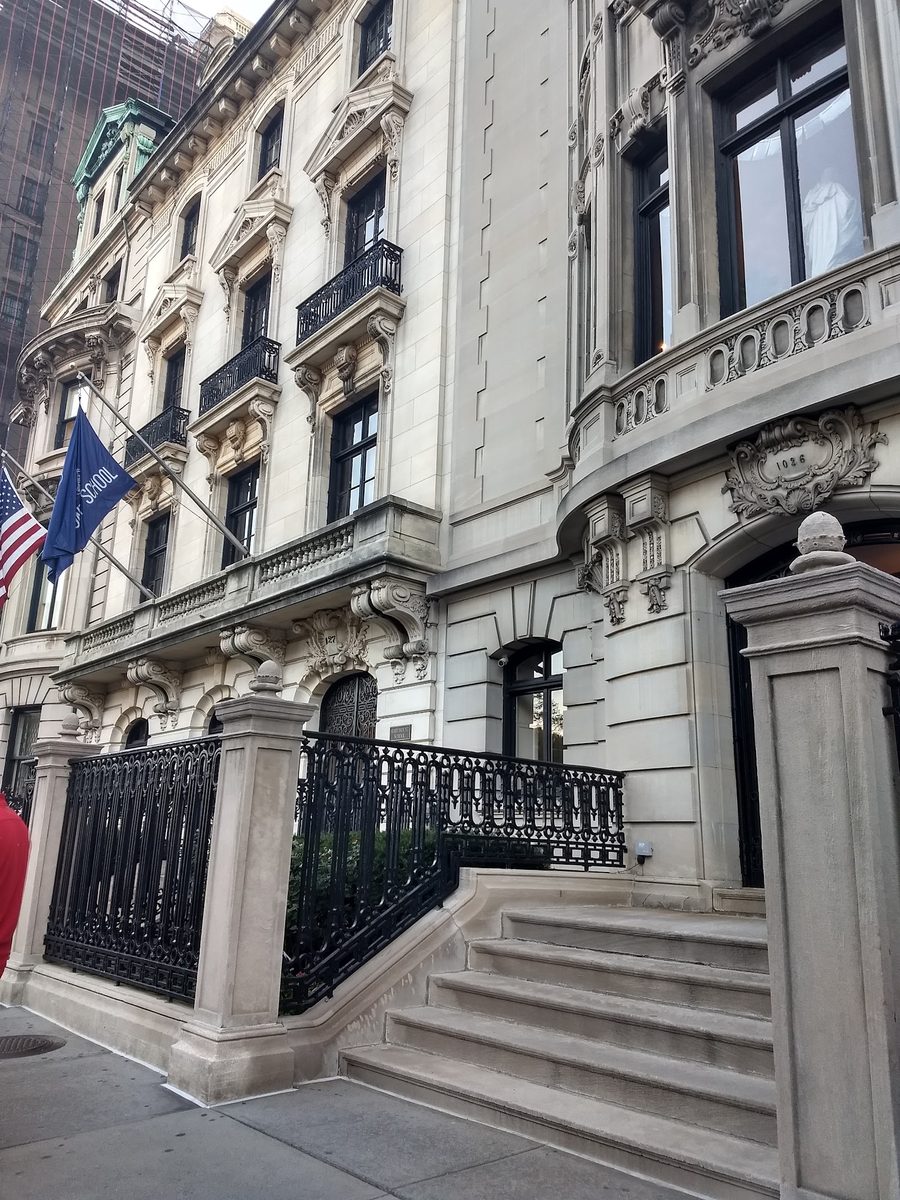
On Fifth Avenue, landmark mansions give way to Bloomberg terminals and classrooms inside the Met.
Boston University Academy
Boston · United States
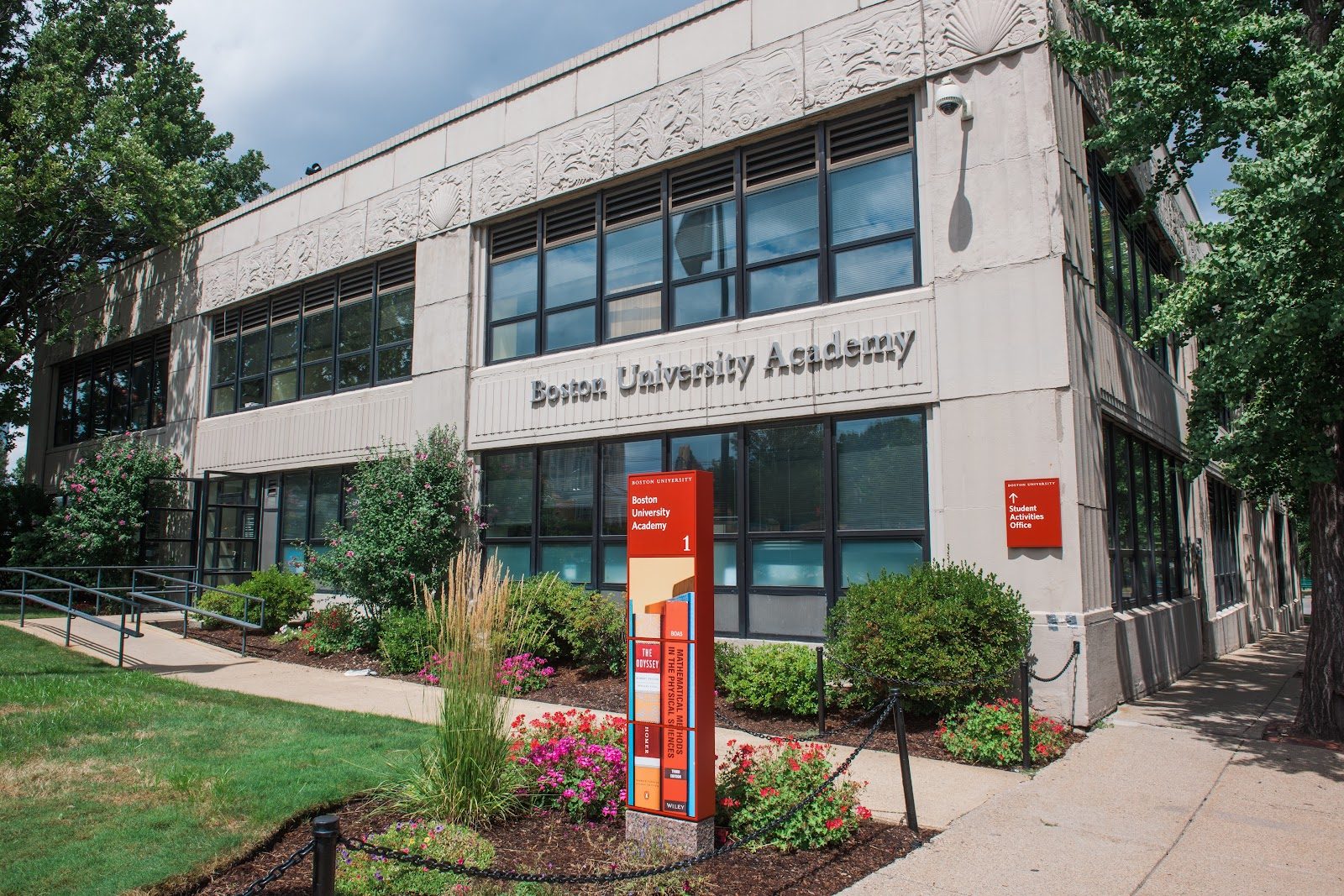
Upperclassmen trade study halls for Boston University lecture halls, banking college credit before graduation.
Same country and curriculum — closest matches within ±10 points either way