
District of Columbia
A Federal-era Woodley Park estate carries forward the French-language roots planted by three immigrant sisters in 1911.
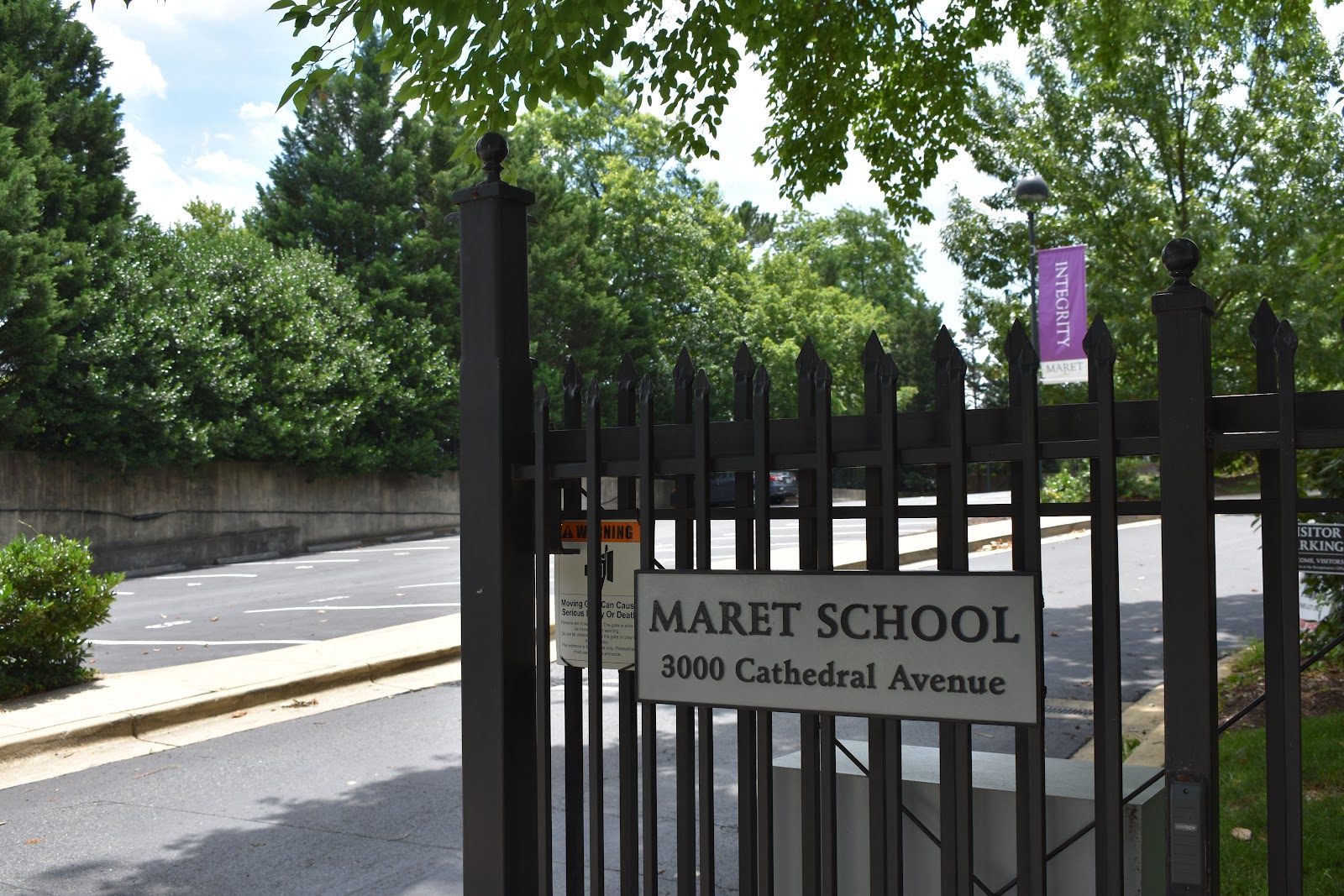
Photo © Greg Dumas via Google Maps
Type
Day
Ages
5–18
Curriculum
American
Qualifications
AP
Ratio
6:1
The Verdict
Editor's commitment
Right for
Families wanting a 1911 Washington day school with 650 pupils, a 6:1 ratio and classes averaging 16.
Wrong for
Parents seeking boarding, religious formation or a cheaper option; this non-religious K-12 charges an average $52,136 a year.
Watch out for
Maret sells close teacher attention and college preparation, but it does not publish aggregate exam outcomes; NEASC and NAIS accreditation do not fill that gap.
Ranking breakdown
Maret School · #256 of 1591
Composite score 73.0. 8 weighted criteria.
By criterion
Academic Outcomes
Weight 20%
#334
of 1529 scored
University Placement
Weight 16%
#305
of 1529 scored
Prestige & Heritage
Weight 12%
#377
of 1571 scored
Alumni Network
Weight 12%
#195
of 1530 scored
Facilities
Weight 12%
#489
of 1533 scored
Transparency & Communications
Weight 8%
#436
of 1532 scored
Peer & Industry Review
Weight 10%
#480
of 1548 scored
Admissions Selectivity & Demand
Weight 8%
#282
of 1529 scored
Score history
Maret School · 2026
Movement across 2024–2026. Peer average overlaid.
Overall — 2024–2026
73.0/ 100
▲ +17.7 vs 2025
year on year
Peer & Industry Review
How Maret School is regarded in the sector
72
Respected · medium confidence
Maret School is consistently ranked among Washington D.C.'s top private K-12 schools by Niche.com and local press (Washingtonian magazine), which regularly features it in 'best private schools in D.C.' coverage alongside Sidwell Friends and St. Albans. It has a notable alumni network including journalists, politicians' children, and public figures, reflecting strong regional prestige, though it lacks the international brand recognition of top-tier boarding schools or the consistent presence in global 'best schools' lists.
Evidence sources
Editors' overview
A Federal-era estate in Woodley Park gives Maret a setting few Washington schools can match, but the more important distinction lies in its scale and temperament. This is a K–12 American day school with 650 students, a 6:1 student-teacher ratio and average classes of 16. Those numbers matter: they point to a school built around discussion, close reading and adults who know children well, not a large institution trying to impersonate intimacy. Maret’s own language leans hard on joy, creativity and connectedness; stripped of brochure gloss, the substance is clear enough. The school wants intellectually alert children who will speak up, test ideas, handle challenge and engage with other people’s views without collapsing into slogans.
What is special about Maret is the combination of serious academic expectation with a culture that does not prize polish for its own sake. The school states its commitment to healthy debate, reflection and self-evaluation, and it backs that with a K–12 wellness programme that covers identity, mental health, digital citizenship, physical health and sexuality. That breadth is not incidental. It signals a school that treats personal formation as part of the job, not a bolt-on pastoral slogan. The French roots in its 1911 founding add texture to the story, but parents should focus on the present-day reality: a non-religious, college-preparatory school accredited by NEASC and NAIS, with enough institutional confidence to put moral character, divergent viewpoints and social-emotional learning in the same frame as academic ambition.
Maret sits firmly in the premium end of the Washington day-school market. The average annual fee across the full K–12 ladder is $52,136, which buys small classes, extensive adult attention and a complete through-school experience from age 5 to 18. That price demands scrutiny, and parents are right to ask what they get beyond a handsome campus and strong rhetoric. The answer is a tight-knit, high-expectation environment for bright, articulate students who like being known and challenged. Children who thrive here will enjoy seminar-style discussion, teacher access and a community that expects participation, self-awareness and range. Students who want anonymity, a huge campus culture or a more transactional version of academic success will find tighter fits elsewhere.
Academic Performance
Maret calls itself college-preparatory, but the public record on external academic performance is strikingly thin. We have not seen aggregate SAT or ACT means, AP participation rates, AP score distributions, National Merit figures, Ivy or highly selective university matriculation breakdowns, or any other hard outcome data that would let parents place the school cleanly against Washington’s strongest independent-school competitors. That omission matters. In this tier of the market, schools with genuinely commanding results publish at least some measurable indicators. Maret does not give parents that line of sight, so any judgment on examination strength rests more on structural inputs than disclosed outcomes.
Those inputs are strong: small classes, a very low staffing ratio, and a K–12 model that gives teachers years to know students well and push them hard. The school also puts real weight on discussion, reflection and analytical thinking, which tends to support strong performance in essay-based and classroom-assessed work. But without published aggregate results, Maret sits in an opaque category academically: a school with the resources and profile of a serious college-prep institution, yet without the external data that would prove top-tier exam performance in the way parents deserve. Relative to peers, that places it behind the most transparent independents on evidence, even if day-to-day teaching is clearly ambitious.
Facilities
Maret’s chief facility advantage is not scale or spectacle. It is a compact estate that supports a full K–12 day school without the sprawl, transit time and institutional impersonality that mark bigger campuses. The school itself highlights a walkable setting close to public transport, and that matters in Washington: older pupils can move in and out of the school day with more independence than at car-dependent suburban peers. For younger children, the gain is different: a contained environment in which spaces and routines stay legible. The downside is plain. Families looking for showpiece infrastructure, vast athletics acreage or the country-club armament that some premium independents trade on will not find it here.
What Maret offers instead is a set of facilities calibrated to close teaching relationships and broad daily use: classrooms built around discussion rather than lecture, arts provision substantial enough to sit alongside academics, and playing-field access that supports school sport without defining the campus identity. The school’s own framing gives equal weight to academics, arts and athletics, which puts it in line with serious all-round independents, but the real differentiator is density of use. With 650 pupils and average classes of 16, spaces are under pressure to work hard, and that tends to produce a campus that feels busy, intimate and purposeful rather than grand. Against peer schools, that is a clear strength for families who value access over opulence, and a limitation for those who equate high fees with monumental facilities.
In this tier of the market, schools with genuinely commanding results publish at least some measurable indicators
Prestige
Maret carries real social and educational cachet in the capital’s independent-school world, but its prestige is the discreet Washington kind, not the chest-beating national brand power of the most mythologised East Coast names. The school’s appeal rests on selectivity of environment, adult attention, a long-entrenched local reputation, and a parent body willing to pay an average of $52,136 a year for a full through-school education. That gives Maret status in any serious conversation about Washington private schools. Its alumni footprint adds lift rather than defining the story: at least 12 notable alumni are catalogued in Wikidata, including 2 major drama-award laureates. Useful signal, yes; overwhelming fame engine, no.
That distinction matters. Maret’s prestige is high, but it is not built on published trophy metrics, mass-market name recognition or relentless self-mythology. It draws strength from something narrower and, for many families, more valuable: a well-connected, intellectually serious community in which children are known, expected to contribute, and educated in full view of ambitious peers and parents. In prestige terms, that places it in the upper tier of local independents and a step below the handful of schools whose reputations travel effortlessly across continents. For Washington families, that gap matters less than outsiders think. Inside its own market, Maret has genuine standing.
Maret’s distinctiveness lies in the tension it manages to hold without turning it into theatre
Communications
Maret communicates like a school that expects parents to engage, not spectate. The public-facing essentials are clear: admissions routes are easy to find, the school calendar is visible, and the institutional message is consistent across academics, wellbeing and community life. That consistency matters because the school is selling a culture as much as a timetable. Parents can see the through-line without wading through jargon. The tone, however, carries a dose of independent-school polish. Words such as joy, connection and purpose are everywhere, and while that gives communications a coherent feel, it also means concrete evidence sometimes yields too much ground to values language. In a market at this price point, parents need more than atmosphere.
That limitation shows up most sharply in academic disclosure. Maret communicates its philosophy fluently and its community statistics with commendable specificity — including 97% student retention and 28% of families receiving financial aid — but it does not publish the hard outcome measures many parents now expect. That weakens the school’s communications overall, because transparency is not only about warmth and accessibility; it is about giving families the data needed to test the school’s claims. On pastoral priorities, belonging and day-to-day culture, Maret’s messaging is confident and well-drilled. On measurable academic outcomes, it is too guarded. The result is effective communication about identity, and incomplete communication about performance.
Uniqueness
Maret’s distinctiveness lies in the tension it manages to hold without turning it into theatre. It occupies a rare middle ground between old-guard Washington establishment and a more modern, psychologically literate school culture. The founding story — three Swiss sisters transplanting a French-inflected educational tradition into the capital — still gives the place a thread of inheritance, but the present-day expression matters more: a school that treats moral character, debate, wellness and intellectual risk-taking as part of one project. That produces a less transactional atmosphere than at schools where achievement is narrowed to scores, placements and résumé-building. The through-school structure reinforces that identity. Children grow up in one institutional language, with expectations around self-reflection, discussion and community carried across the whole age range rather than rebooted at each phase.
For students, that brings real advantages. A child with ideas, verbal confidence and appetite for classroom exchange gets a serious amount of adult attention and repeated chances to test judgement, not just accumulate credentials. The school’s retention rate of 97% points to families staying once they know the culture from the inside, and the fact that 8 faculty members are alumni says something sharper: Maret generates attachment strong enough to bring people back as adults. That is genuine institutional stickiness. The trade-off is clear too. This is not a school for children who want to drift, hide in the crowd or treat school as a sequence of hurdles. It asks for presence, participation and emotional maturity as well as academic effort.
This is a K–12 American day school with 650 students, a 6:1 student-teacher ratio and average classes of 16
Student Profile
Maret suits children who want to be known well and are willing to be called on, questioned and drawn into the life of the place. The school’s own priorities make that plain: classroom debate, self-evaluation, wellness, moral character and connection to others all sit near the centre. That combination favours articulate, curious students who can handle feedback without melodrama and who do not need the camouflage of a giant peer group. With 54% of students identifying as people of colour and families drawn from across the District, Maryland and Virginia, the community has real breadth; students need social ease across different backgrounds, not a taste for one narrow tribe. The retention figure — 97% — points to a student body that buys into the culture and stays with it.
The best fit is a child who enjoys discussion, takes teachers seriously and has enough inner ballast to manage a school that asks for both thought and self-awareness. Artists, keen readers, reflective joiners and pupils with a strong civic streak all have room here. So do sporty students, provided they do not need athletics to dominate school identity. Poor fits are easier to identify. Children who want anonymity, who resist introspection, or who measure school only in marks and university outcomes will chafe. Maret asks for participation, judgement and a willingness to engage with other people’s views. For the right student, that is formative; for the wrong one, it is claustrophobic.
Maret’s own language leans hard on joy, creativity and connectedness; stripped of brochure gloss, the substance is clear enough
Co-curricular strengths
Arts & sport, on a separate axis
Overall 8.8/10
Scored 0-10 from the school's own published evidence. This axis is editorial-only — it does not feed the main WTS ranking.
Sports
8.8/10
Varsity athletics, a gym and playing space, and added athletic facilities plus notable professional-sports alumni including Sean Davis, Anthony Dobbins, and Luka Garza.
Drama
9/10
Theater productions and a theatre supporting a serious performing-arts programme, and verified alumni evidence includes two star-tier laureates in Yeardley Smith and Oscar Robertson Trophy winner Luka Garza, which under the override rule anchors this dimension at least at 8.
Dance
8/10
Music
9/10
Both jazz ensemble and chamber orchestra, and the facilities section specifically mentions music rooms, indicating a structured music programme with dedicated specialist space.
Visual Arts
9.2/10
Art rooms and a studio art club, while external evidence notes added arts facilities, supporting a dedicated visual-arts provision.
Editor-verified · 8/6/2026
Notable alumni · Wikidata
12notable alumni
0 historic (born pre-1930) · 6 modern (born post-1970)wikidata:2026-07-28 How we source this

WTS 300 badge
2025/26 editionMaret School is one of the World's Top 300 Schools for 2025/26. Claim your listing to add it to your site →
Strengths
- +Three immigrant sisters, Marthe, Louise, and Jeanne Maret, left their home in Geneva, Switzerland at the turn of the twentieth century and created the school in 1911. making it one of the older established independent day schools in the capital.
- +The school's student-teacher ratio is 6:1, supporting small classes across the K-12 continuum on a single Woodley Park campus.
- +Students have gained acceptance to prestigious schools, including: Harvard University, Princeton University, Stanford University and Yale University.
- +Funded by a $2 million endowment grant from the Malone Family Foundation, Malone Scholarships are granted to academically talented students whose families need at least 30% tuition assistance in order to afford Maret.
- +Maret School is an independent, non-sectarian, college-preparatory day school in Washington, DC with 650 students in grades K-12, giving families a single continuous school from kindergarten through graduation.
Considerations
- −Annual tuition for the Upper School at Maret School is $53,545, making it one of the most expensive private schools in Washington, D.C.
- −With 650 students, a 20% acceptance rate, and a Woodley Park campus, Maret combines rigorous academics with genuine community warmth. This makes entry, especially outside the designated expansion grades, genuinely competitive.
- −Maret School is offering 4 AP courses. Families expecting a large menu of AP options for standardized international recognition should note this is a narrower formal AP offering than many peer schools.
- −Campus type: Urban, meaning facilities and outdoor space are more constrained than at larger suburban day or boarding campuses in the region.
Availability
Primary entry gate & tests
ISEE/SSAT + Interview
Gallery
Photo © South Lynn via Google Maps
Photo © Michael Kwun via Google Maps
Photo © Maret School via Google Maps
Photo © Maret School via Google Maps
Photo © Maret School via Google Maps
Photo © Maret School via Google Maps
Photo © Maret School via Google Maps
Photo © Maret School via Google Maps
Photo © Maret School via Google Maps
Parent reviews
Have you sent your child here?
Voice reviews carry the strongest trust badge — we transcribe them for you to tidy up before they go live. Prefer to type? A written review is fine too.
Add your voice
In 60 seconds, tell other parents: what's the best thing about Maret School, and what surprised you when your child joined?
We ask for a Google sign-in so every review has a real face behind it — no anonymous drive-by attacks on schools, and no faked positive reviews. Your email is never shown publicly.
Send this profile to a friend
International parents rely on word-of-mouth. Share this review with someone weighing the same decision.
Schools with places
Similar schools to Maret School with places available now.
St. Albans School
Washington, D.C. · United States
- 2026-27
- CLOSEDRegular cycle
- 2027-28
- OPENS SOONOpens Sept '26
Sidwell Friends School
Washington, D.C. · United States
- 2026-27
- CLOSEDRegular cycle
- 2027-28
- OPENS SOONOpens Aug '26
Availability first, then country, area, curriculum, price, co-curricular
Consider also
Also worth looking at alongside Maret School.
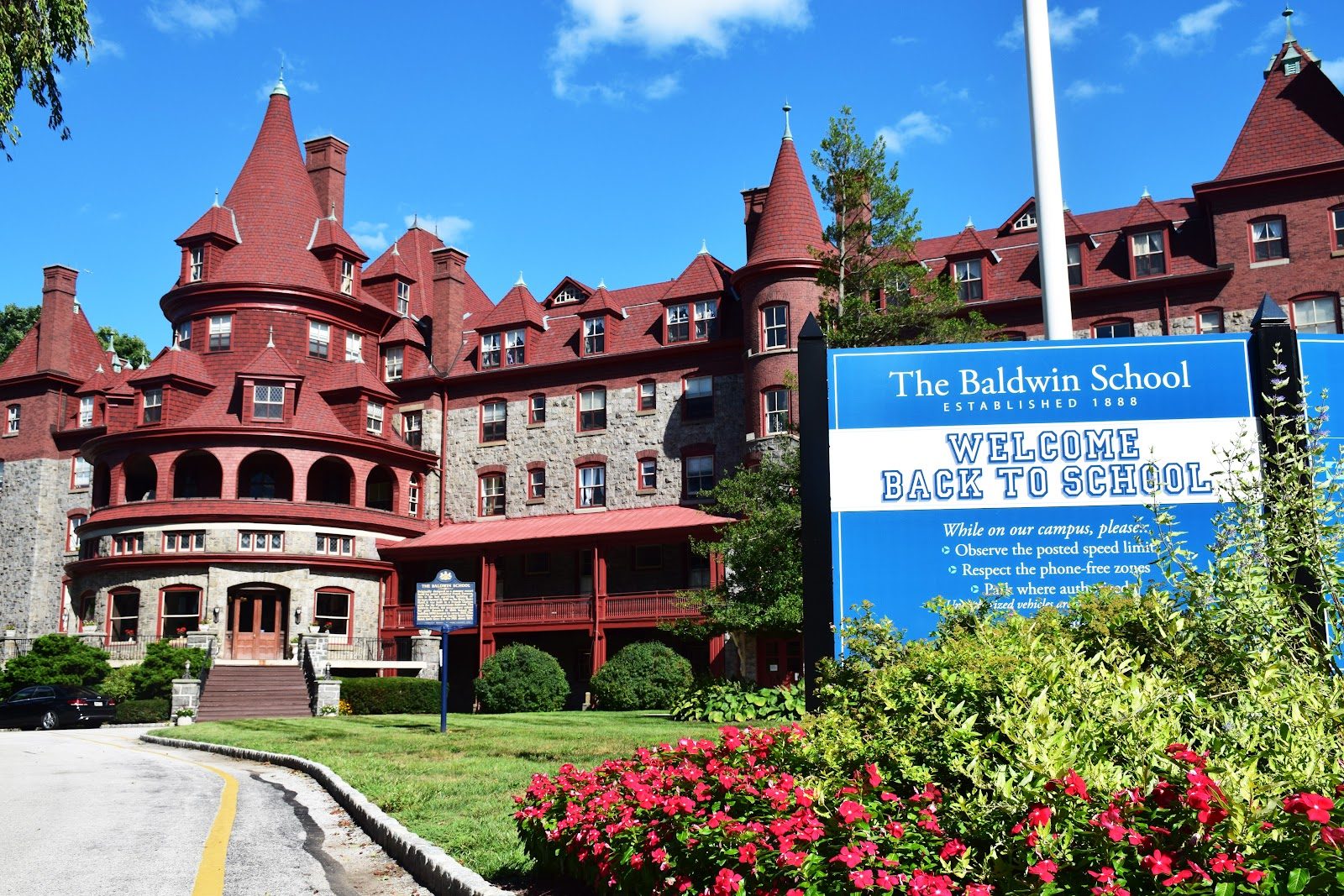
The Baldwin School
Bryn Mawr · United States
Since 1888, a single-sex college-prep tradition on Philadelphia's Main Line, housed in Frank Furness's landmark former Bryn Mawr Hotel.
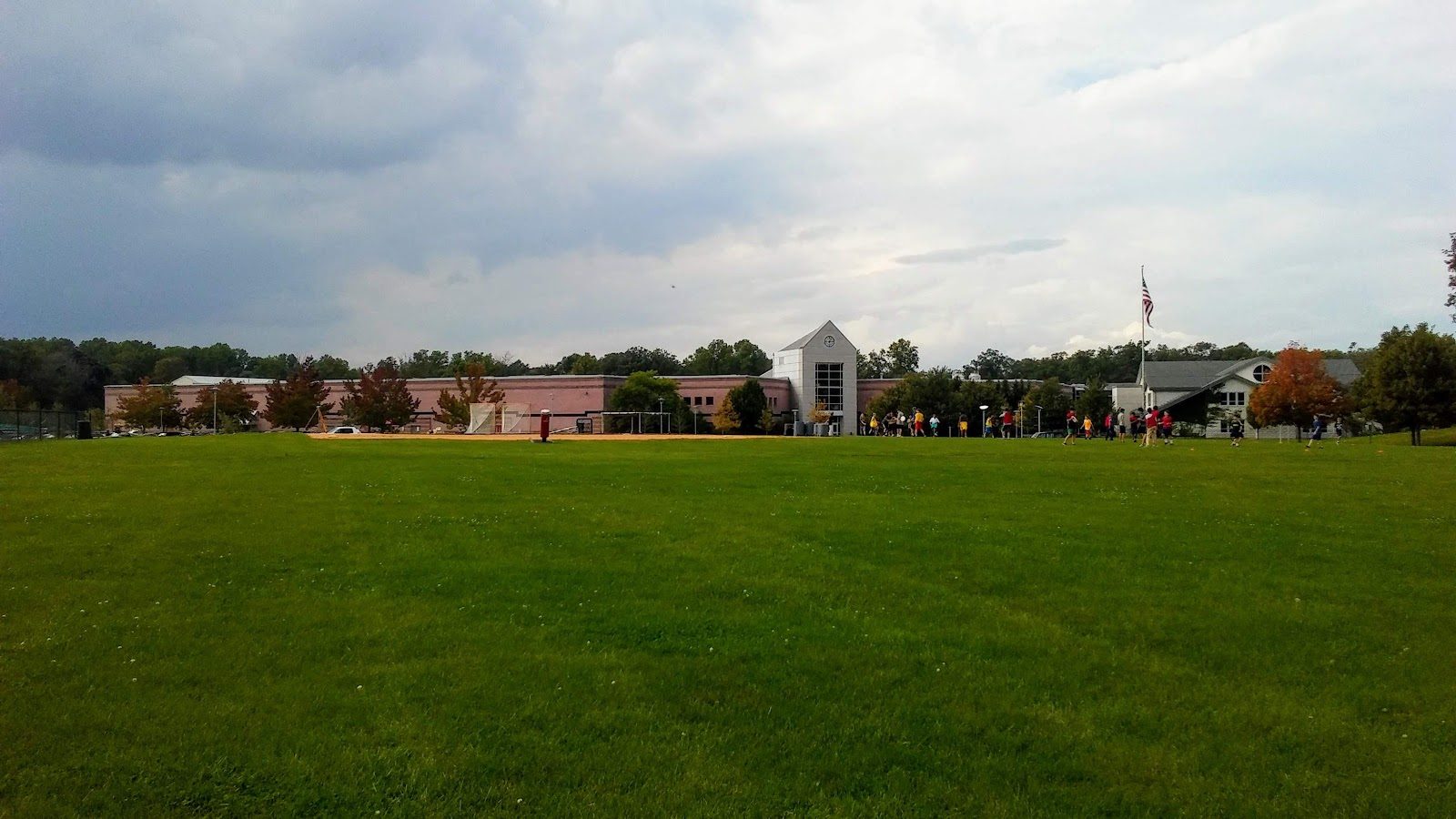
The Pingry School
Basking Ridge · United States
A 1861-founded New Jersey day school whose soccer pitches were deemed fit to host Morocco's 2026 World Cup training camp.
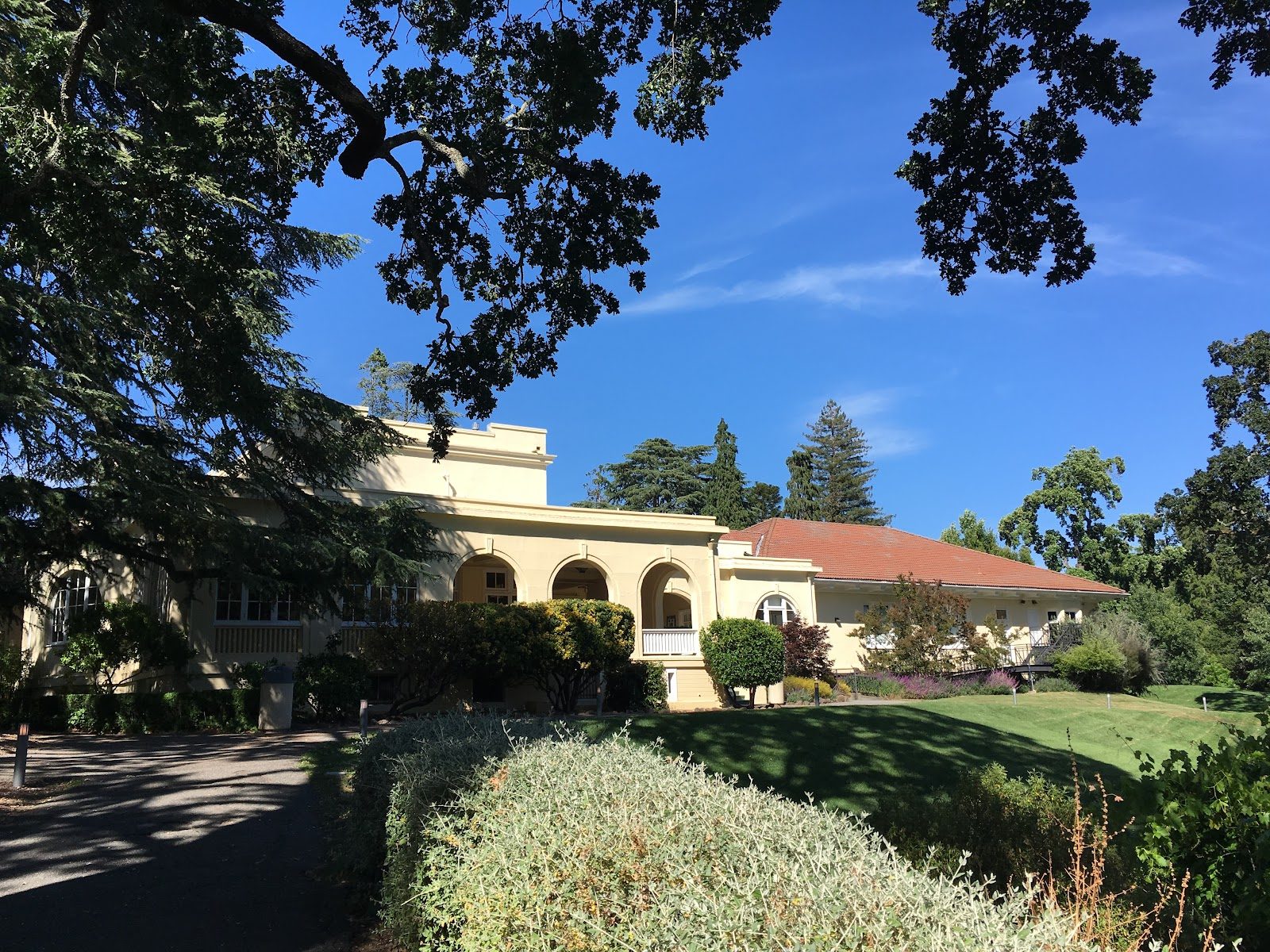
The Branson School
Ross · United States
A Marin hillside campus that skips AP tests for honors depth, immersive electives, and outdoor-education fieldwork.
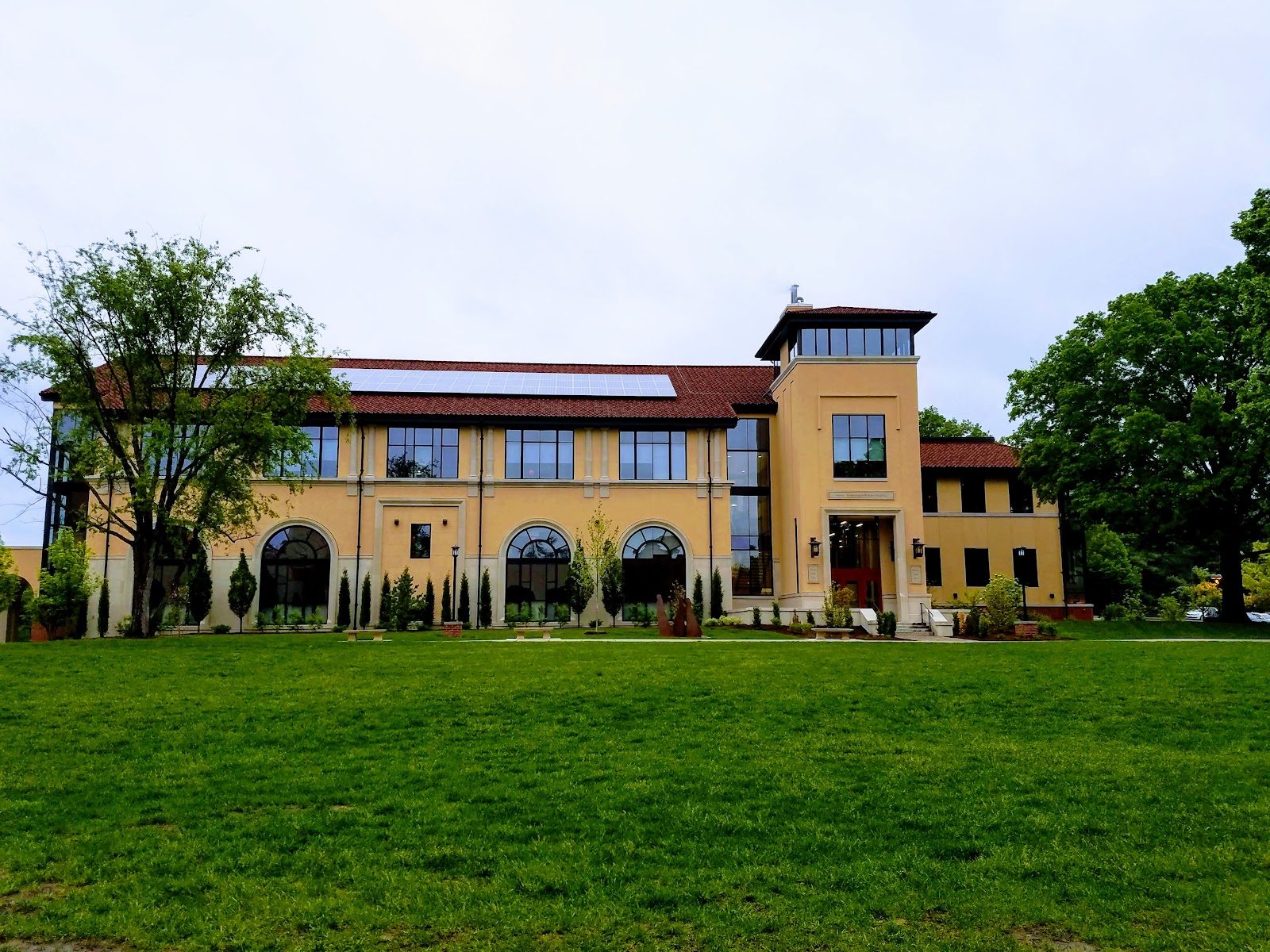
John Burroughs School
St Louis · United States
Since 1923 in the Ladue suburbs, a liberal-arts day school where family-style lunches and an Ozarks wilderness camp shape scholars as much as seminars do.
Same country and curriculum — closest matches within ±10 points either way