
California
A Marin hillside campus that skips AP tests for honors depth, immersive electives, and outdoor-education fieldwork.
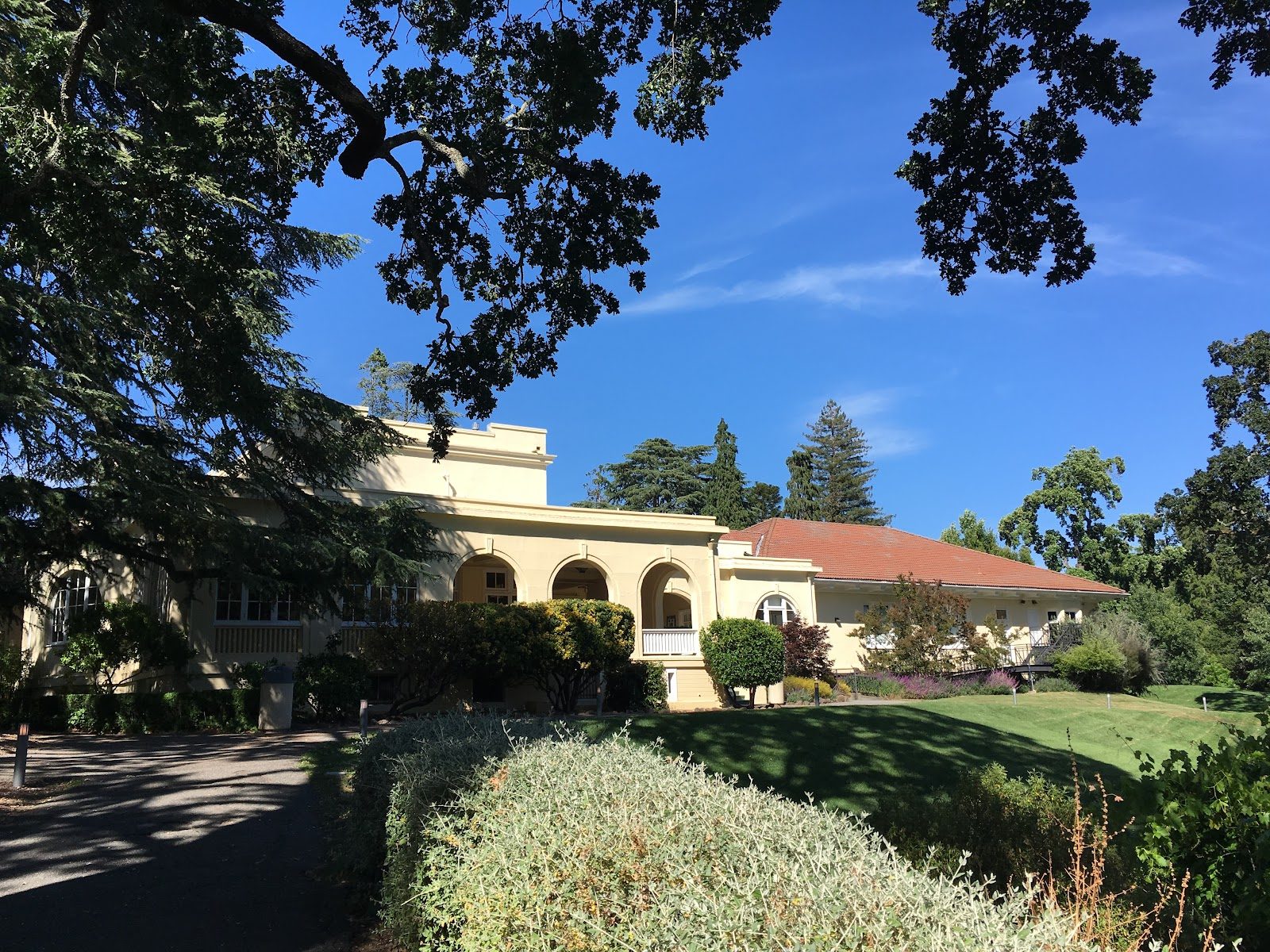
Photo © Cecile Lelievre via Google Maps
Type
Day
Ages
14–18
Curriculum
American
Qualifications
AP
Ratio
—
The Verdict
Editor's commitment
Right for
Families who want a 420-student, grades 9–12 day school in Ross with American college-prep and no boarding apparatus.
Wrong for
Students who want AP-heavy box-ticking, a larger campus culture, or a through-school beyond ages 14–18 and grade 12.
Watch out for
The average annual day fee is $68,475; Branson is expensive, and its small 17-acre, 420-student scale narrows anonymity.
Ranking breakdown
The Branson School · #284 of 1591
Composite score 73.7. 8 weighted criteria.
By criterion
Academic Outcomes
Weight 20%
#260
of 1529 scored
University Placement
Weight 16%
#263
of 1529 scored
Prestige & Heritage
Weight 12%
#462
of 1529 scored
Alumni Network
Weight 12%
#386
of 1529 scored
Facilities
Weight 12%
#502
of 1529 scored
Transparency & Communications
Weight 8%
#354
of 1529 scored
Peer & Industry Review
Weight 10%
#426
of 1529 scored
Admissions Selectivity & Demand
Weight 8%
#229
of 1529 scored
Score history
The Branson School · 2026
Movement across 2024–2026. Peer average overlaid.
Overall — 2024–2026
73.7/ 100
▲ +27.4 vs 2025
year on year
Peer & Industry Review
How The Branson School is regarded in the sector
68
Respected · medium confidence
The Branson School is consistently ranked among the top private high schools in California and the Bay Area on aggregator sites like Niche.com, and is well known regionally in Marin County for highly selective admissions and strong college matriculation (frequent Ivy League and top-tier university placements). However, it has limited visibility in national or international specialist education press (e.g., no Tatler or Good Schools Guide coverage, as those focus on UK/international schools), suggesting its reputation is strong but primarily regional rather than nationally or globally benchmarked.
Evidence sources
Editors' overview
Branson sits on a 17-acre Marin hillside and runs at a scale that many larger American independents cannot match: 420 students in grades 9–12 with 101 faculty and staff. That small footprint matters. It points to a school where adults know the students well and where the daily experience is more controlled, more personal and more demanding than at a sprawling suburban high school. The academic frame is American, but the real distinction is Branson’s refusal to lean on AP as a badge of rigour. For families who want a transcript packed with standardised course labels, that is a drawback. For families who prefer deeper academic ownership, more room for electives and a school that values intellectual range over exam accumulation, it is a serious strength.
The culture Branson advertises — courage, integrity, purpose and joy — would be boilerplate if the school were larger, louder or more transactional. At this size, it carries more weight. A non-religious, co-educational day school founded in 1920, accredited by NEASC and NAIS, Branson occupies the top tier of the Bay Area independent market, and the average annual fee is $68,475. Parents are paying for intimacy, access and curation, not spectacle. The campus setting in Ross, 11 miles north of San Francisco, reinforces that appeal: this is a school for families who want a contained, self-possessed environment rather than a city campus or a commuter institution built around scale.
Why shortlist it? Because Branson offers a distinctive alternative to the arms race that defines many affluent American high schools. It reads as a school for bright, motivated teenagers who want challenge without a factory feel, and who will use a small community well. The best fit is a student who is intellectually curious, comfortable being known, and willing to join in across class, field, stage and community life. A child who wants anonymity, a huge social ecosystem or a transcript driven by AP volume will find stronger fits elsewhere. A child who wants serious teaching, close adult attention and a school with enough confidence to do things its own way will put Branson high on the list.
Academic Performance
Branson does not publish aggregate AP, IB or SAT/ACT outcome tables, and that limits any hard external-results judgement. That omission matters because the school also rejects the most legible badge of American academic intensity: the AP stack. In a market where many rivals advertise exam volume and score distributions as proof of rigour, Branson asks families to trust the school’s own academic design instead. That is a deliberate trade-off. It gives the school room for deeper course-building and a less standardised senior transcript; it also leaves outsiders with less clean comparative data than they get from peer independents that publish university-matriculation patterns, testing medians or AP score totals.
Relative to peers, Branson therefore sits in an unusual category: a high-trust, low-disclosure school with a strong college-preparatory identity but no public exam dashboard. For the right student, that is not a weakness. Highly selective universities know how to read demanding non-AP transcripts from established independents, and small advanced classes can carry more academic weight than a long list of test-branded courses. For parents trying to benchmark outcomes at arm’s length, though, Branson is opaque by design. The useful question is not whether it can produce strong leavers; schools of this type do. The sharper question is whether your family is comfortable paying $68,475 a year without the public score tables that many competitors provide.
Facilities
Branson’s campus strengths sit in its setting and scale rather than in a catalogue of grand standalone buildings. The school occupies 17 acres on a hillside, and that matters: outdoor circulation, views and separation between activities give the place a contained, self-possessed feel that many urban independents cannot match. For a school of 420 pupils, that footprint is generous. It gives students room for sport, performance, informal gathering and day-to-day movement without the cramped choreography that afflicts smaller city campuses. Against peer schools, that lands well: Branson has more breathing room than many compact San Francisco-area day schools, but without the sprawling estate and facility arms race of the biggest suburban or boarding campuses.
The trade-off is clear. Families looking for the spectacle of a major athletics complex, a university-scale performing arts centre or specialist facilities used as status theatre may find Branson deliberately restrained. Nothing in the public record points to an infrastructure-heavy campus marketed around headline buildings. Instead, the value sits in usability, intimacy and access: a smaller student body means shared spaces are easier to use and less dominated by timetable congestion. That suits pupils who thrive in a low-fuss, high-attention environment. It will disappoint families who equate premium fees with marble foyers and oversized hardware. Among peers, Branson’s facilities read as thoughtful rather than theatrical.
Because Branson offers a distinctive alternative to the arms race that defines many affluent American high schools
Prestige
Branson’s prestige rests on scarcity, selectivity and audience recognition rather than on mass-market name projection. Within Bay Area independent-school circles, it carries serious social and academic cachet: the kind of school that informed local families know, universities know how to read, and peers treat as part of the top conversation. The school’s scale sharpens that status. A community of 420 in the upper years creates a tight, curated environment that feels more elite than larger schools with broader intake and looser culture. The fee level reinforces that positioning. At an average of $68,475 a year, Branson sits firmly in the expensive end of the market, and parents pay for access to a small, high-attention institution with a clear sense of itself.
That prestige has limits, and they are worth naming. Branson does not trade on national brand saturation in the way a handful of East Coast boarding schools or giant-name Californian independents do. Its reputation is regional, not imperial. It also withholds the public score-and-stats machinery that many prestige-conscious families use as shorthand for status. That makes Branson a school whose standing depends more on professional trust, local knowledge and the confidence to reject standard prestige markers such as AP accumulation. For families inside that world, the signal is strong. For families shopping internationally by headline metrics alone, the school carries less obvious glamour and demands more faith than some rivals.
The academic frame is American, but the real distinction is Branson’s refusal to lean on AP as a badge of rigour
Communications
Branson communicates from a position of institutional confidence. The public-facing message is concise, coherent and tightly controlled: mission first, values close behind, practical identity clear. Parents can grasp the essentials quickly — co-educational college preparation, a small upper-school community, and an explicit emphasis on integrity, purpose, learning and joy. That clarity matters. Schools serving older teenagers need to explain not just what they offer, but what kind of adult culture governs daily life. Branson does that well. The tone is polished, self-possessed and aimed at families who do not need hard sell. The risk sits elsewhere: the school is stronger on ethos than on operational disclosure. It gives a clean statement of identity and scale — 420 students, 17 acres — but not the kind of granular public data some parents now expect on outcomes, programme architecture or comparative performance.
That makes its parent communication effective for families already comfortable in the independent-school world, and less effective for those approaching from outside it. If you know how to read selective American day schools, Branson’s signals are legible and deliberate. If you want exhaustive dashboards, published metrics and forensic transparency, the school leaves work for the parent to do. In other words, Branson communicates culture better than proof. That is not a trivial strength; culture drives trust. But at an average annual fee of $68,475, some families will expect more than a refined statement of values and a strong institutional voice.
Uniqueness
What sets Branson apart is not a gimmick or a branded pathway. It is the school’s deliberate refusal to organise intellectual life around the standard American rewards system. In a market where advanced study is too often reduced to exam labels, Branson backs depth, teacher-designed challenge and a more elastic use of time. That matters for older teenagers. It gives room for electives, discussion-heavy classes and work that does not need to end in a standardised test paper to count. The result is a sixth-form-equivalent experience that feels less factory-made than many affluent US independents. For students, that can be liberating: more scope to pursue real interests, more pressure to think for themselves, and fewer opportunities to hide behind box-ticking.
Its other distinctive feature is scale. With 420 pupils and 101 faculty and staff, Branson can run as a close-grained adult community rather than a mini-university. Students are visible. Talents do not disappear into a crowd. Expectations travel quickly across classrooms, teams, stage work and community life because the institution is small enough to enforce a common culture. That brings obvious benefits for engaged adolescents: stronger relationships, faster feedback and a more coherent daily experience. It also narrows the margin for detachment. Branson suits pupils who want to participate, be known and be stretched across the whole of school life. It does not suit the student who wants anonymity or a broad but impersonal social sprawl.
For families who want a transcript packed with standardised course labels, that is a drawback
Student Profile
Branson suits teenagers who want to be known and are prepared to live with the consequences of that. In a community of 420, invisibility is not on offer. The best-fit student is academically serious, discussion-ready and comfortable with teachers who expect independent thought rather than passive compliance. This is a school for pupils who value intellectual depth over badge-collecting, and who do not need constant external validation in the form of standardised-course branding. A self-starting reader, writer, performer, athlete or all-round joiner will use Branson well. So will the teenager who likes strong adult relationships, can handle close feedback and has enough confidence to contribute in class without turning every room into a stage.
The weaker fit is just as clear. Students who want a huge social field, a looser culture or the option to disappear into the crowd will chafe. So will families fixated on public exam tables and visible academic theatre. Branson asks for buy-in, maturity and a willingness to engage across the full life of the school — classroom, arts, sport and community. Its own language around bravery, integrity and joy points to a student body that is meant to participate rather than spectate. That can produce a tight-grained, high-accountability experience. It also means there is nowhere to hide if a teenager is resistant, cynical or simply unready for that level of attention.
The culture Branson advertises — courage, integrity, purpose and joy — would be boilerplate if the school were larger, louder or more transactional
Co-curricular strengths
Arts & sport, on a separate axis
Overall 8.94/10
Scored 0-10 from the school's own published evidence. This axis is editorial-only — it does not feed the main WTS ranking.
Sports
8.5/10
Dominates Northern California fields across soccer, tennis, and cross-country, utilizing state-of-the-art indoor fitness and turf facilities.
Drama
9/10
Exceptional theatrical training centered around world-class campus stages, running a pre-professional training model for acting and tech.
Dance
9/10
Highly dedicated formal dance curriculum running classical ballet, jazz, and modern composition inside custom studios.
Music
9/10
Outstanding chamber orchestras, wind ensembles, and choral troupes that routinely headline major West Coast youth music festivals.
Visual Arts
9.2/10
Sun-drenched, state-of-the-art studio workshops specialized for fine art, digital graphic design, and high-end multimedia.
Editor-verified · 8/6/2026
Notable alumni · Wikidata
12notable alumni
1 historic (born pre-1930) · 7 modern (born post-1970)wikidata:2026-07-28 How we source this

WTS 300 badge
2025/26 editionThe Branson School is one of the World's Top 300 Schools for 2025/26. Claim your listing to add it to your site →
Strengths
- +Founded in 1920, Branson is a small coeducational day school of about 420 students in grades 9-12 with a student-teacher ratio of roughly 8:1 to 9:1.
- +The school forgoes AP courses in favor of its own honors and advanced curriculum, paired with signature Immersives, a deep Outdoor Education program, and access to the BlendEd online course consortium.
- +Athletics are unusually broad for the school's size: roughly 23 teams and about 81% of students play a sport in the Marin County Athletic League.
- +100% of graduates go on to attend a four-year college, according to Niche's tracking of outcomes data.
- +The alumni network spans over a century and includes figures such as Julia Child, Olympic skier Jonny Moseley and Patreon co-founder Jack Conte.
Considerations
- −Total cost of enrollment for 2025-26 is $68,225 (tuition of $65,525 plus required fees), placing it firmly in the top tier of US day-school costs.
- −The school is highly selective, ranking among the lowest acceptance rates of California private schools, which limits access for less academically strong applicants.
- −As a day school with no boarding option, relocating families must secure housing in or commutable to affluent, low-density Ross/Marin County, an added logistical and cost burden.
- −Branson's decision to run its own honors/advanced program rather than AP courses means transcripts may need extra explanation for university systems abroad that specifically recognize AP credit.
Availability
Primary entry gate & tests
ISEE/SSAT + Interview
Gallery
Photo © David Kwei via Google Maps
Photo © David Kwei via Google Maps
Photo © David Kwei via Google Maps
Photo © David Kwei via Google Maps
Photo © David Kwei via Google Maps
Photo © videofishbowl via Google Maps
Photo © videofishbowl via Google Maps
Photo © videofishbowl via Google Maps
Photo © videofishbowl via Google Maps
Parent reviews
Have you sent your child here?
Voice reviews carry the strongest trust badge — we transcribe them for you to tidy up before they go live. Prefer to type? A written review is fine too.
Add your voice
In 60 seconds, tell other parents: what's the best thing about The Branson School, and what surprised you when your child joined?
We ask for a Google sign-in so every review has a real face behind it — no anonymous drive-by attacks on schools, and no faked positive reviews. Your email is never shown publicly.
Send this profile to a friend
International parents rely on word-of-mouth. Share this review with someone weighing the same decision.
Schools with places
Similar schools to The Branson School with places available now.
Saint Ann's School
Brooklyn · United States
- 2026-27
- WAITPOOLLate / attrition-dependent
- 2027-28
- OPENS SOONOpens 8 Sept '26
Friends Seminary
New York City · United States
- 2026-27
- WAITPOOLLate/held pending openings
- 2027-28
- OPENS SOONExpected Sept '26
Ethical Culture Fieldston School
New York City · United States
- 2026-27
- WAITPOOLLimited late availability
- 2027-28
- OPENS SOONOpens post-Labor Day '26
Riverdale Country School
New York City · United States
- 2026-27
- WAITPOOLLate application possible
- 2027-28
- OPENS SOONOpens 8 Sept '26 (Noon ET)
Availability first, then country, area, curriculum, price, co-curricular
Consider also
Also worth looking at alongside The Branson School.
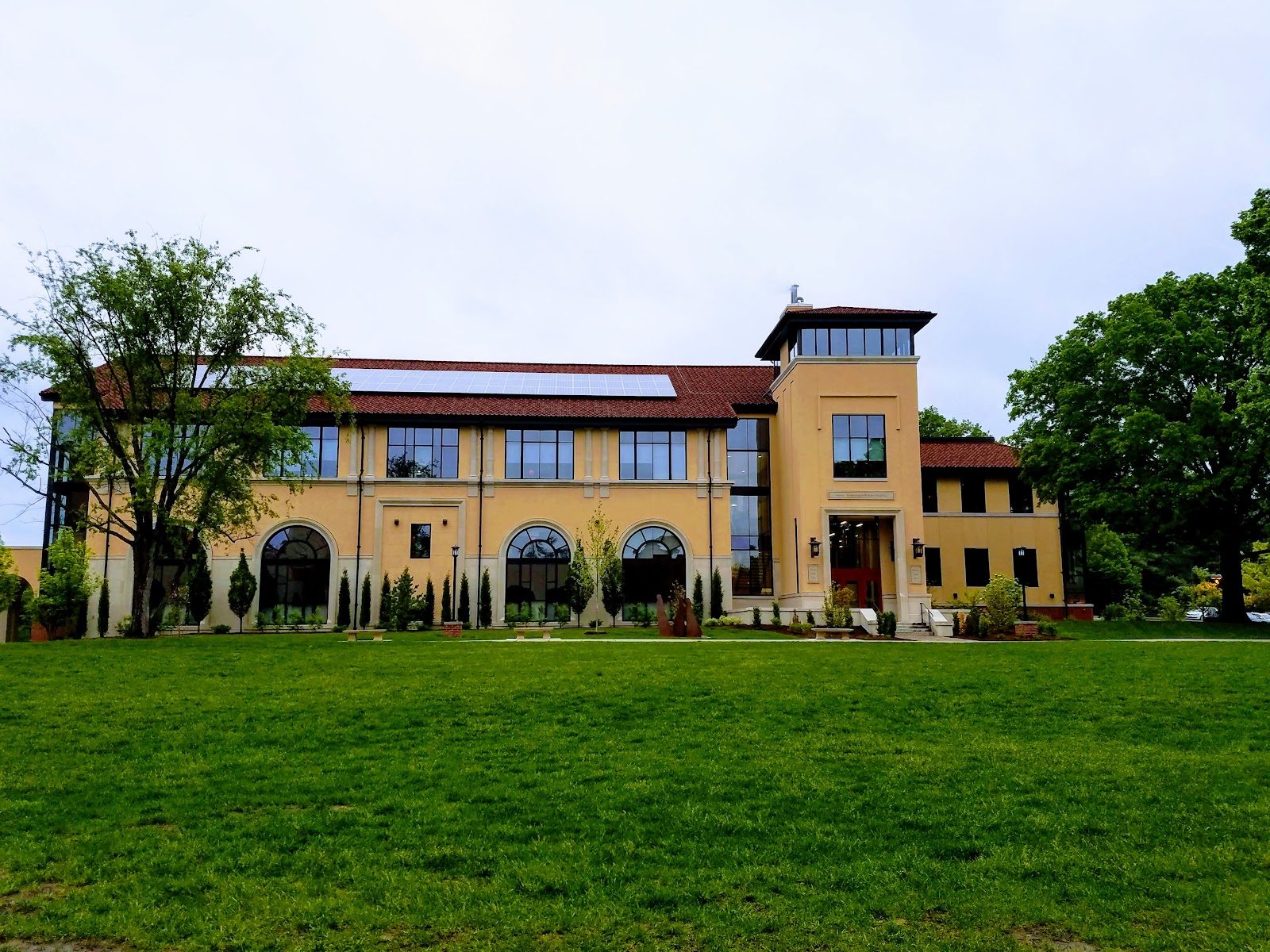
John Burroughs School
St Louis · United States
Since 1923 in the Ladue suburbs, a liberal-arts day school where family-style lunches and an Ozarks wilderness camp shape scholars as much as seminars do.
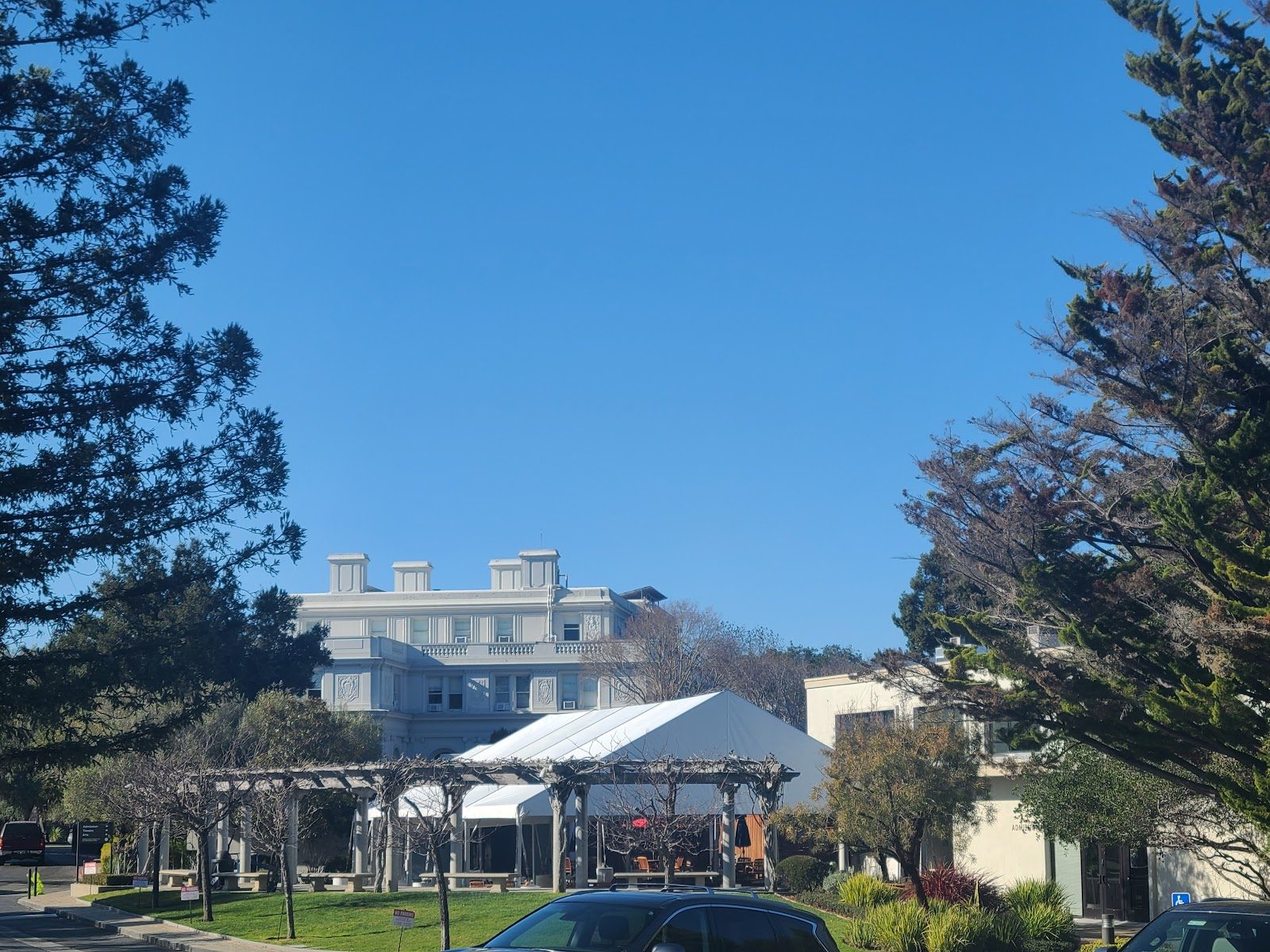
Crystal Springs Uplands School
Hillsborough · United States
On a Peninsula estate once built by railroad money, this day school ditched AP courses for honors-level, student-driven research.
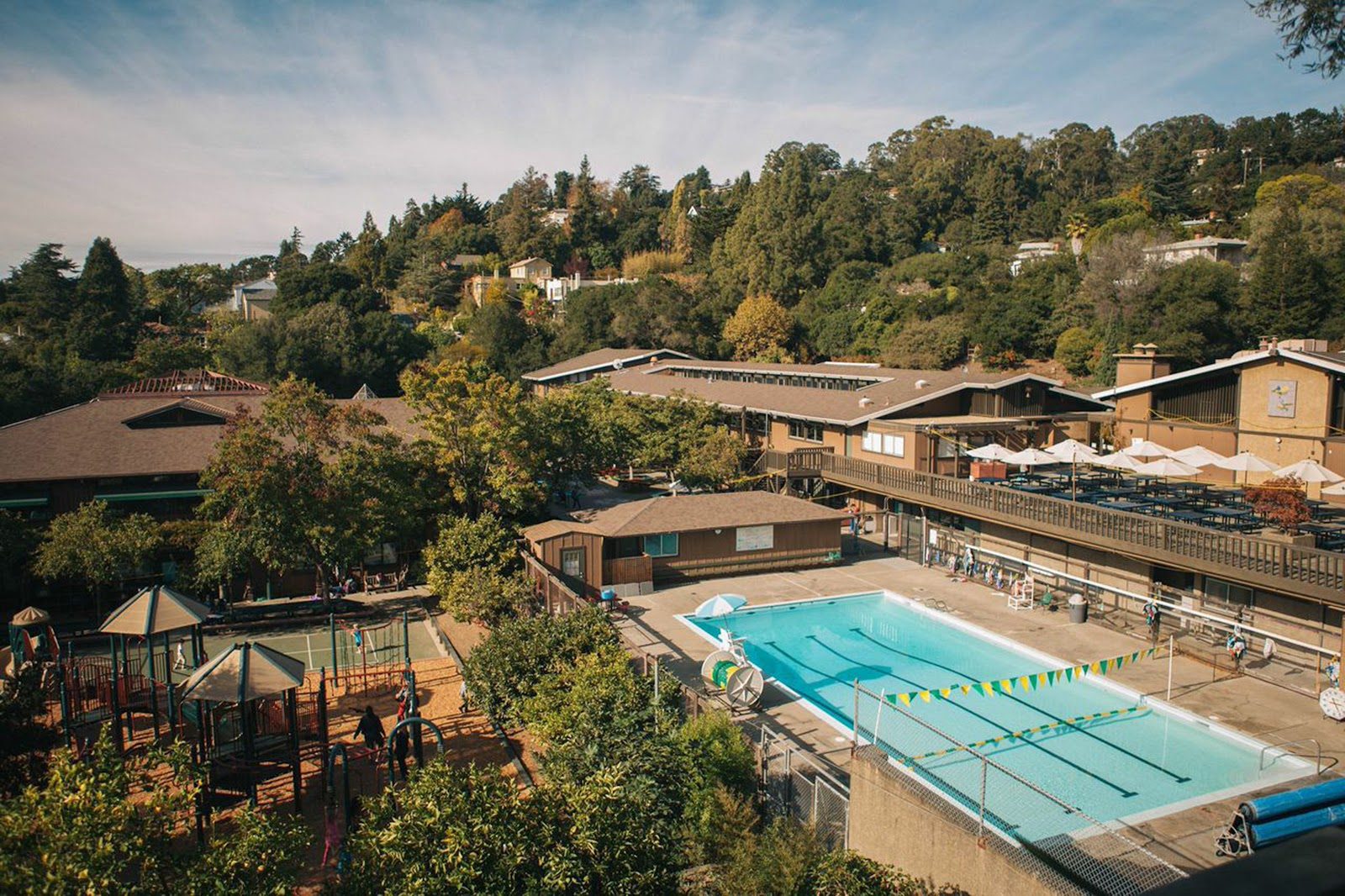
Head-Royce School
Oakland · United States
Since 1887 on a wooded Oakland hills campus, pairing rigorous scholarship with a decades-old public-school partnership that opens college doors for first-generation students
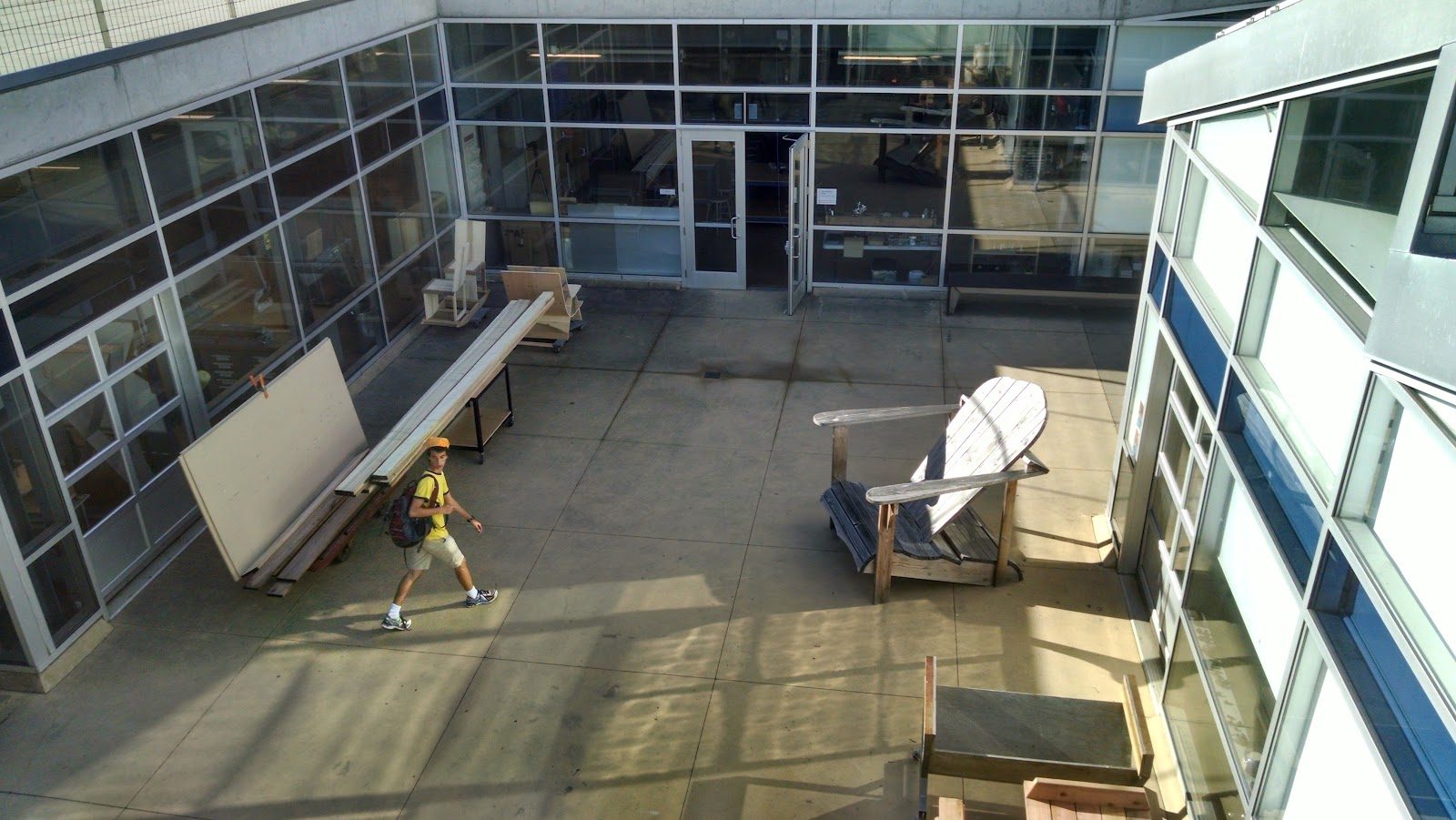
Lick-Wilmerding High School
San Francisco · United States
Founded as an 1895 mechanical-arts school, it still requires wood, metal, jewelry, or electronics credits alongside AP coursework.
Same country and curriculum — closest matches within ±10 points either way