
Missouri
Since 1923 in the Ladue suburbs, a liberal-arts day school where family-style lunches and an Ozarks wilderness camp shape scholars as much as seminars do.
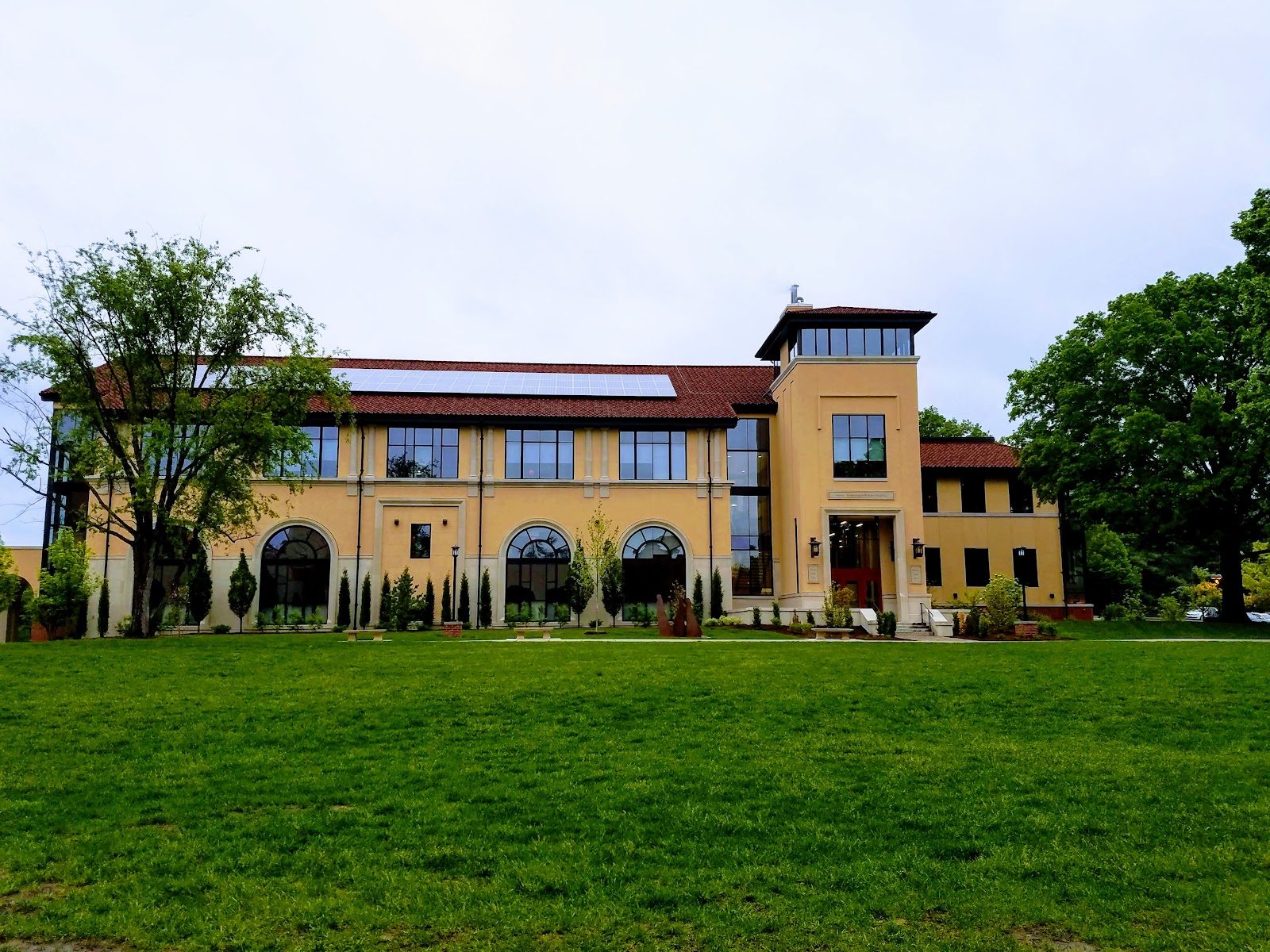
Photo © Douglas Clemens via Google Maps
Type
Day
Ages
12–18
Curriculum
American
Qualifications
AP
Ratio
6:1
The Verdict
Editor's commitment
Right for
Families who want a serious American day school: 660 students, a 6:1 ratio, and arts plus athletics built into daily life.
Wrong for
Anyone seeking boarding, religious formation, or a sprawling mega-school; Burroughs is non-religious, day-only, and serves ages 12–18.
Watch out for
At an average $39,810 a year, this 1923 St Louis school sells intensity and community, not a broad K-12 safety net.
Ranking breakdown
John Burroughs School · #283 of 1591
Composite score 73.7. 8 weighted criteria.
By criterion
Academic Outcomes
Weight 20%
#293
of 1529 scored
University Placement
Weight 16%
#305
of 1529 scored
Prestige & Heritage
Weight 12%
#307
of 1529 scored
Alumni Network
Weight 12%
#257
of 1529 scored
Facilities
Weight 12%
#419
of 1529 scored
Transparency & Communications
Weight 8%
#388
of 1529 scored
Peer & Industry Review
Weight 10%
#426
of 1529 scored
Admissions Selectivity & Demand
Weight 8%
#266
of 1529 scored
Score history
John Burroughs School · 2026
Movement across 2024–2026. Peer average overlaid.
Overall — 2024–2026
73.7/ 100
▲ +19.7 vs 2025
year on year
Peer & Industry Review
How John Burroughs School is regarded in the sector
78
Strong · medium confidence
John Burroughs School is consistently ranked among Niche.com's top private high schools in Missouri and nationally, and is regularly cited in regional 'best private schools in St. Louis' coverage by outlets like St. Louis Magazine. It has a strong regional reputation with notable alumni (e.g., in journalism, academia, and business) and is frequently benchmarked against other elite St. Louis independent schools like MICDS and Whitfield School. However, it lacks the level of international name recognition or Tatler/Good Schools Guide-type coverage seen in globally top-tier institutions.
Evidence sources
Editors' overview
The detail that sticks at John Burroughs is not a slogan but a routine: family-style lunches, a 6:1 student-teacher ratio, and a 40-acre Ozarks wilderness camp that hosts seventh-grade orientation and ninth-grade science fieldwork. That combination tells you what the school values. This is an American day school for ages 12 to 18, founded in 1923 in the Ladue suburbs of St Louis, and it treats character formation as part of the timetable rather than an add-on. The academic pitch is liberal-arts in the old sense: broad subject exposure, close teaching, discussion, performance, writing, and a serious expectation that students will participate. If your child wants anonymity, this is the wrong school.
The school’s public identity rests on intellectual range and full-spectrum participation. All students take part in some part of the arts programme, from drawing and ceramics to photography and intensive study, while the performing arts department spans Shakespeare, satire and full ensemble work with chorus and orchestra. Athletics also carry weight, with dozens of sports and activities on offer, and the school puts community service near the centre of its self-definition. The result is a school with high cultural expectations and a strong communal structure. It also draws from 61 ZIP codes for a student body of 660, which matters: this is not a tiny neighbourhood prep but a regional independent school with reach.
Parents should shortlist Burroughs if they want a serious day school that combines academic pressure with a thick layer of shared institutional life. The accreditations — NEASC and NAIS — are solid markers of standing, and the average annual fee of $39,810 places it in the upper tier of the St Louis market without the boarding-school inflation found on the coasts. The best fit is a student who likes ideas, can handle being known well by teachers, and is willing to throw themselves into more than one lane — classroom, stage, service, sport, outdoor education. The less happy fit is the narrow specialist, the child who wants a transactional route to university, or anyone who recoils from structured community. Burroughs has a clear house style, and for the right student that is its strength.
Academic Performance
John Burroughs advertises total college matriculation, but that is not the same thing as publishing external exam performance, and the distinction matters. This is a school in the American system, so parents looking for an IB average, A-level profile or AP score breakdown will find real opacity here: no aggregate SAT or ACT data in the public domain, no school-wide AP results, no university destination table beyond the blunt fact of universal progression to college. That leaves outsiders without the clean benchmarking data many peer independents now provide. For a school with a serious academic reputation, that gap is conspicuous.
What can be said with confidence is that Burroughs sits in the tier where expectations are high and weak outcomes would be hard to hide for long. Small classes, experienced faculty and a student body shaped by selective independent-school admissions tend to produce strong results, and the school’s long-lived reputation rests on more than charm. Still, in editorial terms, this is a case of high trust, limited disclosure. Relative to peers, Burroughs reads as academically credible but less transparent than the best-reporting US day schools, which now publish median test scores, AP participation, score distributions and named college destinations. Parents who care about hard attainment data, rather than institutional confidence, need to ask for it directly.
Facilities
The facilities that matter here are the ones that shape the school day rather than pad out a prospectus. The performing arts infrastructure is central, because theatre, music and dance are not peripheral extras but a routine part of pupil life, with work ranging from small-group productions to full ensemble performance with chorus and orchestra. Visual arts also have real weight: drawing, painting, sculpture, ceramics, printmaking and photography all sit inside the normal student experience, which points to dedicated studio provision rather than a token art room. Add the assembly culture, visiting speakers and strong sports provision, and the campus reads as a place built for visible participation. Against peer American day schools, that puts Burroughs in the serious all-rounder category: not the arms-race model of headline architecture, but a school with facilities that support constant use.
The standout asset is Drey Land, the school’s 40-acre wilderness camp in the Ozarks. That is not a decorative outdoor centre. It hosts orientation for younger pupils, science field study for the next year group, and other outdoor education programmes, giving the school a distinctive institutional tool that many urban and suburban independents do not have. The main campus itself is expansive at 50+ acres, which gives room for a full athletics programme and a less cramped daily rhythm than many older prep schools manage. Parents looking for glittering specialist centres will find stronger showpiece estates elsewhere. Parents looking for facilities with a job to do will rate Burroughs highly.
Wikidata alone logs 39 notable alumni across business, scholarship, journalism, the arts and entertainment, with verified top-tier awards in the mix
Prestige
John Burroughs has real domestic prestige in its home market and solid recognition beyond it, but this is not a global name in the Exeter-Andover sense. Its standing rests on a durable formula that elite American families understand immediately: selective day-school culture, serious intellectual expectations, close teacher attention, and a campus life that pushes pupils into public performance, sport, service and outdoor education rather than allowing them to drift through as narrow academic specialists. The alumni record gives that standing substance. Wikidata alone logs 39 notable alumni across business, scholarship, journalism, the arts and entertainment, with verified top-tier awards in the mix. That breadth matters more than a single celebrity graduate. It points to a school that produces people with range, confidence and cultural fluency.
I rate Burroughs as high-status, but regionally anchored. The draw from 61 ZIP codes shows reach beyond one affluent enclave, and the living alumni base of 7,243 gives it a network of meaningful scale. The school also benefits from the old independent-school advantage of social durability: families know the name, universities know the type, and local professional circles know what a Burroughs education entails. The limit on its prestige is also clear. It does not publish the kind of headline academic data that turns strong reputation into hard, portable proof, and outside the US independent-school world its brand power drops fast. In plain terms: formidable in St Louis, respected nationally, not a universal status badge.
The school’s public identity rests on intellectual range and full-spectrum participation
Communications
John Burroughs communicates with parents in the manner of an old-line independent day school: frequent institutional touchpoints, a strong sense of internal rhythm, and far more emphasis on community life than on public-facing data. The website does the practical basics well enough. It gives a clear snapshot of the school’s priorities — academics, arts, athletics, service, assemblies, outdoor education — and it keeps news moving with principal appointments, assemblies and sports awards. That tells parents what the school chooses to foreground. It foregrounds participation, culture and shared experience. It does not foreground measurable outcomes. For current families, that can feel confident and cohesive. For prospective parents who want hard academic reporting, it is frustratingly thin.
The school also benefits from the built-in communication advantages of a compact enrolment and a very low staffing ratio. In a place where teachers know pupils closely, messages travel through relationships as much as through platforms, newsletters and notices. That works well for day-to-day pastoral and practical communication. It works less well if a family expects forensic transparency from the public record. Even the headline overview leans on broad institutional markers — 100 per cent college matriculation, 34 upper-school sports offerings, 19 in middle school — rather than the sharper academic disclosures many peer schools now publish. My read: parent communication is strong on culture, routine and belonging; weaker on the evidence-heavy disclosure that exacting parents now expect.
Uniqueness
What sets Burroughs apart is the way it binds high academic culture to ritual, obligation and lived community. Plenty of American independents talk about the whole child; fewer build the day so deliberately around shared experience. Family-style lunches matter because they cut against the atomised prep-school habit of students retreating into friendship silos, activities and achievement tracks. The same is true of assemblies, visiting speakers, public performance and the expectation that every pupil will take part in the arts. This is a school with a strong house style: students are not left to consume opportunities selectively, they are pushed into them. For the right child, that produces confidence in discussion, ease in mixed-age community and the habit of turning up in public with something to say.
The other distinctive feature is the Ozarks site. A 40-acre wilderness camp, used for orientation and field study, gives Burroughs a rare institutional lever for shaping independence early and then revisiting it through the curriculum rather than treating outdoor education as a one-off trip. Add a broad sports offer and a student body drawn from 61 ZIP codes, and the result is a school that feels less parochial than its suburban setting. What students gain is not only academic preparation but a disciplined social confidence: practice in performing, debating, collaborating and adapting across very different settings. What they give up is anonymity. Burroughs asks for visible participation, and that demand is central to its identity.
Athletics also carry weight, with dozens of sports and activities on offer, and the school puts community service near the centre of its self-definition
Student Profile
The Burroughs pupil is not a box-ticker. This school suits adolescents who can live comfortably in a culture of visible participation and high expectation: students who will speak in class, perform in public, join teams, show up at assemblies and tolerate being known well by adults and peers. Because all students are pulled into the arts and the school treats service and shared routines as part of ordinary life, the best fit is a young person with range, stamina and some appetite for institutional life. The draw from 61 ZIP codes also gives the student body a wider catchment than a single-neighbourhood prep, which helps produce a social mix with more breadth than the Ladue address alone might imply. With 50 per cent students of colour, the school also has a more diverse intake than the old stereotype of the insular Midwestern independent school.
The weaker fit is easy to name. A child who wants to stay private, specialise early or keep school as a narrow academic transaction will find Burroughs constraining. So will students who resist communal obligations or shrink from scrutiny; in a school with a 6:1 ratio and a strong public culture, there are few places to hide. This is a strong environment for intellectually alert, verbally confident students who can handle correction, commit to more than one arena and accept that school here is a full-contact social experience. It is not for the detached or the passive.
The result is a school with high cultural expectations and a strong communal structure
Co-curricular strengths
Arts & sport, on a separate axis
Overall 9.18/10
Scored 0-10 from the school's own published evidence. This axis is editorial-only — it does not feed the main WTS ranking.
Sports
9/10
Preeminent Missouri day athletic force, fielding nationally competitive cross-country, tennis, and field hockey programs across state-of-the-art grounds.
Drama
9.2/10
Renowned creative engine staging highly complex, experimental, and student-written theatrical works inside premium venues.
Dance
9/10
Dedicated dance studios offering strong composition paths that serve as a headline asset for school arts showcases.
Music
9.2/10
Outstanding symphonic wind bands, jazz big bands, and orchestral ensembles that highlight major cultural showcases.
Visual Arts
9.5/10
Highly structured fine art layout leaning heavily toward technical drawing, fine oils, and advanced portfolio mastery.
Editor-verified · 8/6/2026
Notable alumni · Wikidata
39notable alumni
7 historic (born pre-1930) · 14 modern (born post-1970)wikidata:2026-07-28 How we source this

WTS 300 badge
2025/26 editionJohn Burroughs School is one of the World's Top 300 Schools for 2025/26. Claim your listing to add it to your site →
Strengths
- +Small classes and a low student-teacher ratio of roughly 5.5:1 allow close faculty attention across the 7-12 day school.
- +Faculty are experienced, with 79% holding advanced degrees and an average of 24 years of teaching experience.
- +Standardized test results are strong, with the middle 50% of recent seniors scoring 1300-1540 on the SAT and 30-34 on the ACT.
- +Substantial need-based financial aid program: 25% of students receive aid, with awards averaging over $28,000 in 2025-2026.
- +Notable alumni network includes OpenAI CEO Sam Altman (class of 2003) and Beat Generation writer William S. Burroughs.
Considerations
- −Tuition is high at $37,950 for 2025-2026, plus roughly $1,000 a year in books, athletic gear and fees, before any additional costs for international families.
- −Entry points are narrow: the school states it welcomes applicants mainly for 7th and 9th grade, with typically no space in 10th or 11th grade.
- −All financial assistance is need-based only; the school explicitly awards no honor, athletic, or artistic scholarships, which rules out merit-based discounting for high-achieving but full-fee families.
- −As a day school with no boarding option, it is not a practical choice for relocating families who cannot establish a home base in the St. Louis area before term starts.
Availability
Primary entry gate & tests
ISEE/SSAT + Interview
Gallery
Photo © James Baker via Google Maps
Photo © Jin Zou (阿瑾) via Google Maps
Photo © Jin Zou (阿瑾) via Google Maps
Photo © Matt Hicks via Google Maps
Photo © Jin Zou (阿瑾) via Google Maps
Photo © Douglas Clemens via Google Maps
Photo © Douglas Clemens via Google Maps
Photo © Kevin Zhou via Google Maps
Photo © John Burroughs School via Google Maps
Parent reviews
Have you sent your child here?
Voice reviews carry the strongest trust badge — we transcribe them for you to tidy up before they go live. Prefer to type? A written review is fine too.
Add your voice
In 60 seconds, tell other parents: what's the best thing about John Burroughs School, and what surprised you when your child joined?
We ask for a Google sign-in so every review has a real face behind it — no anonymous drive-by attacks on schools, and no faked positive reviews. Your email is never shown publicly.
Send this profile to a friend
International parents rely on word-of-mouth. Share this review with someone weighing the same decision.
Schools with places
Similar schools to John Burroughs School with places available now.
Saint Ann's School
Brooklyn · United States
- 2026-27
- WAITPOOLLate / attrition-dependent
- 2027-28
- OPENS SOONOpens 8 Sept '26
Friends Seminary
New York City · United States
- 2026-27
- WAITPOOLLate/held pending openings
- 2027-28
- OPENS SOONExpected Sept '26
Ethical Culture Fieldston School
New York City · United States
- 2026-27
- WAITPOOLLimited late availability
- 2027-28
- OPENS SOONOpens post-Labor Day '26
Riverdale Country School
New York City · United States
- 2026-27
- WAITPOOLLate application possible
- 2027-28
- OPENS SOONOpens 8 Sept '26 (Noon ET)
Availability first, then country, area, curriculum, price, co-curricular
Consider also
Also worth looking at alongside John Burroughs School.
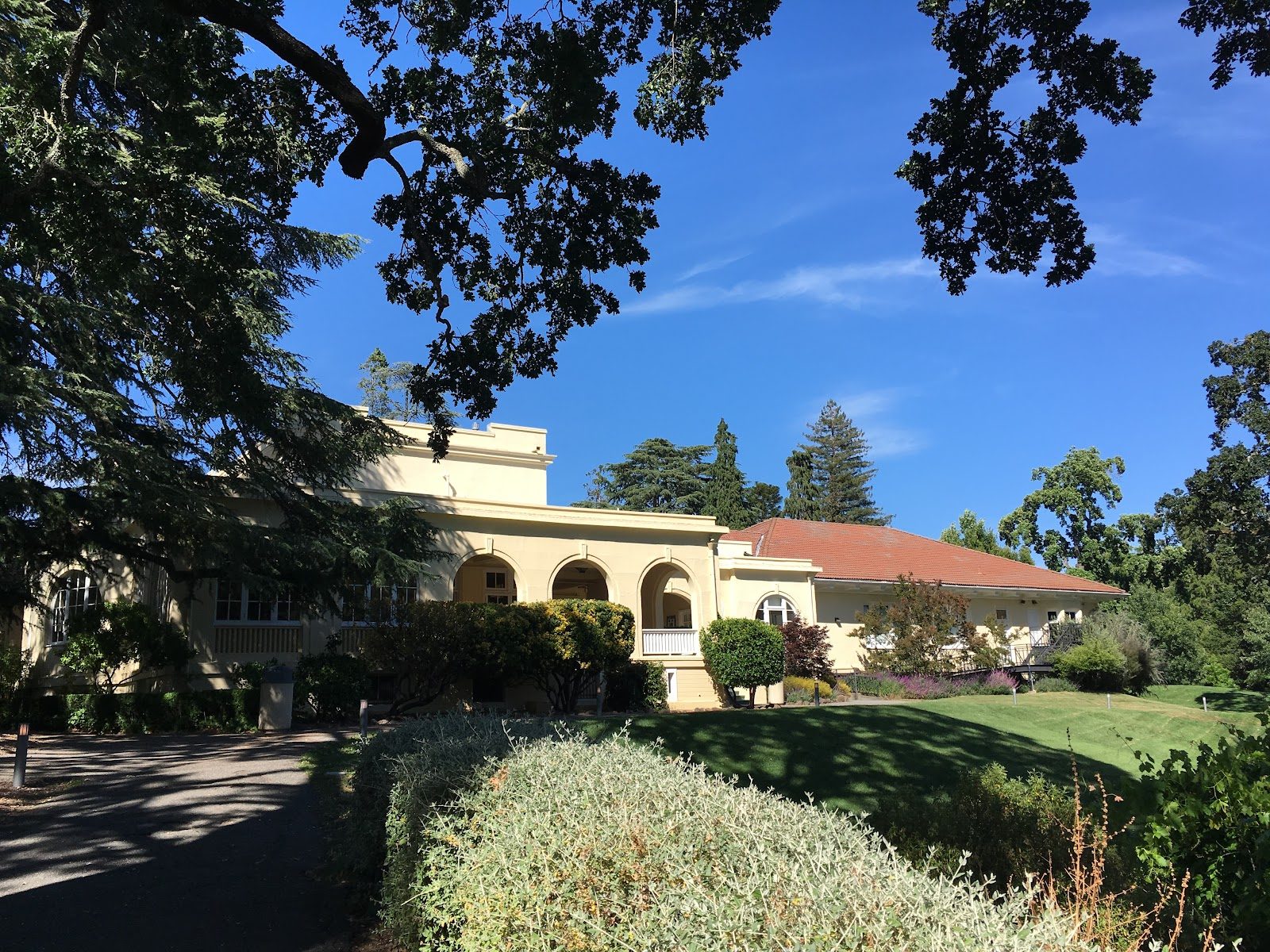
The Branson School
Ross · United States
A Marin hillside campus that skips AP tests for honors depth, immersive electives, and outdoor-education fieldwork.
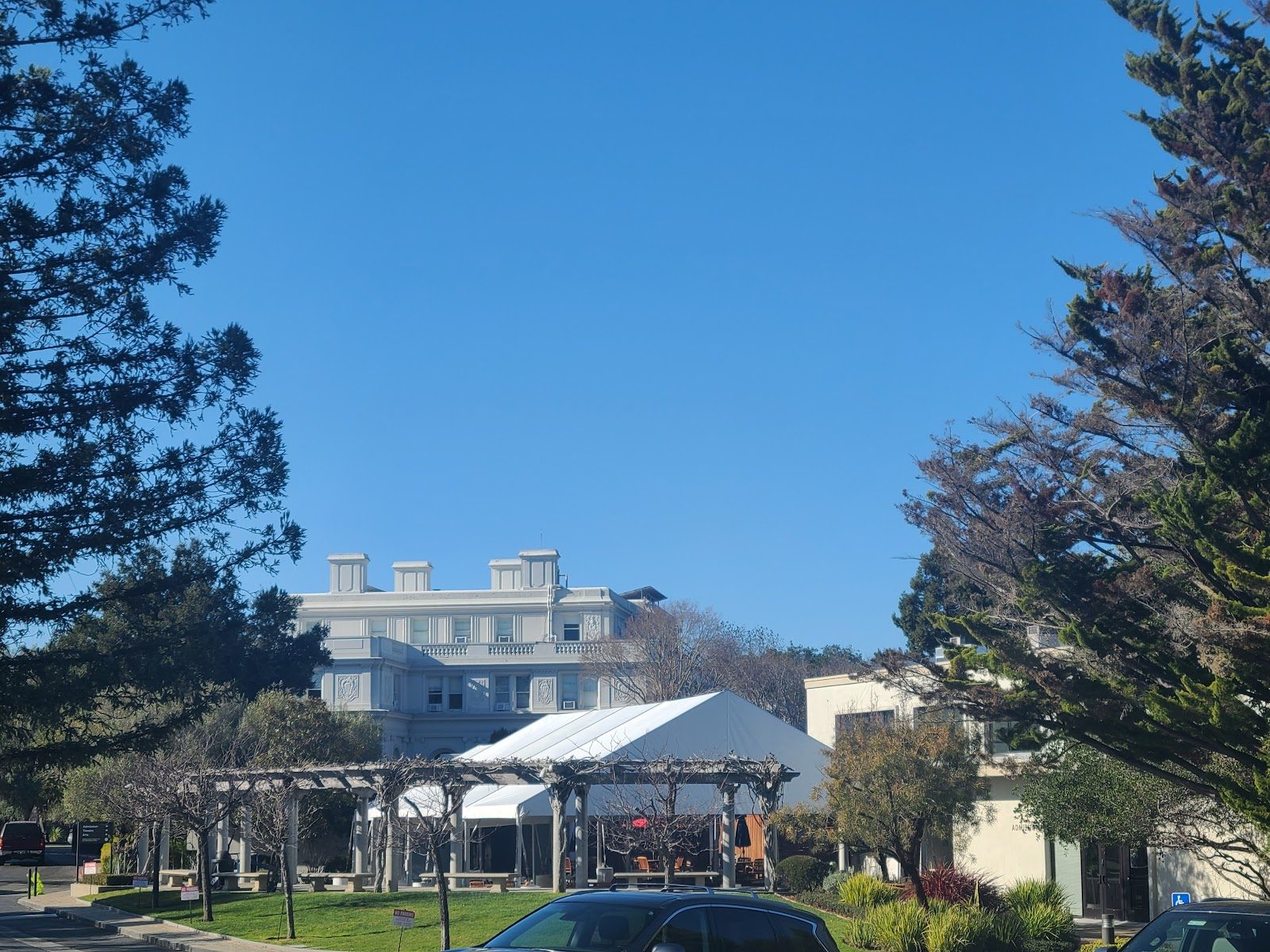
Crystal Springs Uplands School
Hillsborough · United States
On a Peninsula estate once built by railroad money, this day school ditched AP courses for honors-level, student-driven research.
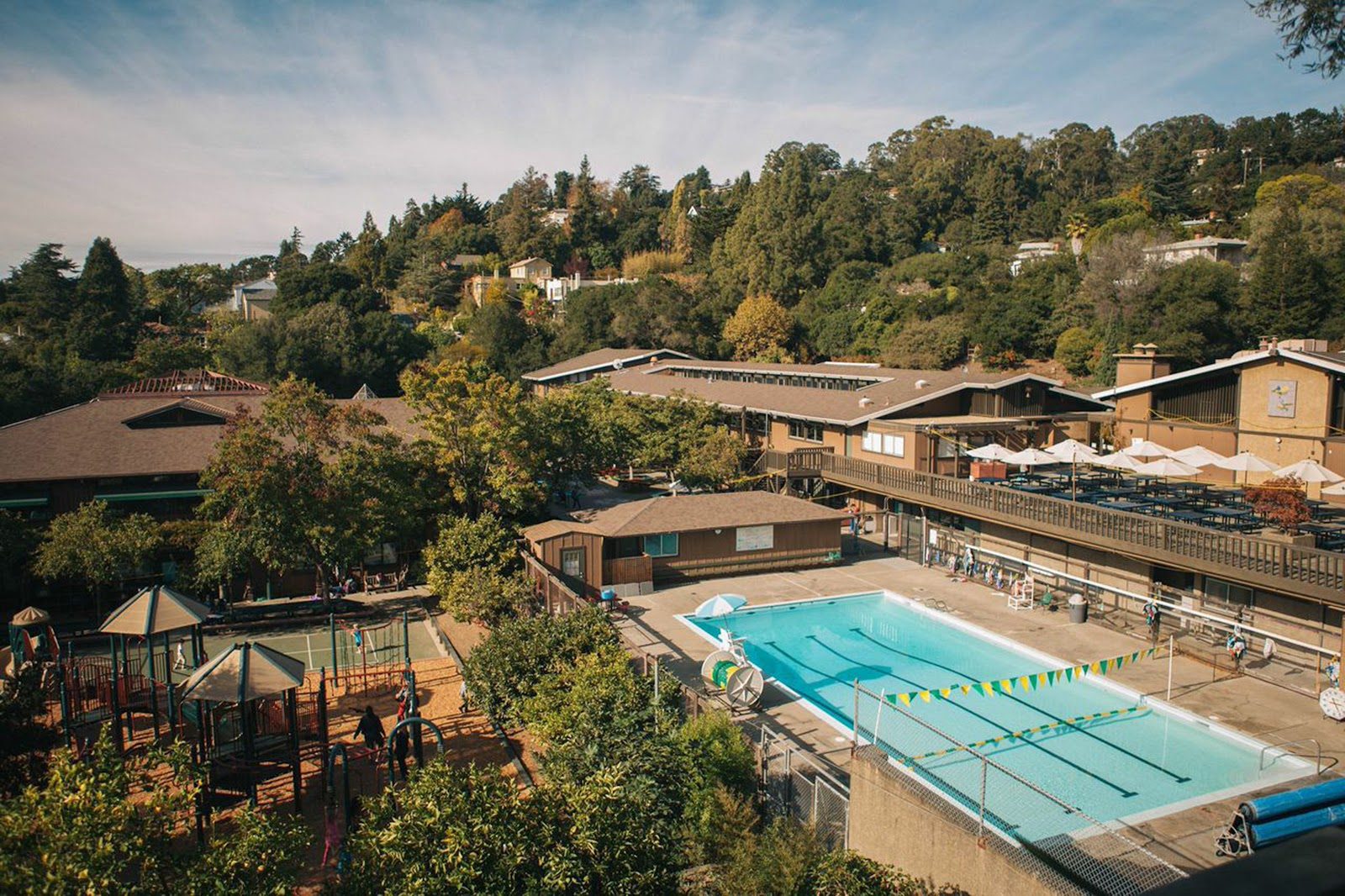
Head-Royce School
Oakland · United States
Since 1887 on a wooded Oakland hills campus, pairing rigorous scholarship with a decades-old public-school partnership that opens college doors for first-generation students
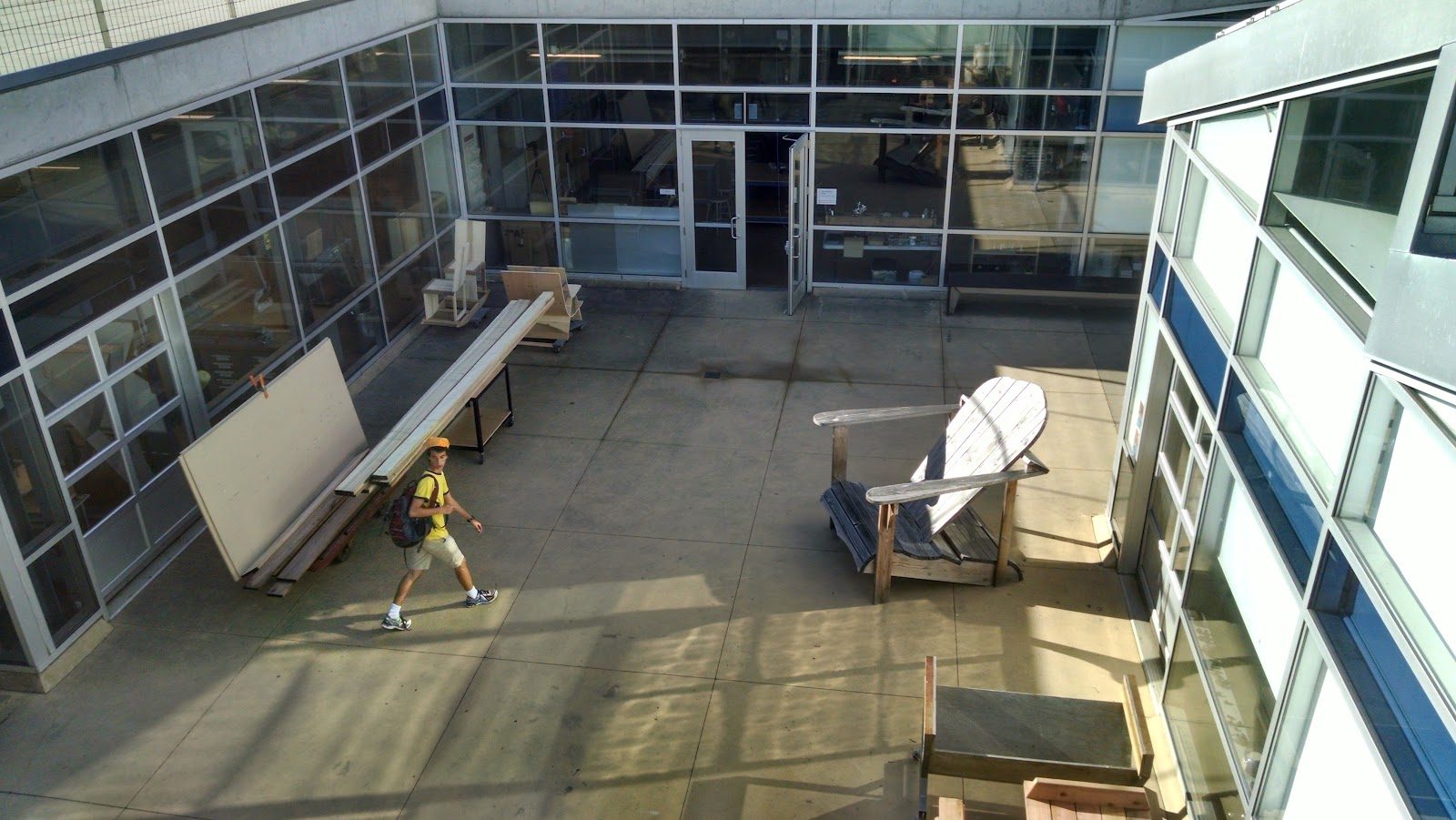
Lick-Wilmerding High School
San Francisco · United States
Founded as an 1895 mechanical-arts school, it still requires wood, metal, jewelry, or electronics credits alongside AP coursework.
Same country and curriculum — closest matches within ±10 points either way