
Massachusetts
A rural Massachusetts campus where every student still works a farm-rooted job shift alongside a college-style block schedule.
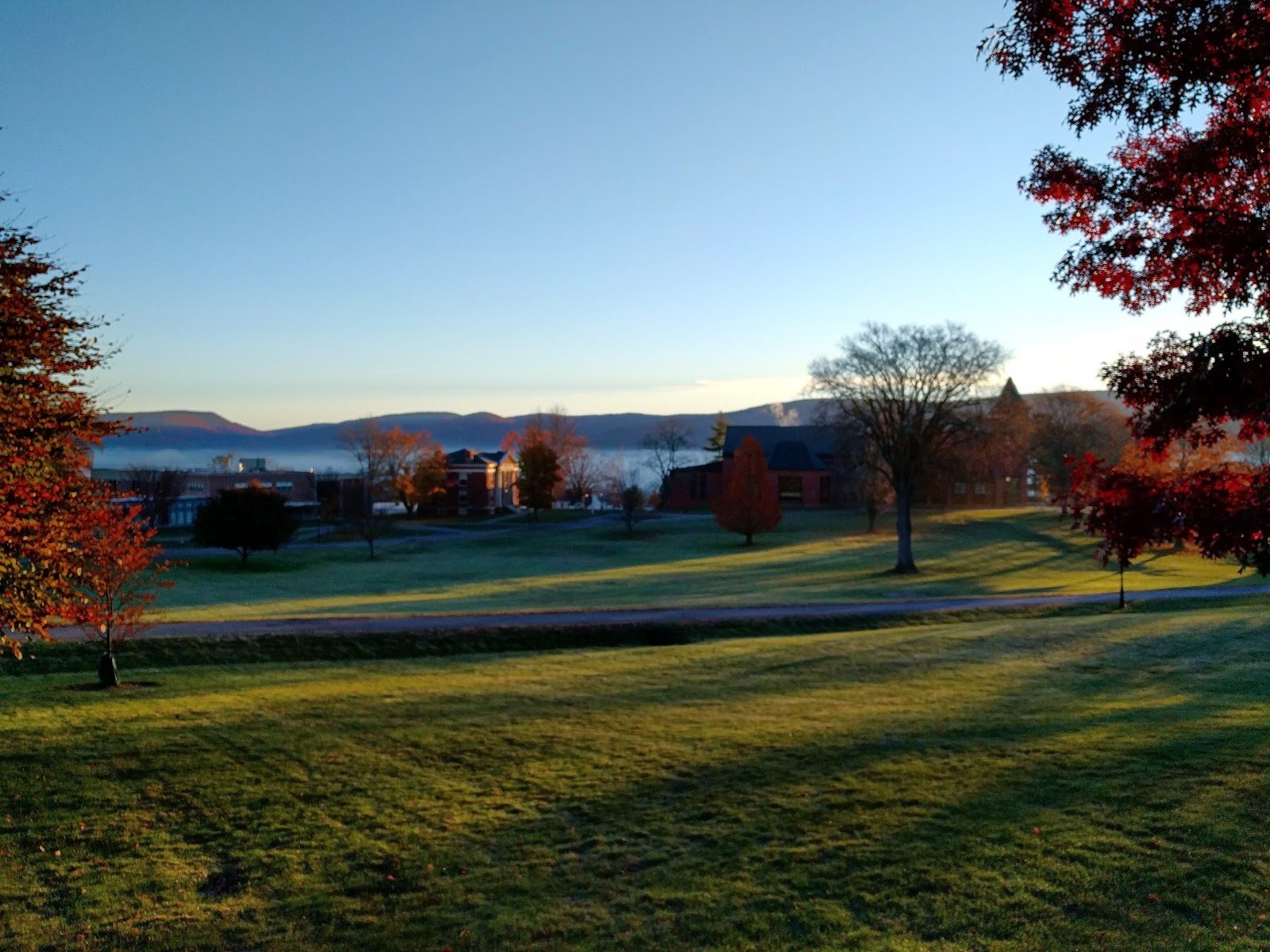
Photo © Michael Wang via Google Maps
Type
Both
Ages
14–19
Curriculum
American (US High School Diploma) · AP (Advanced Placement)
Ratio
6:1
The Verdict
Editor's commitment
Right for
Students who want a 630-student, co-ed boarding school with a 6:1 ratio, 13-pupil classes and a secular, inclusive culture.
Wrong for
Teenagers who need an urban campus or a narrow exam factory; 746 rural acres and head-heart-hands schooling demand wider participation.
Watch out for
This is expensive: average annual fees run to $52,181 day and $79,382 boarding, for grades 9–12 plus postgraduate study.
Ranking breakdown
Northfield Mount Hermon · #233 of 1591
Composite score 73.7. 8 weighted criteria.
By criterion
Academic Outcomes
Weight 20%
#333
of 1529 scored
University Placement
Weight 16%
#354
of 1529 scored
Prestige & Heritage
Weight 12%
#255
of 1571 scored
Alumni Network
Weight 12%
#155
of 1530 scored
Facilities
Weight 12%
#271
of 1534 scored
Transparency & Communications
Weight 8%
#436
of 1532 scored
Peer & Industry Review
Weight 10%
#412
of 1548 scored
Admissions Selectivity & Demand
Weight 8%
#282
of 1529 scored
Peer & Industry Review
How Northfield Mount Hermon is regarded in the sector
78
Strong · medium confidence
Northfield Mount Hermon is consistently listed among top New England boarding schools alongside Andover, Exeter, Deerfield, and Hotchkiss in specialist boarding school guides and rankings such as Niche.com's 'Best Boarding High Schools in America' and The Boarding School Review. It has a large, visible alumni network (including notable figures in business and public life) and is frequently referenced in college placement discussions and expat parent forums like College Confidential, though it is generally regarded as a strong second-tier school just below the most elite 'Ivy feeder' boarding schools like Phillips Andover/Exeter and Groton.
Evidence sources
Editors' overview
At Northfield Mount Hermon, the detail that matters is not the wooded New England postcard but the school’s insistence on “head, heart, and hands”. This is a co-educational, secular boarding school for 630 students in grades 9 to 12 plus a postgraduate year, set on a 746-acre campus in the Connecticut River Valley. The academic structure has real intimacy for a school of this scale: a 6:1 student-teacher ratio and an average class size of 13. That gives NMH a distinctly discussion-led, teacher-visible character, reinforced by an American high school diploma with AP on top rather than a sprawling menu of competing pathways. The result is a school that feels purpose-built for adolescents who want breadth, close adult attention and a community with expectations attached.
What marks NMH out in the US boarding market is the combination of scale, seriousness and lived-in institutional character. Plenty of American boarding schools talk about service and inclusion; NMH ties those ideals to the daily running of school life and to a campus large enough to make communal responsibility more than a slogan. The school is old enough to have deep roots, founded in 1879, but the stronger selling point is its refusal to be purely ornamental. Parents who want a polished, clubby boarding school with maximum gloss and minimum friction have other options. NMH is more grounded, more civic-minded and more willing to frame education as work as well as performance. Its NAIS accreditation matters less as a badge than as confirmation that this is a serious independent-school operation, not a lifestyle brand with classrooms attached.
Fees place it squarely in the premium US independent bracket: an average annual day fee of $52,181 and an average annual boarding fee of $79,382. That is expensive, and parents should expect a school at this price to offer more than nice grounds and small classes. NMH has the bones to justify the spend: a substantial campus, a proper boarding population, advanced coursework through AP, and a long alumni bench that extends well beyond one profession or social set. The pupils who thrive here are not the ones chasing the flashiest name or the most aggressively packaged route to elite admissions. They are students who want a serious, communal school, who can handle a rural campus, who value close contact with teachers, and who do not mind being asked to contribute as well as achieve. For the right child, that mix is unusually durable.
Academic Performance
NMH does not publish the kind of hard public exam data that lets parents place it cleanly against the top US boarding-school pack. We have not seen aggregate AP participation, mean AP scores, the share of pupils scoring 4s and 5s, or any school-wide destination data robust enough to use as a proxy for academic yield. That opacity matters. In a market where peer schools often trade on meticulously itemised outcomes, NMH asks families to judge academic quality through structure and ethos rather than through a forensic results ledger. That does not weaken the academic proposition in itself, but it does limit direct comparison with more results-forward competitors.
What is clear is the shape of the academic offer: a college-preparatory programme with AP, small classes, and a staffing ratio that supports close teacher oversight. That profile places NMH in the serious, discussion-heavy end of the American independent-school sector rather than in the mass-market college-prep category. The school’s membership of the Eight Schools Association adds peer context: this is company associated with established New England boarding schools that expect intellectual stamina, not remedial hand-holding. Still, without published aggregate examination outcomes, NMH sits in the bracket of academically credible but publicly under-evidenced schools. For parents comfortable reading quality through culture, teaching conditions and institutional depth, that will suffice. For parents who want school-wide AP data and cold comparative proof, it will not.
Facilities
The campus is the facilities story. NMH sits on 746 acres, which gives it a landholding that outstrips many peer boarding schools and changes what students can actually do day to day. This is not a compact academic plant with a few playing fields attached; it is a proper rural estate, wooded, expansive and built for movement, outdoor use and institutional self-sufficiency. That matters because the school’s emphasis on service and hands-on contribution has physical room to operate. For families comparing New England boarders, the benchmark is clear: plenty of competitors have handsome grounds, but fewer combine this scale with a campus culture that treats the estate as part of the education rather than as scenery.
Indoors, the strongest facility advantage lies in teaching conditions rather than in one headline-showpiece building. Small classes and close staffing give academic spaces a more workmanlike, teacher-visible feel than the grand but impersonal environments found at some larger-name peers. The trade-off is worth stating plainly. Parents hunting for a facilities arms race — the flashiest performing-arts complex, the most aggressively packaged innovation centre, the country-club version of school sport — will find stronger spectacle elsewhere. NMH’s provision reads as serious, lived-in and aligned with how the school functions: interdisciplinary study, communal responsibility, and full use of a large outdoor campus. Against peers, that places it above schools with thinner physical breadth, but short of the sector’s most lavish capital statements.
At Northfield Mount Hermon, the detail that matters is not the wooded New England postcard but the school’s insistence on “head, heart, and hands
Prestige
Northfield Mount Hermon carries real US boarding-school prestige, but not the glossy, socially coded kind that trades on old-money polish alone. Its standing rests on three harder assets: deep institutional longevity, membership of the Eight Schools Association, and an alumni footprint that is both broad and serious. Wikidata alone records 131 notable alumni across politics, business, scholarship, journalism, the arts and sport, with verified top-tier award winners in drama and music. That matters because it points to a school with durable reach across sectors, not a narrow pipeline into one profession or one social tribe. In the American market, that gives NMH genuine name recognition among universities, independent-school counsellors and families who know the New England boarding landscape.
The caveat is important. NMH does not sit in the tiny stratum of schools whose prestige functions almost as a social currency in its own right. Its reputation is stronger than flashy: respected, established and intellectually credible, but not built around relentless status theatre. That matches the school’s own identity. A campus culture that stresses service, shared work and moral purpose creates a form of prestige with more substance than shine. For some families, that is the attraction. For others chasing the most rarefied badge in the sector, NMH lands a notch below the absolute headline names. Our rating reflects that distinction: this is a high-prestige school with institutional weight, not a hollow luxury emblem.
Northfield Mount Hermon carries real US boarding-school prestige, but not the glossy, socially coded kind that trades on old-money polish alone
Communications
NMH communicates in a voice that is earnest, mission-driven and more reflective than slick. The public message does not chase hard sell. Instead, it leans on values, community obligations and the school’s own language of inclusivity, service and growth. That gives parents a strong read on institutional intent: this is a school that wants families to buy into a moral and communal framework, not just an academic transaction. The website also does the core factual work cleanly enough, with the essentials of school structure, age range and campus life easy to locate. For the right parent, that tone will feel substantial and adult. For others, it will feel overwritten and short on hard operational detail.
The weakness is precision. NMH communicates culture better than outcomes, and that matters because parents do not only need a statement of values; they need evidence of delivery. We have not seen the level of published academic data, destination detail or performance breakdown that would make its communications fully convincing at fees of $52,181 for day pupils and $79,382 for boarders. Nor does the school’s public-facing communication, at least in the core pages here, foreground the nuts and bolts that anxious parents watch for: how information flows during pressure points, how concerns are escalated, how pastoral issues are handled, and how transparent leadership is when things go wrong. The result is credible but incomplete communication: strong on ethos, weaker on proof, and less forensically parent-facing than the best-run schools in this bracket.
Uniqueness
NMH’s distinctive feature is not prestige, acreage or small classes on their own. It is the school’s insistence that education includes labour, service and self-scrutiny, not just academic accumulation. The “head, heart, and hands” line is not decorative branding; it sets a clear moral grammar for the place. Students are expected to contribute to the life of the school, to confront difficult questions and to treat community membership as an obligation. In a boarding market crowded with polished rhetoric about character, that gives NMH a more demanding civic identity than many rivals. The gain for students is practical: adolescents do not just discuss responsibility in advisory or assembly; they practise it in shared routines, collective standards and the daily business of living and working with others.
The other point of difference is the blend of that ethic with a genuinely immersive rural campus and a college-style level of personal independence. NMH offers a version of sixth-form age education that is less ornamental and more formative: students have room to test judgment, build stamina and find out whether their values survive contact with real people and real duties. That produces a school culture with more friction, and therefore more educational value, than the smoother luxury end of the sector. For the right teenager, this is unusually character-building: a community of 630 students where adulthood is treated not as a future slogan but as a present expectation.
NMH does not publish the kind of hard public exam data that lets parents place it cleanly against the top US boarding-school pack
Student Profile
The student who fits NMH is not just bright but game for participation. This school asks adolescents to join a community with duties attached, and that instantly narrows the field. Pupils who want to keep their heads down, optimise grades and treat school as a private service will find the culture intrusive. Those who thrive are the ones with enough self-possession to live closely with others, enough resilience to accept scrutiny, and enough curiosity to engage beyond their friendship group. The low staffing ratio — 6:1 — reinforces that expectation. Adults will know who is contributing, who is coasting and who is ducking the harder conversations. That makes NMH a strong match for students who benefit from close adult visibility and a poor one for teenagers who want anonymity.
Temperament matters as much as attainment. The school’s own language centres inclusivity, service and learning as a lifelong discipline, so the best fit is a student willing to test convictions in practice, not just recite them. On a large rural campus, daily life carries more structure, more interdependence and more earned belonging than at glossy schools built around performance and polish. Socially, that suits grounded teenagers who can handle difference, absorb feedback and contribute without constant applause. It will also appeal to families who want a serious communal culture rather than a status pageant. For highly image-conscious pupils, or those who need the city’s stimulation and freedom, NMH is not for the faint-hearted.
NMH’s distinctive feature is not prestige, acreage or small classes on their own
Co-curricular strengths
Arts & sport, on a separate axis
Overall 9.3/10
Scored 0-10 from the school's own published evidence. This axis is editorial-only — it does not feed the main WTS ranking.
Sports
9.7/10
Room for athletics on a large campus but gives no sport-specific programmes, teams, facilities, fixtures, or results, so there is insufficient evidence in profile.
Drama
9.2/10
Verified alumni laureates Uma Thurman and Laura Linney provide strong drama pedigree, and the laureate rule means this dimension should not be scored below 7 despite limited programme detail in the editorial prose.
Dance
9.2/10
There is no dance-specific evidence, so there is insufficient evidence in profile.
Music
9.2/10
Verified alumna Natalie Cole, a Grammy-winning musician, anchors music at at least 7 under the alumni-laureate rule even though the editorial review gives no programme specifics.
Visual Arts
9.2/10
Some notable visual-arts alumni but no verified star-tier laureates and no programme, facility, exhibition, or department evidence, so there is insufficient evidence in profile.
Editor first-pass · editor-reviewable · 8/2/2026
Notable alumni · Wikidata
131notable alumni
29 historic (born pre-1930) · 29 modern (born post-1970)wikidata:2026-08-02 How we source this

WTS 300 badge
Northfield Mount Hermon is one of the World's Top 300 Schools. Claim your listing to add it to your site →
Strengths
- +Member of the Eight Schools Association, alongside Andover, Exeter, Choate, and Deerfield, reflecting a peer group of long-established New England boarding schools.
- +Small classes and low student-teacher ratio, with an average class size of 13 and a 6:1 student-to-faculty ratio.
- +Genuinely international boarding community, with roughly 630 students in grades 9-12 plus a postgraduate year, most of them boarders rather than day students.
- +Notable alumni across the arts and public life, including actresses Uma Thurman and Laura Linney and poet Lawrence Ferlinghetti, indicating a long track record of producing recognisable graduates.
- +Large physical campus (over 1,300 acres of land holdings) offering extensive outdoor, athletic, and agricultural program space uncommon among urban day schools.
Considerations
- −Boarding fees are substantial: tuition, room and board for 2025-26 are listed at $79,382, plus additional mandatory fees, putting it in the same cost bracket as the most expensive US boarding schools.
- −Selective but not top-tier by acceptance rate: reported acceptance sits around 31%, tougher than the boarding-school average but less selective than the most competitive Eight Schools peers.
- −Rural, isolated location in Gill/Mount Hermon, Massachusetts, far from a major city, which matters for weekend access, medical specialists, and family visits for relocating expats.
- −A postgraduate/grade 9-12 boarding model with an 84% boarding population means day-only families are a small minority on campus, which may affect the day-student social experience.
Availability
Primary entry gate & tests
SSAT/ISEE + Interview
Gallery
Photo © Stuart Fleming via Google Maps
Photo © Harry van Baaren via Google Maps
Photo © Michael Wang via Google Maps
Photo © David Campbell via Google Maps
Photo © David Campbell via Google Maps
Photo © SNE Resident Traveler via Google Maps
Photo © SNE Resident Traveler via Google Maps
Photo © Northfield Mount Hermon via Google Maps
Photo © Taina Delgado via Google Maps
Parent reviews
Have you sent your child here?
Voice reviews carry the strongest trust badge — we transcribe them for you to tidy up before they go live. Prefer to type? A written review is fine too.
Add your voice
In 60 seconds, tell other parents: what's the best thing about Northfield Mount Hermon, and what surprised you when your child joined?
We ask for a Google sign-in so every review has a real face behind it — no anonymous drive-by attacks on schools, and no faked positive reviews. Your email is never shown publicly.
Send this profile to a friend
International parents rely on word-of-mouth. Share this review with someone weighing the same decision.
Schools with places
Similar schools to Northfield Mount Hermon with places available now.
Noble and Greenough School
Dedham · United States
- 2026-27
- CLOSEDRegular cycle
- 2027-28
- PLACES OPENJan 15 '27 Deadline
Middlesex School
Concord · United States
- 2026-27
- CLOSEDRegular cycle
- 2027-28
- OPENS SOONOpens 1 Sept '26
Commonwealth School
Boston · United States
- 2026-27
- CLOSEDRegular cycle
- 2027-28
- OPENS SOONOpens 1 Sept '26
Concord Academy
Concord · United States
- 2026-27
- CLOSEDFull / No offers
- 2027-28
- OPENS SOONInstructions Avail 17 Aug '26
Availability first, then country, area, curriculum, price, co-curricular
Consider also
Also worth looking at alongside Northfield Mount Hermon.
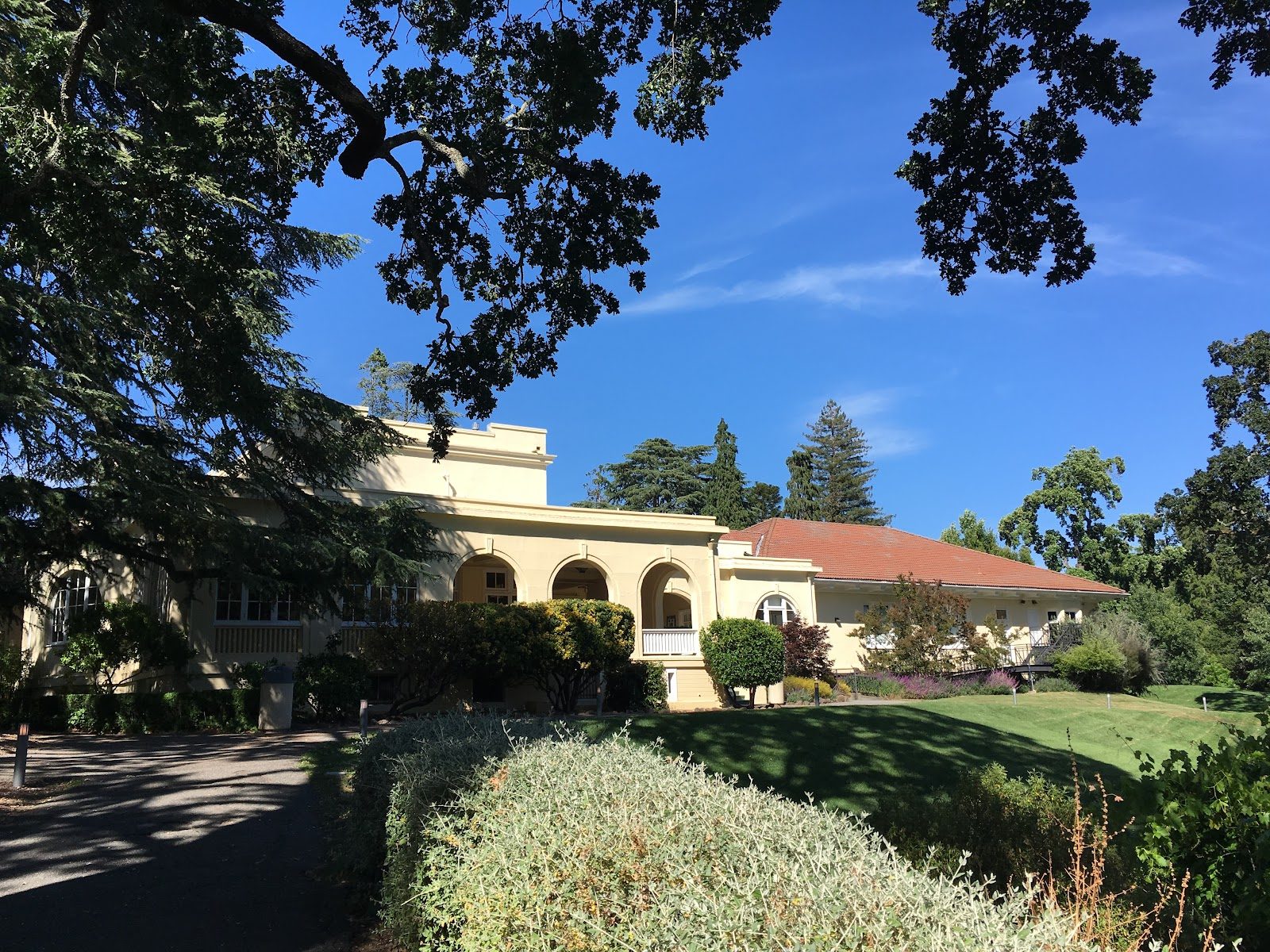
The Branson School
Ross · United States
A Marin hillside campus that skips AP tests for honors depth, immersive electives, and outdoor-education fieldwork.
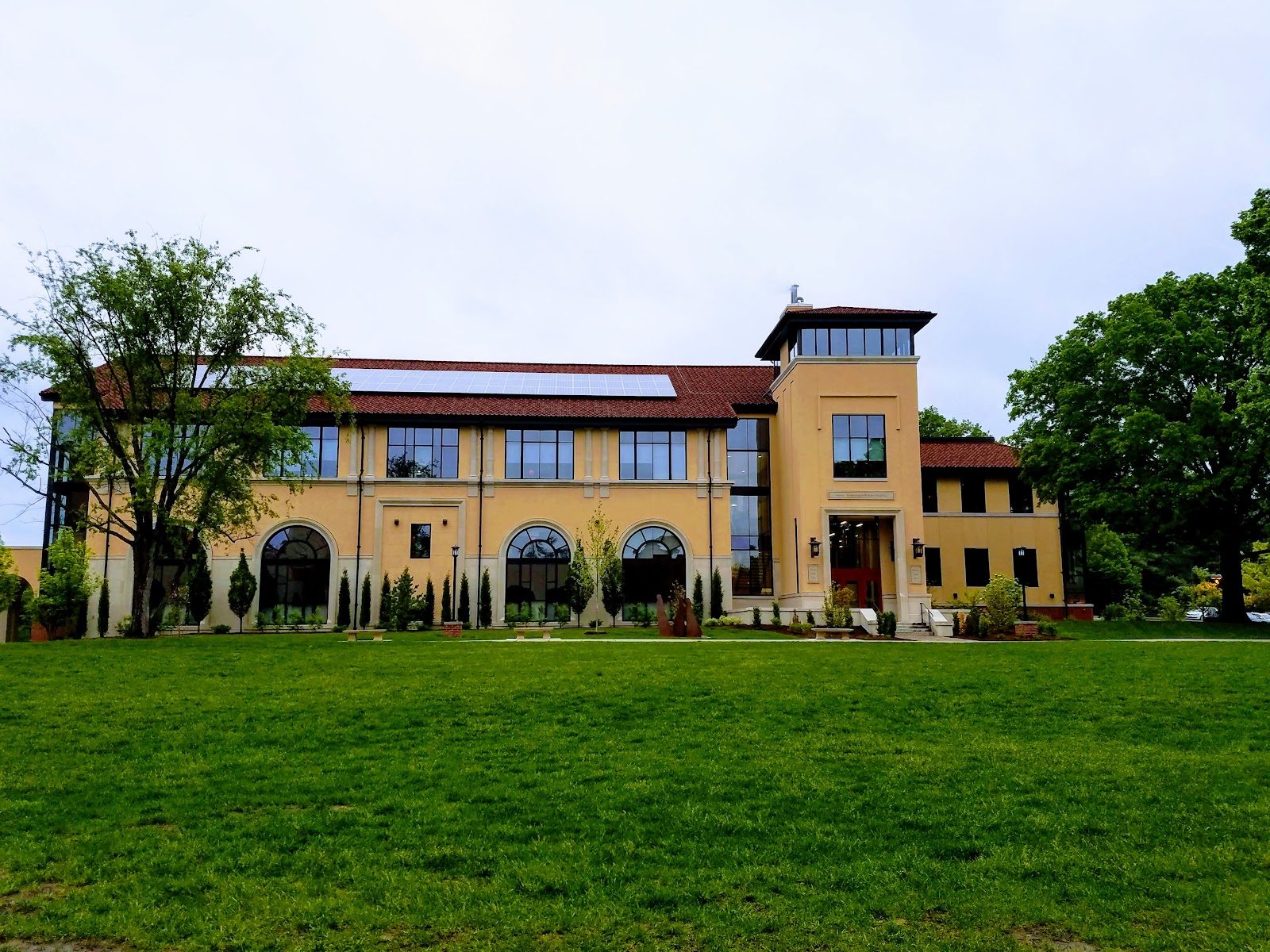
John Burroughs School
St Louis · United States
Since 1923 in the Ladue suburbs, a liberal-arts day school where family-style lunches and an Ozarks wilderness camp shape scholars as much as seminars do.
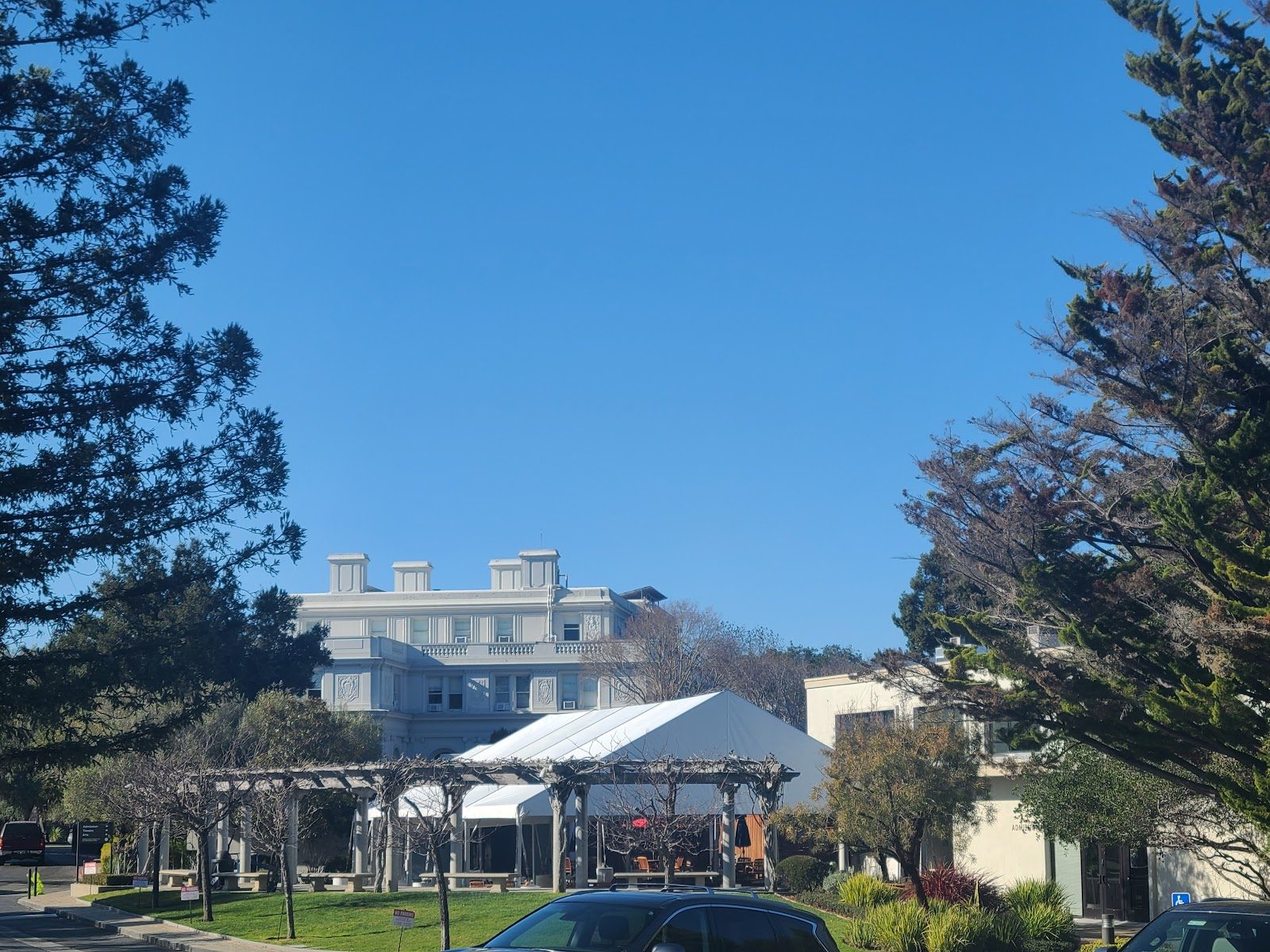
Crystal Springs Uplands School
Hillsborough · United States
On a Peninsula estate once built by railroad money, this day school ditched AP courses for honors-level, student-driven research.
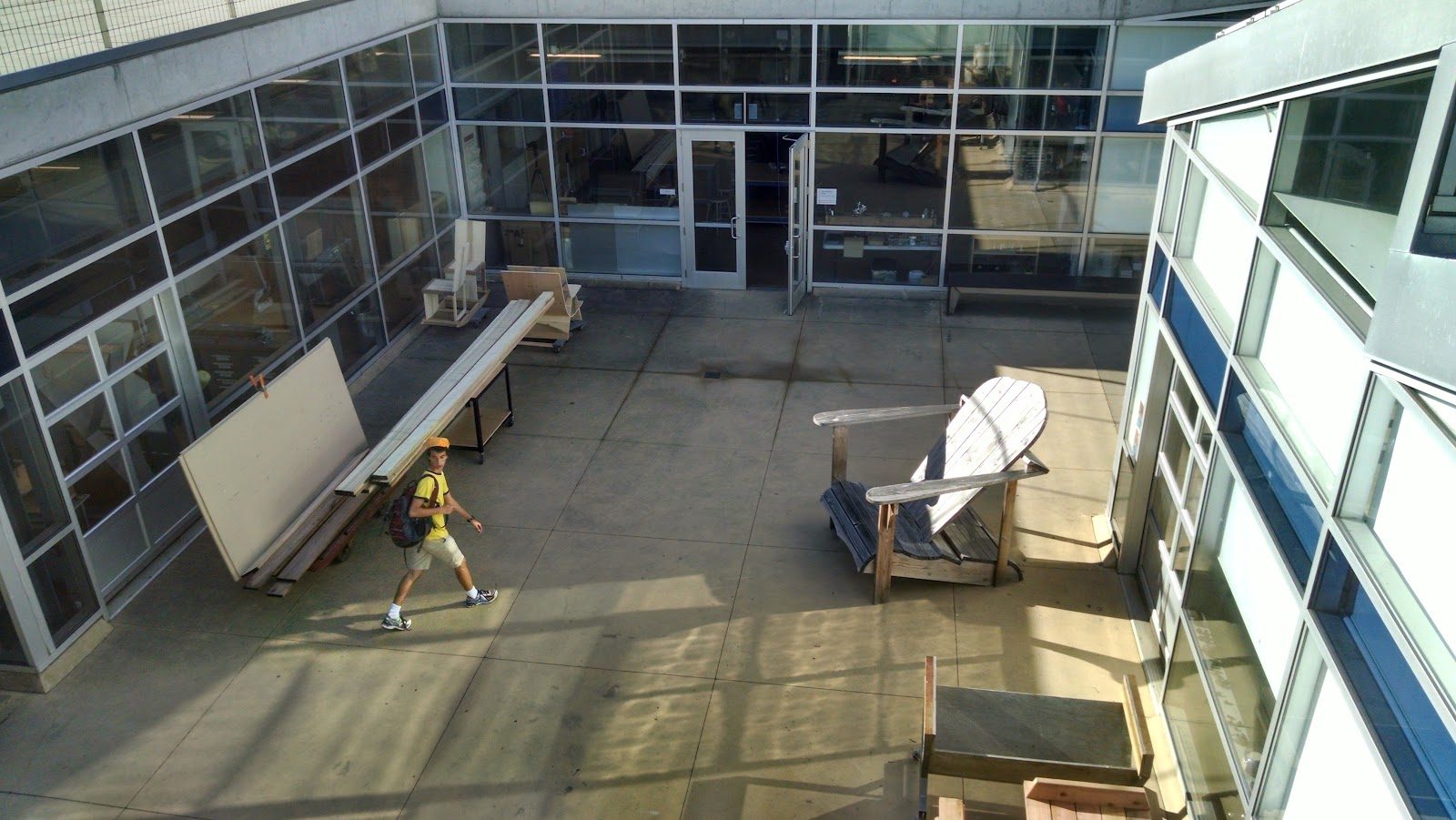
Lick-Wilmerding High School
San Francisco · United States
Founded as an 1895 mechanical-arts school, it still requires wood, metal, jewelry, or electronics credits alongside AP coursework.
Same country and curriculum — closest matches within ±10 points either way