
California
Home to the only accredited museum on a US high school campus, built from fossils its own students unearthed on desert digs
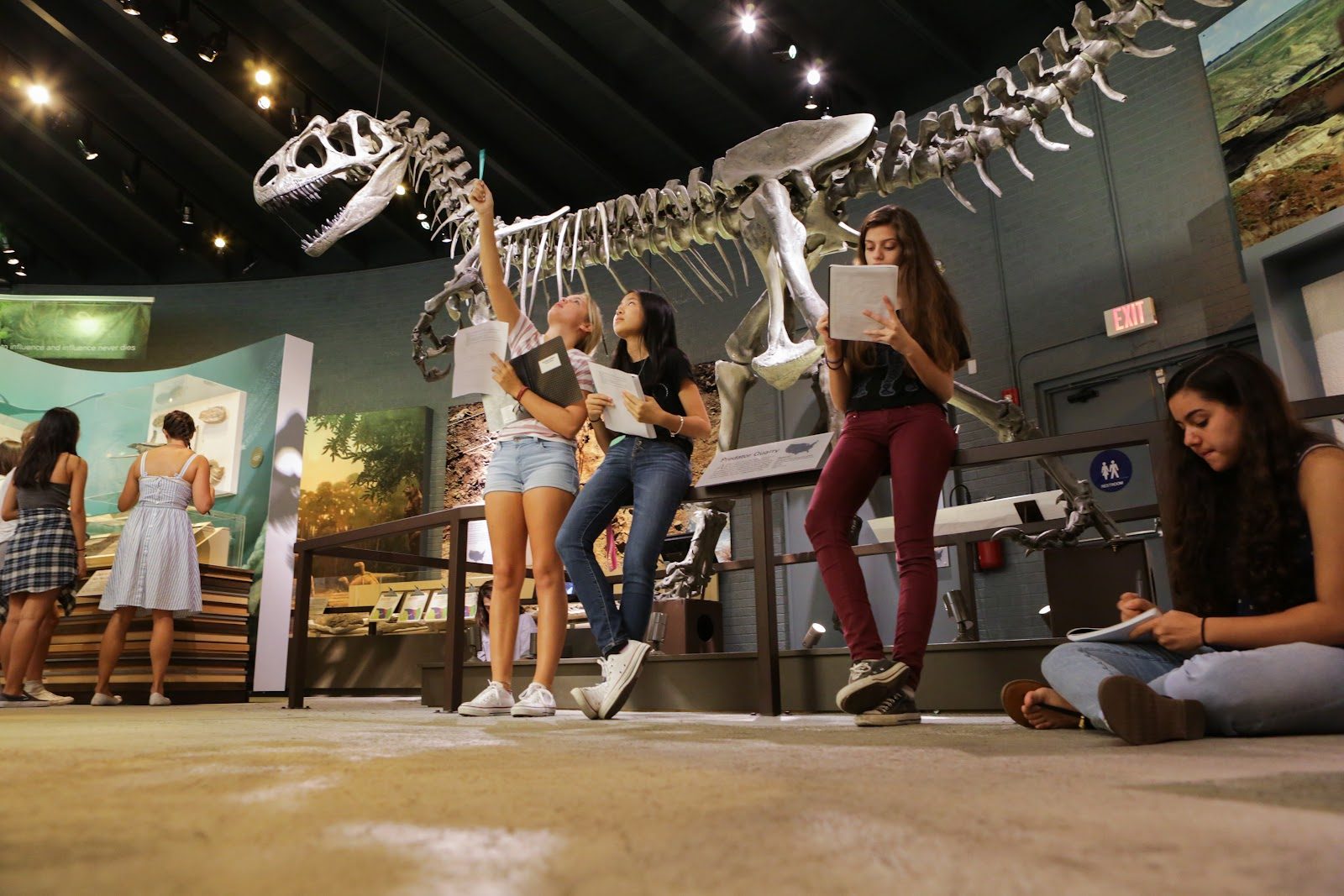
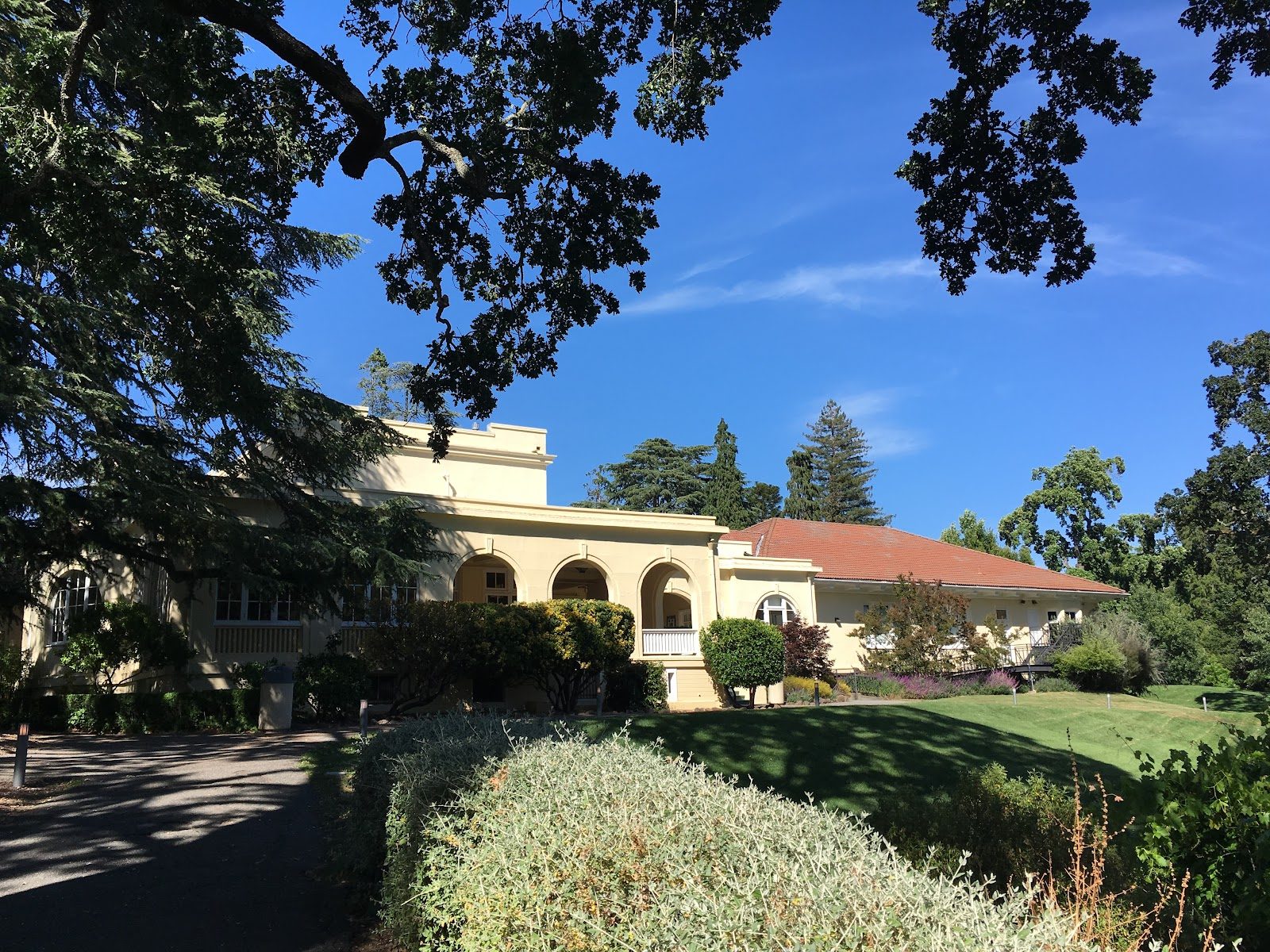
Photo © The Webb Schools via Google Maps
Type
Both
Ages
14–18
Curriculum
American
Qualifications
AP · US High School Diploma
Ratio
6:1
The Verdict
Editor's commitment
Right for
Teenagers who want American academics with real fieldwork: grades 9–12, a 6:1 ratio, and the only accredited museum on a US high-school campus.
Wrong for
Families chasing bargain California private schooling or a huge university-placement machine; day fees average $62,180 and recent named destinations are thinly published.
Watch out for
Boarding averages $87,430 a year, and this is a 1922 Claremont school for ages 14–18 only — no younger-entry runway.
Ranking breakdown
The Webb Schools · #257 of 1591
Composite score 72.9. 8 weighted criteria.
By criterion
Academic Outcomes
Weight 20%
#334
of 1529 scored
University Placement
Weight 16%
#354
of 1529 scored
Prestige & Heritage
Weight 12%
#377
of 1571 scored
Alumni Network
Weight 12%
#234
of 1530 scored
Facilities
Weight 12%
#339
of 1533 scored
Transparency & Communications
Weight 8%
#436
of 1532 scored
Peer & Industry Review
Weight 10%
#480
of 1548 scored
Admissions Selectivity & Demand
Weight 8%
#282
of 1529 scored
Score history
The Webb Schools · 2026
Movement across 2024–2026. Peer average overlaid.
Overall — 2024–2026
72.9/ 100
▲ +7.1 vs 2025
year on year
Peer & Industry Review
How The Webb Schools is regarded in the sector
68
Respected · medium confidence
Webb Schools (Webb School of California + Vivian Webb School) is a well-regarded boarding/day school known for the Raymond Alf Museum of Paleontology and consistently appears in rankings like Niche's 'Best Boarding High Schools in America' and 'Best Private High Schools in California'. It has a respected regional reputation among college counselors and peer boarding schools, with solid college matriculation outcomes, but lacks the unanimous top-tier name recognition of schools like Phillips Exeter or Andover in national/international education press.
Evidence sources
Editors' overview
The Webb Schools’ clearest point of difference is not a slogan but a piece of infrastructure: the Alf Museum, the only accredited museum on a US high school campus, built from fossils unearthed by Webb students on desert digs. That tells you a great deal about the school before you reach the admissions copy. Webb is an American school for ages 14–18, founded in 1922, with a serious intellectual bent and an unusually concrete idea of experiential learning. The academic pitch rests on interdisciplinary study, field-based work and access to Southern California’s institutions and industries, from the Claremont Colleges to Los Angeles. This is not a school that confines ambition to classroom walls.
The market position is clear. At an average $62,180 a year for day pupils and $87,430 for boarders, Webb sits in the expensive end of the US independent-school sector and needs to justify that price through depth, access and adult attention. The 6:1 student-teacher ratio does part of that work. So does the boarding option, which broadens the peer group beyond the immediate Claremont catchment and gives the school a more national and international character than a local day school. What parents do not get is a flood of hard public outcomes data. The school does not publish a broad set of headline university results in the context here; the destinations listed include Barnard College, Arizona State University and Azusa Pacific University. That is too thin to build a claims-heavy academic verdict, so the stronger case for Webb rests on programme design, mentoring and the *distinctive museum-and-fieldwork proposition*.
The child who will want Webb is not the one hunting for maximum brand-name conformity or a narrow exam factory. Webb suits teenagers who are academically capable, comfortable in a close adult-supervised environment, and energised by hands-on scholarship rather than passive consumption. A pupil with interests in science, research, humanities or the arts will find substance here, and a boarder who wants a campus with purpose rather than gloss will read this place well. The school also carries some alumni weight — 34 notable alumni catalogued in Wikidata across politics, business, science, writing and film — which gives it a credible long-tail influence. For the right student, Webb belongs on a shortlist because it offers a rare mix: a small-scale, high-cost American boarding school with a genuinely unusual academic asset at its centre, and a culture built for students who want to do the work, not just collect the badge.
Academic Performance
Webb gives parents more hard academic data than many US boarding schools, but the picture is selective. The headline testing figures are strong: an average ACT of 34 and average SAT of 1510 place the cohort in elite-testing territory by any national standard. The course menu also carries weight. The school says more than half of its offerings are advanced, which points to real academic stretch rather than a thin honours gloss. Set against its intimate scale and close faculty supervision, that supports a verdict of serious academic ambition. Among direct peers in the American independent boarding market, those figures put Webb in the upper tier for standardised test performance.
What Webb does not publish is just as important. There is no public IB or AP aggregate score data here, no full university matriculation list, and no year-by-year breakdown that lets parents test consistency across cohorts. The college claim — that over 90% of graduates attend institutions ranked in the top decile nationally — is impressive, but it is still a school-framed metric rather than a raw destinations table. That leaves Webb with a profile that is *stronger on indicators than on full disclosure*. The academic signal is clear enough: this is a high-ceiling school with demanding students. The missing piece is comprehensive outcomes reporting, and at this price point that gap matters.
Facilities
The facility that matters most at Webb is the Raymond M. Alf Museum of Paleontology. Schools talk endlessly about experiential learning; Webb has built a working academic asset around it. This is the only paleontology museum on a high school campus in the world, and the collection has direct educational credibility because students have taken part in the fieldwork that helped build it. Against peer boarding schools, that is not just distinctive but structurally unusual: many rivals offer polished science labs, maker spaces and research partnerships, but very few can put a specialist museum at the centre of school life. For a teenager drawn to natural sciences, research or disciplined hands-on inquiry, that facility is a serious advantage, not a decorative extra.
Beyond the museum, the campus reads as a school with breadth rather than spectacle. Webb offers 15 sports and more than 130 activities and clubs, which points to solid provision across athletics and co-curricular life, even if the school does not foreground the kind of headline-grabbing performing arts complexes or athletic megaprojects that top-fee competitors use as status markers. The boarding environment also matters as a facility in its own right: dorm life, dining, health and wellness, and after-school and weekend programming all sit visibly within the school’s structure. That gives Webb a purpose-built residential rhythm rather than a day-school campus with beds added on. Parents looking for flashy infrastructure will find stronger visual theatre elsewhere. Parents looking for facilities tied tightly to intellectual use will rate Webb more highly.
Webb is an American school for ages 14–18, founded in 1922, with a serious intellectual bent and an unusually concrete idea of experiential learning
Prestige
Webb has real prestige, but it is niche prestige, not mass-market glamour. In US independent-school terms, its reputation rests on intellectual seriousness, selectivity of environment and one academic asset that no rival can copy: the museum at the centre of campus life. That matters because prestige in boarding schools is built as much on institutional distinctiveness as on old-name recognition. Webb’s strongest signal is not social cachet or athletic mythology; it is a culture of study with unusual substance behind it. The school’s claim that more than 90% of graduates move on to colleges in the top decile nationally gives it a credible outcomes story, and the average test scores place the cohort in rarefied company. For families who value scholarship over show, that carries weight.
The limits are clear. Webb does not occupy the same universal household-name bracket as the most famous East Coast boarding schools, and its public university destinations data is too thin to support grandiose claims about placement power. Its prestige is therefore strongest among parents who know the sector well and care about educational depth, faculty attention and serious peer culture. The alumni base adds substance: 34 notable alumni catalogued across politics, business, science, writing and film is a solid marker for a school of this scale. The verdict: Webb offers earned prestige, rooted in a demanding academic identity and a genuinely singular institutional proposition, rather than prestige borrowed from branding alone.
That matters because prestige in boarding schools is built as much on institutional distinctiveness as on old-name recognition
Communications
Webb communicates in a clean, structured way, with the admissions journey broken into practical steps and supported by a family guide, events, tours, travel information and a visible team. For parents, that matters: a boarding school with a residential week, health provision, weekend programming and long-distance applicants needs logistics handled crisply, and Webb does that. The site navigation is expansive without becoming chaotic, and the core messages are easy to find: mission, academics, college guidance, dorm life, dining, wellness, clubs, athletics and leadership all have clear entry points. The school also puts concrete markers up front — 405 students, 6:1 staffing, 130+ clubs and activities, average test scores, tuition assistance — which gives parents actual reference points rather than mood music. That is useful, disciplined communication.
The limitation is not clarity but disclosure. Webb is strong on telling families what the school values and how school life is organised; it is weaker on publishing the kind of hard comparative data that helps parents test outcomes independently. The college claim is framed in-house, and the destinations picture remains thin. There is also a touch of California glow in the location language, with Los Angeles and sunshine pressed into service as selling tools. That does not undermine the substance, but it does push parts of the messaging towards admissions theatre. Overall, parent communication is competent, confident and informative on daily life and programme structure, but less rigorous on full outcomes transparency.
Uniqueness
Webb’s real distinction is that its flagship asset is academic, not cosmetic. The Alf Museum is not a branding flourish bolted onto a campus tour; it gives students direct contact with collections, research habits and the discipline of evidence. The school’s own framing of learning backs that up: interdisciplinary study, field experience and partnerships beyond the campus sit at the centre of the offer, not at the fringe. That makes Webb genuinely unusual among American boarding schools, where “experiential learning” often collapses into trips, clubs and polished rhetoric. Here, students can connect classroom science and humanities work to concrete scholarly practice. The result is a school identity built around inquiry, not just attainment.
That distinctiveness brings two clear benefits. First, it gives intellectually serious teenagers a sharper sense of purpose than they get in a generic high-performing prep school. Second, it creates a culture where adults and pupils are expected to engage with ideas in a more active way — through advanced courses, close teaching and substantive co-curricular work, not passive box-ticking. The school’s small scale and low staffing ratio reinforce that pattern, and the range of 102 courses with 60% at advanced level gives it academic depth to match the pitch. This is *not a status school for families chasing surface polish. It is a specialist, high-expectation environment* for pupils who want school to feel like serious work with unusual tools.
Webb’s real distinction is that its flagship asset is academic, not cosmetic
Student Profile
Webb suits teenagers who want school to function as a place of work, inquiry and close adult engagement, not as a social runway. The best fit is a student with real academic stamina, enough self-possession to thrive in a supervised residential culture, and an appetite for joining in rather than hanging back. With a staffing ratio of 6:1 and a student body of 405, there is limited room for anonymity; pupils who want to disappear into a crowd will find the place too close-grained. The school also asks for intellectual seriousness across disciplines, not just narrow strength in one subject. Its museum, fieldwork culture and advanced course load favour students who enjoy evidence, discussion and hands-on scholarship over passive note-taking. This is a high-expectation environment for adolescents who like being stretched.
Socially, Webb fits students who are mature for their age and comfortable in a community with structure, traditions and a strong collective rhythm. Boarders who value independence but still need adult scaffolding will do well here; so will day pupils who want access to that same purposeful campus culture rather than a loose in-and-out school day. It is a good match for scientifically curious pupils, thoughtful humanists, committed artists and serious all-rounders. It is a weaker fit for teenagers chasing maximum status theatre, constant urban buzz or a purely transactional route to university. Webb rewards curiosity, resilience and contribution. It has little patience for drift, and that is one of its strengths.
That makes Webb genuinely unusual among American boarding schools, where “experiential learning” often collapses into trips, clubs and polished rhetoric
Co-curricular strengths
Arts & sport, on a separate axis
Overall 8.9/10
Scored 0-10 from the school's own published evidence. This axis is editorial-only — it does not feed the main WTS ranking.
Sports
9/10
'Varsity athletics' in extracurriculars.
Drama
9/10
'Theater productions' rather than a bare drama listing, which indicates active participation beyond simple mention, but gives no dedicated facility, department or recurring named productions.
Dance
8.5/10
Music
9/10
Both 'Chamber orchestra' and 'Jazz ensemble', showing more than a bare mention and indicating multiple music activities, but no specialist facility, staff or notable honours are cited.
Visual Arts
9/10
Editor-verified · 7/29/2026
Outcomes & destinations
Where students go next
Class of 2026
Top destinations
99 placements
- Arizona State University· 1
- Azusa Pacific University· 1
- Barnard College· 1
- Boston University· 6
- Bowdoin College· 1
- Cal Poly San Luis Obispo· 1
- California Institute of Technology· 1
- California State University, Fullerton· 1
- Carleton College· 1
- Case Western Reserve University· 1
- Chapman University· 1
- Colorado College· 2
- Colorado School of Mines· 1
- Columbia University· 2
- Cornell University· 2
- Davidson College· 1
- Dickinson College· 1
- Duke University· 1
- Emory University· 2
- Florida International University· 1
- Georgetown University· 1
- Harvey Mudd College· 1
- Howard University· 1
- Lake Forest College· 1
- Loyola Marymount University· 3
- New York University· 8
- Northeastern University· 2
- Northwestern University· 1
- Occidental College· 4
- Parsons/The New School· 1
- Pitzer· 1
- Purdue University· 1
- Reed College· 1
- Rhode Island School of Design· 1
- Rice University· 1
- Scripps College· 1
- Stanford University· 4
- Syracuse University· 1
- Tufts University· 1
- University of British Columbia· 1
- University of California, Berkeley· 4
- University of California, Davis· 1
- University of California, Irvine· 2
- University of California, Los Angeles· 3
- University of California, Riverside· 1
- University of California, San Diego· 1
- University of Chicago· 2
- University of Hawaii at Manoa· 1
- University of North Carolina at Chapel Hill· 1
- University of Pennsylvania· 1
- University of Southern California· 7
- University of St Andrews· 2
- University of Toronto· 1
- University of Washington· 1
- Vassar College· 1
- Virginia Tech· 1
- Washington University in St. Louis· 3
- Wellesley College· 1
Reported by the school. Confirm with admissions.
Notable alumni · Wikidata
34notable alumni
11 historic (born pre-1930) · 4 modern (born post-1970)wikidata:2026-07-28 How we source this

WTS 300 badge
2025/26 editionThe Webb Schools is one of the World's Top 300 Schools for 2025/26. Claim your listing to add it to your site →
Strengths
- +Student-teacher ratio is 6:1, supporting close faculty contact within a small campus community of just over 400 students.
- +There are 405 students (as of the 2025-2026 school year) and 57 faculty members, of which the school reports that 25% hold doctorates, 90% hold advanced degrees, and 74% live on campus.
- +The school has a campus of approximately 150 acres in the foothills of the San Gabriel Mountains, and it is home to the Raymond M. Alf Museum of Paleontology -- the only accredited museum on a high school campus in the country.
- +The boarding population draws from a wide range of countries, with the school's most represented nations outside the US including China, Hong Kong, South Korea, Thailand, Canada, Japan, Singapore, Viet Nam, Taiwan and others.
- +The closest major city is Los Angeles, which is about 30 miles away from school, giving boarders reasonably convenient access to a major international airport for travel.
Considerations
- −Annual tuition (as of 2025-2026) is $84,070 for boarding students and $59,790 for day students, including meals, books, and fees, placing it among the costlier US boarding options.
- −The acceptance rate of The Webb Schools is 14%, which is lower than the boarding school average of 64%, making entry genuinely competitive rather than a formality.
- −Up until 2024, it was separated into The Webb School of California for boys (established in 1922) and the Vivian Webb School for girls (established 1981), meaning the fully coeducational single-school structure is still recent and evolving.
- −With 405 students across grades 9-12, the school is small in scale, which can mean a narrower range of elective and extracurricular choices than larger US prep schools offer.
Availability
Primary entry gate & tests
Academic record + recommendations + interview; test-blind
Gallery
Photo © The Webb Schools via Google Maps
Parent reviews
Have you sent your child here?
Voice reviews carry the strongest trust badge — we transcribe them for you to tidy up before they go live. Prefer to type? A written review is fine too.
Add your voice
In 60 seconds, tell other parents: what's the best thing about The Webb Schools, and what surprised you when your child joined?
We ask for a Google sign-in so every review has a real face behind it — no anonymous drive-by attacks on schools, and no faked positive reviews. Your email is never shown publicly.
Send this profile to a friend
International parents rely on word-of-mouth. Share this review with someone weighing the same decision.
Schools with places
Similar schools to The Webb Schools with places available now.
The Branson School
Ross · United States
- 2026-27
- CLOSEDRegular cycle
- 2027-28
- OPENS SOONOpens Sept '26
Crystal Springs Uplands School
Hillsborough · United States
- 2026-27
- CLOSEDRegular cycle
- 2027-28
- OPENS SOONOpens Sept '26
Lick-Wilmerding High School
San Francisco · United States
- 2026-27
- CLOSEDRegular cycle
- 2027-28
- OPENS SOONOpens early Sept '26
San Francisco University High School
San Francisco · United States
- 2026-27
- CLOSEDRegular cycle
- 2027-28
- OPENS SOONOpens 28 Aug '26
Availability first, then country, area, curriculum, price, co-curricular
Consider also
Also worth looking at alongside The Webb Schools.
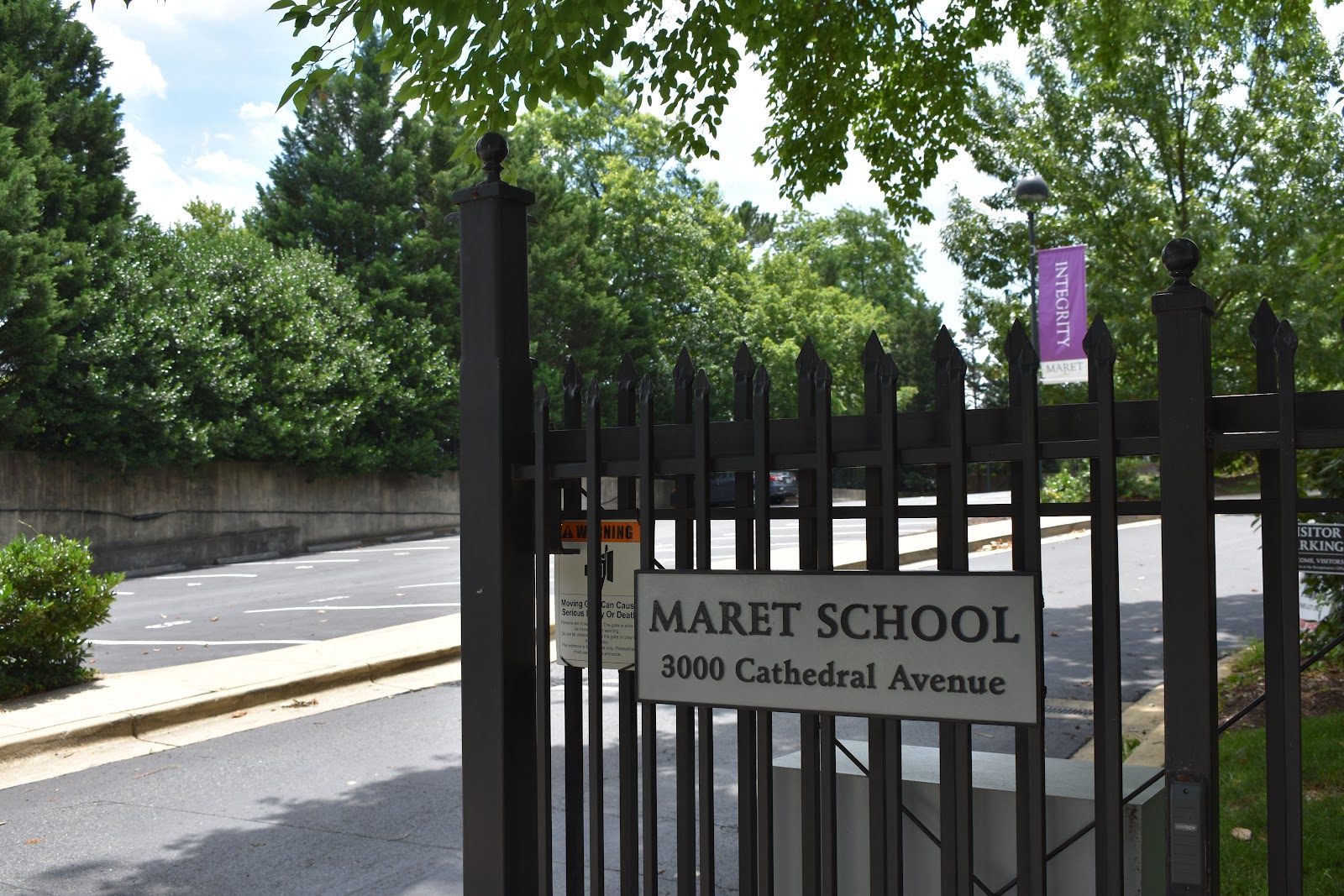
Maret School
Washington, D.C. · United States
A Federal-era Woodley Park estate carries forward the French-language roots planted by three immigrant sisters in 1911.
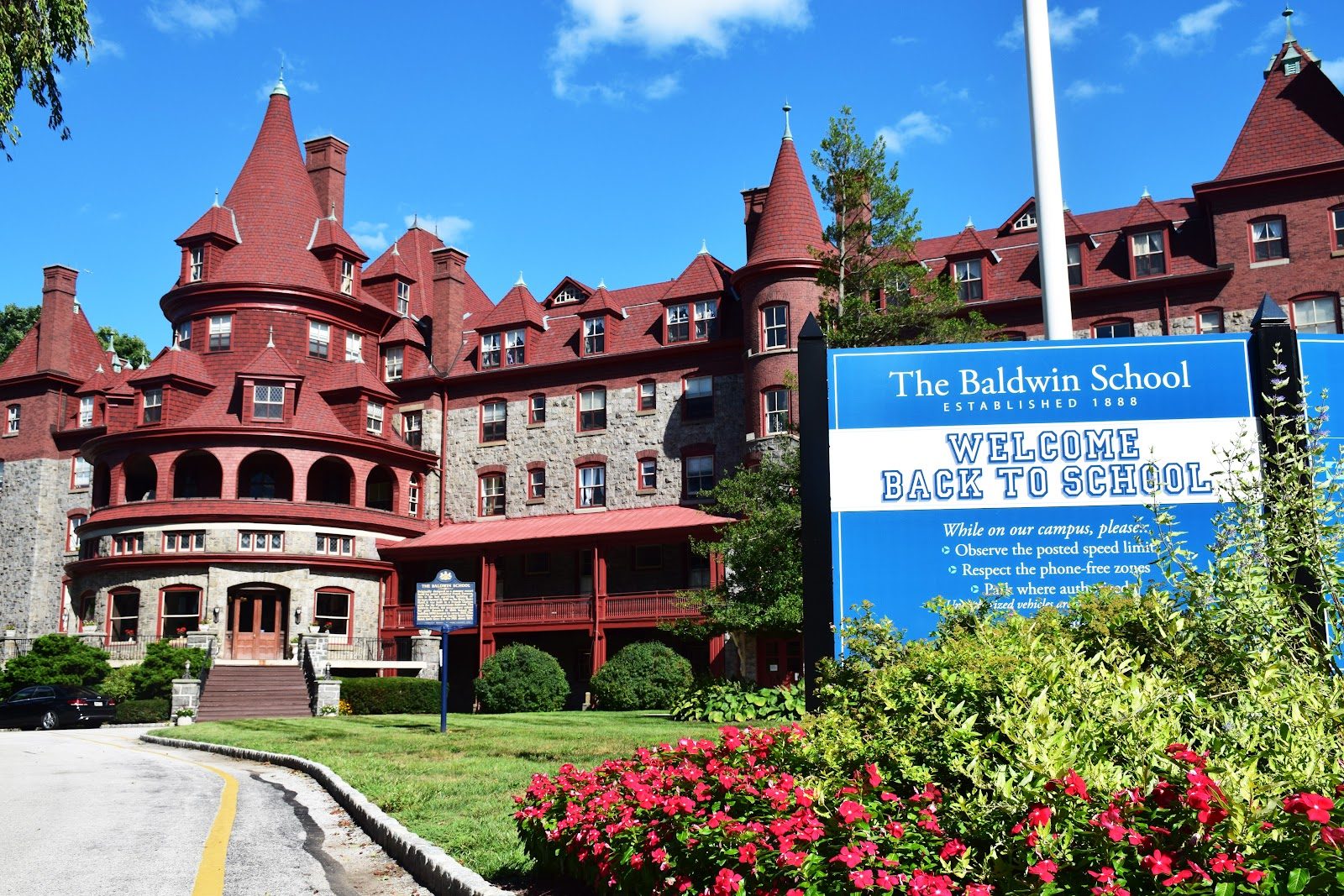
The Baldwin School
Bryn Mawr · United States
Since 1888, a single-sex college-prep tradition on Philadelphia's Main Line, housed in Frank Furness's landmark former Bryn Mawr Hotel.
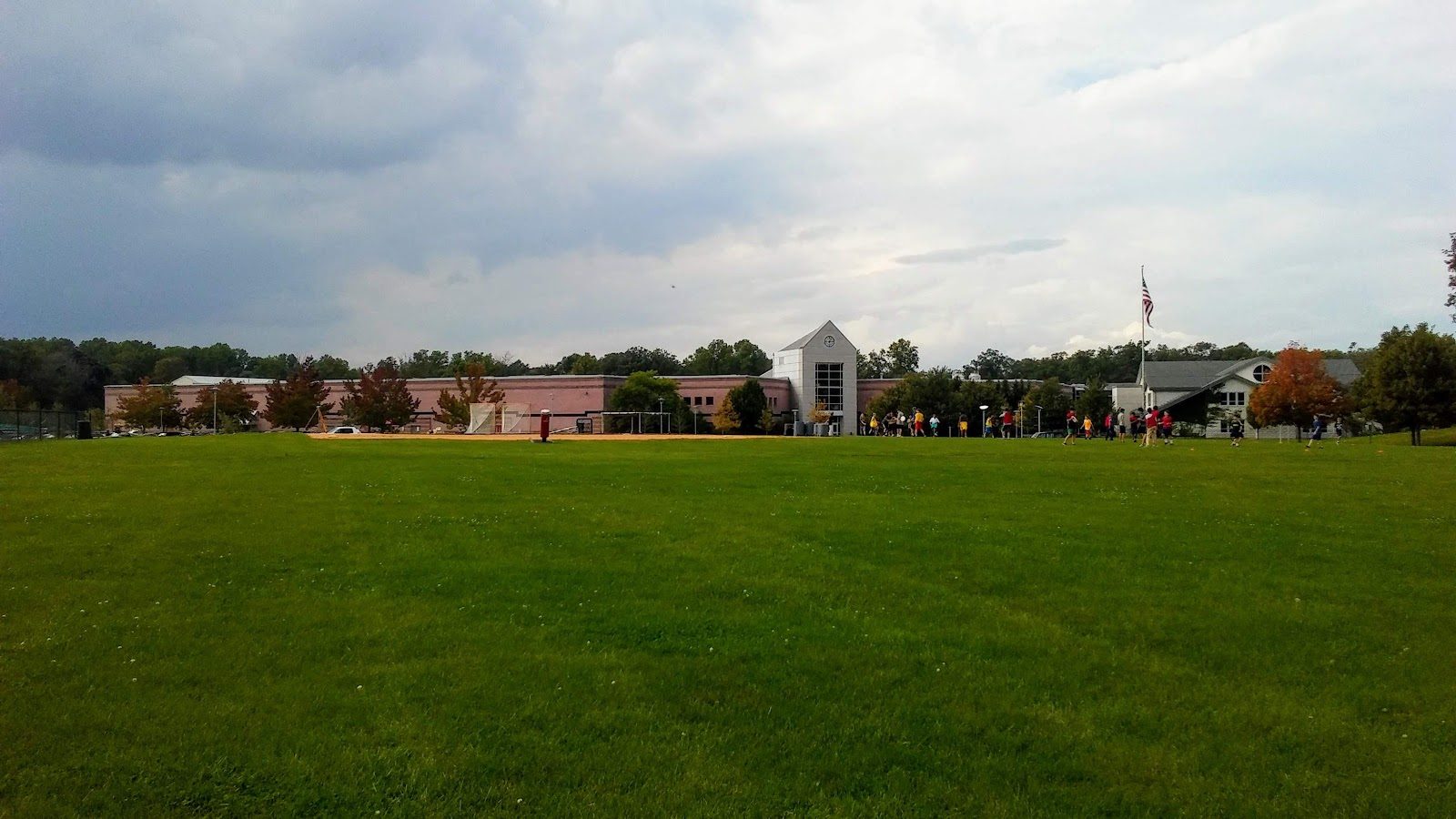
The Pingry School
Basking Ridge · United States
A 1861-founded New Jersey day school whose soccer pitches were deemed fit to host Morocco's 2026 World Cup training camp.
The Branson School
Ross · United States
A Marin hillside campus that skips AP tests for honors depth, immersive electives, and outdoor-education fieldwork.
Same country and curriculum — closest matches within ±10 points either way