
California
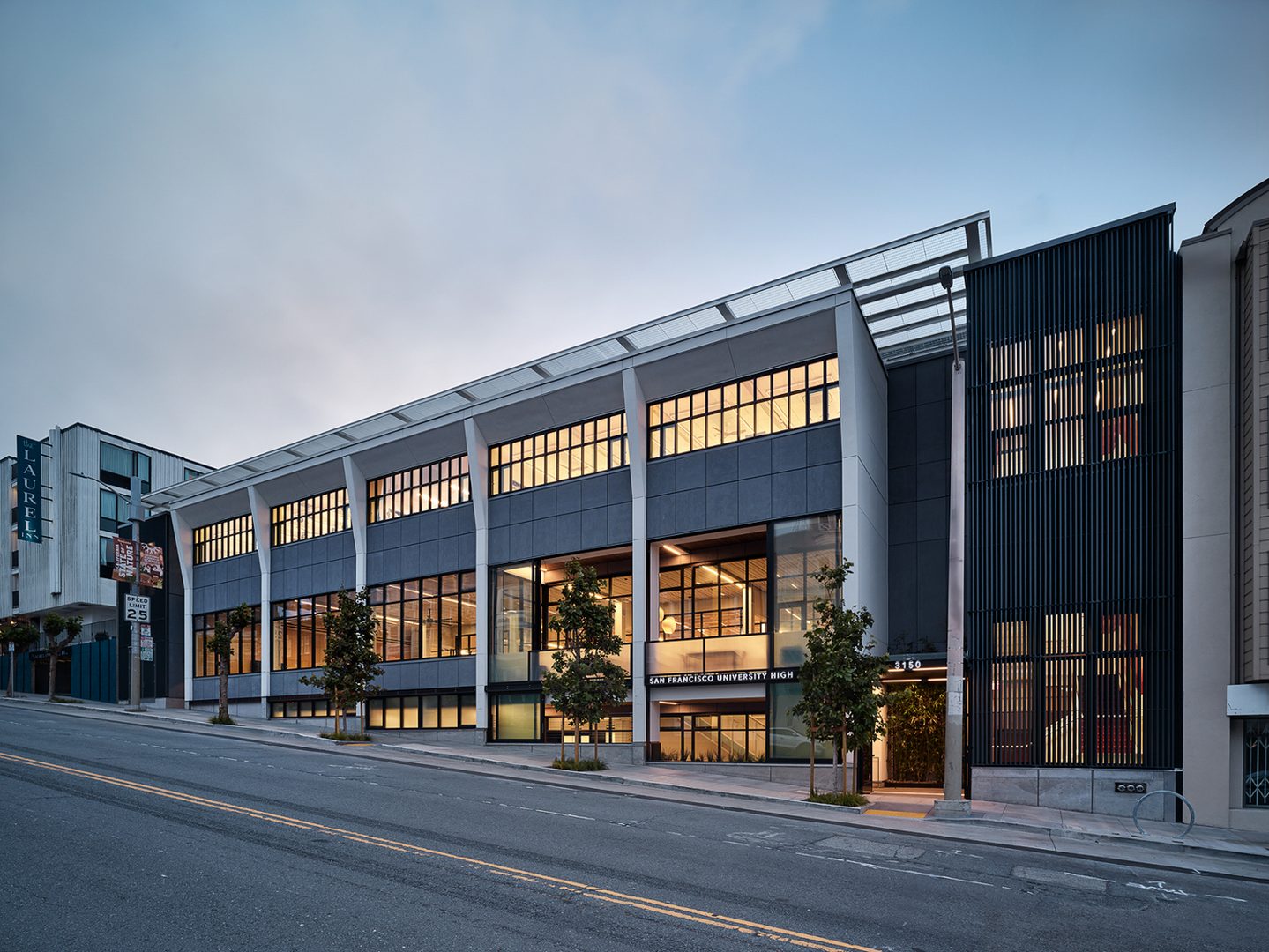
Inside a 1917 Julia Morgan building in Pacific Heights, a signature Civilization seminar drives independent-study scholarship.
Type
Day
Ages
14–18
Curriculum
American
Qualifications
AP
Ratio
10:1
The Verdict
Editor's commitment
Right for
Bright self-starters who will use a 10:1 ratio, 199 courses and the signature independent-study culture to do serious intellectual work.
Wrong for
Families unwilling to pay an average US$68,090 day fee, or teenagers who need heavy structure rather than agency and self-direction.
Watch out for
At 517 students, with 95 middle schools represented and 33 home languages, this is diverse and urban, not cosy or homogenous.
Ranking breakdown
San Francisco University High School · #227 of 1591
Composite score 74.7. 8 weighted criteria.
By criterion
Academic Outcomes
Weight 20%
#208
of 1529 scored
University Placement
Weight 16%
#219
of 1529 scored
Prestige & Heritage
Weight 12%
#393
of 1529 scored
Alumni Network
Weight 12%
#306
of 1529 scored
Facilities
Weight 12%
#419
of 1529 scored
Transparency & Communications
Weight 8%
#289
of 1529 scored
Peer & Industry Review
Weight 10%
#387
of 1529 scored
Admissions Selectivity & Demand
Weight 8%
#198
of 1529 scored
Score history
San Francisco University High School · 2026
Movement across 2024–2026. Peer average overlaid.
Overall — 2024–2026
74.7/ 100
▲ +28.5 vs 2025
year on year
Peer & Industry Review
How San Francisco University High School is regarded in the sector
82
Strong · medium confidence
San Francisco University High School is consistently regarded as one of the top independent day schools in the Bay Area and nationally, frequently cited alongside Lakeside, Harvard-Westlake, and other elite prep schools in college counseling and independent school circles. It has a strong reputation for sending graduates to highly selective universities and is a member of respected consortia like the Ten Schools Admissions Organization equivalents on the West Coast, with robust alumni networks in tech and finance sectors reported in local press like the San Francisco Chronicle. However, it lacks the extensive international/expat press coverage (e.g., Tatler-style rankings) that would push it into the top global tier.
Evidence sources
Editors' overview
Inside a 1917 Julia Morgan building in Pacific Heights, San Francisco University High School trades on a clear intellectual signature: the serious seminar school. The draw is not scale but texture. This is a 14–18 American day school with 517 students, a 10:1 student-teacher ratio and average class size of 18, small enough for discussion to matter and large enough to sustain range. The course menu is extensive for a school of this size — 199 courses, including 103 electives — and more than 60 per cent of students complete at least one Independent Study project. That matters. Plenty of American independents talk about student agency; UHS has built actual structures for it. The result is a school for teenagers who want argument, reading, writing and self-directed work, not a highly managed march through preset lanes.
The numbers also give a sharper sense of culture than the mission language does. Students arrive from 95 middle schools across 53 zip codes; 33 languages are spoken at home; 60 per cent of students self-identify as students of colour. This is not a parochial enclave, despite the Pacific Heights address. Nor is it a school that treats the arts and sport as decorative extras: 80 per cent of students take more than the two-year arts requirement and 81 per cent play on at least one team each year. The faculty profile is strong: 69 teachers, 81 per cent with advanced degrees, and an average of 10 years teaching at UHS. That points to a staff body with subject command and institutional memory, not a revolving cast of young enthusiasts. Accreditation from NEASC and NAIS adds external credibility, though the school does not publish exam outcomes in the information we have seen, so parents looking for clean, headline academic metrics will find *less transparency than the fee level invites*.
And the fee level is serious: an average annual day fee of $68,090 across the full four-year ladder. That places UHS firmly in the expensive top tier of San Francisco day schools, so it needs to justify itself on intellectual character, adult teaching and peer quality rather than glossy facilities rhetoric. On that front it has a persuasive case. This is a thinking student’s school: strong for the teenager who relishes seminar discussion, values independence, wants access to a broad elective menu, and does not need institutional hand-holding to stay organised. It is *not for the student who wants spoon-feeding*, a big-football-school social machine, or a brand built around public exam statistics. UHS belongs on a shortlist for families seeking a serious, self-directed urban independent school with real academic agency, a diverse intake and enough scale to keep ambitious students stretched.
Academic Performance
UHS does not publish the clean external-outcomes grid many fee-conscious parents expect. We have not seen SAT, ACT, AP or aggregate matriculation data in the public domain, and the school does not foreground score-chasing in the way some American independents do. That does not read as academic weakness; it reads as institutional choice. The academic proposition here centres on depth over leaderboard optics: discussion-heavy teaching, substantial elective range, and a conspicuous commitment to independent study. For families comparing schools on hard-score transparency, that leaves UHS at a disadvantage against peers that release full testing profiles and college lists with greater precision. For families more interested in intellectual formation than in spreadsheet bragging rights, the omission is less troubling.
Relative to peer schools, UHS sits in the serious seminar camp rather than the results-marketing camp. The strongest public indicators point to demanding internal academics: 199 courses, more than 100 electives, and independent research embedded deeply enough that a clear majority of students complete at least one substantial project. That profile fits a school aiming to produce articulate, self-directed graduates rather than polished test-taking machines. The trade-off is plain. Parents get a persuasive picture of academic culture, but not a full statistical audit of outcomes. In a market where many elite day schools publish more by way of external benchmarks, UHS remains selective, confident and opaque.
Facilities
The physical plant is stronger than many urban day schools can manage. The anchor is the Julia Morgan main building, which gives UHS architectural distinction without reducing the campus to heritage theatre. What matters more is the working academic inventory around it: the Dennis A. Collins Library, multiple STEM labs, dedicated humanities classrooms, a student centre and a 400-seat theatre. For a school of this scale, that is a serious spread. The newer California Campus adds 50,000 square feet, which helps explain how UHS sustains a broad elective menu and independent-study culture without feeling cramped. Parents comparing it with other city-centre independents will find a campus built for actual use, not just admissions tours.
Sport is the more unusual strength. The Paul Goode Field in the Presidio gives UHS something many dense San Francisco schools lack: a proper home base for athletics rather than a patchwork of hired space. That matters because the school pushes participation hard, and the field turns that commitment into infrastructure. Peer schools with larger suburban sites still hold the advantage in sheer acreage, courts and all-in-one convenience. UHS does not match the country-club sprawl of those campuses. It does, however, beat many urban rivals on the quality and coherence of what it has, especially for theatre, labs and organised sport. The result is a campus that feels intellectually purposeful rather than lavish, and *far better equipped than its footprint first implies*.
Inside a 1917 Julia Morgan building in Pacific Heights, San Francisco University High School trades on a clear intellectual signature: the serious seminar school
Prestige
UHS carries real prestige in the Bay Area independent-school market, but not the vulgar kind built on constant score-broadcasting or social theatrics. Its status rests on selectivity, intellectual identity and the calibre of the student body it attracts from across the city. A school drawing teenagers from 95 feeder schools and 53 postcodes has reach, not just neighbourhood cachet. The Pacific Heights address and the Julia Morgan building add polish, but the stronger prestige marker is institutional seriousness: a school confident enough to organise itself around seminar teaching, independent scholarship and sustained adult-student mentorship. The alumni signal helps too. Wikidata records 14 notable alumni, including a spread across the arts and one star-tier award winner. That is not an industrial celebrity pipeline, but it is credible evidence of cultural reach.
I rate the prestige as high, though specialised. UHS has the standing of a thinking family’s school: admired by parents who value scholarship, writing, discussion and independence, and less useful for those chasing obvious brand spectacle. Its financial aid commitment strengthens that standing because it broadens the intake rather than narrowing it to one economic stratum. The result is earned prestige, not just expensive prestige. The limit is transparency. Schools at this fee level that publish fuller university placement and testing data make a cleaner public case for academic dominance. UHS relies instead on reputation, programme design and peer perception. For many San Francisco families, that is enough; for a hard-nosed international parent, it leaves a deliberate gap in the prestige argument.
Plenty of American independents talk about student agency; UHS has built actual structures for it
Communications
UHS communicates like a school that expects parents to read carefully and keep up. The public-facing essentials are in place: a live calendar, news stream, event notices, clear navigation by section, and a compact statistical snapshot of the school’s character. That matters because this is not a sprawling institution with diffuse messaging; it has a defined programme and communicates it in direct, institutional terms. The tone is serious rather than glossy. Parents get a coherent picture of what the school values — independent work, mentoring, equity, arts, sport and student wellbeing — without the usual admissions froth. The breadth of the student body also points to a communications operation that has to function across different neighbourhoods, schedules and family backgrounds, and the school’s own data on 33 home languages and 95 feeder schools underlines that challenge.
The strength is clarity of identity. UHS tells parents what kind of place this is, and for whom it works. The weakness is the same one visible elsewhere in its public posture: selective opacity on outcomes. Families can find plenty about philosophy, programme structure and community life, but less hard-edged performance reporting than an expensive American day school ought to publish. That does not make communication poor; it makes it disciplined, controlled and incomplete. For current parents, that tightness will suit those who value substance over chatter. For prospective parents making fine comparisons at this fee level, it leaves an obvious gap: the school explains its educational model better than it documents its academic yield.
Uniqueness
What sets UHS apart is not prestige signalling or scale. It is the way the school has built independent intellectual work into the bloodstream of teenage life. More than 60% of students complete an Independent Study project, which is a far more concrete marker of academic agency than the usual private-school talk about student voice. Add the long-running mentoring programme and the four-year Institute for Responsive Education, and the model becomes clear: UHS does not just teach subjects; it trains adolescents to manage themselves, test ideas, reflect on their choices and work with adults in serious ways. For the right student, that is genuinely distinctive. Many schools produce compliant high-achievers. UHS aims for self-propelled ones.
The other point of difference is the school’s urban civic texture. A student body drawn from 95 middle schools and speaking 33 home languages gives classroom discussion more friction, range and social reality than one gets in a narrow enclave school. The school’s roots in Summerbridge, later the Breakthrough Collaborative, also matter because they place equity work inside the institution’s history rather than at the level of fashionable rhetoric. That combination — serious seminar culture, structured self-direction and a city-wide intake — gives students an education with more argument, more perspective and less cosseting. It suits teenagers who want to think for themselves and can tolerate being pushed to do exactly that.
The result is a school for teenagers who want argument, reading, writing and self-directed work, not a highly managed march through preset lanes
Student Profile
The UHS student is academically ambitious, verbally confident and comfortable with adults who expect independent thought rather than passive compliance. This is a school for teenagers who like class discussion, can handle being challenged in public, and get energy from ideas rather than from status display alone. The intake is socially and culturally mixed in a way that gives classroom life real range: students arrive from 95 middle schools, represent 53 zip codes and speak 33 home languages. That breadth matters because it changes the texture of debate, group work and friendship patterns. Students who fit well here tend to have intellectual stamina, strong self-management and a willingness to engage seriously with difference. They do not need to be hyper-polished on arrival, but they do need curiosity, resilience and the confidence to contribute.
The best fit is the teenager who wants room to shape their own education and will actually use that freedom. UHS rewards students who read closely, write well, ask good questions and can keep themselves organised across a demanding week. It also suits students with genuine commitments beyond the core classroom, whether in the arts, sport or self-directed academic work. It is not a natural home for the child who wants constant hand-holding, craves a socially dominant big-school scene, or needs external pressure for every deadline. Nor is it a refuge for quiet coasting. The peer culture is bright, busy and exacting. For the right student, that creates a serious, adult atmosphere that sharpens both scholarship and character.
The numbers also give a sharper sense of culture than the mission language does
Co-curricular strengths
Arts & sport, on a separate axis
Overall 8.4/10
Scored 0-10 from the school's own published evidence. This axis is editorial-only — it does not feed the main WTS ranking.
Sports
8/10
Highly competitive BCL West league tracking, balancing urban space constraints with high-intensity cross-country, tennis, and soccer training.
Drama
9/10
Highly sophisticated theatrical seasons running demanding classical texts and contemporary plays inside premium theater spaces.
Dance
7.5/10
Offers dedicated sprung-floor studio tracks that provide core choreography assets for major mainstage productions.
Music
8.5/10
Robust private vocal and instrumental infrastructure feeding active jazz big bands and full chamber symphonies.
Visual Arts
9/10
Outstanding studio depth with dedicated spaces for digital media, filmmaking, and traditional fine art portfolios.
Editor-verified · 8/6/2026
Notable alumni · Wikidata
14notable alumni
0 historic (born pre-1930) · 11 modern (born post-1970)wikidata:2026-07-28 How we source this
WTS 300 badge
2025/26 editionSan Francisco University High School is one of the World's Top 300 Schools for 2025/26. Claim your listing to add it to your site →
Strengths
- +Very low student-to-faculty ratio of 7:1 with an average class size of about 14 students, per Wikipedia and school data.
- +100% of graduates matriculate to four-year colleges, according to Niche and the school's own reporting.
- +Substantial need-based financial aid program: in 2025-2026 about 21% of students received roughly $5.4 million in aid.
- +Diverse community for an independent school: about 60% of students self-identify as students of color and 33 languages are spoken at home.
- +Founded the Breakthrough Summerbridge program in the 1970s, a free academic-enrichment initiative for underserved middle schoolers that has since grown into a national affiliate network.
Considerations
- −Tuition is steep, listed at $64,850 for 2025-2026, placing it among the priciest Bay Area day schools.
- −Admission is highly selective, with roughly 700-750 freshman applications for about 120-135 places each year and reported acceptance rates in the high-teens to low-20s percent.
- −Day school only, so relocating or international families must arrange independent local housing rather than boarding on-site.
- −Campus is spread across five separate urban buildings in Pacific Heights rather than a single consolidated site with expansive playing fields.
Availability
Primary entry gate & tests
ISEE/SSAT + Interview
Parent reviews
Have you sent your child here?
Voice reviews carry the strongest trust badge — we transcribe them for you to tidy up before they go live. Prefer to type? A written review is fine too.
Add your voice
In 60 seconds, tell other parents: what's the best thing about San Francisco University High School, and what surprised you when your child joined?
We ask for a Google sign-in so every review has a real face behind it — no anonymous drive-by attacks on schools, and no faked positive reviews. Your email is never shown publicly.
Send this profile to a friend
International parents rely on word-of-mouth. Share this review with someone weighing the same decision.
Schools with places
Similar schools to San Francisco University High School with places available now.
Ethical Culture Fieldston School
New York City · United States
- 2026-27
- WAITPOOLLimited late availability
- 2027-28
- OPENS SOONOpens post-Labor Day '26
Saint Ann's School
Brooklyn · United States
- 2026-27
- WAITPOOLLate / attrition-dependent
- 2027-28
- OPENS SOONOpens 8 Sept '26
Riverdale Country School
New York City · United States
- 2026-27
- WAITPOOLLate application possible
- 2027-28
- OPENS SOONOpens 8 Sept '26 (Noon ET)
Friends Seminary
New York City · United States
- 2026-27
- WAITPOOLLate/held pending openings
- 2027-28
- OPENS SOONExpected Sept '26
Availability first, then country, area, curriculum, price, co-curricular
Consider also
Also worth looking at alongside San Francisco University High School.
Rye Country Day School
Rye · United States
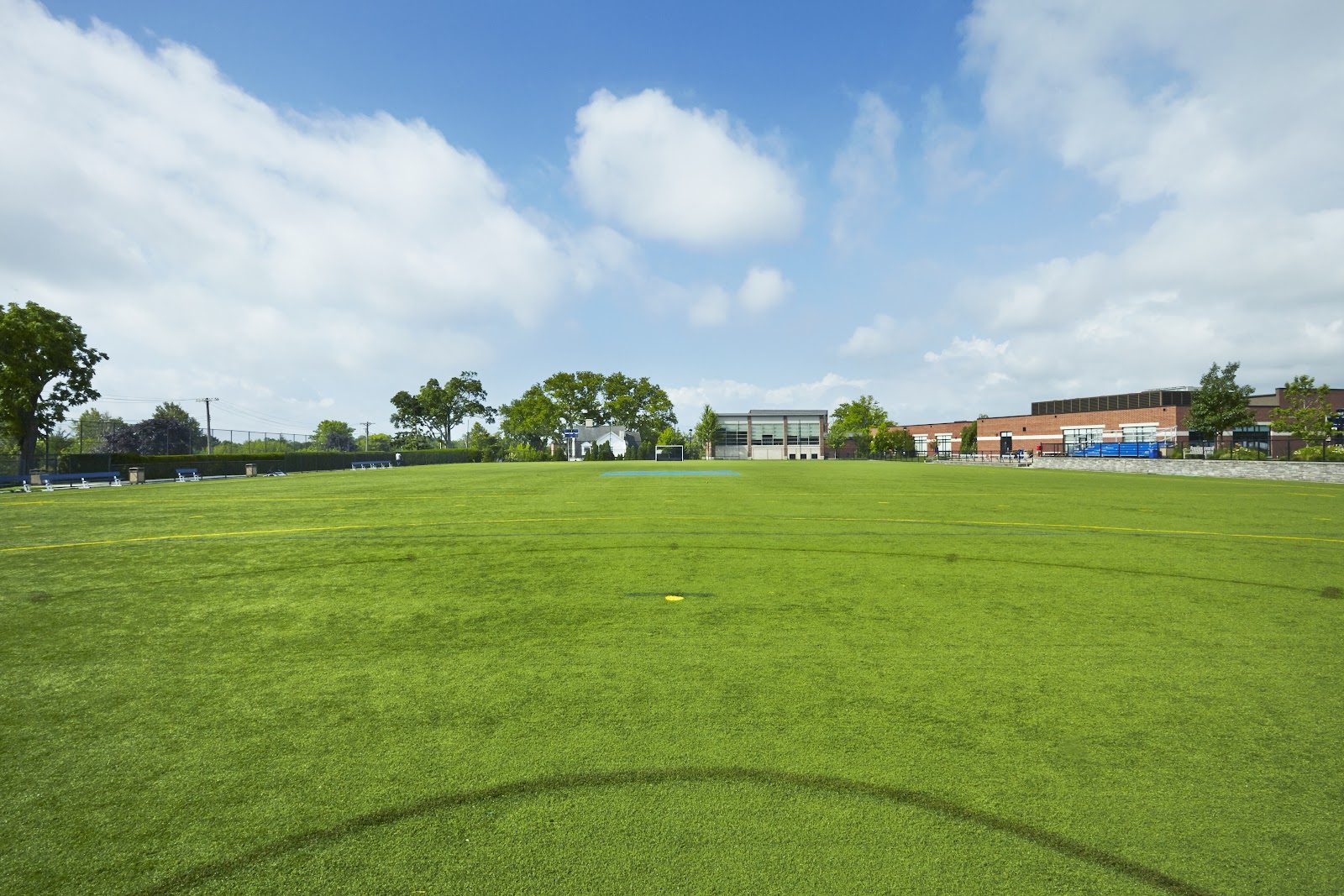
Founded in 1869 as a girls' seminary in Westchester, this campus still measures success by its motto: not for self, but for service.
Packer Collegiate Institute
Brooklyn · United States
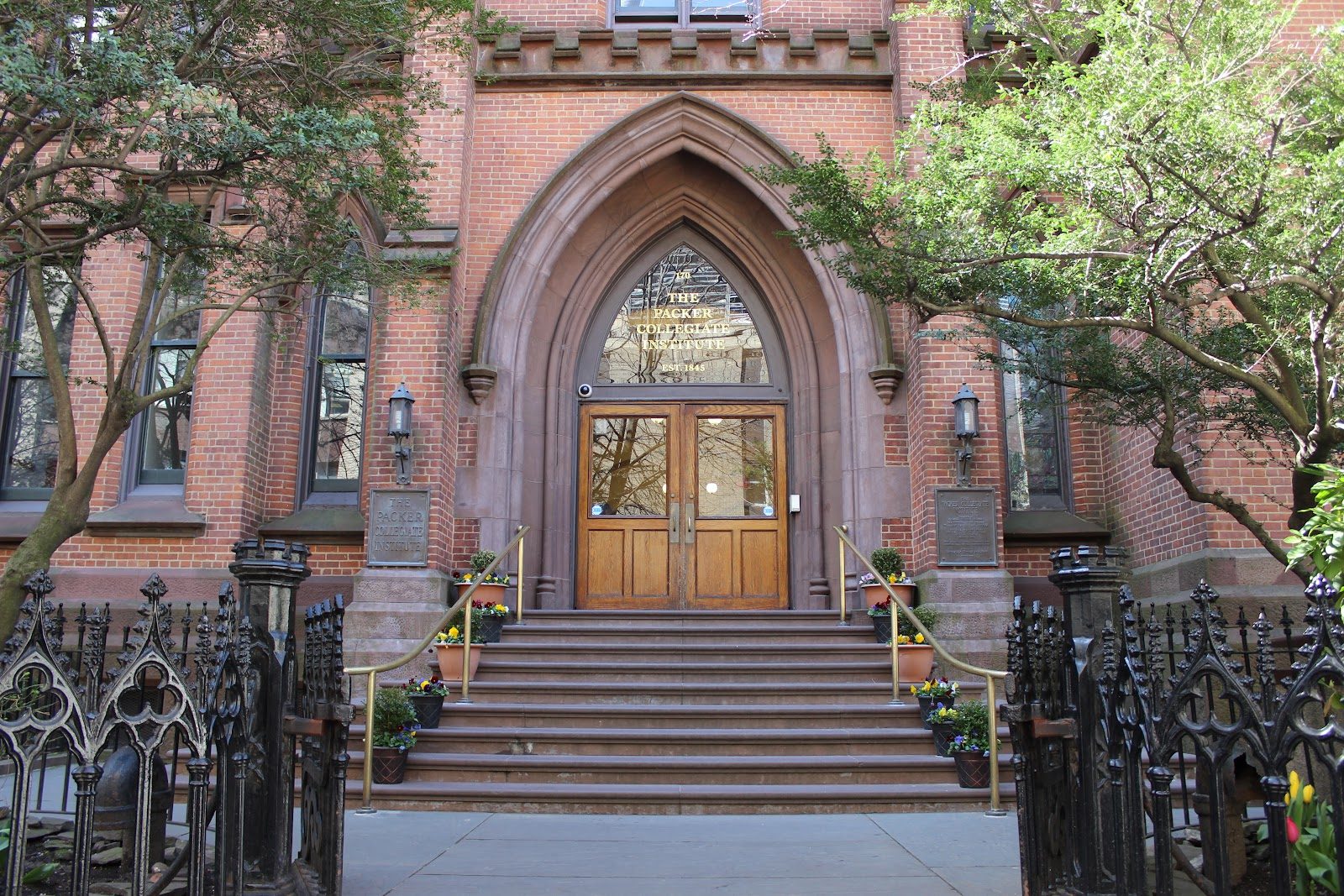
Brooklyn Heights' oldest independent school, its 1854 Gothic Revival chapel still glowing with Tiffany glass a single subway stop from Manhattan.
Ethical Culture Fieldston School
New York City · United States
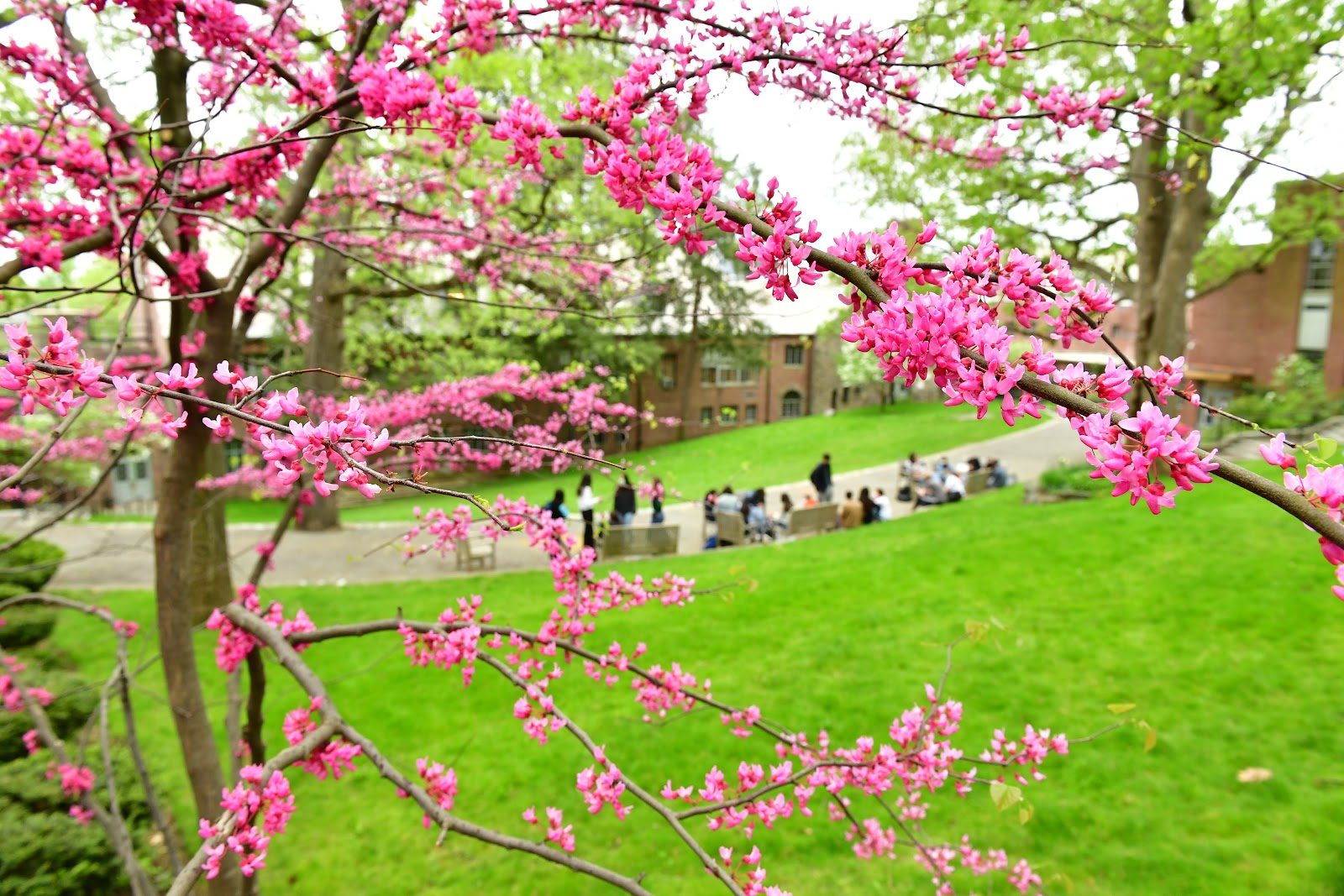
Rooted in Felix Adler's 1878 Ethical Culture movement, its wooded Riverdale hilltop campus still anchors progressive American pedagogy.
Convent of the Sacred Heart (NYC)
New York City · United States
Since 1881, New York's oldest girls' school has taught inside two landmarked Fifth Avenue mansions.
Same country and curriculum — closest matches within ±10 points either way