
Texas
The Kinkaid School
low confidence· 1/6 cats · 2.67 avg sourcesBorn of a teacher barred from Houston's classrooms for marrying, now the city's oldest coeducational day school on a wooded 65-acre campus.
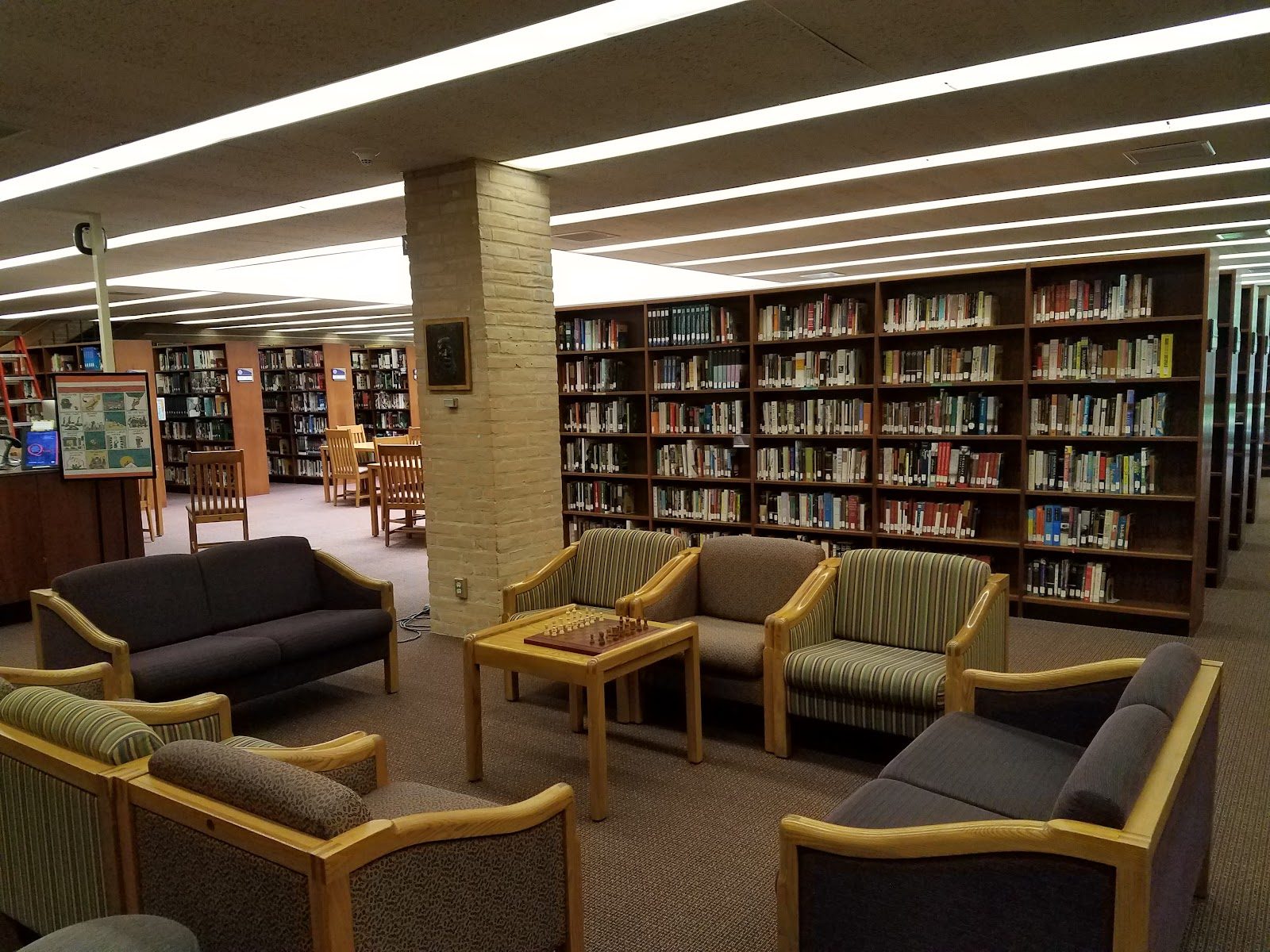
Photo © DAGOBERTO PAZ U via Google Maps
Type
Day
Ages
3–18
Curriculum
American (US High School Diploma) · AP (Advanced Placement)
Ratio
8:1
The Verdict
Editor's commitment
Right for
Houston families wanting a non-religious, coeducational day school with AP, a 64.5-acre campus, 24 sports and 84 arts productions.
Wrong for
Families chasing boarding, a religious frame, or a niche specialist school; Kinkaid serves 1,469 pupils aged 3–18 in one broad model.
Watch out for
The average annual day fee is $32,500, and Kinkaid advertises 100% four-year college placement; ask what that record means in practice.
Ranking breakdown
The Kinkaid School · #555 of 1591
Composite score 68.2. 8 weighted criteria.
By criterion
Academic Outcomes
Weight 20%
#334
of 1529 scored
University Placement
Weight 16%
#305
of 1529 scored
Prestige & Heritage
Weight 12%
#212
of 1571 scored
Alumni Network
Weight 12%
#1301
of 1530 scored
Facilities
Weight 12%
#193
of 1533 scored
Transparency & Communications
Weight 8%
#254
of 1532 scored
Peer & Industry Review
Weight 10%
#300
of 1548 scored
Admissions Selectivity & Demand
Weight 8%
#369
of 1529 scored
Peer & Industry Review
How The Kinkaid School is regarded in the sector
78
Strong · medium confidence
Kinkaid is consistently ranked among Houston's top private schools by Niche.com and local publications like Houstonia Magazine and Houston Chronicle education coverage, and is regarded as a peer institution to St. John's School and The Awty International School in Houston's private school landscape. Its strong college matriculation record (frequently cited alongside Ivy League and top-tier university acceptances) and robust athletics/arts programs give it solid regional recognition, though it lacks the international profile or specialist press coverage (e.g., Tatler, Good Schools Guide) that would place it in the very top tier globally.
Evidence sources
- Dan Crenshaw — U.S. Representative, Politics
- Rich Kinder — Co-founder & Executive Chairman, Kinder Morgan, Business
- John L. Nau III — CEO, Silver Eagle Distributors, Business
Editors' overview
The Kinkaid School carries an origin story that still matters: it grew from the work of Margaret Kinkaid, a teacher barred from Houston’s public classrooms after marrying, and it has since become the city’s oldest coeducational day school. That history gives the place more backbone than polish. On a 64.5 acre campus with 1469 pupils from Pre-K to 12th grade, Kinkaid operates as a full-spectrum American college-preparatory school with AP in the upper years, and it does so at serious scale. This is not an intimate progressive enclave; it is a big, established, socially visible Houston independent school with the breadth that scale buys: 24 sports, 84 visual and performing arts productions, and a school culture that puts academics, sport, arts and conduct on the same table.
What puts Kinkaid on a shortlist is not novelty but range, continuity and institutional weight. Parents looking for a single-school journey from age 3 to 18, in English, on one campus, with strong co-curricular infrastructure and a clear route into four-year colleges will find a coherent proposition here. The school states that 100 per cent of students are accepted to four-year accredited colleges and universities, 62 per cent of faculty hold advanced degrees, and students complete more than 3,000 service hours. NAIS accreditation gives it a recognised independent-school stamp, but the stronger signal is the school’s long-settled place in Houston’s upper tier. The average annual day fee is $32,500, which places Kinkaid in the expensive bracket, though not at the most inflated edge of the US private-school market.
The trade-off is clear. Kinkaid is built for families who want a structured, high-expectation environment rather than experimentation, and for children who will use the breadth on offer rather than hide from it. The stated emphasis on honesty, respect, responsibility and kindness reads less like branding than a code for managing a large, ambitious student body. This suits students who are academically capable, busy, resilient and comfortable in a competitive, high-participation setting where sport, arts and service carry real weight alongside grades. It is a weaker fit for children who need a small, low-pressure or unconventional school culture. Kinkaid’s appeal rests in its combination of history, scale and finish: a formidable Houston day school for families who want substance, options and a strong social as well as academic network.
Academic Performance
Kinkaid markets itself as a college-preparatory school and publishes a clean headline outcome: 100% of students gain admission to four-year accredited colleges and universities. That tells parents the floor is high. It does not, however, answer the sharper question of academic performance relative to direct peers. The school does not publish aggregate AP results, average SAT or ACT scores, National Merit totals, or a university destination breakdown in the public domain cited here. That gap matters. In the upper tier of American independent schools, strong outcomes are not enough; transparent outcomes reporting is the real separator. On that measure, Kinkaid is less open than the best-run peers that release fuller attainment data.
Even so, the academic picture is not hard to read. This is a serious, university-facing school with the scale, staffing depth and expectations to send students on to selective four-year institutions as a matter of course. The emphasis on rigour, balanced growth and ethical conduct points to a traditional independent-school model rather than a test-prep factory. Parents choosing among Houston’s top private schools should treat Kinkaid as *clearly strong but not numerically transparent*: a school with a credible college-placement record, but without the published exam data that would place it precisely against the most results-forward competitors.
Facilities
The physical offer is one of Kinkaid’s strongest cards. A wooded campus of this size gives the school room to do more than stack buildings around a car park: it can sustain serious provision across sport, arts and everyday school life without everything feeling cramped or improvised. The school advertises 24 sports and 84 visual and performing arts productions, which points to proper infrastructure behind the brochure line. Schools do not stage activity at that volume without dedicated performance, practice and athletics spaces, and that breadth matters for families who want a child’s week to extend well beyond lessons. Against Houston peers, this reads as a full-service independent-school plant: broad, well-resourced and built for constant use rather than occasional showcase.
What Kinkaid does not publish, at least publicly, is the kind of granular facilities map that would let parents benchmark with precision: no clear public breakdown here of theatres, specialist labs, maker spaces, swimming provision or standout signature buildings. That weakens hard comparison with peers that document every studio, field and innovation hub in forensic detail. Even so, the combination of large-scale enrolment, heavy arts output and deep sports menu places Kinkaid in the upper facilities tier of American day schools. This is not a boutique campus with one strong department carrying the rest; it is a high-capacity, multi-domain operation. Parents seeking intimate, low-stimulus surroundings should look elsewhere. Parents seeking range, throughput and infrastructure that can support an ambitious all-rounder will find substance here.
The public-facing message is high-control, values-heavy and unusually explicit about conduct
Prestige
Kinkaid carries real local prestige and a national-facing sheen, but its status rests more on institutional standing than on published academic brag sheets. In Houston’s independent-school hierarchy, it sits in the top social and educational tier: old, established, selective, and woven into the city’s professional and civic networks. The alumni record strengthens that case. Wikidata already captures 23 notable alumni across politics, business, journalism and the arts, with 1 star-tier award winner; that is a verified floor, not a ceiling. For parents, that matters less as celebrity garnish than as evidence of durable reach. Schools with this kind of alumni spread tend to confer contacts, recognition and a degree of social currency that extends beyond the classroom.
The school’s own priorities reinforce the prestige profile. It pushes a traditional independent-school formula: high standards, heavy participation, explicit character expectations, strong sport and arts, and a full-family community identity. That combination produces a polished, high-expectation brand of prestige rather than an intellectual bohemia or a purely exam-led machine. There is, however, a ceiling to how highly one can rate it nationally without fuller public outcomes data. The college-going result is strong, but prestige at the very top end also depends on hard disclosure: university destinations, testing profiles, top-end attainment. Kinkaid has stature, history and network power in abundance. What it lacks is the forensic transparency that separates the most self-assured schools from the merely well-established ones.
What puts Kinkaid on a shortlist is not novelty but range, continuity and institutional weight
Communications
Kinkaid communicates like a school that expects sustained parent engagement and intends to set the tone itself. The public-facing message is high-control, values-heavy and unusually explicit about conduct. Honesty, respect, responsibility and kindness are not left as decorative words in a crest; the school defines them in operational terms, including what members of the community do not do. That matters for parents, because it signals that communication is not limited to logistics and celebration. It also extends to behavioural boundaries, community standards and the school’s view of how adults and children are meant to operate together. The published mission, strategic drivers and DEI commitment add up to a tightly framed institutional voice: serious, confident and not casual.
That clarity is a strength. Parents who want a school to state its expectations plainly will find the messaging reassuringly direct. Families looking for a looser, more negotiable relationship may find it prescriptive. The website also carries enough top-line signals to orient a prospective parent quickly, including headline facts such as 100% four-year college acceptance, 62% faculty with advanced degrees and 3000+ service hours. Where communication falls short is depth. Kinkaid publishes ethos and headline outcomes more readily than the fine-grained academic data, facilities detail and comparative context that exacting parents use to test a school’s claims. In other words: strong on institutional clarity, weaker on forensic disclosure. For current families, that formula can work well. For hard-nosed prospective parents, it leaves unanswered questions.
Uniqueness
What marks Kinkaid out is not a gimmick or a branded specialism. It is the combination of origin, scale and social role. The school began with a teacher shut out of public education for marrying, and that backstory still gives it a strand of institutional steel that many polished independents lack. Add a long-settled place in Houston life, and Kinkaid becomes more than a school: it is a civic fixture with expectations attached. Students grow up inside a community that takes conduct seriously, states its values without irony, and links high performance to service, participation and public behaviour. The result is a culture with real ballast. Children do not just collect credentials here; they learn how to function in a large, visible, exacting institution.
That brings clear advantages. A pupil with energy and appetite gets unusual range on one campus, from sport to performance to community engagement, and does so inside a school large enough to sustain depth rather than tokenism. The school’s own figures point to this breadth: 84 arts productions, 24 sports, and more than 3,000 service hours. For students, that means repeated chances to lead, collaborate, compete and recover from setbacks in public. It also means exposure to a broad peer field rather than a small, self-selecting micro-school bubble. The trade-off is obvious: this is a high-visibility, high-demand environment. Students who thrive on momentum and external standards gain a great deal; those who need anonymity or looseness do not.
NAIS accreditation gives it a recognised independent-school stamp, but the stronger signal is the school’s long-settled place in Houston’s upper tier
Student Profile
Kinkaid suits children who can handle pace, structure and visibility. This is a school for students who do not want to disappear into the background: the timetable is full, the expectations are explicit and participation carries status. The best fit is an energetic, high-functioning pupil who can balance demanding academics with regular involvement in sport, arts and service, and who does not resent adults setting clear behavioural lines. The school’s own language about honesty, responsibility, respect and kindness points to a culture that rewards self-command as much as flair. Students who thrive here tend to be well-organised, socially adept and comfortable operating in a community where standards are public and accountability is built in. With 24 sports and 84 arts productions in play, there is room for different talents, but not much room for passivity.
The weaker fit is just as clear. Children who need a gentler, lower-pressure atmosphere, a highly alternative educational style or the shelter of a very small community will find this hard work. Kinkaid asks for resilience, adaptability and a willingness to be known. It also suits families who want their child educated among ambitious peers and inside a school with a socially confident, established parent body. The inclusive language on difference and civil disagreement matters, but this remains a high-expectation mainstream independent school, not a niche haven for eccentricity. Pupils who like momentum, competition and clear rules will do well. Pupils who recoil from scrutiny or sustained busyness will not.
The average annual day fee is $32,500, which places Kinkaid in the expensive bracket, though not at the most inflated edge of the US private-school market
Co-curricular strengths
Arts & sport, on a separate axis
Overall 9.12/10
Scored 0-10 from the school's own published evidence. This axis is editorial-only — it does not feed the main WTS ranking.
Sports
9.2/10
Absolute athletic powerhouse with massive acreage; fields historic, fiercely competitive football, lacrosse, and baseball programs within the SPC.
Drama
9.2/10
The spectacular arts complexes anchor an ambitious dramatic tracking program, mounting complex classical and modern plays.
Dance
9/10
Active afternoon performance track providing core choreography assets for major collaborative musical theater shows.
Music
9/10
Robust private vocal and instrumental infrastructure feeding active jazz big bands and full symphonies.
Visual Arts
9.2/10
Studio-intensive fine arts focus housed within custom studio environments, prioritizing landscape painting and portfolio layout.
Editor-verified · 8/6/2026
Notable alumni · Wikidata
23notable alumni
1 historic (born pre-1930) · 7 modern (born post-1970)wikidata:2026-08-02 How we source this
Strengths
- +Founded in 1906, Kinkaid is the oldest independent coeducational school in Greater Houston, giving it a long-established institutional track record.
- +Sits on a 40-acre campus in Piney Point Village with separate divisional buildings for Lower, Middle and Upper School, plus dedicated auditorium and gymnasium facilities.
- +Admissions are explicitly need-blind, with financial aid decided entirely separately from the admission decision.
- +Reports that 100 percent of graduates are admitted to four-year colleges and universities, with recent matriculations including Princeton, Columbia, Harvard and MIT.
- +Offers a broad Advanced Placement and Honors track structure across English, history, math and science, alongside a distinctive January Interim Term of electives, foreign study and career shadowing.
Considerations
- −Tuition is substantial, running from roughly $30,000 in Lower School to over $37,000 in Upper School for 2025-26, before fees and one-time new-student charges.
- −Entry is effectively limited to a handful of natural intake points (Pre-K, Kindergarten, Sixth Grade, Ninth Grade), which narrows flexibility for families relocating mid-cycle.
- −The application process requires the ISEE (or WPPSI for younger entrants), multiple teacher recommendations and an interview, adding logistical hurdles for overseas applicants unfamiliar with the US private-school admissions calendar.
- −As a single, large day campus roughly eight miles from central Houston, it lacks a boarding option, requiring day-commute logistics for relocating families without local housing already arranged.
Availability
Primary entry gate & tests
ISEE + Interview
Gallery
Photo © DAGOBERTO PAZ U via Google Maps
Photo © Hoss Bozorgmanesh via Google Maps
Photo © Hoss Bozorgmanesh via Google Maps
Photo © Hoss Bozorgmanesh via Google Maps
Photo © Hoss Bozorgmanesh via Google Maps
Photo © Hoss Bozorgmanesh via Google Maps
Photo © Hoss Bozorgmanesh via Google Maps
Photo © Hoss Bozorgmanesh via Google Maps
Photo © Hoss Bozorgmanesh via Google Maps
Parent reviews
Have you sent your child here?
Voice reviews carry the strongest trust badge — we transcribe them for you to tidy up before they go live. Prefer to type? A written review is fine too.
Add your voice
In 60 seconds, tell other parents: what's the best thing about The Kinkaid School, and what surprised you when your child joined?
We ask for a Google sign-in so every review has a real face behind it — no anonymous drive-by attacks on schools, and no faked positive reviews. Your email is never shown publicly.
Send this profile to a friend
International parents rely on word-of-mouth. Share this review with someone weighing the same decision.
Schools with places
Similar schools to The Kinkaid School with places available now.
Availability first, then country, area, curriculum, price, co-curricular
Consider also
Also worth looking at alongside The Kinkaid School.
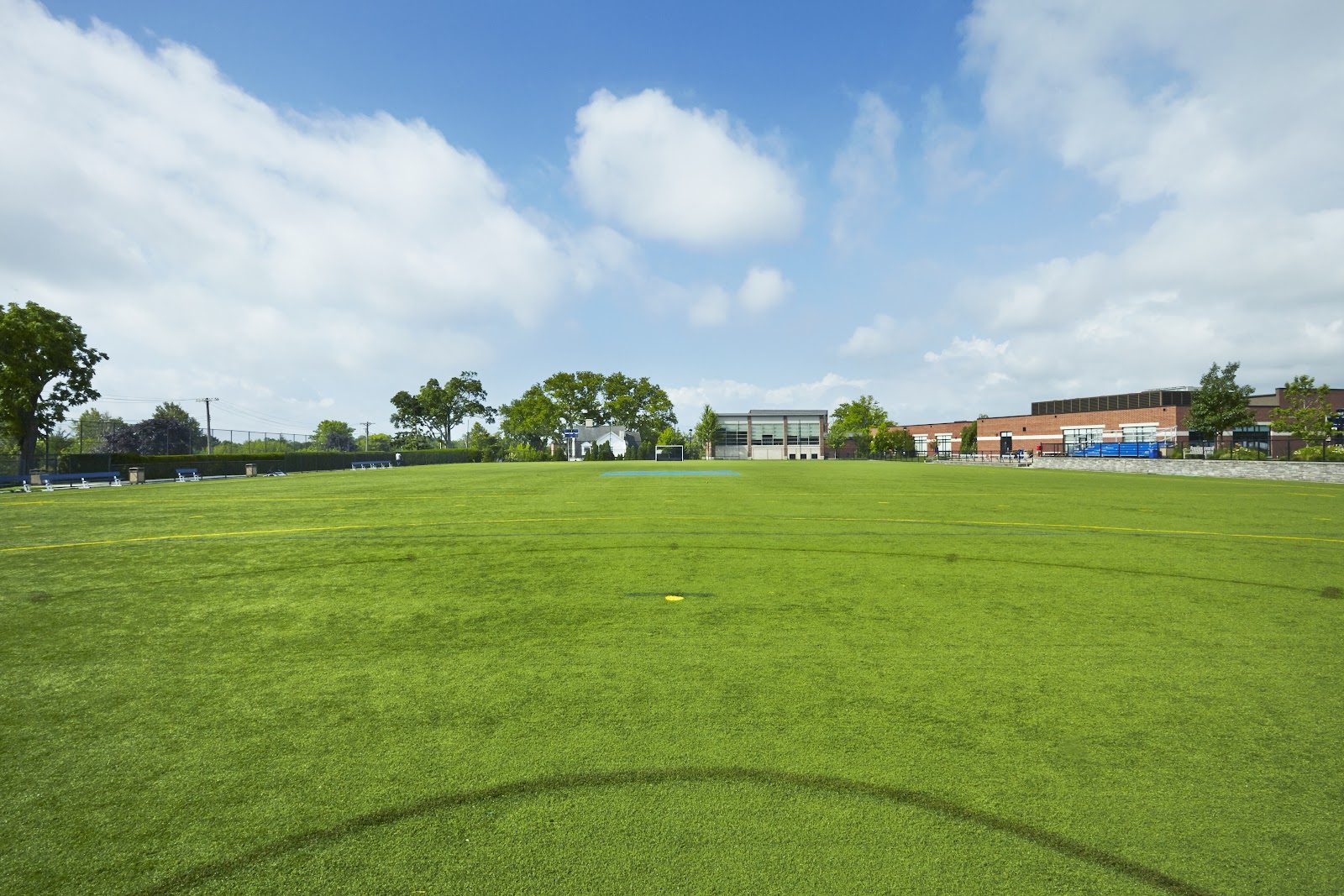
Rye Country Day School
Rye · United States
Founded in 1869 as a girls' seminary in Westchester, this campus still measures success by its motto: not for self, but for service.
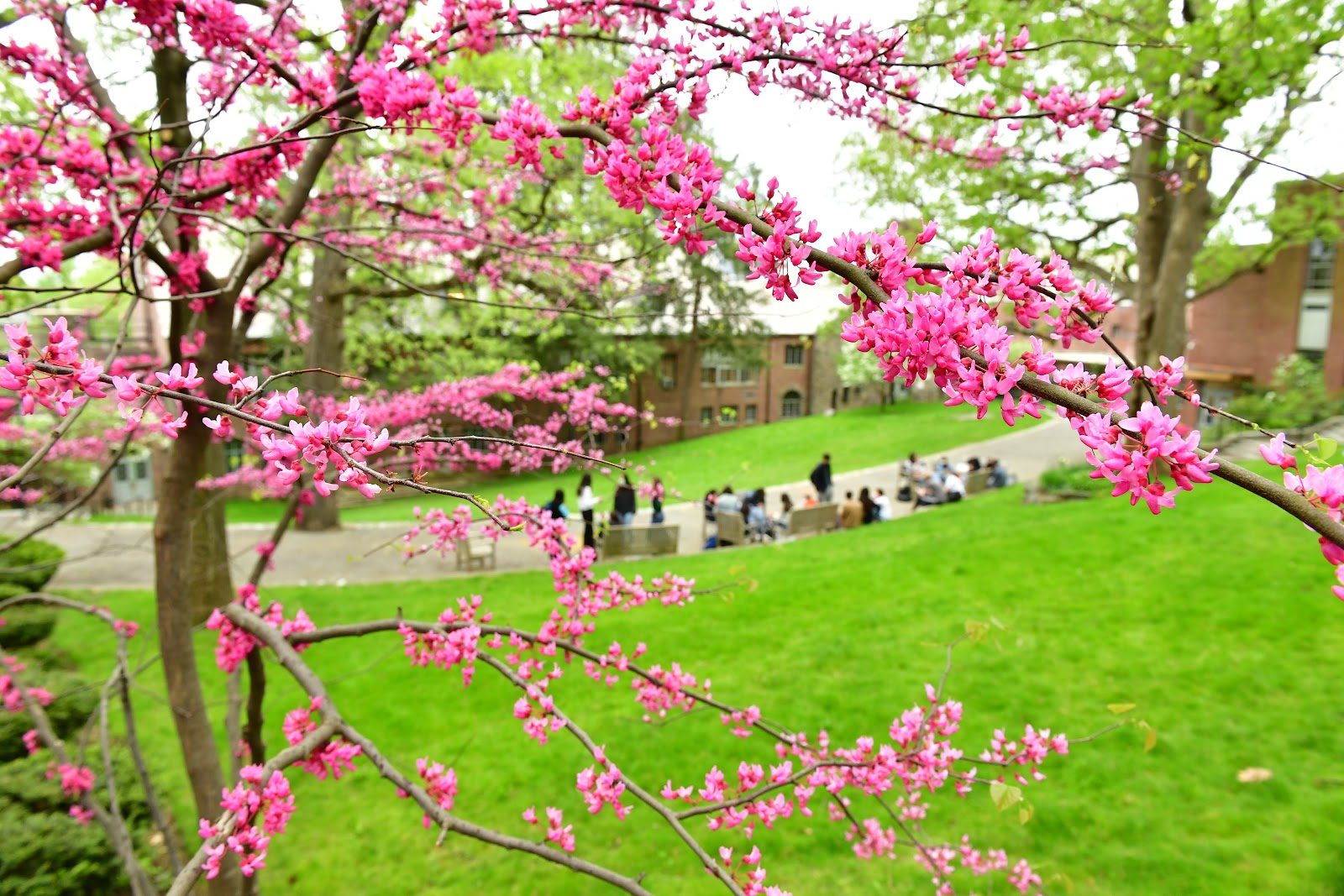
Ethical Culture Fieldston School
New York City · United States
Rooted in Felix Adler's 1878 Ethical Culture movement, its wooded Riverdale hilltop campus still anchors progressive American pedagogy.
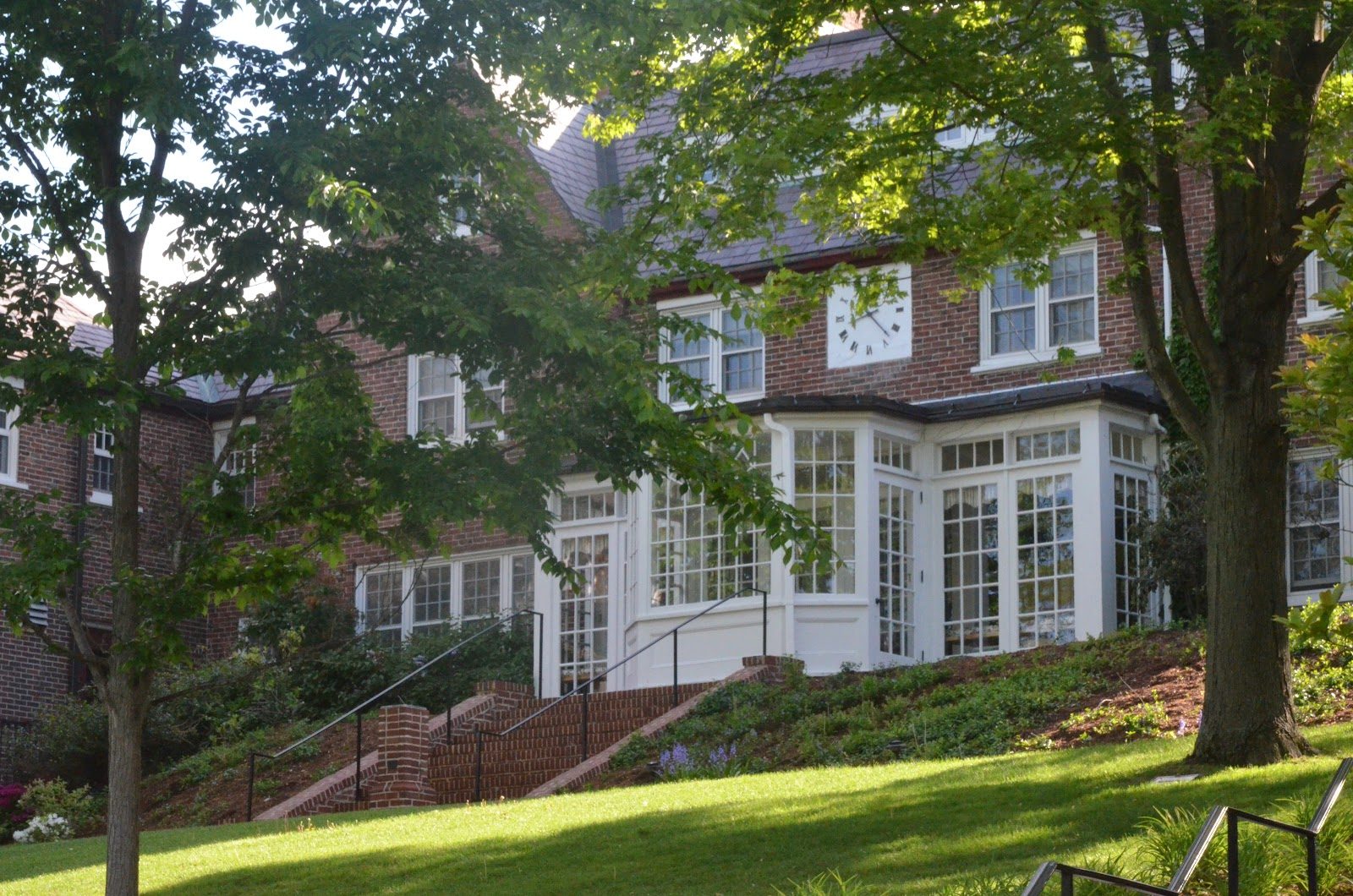
Belmont Hill School
Belmont · United States
A hilltop day school outside Boston, where jacket-and-tie ritual and family-style lunch anchor a century-old all-boys formation.
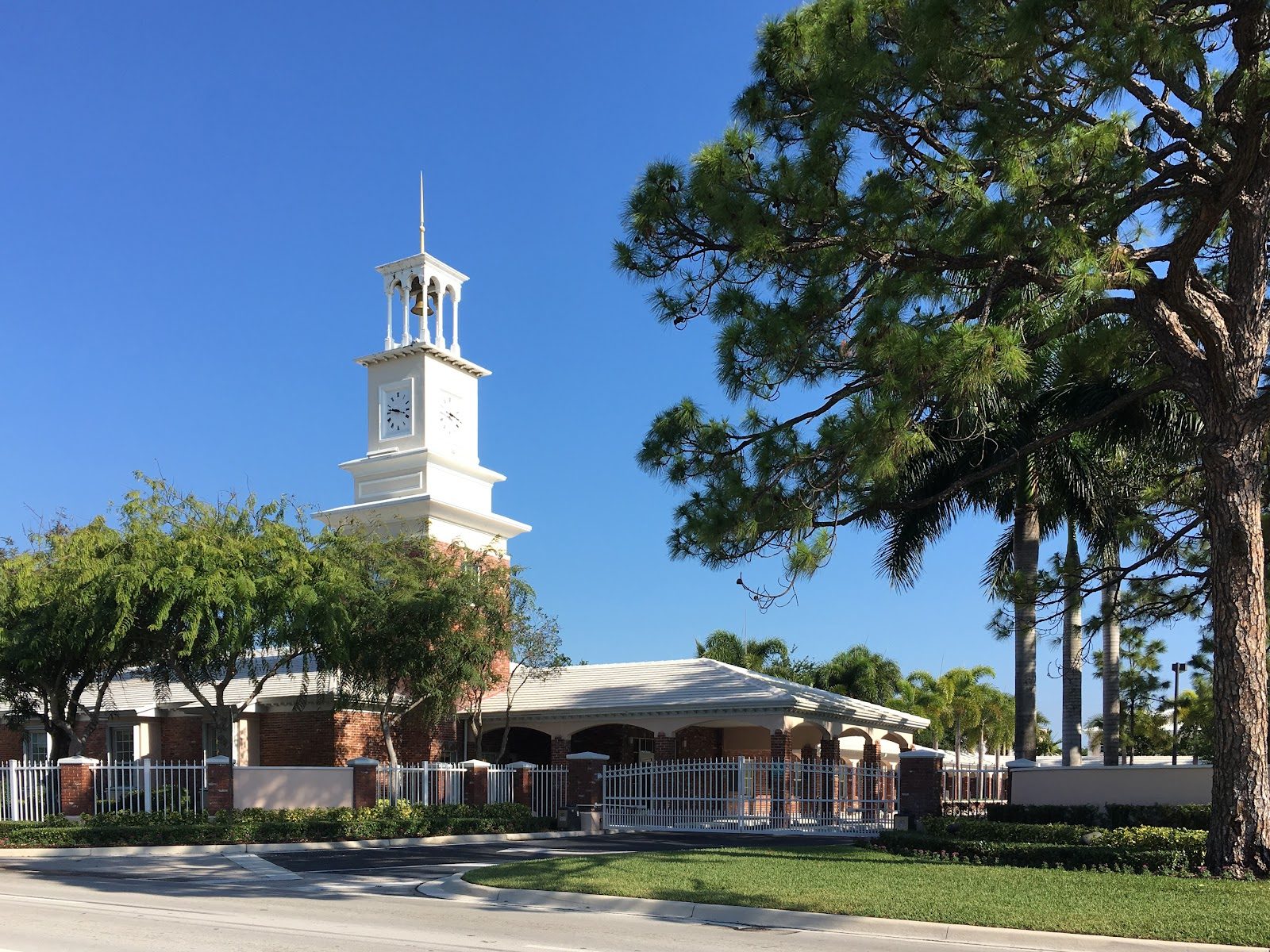
Pine Crest School
Fort Lauderdale · United States
Born as a 1930s tutoring practice for winter visitors, this Fort Lauderdale day school now tops the nation's Challenge Index rankings.
Same country and curriculum — closest matches within ±10 points either way