
Europe
St Helen's School, Northwood
Northwood girls’ day school with standout results and 200 clubs
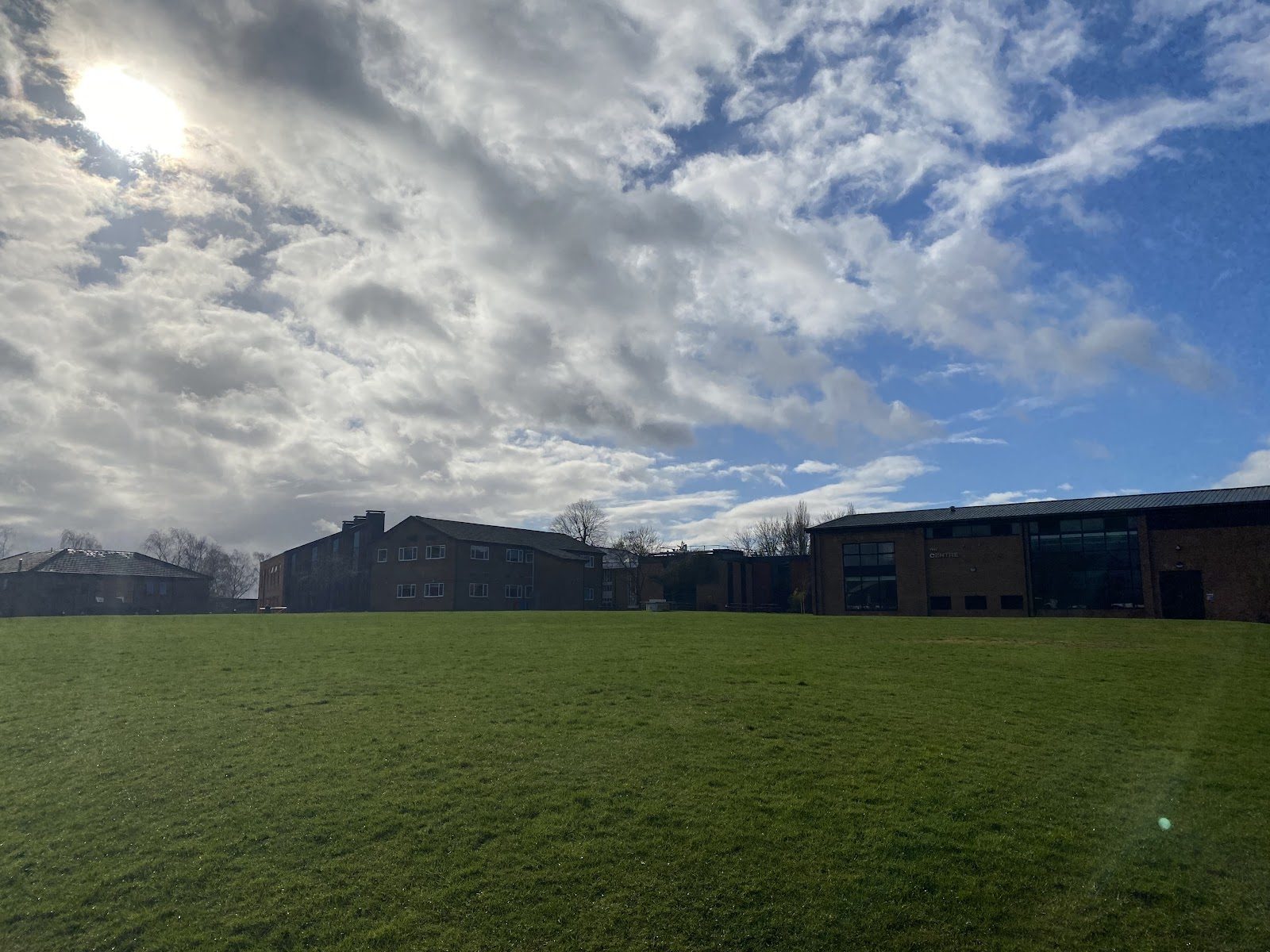
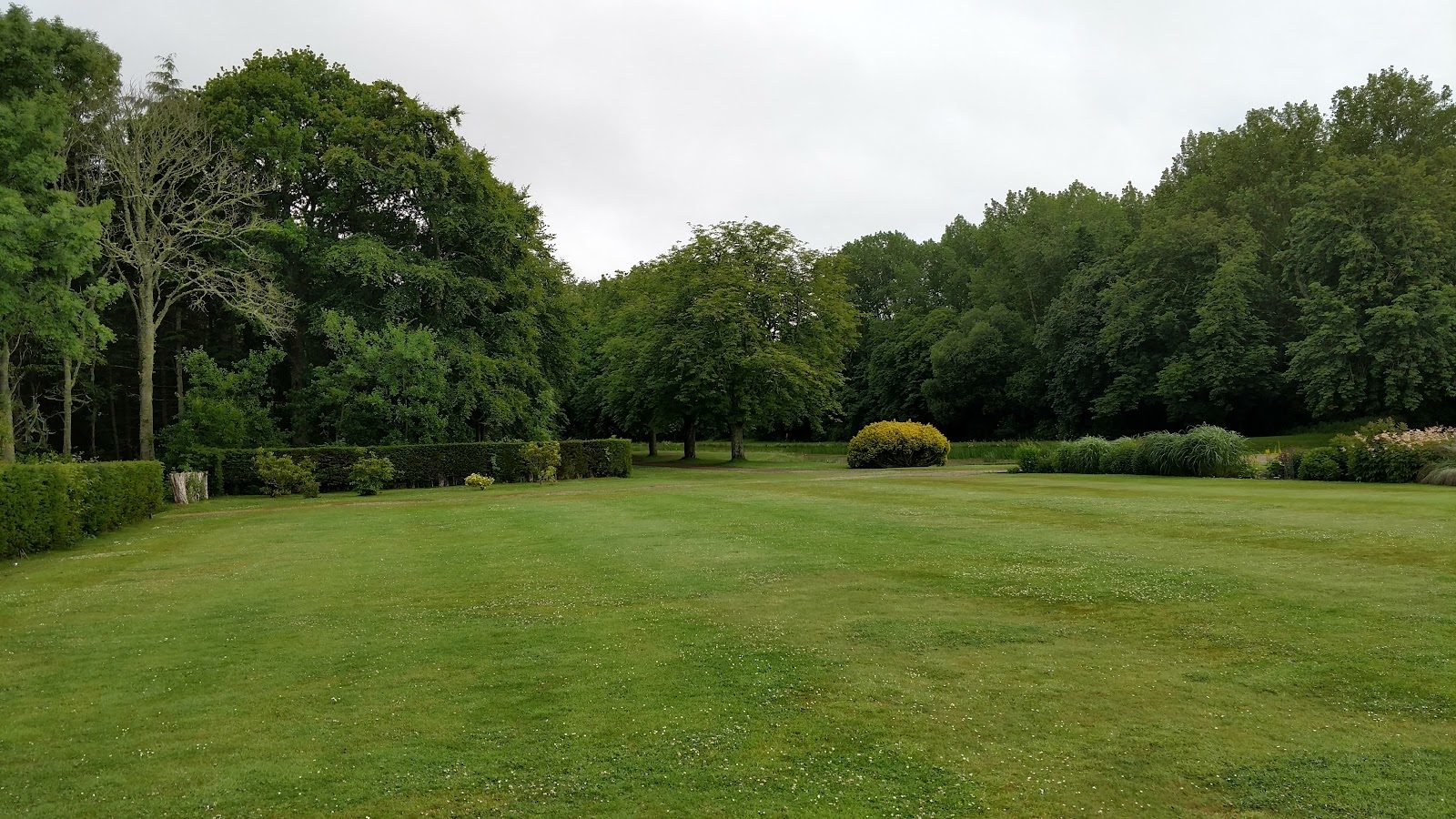
Photo © YeetOrKnowDefeat via Google Maps
Type
Day
Ages
3–18
Curriculum
British
Ratio
—
The Verdict
Editor's commitment
Right for
Girls aged 3–18 who want a British day school with 91% of A Level grades at A*–B and 200 clubs.
Wrong for
Families wanting boys, boarding or a religious ethos; St Helen's is a non-denominational girls' day school in Northwood.
Watch out for
At an average £23,250 a year, this 1899 school sells serious academics first: 79% of GCSE grades land at 9–7.
Ranking breakdown
St Helen's School, Northwood · #552 of 1591
Composite score 68.3. 8 weighted criteria.
By criterion
Academic Outcomes
Weight 20%
#511
of 1529 scored
University Placement
Weight 16%
#649
of 1529 scored
Prestige & Heritage
Weight 12%
#1095
of 1571 scored
Alumni Network
Weight 12%
#750
of 1530 scored
Facilities
Weight 12%
#172
of 1534 scored
Transparency & Communications
Weight 8%
#62
of 1532 scored
Peer & Industry Review
Weight 10%
#1108
of 1548 scored
Admissions Selectivity & Demand
Weight 8%
#607
of 1529 scored
Peer & Industry Review
How St Helen's School, Northwood is regarded in the sector
Insufficient peer signal
We couldn't find enough independent third-party evidence to score this school's peer & industry standing with confidence. It doesn't mean the school isn't well regarded — only that public reputation sources we trust don't yet cover it. This axis is left blank for now and the composite score is median-imputed from the other six categories.
Editors' overview
St Helen’s School, Northwood occupies a clear place in the London day-school market: academically strong, girls-only, and unapologetically ambitious. Founded in 1899, it offers a British curriculum for girls aged 3 to 18, with teaching in English and an average annual fee of £23,250 across the full age range. The school’s public case rests on two pillars: high academic attainment and unusual co-curricular breadth. The headline numbers are strong — 91% of A level grades at A*–B and 79% of GCSE grades at 9–7 — and those results put it firmly in the conversation for families who want serious outcomes without boarding.
What distinguishes St Helen’s is the scale of opportunity around the timetable. The school advertises more than 200 clubs and societies, which matters because breadth only counts when it is large enough for pupils to find a genuine niche rather than a token extra. That mix of academic seriousness, busy intellectual energy and structured opportunity gives St Helen’s a wider appeal than a pure exam factory. The school also puts clear weight on pastoral support, resilience and confidence, though parents should read that as a complement to the academic offer, not the main event. This is a school built for girls who want to do a great deal, and do it well.
It deserves a place on a shortlist for parents seeking a high-performing, well-run London day school for girls that combines strong results with a full programme beyond the classroom. The fit is best for students who are motivated, organised and ready to engage. A girl who thrives on purposeful competition, enjoys being busy, and wants access to a large menu of activities will find a lot to work with here. A child who wants a quieter, looser or less academically driven environment may find the pace exacting. For the right family, that is the point: St Helen’s offers serious education with range, not a soft landing.
Academic Performance
St Helen’s has the exam profile of a serious academic operator. The school puts its public case on hard attainment, and the headline figures justify that stance: 91% of A level grades at A*–B and 79% of GCSE grades at 9–7. In the independent day-school market, that places it in the upper tier rather than the absolute stratosphere occupied by the most selective London names. That distinction matters. These are results strong enough to attract families who want high attainment and intellectual discipline, but they do not read like a narrow super-selective outlier admitting only the finished article. The pattern points instead to a school that drives performance across a broad cohort and expects girls to deliver.
Relative to peers, St Helen’s sits in the demanding middle ground between a conventional good school and the tiny group of institutions that trade on near-flawless top-grade saturation. For many families, that is a more useful position than a prestige mirage. It signals a school with real academic muscle, clear teaching strength and a culture that values measurable outcomes, without reducing the entire enterprise to exam theatrics. The caveat is straightforward: the school publishes headline grade bands, not the fuller spread of destination or subject-level performance data that would allow a finer judgement against direct competitors. Even so, the published results place St Helen’s firmly among London’s stronger girls’ day schools.
Facilities
The school’s standout facility, in practical terms, is not a single building but the scale of organised opportunity built around the day. A co-curricular menu of more than 200 clubs and societies points to a campus with enough specialist rooms, timetabled access and staffing depth to keep that level of activity running. In peer terms, that is genuinely expansive. Many academically strong girls’ day schools advertise breadth; fewer sustain it at this scale without drifting into tokenism. The pastoral infrastructure also matters as a facility in the wider sense: the school puts weight on each girl being known and supported, which implies a system built for oversight rather than anonymity. For families comparing London day schools, that combination of high-functioning academic spaces and a serious after-school operation carries more weight than a flashy theatre or a glossy sports centre on its own.
The limitation is visibility. St Helen’s publishes the educational case for the school far more clearly than it documents bricks-and-mortar assets. There is no detailed public account here of laboratories, performing arts venues, sports provision, design spaces or specialist sixth-form areas, so parents cannot benchmark those headline facilities with precision against direct competitors. That opacity matters because peer schools at this level often trade heavily on capital investment and specialist environments. St Helen’s instead reads as a school where the important facilities are the ones that keep a busy, demanding school life moving efficiently. That is credible, but families who care about hard estate detail will need to ask sharper questions at visit stage.
What gives St Helen’s its own shape is the combination of hard academic intent with a school life that is unusually full rather than narrowly scholastic
Prestige
St Helen’s carries solid London day-school prestige, though not the kind built on national mystique or inherited social cachet alone. Its standing rests on something sturdier: serious academic credibility, disciplined delivery and a school culture that treats strong results as the baseline, not a bonus. For many families, that is the more useful form of prestige. The school’s public identity is not ornamental. It trades on attainment, high expectations and a broad school life with enough scale to feel substantial rather than decorative. The offer of more than 200 clubs helps here. Breadth on that level signals institutional confidence, staff depth and a pupil body large and engaged enough to sustain real activity rather than brochure filler.
That places St Helen’s in the bracket of schools that command respect among informed parents, even if they do not dominate casual conversation in the way the most famous London names do. It is well-regarded rather than mythologised. The published exam profile is strong enough to confer status, and the emphasis on ambition, resilience and challenge reinforces a high-expectation reputation. The fee level, at an average of £23,250 a year across the full age range, also situates it in the serious independent market without pushing into the most stratospheric tier. In plain terms: this is earned prestige, built on outcomes and institutional competence, not glamour.
The other distinctive feature is the school’s refusal to separate ambition from pastoral oversight
Communications
St Helen’s communicates with parents in the same register that it uses to sell the school: confident, orderly and tightly focused on outcomes and pupil development. The public-facing message is clear enough. Leadership writes in direct, fluent prose; the school explains its academic ambition without jargon; and it gives parents an immediate sense of priorities by pairing headline results with the claim of more than 200 clubs and societies. That matters, because good school communication starts with institutional clarity. Parents can tell, quickly, that this is not a vague “whole child” operation hiding soft standards behind warm language. The school’s voice is purposeful and well-drilled. It knows what it wants to say.
The weakness is depth. The school communicates ethos and aspiration more convincingly than practical detail. There is strong language around support, challenge and each girl being known, but less hard public information on the mechanisms parents often want when judging day-to-day communication: how pastoral concerns move through the system, how form tutors and heads of year handle issues, how frequently families hear from the school, and how much operational detail sits behind the polished front end. That does not make communication poor; it makes it controlled and selective. For many parents, that will read as reassuringly professional. For the more forensic family, it leaves gaps and puts more weight on the admissions process and school visit to test how open, responsive and concrete the school is in practice.
Uniqueness
What gives St Helen’s its own shape is the combination of hard academic intent with a school life that is unusually full rather than narrowly scholastic. Plenty of girls’ schools promise both attainment and enrichment; fewer make the second pillar large enough to alter the daily experience. A co-curricular programme running to more than 200 clubs and societies changes the texture of the place. It gives serious students room to be more than efficient grade-earners, and it gives quieter or more exploratory girls multiple entry points into school life beyond the classroom. That breadth also builds habits that matter later: commitment, time management, social confidence and the ability to operate in more than one sphere at once.
The other distinctive feature is the school’s refusal to separate ambition from pastoral oversight. St Helen’s is not selling a relaxed or permissive version of girls’ education; it is selling a demanding, closely held one, where challenge and support sit together. For students, that brings clear benefits. Girls get a culture that expects them to stretch, speak up and persist, while still being known as individuals rather than absorbed into a machine. In a crowded London market, that mix of serious outcomes, institutional range and deliberate care is a strong differentiator. It suits pupils who want a busy, high-expectation school with enough scope to develop character as well as credentials.
St Helen’s School, Northwood occupies a clear place in the London day-school market: academically strong, girls-only, and unapologetically ambitious
Student Profile
The girl who thrives here is driven, organised and comfortable in a school culture that rewards effort in public. This is not a place for coasting or strategic underachievement. Pupils need the confidence to cope with challenge, the stamina to manage a full week, and the willingness to take part rather than sit at the edge of school life. The scale of the co-curricular offer — more than 200 clubs and societies — widens the fit beyond the pure academic purist, but it does not dilute the core expectation: girls are expected to work hard, use their time well and make something of the opportunities in front of them. The best fit is a student who enjoys being stretched and does not resent structure.
Temperament matters as much as raw ability. St Helen’s suits girls who want a busy, high-expectation environment where teachers know them and push them on. That will appeal to students who like clear standards, intellectual seriousness and a peer group with momentum. It will also suit girls who want room to build confidence through activities, leadership and sustained commitment outside lessons, not just grades. The weaker fit is a child who needs a looser, more anonymous setting, or one who recoils from a culture with visible ambition. In plain terms, this is a school for girls who are ready to engage fully, not selectively.
Founded in 1899, it offers a British curriculum for girls aged 3 to 18, with teaching in English and an average annual fee of £23,250 across the full age range
Co-curricular strengths
We haven't scored this school on the arts & sport axis yet. Our editorial team is working through the fleet — the school's public evidence will earn its own score, not a guess.
Gallery
Photo © Luxus Häuser via Google Maps
Photo © YeetOrKnowDefeat via Google Maps
Photo © St Helen's School via Google Maps
Photo © St Helen's School via Google Maps
Photo © St Helen's School via Google Maps
Photo © St Helen's School via Google Maps
Photo © St Helen's School via Google Maps
Photo © St Helen's School via Google Maps
Photo © YeetOrKnowDefeat via Google Maps
Parent reviews
Have you sent your child here?
Voice reviews carry the strongest trust badge — we transcribe them for you to tidy up before they go live. Prefer to type? A written review is fine too.
Add your voice
In 60 seconds, tell other parents: what's the best thing about St Helen's School, Northwood, and what surprised you when your child joined?
We ask for a Google sign-in so every review has a real face behind it — no anonymous drive-by attacks on schools, and no faked positive reviews. Your email is never shown publicly.
Send this profile to a friend
International parents rely on word-of-mouth. Share this review with someone weighing the same decision.
Schools with places
Similar schools to St Helen's School, Northwood with places available now.
Availability first, then country, area, curriculum, price, co-curricular
Consider also
Also worth looking at alongside St Helen's School, Northwood.
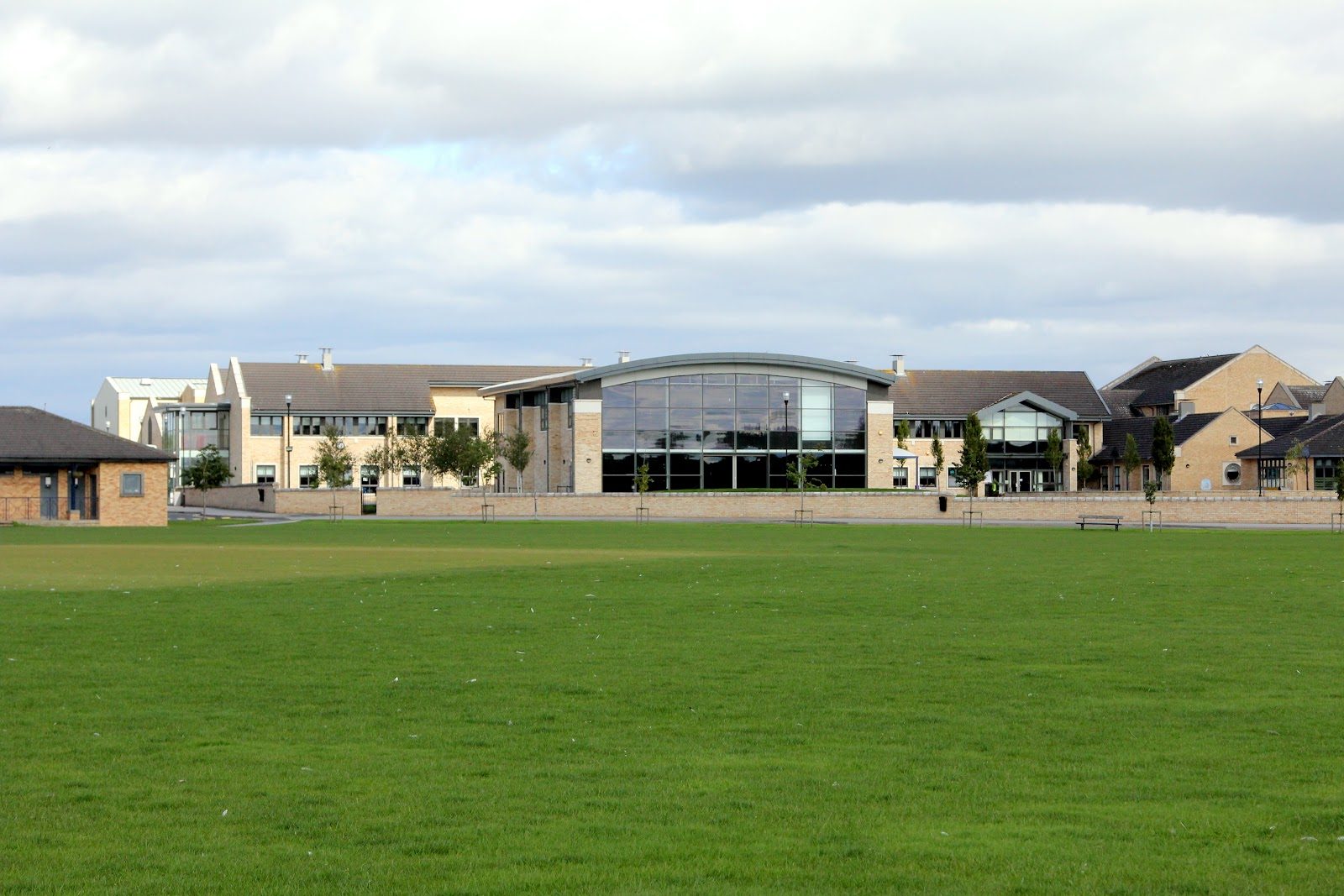
The Grammar School at Leeds
Leeds · United Kingdom
Where a 1552 boys' grammar school and an 1876 girls' high school fused into one diamond-model campus across 140 Yorkshire acres
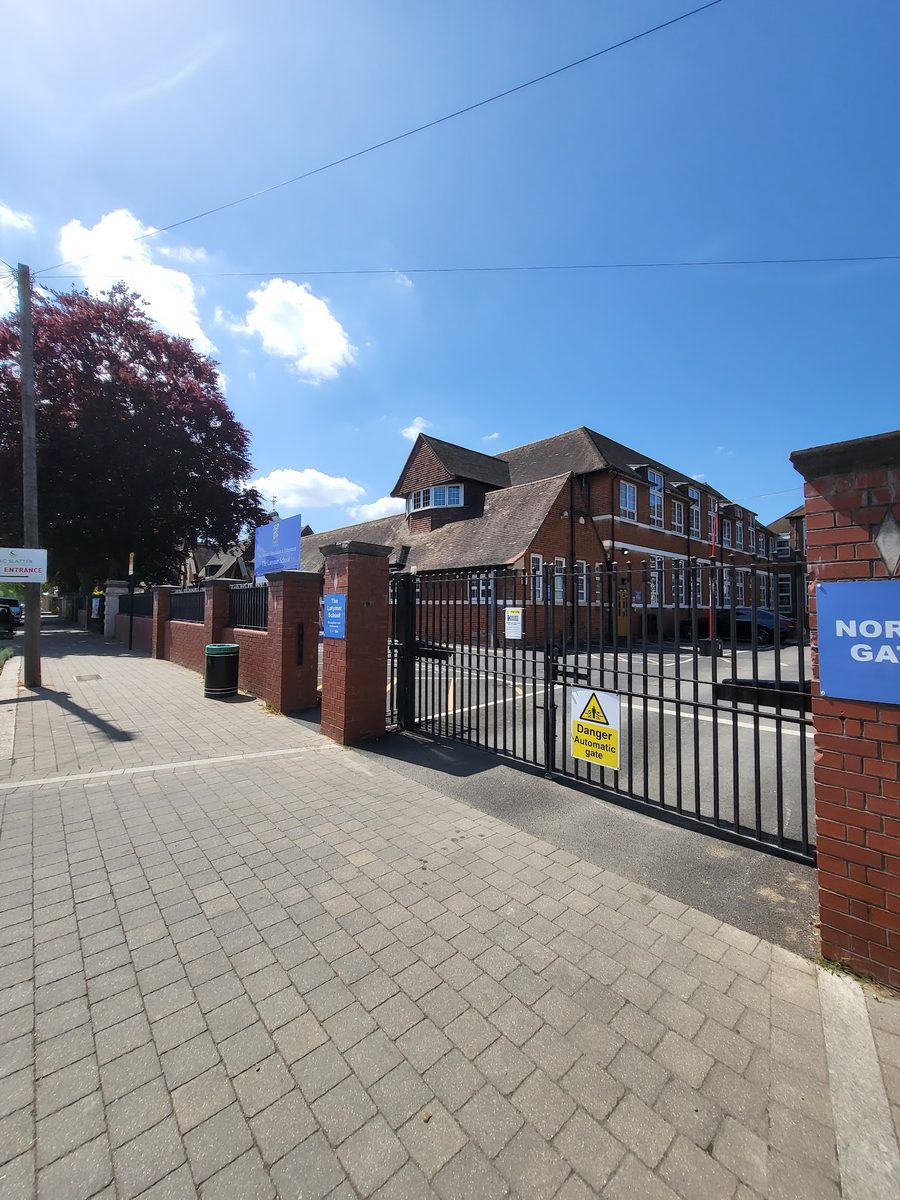
The Latymer School
London · United Kingdom
A 400-year-old state grammar in Edmonton where over 1,000 applicants compete yearly for just 192 places, with Cambridge college endowments still funding leavers.
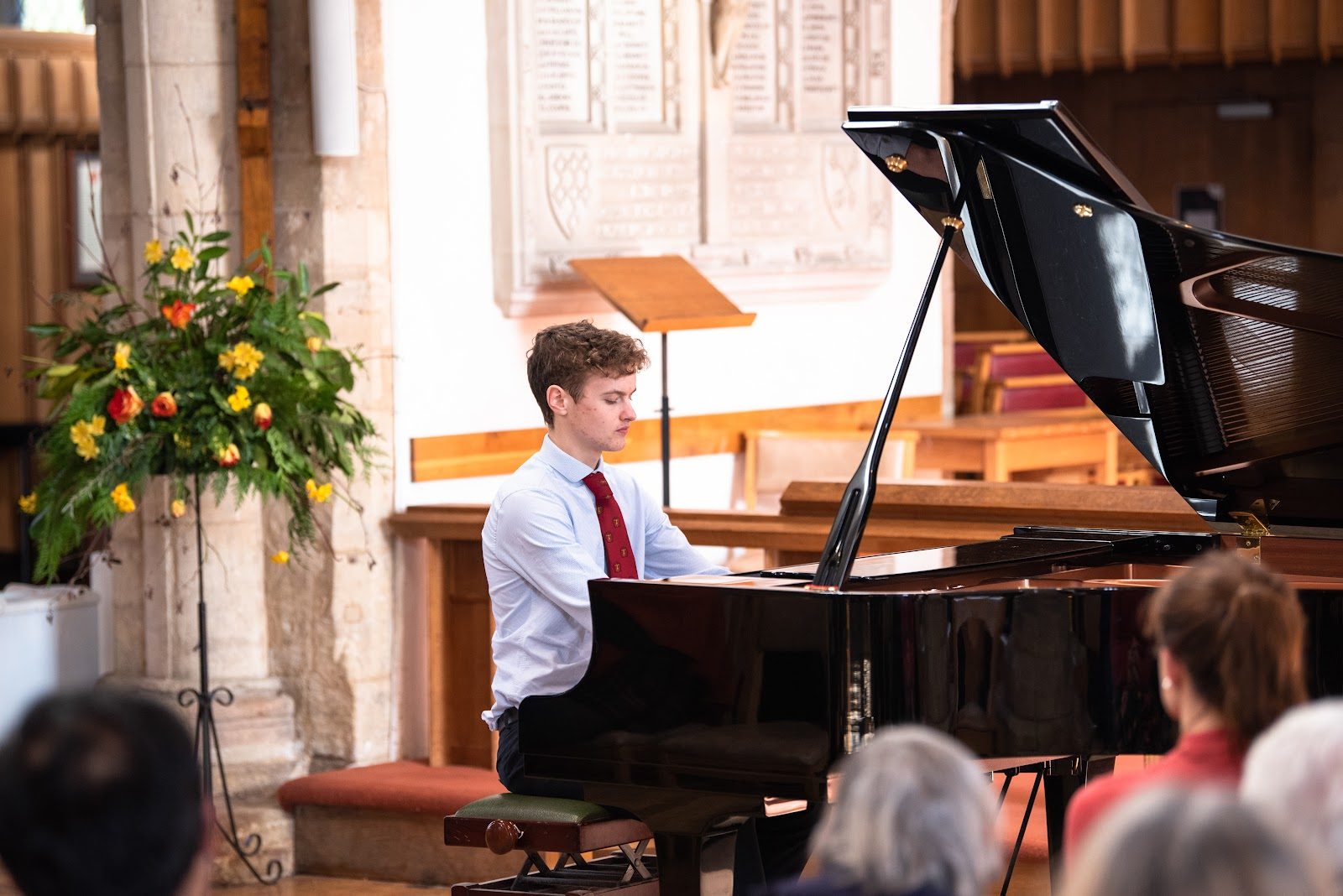
Oundle School
Oundle · United Kingdom
Boarding houses woven into a historic market town, and an engineering centre that 3D-prints titanium and carbon fibre.
Gordonstoun
Elgin · United Kingdom
On Scotland's Moray coast, birthplace of Outward Bound, where sail training aboard the school's own ocean-going yacht counts as curriculum.
Same country and curriculum — closest matches within ±10 points either way