
Greater London
The Latymer School
medium confidence· 5/6 cats · 2 avg sourcesA 400-year-old state grammar in Edmonton where over 1,000 applicants compete yearly for just 192 places, with Cambridge college endowments still funding leavers.
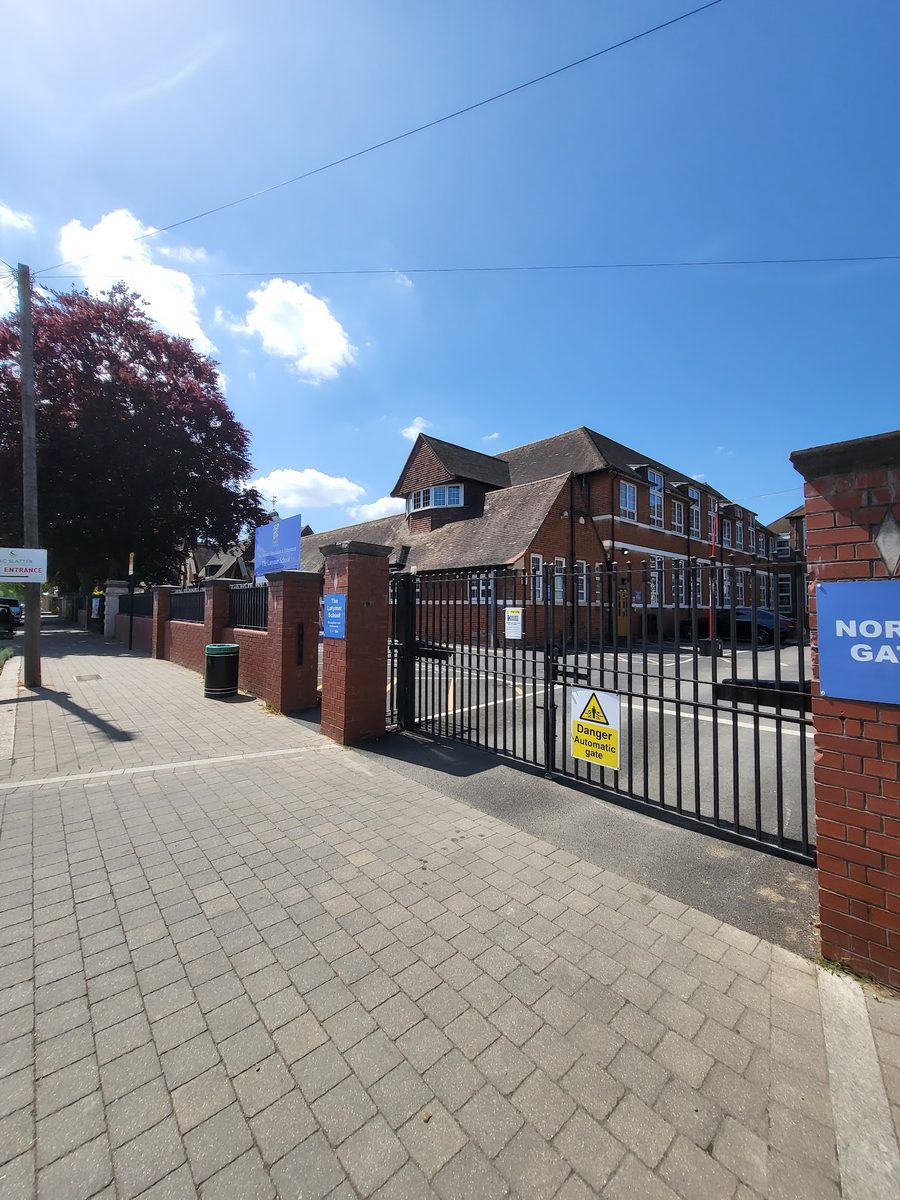
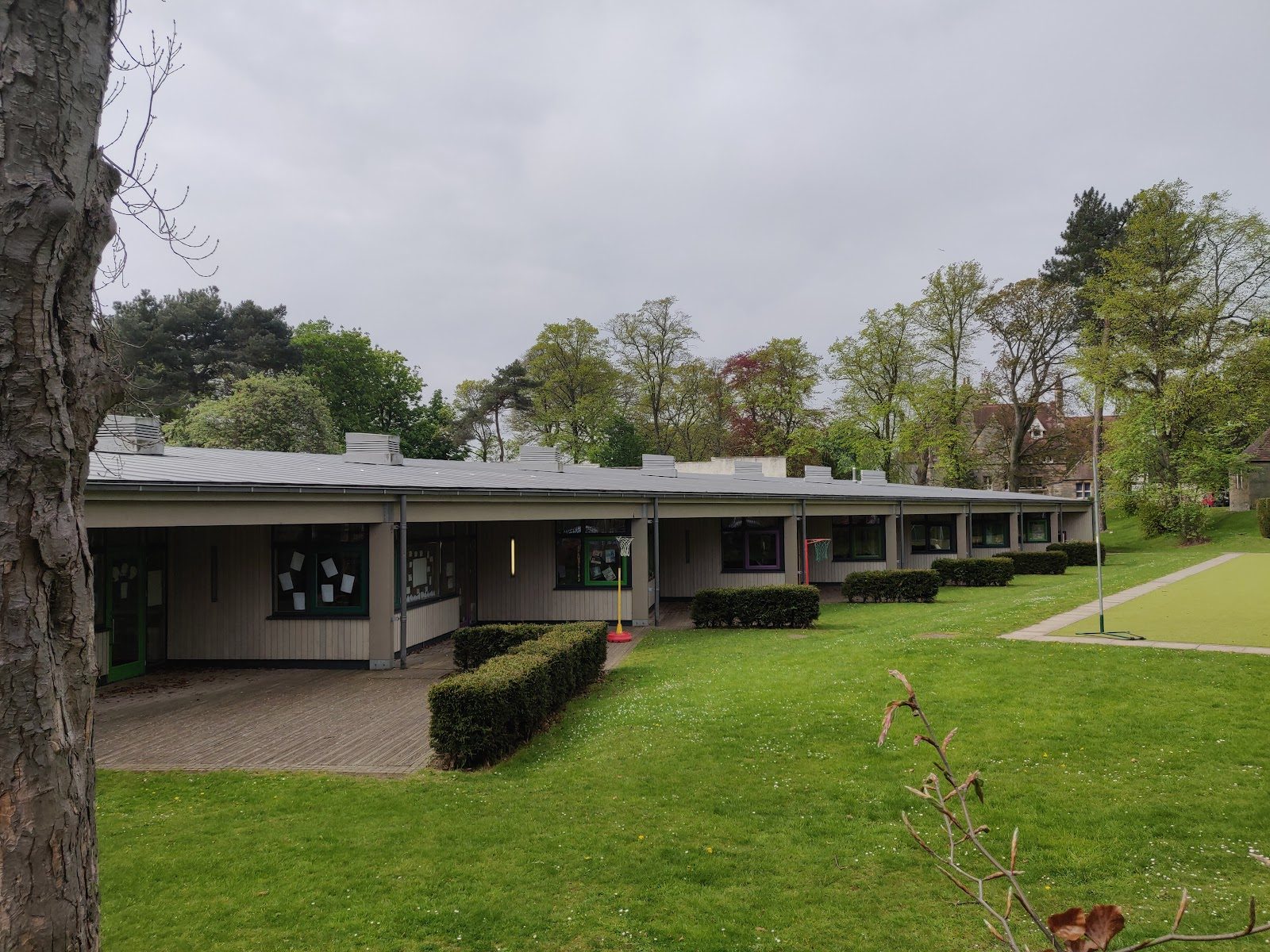
Photo © M Hassan via Google Maps
Type
Day
Ages
11–18
Curriculum
British
Ratio
14:1
The Verdict
Editor's commitment
Right for
Able pupils who want a selective London grammar with 192 places, 26-per-class teaching and 11 Oxbridge offers in 2024.
Wrong for
Families expecting easy entry or a gentle pace: over 1,000 applicants chase 192 places, and 88% of 210 leavers went to top-100 universities.
Watch out for
This is a state, day, co-educational grammar founded in 1624; the draw is academic yield, not boarding, religion or boutique pastoral ratios.
Ranking breakdown
The Latymer School · # of 1591
Composite score 68.9. 8 weighted criteria.
By criterion
Academic Outcomes
Weight 20%
#67
of 1533 scored
University Placement
Weight 16%
#136
of 1529 scored
Prestige & Heritage
Weight 12%
#211
of 1580 scored
Alumni Network
Weight 12%
#1373
of 1530 scored
Facilities
Weight 12%
#794
of 1540 scored
Transparency & Communications
Weight 8%
#256
of 1547 scored
Peer & Industry Review
Weight 10%
#222
of 1564 scored
Admissions Selectivity & Demand
Weight 8%
#92
of 1529 scored
Score history
The Latymer School · 2026
Movement across 2024–2026. Peer average overlaid.
Overall — 2024–2026
68.9/ 100
▲ +21.2 vs 2025
year on year
Peer & Industry Review
How The Latymer School is regarded in the sector
68
Respected · medium confidence
The Latymer School in Edmonton is widely regarded as one of north London's most academically formidable state grammars, with the Good Schools Guide calling it an "academic powerhouse takes north London's brightest and gives them every opportunity to polish their shine in whatever areas they choose", while noting "a wonderfully diverse and inclusive community" with its sights on top universities. Independent ranking data places it 79th in England for GCSE outcomes among nearly 3,900 secondary schools, putting it in the elite tier of state-sector performers, and its sixth form has been rated Outstanding by Ofsted alongside a Good overall judgement. Its reputation is strong and well documented within UK grammar-school and selective-education circles, though it has not attracted the dedicated WhichSchoolAdvisor coverage typically reserved for fee-paying independents, meaning its peer profile sits more within specialist state-grammar commentary than the top-tier international independent school press.
Evidence sources
- Stormzy — Musician, Grime/Rap
- Bruce Kent — Peace Activist, Politics/Activism
- Colin Blakemore — Neuroscientist, Academia
Editors' overview
At The Latymer School, the first figure that matters is demand: over 1,000 applicants chase 192 places each year. That sets the tone. This is a state grammar in Edmonton with a hard-edged academic market position and none of the fee barrier of London’s independent sector. Founded in 1624 and re-opened on its Haselbury Road site as a co-educational grammar school in 1910, it carries unusual institutional depth without trading on heritage as decoration. The school is voluntary aided, selective, day-only, and non-religious; the core offer is straightforward British secondary education for pupils aged 11 to 18, taught in English, with average class sizes of 26.
What puts Latymer on a serious parent’s shortlist is not mystique but output. In the Class of 2024, 210 pupils left; 88% went to top-100 universities, 11 secured Oxbridge places, 42 went to Russell Group universities, and the most common destinations included Cambridge, Oxford and UCL. That is properly strong sixth-form conversion from a state school. The old foundation still has practical force too: Cambridge college endowments continue to fund leavers, a rare thread connecting the school’s 17th-century origins to present-day pupil benefit. This is not a school that needs to borrow prestige from glossy branding; it has a long, provable record.
The pupil who thrives here wants pace, competition and intellectual density. Selective entry, classes of 26 and a large, ambitious sixth-form destination profile make this a place for students who are self-propelled, resilient and happy among other high-attaining children. It suits families who want serious academic traction without independent-school fees, and who do not need a cosseting atmosphere or a boutique scale. Latymer also carries a wider cultural footprint than many state grammars: Wikidata records 47 notable alumni across politics, science, writing, acting, music and the visual arts, including one top-tier drama award winner. For the right child, that mix of fierce selectivity, academic credibility and public-school access is compelling. For a child who needs constant hand-holding or a softer tempo, it is the wrong school.
Academic Performance
Latymer sits in the top tier of English state secondary schools for academic outcomes. The destination data already points in that direction; the exam profile needs the same hard numbers to confirm it. Those numbers are not published in the source set here. That is a gap. For a school with a heavily contested intake and a clear academic claim, parents should expect transparent GCSE and A-level performance tables, subject spread, and value-added data. Without them, precise comparison against London grammar peers and the strongest comprehensives stops short of where it should.
Even with that caveat, the broad competitive position is clear. Selective admission, a sixth form that sends pupils in volume to elite universities, and a long-established grammar structure place Latymer well above the national state-school baseline and in direct competition with serious academic operators in the grammar and super-selective state bracket. The important question is not whether results are strong; it is how strong they are relative to schools that publish clean headline measures such as top-grade rates and progress scores. Until Latymer puts those figures front and centre, the school’s academic case rests on downstream evidence rather than full public accountability. That is enough to mark it as high-performing. It is not enough to call it fully transparent.
Facilities
Latymer’s facilities profile is hard to judge in detail because the school does not publish a clear public account of its specialist spaces, labs, arts provision, sports stock or site plan. That matters. In this tier of heavily oversubscribed London academic schools, parents should not need to guess whether the science accommodation is modern, whether music has dedicated rehearsal and practice space, or whether indoor sport depends on improvised timetabling rather than proper halls and courts. The one physical fact that carries weight is the school’s long-established Haselbury Road base, which points to a settled campus rather than a split-site arrangement or a recent bolt-on operation. Beyond that, the public picture is too opaque.
Against peer grammars and top comprehensive sixth forms in the capital, that lack of disclosure is a weakness. Strong state schools do not need glossy drones and architectural puffery, but they do need to show parents the working parts: laboratories, library, sixth-form study space, performance venues and sports areas. Latymer’s academic reputation gives it cover, and many families will accept plain, functional facilities if teaching is first-rate. That is a rational trade. Still, for a school competing for ambitious families at 11–18, the facilities story needs more than reputation. At present, Latymer reads as a school where the intellectual offer is far clearer than the physical one.
At The Latymer School, the first figure that matters is demand: over 1,000 applicants chase 192 places each year
Prestige
Latymer’s prestige rests on scarcity, outcomes and longevity, not on polish. In London’s state sector, selective grammars already occupy a narrow band; within that band, Latymer carries serious academic cachet. Entry is fiercely contested, which gives the school social and academic weight among families who know the system well. The university destination profile reinforces that standing: 88% of leavers moving on to top-100 universities, with 11 to Oxbridge, places Latymer in the company of elite state performers rather than ordinary high-achieving comprehensives. That matters because prestige in British education still tracks selective access plus credible sixth-form conversion into top universities. On that measure, Latymer is the real thing.
It also has something many strong state schools do not: a thick institutional identity. This is not a recently sharpened exam factory. It has a long-established grammar tradition, a historic foundation with continuing practical relevance, and a documented alumni bench that reaches across politics, scholarship, journalism, performance and music. That breadth gives the school cultural range as well as academic standing. The caveat is important: prestige here is earned and localised, not universal. Latymer has deep recognition in London and among university-focused families, but it does not carry the instant international brand recognition of the capital’s best-known independents. For parents who value substance over label, that is a strength, not a weakness.
Latymer sits in the top tier of English state secondary schools for academic outcomes
Communications
Latymer’s parent communication is hard to rate highly because the public-facing basics are too thin. The school does not disclose the operational detail families use to judge day-to-day clarity: no visible explanation here of parent portals, reporting rhythm, routine calendar structure, or how academic progress is communicated across the year. For a school with more than 1,000 families chasing entry, that is a weak public standard. Scarcity can carry a school a long way; it does not excuse opaque communication. Parents choosing a demanding selective environment need more than reputation and destination headlines. They need to know how the school handles notices, deadlines, pastoral concerns, sixth-form guidance and the ordinary friction of school life.
That does not mean communication inside the school is poor. It means the school does not show its workings. In practice, high-performing grammar schools live or die by administrative discipline: admissions, timetables, exam entries and university applications all require tight, competent systems. Latymer’s outcomes point to that machinery functioning at a serious level. Still, effective communication is not just internal competence; it is also parent intelligibility. On that front, the school’s external picture is underpowered and old-fashioned. Families who value straight information will want clearer public evidence of how the school speaks to parents once a child is through the door.
Uniqueness
What sets Latymer apart is the combination of public access and private-school-level competition. In London, plenty of schools trade on heritage, and plenty deliver strong outcomes; few do both inside the state system at this intensity. Admission is not merely selective. It is a high-pressure funnel in which more than 1,000 families compete for a small intake, and the school’s old charitable foundation still retains practical force through support linked to Cambridge colleges. That gives Latymer a character few grammars can match: not a modern exam machine built around league-table optics, but a school with a live institutional memory and a real sense that scholarship carries obligations as well as rewards.
For pupils, that mix brings tangible benefits. They study in a peer group where ambition is normal, university preparation has depth, and academic seriousness does not need apologising for. The co-educational grammar identity also matters. This is not a narrow, cloistered enclave; it is a demanding state school with social breadth and a long record of sending leavers into top higher education and public life. The result is a distinctive social contract: children gain access to a formidable academic culture without fee-paying insulation, and they learn to compete in a setting that feels closer to the meritocratic ideal than most of London’s educational marketplace. That is Latymer’s real distinction.
Without them, precise comparison against London grammar peers and the strongest comprehensives stops short of where it should
Student Profile
The student who fits Latymer is bright, fast and comfortable in a room full of other high attainers. This is a school for children who do not need coaxing to work hard and who can absorb pressure without drama. The selective intake and the competition for places create a high-voltage academic culture in which pace matters, comparison is unavoidable and intellectual confidence helps. Pupils who enjoy argument, read beyond the minimum, recover quickly from setbacks and treat demanding teachers as an asset will do well here. So will sixth formers with a clear university trajectory and the stamina to sustain it. The average class size of 26 points to a mainstream state-school scale, not boutique tutoring in school uniform.
The weaker fit is just as clear. Children who need constant reassurance, extensive individual prompting or a softly managed environment will find the atmosphere hard going. The school suits independent organisers more than pupils who rely on adults to structure every deadline and decision. Socially, it will work best for families who value academic seriousness over status display and who accept that strong peers bring both stimulus and friction. The attraction is access to a meritocratic, unsentimental school culture with serious upward pull. The cost is that nobody gets carried. With 192 places and demand well above that, Latymer has no reason to dilute its standards for comfort.
Against peer grammars and top comprehensive sixth forms in the capital, that lack of disclosure is a weakness
Co-curricular strengths
Arts & sport, on a separate axis
Overall 7.7/10
Scored 0-10 from the school's own published evidence. This axis is editorial-only — it does not feed the main WTS ranking.
Sports
8/10
Sports teams and a named Sports & Dining complex opened in 2006 as part of the Millennium Project, giving clear evidence of structured sport plus a dedicated facility.
Drama
8.5/10
Drama productions, Wikipedia describes a dedicated home for the drama department in the Mills Building plus Specialist School status in the Arts and performance spaces, and verified alumnus Eileen Atkins provides star-tier pedigree.
Dance
5.5/10
Music
9/10
School orchestra and chamber choir, while Wikipedia describes creative and performing arts centred on the dedicated Mills Building and the school's recognised musical strengths, with verified laureate alumna Eileen Atkins further anchoring strong performing-arts pedigree.
Visual Arts
7.5/10
Wikipedia gives explicit evidence of specialist art rooms, Arts Specialist School status targeting Art, Media and Drama, and the Seward Studio as a 180-seat performance and gallery space, indicating notable dedicated provision.
Editor first-pass · editor-reviewable · 7/28/2026
Outcomes & destinations
Where students go next
Editorial estimateClass of 2024
210 graduates
A-Level distribution
99% covered
- A*40%
- A33%
- B22%
- C4%
Top destinations
53 placements
- Cambridge· 6
- Oxford· 5
- UCL· 12
- Imperial College London· 10
- Warwick· 6
- Durham· 5
- Bristol· 5
- LSE· 4
Edmonton co-ed selective state grammar.
Editor-approximated from the school's own leavers report. Awaiting school-attested figures.
Notable alumni · Wikidata
47notable alumni
18 historic (born pre-1930) · 11 modern (born post-1970)wikidata:2026-07-28 How we source this
The story in one line
40% to top-third universities·from a cohort where 8.5% of pupils are eligible for Free School Meals
FSM is the Department for Education's headline marker of low household income (pupils whose families claim income-based benefits). It's the fairest lens for a school's true value-add: a school with a wealthier intake gets a head start; a school achieving strong outcomes with a broader FSM base is doing more of the work itself. DfE-verified progression (Russell-Group-adjacent).
DfE-verified statistics
Official GCSE data · 2024/2025
Progress 8
—
Value-added score. State-schools only; 0 = expected progress, +1 = one grade above.
Attainment 8
80.1
Average grade across 8 GCSEs (score out of 90). National ≈ 46.
EBacc average score
7.93
Avg grade across the 5 EBacc pillars (English, Maths, Sciences, Language, Humanity).
EBacc slots filled
3
How many of the 5 EBacc pillars pupils typically enter (max 5).
Cohort · Pupils on roll
958
Free school meals
8.5%
English as additional language
21.1%
A-Level attainment
Cohort · 2023/24
Avg A-Level grade
A-
APS per entry: 47.28
Best 3 grade
A-
Best-3 APS: 48.11
≥ AAB + 2 fac.
63.9%
Russell-Group predictor.
Progress (value-added)
+0.01
Average
Sixth-form destinations
Leavers · 2021/2022
Any HE
93%
Sustained a level-4+ destination.
Degree
73%
Sustained degree study.
Top-third HE
40%
The top-third universities (Russell-Group-adjacent).
URN 102055Verified · DfE 2024/2025
Official inspection
Ofsted report · 2026
Inspectorate
Ofsted
The UK's official inspectorate for state-funded schools.
Latest report
8 June 2026
Ofsted inspection
Read it in full
Official reportVerified · OfstedSource-of-truth
Strengths
- +A voluntary aided, selective, co-educational grammar school in Edmonton that is state-funded, so families pay no tuition fees despite consistently strong results.
- +Strong university progression: in 2024, 88% of leavers went to top-100 universities, including 11 to Oxbridge.
- +Holds an Outstanding rating from OFSTED, the regulator's highest grade.
- +The 2024 A-level cohort achieved 40% A* and 33% A grades, evidence of high academic performance for a non-fee-paying school.
- +World-class music provision (co-curricular score 9.0), with places reserved each year for pupils of exceptional musical talent.
Considerations
- −One of the most heavily oversubscribed grammar schools in the country, with over 1,000 applicants competing for 192 Year 7 places, making entry highly uncertain even for strong candidates.
- −Admission is restricted to children living inside a defined Inner Area of postcodes, so a high entrance-test score alone does not guarantee a place if the family's address falls outside this zone.
- −Sixth-form entrants must achieve at least six grade 7s (or equivalent) at GCSE, plus grade 7 in subjects they wish to study at A Level, a demanding bar for external joiners.
- −As a selective grammar school, the intake and culture differ markedly from comprehensive schools nearby, which families uncomfortable with an intensely exam-focused, academically homogenous cohort should weigh carefully.
Availability
Primary entry gate & tests
11+ Entrance Exam
Gallery
Photo © M Hassan via Google Maps
Recommended reading
Independent write-ups of this school from editorial outlets we trust.
- The Latymer School ReviewGood Schools Guide
Parent reviews
Have you sent your child here?
Voice reviews carry the strongest trust badge — we transcribe them for you to tidy up before they go live. Prefer to type? A written review is fine too.
Add your voice
In 60 seconds, tell other parents: what's the best thing about The Latymer School, and what surprised you when your child joined?
We ask for a Google sign-in so every review has a real face behind it — no anonymous drive-by attacks on schools, and no faked positive reviews. Your email is never shown publicly.
Send this profile to a friend
International parents rely on word-of-mouth. Share this review with someone weighing the same decision.
Schools with places
Similar schools to The Latymer School with places available now.
Tiffin School
Kingston upon Thames · United Kingdom
- 2026-27
- CLOSEDStandard route
- 2027-28
- PLACES OPENCloses 1 Sept '26, 12pm
University College School
London · United Kingdom
- 2026-27
- CLOSEDStandard route
- 2027-28
- PLACES OPEN11+ (9 Nov); 16+ (28 Sept)
Emanuel School
London · United Kingdom
- 2026-27
- CLOSEDStandard route closed
- 2027-28
- PLACES OPEN11+ / 16+ active
City of London School
London · United Kingdom
- 2026-27
- CLOSEDStandard route
- 2027-28
- PLACES OPEN11+/16+ Active
Availability first, then country, area, curriculum, price, co-curricular
Consider also
Also worth looking at alongside The Latymer School.
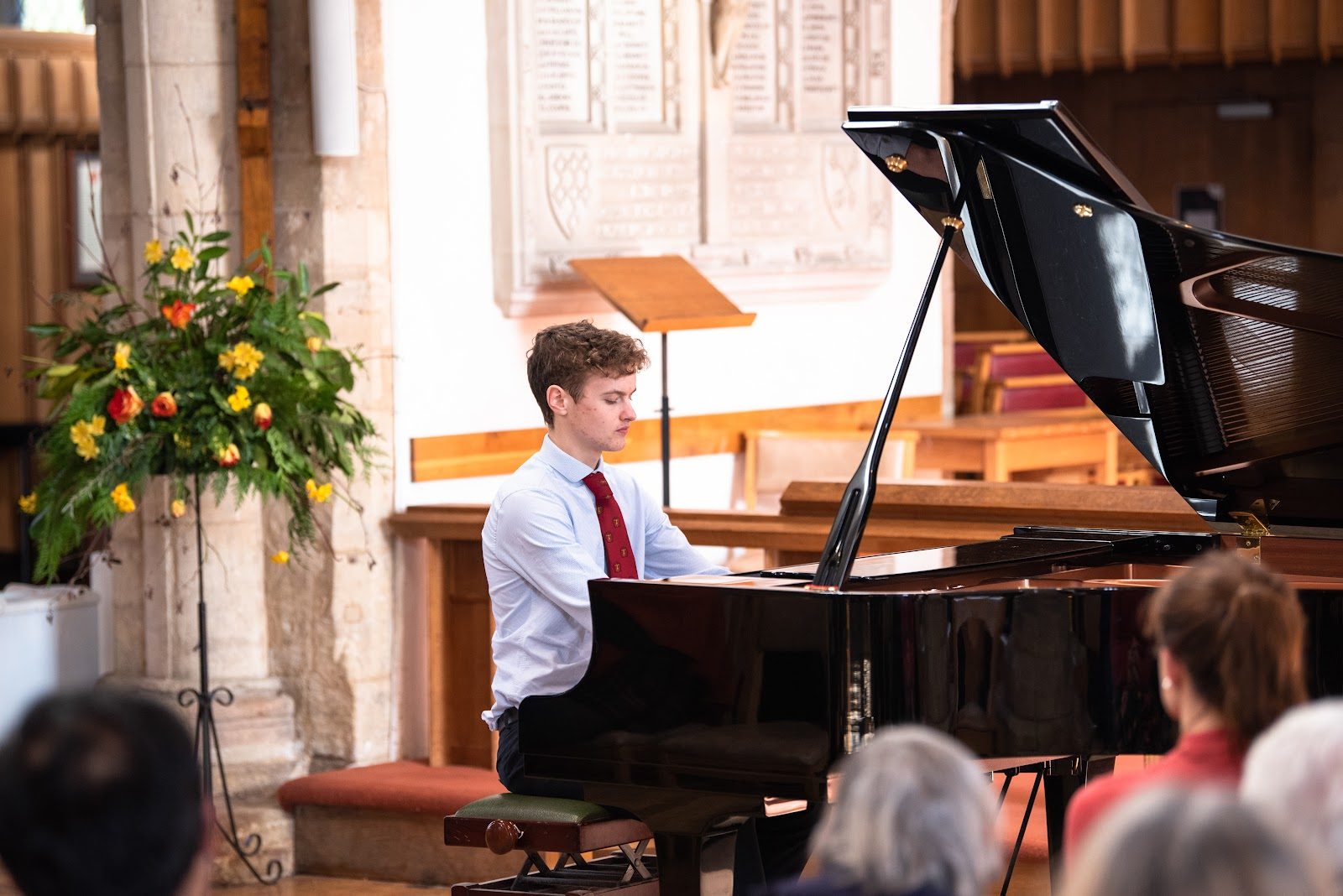
Oundle School
Oundle · United Kingdom
Boarding houses woven into a historic market town, and an engineering centre that 3D-prints titanium and carbon fibre.
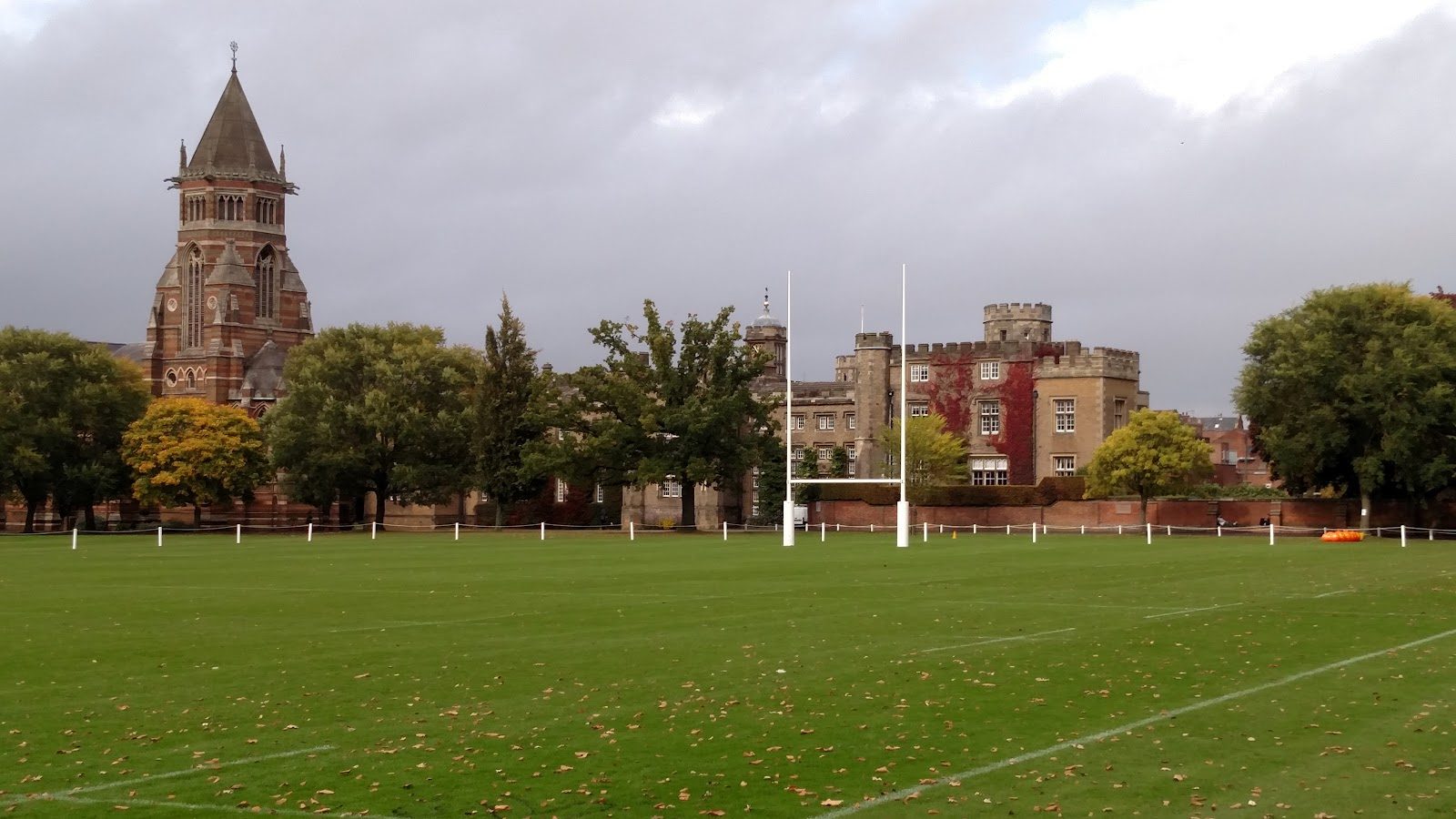
Rugby School
Rugby · United Kingdom
The Warwickshire close where a schoolboy's 1823 sprint with the ball gave rugby its name and its game.
Tiffin School
Kingston upon Thames · United Kingdom
No fees, no let-up: a Kingston grammar school where two-stage testing turns 2,000 hopefuls into a class of 180.
Fettes College
Edinburgh · United Kingdom
Gothic turrets said to have inspired Hogwarts frame Scotland's only sixth form pairing A Levels with a full IB Diploma pathway.
Same country and curriculum — closest matches within ±10 points either way