
Europe
Notting Hill & Ealing High School
Ealing girls’ school with a no either-or ethos
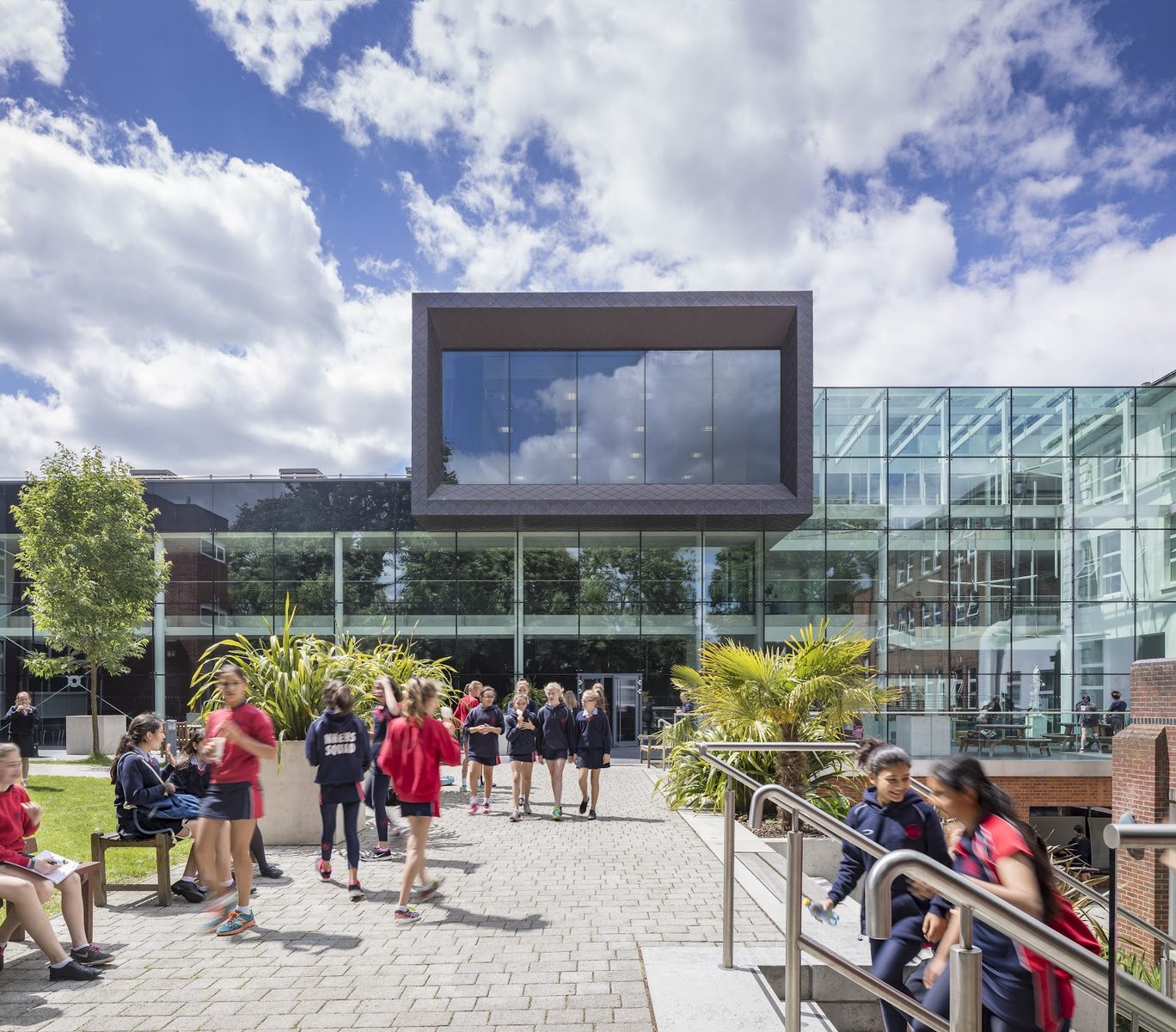
Photo © Notting Hill & Ealing High School via Google Maps
Type
Day
Ages
4–18
Curriculum
British
Ratio
—
The Verdict
Editor's commitment
Right for
Girls aged 4–18 who want a British day school in Ealing with junior, senior and sixth form under one roof.
Wrong for
Families wanting boys, boarding, religious ethos or a non-British curriculum will find none of that here.
Watch out for
At an average £24,922 a year, this 1873 GDST school is expensive, and the school publishes no public destination figures here.
Ranking breakdown
Notting Hill & Ealing High School · #553 of 1591
Composite score 68.2. 8 weighted criteria.
By criterion
Academic Outcomes
Weight 20%
#512
of 1530 scored
University Placement
Weight 16%
#649
of 1529 scored
Prestige & Heritage
Weight 12%
#1128
of 1571 scored
Alumni Network
Weight 12%
#813
of 1530 scored
Facilities
Weight 12%
#388
of 1535 scored
Transparency & Communications
Weight 8%
#9
of 1533 scored
Peer & Industry Review
Weight 10%
#891
of 1549 scored
Admissions Selectivity & Demand
Weight 8%
#438
of 1529 scored
Peer & Industry Review
How Notting Hill & Ealing High School is regarded in the sector
Insufficient peer signal
We couldn't find enough independent third-party evidence to score this school's peer & industry standing with confidence. It doesn't mean the school isn't well regarded — only that public reputation sources we trust don't yet cover it. This axis is left blank for now and the composite score is median-imputed from the other six categories.
Editors' overview
Notting Hill & Ealing High School sells an idea that many schools claim and few execute: there is no need to choose between serious scholarship and a full adolescent life. The school is a girls’ day school in Ealing for ages 4 to 18, founded in 1873, teaching the British curriculum in English, and it states that pupils move through junior, senior and sixth form with academic, pastoral and co-curricular structures clearly built for each phase. The sharpest public clue to what matters here sits in the ISI line the school chooses to foreground: pupils show “advanced learning behaviours” and develop problem-solving and critical thinking “beyond the norm for their age”. That points to a school with an intellectual centre of gravity, not one trading on polish and sloganry.
What marks it out in the London girls’ market is the refusal of the stale binary: academic or creative, disciplined or warm, ambitious or humane. The site architecture itself keeps repeating the pairing — academic and pastoral, sport and arts, careers and skills, co-curricular and leadership — and that consistency matters. It tells parents that the school’s “no either-or” line is operational, not decorative. Sixth form is pitched as the most “interesting, enriching and academically demanding” stage, which fits a school aiming to stretch bright girls rather than merely steer them safely to examination season. We have also seen a recent ISI report date of 2025, plus published registration deadlines for 4+, 7+, 11+ and 16+, which signals an admissions machine that is structured and active across all entry points.
At an average annual day fee of £24,922, this sits in the expensive end of the London day-school market, but not in the stratospheric bracket. That pricing strengthens its shortlist case: parents are paying for a long-established GDST girls’ school with a clear academic spine, dedicated junior and senior provision, and a sixth form that frames higher education and careers as central rather than incidental. The school also gives space to diversity and inclusion, sustainability, partnerships, charity and volunteering, which adds up to a more outward-facing education than a narrow results factory.
The girl who will want Notting Hill & Ealing is bright, engaged and ready for pace. She does not need a school to flatten her into one type. She wants to read, perform, compete, lead and argue; she values high expectations and has the appetite for a school that treats curiosity as a discipline, not a mood. This is a strong fit for families seeking a fiercely capable girls’ school without boarding, with continuity from age 4 to 18, and with enough breadth to keep able students interested rather than merely busy.
Academic Performance
The school is happy to publicise headline examination news, with separate stories for “Outstanding A Level Results” and “GCSE Triumph”, and it also maintains a dedicated results and destinations section. That matters because schools that take sixth-form outcomes seriously give them permanent space, not just a once-a-year burst of self-congratulation. The public signals here point to a school with real academic intent and a results-conscious culture. The inspection language the school itself foregrounds — advanced learning behaviours, strong problem-solving, critical thinking beyond age norms — also fits an academically ambitious school rather than a finishing-school version of success built on confidence talk alone.
What the school does not publish in the extracts here is the hard aggregate data that lets parents rank it precisely against London’s strongest girls’ day schools: no full A-level grade profile, no GCSE grade distribution, no multi-year trend line, and no university destinations breakdown beyond the existence of that section. That limits exact comparison. Even so, the pattern is clear. This sits in the serious-scholarship tier of London girls’ education, not the merely competent middle. It belongs on a shortlist for families who want high-output academics with breadth beyond exams. Parents who need forensic benchmarking against St Paul’s, NLCS, Godolphin and Latymer or King’s Wimbledon will need the school’s published results tables, because the current public picture gives confidence, not proof.
Facilities
The school gives facilities a full place in its public structure, with separate pages for junior and senior provision and the arts and sport treated as distinct pillars rather than afterthoughts. That matters. In this tier of London girls’ schools, parents should expect specialist teaching spaces, decent sports provision and rooms that let music, art and drama function properly through the week, not just during showcase season. Notting Hill & Ealing clears that baseline and reads as well-equipped for breadth. The visible strength is phase-specific planning: younger pupils get their own facilities, older pupils their own academic and co-curricular ecosystem, and sixth form sits within a school built to keep pupils on site through the final years rather than shunt them into a token upper-school corner. The site also points to wraparound care, lunches and travel information, which tells you the physical operation is built around working-family practicality, not just prestige.
Against close London peers, the picture is solid rather than extravagant. This does not trade on the kind of arms-race campus language used by schools with vast playing fields, theatres or landmark science centres. Parents hunting for estate-driven glamour will find stronger hardware elsewhere. The advantage here is coherence. Facilities support an academically busy girls’ school with real activity in sport, trips, languages, music, art and volunteering, and the school also makes room for partnerships, venue hire and community use. That gives the place a lived-in, high-functioning feel rather than a palatial one. For many families, that is the better bargain: facilities that work hard, not facilities that pose.
What makes Notting Hill & Ealing distinctive is not a gimmick or a signature building
Prestige
Notting Hill & Ealing carries real London girls’ school prestige, though not the museum-piece variety built on inherited mystique alone. Its standing rests on three things that matter to parents: long institutional memory, membership of the GDST, and a public academic culture that treats intellect as central rather than incidental. In a crowded market, the GDST badge still has weight. It signals governance experience, a serious bench of sister schools, and a network that families recognise. Add to that the school’s own insistence on “no either-or”, and the prestige here reads as earned rather than ornamental: a place where scholarship, arts, sport, leadership and pastoral care are all expected to coexist, not compete for legitimacy.
I rate it as high-status but not untouchable. That distinction matters. This is not one of the tiny cluster of London names that dominate every dinner-party conversation on brand recognition alone; it sits a rung below that rarefied bracket. But it is firmly above the mass of competent independents because the school projects confidence without gimmickry, has dedicated provision from the early years to sixth form, and foregrounds inspection praise that points to serious intellectual formation. The scale also helps: with junior and senior departments substantial enough to offer range, but still one-school coherent, it avoids the feel of a boutique and the sprawl of an educational conglomerate. For families who want a girls’ education with substance, reputation and traction, this has clear prestige.
Notting Hill & Ealing High School sells an idea that many schools claim and few execute: there is no need to choose between serious scholarship and a full adolescent life
Communications
Parent communication looks structured, active and practical. The public-facing architecture is not an afterthought: there are dedicated parent links, a Firefly portal, calendar access, sports fixtures, term dates, policies, lunches, travel information and phase-specific pages for junior, senior and sixth form. That breadth matters because good school communication is not just glossy admissions copy; it is the day-to-day machinery that lets families track routine, deadlines and school life without chasing staff for basics. The school also publishes clear registration deadlines across key entry points and keeps a steady news flow covering results, trips, sport, arts, bursaries, volunteering and partnerships. That gives parents a constant line of sight into what pupils are actually doing, not just what the school values in theory.
The strength here is consistency. The same core priorities repeat across the site — academics, pastoral care, co-curricular life, leadership, higher education and careers — so parents get a coherent picture rather than a jumble of disconnected claims. The tone is polished without turning evasive, and the navigation reads like a school that knows families need information quickly. There is, though, one clear limit. The school talks energetically about results and destinations but the extracts do not give hard aggregate outcomes or detailed destination breakdowns, which leaves a useful gap for parents who want forensic academic transparency. So: strong operational communication, strong cultural communication, weaker quantitative disclosure. For most families that is effective; for the data-hungry, it is not yet fully convincing.
Uniqueness
What makes Notting Hill & Ealing distinctive is not a gimmick or a signature building. It is the school’s refusal to force girls into a type. The “no either-or” line runs through everything the school chooses to foreground: junior, senior and sixth form each have their own academic, pastoral and co-curricular architecture; sport and the arts sit alongside scholarship without apology; careers, leadership, trips and volunteering all get serious billing. That gives the place a clear internal logic. Bright girls do not get told to narrow early in order to count as committed, and creative girls do not get excused from academic ambition. In a girls’ school market that still slips into tidy stereotypes, that is more unusual than schools admit.
The benefit to pupils is substantial. Girls who love maths, languages, music, cricket, debating or community work can build an identity that is expansive rather than managed. The school’s own pupil voice makes that concrete: intellectual enthusiasm is treated as normal, not socially risky. The inspection language the school highlights points in the same direction, with problem-solving and critical thinking pushed beyond age norms. Add a through-school structure from the earliest years to sixth form, with multiple admissions points at 4+, 11+ and 16+, and pupils get both continuity and fresh entry into the community at key stages. The result is a school that produces capable, self-possessed girls rather than narrow exam specialists.
That points to a school with an intellectual centre of gravity, not one trading on polish and sloganry
Student Profile
The pupil who fits here is intellectually switched on and comfortable in a culture where effort carries status. This is a school for girls who want to like subjects openly, not hide behind studied indifference. The quoted pupil voice about loving maths matters because it signals a peer culture in which academic appetite is normal. So does the inspection language around critical thinking and problem-solving beyond age norms. The best fit is a girl who wants range without dilution: lessons taken seriously, then music, sport, trips, leadership or volunteering pursued with the same energy. If she needs constant hand-holding, or wants a school where ambition stays discreet, this will feel too exacting. If she enjoys being stretched and does not want to choose between scholarship and the rest of life, it will feel liberating.
Socially, this suits girls who are busy, articulate and ready to participate. The through-school structure from 4 to 18 creates continuity, but the published entry points at 11+ and 16+ also leave room for newcomers who can step into an established community with confidence. The strongest candidates will have enough self-possession to cope with a high-expectation environment and enough curiosity to use the school’s breadth properly. This is not a haven for girls who want to coast anonymously. It is a strong match for the keen-minded, the multi-talented and the purposeful — girls who want their school life full rather than narrow.
What marks it out in the London girls’ market is the refusal of the stale binary: academic or creative, disciplined or warm, ambitious or humane
Co-curricular strengths
Arts & sport, on a separate axis
Overall 8.76/10
Scored 0-10 from the school's own published evidence. This axis is editorial-only — it does not feed the main WTS ranking.
Sports
9/10
More than 45 clubs, national-level water polo, recognition among leading UK girls' cricket schools, plus a 25m indoor pool, four-court sports hall and Astro facilities.
Drama
8.9/10
A 360-degree drama studio with technical staging, sound and lighting; the Backstage Pass programme develops technical theatre as well as acting; LAMDA available and productions have gone to the Edinburgh Fringe.
Dance
8.3/10
Strong provision with specialist dance and fitness space, below the specialist-pathway threshold.
Music
9/10
25+ ensembles including Symphony and Chamber Orchestras, multiple choirs, jazz and rock groups, music scholars, national competition participation, a dedicated recital hall, recording studio and music technology.
Visual Arts
8.6/10
Three specialist studios and advanced provision, but without the consistent elite destination evidence to sit alongside Putney at 9.0.
Editor-verified · 8/27/2026
Gallery
Photo © Notting Hill & Ealing High School via Google Maps
Photo © Notting Hill & Ealing High School via Google Maps
Photo © Ruth Hasnip via Google Maps
Photo © Ruth Hasnip via Google Maps
Photo © Notting Hill & Ealing High School via Google Maps
Photo © Ravi Patel via Google Maps
Photo © ZBT via Google Maps
Photo © ZBT via Google Maps
Parent reviews
Have you sent your child here?
Voice reviews carry the strongest trust badge — we transcribe them for you to tidy up before they go live. Prefer to type? A written review is fine too.
Add your voice
In 60 seconds, tell other parents: what's the best thing about Notting Hill & Ealing High School, and what surprised you when your child joined?
We ask for a Google sign-in so every review has a real face behind it — no anonymous drive-by attacks on schools, and no faked positive reviews. Your email is never shown publicly.
Send this profile to a friend
International parents rely on word-of-mouth. Share this review with someone weighing the same decision.
Schools with places
Similar schools to Notting Hill & Ealing High School with places available now.
University College School
London · United Kingdom
- 2026-27
- CLOSEDStandard route
- 2027-28
- PLACES OPEN11+ (9 Nov); 16+ (28 Sept)
Emanuel School
London · United Kingdom
- 2026-27
- CLOSEDStandard route closed
- 2027-28
- PLACES OPEN11+ / 16+ active
City of London School
London · United Kingdom
- 2026-27
- CLOSEDStandard route
- 2027-28
- PLACES OPEN11+/16+ Active
Latymer Upper School
London · United Kingdom
- 2026-27
- CLOSEDStandard route
- 2027-28
- PLACES OPENCloses Nov
Availability first, then country, area, curriculum, price, co-curricular
Consider also
Also worth looking at alongside Notting Hill & Ealing High School.
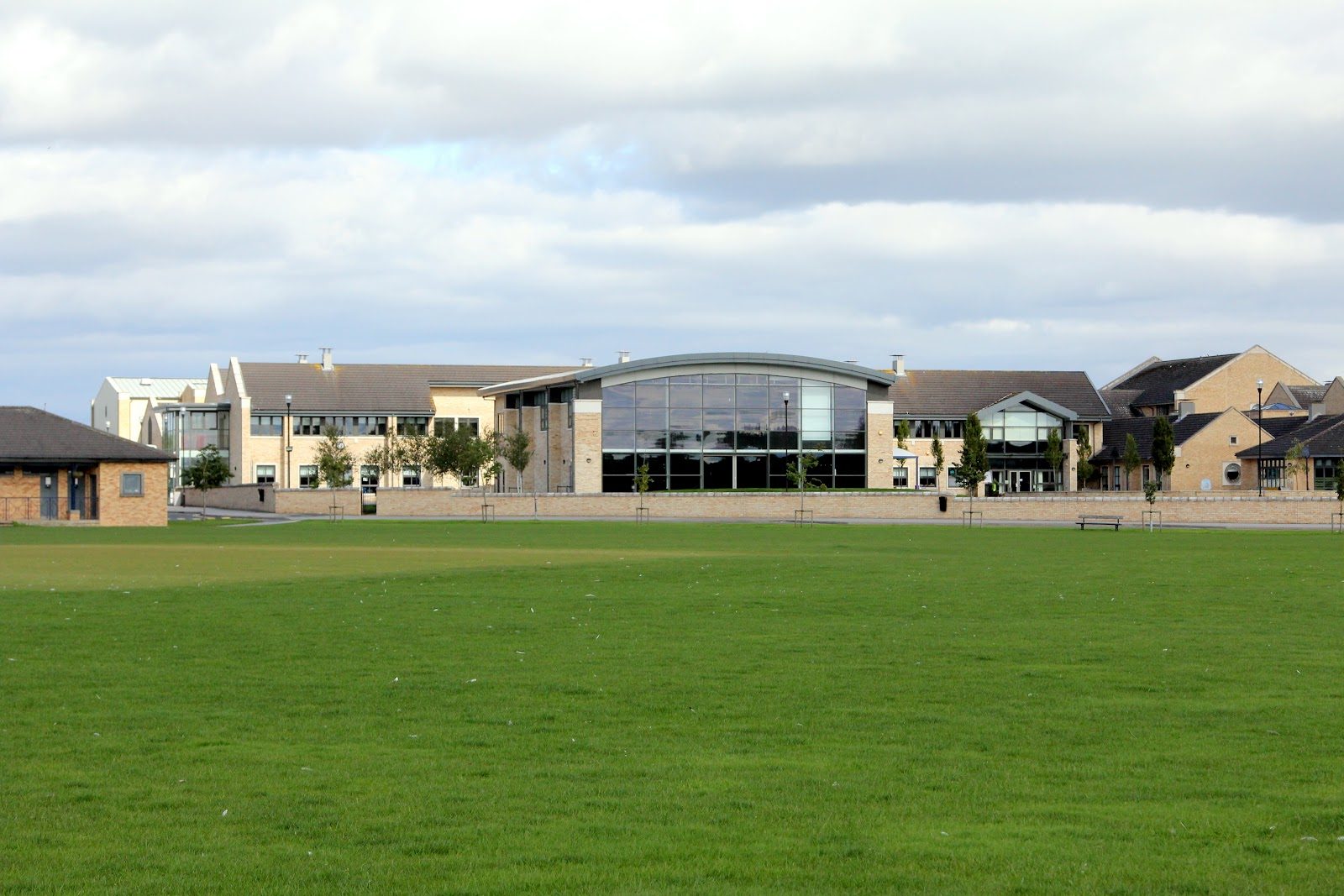
The Grammar School at Leeds
Leeds · United Kingdom
Where a 1552 boys' grammar school and an 1876 girls' high school fused into one diamond-model campus across 140 Yorkshire acres
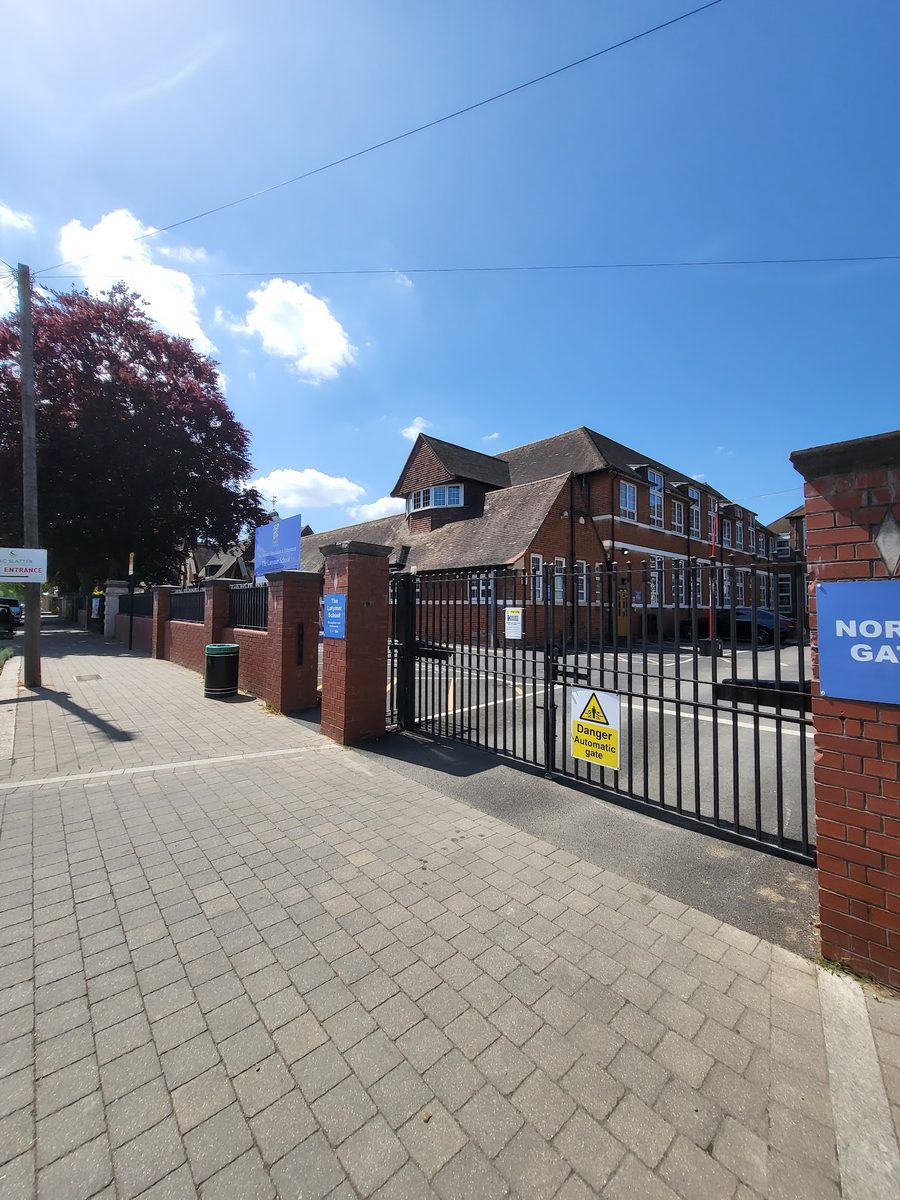
The Latymer School
London · United Kingdom
A 400-year-old state grammar in Edmonton where over 1,000 applicants compete yearly for just 192 places, with Cambridge college endowments still funding leavers.
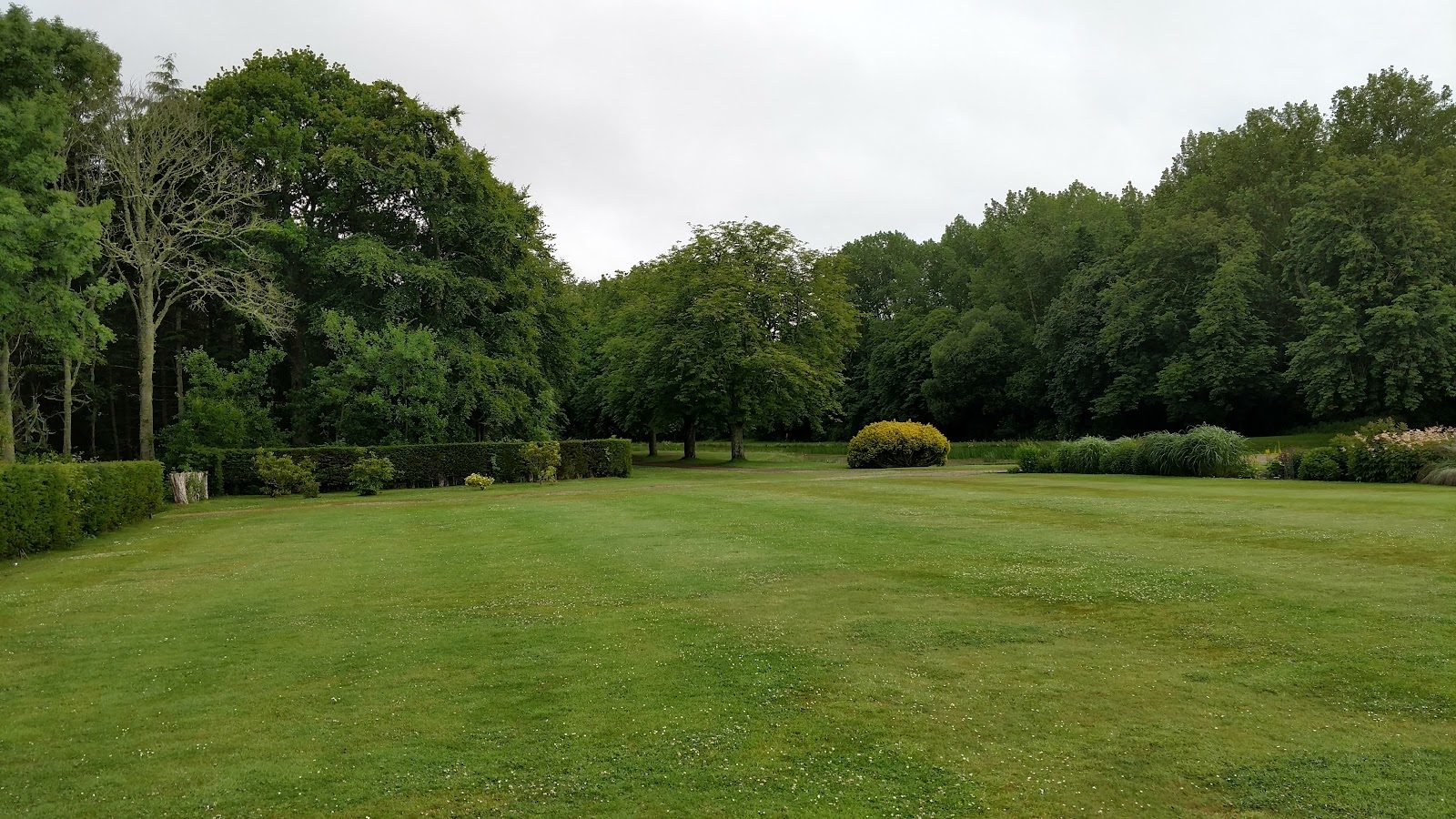
Gordonstoun
Elgin · United Kingdom
On Scotland's Moray coast, birthplace of Outward Bound, where sail training aboard the school's own ocean-going yacht counts as curriculum.
Oundle School
Oundle · United Kingdom
Boarding houses woven into a historic market town, and an engineering centre that 3D-prints titanium and carbon fibre.
Same country and curriculum — closest matches within ±10 points either way