
Sindh
Karachi Grammar School
high confidence· 5/6 cats · 3.12 avg sourcesFrom a chaplain's kitchen in 1847 to South Asia's second-oldest private school, run on Frere, Napier, Papworth and Streeton house lines.
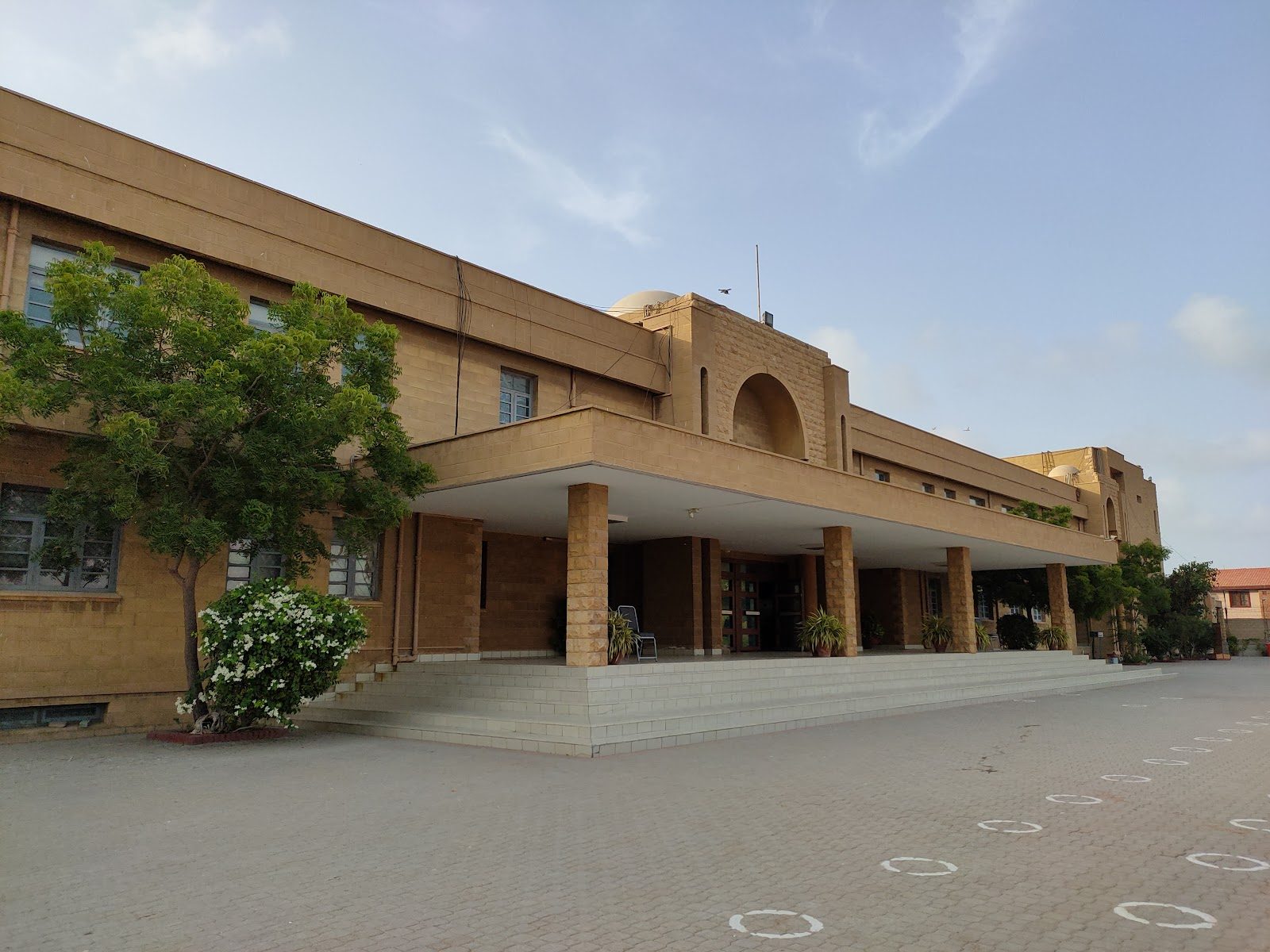
Photo © Syed Nasir Ali via Google Maps
Type
Boarding
Ages
11–18
Curriculum
British
Qualifications
IGCSE
Ratio
—
The Verdict
Editor's commitment
Right for
Families wanting a selective British school in Karachi with Cambridge accreditation, English instruction, boarding, and a proven 1847 institutional backbone.
Wrong for
Parents seeking warmth-by-branding, religious framing, or a small school: KGS is non-religious, coeducational, and serves about 2,400 students.
Watch out for
Average fees run at $6,000 day and $12,000 boarding; this is 11–18 only, despite the wider school enrolling ages three to eighteen.
Ranking breakdown
Karachi Grammar School · #666 of 1591
Composite score 67.0. 8 weighted criteria.
By criterion
Academic Outcomes
Weight 20%
#209
of 1529 scored
University Placement
Weight 16%
#263
of 1529 scored
Prestige & Heritage
Weight 12%
#296
of 1571 scored
Alumni Network
Weight 12%
#1350
of 1530 scored
Facilities
Weight 12%
#667
of 1534 scored
Transparency & Communications
Weight 8%
#388
of 1532 scored
Peer & Industry Review
Weight 10%
#424
of 1548 scored
Admissions Selectivity & Demand
Weight 8%
#180
of 1529 scored
Score history
Karachi Grammar School · 2026
Movement across 2024–2026. Peer average overlaid.
Overall — 2024–2026
67.0/ 100
▲ +16.5 vs 2025
year on year
Peer & Industry Review
How Karachi Grammar School is regarded in the sector
90
Top-tier · high confidence
Karachi Grammar School is consistently cited as Pakistan's most prestigious and oldest elite school, founded in 1847, with an alumni network including former Pakistani prime ministers (Benazir Bhutto), business leaders, and international figures, frequently referenced in Pakistani and international press coverage of elite South Asian education. It is a benchmark institution in 'best schools in Pakistan' discussions and is well-known within expat and diplomatic communities in Karachi as the top choice for elite local and international families.
Evidence sources
- Benazir Bhutto — Former Prime Minister of Pakistan, Politics
- Shahid Khan — Founder/CEO Flex-N-Gate, Owner Jacksonville Jaguars & Fulham FC, Business
- Fatima Bhutto — Author, Literature
Editors' overview
Karachi Grammar School trades on substance that few schools in the region can match: a founding date of 1847, deep local prestige, and the hard-edged selectivity that accompanies both. It is a non-religious, coeducational British-curriculum school in Karachi, with English as the language of instruction and Cambridge accreditation. The school serves pupils aged 11 to 18 in this listing, and its house structure — Frere, Napier, Papworth and Streeton — gives it the architecture of a traditional senior school rather than a glossy international upstart. The result is a school with serious academic intent and a strong sense of institutional memory.
What is special here is not novelty but status earned over time. Karachi Grammar is South Asia’s second-oldest private school, and that matters because old schools tend to accumulate habits, expectations and networks that newer competitors cannot manufacture. Its alumni footprint is unusually strong: 24 notable alumni catalogued in Wikidata, spanning politicians, business figures, scientists, writers and actors, with one star-tier drama laureate. That does not prove current academic outcomes, and the school does not publish aggregate exam results in the information we have seen, but it does confirm long-range cultural and professional reach. Parents who want a school with genuine historical weight, social capital and an established route into ambitious university trajectories will put KGS on the shortlist quickly.
This is not a school for children who need constant hand-holding or a soft, therapeutic culture. It suits bright, self-directed students who enjoy competition, can hold their own in a selective environment and value reputation as much as pastoral cushioning. Families also need to read the price correctly: the fee data supplied here place it in an odd bracket for a school of this standing, so a precise market comparison on fees is not reliable enough to print. What is reliable is the positioning: Karachi Grammar sits in the elite domestic tier, with the intellectual and social confidence that implies. For the right student, that is a powerful draw. For a child who needs warmth foregrounded above pressure, it is not for the faint-hearted.
Academic Performance
Karachi Grammar School does not publish aggregate external exam results in the public domain, and that matters. At this level of selectivity and reputation, parents should expect clear disclosure of A*–A rates, top subject outcomes and university destinations. The absence of that data leaves a gap at the centre of any academic assessment. What can be said with confidence is narrower but still useful: this is a school with a hard-driving academic culture, a selective intake and the kind of alumni pipeline that points to sustained intellectual ambition over time. That combination places it in the serious end of the market, not in the category of schools that trade on facilities or international branding while keeping outcomes vague.
Relative to peers, KGS sits in an unusual position. Within Pakistan, it belongs in the top domestic conversation and carries the authority of an institution whose name opens doors. Against the best exam-led schools in Singapore, Hong Kong, Dubai or the strongest British independents, reputation alone is not enough; published results decide the argument, and KGS does not supply them. That does not weaken the school’s standing locally. It does limit precision. For parents comparing across borders, the verdict is straightforward: strong academic expectations, elite local status, and opaque performance reporting.
Facilities
Publicly available detail on facilities is thin, and that itself is a mark against the school. For a school of this stature, parents should not have to infer the physical offer. What can be stated is structural: this is a large school, with roughly 2,400 pupils across the full age range, so its senior section operates inside a substantial institution rather than a boutique campus. That scale usually supports the basics that selective British-pattern schools need — science labs, libraries, games provision, exam infrastructure and spaces for societies and performances — but KGS does not publish a level of detail that lets parents test quality room by room. The picture is therefore serviceable but opaque, with reputation doing more work than disclosure.
Against peers, that opacity matters more than any romantic attachment to heritage. The best independent schools in Asia and the Gulf now show parents exactly what they are buying: specialist labs, black-box theatres, design suites, aquatic centres, boarding houses and high-spec sports complexes, all documented clearly. KGS does not meet that standard of transparency in the public domain. That does not mean the campus is weak; it means the school asks families to trust the name. In the local market, many will. In an international comparison, the facilities case is under-evidenced, old-school and short on the kind of hard detail sophisticated parents now expect.
Karachi Grammar School does not publish aggregate external exam results in the public domain, and that matters
Prestige
Karachi Grammar School carries old-money educational prestige in Pakistan: the kind that does not need theatrical branding because the name already does the work. Selective schools can claim ambition; far fewer command automatic recognition across politics, business, the arts and public life. KGS does. The verified alumni record matters here not as a vanity list but as evidence of sustained elite reproduction over decades: 24 notable alumni catalogued in Wikidata across several high-status fields, including a star-tier arts honour. That breadth gives the school a serious social afterlife. Families are not buying only teaching; they are buying entry into a network with long memory, strong peer effects and durable local cachet.
That is why the prestige rating sits high even without glossy international-school signalling or published headline exam data. KGS has the rarer asset: institutional authority. In the Pakistani market, its name carries weight with universities, employers and socially ambitious families in a way newer schools cannot replicate. Outside Pakistan, the picture is narrower. The school has recognition among informed regional audiences, but not the instant global brand recognition of the biggest British exports or top East Asian exam machines. Prestige here is therefore deep rather than wide: formidable at home, respected by those who know the sector, and powerful enough that many families will treat an offer as a mark of distinction in itself.
At this level of selectivity and reputation, parents should expect clear disclosure of A–A rates, top subject outcomes and university destinations
Communications
Karachi Grammar School communicates in an old-school, institution-led way rather than with the polished transparency now standard at ambitious international schools. The public-facing footprint is thin. Core identity points are easy enough to establish, and the school’s scale is clear, but parents looking for the practical detail that matters in day-to-day family life — leadership visibility, pastoral processes, boarding routines, calendar clarity, academic reporting rhythms, transport, safeguarding contacts, or a clear sense of who answers what — do not get a richly documented picture. For a school serving around 2,400 pupils across the wider institution, that is a weak showing. Strong schools do not need glossy prose, but they do need plain operational clarity. KGS does not provide enough of it in the public domain.
That has two consequences. First, established local families will tolerate it because the school’s authority predates the current culture of constant parent messaging. Second, internationally mobile parents will find it frustratingly opaque. Communication here reads as something the school controls on its own terms, not a service designed around parental scrutiny. That can work when the school is disciplined internally and families accept a more formal relationship. It works less well for parents who expect rapid updates, granular handbooks and visible leadership communication. The verdict is straightforward: credible but closed, strong on institutional confidence, weak on public-facing detail, and behind the best comparator schools on transparency.
Uniqueness
What sets Karachi Grammar apart is not novelty, campus theatre or imported branding. It is the rare combination of institutional gravity, hard selection and a social reputation that has endured long enough to shape a country’s elite. In a market crowded with schools keen to advertise modernity, KGS offers something older and harder to copy: inherited status that still converts into present-day advantage. That matters for students because peer group is one of the school’s strongest assets. In selective institutions with this level of local authority, classmates become competitors, collaborators and future gatekeepers. The educational value lies not only in lessons, but in daily exposure to a cohort trained to aim high and accustomed to pressure.
The school’s distinctiveness also sits in its afterlife. A verified alumni base of 24 notable figures across public life, business, scholarship, writing and the arts gives KGS a serious civic footprint rather than a narrow exam-factory identity. Students benefit from that in concrete ways: ambition feels normal, intellectual attainment carries social weight, and the school’s name retains force long after graduation. There is, however, a trade-off. Schools built on prestige and selectivity rarely centre softness, and KGS does not read as a place designed around emotional hand-holding. For resilient adolescents, that produces a high-pressure, high-expectation culture with real rewards. For children who need overt nurture, the very thing that makes KGS distinctive can also make it a demanding fit.
Within Pakistan, it belongs in the top domestic conversation and carries the authority of an institution whose name opens doors
Student Profile
The pupil who thrives here is bright, competitive and self-propelled. Karachi Grammar’s senior intake sits inside a school of around 2,400 pupils overall, and the culture that follows from that is not intimate or indulgent. Students need to navigate a large institution, handle comparison with strong peers and cope with teachers who will expect competence rather than coax it out of them. This suits adolescents with sharp academic instincts, high tolerance for pressure and enough social confidence to find their place without constant adult intervention. It does not suit children who need heavy pastoral scaffolding, frequent reassurance or a highly personalised, therapeutic environment.
There is also a clear social dimension to fit. This is a school for families comfortable with selectivity, status and the reality that peer group matters. Students who value intellectual seriousness, competitive university trajectories and a network that extends well beyond school will find real traction here. The coeducational setting broadens that appeal, but the core profile stays the same: ambitious teenagers, resilient enough to absorb setbacks and mature enough to manage freedom sensibly. In boarding, that requirement hardens further. Pupils need independence, emotional steadiness and the ability to live within a formal institutional culture. For the right child, that produces a formidable training ground. For the wrong one, it can feel brisk, demanding and unforgiving.
For children who need overt nurture, the very thing that makes KGS distinctive can also make it a demanding fit
Co-curricular strengths
Arts & sport, on a separate axis
Overall 8.5/10
Scored 0-10 from the school's own published evidence. This axis is editorial-only — it does not feed the main WTS ranking.
Sports
8.5/10
Multiple sports—cricket, football, hockey, basketball and swimming—and the external evidence adds a named competitive result, KGS winning the 2024 Reflections School Tournament, which supports a notable programme.
Drama
9/10
Drama is explicitly listed in extracurriculars, Wikipedia cites a named Dramatica Club, and verified alumna Sharmeen Obaid-Chinoy is an Academy Award winner, which under the laureate rule anchors drama at least at 7.
Dance
8/10
Music
8.5/10
External evidence states that KGS offers music and a school choir in the Junior Section and has a named Eastern Music Society at the College Section, indicating a structured and identifiable music programme.
Visual Arts
8.5/10
That art is taught as a subject, which is explicit dimension-specific evidence, but there is no further detail on clubs, facilities, exhibitions or specialist visual-arts provision.
Editor first-pass · editor-reviewable · 7/28/2026
Notable alumni · Wikidata
24notable alumni
1 historic (born pre-1930) · 6 modern (born post-1970)wikidata:2026-07-28 How we source this
Strengths
- +Founded in 1847, KGS is the oldest private school in Pakistan and the second oldest in South Asia, with a Cambridge exam history dating to 1912.
- +Highly selective admissions process feeding into a Cambridge O and A Level pathway, with entry to the A Level program contingent on proven aptitude and attendance.
- +Notable alumni span law, media, literature and public service, including Supreme Court Justice Ayesha Malik, filmmaker Sharmeen Obaid-Chinoy, author Kamila Shamsie and actor Kumail Nanjiani.
- +Long-established co-curricular culture in debating, Model UN and public speaking, backed by an active Old Grammarians' Society alumni network.
- +The alumni society has supported more than 1,000 financially needy but meritorious students to continue at major Pakistani institutions.
Considerations
- −Despite being catalogued here as a boarding school, KGS today operates as a day school only; boarding is described in independent sources as a historical, discontinued arrangement.
- −Fee structure is not published transparently by the school itself; parent-reported monthly costs vary widely by section and can run high once bundled charges are included.
- −Instruction is spread across three separate sites (Saddar for middle years, Clifton for junior and college years), which adds logistical complexity for families without local transport.
- −Public information on exact admissions criteria, seat availability and waitlists is limited, making the process opaque for families applying from abroad.
Availability
Primary entry gate & tests
KGS Entrance Exam
Gallery
Photo © Syed Nasir Ali via Google Maps
Photo © PRITANSH BAKSHI via Google Maps
Photo © Rizwan Khan via Google Maps
Photo © ZASAMI _ via Google Maps
Photo © Syed Nasir Ali via Google Maps
Photo © Abdul Razzak Lakhani via Google Maps
Photo © Azeem Shaikh via Google Maps
Photo © Azeem Shaikh via Google Maps
Photo © Azeem Shaikh via Google Maps
Parent reviews
Have you sent your child here?
Voice reviews carry the strongest trust badge — we transcribe them for you to tidy up before they go live. Prefer to type? A written review is fine too.
Add your voice
In 60 seconds, tell other parents: what's the best thing about Karachi Grammar School, and what surprised you when your child joined?
We ask for a Google sign-in so every review has a real face behind it — no anonymous drive-by attacks on schools, and no faked positive reviews. Your email is never shown publicly.
Send this profile to a friend
International parents rely on word-of-mouth. Share this review with someone weighing the same decision.
Schools with places
Similar schools to Karachi Grammar School with places available now.
Availability first, then country, area, curriculum, price, co-curricular
Consider also
Also worth looking at alongside Karachi Grammar School.
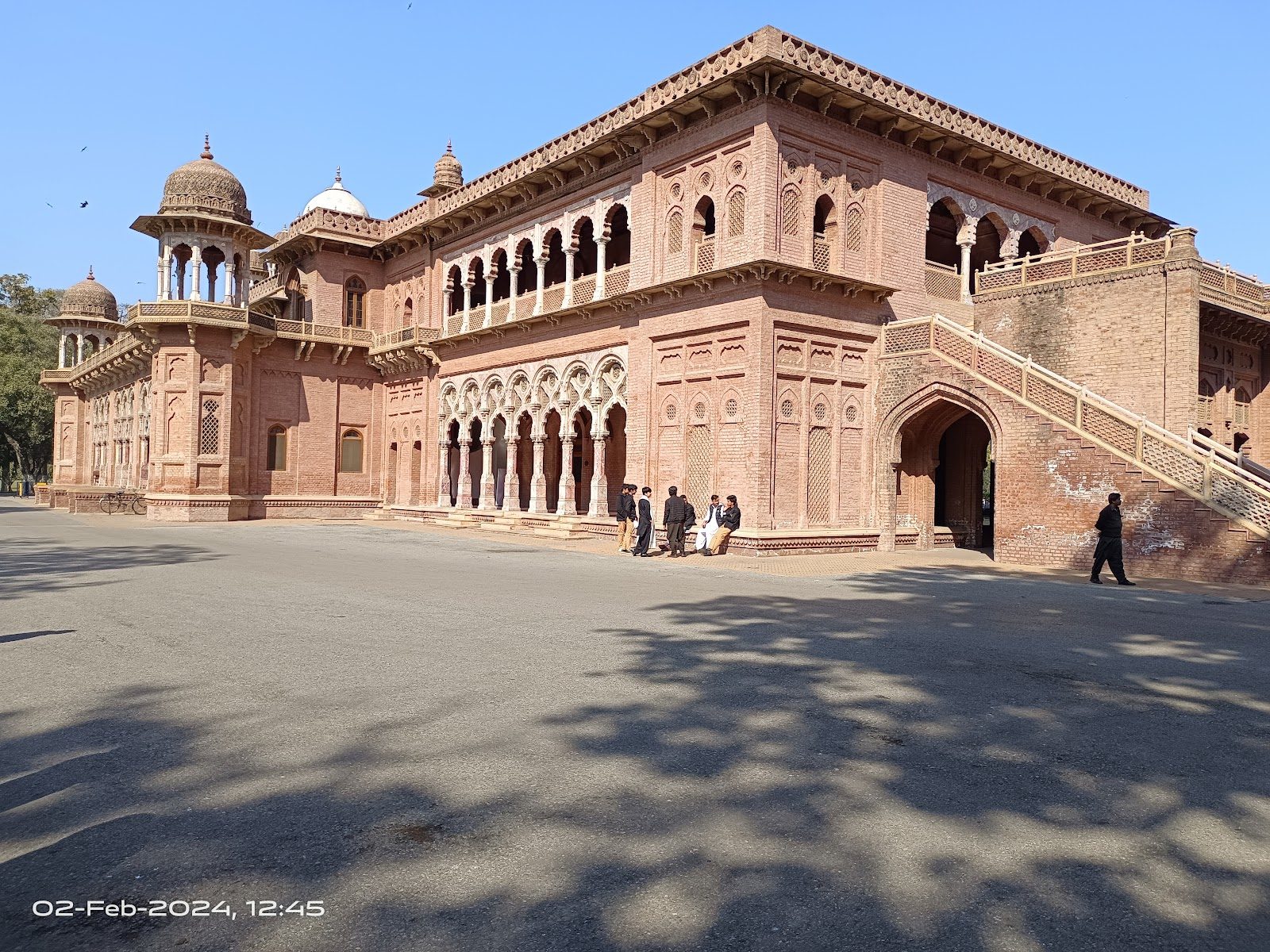
Aitchison College
Lahore · Pakistan
On a 200-acre Mall Road campus, a Cambridge school since 1935 still trains boys across polo fields and seventeen boarding houses.
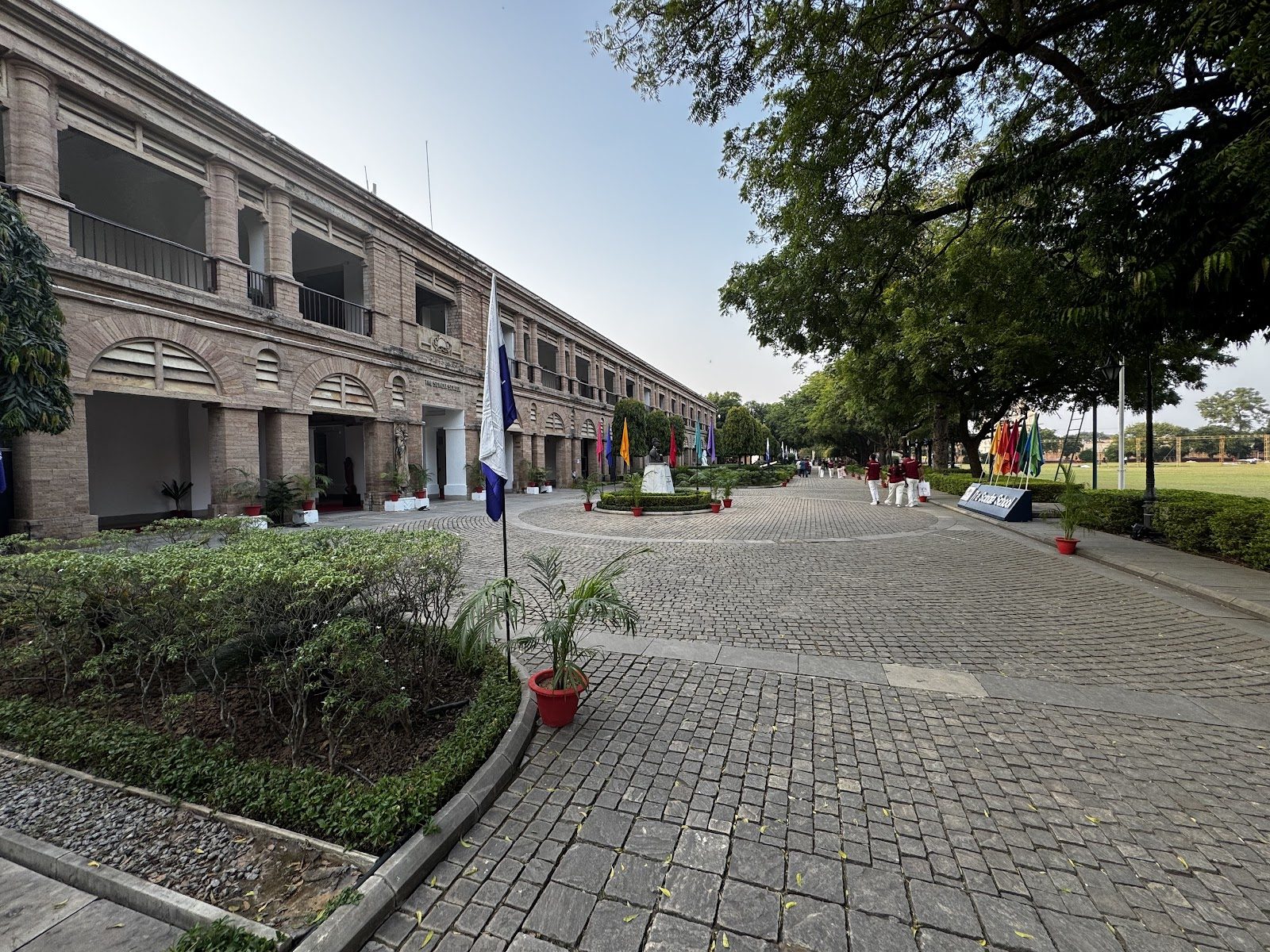
The Scindia School
Gwalior · India
Storied boys' boarding school inside Gwalior Fort, delivering a CBSE curriculum with a British public-school ethos.
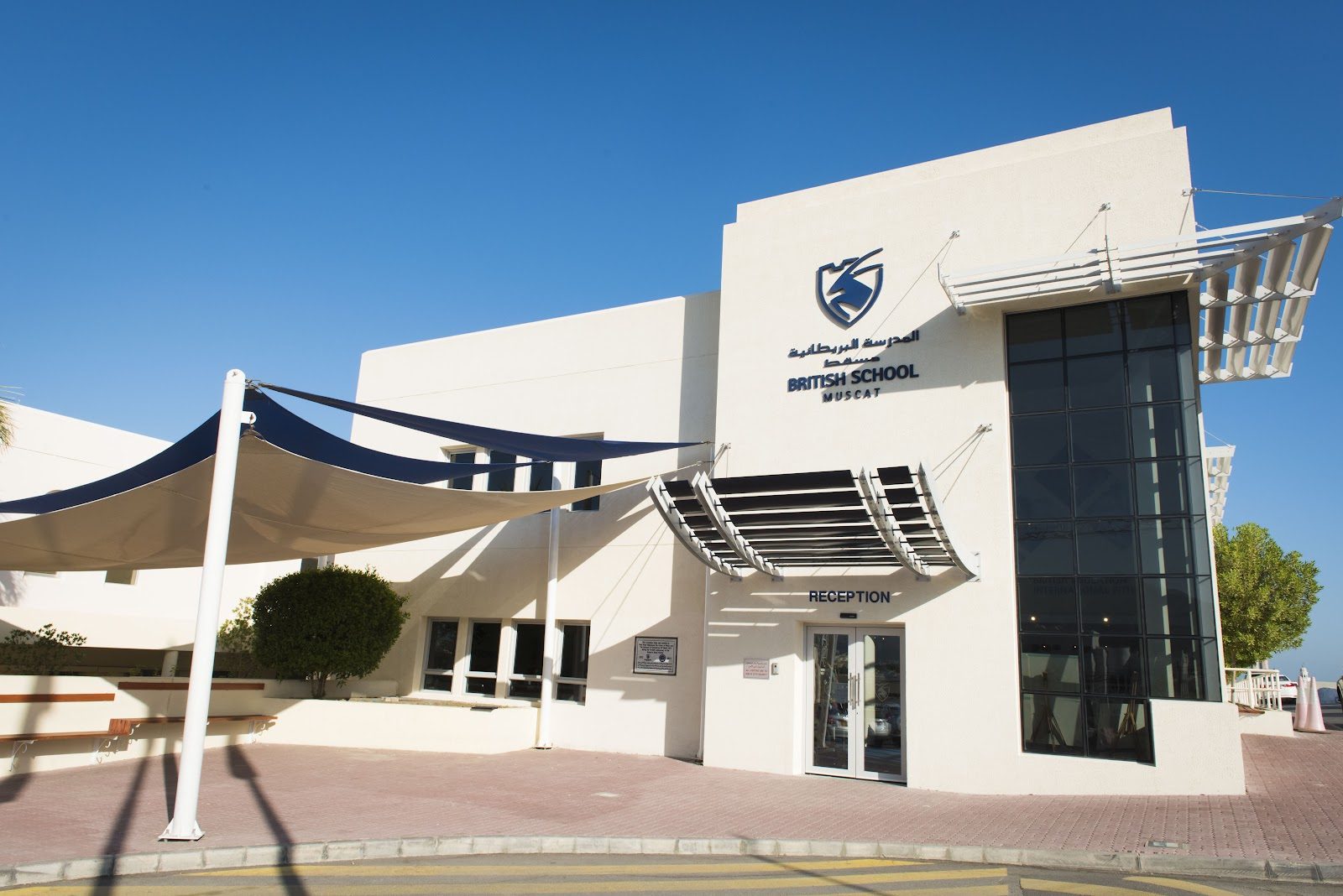
British School Muscat
Muscat · Oman
A Royal Charter granted by Sultan Qaboos underwrites five decades of not-for-profit British schooling on Muscat's coast.
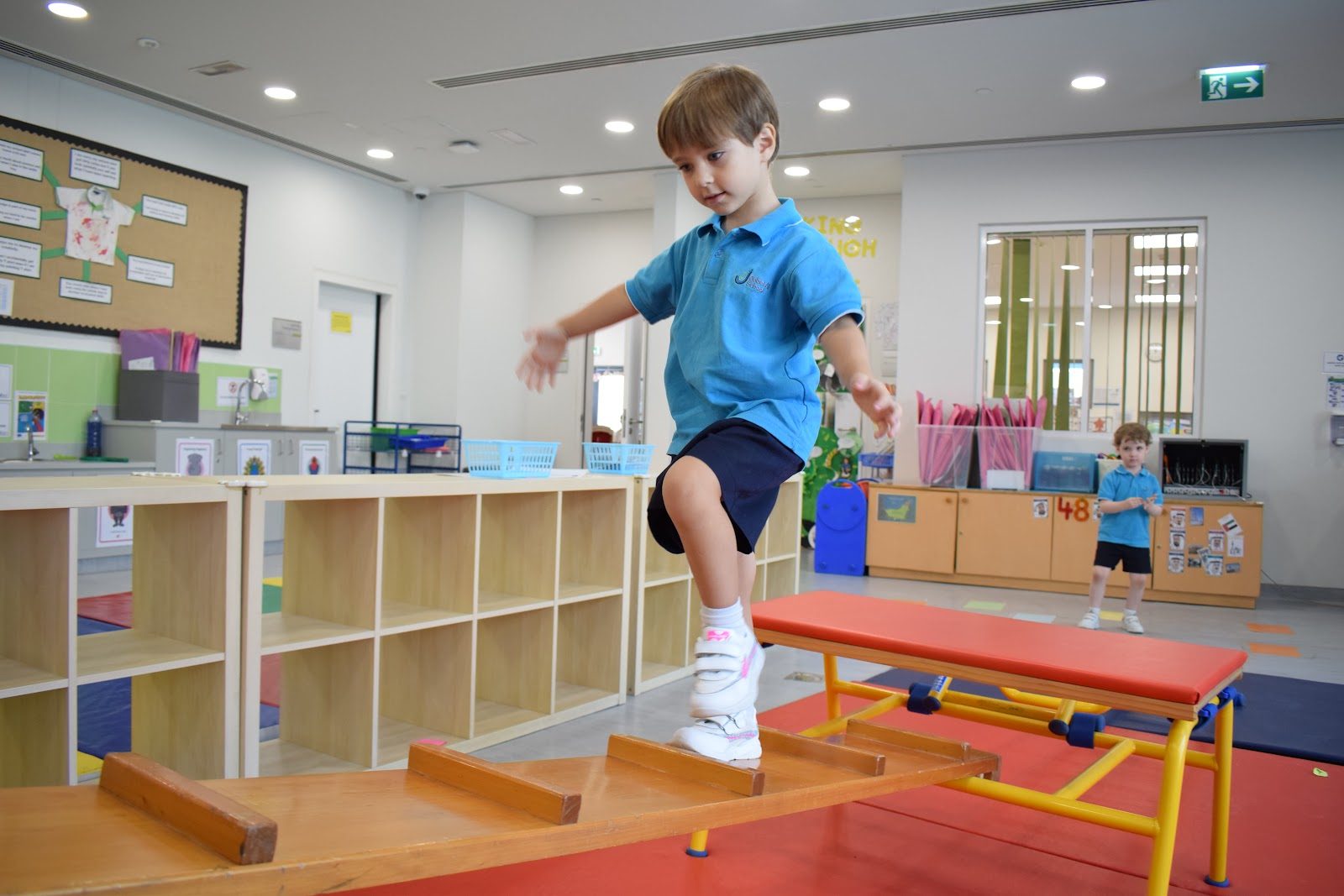
Jebel Ali School
Dubai · United Arab Emirates
Rooted in 1977 as a school for Jebel Ali Port's workers' children, now an all-through Damac Hills campus with a top BSO inspection mark.
Same country and curriculum — closest matches within ±10 points either way