
Geneva
Institut International de Lancy
medium confidence· 4/6 cats · 3.25 avg sourcesFounded in 1903 near Geneva, this campus runs French, British and bilingual tracks side by side into the IB diploma.
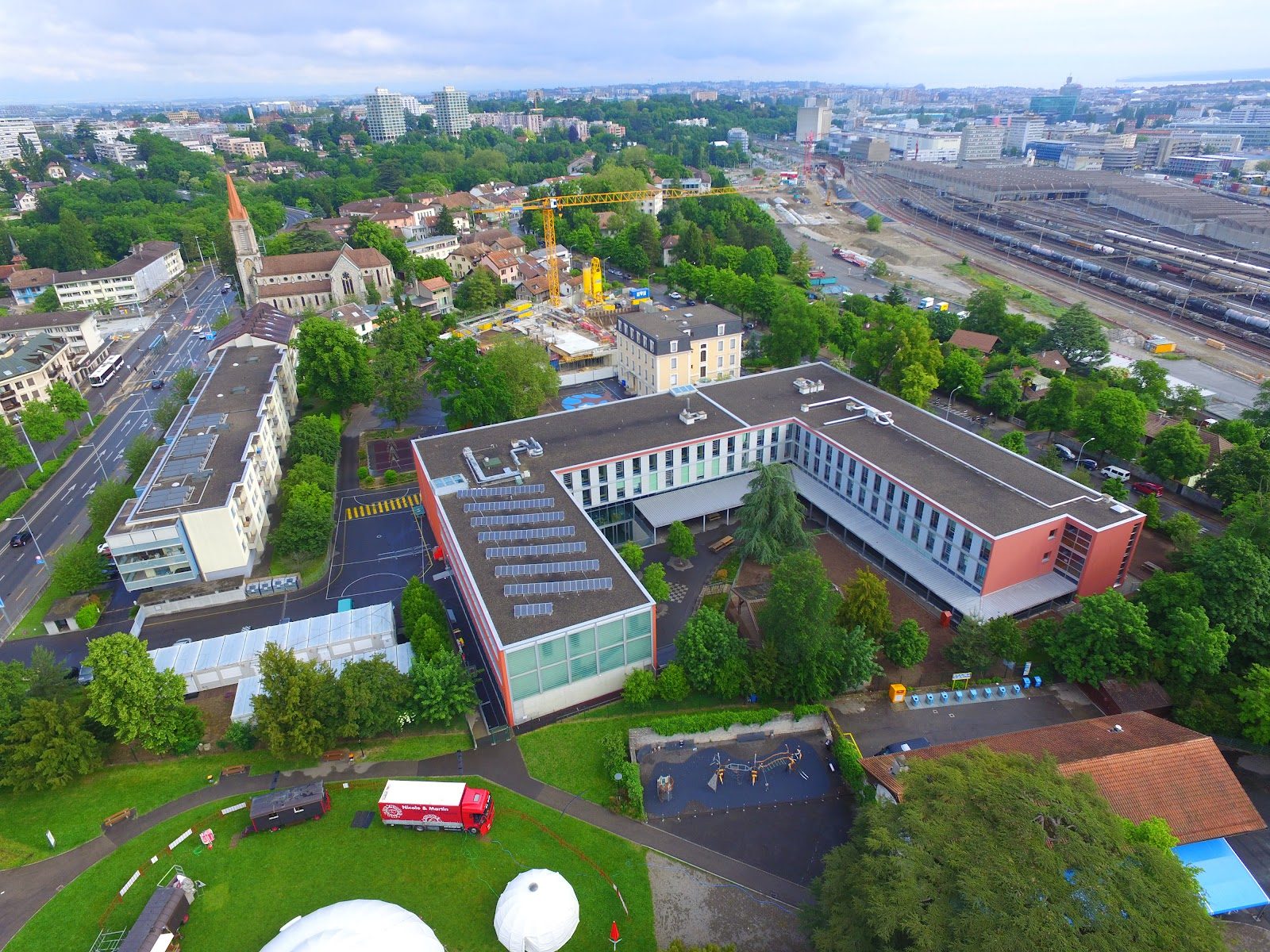
Photo © Oleksiy Muzalyev via Google Maps
Type
Day
Ages
3–19
Curriculum
IB · British
Ratio
—
The Verdict
Editor's commitment
Right for
Geneva families wanting English and French teaching from ages 3–19, with British and IB routes on one campus.
Wrong for
Parents who want boarding, a religious school, or a single-curriculum model; IIL is day-only, non-religious, and runs parallel tracks.
Watch out for
CHF 29,200 a year on average buys scale — 1,500 pupils and 90 nationalities — but the school does not publish hard exam data here.
Ranking breakdown
Institut International de Lancy · #478 of 1591
Composite score 69.2. 8 weighted criteria.
By criterion
Academic Outcomes
Weight 20%
#586
of 1529 scored
University Placement
Weight 16%
#584
of 1529 scored
Prestige & Heritage
Weight 12%
#608
of 1571 scored
Alumni Network
Weight 12%
#394
of 1530 scored
Facilities
Weight 12%
#569
of 1533 scored
Transparency & Communications
Weight 8%
#652
of 1532 scored
Peer & Industry Review
Weight 10%
#645
of 1548 scored
Admissions Selectivity & Demand
Weight 8%
#438
of 1529 scored
Score history
Institut International de Lancy · 2026
Movement across 2024–2026. Peer average overlaid.
Overall — 2024–2026
69.2/ 100
▲ +23.8 vs 2025
year on year
Peer & Industry Review
How Institut International de Lancy is regarded in the sector
68
Respected · medium confidence
I could not verify at least two independent, third-party sources (e.g., Tatler, Good Schools Guide, expat forums, specialist press) discussing Institut International de Lancy's reputation. Without such corroborating evidence, I cannot responsibly place it on the given scale.
Editors' overview
What marks out Institut International de Lancy is the structural choice to run French, British and bilingual routes side by side on one Geneva campus, from age 3 to 19, rather than bolt an “international” layer on to a single national system. That matters. Families with one eye on the francophone world and another on English-medium higher education get genuine room to manoeuvre. The school teaches in English and French, offers both IB and British curricula, and does so at scale: more than 1,500 pupils and more than 90 nationalities give it a reach that few Geneva schools can match. Founded in 1903 and accredited by both the IBO and CIS, it has the age and external validation that international parents look for, without the religious framing that still shapes part of the Swiss private market.
The attraction, then, is flexibility with continuity. Children can start in one of three nursery and primary pathways — English bilingual, French bilingual, or fully bilingual French/English — and stay within the same institution into secondary. That is a serious practical advantage for expatriate families whose plans may change, and for binational households that do not want to force one language to the margins. The school also has the breadth that comes with a large through-school: anti-bullying provision, a stated digital approach, after-school activity and holiday camp infrastructure, and the kind of campus life that supports more than classroom teaching. At an average annual day fee of CHF 29,200, it sits in the upper-middle to premium bracket for Geneva day schools, but not at the most aggressive end of the market.
This is not the school for parents who want a tiny, highly sheltered environment or a single-track academic identity. IIL is better suited to students who thrive in a busy, multilingual setting and who gain from choice rather than a rigid institutional script. The strongest fit is the internationally mobile child, the bilingual or bilingual-aspiring student, and the family that wants to keep both French and English routes open deep into the secondary years. The caution is straightforward: the school advertises exam results news, but it does not publish aggregate outcomes in the public domain here, so parents who want hard academic proof points need to ask direct questions. Even so, the core proposition is clear and distinctive: a long-established Geneva day school with real scale, two working languages, and multiple academic pathways under one roof.
Academic Performance
IIL signals confidence on outcomes without giving parents the data needed to test that confidence. The public site pushes “exam results” and graduation news, but no aggregate figures sit in the public domain here for the IB or for the British route: no average score, no pass rate, no subject breakdown, no university destinations list. That leaves the school in an opaque position academically. In a market where stronger operators publish headline attainment cleanly, that omission matters. Parents comparing Geneva options on hard results, rather than programme range or campus life, need to ask direct questions and insist on multi-year data, not celebratory snapshots of a graduating class.
That does not put IIL in a weak tier; it puts it in an unproven one. The scale of the school — more than 1,500 pupils across more than 90 nationalities — gives it the critical mass to sustain multiple pathways and a broad senior offering, which can support solid examination outcomes. But scale is not proof. Relative to peers, IIL fits the group of established international schools with a strong institutional proposition and insufficient public academic transparency. For families who value route flexibility above published score-chasing, that may be an acceptable trade. For families pursuing the sharpest academic read of the Geneva market, it is a clear drawback until the school discloses full results.
Facilities
The school’s public face points to the facilities that matter most in a large through-school: a full campus built for nursery through sixth form, organised enough to support after-school provision, holiday camps, parent association activity and an internal calendar dense with events. That matters because many peers in Geneva offer strong teaching but thinner infrastructure around the school day. IIL has the operational footprint of a fully fledged all-day institution, not a compact academic outfit that empties at home time. Its emphasis on digital learning and anti-bullying work also signals investment beyond classrooms alone. Add a student body of more than 1,500, and the picture is of a campus designed for constant movement, multiple age groups and a busy family base, rather than a quiet boutique setting.
What the school does not do, at least publicly, is showcase facilities in the granular way top competitors now do. There is no clear published inventory of specialist science labs, performing-arts spaces, sports assets or senior study provision. That is a weakness. In this bracket, parents expect to see exactly what children can use and how often they can use it. So the benchmark verdict is mixed: IIL looks stronger than smaller operators on day-to-day infrastructure and community life, but less transparent than the best-drilled Geneva rivals on the physical estate itself. If facilities drive the decision, ask for a campus tour with direct access to specialist spaces, not a general introduction.
What the school does not do, at least publicly, is showcase facilities in the granular way top competitors now do
Prestige
IIL has real standing in Geneva’s international-school market, but not the kind of prestige that rests on elite academic mystique or ruthlessly published outcomes. Its status comes from durability, breadth and social mix. A school that has educated families across generations, carries more than 90 nationalities, and teaches more than 1,500 pupils has institutional weight. In practical terms, that gives it visibility, a wide parent network and a level of recognition that newer or smaller operators do not command. The multi-track structure also adds cachet of a specific kind: not old-boy exclusivity, but serious international utility. For diplomatic, expatriate and binational families, that matters more than polished mythology.
That is why the prestige here reads as established and credible rather than rarefied. IIL offers scale, continuity and a multicultural environment that many families value highly, and its average annual fee of CHF 29,200 places it in a segment where parents expect substance, not boutique scarcity. The limit on its prestige is clear. The school does not publish the hard outcome data that would lift it into the top-rank, results-driven bracket. Nor does it trade on a singular national identity or a famous alumni machine. The result is a school with solid market respect and strong practical appeal, but not one that dominates Geneva conversation as an undisputed status purchase.
The school does not publish the hard outcome data that would lift it into the top-rank, results-driven bracket
Communications
Parent communication looks functional, busy and more service-led than strategic. The public site carries the core channels a parent expects — calendar, agenda, lunch menu, after-school provision, holiday camps, parent association, alumni and an ENT portal — which tells you the school has built communications around the mechanics of daily family life rather than around polished storytelling. That suits a large through-school. Families need timetables, event dates, practical notices and clear points of access; IIL provides them. The website also foregrounds open days, campus news and exam-season celebration, so the outward rhythm is active, community-facing and easy to navigate. With more than 1,500 pupils and over 90 nationalities, anything less would create friction fast.
The weakness is depth and precision. IIL communicates plenty, but not always the information that matters most when parents are making high-stakes decisions or checking standards. The same pattern shows up in academics and facilities: promotion is visible, hard detail thinner. That leaves communications competent but controlled — strong on announcing events and sustaining a sense of school life, weaker on publishing the evidence that lets parents scrutinise performance. For current families, the operational side is the more important test, and the portal-based structure points to a well-organised internal system. For prospective parents, though, the school needs sharper disclosure and less gloss. In editorial terms, IIL communicates efficiently day to day, but not with the full candour of the best-run schools in this market.
Uniqueness
What sets IIL apart is not international branding but internal architecture. Very few schools run three parallel routes from the early years onwards — French bilingual, English bilingual and fully bilingual — and then keep that breadth alive into secondary on the same site. That gives families real room to manoeuvre. A child does not need to leave the school to shift towards a stronger French base, a stronger English base or a more balanced bilingual education as needs change. For binational households, internationally mobile families and pupils whose linguistic confidence develops unevenly, that is a material advantage, not a cosmetic one. Add a community of more than 90 nationalities and over 1,500 pupils, and the result is a school where multilingualism is part of the operating reality, not a slogan.
What students gain from that structure is flexibility without rupture. They can grow up in one institution while navigating different academic and cultural lanes, which is genuinely unusual in a market where schools tend to force an early commitment to one system. That breadth also shapes peer experience: pupils encounter different educational traditions daily, not just at international-day assemblies. The trade-off is clear. A model this broad lacks the single-minded identity of a tightly focused specialist school, and some children do better in a more uniform setting. But for students who benefit from options, movement and a less rigid educational path, IIL offers something distinctive and hard to replicate.
Nor does it trade on a singular national identity or a famous alumni machine
Student Profile
The best fit at IIL is the child who gains energy from movement between cultures, peer groups and ways of learning, not the child who needs a tightly bounded social world. This is a large, mixed international community with more than 90 nationalities and over 1,500 pupils, so students need a measure of confidence, adaptability and social ease. Bilingual or bicultural families sit in the school’s natural catchment, as do expatriate parents who want to keep more than one future route open without changing schools midway through a child’s education. Pupils who enjoy meeting different kinds of classmates, and who do not need a single-track institutional identity, will find plenty to work with here. So will children who like a busy school day, visible events and a campus rhythm that extends beyond lessons.
The weaker fit is straightforward. A child who needs intensive quiet, a highly protected atmosphere or the intimacy of a very small school may feel lost in the scale. Equally, families hunting for a hard-edged academic tribe or a narrow social set built around old-money exclusivity are in the wrong place. IIL suits the internationally minded pragmatist: the student who values flexibility, multilingual fluency and a broad friendship circle more than prestige theatre or a monastic academic culture. In character, the pupil body reads as outward-looking, mobile and diverse rather than homogeneous or tradition-bound.
But for students who benefit from options, movement and a less rigid educational path, IIL offers something distinctive and hard to replicate
Co-curricular strengths
Arts & sport, on a separate axis
Overall 7.14/10
Scored 0-10 from the school's own published evidence. This axis is editorial-only — it does not feed the main WTS ranking.
Sports
8.3/10
Football, Basketball, Tennis and Ski Trips, showing a clear multi-activity sports offering.
Drama
6.8/10
Drama Productions, which goes beyond a bare mention of drama by evidencing recurring performance activity.
Dance
7/10
Music
6.8/10
Choir Ensemble, indicating an organised music activity.
Visual Arts
6.8/10
Visual Arts is offered.
Editor first-pass · editor-reviewable · 7/27/2026
Strengths
- +Founded in 1903, IIL is one of the oldest private schools in Switzerland, giving it more institutional history than many newer Geneva-area rivals.
- +The school enrols a vibrant community of 1500 students representing 96 different nationalities, offering a genuinely international peer group.
- +Students can pursue three parallel academic pathways: the National Curriculum for England, sit Cambridge IGCSE examinations, and prepare for the IB Diploma with multilingual exam options, alongside a separate French Baccalaureate track.
- +IIL has held IB World School status since 2007 and is also a Cambridge University examination centre and is a member of the GESBF, giving families external validation of its exam pathways.
- +The school was the first school in Switzerland to put in place the Kiva and anti-bullying programme, for all students and staff, an independently developed pastoral framework rather than an in-house initiative.
Considerations
- −Independent oversight is limited: according to the Good Schools Guide, the school is not independently accredited or inspected by a recognised outside agency, relying instead on its own or licensing-body checks.
- −Fees are not low for the Geneva day-school market, with published tuition rang(ing) from 16870 to 29790 CHF per year, before add-ons such as the CHF 1,000 enrolment fee and separate charges for books and supplies.
- −Despite its founding identity as a Catholic boarding school for girls, the school's current IB registry entry lists boarding facilities as "DAY" only, so the boarding provision implied by its history may not reflect present-day arrangements.
- −With roughly 1,500 pupils across nursery-to-secondary and three separate curriculum sections (French, English, bilingual), the school is large and structurally divided, which may dilute the small-school feel some relocating families expect.
Availability
Primary entry gate & tests
Academic Record
Gallery
Photo © Institut International de Lancy (IIL) via Google Maps
Photo © Institut International de Lancy (IIL) via Google Maps
Photo © Institut International de Lancy (IIL) via Google Maps
Photo © Institut International de Lancy (IIL) via Google Maps
Photo © Institut International de Lancy (IIL) via Google Maps
Photo © Institut International de Lancy (IIL) via Google Maps
Photo © Carol Dolorier de Haller via Google Maps
Photo © Institut International de Lancy (IIL) via Google Maps
Photo © Swiss.Manga Olivier via Google Maps
Parent reviews
Have you sent your child here?
Voice reviews carry the strongest trust badge — we transcribe them for you to tidy up before they go live. Prefer to type? A written review is fine too.
Add your voice
In 60 seconds, tell other parents: what's the best thing about Institut International de Lancy, and what surprised you when your child joined?
We ask for a Google sign-in so every review has a real face behind it — no anonymous drive-by attacks on schools, and no faked positive reviews. Your email is never shown publicly.
Send this profile to a friend
International parents rely on word-of-mouth. Share this review with someone weighing the same decision.
Schools with places
Similar schools to Institut International de Lancy with places available now.
International School of Geneva
Geneva · Switzerland
- 2026-27
- WAITPOOLSpace-dependent
- 2027-28
- PLACES OPENRolling
Collège du Léman
Versoix · Switzerland
- 2026-27
- WAITPOOLSpace-dependent
- 2027-28
- PLACES OPENRolling
Availability first, then country, area, curriculum, price, co-curricular
Consider also
Also worth looking at alongside Institut International de Lancy.
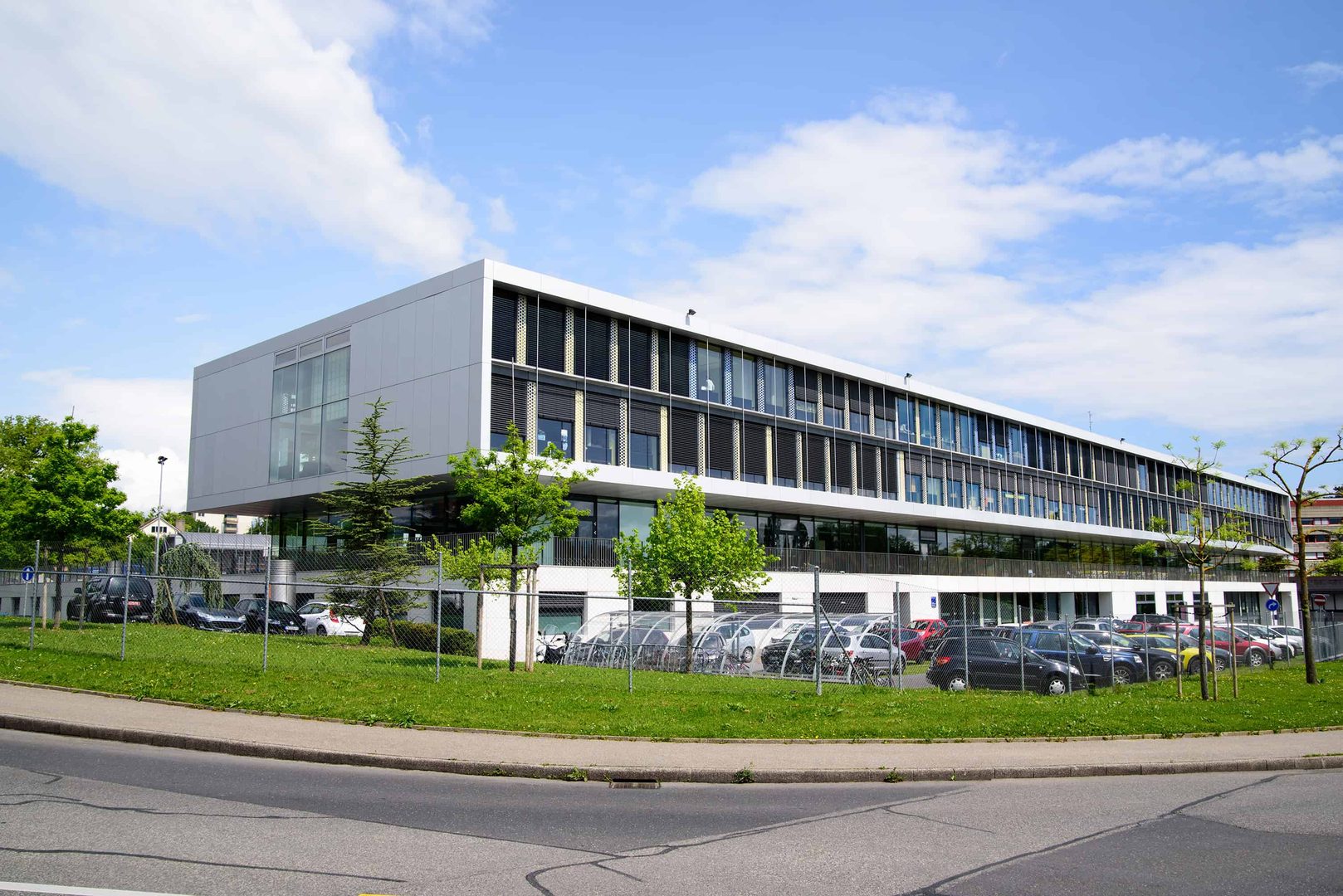
International School of Geneva
Geneva · Switzerland
Born beside the League of Nations in 1924, where its own teachers first drafted the IB diploma.
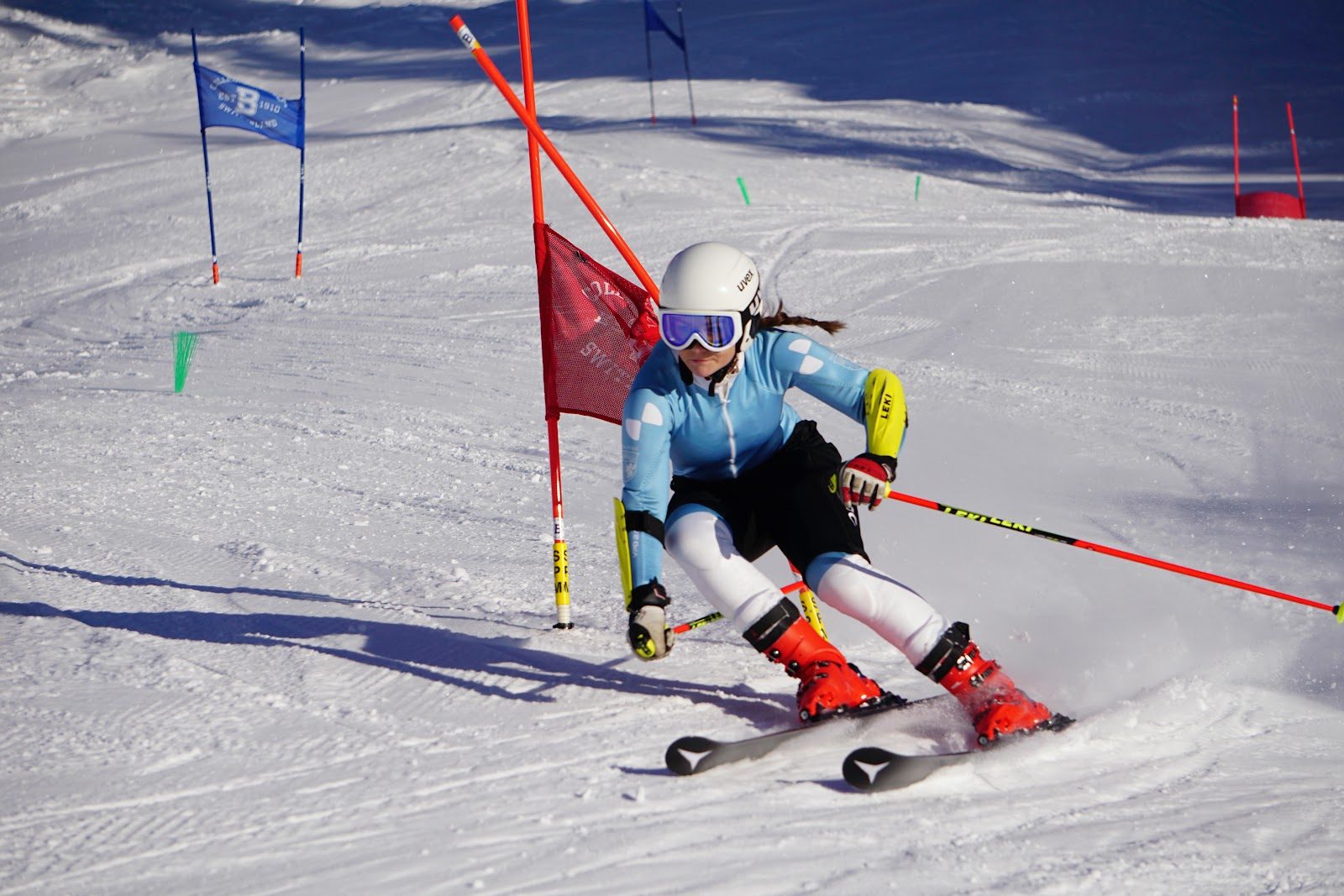
Collège Alpin International Beau Soleil
Villars-sur-Ollon · Switzerland
Since 1910, alpine boarding at 4,429 feet, where house culture is built for ridge hikes and a record Kilimanjaro summit push.
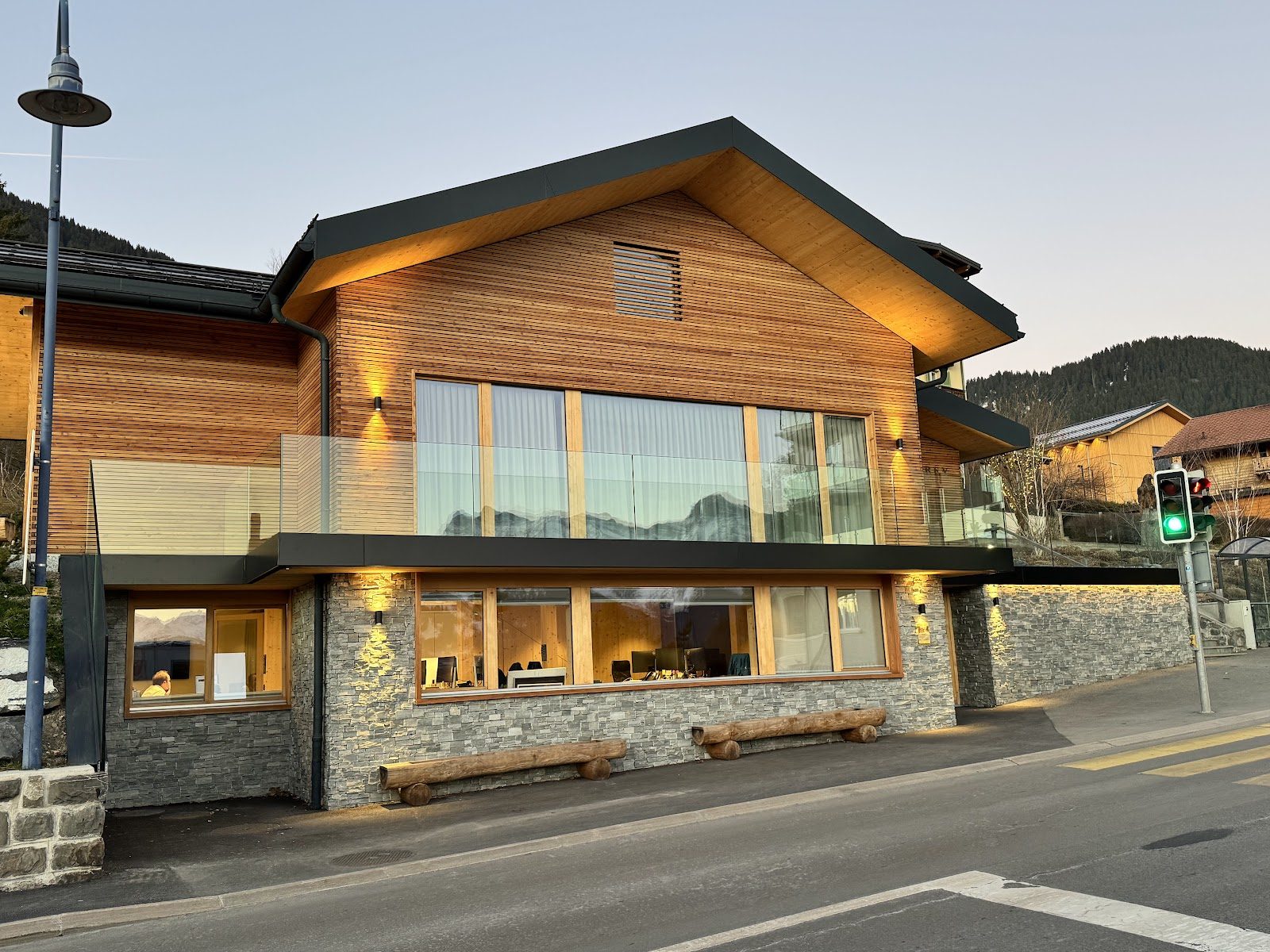
Aiglon College
Chesières · Switzerland
Perched at 1,200 metres in the Swiss Alps, meditation and expedition learning are as core to the timetable as the IB Diploma.
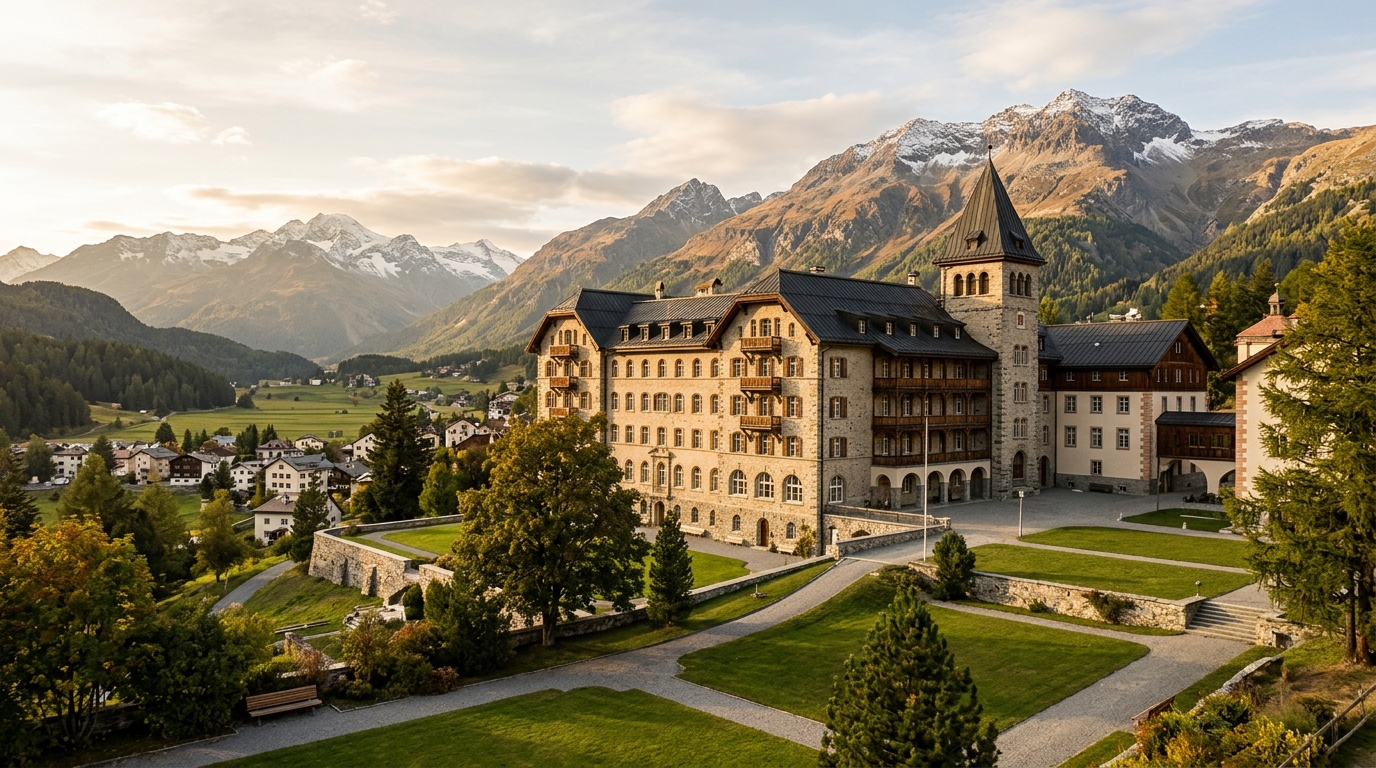
Lyceum Alpinum Zuoz
Zuoz · Switzerland
At 1,750 metres in the Engadine, IB and Swiss Matura classes share the calendar with cricket on Europe's highest pitch, in play since 1922.
Same country and curriculum — closest matches within ±10 points either way