
Buenos Aires
Colegio Cardenal Newman
medium confidence· 4/6 cats · 1.71 avg sourcesFounded by Irish Christian Brothers in 1948, this Boulogne day school pairs a full IB diploma with a rugby culture that has fed Argentina's Pumas.
Type
Day
Ages
3–18
Curriculum
IB · British
Qualifications
IGCSE · IB Diploma
Ratio
—
The Verdict
Editor's commitment
Right for
Families wanting a 1948 Boulogne day school with British and IB routes, Catholic ethos, and bilingual Spanish-English teaching.
Wrong for
Parents seeking boarding, secular culture, or a single-curriculum path: Colegio Cardenal Newman is day-only, Catholic, British plus IB.
Watch out for
HMC and IB World School badges carry weight, but the school does not publish outcomes here; prestige without numbers needs scrutiny.
Ranking breakdown
Colegio Cardenal Newman · #371 of 1591
Composite score 71.1. 8 weighted criteria.
By criterion
Academic Outcomes
Weight 20%
#668
of 1529 scored
University Placement
Weight 16%
#793
of 1529 scored
Prestige & Heritage
Weight 12%
#212
of 1571 scored
Alumni Network
Weight 12%
#42
of 1530 scored
Facilities
Weight 12%
#569
of 1533 scored
Transparency & Communications
Weight 8%
#652
of 1532 scored
Peer & Industry Review
Weight 10%
#164
of 1548 scored
Admissions Selectivity & Demand
Weight 8%
#760
of 1529 scored
Peer & Industry Review
How Colegio Cardenal Newman is regarded in the sector
78
Strong · medium confidence
I could not verify at least two independent, third-party sources (e.g., Tatler, Good Schools Guide, specialist press, alumni network coverage) discussing Cardenal Newman College's reputation. Without such corroborating evidence, I cannot responsibly assign a score on this scale.
Editors' overview
Colegio Cardenal Newman occupies a distinct niche in Greater Buenos Aires: a Catholic, bilingual day school founded in 1948 with a long-standing Anglo-Argentine character and a full IB offer within a British-inflected framework. That combination matters. Plenty of schools in the market promise English and strong values; fewer deliver a settled institutional identity across 3–18 with Spanish and English both embedded in daily school life. The school’s editorial advantage rests on coherence: Catholic formation, bilingual instruction, and a serious all-through structure, rather than a patchwork of imported programmes. For families who want discipline with purpose, cultural fluency and a school that knows exactly what it is, Newman earns a place on the shortlist.
What sets it apart is not novelty but heritage and social position. This is an established Boulogne school with deep roots in a specific Argentine tradition: Catholic education with strong links to British sporting and academic culture. The rugby association carries weight here; it signals a school where team identity, physical commitment and loyalty to institution run deep. That attracts a certain family as much as it attracts a certain child. Parents looking for flashy internationalism or a frictionless, hyper-cosmopolitan campus may find the culture too defined. Parents looking for conviction, structure and a community with durable customs will read that same culture as a strength.
The school will suit students who thrive in a clear framework rather than a loose one. A child who enjoys belonging, responds well to expectations, and is happy balancing academic demands with a strong co-curricular culture will fit best. It will also suit bilingual families, or ambitious local families who want their children genuinely at ease in both Spanish and English, not just coached for external optics. The IB gives the sixth form academic credibility; the Catholic setting gives the school moral shape; the day format keeps family life central. In market terms, Newman sits as an expensive, tradition-conscious, high-status local choice rather than a transient expatriate school. For the right student, that produces real ballast, strong peer culture and a sense of permanence that newer international schools struggle to match.
Academic Performance
Cardenal Newman offers the full IB Diploma, but the school does not publish the data that serious parents need to judge it properly. We have not seen aggregate diploma averages, subject-level breakdowns, pass rates, score distributions, bilingual pathway outcomes or multi-year university destination lists. That is a real weakness in a market where stronger schools understand that external results need clear, sustained public reporting. Without those figures, Newman cannot claim the same level of academic transparency as peers that put IB performance front and centre. Families are left to infer standards from reputation, selectivity and cohort profile rather than from published evidence. That is not enough for a school operating at the top end of the local market.
Where does that place it relative to competitors? In institutional standing, university-facing credibility and the seriousness attached to the diploma route, Newman sits in the conversation with Buenos Aires’ established Anglo-Argentine schools. In public accountability on outcomes, it sits behind the best of them. The absence of headline data does not prove weak performance; it proves opaque performance. For some local families, the school’s social capital and entrenched reputation will carry weight anyway. For internationally mobile parents, or anyone comparing schools with a hard eye on exam evidence, that opacity is a handicap. A school with a strong sixth-form academic story should publish it in numbers, not leave parents to rely on institutional mystique.
Facilities
The school’s most important facilities are the ones tied to its defining culture: outdoor sport, assembly and daily school life across a full age range. Newman’s rugby profile points to substantial playing provision, and any parent comparing it with peer schools will read the grounds as a central asset rather than an add-on. That matters. In this part of the market, strong fields are not cosmetic; they shape timetable, status and student experience. A school with serious rugby ambitions needs space, maintenance and match-day infrastructure. Newman has long been judged through that lens, which places its sporting estate in the serious, high-commitment category rather than the token one. Against top Buenos Aires day-school peers, that gives it real competitive weight for families who value sport as a core strand of education.
What we do not see in public is the same level of detail on specialist academic facilities that stronger schools now publish as standard. There is no clear public accounting of science labs, design spaces, performing arts venues, library scale or sixth-form study provision. That is a meaningful gap. For a school at this level, parents should not have to infer the quality of classrooms and specialist rooms from reputation alone. The likely conclusion is not that facilities are weak, but that the school communicates them badly. In facilities terms, Newman reads as sport-led, tradition-first and less theatrically equipped than newer international campuses built to sell glass, steel and spectacle.
That is not enough for a school operating at the top end of the local market
Prestige
A Cardenal Newman education carries real social weight in its own market. This is not prestige built on glossy international branding or aggressive results advertising. It rests on something older and harder to manufacture: entrenched local standing, a recognisable Catholic identity, and a long association with an Anglo-Argentine professional class that values loyalty, discipline and continuity. The school’s rugby culture matters here. In Argentina, that tradition does more than decorate the prospectus; it signals a networked, status-conscious community with strong internal bonds and a clear sense of self. For families who want entry into that world, Newman offers genuine cachet. For families outside it, the same culture can read as socially closed.
We rate its prestige highly because reputation in this tier is not only academic. It is institutional, social and intergenerational. Newman has that depth. Parents choosing it are buying into a community as much as an education, and that community carries influence well beyond the school gates. That said, prestige here is tribal rather than universal. It travels strongly within Buenos Aires’ established Catholic and rugby-linked circles; it carries less immediate force in global expatriate markets than schools with louder international branding or published outcomes. That distinction matters. Newman is a high-status local name, not a borderless one, and its prestige is strongest among families who already understand the code.
Against top Buenos Aires day-school peers, that gives it real competitive weight for families who value sport as a core strand of education
Communications
Newman communicates like an established local institution that expects families to buy into its culture, not like a hyper-transparent international school trying to win a comparison table. The public-facing website covers the essentials, but it does not do the heavy explanatory work that demanding parents now expect. Key academic detail is thin, facilities information is patchy, and there is little sign of the data-rich parent communication that signals a school keen to be scrutinised. That matters because communication is not only about newsletters and calendar notices; it is also about whether a school respects parents enough to publish the facts that shape high-stakes decisions. On that test, Newman is underpowered, old-school and at points too insular.
That does not mean communication inside the parent body is weak. Schools with a strong internal community and long family ties often run on dense informal networks, regular direct contact and a shared understanding of how things work. Newman fits that pattern. For families already comfortable in its world, communication will feel efficient, coded and entirely sufficient. For newcomers, internationally mobile parents, or anyone who wants clear written explanation rather than institutional shorthand, it will feel less open than the best schools in the sector. The overall picture: serviceable operational communication, limited public transparency, and a style that favours insiders over browsers.
Uniqueness
What makes Newman distinct is the tight overlap of school, tribe and tradition. Many schools teach values; fewer sustain a self-contained social culture that students can feel in sport, ritual, peer expectations and family networks all at once. Newman does. Its Catholic frame is not decorative, and its Anglo-Argentine inheritance is not a branding exercise. The result is a school with a strong internal code: loyalty matters, participation matters, and belonging carries obligations as well as comfort. For the right child, that creates real solidity. Students grow up inside a community that knows its own customs, rewards commitment and gives adolescents a clearer sense of place than the more interchangeable international-school model.
That distinctiveness brings benefits and costs. The benefit is institutional ballast: friendships, team identity and adult expectations all pull in the same direction, which can steady students through the churn of adolescence. The sporting culture adds another layer. At Newman, rugby is not just an option on a list; it is part of the school’s public identity, with links that reach as far as Argentina’s Pumas. That gives sport unusual status and gives students a powerful language of effort, resilience and collective discipline. The cost is obvious too. A culture this defined can feel socially coded and less forgiving of distance. Students who dislike group identity, or families who want a looser, more open-ended atmosphere, will find the fit hard work.
For families who want discipline with purpose, cultural fluency and a school that knows exactly what it is, Newman earns a place on the shortlist
Student Profile
The best fit is a student who likes structure, accepts authority and does not need a school to flatter individuality at every turn. Newman suits children who are comfortable inside a strongly coded community where expectations around conduct, effort and participation carry real force from the early years through to 18. Sport-minded students, above all those drawn to team games and collective discipline, will find a natural home. So will children from families who value Catholic formation and want school friendships embedded in a durable local network, not just a classroom cohort. This is a good environment for pupils who gain confidence from belonging to something larger than themselves.
The weaker fit is just as clear. A student who dislikes institutional ritual, resists group identity or wants a more self-invented adolescence will feel constrained. The same goes for families seeking a campus culture that is socially loose, highly international in tone, or easy for outsiders to enter without friction. Newman asks students to adapt to its culture; it does not remodel itself around every personality. For the right child, that produces deep loyalty, resilience and long-term peer bonds. For the wrong one, it can feel insular, status-aware and hard to inhabit at close quarters. In plain terms: this school rewards commitment, conformity to shared norms and comfort with a defined community.
What sets it apart is not novelty but heritage and social position
Co-curricular strengths
Arts & sport, on a separate axis
Overall 8.72/10
Scored 0-10 from the school's own published evidence. This axis is editorial-only — it does not feed the main WTS ranking.
Sports
9.2/10
Drama
8.8/10
Dance
7.8/10
Music
9/10
Visual Arts
8.8/10
Editor first-pass · editor-reviewable · 7/30/2026
Strengths
- +Founded in 1948 by the Irish Congregation of Christian Brothers, giving the school a Catholic, bilingual, day, co-educational primary and secondary school heritage stretching back over seven decades.
- +Combines three academic tracks in one program: students are expected to complete seven IGCSE exams (Cambridge University) in year 10 and receive an International Baccalaureate diploma in their last year at school.
- +Strong, long-standing sports culture, particularly rugby; the school is well known for rugby, and also offers football, hockey, cricket, tennis, swimming, and athletics.
- +Extensive suburban campus with dedicated playing fields rather than a cramped urban site, supporting its sport-heavy co-curricular offer.
- +Deep, active alumni network in Argentine public and business life, illustrated by the fact that Mauricio Macri, an egresado of the 1976 cohort, was elected President, and the incoming government soon filled with names such as Alfonso Prat Gay and Jorge Triaca.
Considerations
- −The school has only just begun admitting girls: the institution is breaking with a 74-year tradition of being exclusively for boys, and even now despite the incorporation of women, the school will not be entirely mixed, with girls kept separate from boys though sharing some specific activities -- an unusual, slow-moving structure for families expecting straightforward co-education.
- −Historically positioned at the expensive end of the market; its bilingual and Catholic education, as well as its high tuition and monthly fees, made it an elite school since its foundation, and it remained as of 2015 one of the most expensive private schools in Argentina.
- −Formal, faith-based ethos with compulsory uniform: a school uniform including blazer and tie is required, and the pedagogical project is explicitly built around Catholic identity and practice, which will not suit secular-leaning families.
- −Located outside the capital in a northern Greater Buenos Aires suburb -- Boulogne Sur Mer, San Isidro Partido, Buenos Aires Province, in Greater Buenos Aires -- meaning families based in central Buenos Aires face a real daily commute.
Availability
Primary entry gate & tests
Academic Record + Assessment (Boys)
Parent reviews
Have you sent your child here?
Voice reviews carry the strongest trust badge — we transcribe them for you to tidy up before they go live. Prefer to type? A written review is fine too.
Add your voice
In 60 seconds, tell other parents: what's the best thing about Colegio Cardenal Newman, and what surprised you when your child joined?
We ask for a Google sign-in so every review has a real face behind it — no anonymous drive-by attacks on schools, and no faked positive reviews. Your email is never shown publicly.
Send this profile to a friend
International parents rely on word-of-mouth. Share this review with someone weighing the same decision.
Schools with places
Similar schools to Colegio Cardenal Newman with places available now.
Belgrano Day School
Buenos Aires · Argentina
- 2026-27
- CLOSEDStandard route closed
- 2027-28
- PLACES OPEN
St Andrew's Scots School (Colegio San Andrés)
Buenos Aires · Argentina
- 2026-27
- CLOSEDStandard route
- 2027-28
- WAITPOOL2027/28 enquiries underway
Availability first, then country, area, curriculum, price, co-curricular
Consider also
Also worth looking at alongside Colegio Cardenal Newman.
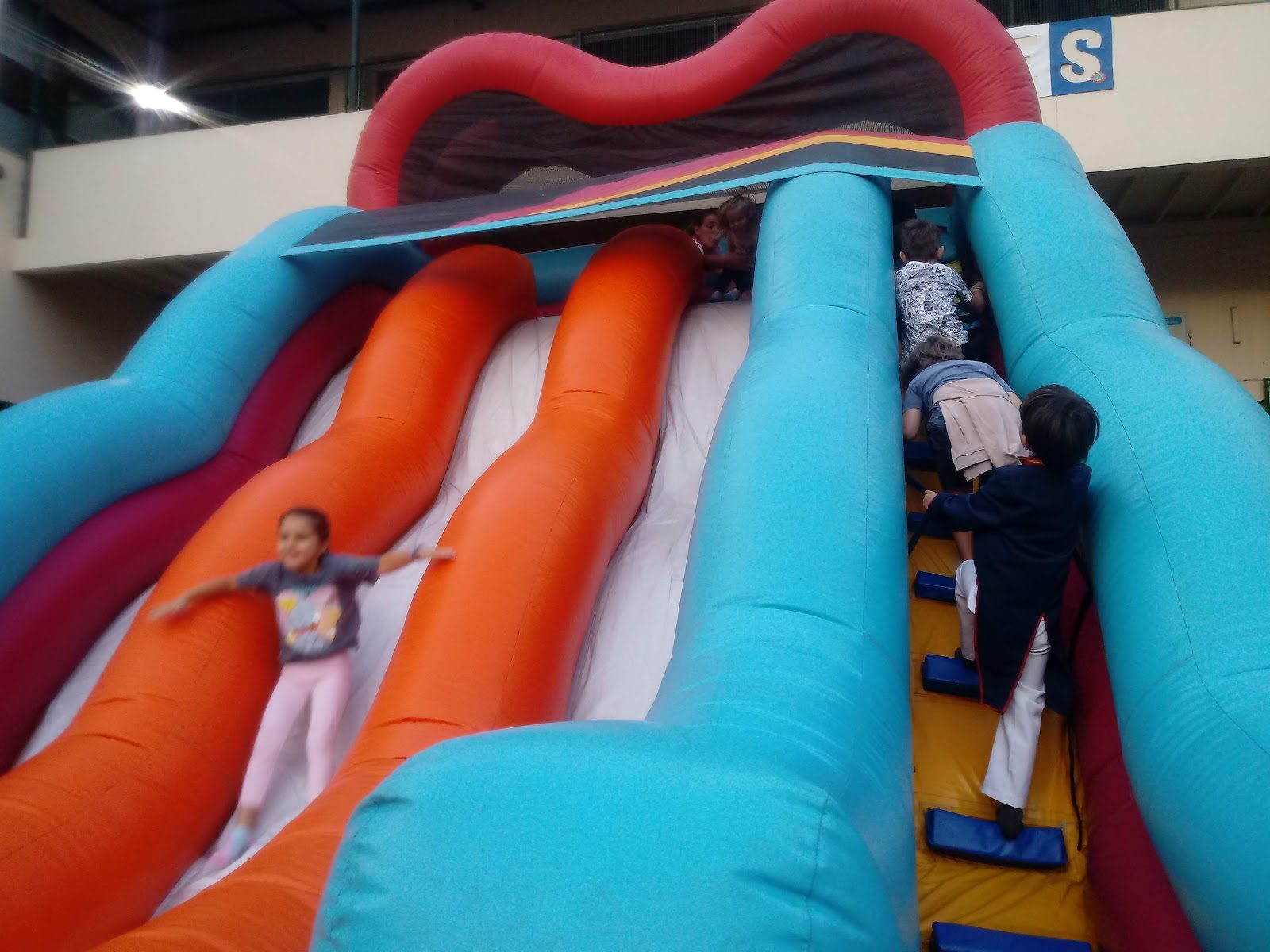
Belgrano Day School
Buenos Aires · Argentina
Since 1912, four houses have anchored a Belgrano campus blending English immersion from age two with Cambridge A-levels.
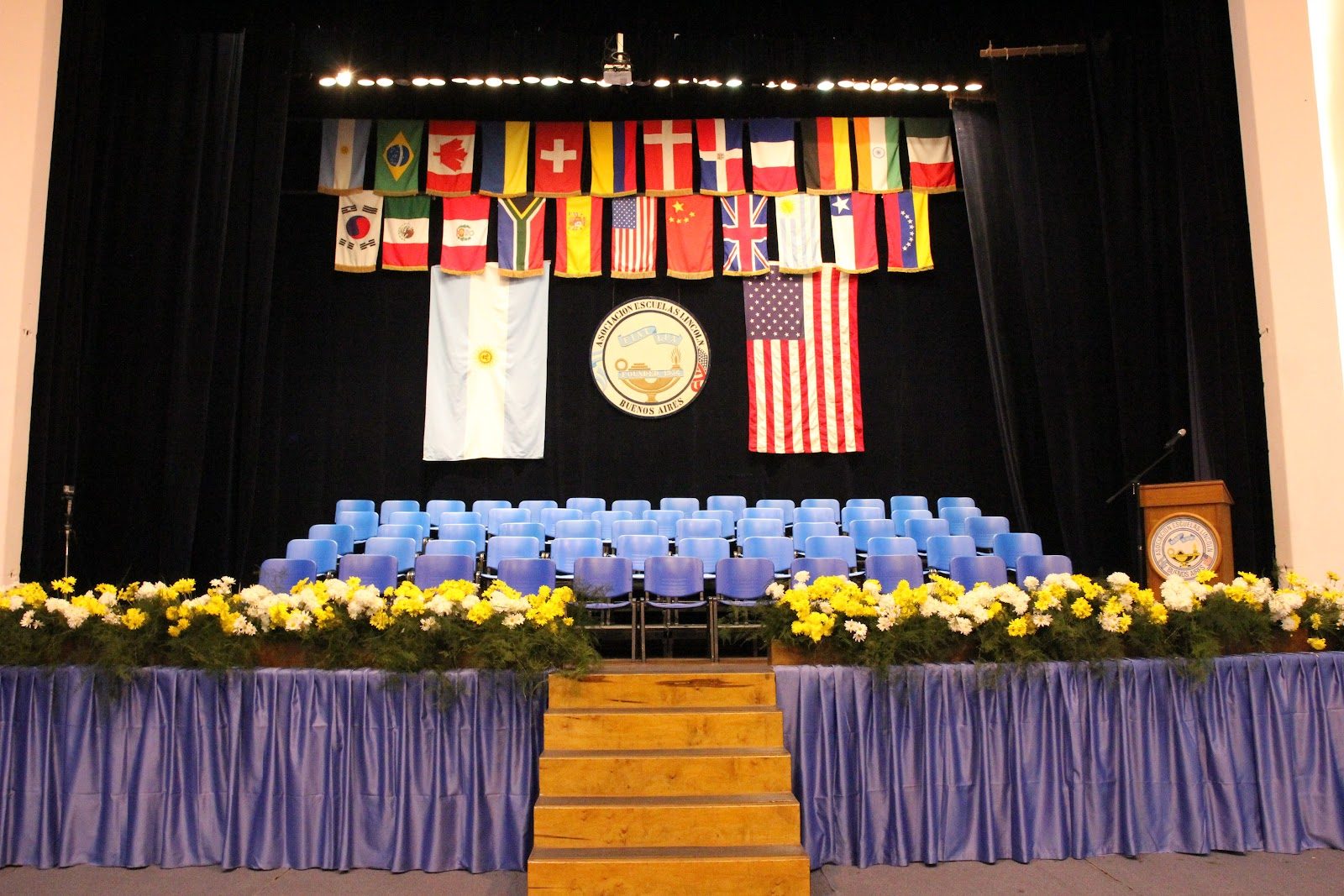
Asociación Escuelas Lincoln
Buenos Aires · Argentina
Where a Rio de la Plata campus in La Lucila delivers American, Argentine, and IB diplomas under Argentina's only US accreditation.
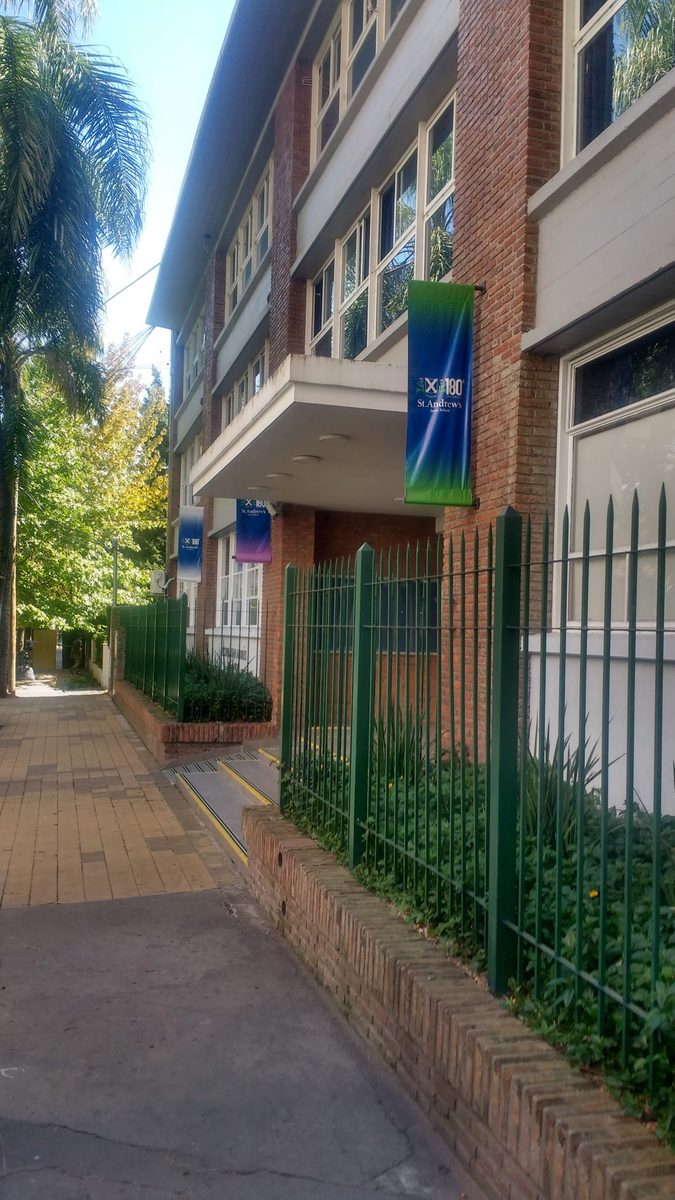
St Andrew's Scots School (Colegio San Andrés)
Buenos Aires · Argentina
Founded in 1838 by Scottish settlers, Argentina's oldest private school pairs the IB diploma with British-rooted house traditions.
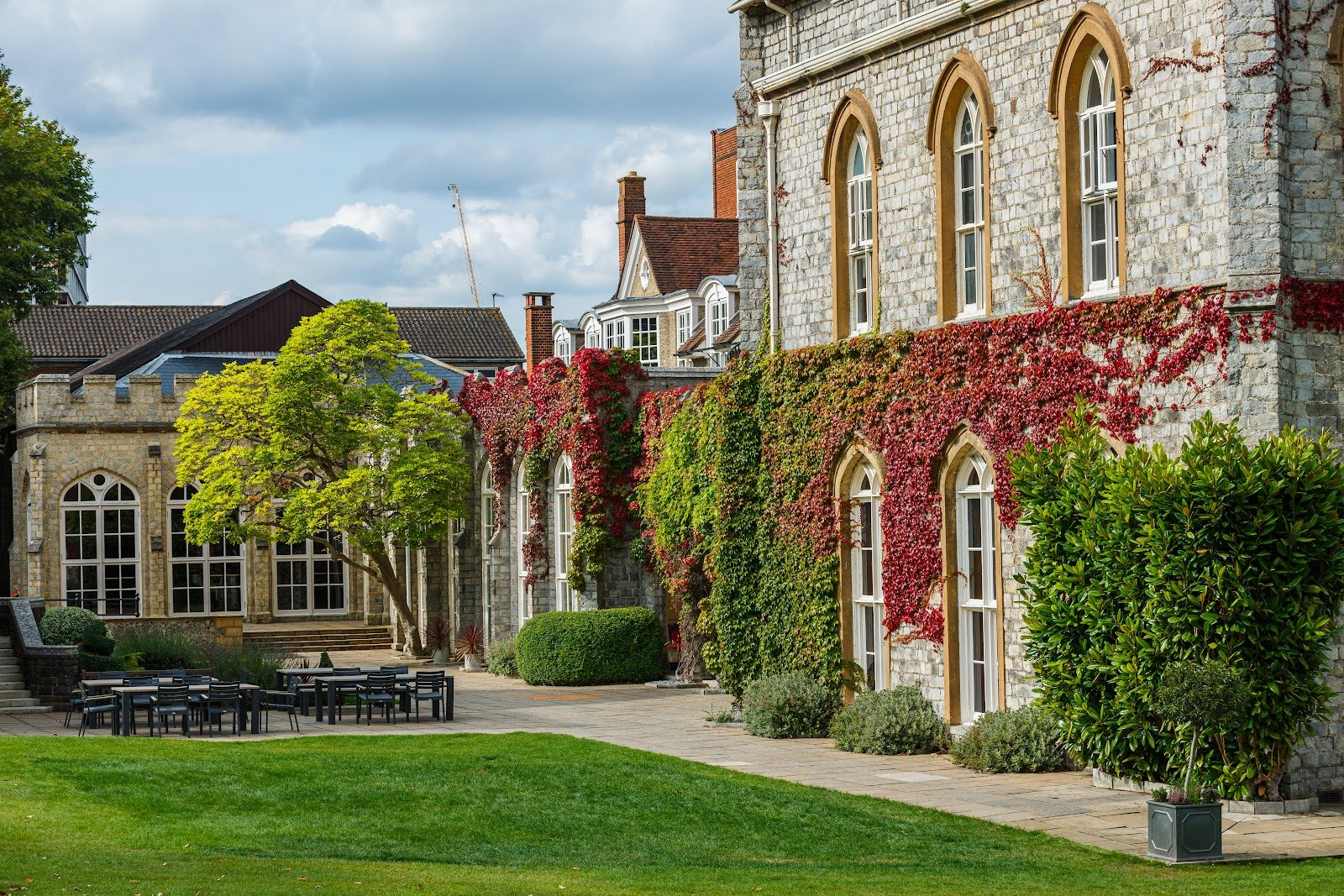
Wycombe Abbey
High Wycombe · United Kingdom
A Victorian pioneer's 1896 foundation, this Chiltern hills estate blends mixed-age boarding houses with one-in-five Oxbridge offers.
Same country and curriculum — closest matches within ±10 points either way