
Setúbal District
St Peter's International School
low confidence· 3/6 cats · 2.83 avg sourcesBetween Lisbon and Comporta, twin pathways pair Portugal's national curriculum with British IGCSEs and the IB Diploma
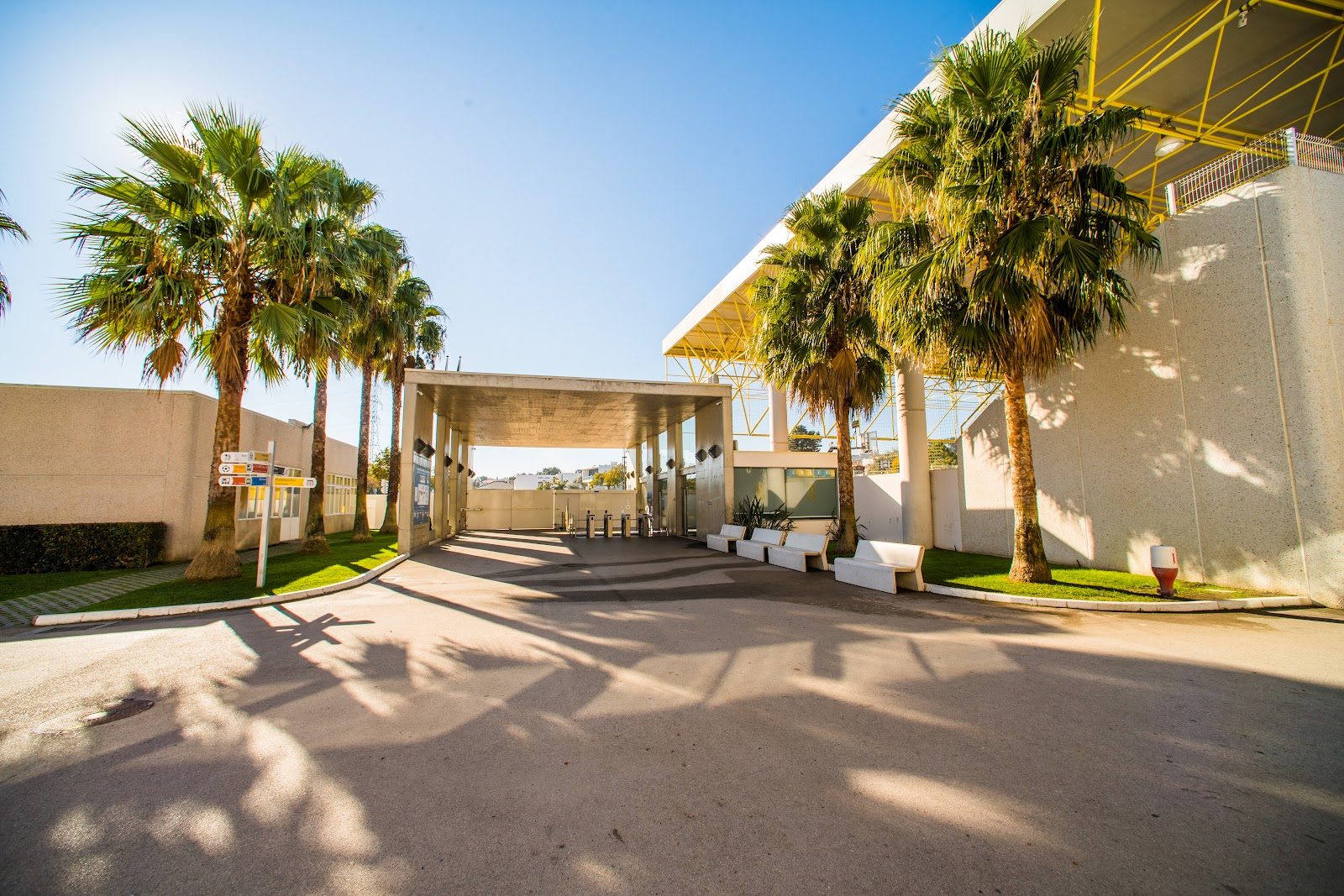
Photo © St. Peter's International School via Google Maps
Type
Day
Ages
3–18
Curriculum
British · IB
Ratio
—
The Verdict
Editor's commitment
Right for
Families wanting bilingual English-Portuguese schooling in Palmela, with British and IB pathways from age 3 to 18.
Wrong for
Parents who want a purely British school, a city-centre Lisbon address, or a cheaper option than this €15,000 day-school average.
Watch out for
The school pushes national-exam status and global ambition, but publishes no hard IB outcomes; IBO accreditation alone does not settle the question.
Ranking breakdown
St Peter's International School · #370 of 1591
Composite score 71.1. 8 weighted criteria.
By criterion
Academic Outcomes
Weight 20%
#294
of 1529 scored
University Placement
Weight 16%
#398
of 1529 scored
Prestige & Heritage
Weight 12%
#446
of 1571 scored
Alumni Network
Weight 12%
#518
of 1530 scored
Facilities
Weight 12%
#279
of 1533 scored
Transparency & Communications
Weight 8%
#388
of 1532 scored
Peer & Industry Review
Weight 10%
#385
of 1548 scored
Admissions Selectivity & Demand
Weight 8%
#991
of 1529 scored
Score history
St Peter's International School · 2026
Movement across 2024–2026. Peer average overlaid.
Overall — 2024–2026
71.1/ 100
▲ +31.4 vs 2025
year on year
Peer & Industry Review
How St Peter's International School is regarded in the sector
73
Respected · medium confidence
I could not identify at least two independent, third-party sources (e.g., Tatler, Good Schools Guide, specialist education press, or established expat forums) that substantively assess St Peter's International School (Palmela, Portugal)'s reputation. Without verifiable independent coverage, a reliable score cannot be assigned.
Editors' overview
Set between Lisbon and Comporta, St Peter’s International School trades on a combination that few Portuguese schools offer cleanly: a route that keeps one foot in Portugal and another in the international system. The key draw is the twin academic structure. This is a day school in Palmela for ages 3 to 18, teaching in English and Portuguese, with British and IB pathways alongside its Portuguese roots. For families who want global mobility without cutting ties to Portugal, that matters. So does the school’s IBO accreditation. The campus is large at 37,000 m², and the school advertises more than 80+ activities across sport, arts and enrichment; that points to a campus school, not a city building trying to improvise breadth in limited space.
Its market position is clear: this is an aspirational, bilingual international school serving families who want academic range and a serious extracurricular offer without moving into Lisbon proper. The published average annual day fee of €15,000 places it in the upper-middle tier of the Portuguese private market, expensive but not at the level that narrows the field to a tiny expatriate elite. The school pushes hard on academic standing in national exams and on access to high-prestige universities, but it does not publish aggregate IB results, IGCSE outcomes or university destination data in the public domain here. That opacity matters. Parents weighing it against Lisbon’s strongest international schools will want harder outcome data than broad claims and third-party ranking references.
The student who fits St Peter’s is not hard to identify. This school suits children who can handle a demanding, bilingual environment and families who value structure, scale and clear academic ambition. It will also appeal to Portuguese families who want an international route without abandoning the local system, and to international families settling south of Lisbon who want an established school rather than a boutique newcomer. Children who thrive in a large, full-service campus with sport, arts and a busy activities programme will find more here than at a smaller academic specialist. Families seeking a tiny, intensely personal school or fully transparent published outcomes across every exam track will find weaker grounds for confidence.
Academic Performance
St Peter’s makes its strongest academic case through Portugal’s national exams, not through the international pathway. The published headlines are specific and competitive: the school claims the country’s top average in Philosophy, with 42% of pupils at 18.4 or above in Mathematics A and 40% at the same threshold in Economics A. That places it in the company of Portugal’s serious exam performers, especially for families weighing the Portuguese route against other private schools south of Lisbon. The message is clear: this is not a soft bilingual school using an international label to mask weak core academics. On the domestic side, the school is pushing students hard and producing high-end results.
The picture is less complete on the international side. St Peter’s publishes selective IB datapoints — 33% scoring above 36, a top score of 42, and 48% gaining the bilingual diploma — but not the cohort average, pass rate or full score distribution. It also does not publish aggregate IGCSE results. That matters because those are the figures parents use to judge depth, not just headline success. Relative to Portugal’s strongest international schools, St Peter’s sits in a credible but opaque bracket: there is enough here to show real academic traction, but not enough to rank it confidently among the country’s top international exam schools. For the Portuguese track, the school looks genuinely strong. For the British and IB pathways, parents still need harder data.
Facilities
Facilities are a core part of St Peter’s proposition, and the estate has the scale to support that claim. The school sits on a 37,000 m² campus with dedicated space for teaching, sport and the arts, plus broad green areas rather than the token outdoor strips common at constrained urban schools. That matters in daily school life: pupils have room to move, train and rehearse without every activity competing for the same hall. The presence of residential accommodation for older pupils also sets it apart from many Portuguese day schools, even if most families will choose it for the day offer. Add the school’s 80+ extracurricular activities and the picture is of a full-service campus, not a tight urban operation borrowing prestige from its academic programme alone.
Against peers, this is a strong facilities package for the south of Lisbon market. Many schools in and around the capital offer solid classrooms but thinner specialist provision or less land; St Peter’s has the footprint to do more on site. The caveat is specificity. The school talks in broad terms about state-of-the-art provision, educational technology, virtual reality, 3D printing and coding, but it does not publish the kind of room-by-room detail that lets parents judge depth in science, performance spaces or high-performance sport. So the verdict is clear: the campus is substantial, well-equipped and above the local norm, but families comparing it with Europe’s best-resourced schools still need a proper visit.
It does not command the same unquestioned prestige as Europe’s old-name boarding schools or the most transparent top-tier international schools
Prestige
St Peter’s carries real local weight and a respectable international signal, but its prestige is unevenly built. In Portugal, the strongest source of status is academic: high national-exam performance gives the school credibility with Portuguese families who care about hard results, not just international branding. That matters more than glossy claims about being among Europe’s best. The university list adds cachet — Oxford, Columbia, Bocconi, NOVA and Técnico are names parents recognise — yet a destinations list on its own does not prove how deep that success runs across a year group. Prestige here rests on a mix of domestic academic standing, bilingual reach and the social pull of a large independent campus, rather than on the sort of fully evidenced international outcomes that settle the argument at the top end.
The Inspired connection adds another layer of status. For some families, access to a group of more than 125 schools and over 95,000 students strengthens the school’s appeal, especially where exchanges, camps and shared systems matter. Still, chain membership is not the same thing as elite institutional standing in its own right. St Peter’s is well-regarded, ambitious and socially desirable in its region, with enough scale and visibility to attract families who want a high-status private education outside Lisbon. It does not command the same unquestioned prestige as Europe’s old-name boarding schools or the most transparent top-tier international schools. Its standing is strong, but not untouchable.
The school’s public message prizes results, ambition and top university destinations; that culture rewards self-discipline and confidence
Communications
St Peter’s communicates in the style of a confident private school with a strong domestic audience: polished website, heavy emphasis on outcomes, and a clear push towards visit booking and open days. Parents get a straightforward sense of the school’s priorities — academic performance, university destinations, campus life and extracurricular range — without having to dig through layers of jargon. The bilingual presentation matters too. For a school serving both Portuguese and international families, that is not a cosmetic extra; it is basic operational competence. The site also gives concrete hooks that parents remember, including 80+ activities and the school’s place within a network of 125 schools. That breadth helps parents picture daily life beyond lessons. The tone, though, is high-gloss and status-conscious. It sells hard.
Effectiveness is mixed. The school does a strong job on attraction and brand clarity, and it communicates ambition with real force. It is weaker on the information that turns interest into trust. The public-facing message leans on prestige claims, selected exam highlights and named university destinations, but it stops short of full disclosure on international outcomes. Parents can grasp the school’s identity quickly; they cannot test all of its claims with equal rigour. That gap matters. Good school communications do not just inspire confidence — they earn it with complete, comparable data. St Peter’s is persuasive, slick and easy to navigate, but not yet fully transparent where demanding parents will press hardest.
Uniqueness
What separates St Peter’s is not the existence of an international route; plenty of schools offer that. The distinction is the two-track structure inside one school, with a Portuguese pathway running alongside an international one from the early years through the senior end. For families rooted in Portugal, that creates real strategic flexibility. A child does not need to choose between national continuity and global portability at the point of entry. The school also builds that bridge into daily life through bilingual teaching and through a student body that includes both Portuguese and international families, rather than treating the local and international markets as separate tribes. In practical terms, that gives pupils an education with local fluency and outward reach, which is rarer than schools admit.
The second point of difference is scale with ambition. This is not a boutique international school built around intimacy; it is a large-format operation with room for academic stretch, extracurricular volume and cross-school opportunities through the Inspired network. The headline count of 80+ activities matters because it signals breadth beyond the timetable, and the group link adds exchanges, camps and contact with other schools in multiple countries. That combination gives students more than a narrow exam track. It gives them a wider runway for sport, arts, travel and peer networks, while keeping one foot planted in Portugal’s system. For the right family, that mix is hard to replicate in this part of the market.
This is a day school in Palmela for ages 3 to 18, teaching in English and Portuguese, with British and IB pathways alongside its Portuguese roots
Student Profile
The right pupil for St Peter’s is academically switched on, comfortable with structure and able to move between different cultural reference points without fuss. This is a strong fit for children from Portuguese families who want international mobility built into school life, and for expatriate families who do not want to live inside an expat bubble. Pupils who enjoy a busy timetable will get more from it than those who want a quiet, low-pressure school day. With 80+ activities on offer and a campus built for movement, the school suits children who want lessons, sport, arts and organised enrichment all pulling in the same direction. It also suits families who like schools with clear expectations and a visible achievement culture.
The weaker fit is just as clear. Children who need a very small, highly sheltered setting will find this a big institutional environment. So will pupils who resist academic pressure or need an ultra-flexible approach to pace and workload. The school’s public message prizes results, ambition and top university destinations; that culture rewards self-discipline and confidence. Older students who value international horizons will also notice the wider network, with access to exchanges and camps linked to more than 125 schools in 30 countries. For the right child, that opens doors. For a family seeking intimacy, understatement or a less status-conscious atmosphere, it does not.
For families who want global mobility without cutting ties to Portugal, that matters
Co-curricular strengths
Arts & sport, on a separate axis
Overall 3/10
Scored 0-10 from the school's own published evidence. This axis is editorial-only — it does not feed the main WTS ranking.
Sports
3/10
Sports are explicitly listed through football, basketball, swimming and tennis, but there is no school-specific detail beyond a general mention of sports areas.
Drama
3/10
Drama appears as a named extracurricular.
Dance
3/10
Dance appears as a named extracurricular.
Music
3/10
Choir is explicitly listed as an extracurricular.
Visual Arts
3/10
Art Club is explicitly listed as an extracurricular.
Editor first-pass · editor-reviewable · 7/27/2026
Strengths
- +Founded in 1993, the school joined Inspired Education Group in 2019, becoming part of a global network of over 125 school communities in 25+ countries.
- +Offers on-campus boarding for ages 14-18, described as the first and only property of its kind in the Greater Lisbon area.
- +Dual-pathway structure lets families choose between the Portuguese National Curriculum or an International Pathway combining Cambridge, IGCSE and the IB Diploma Programme.
- +Spacious 37,000 sqm campus includes science laboratories, an auditorium, two tennis courts, and astroturf pitches for football and rugby.
- +Enrolls roughly 1,500 students with 44 nationalities represented, giving genuine international mix within a large day/boarding community.
Considerations
- −Most students are Portuguese nationals, which may not suit families specifically seeking a majority-expatriate peer group despite the 'international' branding.
- −Tuition for the International Pathway rises to roughly EUR 16,050-17,280 a year for IGCSE and IB Diploma years, a significant premium for the region.
- −Campus sits in Palmela, Setubal, around 30 minutes from central Lisbon, meaning a daily commute for families based in the city itself.
- −The IB/international cohort operates as one strand within a much larger, predominantly Portuguese-curriculum all-through school of about 1,500 pupils, so class and cohort sizes for the international pathway are not separately disclosed.
Availability
Primary entry gate & tests
Academic Record + Interview
Gallery
Photo © St. Peter's International School via Google Maps
Photo © St. Peter's International School via Google Maps
Photo © St. Peter's International School via Google Maps
Photo © St. Peter's International School via Google Maps
Photo © St. Peter's International School via Google Maps
Photo © St. Peter's International School via Google Maps
Photo © St. Peter's International School via Google Maps
Photo © St. Peter's International School via Google Maps
Photo © St. Peter's International School via Google Maps
Parent reviews
Have you sent your child here?
Voice reviews carry the strongest trust badge — we transcribe them for you to tidy up before they go live. Prefer to type? A written review is fine too.
Add your voice
In 60 seconds, tell other parents: what's the best thing about St Peter's International School, and what surprised you when your child joined?
We ask for a Google sign-in so every review has a real face behind it — no anonymous drive-by attacks on schools, and no faked positive reviews. Your email is never shown publicly.
Send this profile to a friend
International parents rely on word-of-mouth. Share this review with someone weighing the same decision.
Schools with places
Similar schools to St Peter's International School with places available now.
Availability first, then country, area, curriculum, price, co-curricular
Consider also
Also worth looking at alongside St Peter's International School.
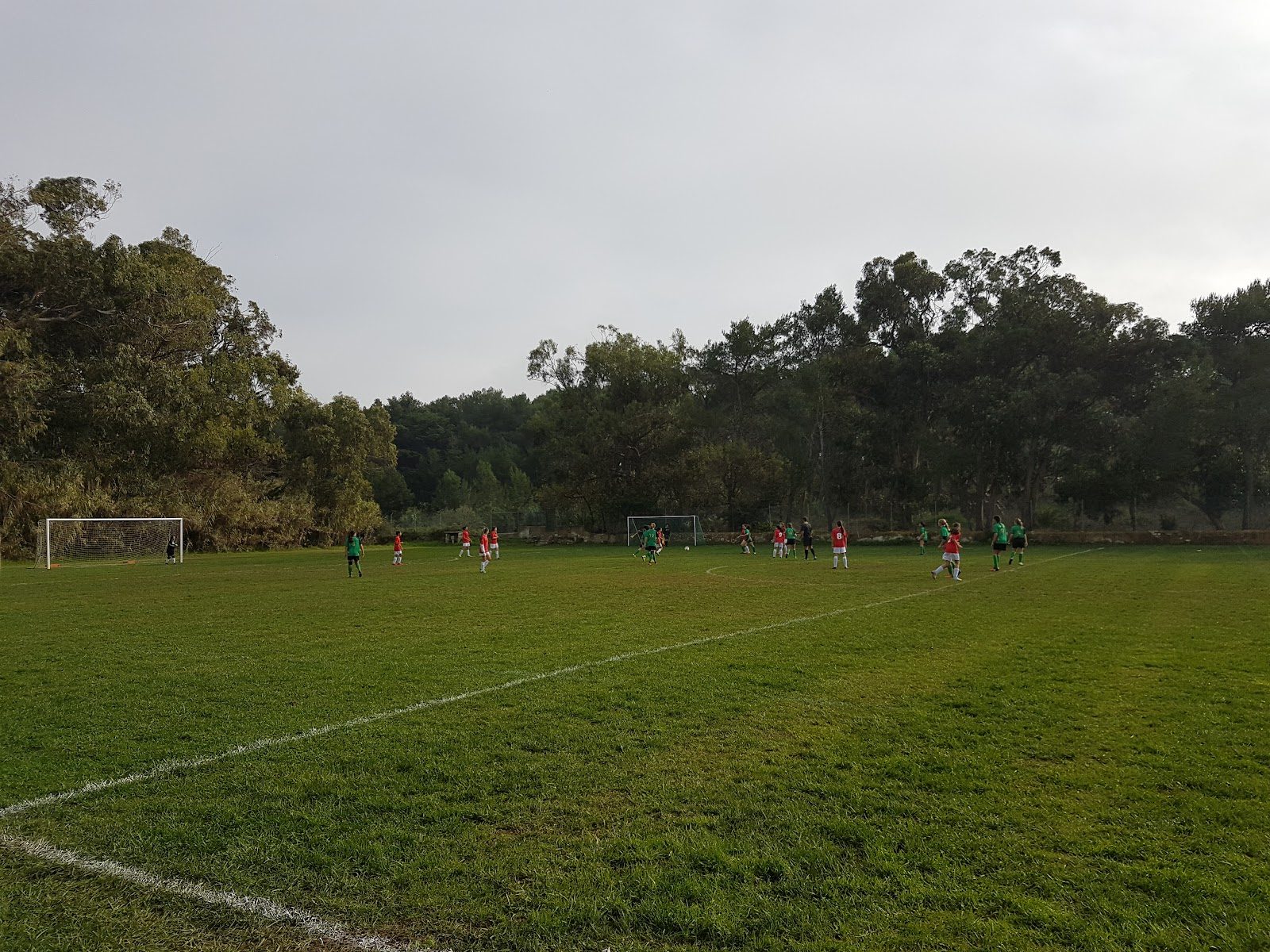
St. Julian's School
Carcavelos · Portugal
British curriculum since 1932 on a former transatlantic cable estate steps from Carcavelos beach, teaching bilingually since 1935.
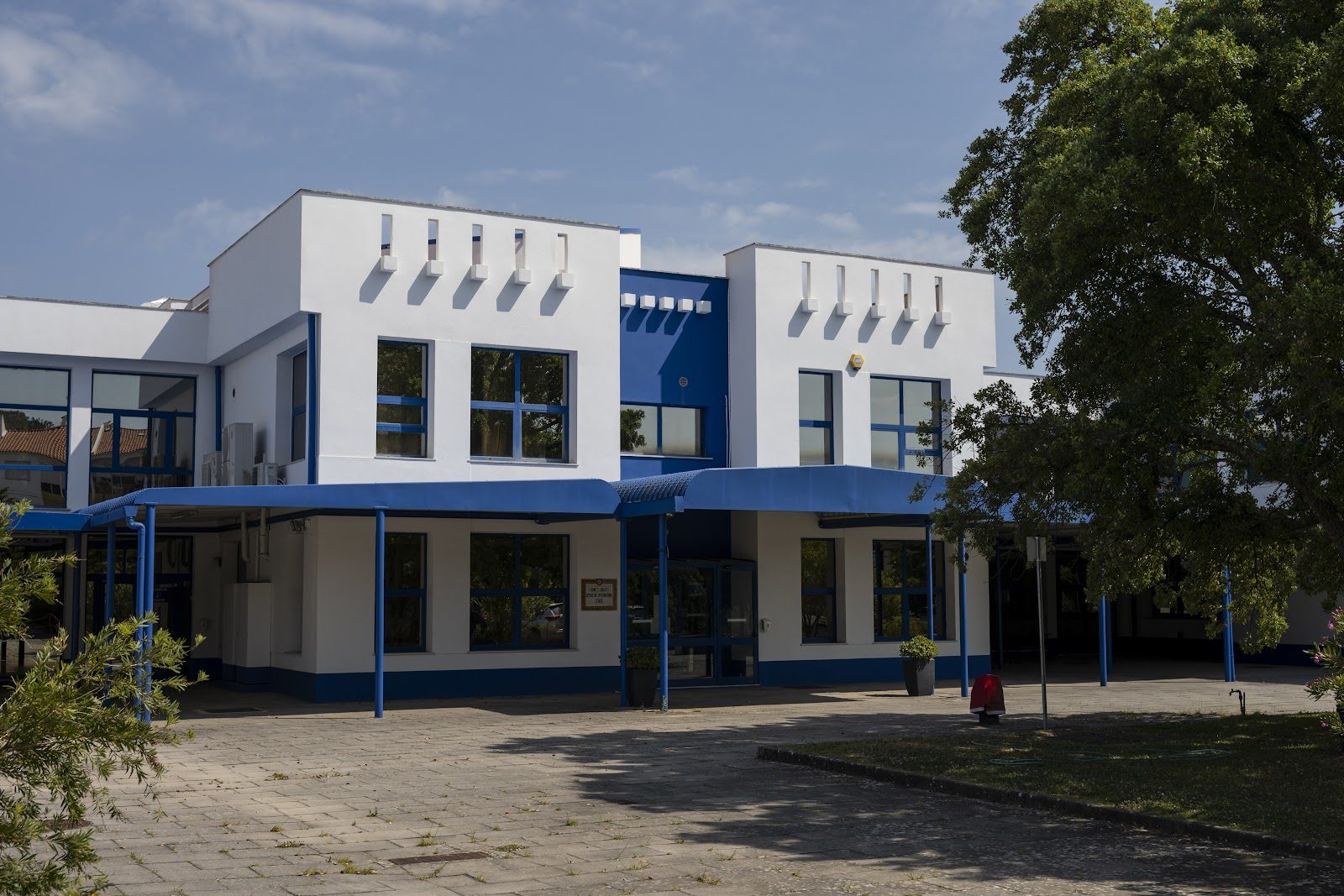
Carlucci American International School of Lisbon
Lisbon · Portugal
The Iberian Peninsula's oldest American school pairs a U.S. diploma with the IB from its Sintra hillside campus.
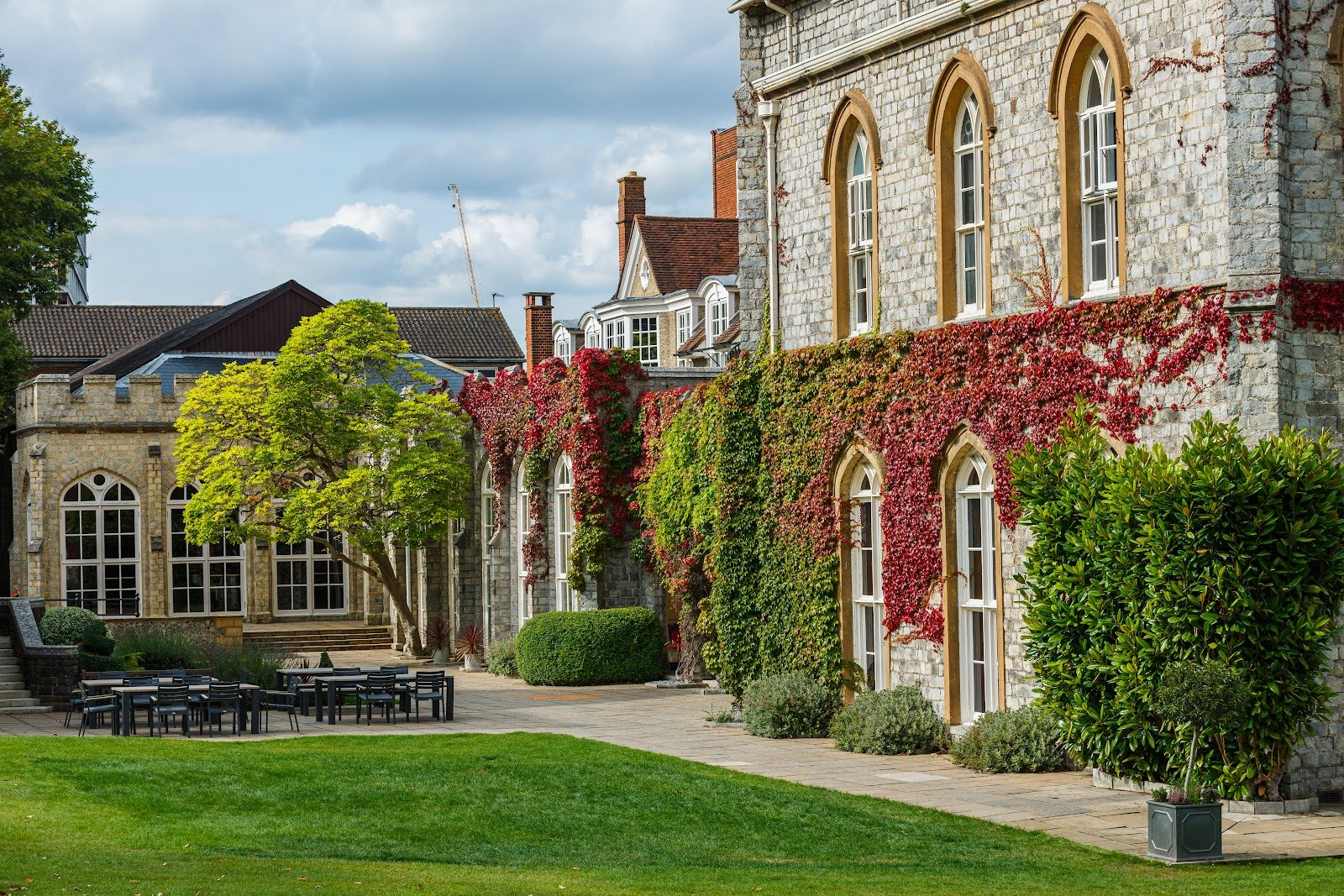
Wycombe Abbey
High Wycombe · United Kingdom
A Victorian pioneer's 1896 foundation, this Chiltern hills estate blends mixed-age boarding houses with one-in-five Oxbridge offers.
Munich International School
Starnberg · Germany
Housed in a former 1875 castle on Lake Starnberg, this Bavarian campus channels nearly every senior into the full IB Diploma.
Same country and curriculum — closest matches within ±10 points either way