Buckinghamshire
A Victorian pioneer's 1896 foundation, this Chiltern hills estate blends mixed-age boarding houses with one-in-five Oxbridge offers.
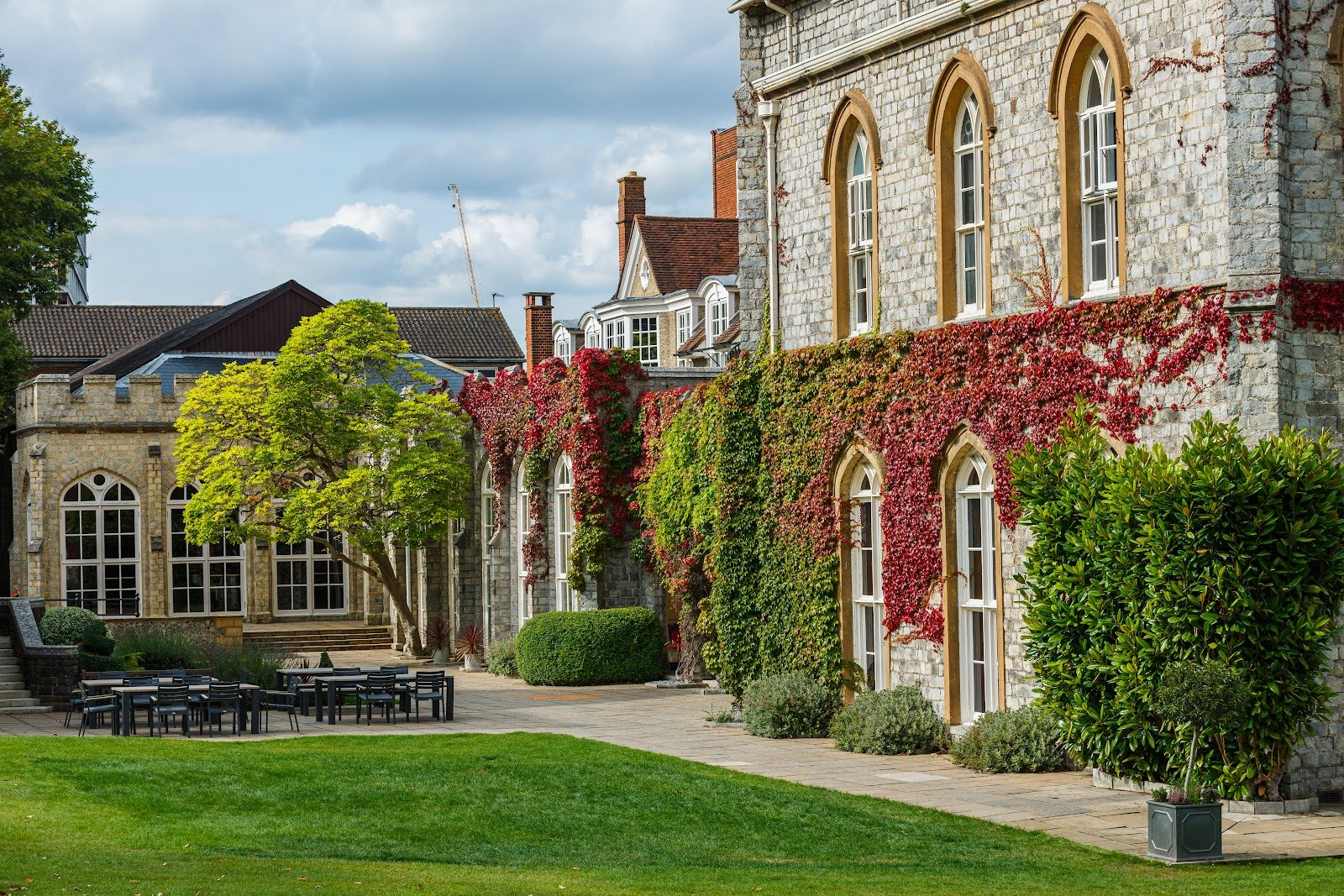
Photo © Wycombe Abbey via Google Maps
Type
Both
Ages
11–18
Curriculum
British
Qualifications
A-Level
Ratio
1:9
The Verdict
Editor's commitment
Right for
Girls who want full-fat boarding, a 1:9 ratio and a school that sent 26 of 87 leavers to Oxford or Cambridge.
Wrong for
Families wanting co-education, lower fees or looser ambition; this is an Anglican girls’ school charging £49,200 day and £64,500 boarding.
Watch out for
The 170-acre estate and mixed-age houses do not blunt the academic terms: 94% of the 2024 cohort went to top-100 universities.
Ranking breakdown
Wycombe Abbey · #367 of 1591
Composite score 71.1. 8 weighted criteria.
By criterion
Academic Outcomes
Weight 20%
#66
of 1529 scored
University Placement
Weight 16%
#59
of 1529 scored
Prestige & Heritage
Weight 12%
#53
of 1571 scored
Alumni Network
Weight 12%
#1459
of 1530 scored
Facilities
Weight 12%
#279
of 1533 scored
Transparency & Communications
Weight 8%
#153
of 1532 scored
Peer & Industry Review
Weight 10%
#70
of 1548 scored
Admissions Selectivity & Demand
Weight 8%
#120
of 1529 scored
Score history
Wycombe Abbey · 2026
Movement across 2024–2026. Peer average overlaid.
Overall — 2024–2026
71.1/ 100
▲ +9.4 vs 2025
year on year
Peer & Industry Review
How Wycombe Abbey is regarded in the sector
92
Top-tier · high confidence
Wycombe Abbey sits at the very top of the UK girls' boarding sector, with virtually every serious industry benchmark treating it as a reference point rather than a contender. WhichSchoolAdvisor's 2025 review confirms it as an academically ambitious education supported by a strong pastoral framework, with the 2025 ISI inspection confirming the strength of leadership, teaching, safeguarding and pupil wellbeing, while the Good Schools Guide independently calls it "a world leader in girls' boarding education and a place where academic excellence, empathy and integrity thrive." Tatler has long recognised it as a "perch for high-fliers" whilst praising it for its "nurturing atmosphere" and "sisterhood" ethos, and it features repeatedly in Spear's global Schools Index alongside Eton and Westminster. Its alumnae roster, spanning a sitting Lady Chief Justice, senior journalists and academics, further cements a peer reputation built on substance rather than marketing.
- Benazir Bhutto — Prime Minister of Pakistan, Politics
- Elizabeth Butler-Sloss — Senior Judge, Law
- Antonia Fraser — Author/Historian, Literature
Editors' overview
Wycombe Abbey trades on two things that matter and can be tested: a long-established boarding culture and hard academic delivery. The school opened in 1896, remains a girls’ boarding and day school in High Wycombe, and works on a substantial estate of 170 acres in the Chilterns. The structure is unapologetically traditional: Anglican, British curriculum, English-medium, and centred on boarding houses rather than a commuter-school rhythm with beds attached. For families who want a modernised version of the classic English full-boarding model, that distinction matters. So does the staffing level: a 1:9 student-teacher ratio gives the school room to push high attainers and keep a close grip on pastoral life.
This is a fiercely academic school with the numbers to justify the claim. In the 2024 leavers’ cohort, 87 pupils finished school; 26 Oxbridge offers and 33 Russell Group destinations place Wycombe Abbey firmly in the small top tier of British girls’ schools that still convert selective admissions into elite university outcomes. The headline figure is even starker: 94.0% of leavers went to top-100 universities, with Cambridge, Oxford and UCL the most common destinations. That record puts the school on a serious parent’s shortlist at once. It also tells you what the school demands: intellectual stamina, comfort with competition, and a willingness to live in an environment where high performance is normal rather than exceptional.
The other point in its favour is that the boarding proposition still looks structural, not decorative. Many British independents now run day schools with some boarding around the edges. Wycombe Abbey still sells the house-based boarding life as part of the educational model, and that carries weight for girls who want independence, routine and a strong peer culture. The school’s public identity also leans into empathy, integrity, faith and service, but the real draw is the combination of old-school seriousness and an academically ambitious female cohort. Parents also need to be clear-eyed about price: the average annual fee is £49,200 for day pupils and £64,500 for boarders, which places Wycombe Abbey in the expensive end of the UK market.
The right student for Wycombe Abbey is bright, self-disciplined and happy in a high-pressure environment where ambition is visible. A girl who wants constant hand-holding, a loose academic culture or a deliberately progressive institutional style will find a poor fit. A girl who wants strong teachers, a settled boarding community, and a school where university outcomes are treated as a core deliverable will find a formidable one.
Academic Performance
Academic performance is where Wycombe Abbey earns its reputation. The school publishes headline outcomes prominently enough to invite scrutiny, and the university destinations already point to the standard of attainment: this is a results-driven operation with little patience for mediocrity. In the UK girls’ independent sector, the relevant comparison set is not the national average but the handful of academically selective boarding and day schools that feed heavily into Oxford, Cambridge, London and other top universities. On that measure, Wycombe Abbey sits in the top bracket. It belongs with the schools where public exam results are treated not as a marketing extra but as a core institutional output.
That does not make it distinctive in every academic respect. Several peers produce similarly rarefied results, and the upper end of this market is crowded with schools full of high-attaining entrants who would do well almost anywhere. The real test is conversion: whether a school takes a selective intake and still drives it to relentlessly strong external outcomes at scale. Wycombe Abbey clears that test. The pressure that follows is obvious. This is not a school for a girl who wants an academically gentle ride or a culture that disguises competition. It is for pupils who can absorb a demanding pace, survive comparison with very able classmates, and still perform when examinations and university admissions become hard-edged measures of success.
Facilities
Facilities are a clear strength. The school sits on a 170-acre estate, which gives it the physical scale that full-service British boarding schools need and many urban day schools cannot match. That matters less for postcard views than for how the place works: room for houses, teaching, sport and downtime without pupils being funnelled through cramped shared space. The school also gives unusual prominence to food balance, wellbeing, safeguarding, chapel life, the arts and sport in its core navigation, which tells you these are not peripheral add-ons. Against close peers in the girls’ boarding market, that breadth is standard; the difference here is that the estate and boarding infrastructure support a more self-contained, more immersive daily life than schools operating on tighter sites or with boarding bolted on at the edges.
The limitation is transparency. The school advertises a “world-class campus” and a parkland setting, but it does not publish the sort of granular facilities inventory that allows a parent to benchmark labs, theatres, studios or specialist sporting provision in detail. There is no public roll-call of flagship buildings or technical spaces to test against rivals with heavily documented STEM centres, performance venues or elite sports complexes. So the verdict rests on scale, setting and institutional structure rather than a room-by-room audit. That still leaves Wycombe Abbey with a serious, high-functioning physical offer, but not one documented with the precision a hard-nosed parent might want.
Wycombe Abbey trades on two things that matter and can be tested: a long-established boarding culture and hard academic delivery
Prestige
Wycombe Abbey carries real prestige in the British independent sector, and not the flimsy sort built on branding alone. Its status rests on three durable markers: selectivity, a long-established place in the girls’ boarding-school hierarchy, and conversion into top university destinations at a rate few schools match. The school sits in the narrow band of names that international parents, Oxbridge admissions tutors and rival heads all know without explanation. That matters. In this market, prestige is not just about social cachet; it is about whether a school has institutional weight when a pupil applies for competitive courses, internships, scholarships and leadership roles. Wycombe Abbey has that weight. The fee level reinforces the point: £64,500 for boarding places it firmly in the upper tier of British private education, where parents expect not comfort but outcomes.
The prestige also has depth beyond admissions statistics. The school has a verified alumni base of 34 notable figures in Wikidata across public life, scholarship, writing and the arts, which gives it a serious old-girl network rather than a thin list of celebrity outliers. Its reputation is also unusually specific: this is a school known for producing high-functioning, academically forceful young women, not a general-purpose luxury education. That focus sharpens the brand. The limitation is clear too. Wycombe Abbey’s prestige is strongest in families who value scholarship, discipline and elite university progression; it carries less allure for parents who want a progressive, casual or anti-competitive culture.
The right student for Wycombe Abbey is bright, self-disciplined and happy in a high-pressure environment where ambition is visible
Communications
Wycombe Abbey’s parent-facing communication is polished, orderly and unmistakably institutional. The website gives parents the practical architecture they need: clear routes to admissions, fees, term dates, policies, safeguarding, contact details, reports, exam results and university destinations. That matters more than glossy rhetoric. A school asking families to commit an average of £64,500 a year for boarding needs to make operational information easy to find, and Wycombe Abbey does. The navigation also tells you something about priorities. Safeguarding, wellbeing, chapel life, food, houses and sixth form all sit in plain view, which signals a school that treats parent communication as part of governance, not just recruitment. The tone is formal, self-possessed and old-school rather than chatty.
The weakness is depth. Wycombe Abbey communicates confidence better than granularity. Parents get a strong sense of ethos and structure, but less of the daily mechanics: how houses run in practice, how academic monitoring works term to term, how concerns are escalated, or how much direct visibility parents get once a girl is settled. The site is also heavy with institutional language about excellence and flourishing, which adds polish but not always hard detail. That leaves the public-facing picture disciplined and credible, but not radically transparent. For many families, that will feel consistent with a school of this type: it expects trust, values discretion and speaks with authority rather than intimacy.
Uniqueness
What sets Wycombe Abbey apart is not heritage alone but the way that heritage still governs daily life. This is a girls’ school where boarding is not an optional extra, a prestige veneer or a logistical convenience; it is the engine of the institution. The mixed-age house structure matters here. It creates an internal society in which older pupils carry real responsibility, younger ones learn the rules fast, and friendships are shaped as much by house loyalties as by year-group cliques. That brings advantages beyond pastoral warmth. Girls learn to manage time, coexist with very able peers and function inside a high-expectation, closely observed community where independence is trained early and excuses carry little weight.
The other distinctive feature is the school’s combination of female academic intensity with institutional scale. Plenty of strong schools offer one or the other. Few combine a large estate, a full residential culture, a low staffing ratio of 1:9 and university outcomes as hard-driving as these. For students, that mix produces a rare environment: serious-minded enough to reward scholarship without apology, and structured enough to stop bright pupils drifting. The gain is confidence built on competence, not applause. Girls leave with a stronger sense of how to lead, how to live with pressure and how to hold their own in competitive rooms. The cost is obvious too: this is a demanding, unsentimental education, and students who need looseness or anonymity will chafe.
Academic performance is where Wycombe Abbey earns its reputation
Student Profile
The pupil who thrives here is academically hungry, self-managing and unbothered by comparison. Wycombe Abbey suits girls who like working hard, care about intellectual status among peers and draw energy from a house culture that rewards contribution as much as attainment. A low staffing ratio of 1:9 points to close oversight, which helps serious students and leaves little room to disappear. This is not a forgiving environment for under-motivated girls, chronic procrastinators or anyone who needs external praise at every turn. It fits students with strong internal drive, competitive calm and enough resilience to live among other very able pupils without turning every result into a crisis.
Socially, the best fit is a girl who can handle structure, accept rules and join a community larger than her immediate friendship group. The Anglican setting, chapel life and the school’s emphasis on empathy and integrity give the culture a formal moral framework, even for families choosing it primarily for academics. Girls who want a loose, highly individualist adolescence will chafe. Girls who value routine, leadership roles and a clear sense of standards will do well. The destination profile tells the same story: this is a school built for pupils with serious university ambition, not for those still drifting towards adulthood. At an average boarding fee of £64,500, it also draws families prepared to pay heavily for an education that is demanding, polished and unsentimental.
That still leaves Wycombe Abbey with a serious, high-functioning physical offer, but not one documented with the precision a hard-nosed parent might want
Co-curricular strengths
Arts & sport, on a separate axis
Overall 8.6/10
Scored 0-10 from the school's own published evidence. This axis is editorial-only — it does not feed the main WTS ranking.
Sports
9/10
Consistently dominates UK independent school league tables across lacrosse and netball on an expansive, secure campus.
Drama
8.5/10
Highly sophisticated theatrical seasons running demanding classical texts and contemporary plays inside premium theater spaces.
Dance
8.2/10
Active and competitive choreography modules designed to anchor their massive, high-production collaborative musicals.
Music
8.8/10
Exceptional music wing supporting top-tier youth orchestras, chamber groups, and elite touring choirs in London.
Visual Arts
8.5/10
Highly disciplined fine arts track emphasizing technical portfolio mastery and advanced graphic design suites.
Editor-verified · 8/6/2026
Outcomes & destinations
Where students go next
Verified by schoolClass of 2024
87 graduates
A-Level distribution
100% covered
- A*63%
- A27%
- B8%
- C2%
Top destinations
61 placements
- Cambridge· 14
- Oxford· 12
- Yale· 2
- UCL· 10
- Imperial College London· 8
- Durham· 6
- Bristol· 5
- Edinburgh· 4
Girls' boarding school with a strong Cambridge tradition. Figures approximate the school's rolling destinations.
Attested by the school. Confirm with admissions.
Notable alumni · Wikidata
34notable alumni
17 historic (born pre-1930) · 8 modern (born post-1970)wikidata:2026-07-28 How we source this
Fact-checked by World's Top Schools · 1
Approved corrections adjudicated by our editorial team against primary sources. Each entry is embedded as a schema.orgClaimReview for external fact-check aggregators.
Prior claim · rated False
"Wycombe Abbey was founded in 1900"
Editorially verified
Wycombe Abbey was founded in 1896
Confirmed via Wycombe Abbey website · view source · reviewed 2026-07-20
The story in one line
69% achieved ≥ AAB in 2+ facilitating subjects·ISI Routine Inspection 2025
AAB with 2 facilitating subjects is the Department for Education's published predictor of admission to a top-third UK university: the pupil has scored high grades in at least two of the classic Russell-Group subjects (maths, sciences, English, history, geography, or a modern language). Independent schools don't appear in the state-only HE-destinations dataset, so this is the strongest DfE-verified sixth-form signal available. Source: DfE 16-18 school and college performance data · 2023/24.
DfE-verified statistics
Official GCSE data · 2024/2025
Progress 8
—
Value-added score. State-schools only; 0 = expected progress, +1 = one grade above.
Attainment 8
13.8
Average grade across 8 GCSEs (score out of 90). National ≈ 46.
EBacc average score
0.69
Avg grade across the 5 EBacc pillars (English, Maths, Sciences, Language, Humanity).
EBacc slots filled
0.9
How many of the 5 EBacc pillars pupils typically enter (max 5).
A-Level attainment
Cohort · 2023/24
Avg A-Level grade
A+
APS per entry: 51.74
Best 3 grade
A+
Best-3 APS: 52.04
≥ AAB + 2 fac.
68.9%
Russell-Group predictor.
Progress (value-added)
-0.03
Average
Read with care. Independent schools frequently sit IGCSEs or Pre-U qualifications instead of standard GCSEs — DfE data only counts standard GCSEs, so these numbers may reflect a partial cohort. For a fuller picture, cross-check with the school's own annually-published results.
URN 110547Verified · DfE 2024/2025
Official inspection
ISI report · 2025
Inspectorate
Independent Schools Inspectorate
The Government-approved inspectorate for English independent schools.
Latest report
4 March 2025
Routine Inspection
Report history
Verified · Independent Schools InspectorateSource-of-truth
Strengths
- +Consistently strong public examination outcomes, with 97% of GCSE grades at 9-7 and 76% A*/A grades at A-level in 2025.
- +The 2025 ISI inspection found that well-planned lessons, effective teaching and constructive feedback support high achievement in public examinations.
- +Extensive full-boarding infrastructure, with eleven boarding houses each overseen by a housemistress and a structured seven-day programme of sport, culture and house activities.
- +Convenient for internationally mobile families, sited around 30 miles from central London with easy reach of both Heathrow and Gatwick airports.
- +Meaningful bursary provision, with around 7% of the cohort (roughly 30 girls) on full bursaries and an institutional ambition to expand this further.
Considerations
- −Fees are among the highest in the UK boarding sector: full boarding costs GBP58,572 a year (GBP20,500 per term) for 2025/26, plus a GBP17,000 international deposit for overseas families.
- −Admission is highly selective, with around 300 applicants competing for roughly 85 places at 11+, and similarly tight ratios at 13+ and 16+.
- −It is a girls-only school, and about 10% of pupils leave after GCSEs, most commonly in pursuit of co-educational options such as Westminster.
- −The academic offering is A-level only; there is no International Baccalaureate Diploma route for families wanting that alternative.
Availability
Not accepting applications for the near-term intake.
Primary entry gate & tests
ISEB + Assessment Day
Gallery
Photo © Wycombe Abbey via Google Maps
Photo © Wycombe Abbey via Google Maps
Photo © Wycombe Abbey via Google Maps
Photo © Wycombe Abbey via Google Maps
Photo © Wycombe Abbey via Google Maps
Photo © E C via Google Maps
Photo © Piotr Gawlik via Google Maps
Photo © Darko Rasic via Google Maps
Photo © Darko Rasic via Google Maps
Recommended reading
Independent write-ups of this school from editorial outlets we trust.
- Wycombe AbbeyGood Schools Guide
Parent reviews
Have you sent your child here?
Voice reviews carry the strongest trust badge — we transcribe them for you to tidy up before they go live. Prefer to type? A written review is fine too.
Add your voice
In 60 seconds, tell other parents: what's the best thing about Wycombe Abbey, and what surprised you when your child joined?
We ask for a Google sign-in so every review has a real face behind it — no anonymous drive-by attacks on schools, and no faked positive reviews. Your email is never shown publicly.
Send this profile to a friend
International parents rely on word-of-mouth. Share this review with someone weighing the same decision.
Schools with places
Similar schools to Wycombe Abbey with places available now.
Latymer Upper School
London · United Kingdom
- 2026-27
- CLOSEDStandard route
- 2027-28
- PLACES OPENCloses Nov
City of London School
London · United Kingdom
- 2026-27
- CLOSEDStandard route
- 2027-28
- PLACES OPEN11+/16+ Active
Emanuel School
London · United Kingdom
- 2026-27
- CLOSEDStandard route closed
- 2027-28
- PLACES OPEN11+ / 16+ active
University College School
London · United Kingdom
- 2026-27
- CLOSEDStandard route
- 2027-28
- PLACES OPEN11+ (9 Nov); 16+ (28 Sept)
Availability first, then country, area, curriculum, price, co-curricular
Consider also
Also worth looking at alongside Wycombe Abbey.
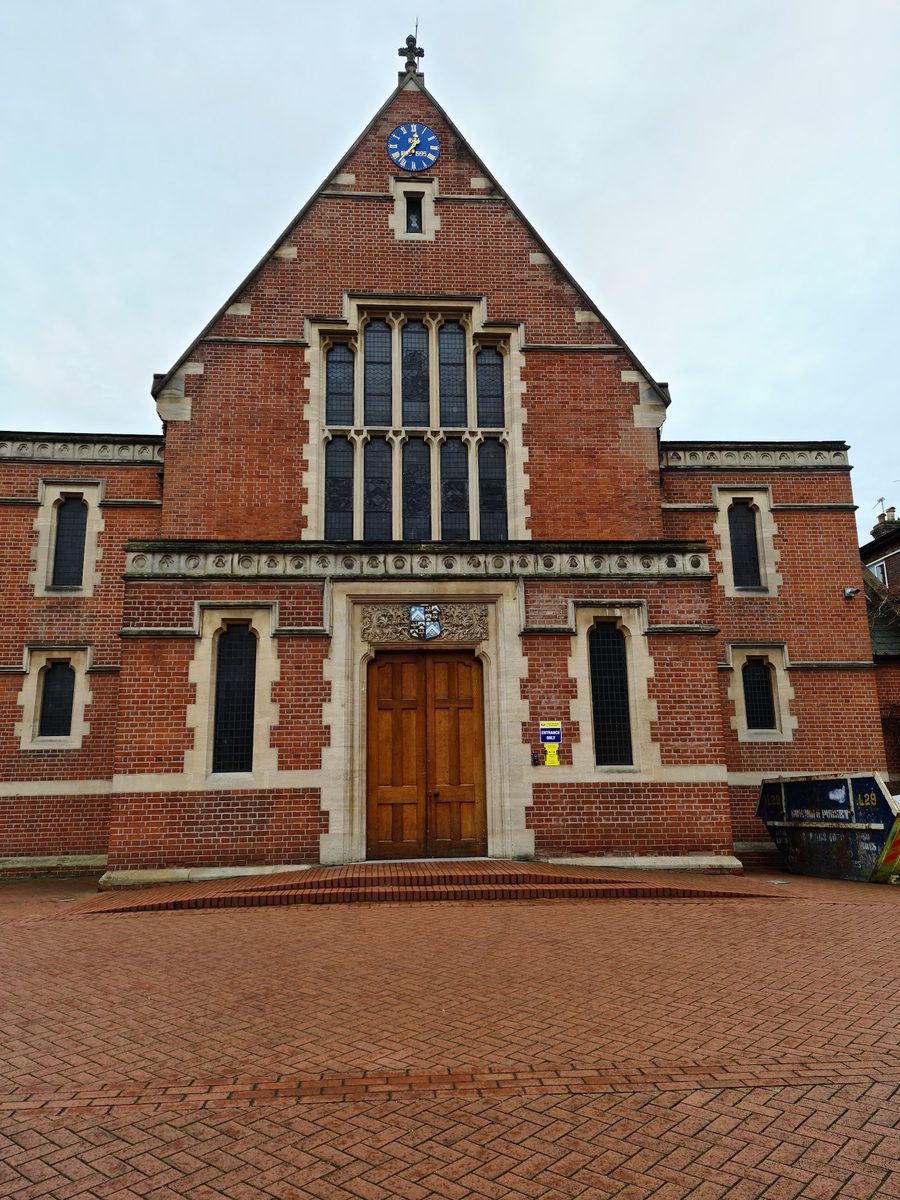
Latymer Upper School
London · United Kingdom
A 1624-founded, non-denominational day school in Hammersmith prized for its stellar Oxbridge and Russell Group outcomes.
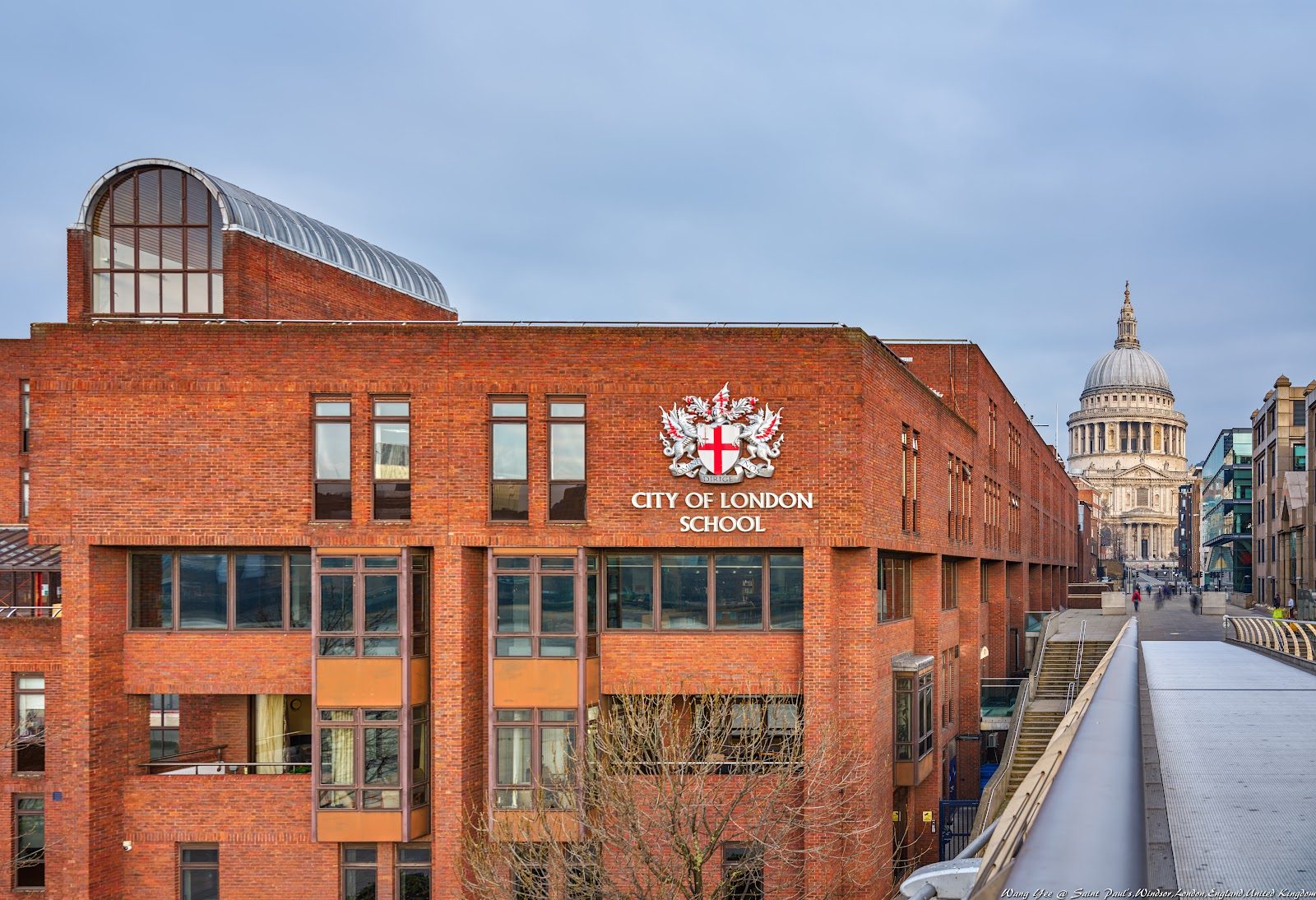
City of London School
London · United Kingdom
A 1442 bequest from the City's own Town Clerk still funds this rigorous day school perched on the Thames at Blackfriars.
Wilson's School
Sutton · United Kingdom
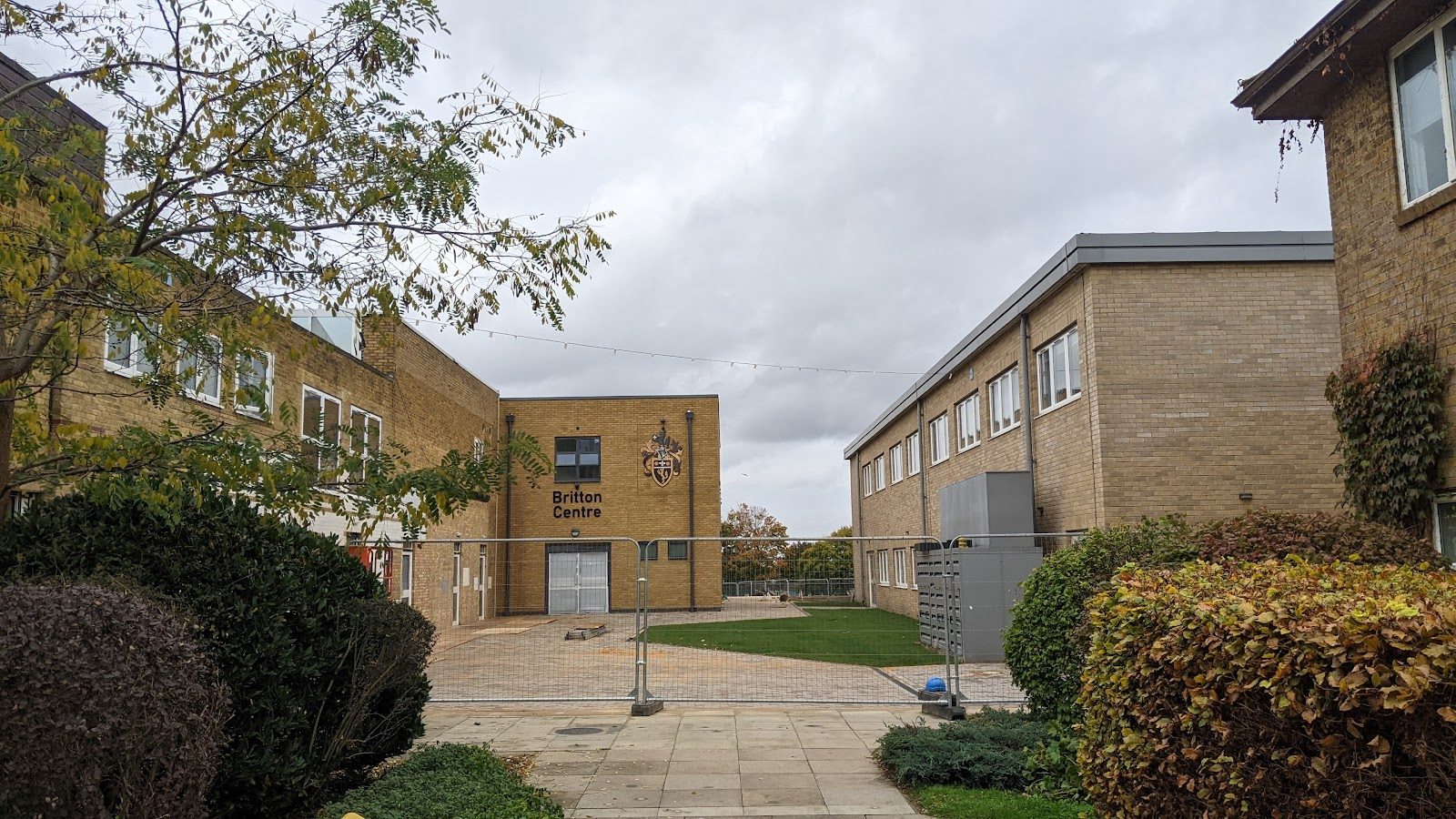
A 1615 charity foundation turned super-selective grammar, thriving on a former Croydon airfield with a sharp focus on maths and computing.
The King's School, Canterbury
Canterbury · United Kingdom
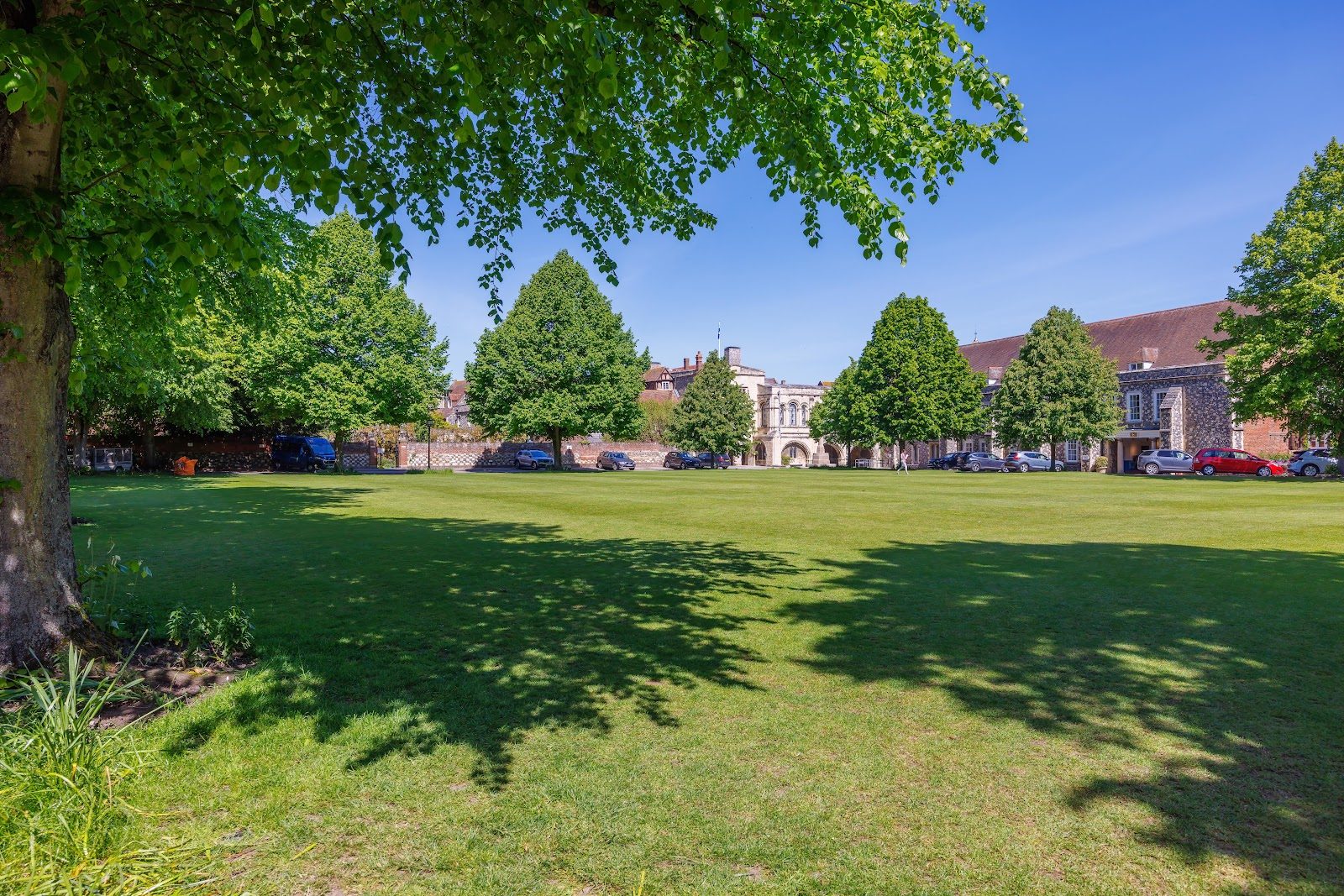
Inside Canterbury Cathedral's UNESCO precincts, lessons have run unbroken since 597 AD, folding King's Week festivities into daily life.
Same country and curriculum — closest matches within ±10 points either way