
Cascais Municipality
British curriculum since 1932 on a former transatlantic cable estate steps from Carcavelos beach, teaching bilingually since 1935.
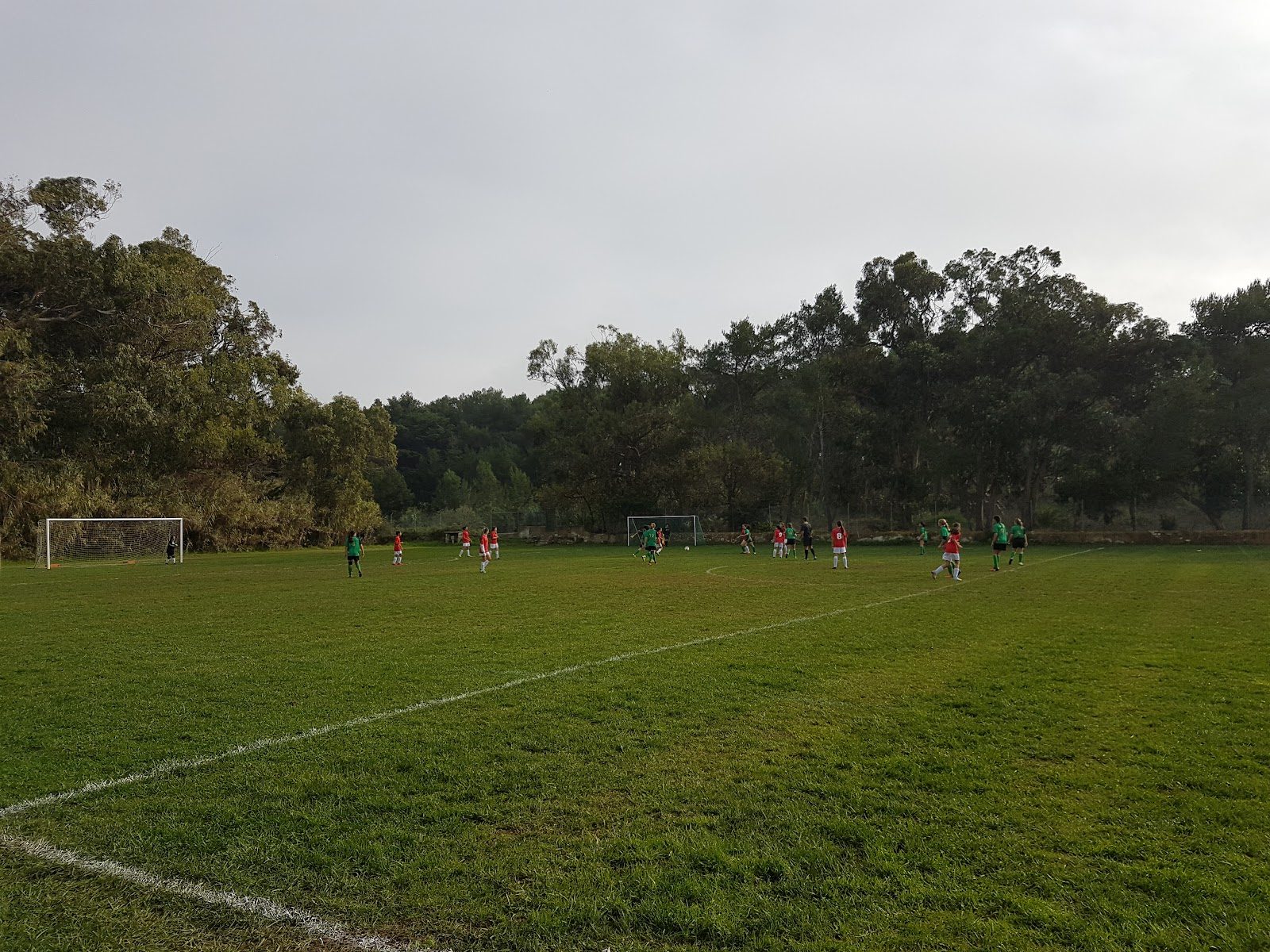
Photo © Célia Gonçalves via Google Maps
Type
Day
Ages
3–18
Curriculum
British
Qualifications
A-Level · IGCSE · IB Diploma
Ratio
—
The Verdict
Editor's commitment
Right for
Families wanting a day school in Carcavelos with British curriculum roots since 1932, bilingual English-Portuguese teaching since 1935, and IB World status.
Wrong for
Parents chasing boarding, a religious ethos, or a school with published destination breadth beyond single entries to Bath, Cambridge and City.
Watch out for
COBIS and IB World School badges help, but this is still an expensive Lisbon-coast proposition; the school does not publish fuller university destination data here.
Ranking breakdown
St. Julian's School · #110 of 1591
Composite score 78.0. 8 weighted criteria.
By criterion
Academic Outcomes
Weight 20%
#147
of 1529 scored
University Placement
Weight 16%
#59
of 1529 scored
Prestige & Heritage
Weight 12%
#92
of 1529 scored
Alumni Network
Weight 12%
#144
of 1529 scored
Facilities
Weight 12%
#292
of 1529 scored
Transparency & Communications
Weight 8%
#40
of 1529 scored
Peer & Industry Review
Weight 10%
#100
of 1529 scored
Admissions Selectivity & Demand
Weight 8%
#547
of 1529 scored
Score history
St. Julian's School · 2026
Movement across 2024–2026. Peer average overlaid.
Overall — 2024–2026
78.0/ 100
▲ +26.9 vs 2025
year on year
Peer & Industry Review
How St. Julian's School is regarded in the sector
65
Respected · low confidence
St. Julian's School, one of the oldest British international schools in continental Europe (founded 1932), is frequently cited in expat parent forums and 'best international schools in Portugal' roundups as a leading choice in the Lisbon/Carcavelos area, and is recognized as an IB World School with consistent strong exam results reported in Portuguese education press. However, it lacks the kind of dedicated Good Schools Guide International or Tatler profile coverage seen for more globally benchmarked international schools, limiting independent verification beyond regional expat community consensus.
Evidence sources
Editors' overview
St. Julian’s holds a rare position in Portugal’s school market: a long-established British school, founded in 1932, with bilingual English-Portuguese teaching dating back to 1935, on a historic estate near Carcavelos beach. That combination matters. Many international schools in greater Lisbon offer an English-medium education; far fewer carry real institutional age, local roots and a settled bilingual identity. The setting at Quinta de Santo António adds substance rather than brochure gloss: this is not a speculative campus on a business park, but a school with a sense of permanence, earned history and a clear cultural footing in Portugal as well as in the British system.
For parents, the shortlist case is straightforward. St. Julian’s offers the reach of a British curriculum school with the added weight of IB World School status, serving ages 3–18 in a day-school format. That gives it appeal for internationally mobile families who want academic continuity, and for Lisbon-area families who want strong English without cutting children off from Portuguese language and context. The school’s market position rests on credibility rather than novelty: 3–18 through-school structure, British curriculum, bilingual delivery, and accreditations that international parents recognise. The trade-off is equally clear. This is not a niche progressive school, not a full-immersion local Portuguese school, and not a boarding environment. Families seeking one of those models need to look elsewhere.
The student who will thrive here is academically serious, internationally minded and comfortable moving between languages and cultures. St. Julian’s suits children who benefit from structure, continuity and a broad peer group rather than a small alternative setting. It also fits families who want a school with institutional memory, cosmopolitan habits and a measured, adult atmosphere rather than performative innovation. Its recent university destinations include Bath, City and Cambridge, and its documented alumni footprint carries genuine cultural weight, including 12 notable alumni catalogued in Wikidata. In a crowded Lisbon-area market, St. Julian’s stands out for one reason above all: it offers substance over fashion.
Academic Performance
St. Julian’s does not publish aggregate external exam results in the public domain. That is the central fact for parents. In a market where stronger schools increasingly release headline attainment data — top grades, pass rates, subject spreads, university patterns over time — this level of opacity is a real weakness. It does not mean outcomes are poor; it means families cannot test the school’s academic claims against hard numbers. The recent higher-education destinations cited elsewhere include a place at Cambridge, which points to credible top-end attainment, but 1 elite destination does not substitute for a published results profile across a full cohort.
Relative to peers, that places St. Julian’s in an awkward middle ground: established and clearly serious, yet less transparent than the best-run academic operators in the international sector. Parents comparing Lisbon-area options, or weighing Portugal against schools in London, Madrid or Geneva, should expect more than isolated university names. They should expect grade distributions, cohort sizes and trend data. Until the school discloses those figures, its academic standing rests on institutional reputation, selective destination snapshots and longevity rather than forensic proof. For some families that will suffice. For data-minded parents spending serious money, it will not.
Facilities
The physical asset that matters most here is the estate itself. A school housed on a historic quinta near the sea has an advantage over the standard international-campus template of glass blocks and tarmac yards: more character, more maturity, and a stronger sense of place. For parents, that translates into daily experience rather than romance. Older estates can give children shaded outdoor space, varied buildings and a campus that feels settled rather than manufactured. Against many Lisbon-area peers built for speed during the recent international-schools boom, that is a meaningful edge. The trade-off is familiar: heritage sites do not always deliver the sheer scale, athletic sprawl or laboratory spectacle of newer purpose-built competitors.
What we have not seen is a detailed public breakdown of specialist facilities. The school does not publish the kind of hard campus inventory that lets parents compare science labs, performing-arts provision, indoor sports capacity or design spaces line by line. That weakens the facilities case. At the top end of the market, schools now show parents exactly what exists and how pupils use it. St. Julian’s relies more on its setting and established campus identity than on a showroom-style facilities pitch. That will suit families who value atmosphere, continuity and a lived-in campus over architectural theatre. It will frustrate parents who want forensic detail before paying serious fees.
At the top end of the market, schools now show parents exactly what exists and how pupils use it
Prestige
St. Julian’s carries real prestige, but of a restrained European kind rather than the swagger of a brand-name Anglo boarding school. Its standing rests on three things: longevity, a durable place in Portugal’s expatriate and internationally minded local circles, and an alumni record that extends beyond routine professional success into public cultural life. The documented notable-alumni footprint — 12 individuals in Wikidata, including figures from the performing arts and music, plus 1 star-tier laureate in visual arts — gives the school more than social cachet. It gives it cultural credibility. That matters because many international schools trade on aspiration; fewer can point to graduates who have entered public life in ways outsiders can verify.
That said, this is not a school with the instant global prestige of the most selective Swiss, British or American names. Its reputation is well-established and locally powerful, not universally dominant. The thin publication of academic outcomes also caps its status with hard-nosed international families: prestige rises when a school couples history and alumni with published results, and St. Julian’s does not do that. The verdict, then, is serious rather than glittering: a school whose name carries weight in Lisbon and among families who know the Portuguese international market, with enough alumni substance to justify respect, but without the data transparency or worldwide aura that would lift it into the top rank.
It sits between those poles in a way that is genuinely hard to replicate
Communications
Parent communication looks competent but not especially transparent. The school has the advantage of a settled identity and an established parent body, which usually supports clearer routines around notices, calendars and day-to-day expectations. Where St. Julian’s falls short is the same place it falls short academically: public disclosure. A school that does not publish aggregate exam outcomes asks parents to trust internal communication over external proof. That does not make its parent communication poor; it does make it less accountable than the strongest international schools, which now pair warm community messaging with hard data, policy clarity and easy access to performance information. For internationally mobile families used to forensic school communication, that gap matters.
The effectiveness, then, looks solid at the operational level and limited at the strategic level. Parents are unlikely to struggle with the basics of school life in a long-established through-school serving a broad age range. The harder question is whether communication equips families to judge standards, compare value and understand outcomes over time. Here the school gives less than it should. We have not seen the kind of publicly available results dashboards, detailed facilities breakdowns or evidence-rich parent information that mark out a first-rate communicator in this market. The impression is of a school that communicates sufficiently to run smoothly, but not aggressively enough to satisfy data-hungry parents paying for an international education with serious expectations.
Uniqueness
What sets St. Julian’s apart is not novelty but depth of inheritance. In the Lisbon market, many international schools offer English-medium ambition; few combine a long-rooted institutional life with a campus that carries actual Portuguese history. The setting at Quinta de Santo António does more than photograph well. It gives students a daily education in continuity: school life unfolds in a place with memory, not on a generic edge-of-town plot built to capture demand. That matters. Children absorb the character of an institution through routine, landscape and ritual as much as through lessons, and St. Julian’s offers a grounded, old-world sense of permanence that newer competitors cannot manufacture.
Its other distinguishing trait is cultural fluency without identity confusion. The school is neither a transplanted British enclave nor a local school with an international veneer. It sits between those poles in a way that is genuinely hard to replicate. For students, that brings a sharper form of international education than the standard passport mix. They learn to move between British academic expectations and Portuguese social reality without treating either as decorative. The result is a more mature kind of cosmopolitanism: less slogan, more habit. Add the documented alumni footprint of 12 notable figures and there is evidence that this environment does not just produce mobile students; it produces graduates with the confidence to enter public and cultural life.
Julian’s offers the reach of a British curriculum school with the added weight of IB World School status, serving ages 3–18 in a day-school format
Student Profile
The pupil who fits best here is steady under pressure, socially adaptable and comfortable in a school culture that values polish, routine and adult conduct over performative self-expression. This is not the place for a child who needs a loose, experimental environment or constant pastoral hand-holding to stay engaged. It suits students who can manage a structured day, work productively across age phases in a full through-school setting, and navigate an internationally mixed peer group without drama. Children with strong verbal confidence and a capacity to move between home, school and wider Portuguese life with ease will get more from it than those who want a sealed expatriate bubble.
There is also a clear social fit. St. Julian’s works for families who want a cosmopolitan but settled cohort: internationally minded, outward-facing, but not rootless. The school’s documented alumni footprint of 12 notable figures points to an environment that has long rewarded students who are culturally fluent, self-possessed and willing to take themselves seriously. That does not mean joyless. It means the tone is mature rather than trendy. Pupils who thrive here will not need the school to manufacture identity for them; they will use the school’s breadth, history and social mix as a platform. Children who need intense niche support, a bohemian ethos or a more intimate small-school feel will find a cleaner fit elsewhere.
This is not a niche progressive school, not a full-immersion local Portuguese school, and not a boarding environment
Co-curricular strengths
Arts & sport, on a separate axis
Overall 7.7/10
Scored 0-10 from the school's own published evidence. This axis is editorial-only — it does not feed the main WTS ranking.
Sports
8.5/10
Multiple sports—Football, Basketball, Swimming, Tennis and Volleyball—showing a solid multi-sport extracurricular offering, but it gives no named facilities, specialist staff or competitive results.
Drama
8/10
Drama appears explicitly as 'Drama club' in the extracurricular list.
Dance
6.5/10
Music
8/10
Music is evidenced by the explicit listing of a 'School choir', but there is no further detail on ensembles, facilities, specialist staff or achievements.
Visual Arts
7.5/10
Verified alumnus Paula Rego, a Royal Academician, provides laureate-level pedigree that overrides the profile's silence and anchors visual arts at at least 7.
Editor first-pass · editor-reviewable · 7/28/2026
Outcomes & destinations
Where students go next
Top destinations
22 placements
- University of Bath· 1
- City, University of London· 1
- University of Cambridge· 1
- University of Edinburgh· 1
- King's College London· 1
- Loughborough University· 1
- University of Manchester· 1
- University of Oxford· 1
- Royal Holloway, University of London· 1
- University of St Andrews· 1
- University College London· 1
- University of Warwick· 1
- Massachusetts Institute of Technology· 1
- University of California, Los Angeles· 1
- New York University· 1
- University of Amsterdam· 1
- Bocconi University· 1
- Delft University of Technology· 1
- IE University· 1
- Maastricht University· 1
- Universidade Católica Portuguesa· 1
- Nova SBE· 1
Reported by the school. Confirm with admissions.
Notable alumni · Wikidata
12notable alumni
0 historic (born pre-1930) · 11 modern (born post-1970)wikidata:2026-07-28 How we source this
WTS 300 badge
2025/26 editionSt. Julian's School is one of the World's Top 300 Schools for 2025/26. Claim your listing to add it to your site →
Strengths
- +Founded in 1932, it is the oldest and largest British international school in Portugal, with roughly 1,200-1,250 pupils across more than 60 nationalities.
- +The school was the first in Portugal authorised to offer International Baccalaureate examinations, and is accredited by CIS, COBIS and NEASC.
- +It has been ranked in the European Top 10 and is the only Portuguese school in the global Top 100 of the Spear's Schools Index.
- +A bilingual pathway lets pupils follow the Portuguese National Curriculum in English and Portuguese before joining the IB, easing integration for locally-settled families.
- +Set in an 18th-century palace estate near Carcavelos beach, the campus includes extensive grounds and outdoor sports facilities backed by a stated 50 million euro capital project.
Considerations
- −Admissions carry meaningful one-off costs beyond tuition, including a 250 euro application fee, 750 euro registration fee and a 5,000 euro non-refundable capital levy.
- −Day fees alone have historically ranged from roughly 8,200 euros to over 19,000 euros a year depending on year group, before these extra levies.
- −Average IBDP scores sit around 35, respectable but not among the very highest results posted by elite international schools.
- −The school is a day school only, so families wanting a boarding option for senior years must look elsewhere, and a handful of leavers do transfer to UK boarding schools at sixth form.
Availability
Primary entry gate & tests
Academic Record + Interview
Gallery
Photo © Saint Julian's School via Google Maps
Photo © Saint Julian's School via Google Maps
Photo © Patricia Mirao via Google Maps
Photo © Saint Julian's School via Google Maps
Photo © Pedro Marques via Google Maps
Parent reviews
Have you sent your child here?
Voice reviews carry the strongest trust badge — we transcribe them for you to tidy up before they go live. Prefer to type? A written review is fine too.
Add your voice
In 60 seconds, tell other parents: what's the best thing about St. Julian's School, and what surprised you when your child joined?
We ask for a Google sign-in so every review has a real face behind it — no anonymous drive-by attacks on schools, and no faked positive reviews. Your email is never shown publicly.
Send this profile to a friend
International parents rely on word-of-mouth. Share this review with someone weighing the same decision.
Schools with places
Similar schools to St. Julian's School with places available now.
Availability first, then country, area, curriculum, price, co-curricular
Consider also
Also worth looking at alongside St. Julian's School.
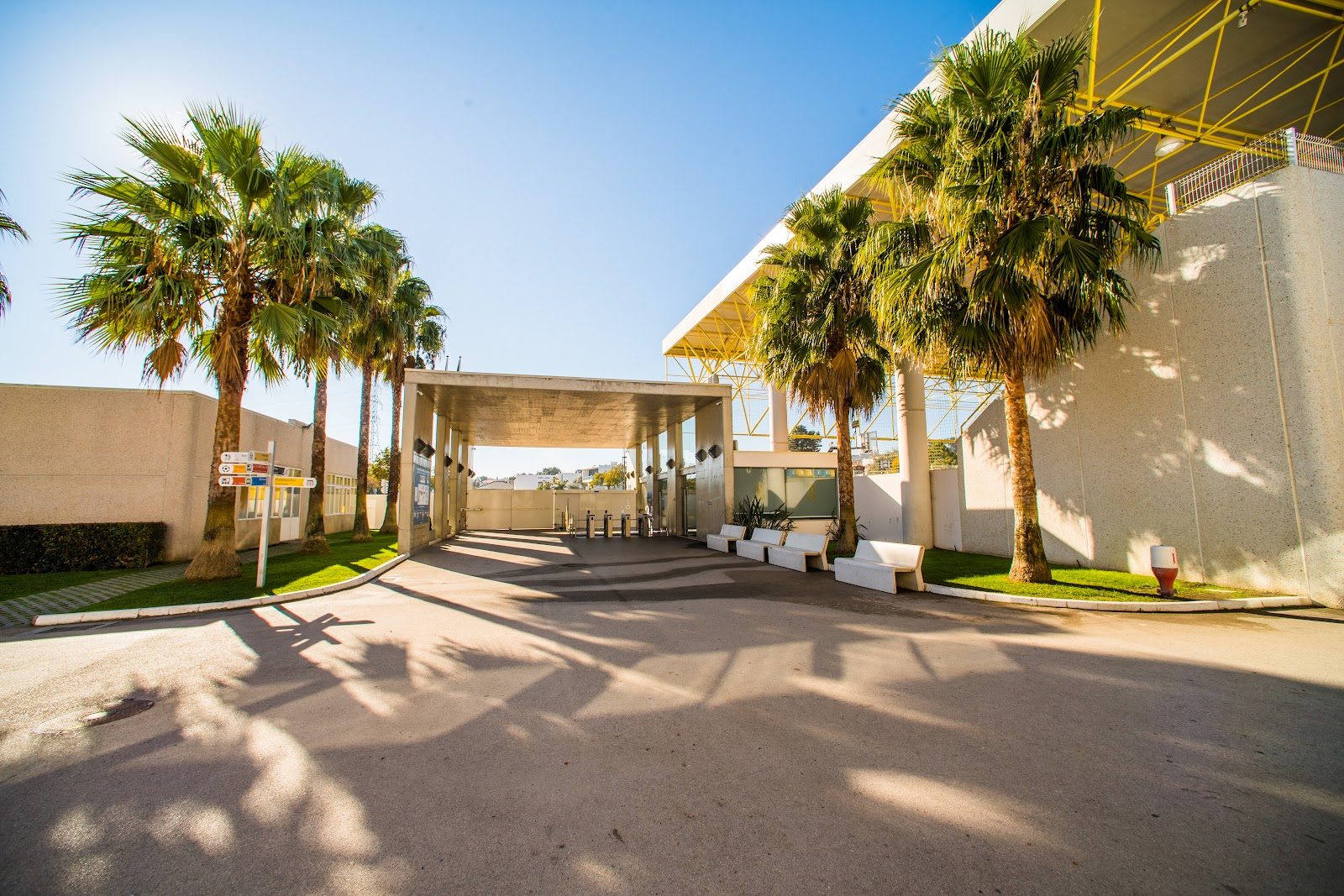
St Peter's International School
Palmela · Portugal
Between Lisbon and Comporta, twin pathways pair Portugal's national curriculum with British IGCSEs and the IB Diploma
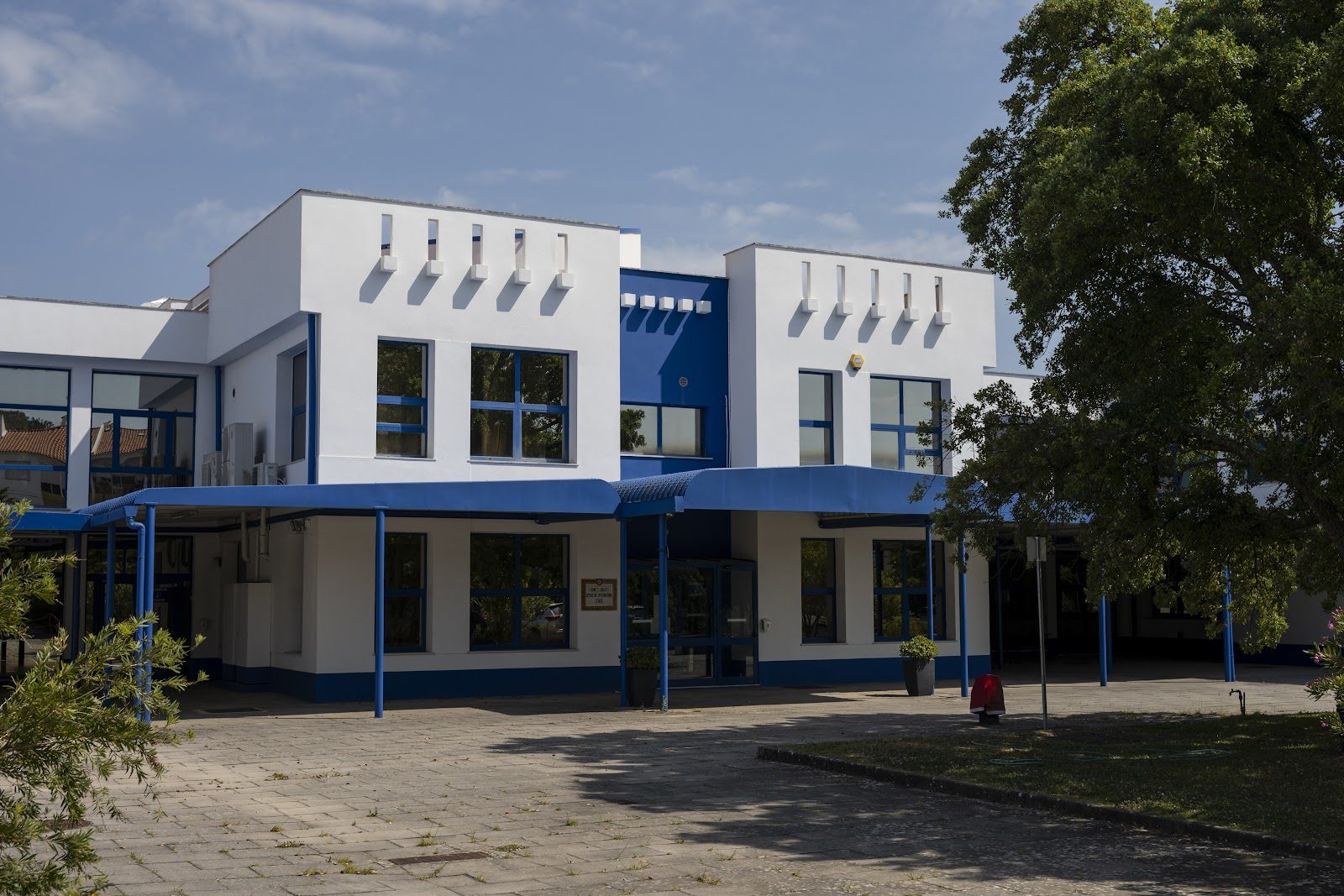
Carlucci American International School of Lisbon
Lisbon · Portugal
The Iberian Peninsula's oldest American school pairs a U.S. diploma with the IB from its Sintra hillside campus.
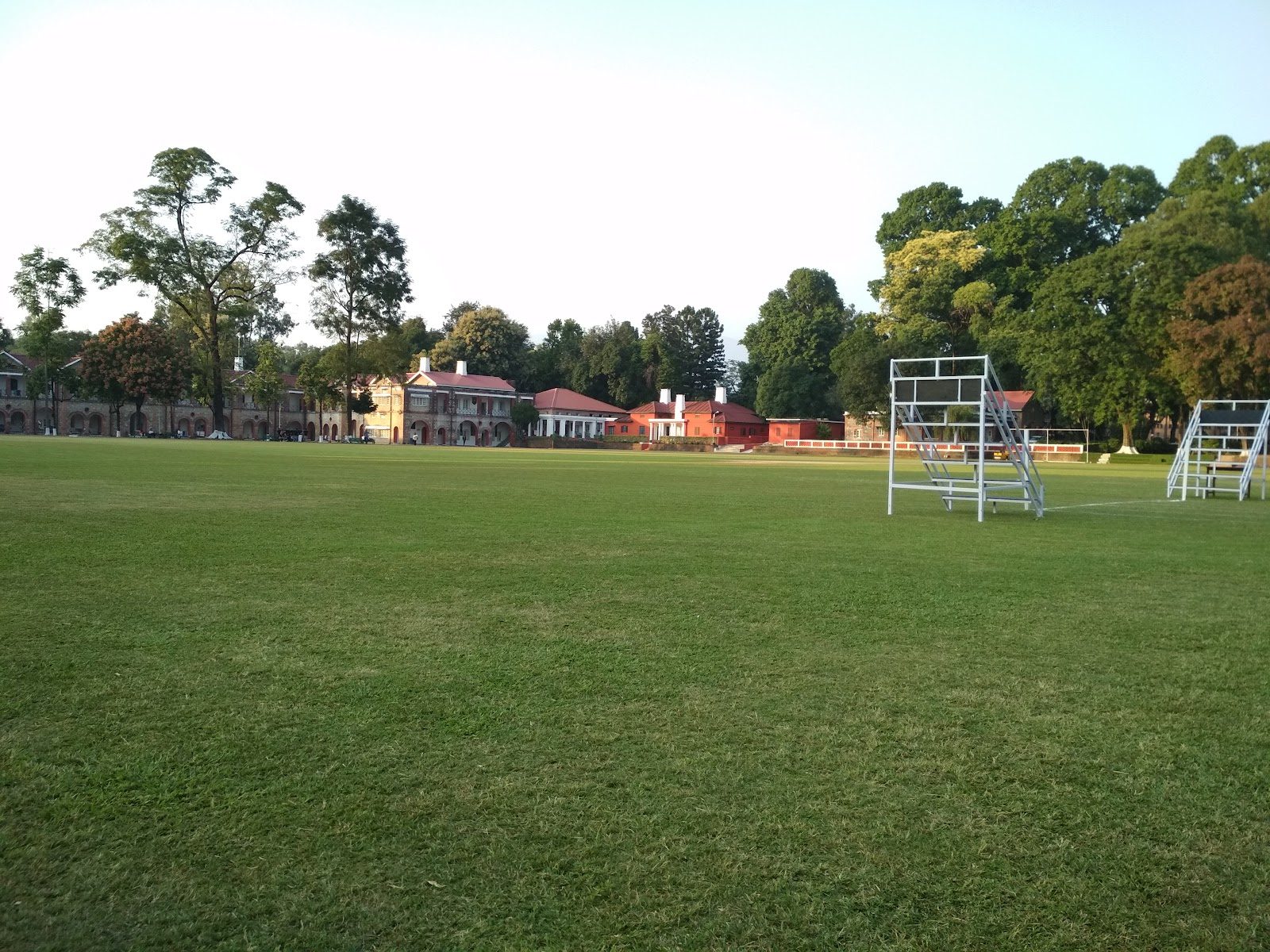
The Doon School
Dehradun · India
At the Himalayan foothills since 1935, this all-boys boarding school helped launch India's post-independence mountaineering movement.
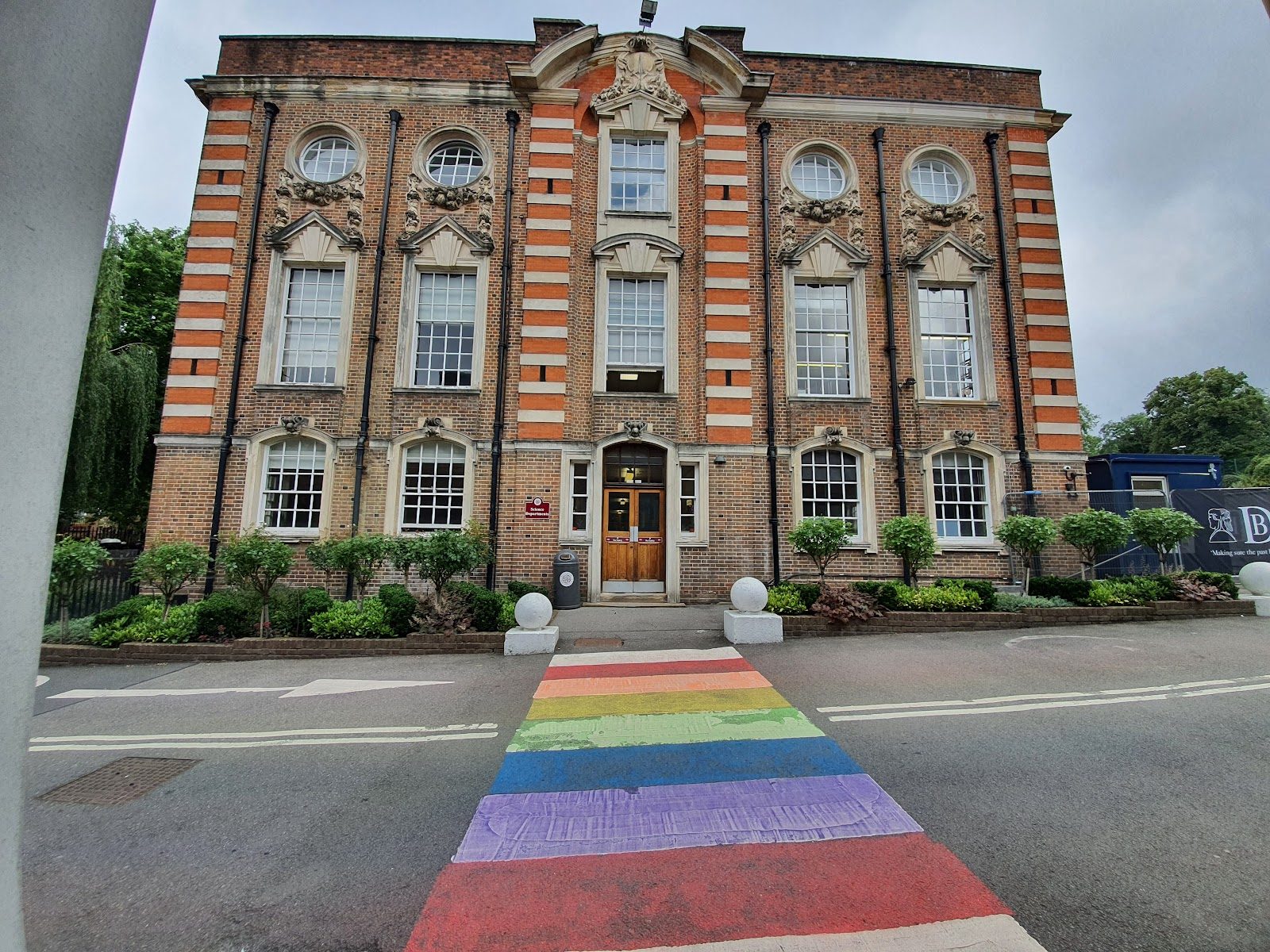
University College School
London · United Kingdom
A Hampstead offshoot of UCL's founding creed, prizing intellectual curiosity and independence of mind over rote drill since 1830.
Same country and curriculum — closest matches within ±10 points either way