
British Columbia
Vancouver's only boys' boarding house pairs BC's diploma with IB and AP courses, then swaps desks for weeks in the backcountry.
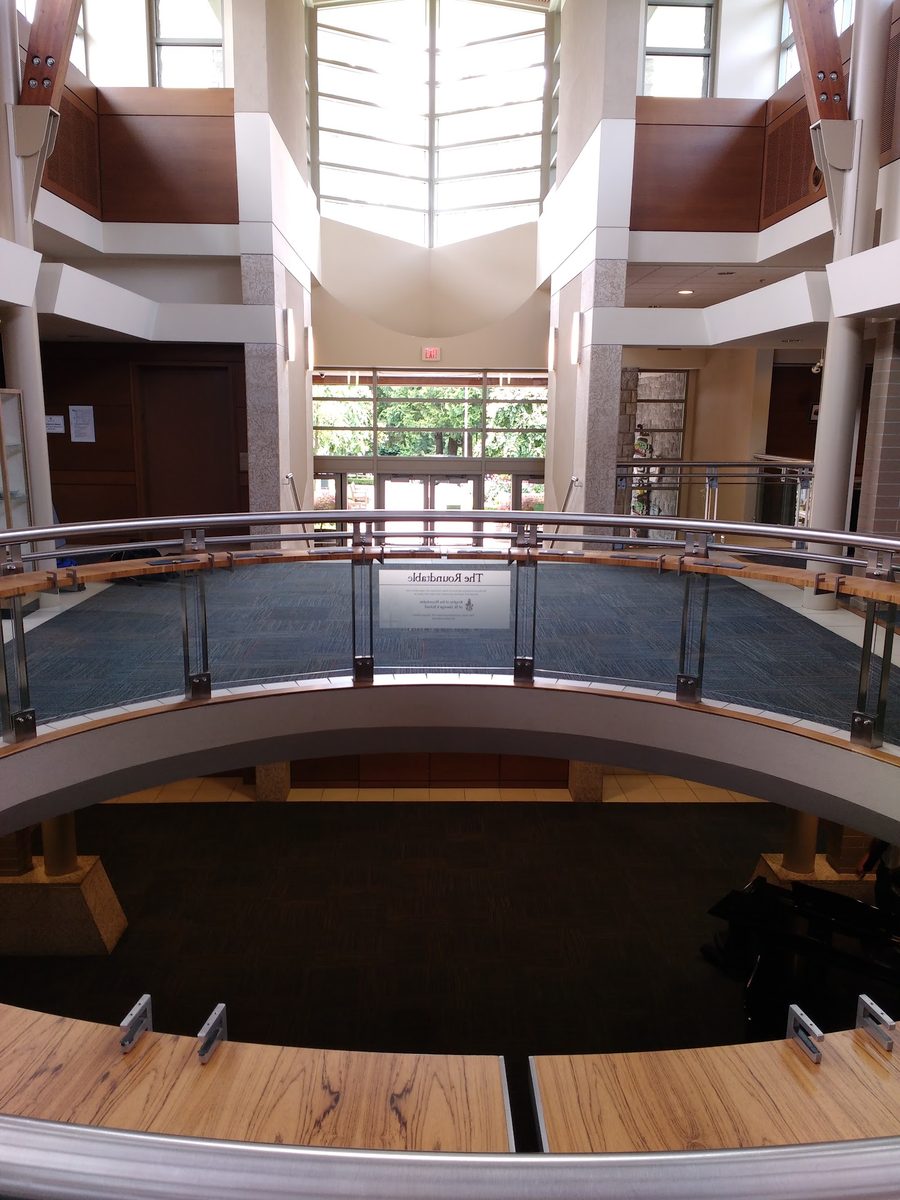
Photo © David Martin via Google Maps
Type
Both
Ages
3–18
Curriculum
Canadian · IB · American
Qualifications
AP · IB Diploma
Ratio
—
The Verdict
Editor's commitment
Right for
Boys who want a Vancouver school founded in 1930 with IB and AP courses, plus the city's only boys' boarding house.
Wrong for
Families wanting co-education, religious framing or a cheap option: this is boys-only, non-religious, and averages CAD 37,300 day or CAD 77,700 boarding.
Watch out for
Recent destinations listed are Bangor, BIMM and Bournemouth, one student each; the school does not publish broader university outcomes here.
Ranking breakdown
St. George's School · #198 of 1591
Composite score 74.4. 8 weighted criteria.
By criterion
Academic Outcomes
Weight 20%
#294
of 1529 scored
University Placement
Weight 16%
#305
of 1529 scored
Prestige & Heritage
Weight 12%
#262
of 1571 scored
Alumni Network
Weight 12%
#158
of 1530 scored
Facilities
Weight 12%
#279
of 1533 scored
Transparency & Communications
Weight 8%
#354
of 1532 scored
Peer & Industry Review
Weight 10%
#385
of 1548 scored
Admissions Selectivity & Demand
Weight 8%
#266
of 1529 scored
Score history
St. George's School · 2026
Movement across 2024–2026. Peer average overlaid.
Overall — 2024–2026
74.4/ 100
▲ +10.9 vs 2025
year on year
Peer & Industry Review
How St. George's School is regarded in the sector
75
Strong · medium confidence
St. George's School is consistently regarded as one of Vancouver's top independent boys' schools, frequently mentioned alongside peers like Crofton House and York House in Canadian private school rankings and Maclean's/Fraser Institute style comparisons. It has a strong local reputation among BC independent school families and a notable alumni network in business and sports, though it lacks the international press coverage (Tatler, Good Schools Guide) typical of globally top-tier schools, reflecting its status as a strong regional rather than internationally benchmarked institution.
Evidence sources
Editors' overview
The distinctive feature here is not the IB badge or the AP menu, but the combination of a boys-only school in Vancouver with the city’s only boys’ boarding house and a serious outdoor programme. St. George’s, founded in 1930, runs as a non-religious day and boarding school for boys aged 3 to 18, teaching in English and spanning Canadian, IB and American pathways. That mix gives it a broader academic shape than the standard Canadian independent school: a BC diploma base, IB in the senior years, and AP courses in the mix. The boarding side matters. An average annual boarding fee of CAD 77,700 places it in the premium bracket, while the average annual day fee of CAD 37,300 makes the day school expensive by Vancouver standards but not out of line for the city’s top independent market.
What puts St. George’s on a shortlist is the school’s clear sense of what kind of boy it wants to educate. This is a structured, high-expectation school with a strong co-curricular spine: academics, sport, arts and outdoor education all sit close to the centre rather than at the margins. The public emphasis on Harker Hall, athletics, music, theatre, visual arts, global stewardship and programmes such as VentureLift points to a school that wants boys busy, stretched and supervised. Parents who want a softly progressive environment with maximum student autonomy from the outset should look elsewhere. St. George’s suits families who value routine, institutional culture and the discipline of a full programme.
The strongest fit is a boy who will use the school’s range rather than resist it: academically ambitious, energetic, willing to join in, and comfortable in a single-sex setting. The outdoor element also stands out. This is a school that swaps classrooms for the backcountry and treats that as part of education, not an annual extra. For the right student, that is formative. For the wrong one, it is hard-edged. Academic outcomes are less clearly published than many parents will want; the school does not disclose a full set of headline results here, and the recent university destinations listed — Bangor, BIMM Institute and Bournemouth, each with 1 student — are too thin to prove much on their own. Even so, the core proposition is clear: a traditional, well-resourced boys’ school with boarding, recognised by CIS and the IBO, and with a more rugged character than many urban independents.
Academic Performance
Academic performance is the hardest part of St. George’s to judge from public data, because the school does not publish the kind of consolidated headline results that let parents benchmark it cleanly against Vancouver’s top independent competitors. We have not seen aggregate IB averages, AP score distributions, BC Diploma completion figures or university-offer patterns beyond the thin destination list already noted. That is a real weakness in a market where serious schools know that outcomes matter and publish them. A school offering more than one senior academic route needs hard evidence that students perform well across all of them. Here, that evidence is opaque.
That does not mean weak academics; it means unproven academics in public. The school’s scale, breadth of senior programmes and heavy co-curricular load point to an education built around high expectations rather than exam cramming. For some families, that balance will be attractive. For others, especially those comparing selective boys’ schools or weighing IB options against peers with transparent score reporting, the lack of published results will push St. George’s down the list. Relative to peers, then, it sits in an awkward position: plainly ambitious, almost certainly strong in teaching and student support, but without the published examination data that would move it from credible to convincing.
Facilities
The facilities story is defined by range across two campuses rather than by one showpiece building. The school gives clear prominence to separate junior and senior sites, a named boarding house in Harker Hall, dedicated music, visual arts and theatre spaces in both divisions, athletics, food services, health services and personal counselling. That matters because the programme here asks boys to do a lot, and the physical plant backs that up. The standout, though, is the outdoor dimension: this is one of the few urban schools where “campus” plainly extends beyond classrooms and pitches into organised Outdoor Education and VentureLift-style experiential work. Against peer boys’ schools, that gives St. George’s a harder-edged, more full-spectrum offer than the standard formula of labs, theatres and sports fields.
What we do not get is the level of hard facility detail that top schools now publish routinely: no public roll-call here of specialist science provision, maker spaces, performance venues, aquatic centres or boarding capacity beyond the fact of the house itself. That weakens comparison. Still, the visible breadth is strong, and the dual-campus setup on West 29th Avenue gives the school room to separate younger boys from the senior operation in a way many city schools cannot. In the Vancouver independent market, this is a serious institutional estate, not a polished boutique. Parents looking for slick showcase architecture will need a visit. Parents looking for facilities built to sustain a demanding, supervised day will find the essentials in place.
Families who want structure, camaraderie and pressure in one package will find it unusually coherent
Prestige
St. George’s carries real local weight. In Vancouver’s independent-school market, a boys’ school with a long-established name, substantial alumni base and the city’s only boys’ boarding house occupies a rare position. The school itself points to 7,000+ alumni, and that matters: prestige is not only about academics, but about network density, institutional memory and social recognition among employers, universities and families who know the sector. This is the kind of school name that opens conversations in western Canada. The price point reinforces that status. An average annual day fee of CAD 37,300 and boarding at CAD 77,700 place it firmly in the premium tier, which in turn keeps the parent body selective by income even before admissions decisions do any sorting.
That said, prestige here rests more on institutional standing than on published academic proof. The school has the markers families associate with status — scale, history, visible extracurricular ambition, a serious campus operation and an old-school boys’ identity that many rivals cannot replicate. It also has the confidence to run a high-control, high-expectation culture without apology. What it does not publish, at least not clearly enough, is the full outcomes data that would turn social prestige into unarguable academic prestige. So the rating is strong, but not untouchable: St. George’s is well-known, well-connected and expensive, yet less evidentially dominant than the very best schools that pair reputation with transparent results.
That mix gives it a broader academic shape than the standard Canadian independent school: a BC diploma base, IB in the senior years, and AP courses in the mix
Communications
Parent communication looks organised, centralised and frequent. The school runs a password-gated platform, “mySGS”, alongside a steady stream of public-facing notices, digital back-to-school books, calendars, event listings and dedicated contact routes for admissions. It also separates practical information by division, which matters in a school split across junior and senior operations. That structure reduces friction: parents know where term dates, start-of-year instructions, transport, health services, counselling and community events sit, rather than hunting through a generic prospectus site. The presence of named publications such as The Saint Magazine and an eNews archive points to a communications office that treats information flow as part of the school’s operating system, not an afterthought. For a school with 7,000+ alumni and a large co-curricular machine, that level of organisation is not optional; it is institutionally necessary.
The weakness is tone and transparency. The website is strong on community life, announcements and navigational clarity, but thinner on the hard academic reporting many parents want once a child is enrolled. Communications do a good job selling rhythm, culture and logistics; they do a weaker job publishing the evidence that proves academic performance. That leaves an impression of a school that is operationally polished and culturally confident, but more guarded than the best independents on outcomes. In practice, parents who value schedules, routines and clear points of contact will find the system reassuringly tight. Parents who want forensic openness on results and comparative performance will find it incomplete.
Uniqueness
What sets St. George’s apart is the way it binds three things that many schools keep separate: a boys-only culture, a boarding community inside a major city, and an outdoor programme treated as part of the school’s core machinery. That combination gives daily life a distinctly regimented shape. Boys are not left to drift between lessons and clubs; they move through a system built around house life, teams, performances, service and time beyond the classroom. The school’s own architecture of programmes makes that plain: Harker Hall, athletics, theatre, music, visual arts, personal counselling, global stewardship and VentureLift all sit inside one institutional frame. The result is a high-contact, high-supervision education that keeps students occupied, observed and pushed.
For the right boy, that brings real advantages. He gets community in concentrated form, stronger routines, and more chances to test himself away from home comforts than a standard urban day school offers. The alumni body of 7,000+ also points to a school with durable internal loyalty, which matters long after graduation. The cost of that uniqueness is obvious too. This is not a loose, permissive environment; it is a full-immersion one, with a culture that asks boys to join in rather than hang back. Families who want co-education, lighter-touch pastoral structures or a more self-directed adolescence will find St. George’s too controlled. Families who want structure, camaraderie and pressure in one package will find it unusually coherent.
George’s on a shortlist is the school’s clear sense of what kind of boy it wants to educate
Student Profile
The boy who thrives here is robust, busy and willing to be shaped by the institution. St. George’s suits students who do not need coaxing to join in, because the school offers few quiet corners for the detached or half-committed. A boy who enjoys team sport, performance, clubs, outdoor challenge and the daily discipline of a full timetable will find traction fast. So will a boarder who wants structure rather than freedom first. The school’s scale, dual-campus organisation and alumni body of 7,000+ create a culture with strong internal codes: boys are expected to contribute, carry themselves properly and absorb a shared idea of school life. That can be energising for confident, sociable students. It can be stifling for boys who dislike institutional identity or resist being steered.
The best fit is not only sporty. Artistic boys, intellectually serious boys and those who need firm routines can also do well, provided they accept the school’s high-control rhythm. This is a good environment for a student who wants adults to know him, monitor him and push him. It is a poor one for a boy who wants anonymity, low-pressure pastoral oversight or a loose co-educational social world. Families paying fees at this level — CAD 37,300 for day pupils and CAD 77,700 for boarders on average — are buying a full-immersion education with clear expectations. The right student will grow inside that frame. The wrong one will fight it every day.
Parents who want a softly progressive environment with maximum student autonomy from the outset should look elsewhere
Co-curricular strengths
Arts & sport, on a separate axis
Overall 8.4/10
Scored 0-10 from the school's own published evidence. This axis is editorial-only — it does not feed the main WTS ranking.
Sports
9.5/10
Preeminent boys' athletic force in Western Canada, fielding nationally competitive rugby, rowing, and ice hockey programs.
Drama
8.5/10
Ambitious theater curriculum staging large-scale classical and contemporary plays inside their primary performing arts spaces.
Dance
7/10
Maintained strictly as a minor auxiliary component for theatrical physical movement blocks or musical configurations.
Music
8.5/10
Outstanding symphonic wind bands, jazz big bands, and orchestral ensembles that highlight major cultural showcases.
Visual Arts
8.5/10
Highly structured fine art layout leaning heavily toward technical drawing, fine oils, and advanced portfolio mastery.
Editor-verified · 8/7/2026
Outcomes & destinations
Where students go next
Top destinations
163 placements
- Bangor University· 1
- BIMM Institute· 1
- Bournemouth University· 1
- Brunel University· 1
- Cardiff University· 1
- City, University of London· 1
- Durham University· 1
- Falmouth University· 1
- Goldsmiths, University of London· 1
- Hartpury University· 1
- Imperial College London· 1
- Keele University· 1
- King's College London· 4
- Lancaster University· 1
- Liverpool John Moores University· 1
- London School of Economics· 1
- Loughborough University· 1
- Newcastle University· 2
- Oxford Brookes University· 1
- Queen Mary, University of London· 1
- Royal Holloway, University of London· 2
- Royal Veterinary College· 1
- SOAS, University of London· 1
- The University of Edinburgh· 1
- University College London· 4
- University for the Creative Arts· 1
- University of Aberdeen· 1
- University of Bath· 1
- University of Bristol· 1
- Cambridge· 1
- University of East Anglia· 1
- University of East London· 1
- University of Essex· 1
- University of Exeter· 2
- University of Glasgow· 1
- University of Kent· 1
- University of Leeds· 1
- University of Leicester· 1
- University of Liverpool· 1
- University of Manchester· 2
- University of Nottingham· 1
- University of Portsmouth· 1
- University of Reading· 1
- University of Salford· 1
- University of Sheffield· 1
- University of Southampton· 1
- University of St Andrews· 1
- University of Surrey· 1
- University of Sussex· 2
- University of the Arts London· 1
- University of Warwick· 2
- University of Westminster· 1
- University of York· 1
- American University, Washington DC· 1
- Arizona State University· 1
- Bard College· 1
- Berklee College of Music· 1
- Boston University· 1
- Brown University· 1
- Columbia University· 1
- Concordia University· 1
- Culinary Intitute of America· 1
- Duke University· 1
- Emerson College· 1
- George Washington University· 1
- Florida Atlantic University· 1
- Fordham University· 1
- Harvard University· 1
- Massachusetts Institute of Technology· 1
- McGill University· 1
- Mount Allison University· 1
- New York University· 1
- North Central College· 1
- Queen’s University· 1
- Pratt Institute· 1
- Ryerson University· 1
- Rutgers University· 1
- Simon Fraser University· 1
- Stanford University· 1
- Temple University· 1
- The University of Chicago· 1
- UCLA· 1
- University of British Columbia· 1
- University of California, Berkeley· 1
- University of Michigan, Ann Arbor· 1
- University of Ottawa· 1
- University of Southern California· 1
- University of Toronto· 1
- Yale University· 1
- Academia Costume & Moda· 1
- Bocconi University· 1
- IED Istituto Europeo di Design· 1
- John Cabot University· 1
- La Sapienza University· 3
- LUISS· 2
- Polimoda· 1
- Politecnico di Torino· 1
- Roma Tre University· 1
- Swiss School of Management· 1
- The American University of Rome· 1
- University of Camerino· 1
- Università Cattolica del Sacro Cuore· 1
- Università di Milano, Medicina· 1
- University of Padova· 1
- Charles University· 1
- École Polytechnique Fédérale de Lausanne· 1
- ESCP· 1
- ESSEC Business School· 1
- Geneva Business School· 1
- Glion Institute· 1
- IE University· 3
- Karlsruhe Institute of Technology· 1
- KU Leuven· 1
- Amsterdam University of Applied Sciences· 1
- Eindhoven University of Technology· 2
- Erasmus University Rotterdam· 1
- HZ University of Applied Sciences· 1
- Maastricht University· 1
- SAE Institute· 1
- Tilburg University· 1
- TU Delft· 1
- University College Amsterdam· 1
- University College Groningen· 1
- University College Utrecht· 1
- University of Amsterdam· 1
- University of Groningen· 1
- Utrecht University· 1
- Vrije Universiteit· 1
- Monash University· 1
- Nanyang Technological University· 1
- Okayama University· 1
- Paris College of Art· 1
- Ramon Llull University· 1
- RMIT· 1
- Semmelweis University· 1
- Stellenbosch University· 1
- Swinburne University of Technology· 1
- Technical University of Denmark· 1
- Trinity College Dublin· 1
- Universidad Carlos III de Madrid· 1
- University College Dublin· 1
- University of Ljubljana· 1
- University of Melbourne· 1
- University of New South Wales· 1
- University of Wollongong· 1
Reported by the school. Confirm with admissions.
WTS 300 badge
2025/26 editionSt. George's School is one of the World's Top 300 Schools for 2025/26. Claim your listing to add it to your site →
Strengths
- +Long-established Vancouver institution founded in 1930, giving it one of the deeper alumni networks among BC independent schools.
- +Class sizes are kept small, typically 18 to 22 students, across both the Junior and Senior campuses.
- +The boarding programme draws over 100 students from more than 20 countries, giving day-school families exposure to a genuinely international cohort.
- +Co-curricular breadth is wide, with roughly 24 AP subjects alongside 50-plus clubs and 35-plus sport options on offer.
- +The school allocates a stated $2 million annually in financial aid for students in Grades 4 to 12, widening access beyond full-fee families.
Considerations
- −It is a single-sex, all-boys school, which rules it out for families wanting co-education or with daughters to place.
- −Fees are substantial: published tuition figures for boarding range widely into the CAD 60,000-100,000-plus band depending on source and residency category, before extras such as new-student and device fees.
- −Boarding is a minority experience structurally: only around 100 boarders sit within a day-school population of over 1,000, so the culture is day-school-led rather than a classic full-boarding environment.
- −The campus is split across two urban sites in the Dunbar neighbourhood rather than a single rural estate, meaning less on-site outdoor/athletic acreage than campus-based boarding rivals on Vancouver Island.
Availability
Primary entry gate & tests
SSAT + Interview (Boys)
Gallery
Photo © David Martin via Google Maps
Photo © David Martin via Google Maps
Photo © Uniquely Amoeba via Google Maps
Photo © Ace Surfaces via Google Maps
Photo © Local Buzz via Google Maps
Photo © Local Buzz via Google Maps
Photo © Local Buzz via Google Maps
Photo © Local Buzz via Google Maps
Photo © Local Buzz via Google Maps
Parent reviews
Have you sent your child here?
Voice reviews carry the strongest trust badge — we transcribe them for you to tidy up before they go live. Prefer to type? A written review is fine too.
Add your voice
In 60 seconds, tell other parents: what's the best thing about St. George's School, and what surprised you when your child joined?
We ask for a Google sign-in so every review has a real face behind it — no anonymous drive-by attacks on schools, and no faked positive reviews. Your email is never shown publicly.
Send this profile to a friend
International parents rely on word-of-mouth. Share this review with someone weighing the same decision.
Schools with places
Similar schools to St. George's School with places available now.
Crofton House School
Vancouver · Canada
- 2026-27
- CLOSEDRegular cycle closed
- 2027-28
- OPENS SOONOpens Sept '26
West Point Grey Academy
Vancouver · Canada
- 2026-27
- CLOSEDRegular cycle closed
- 2027-28
- OPENS SOONOpens Sept '26
Shawnigan Lake School
Shawnigan Lake · Canada
- 2026-27
- CLOSEDRegular cycle closed
- 2027-28
- PLACES OPENActive now
St Michaels University School
Victoria · Canada
- 2026-27
- CLOSEDRegular cycle closed
- 2027-28
- PLACES OPEN2027/28 open; priority 1 Dec '26
Availability first, then country, area, curriculum, price, co-curricular
Consider also
Also worth looking at alongside St. George's School.
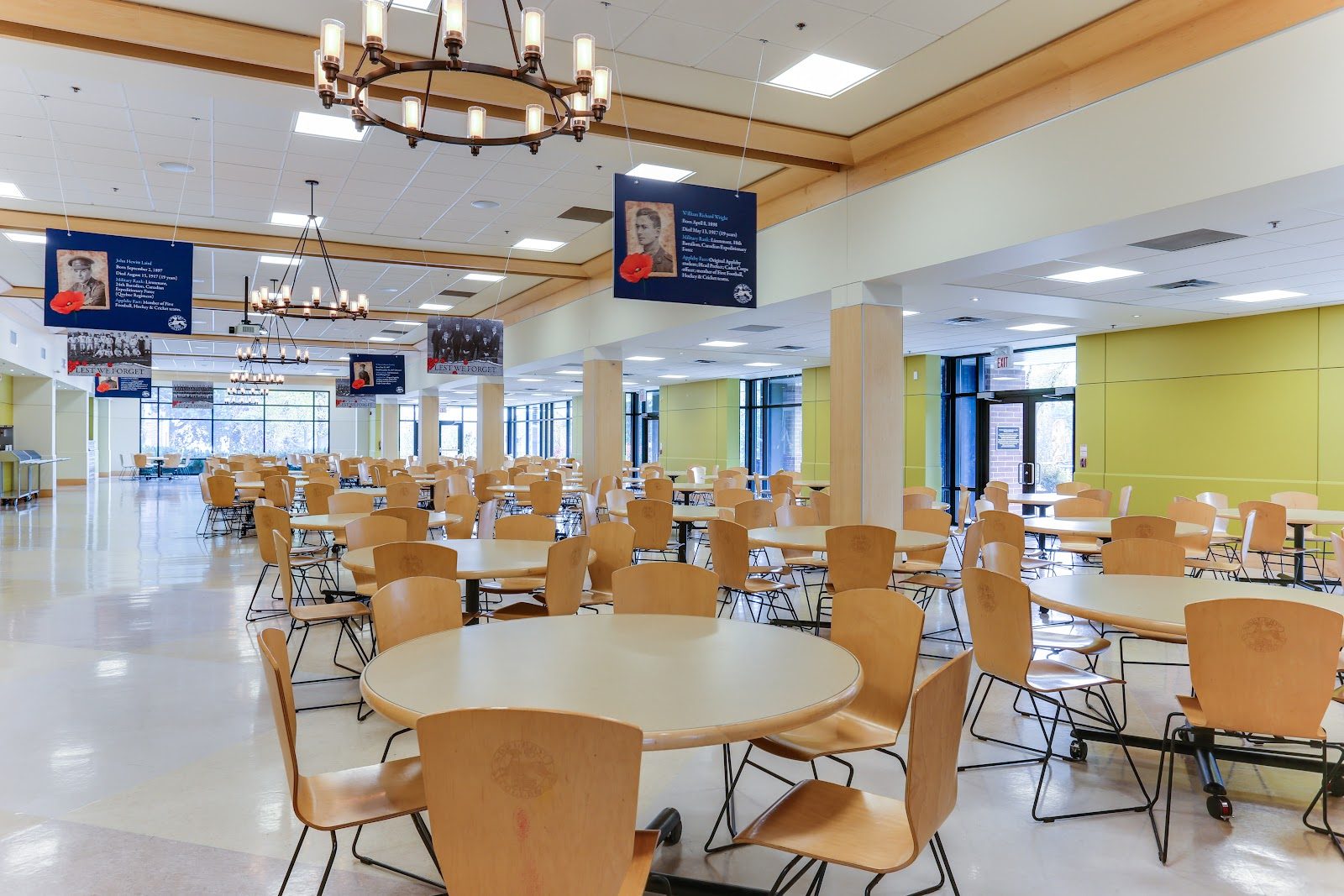
Appleby College
Oakville · Canada
A lakeside Oakville campus where every senior boards by tradition, and leadership training unfolds on a private island in Temagami.

Ridley College
St Catharines · Canada
St Catharines day-and-boarding school blending Ontario's OSSD with the full IB continuum

University of Toronto Schools
Toronto · Canada
Admission decided purely by competitive exam at Canada's only university-affiliated prep school, embedded in U of T's downtown Bloor Street campus since 1910.
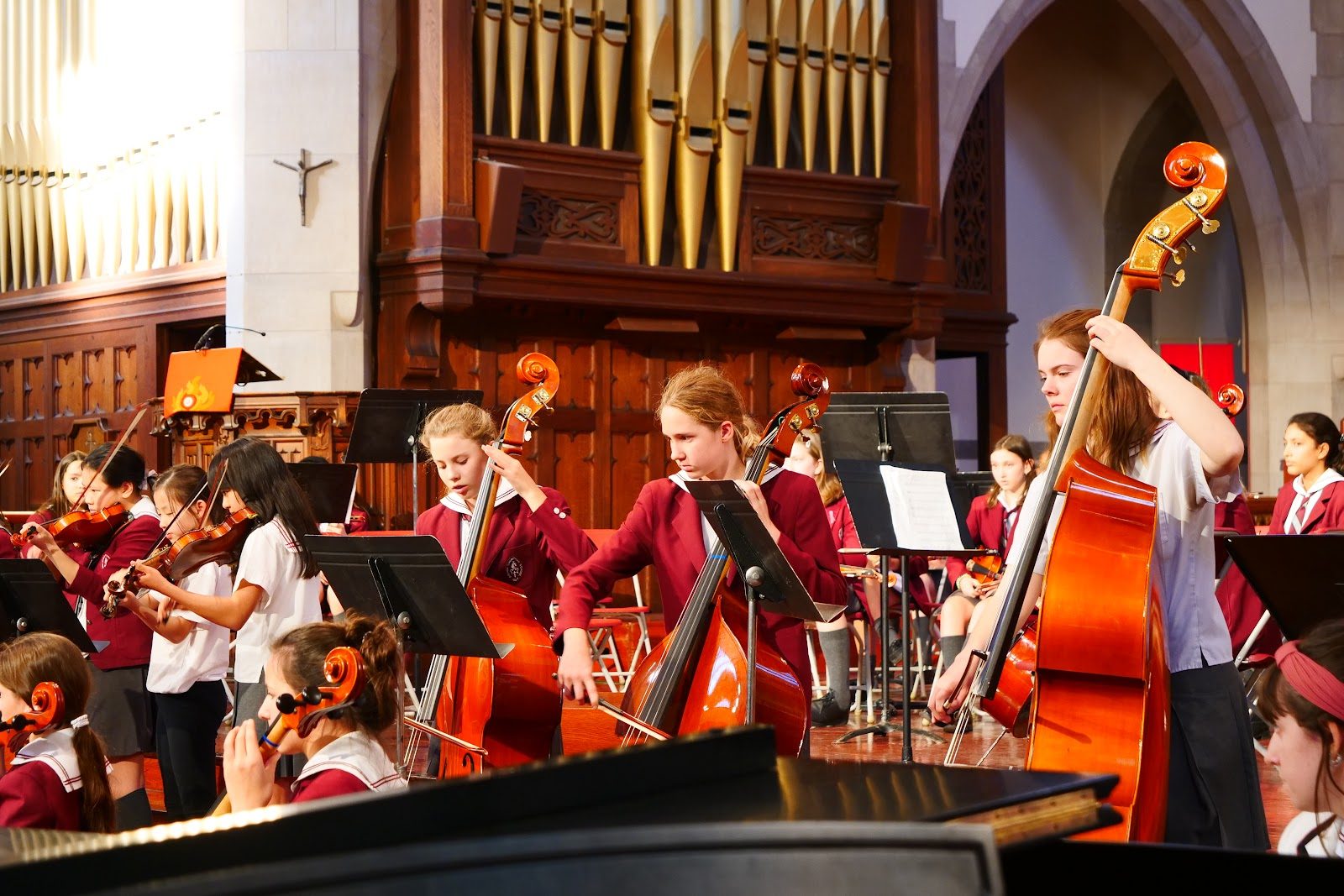
The Bishop Strachan School
Toronto · Canada
Founded in 1867 in Forest Hill, this Anglican school remains Canada's oldest continuously operating girls' day and boarding institution.
Same country and curriculum — closest matches within ±10 points either way