
Illinois
In Chicago's Gold Coast, the city's oldest independent day school still teaches Latin alongside its inquiry-driven modern curriculum.
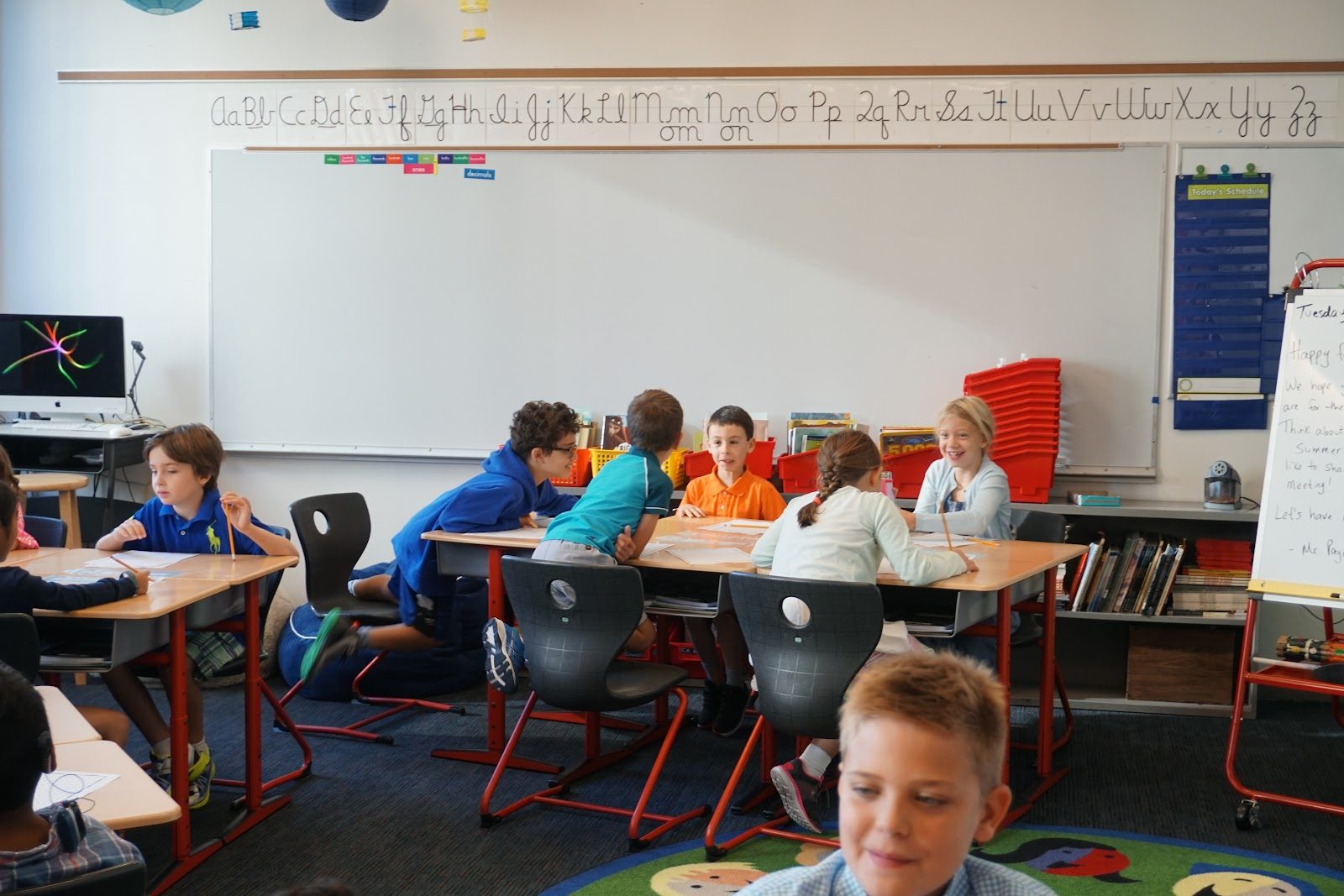
Photo © Brian Goldstein via Google Maps
Type
Day
Ages
3–18
Curriculum
American (US High School Diploma) · AP (Advanced Placement)
Ratio
8:1
The Verdict
Editor's commitment
Right for
Chicago families who want a 3–18, non-religious day school in the Gold Coast with US diploma, AP and Latin still on the timetable.
Wrong for
Families wanting boarding, a faith setting or an IB route; Latin is day-only, teaches in English, and runs the US diploma plus AP.
Watch out for
At an average $48,225 a year across JK–12, this 1888 school charges top-tier Chicago prices and publishes no aggregate AP results.
Ranking breakdown
Latin School of Chicago · #244 of 1591
Composite score 74.4. 8 weighted criteria.
By criterion
Academic Outcomes
Weight 20%
#260
of 1529 scored
University Placement
Weight 16%
#263
of 1529 scored
Prestige & Heritage
Weight 12%
#312
of 1571 scored
Alumni Network
Weight 12%
#230
of 1530 scored
Facilities
Weight 12%
#354
of 1533 scored
Transparency & Communications
Weight 8%
#354
of 1532 scored
Peer & Industry Review
Weight 10%
#393
of 1548 scored
Admissions Selectivity & Demand
Weight 8%
#247
of 1529 scored
Peer & Industry Review
How Latin School of Chicago is regarded in the sector
70
Respected · medium confidence
Latin School of Chicago is consistently ranked among Chicago's top private K-12 schools by Niche.com and local media (e.g., Chicago Magazine's private school features), and is regarded as a peer institution to other elite Chicago independent schools like Francis Parker and Chicago Latin's fellow ISACS members. Its alumni network includes notable figures covered in press (e.g., Chicago Tribune profiles), though it lacks the global brand recognition of boarding schools frequently cited in Tatler or Sunday Times international rankings.
Evidence sources
Editors' overview
In Chicago’s Gold Coast, Latin School of Chicago trades on something more durable than branding: age, location and a clear sense of academic identity. Founded in 1888, it is the city’s oldest independent day school and still keeps Latin in the frame while running a modern American programme through to the US High School Diploma, with AP in the upper school. That combination gives it a distinctive character. This is not a fashionable start-up selling “innovation”; it is an old-guard JK–12 school that has had time to refine what it does. The setting matters too. A non-religious, coeducational day school for ages 3–18 in one of Chicago’s most affluent neighbourhoods, Latin sits squarely in the city’s elite day-school market.
Parents should shortlist Latin if they want a school with academic seriousness, social cachet and a full through-school journey under one roof. The average annual day fee across the whole ladder is $48,225, which places it firmly in the expensive end of Chicago private education. NAIS accreditation gives it recognised independent-school standing, but the sharper signal is its alumni footprint: Wikidata alone records 46 notable alumni, including figures in politics, business, writing, film and sport. That does not prove present-day quality on its own, but it does show institutional reach and long-term cultural capital. Latin’s age range, from junior kindergarten to Grade 12, also appeals to families who want continuity rather than another admissions scramble at 11 or 14.
The pupil who thrives here will value intellectual structure, strong writing and discussion, and a school culture with high expectations rather than hand-holding. The AP option in a school with classical roots points to breadth with academic edge, not a progressive free-for-all. Children who want a loose, unpressured atmosphere or a visibly vocational track will find a better fit elsewhere. Latin suits families who want a serious urban independent school with pedigree, permanence and access to a powerful parent and alumni network. It is not for bargain hunters, and it is not built around pastoral theatrics. Its attraction is more exacting than that: tradition, rigour and social confidence in a single Chicago address.
Academic Performance
Latin does not publish the kind of hard outcome data that settles an academic-performance argument cleanly. We have not seen aggregate AP results, score distributions, mean scores, the share of pupils taking APs, or university matriculation tables broken down in a way that permits a rigorous comparison with Chicago’s strongest independent competitors. That is a real gap. In a market where selective schools trade on academic reputation, opaque outcomes reporting weakens the case. Parents who care about measurable sixth-form-style attainment in the upper school will want direct answers on AP participation, the proportion scoring 3 or above and, more usefully, the share hitting 4 and 5.
Even with that caveat, the school’s academic position is clear enough. This is not a light-touch college-prep operation; it sits in the serious end of the market, where expectations around writing, discussion and course load are high. Its long-established standing, selective intake and durable alumni reach point to a school that competes with the city’s top private day schools rather than its softer, less exacting peers. The question is not whether Latin is academically credible; it is how much proof in numbers it chooses to put into the public domain. At present, the public picture supports a judgement of strong academic reputation but not a fully evidenced verdict on exam performance relative to the very best AP schools.
Facilities
Latin’s facilities story is harder to verify than its reputation. The school’s public pages, at least in the extracts we have seen, do not lay out a campus inventory in the detail strong peer schools now treat as standard. There is no clear published account of specialist science provision, performing-arts spaces, sports infrastructure or design and technology facilities. That matters. In this fee bracket, parents should expect more than a generic claim to serve pupils from the early years through the end of school; they should expect a precise map of what children can actually use. On facilities disclosure, Latin is under-explained and less transparent than the best-run competitors.
That does not mean the physical offer is weak. A long-established urban day school in the Gold Coast will not compete with land-rich suburban campuses on acreage, extensive playing fields or a resort-style athletics complex. Families looking for that big-grounds model should shop elsewhere. Latin’s peer set is the compact, academically driven city school, where the real test is whether classrooms, labs, arts rooms and indoor sports spaces are well planned, heavily used and integrated into daily teaching. The school’s age range raises the stakes: provision has to work for very young children and older pupils without feeling compromised at either end. Until Latin publishes fuller detail, the facilities verdict stays credible but unproven rather than clearly best in class.
In Chicago’s Gold Coast, Latin School of Chicago trades on something more durable than branding: age, location and a clear sense of academic identity
Prestige
Latin carries real prestige in Chicago’s independent-school market because its status rests on durable social facts, not marketing gloss. It occupies an old-money, high-status niche: a long-established through-school in the Gold Coast, serving families who want academic credibility tied to the right address and the right circles. That prestige has a local cast more than a global one. This is not a transnational brand school whose name travels automatically across continents; its power sits in Chicago, in selective university pathways, and in access to a well-connected parent body. The notable-alumni base reinforces that standing. Wikidata alone records 46 alumni of public note, with strong representation across politics, finance, the arts and sport. That is a meaningful institutional signal. Schools do not build that kind of downstream footprint by accident.
The prestige rating stops short of the very top tier only because public academic proof is thinner than the school’s reputation. Latin plainly enjoys social authority and serious cachet, and parents in the city will read the name as shorthand for money, selectivity and expectation. But prestige at the highest level needs two pillars: social standing and transparent outcomes. Latin has the first in abundance; the second is less visible in the public domain. That leaves it as a formidable local name with strong inherited capital, rather than a school whose prestige rests on published results alone.
The prestige rating stops short of the very top tier only because public academic proof is thinner than the school’s reputation
Communications
Latin’s public-facing communication does the basics, but little more. The school identifies itself clearly as a coeducational day school for JK–12 and gives parents a straightforward route into the main sections of the site. That clarity matters. Busy families do not need gimmicks; they need structure, findable information and a sense that the school knows how to address adults as well as children. On that narrow test, Latin is competent and orderly. The problem is depth. Across several key areas, the published picture is thin where it should be precise. We have not seen the kind of detailed, parent-useful disclosure that strong independent schools now treat as routine: fuller breakdowns of provision, richer explanation of how school life works in practice, and harder evidence behind institutional claims. For a school charging an average of $48,225 a year, that shortfall matters.
That leaves the communications verdict mixed. The tone is controlled and serious, which fits the school better than promotional gush ever would. There is no obvious lapse into noisy branding. Yet restraint is not the same as transparency. Parents choosing a through-school are making a long commitment across 3–18, and that decision demands more than clean navigation and a polished front door. It demands candour, specificity and operational detail. Latin communicates with institutional confidence, but not with enough openness. Effective communication answers the next question before a parent has to ask it. Here, too many of those questions still need asking.
Uniqueness
Latin’s distinctiveness starts with a tension that few schools sustain well: it keeps a classical inheritance alive without turning the place into a museum piece. The very name signals that inheritance, and the continued place of Latin in the academic culture gives the school a clear intellectual signature in a market full of interchangeable college-prep language. That matters for students. It reinforces grammar, analytical discipline and precision in writing; it also tells children that older forms of knowledge still count. Coupled with a modern upper-school programme, that creates a tighter academic spine than schools that chase every new educational fashion. Students get continuity of standards rather than a sequence of reinventions.
Its other point of difference is social and geographic. This is a through-school in one of the city’s most status-conscious districts, and that brings a rare concentration of influence across the parent body and alumni network. Wikidata alone records 46 notable alumni, which gives some indication of institutional reach. For students, the gain is not only cachet. It is exposure to ambitious peers, confident expectations and an environment where academic performance, cultural literacy and self-possession carry weight from the earliest years onward. That package will suit children who enjoy structure and intellectual seriousness. It will not suit families looking for a softer, more casual school culture or a campus built around pastoral cosiness.
This is not a fashionable start-up selling “innovation”; it is an old-guard JK–12 school that has had time to refine what it does
Student Profile
Latin suits children who are comfortable in a school with high social confidence and a clear academic pecking order. This is a through-school with a long memory and an established parent body; pupils who flourish here tend to handle expectation early, speak up in class and cope with being surrounded by other capable, well-supported children. The right student is not only bright but composed: able to write clearly, discuss ideas without shrinking and accept correction without drama. There is room here for cultural breadth and strong extracurricular engagement, but the core fit is intellectual seriousness rather than performative quirk. Families seeking a soft-edges environment built around constant reassurance will find a better match elsewhere.
The social fit matters as much as the academic one. In a school with this level of status and fee point, children need a degree of ease with privilege, polish and ambitious peers. That does not require flashiness; it requires resilience, self-possession and the ability to navigate a community where confidence carries weight. The notable alumni count — 46 catalogued even on a conservative public record — reinforces the sense of an institution that rewards students who can convert opportunity into traction. The best fit is a pupil who wants a serious urban day-school life: articulate, organised, curious and ready for strong expectations without hand-holding. It is not for the easily overawed.
Parents should shortlist Latin if they want a school with academic seriousness, social cachet and a full through-school journey under one roof
Co-curricular strengths
Arts & sport, on a separate axis
Overall 9/10
Scored 0-10 from the school's own published evidence. This axis is editorial-only — it does not feed the main WTS ranking.
Sports
8.5/10
Drama
9/10
A notable alumni footprint including actors and 13 more notable drama alumni, which is explicit drama-specific evidence but without any description of school productions, facilities, or department.
Dance
9/10
Music
9/10
Musicians among the school's notable alumni and notes 3 more notable music alumni.
Visual Arts
9.5/10
The alumni footprint includes the arts and lists 2 more notable visual arts alumni, providing explicit but minimal dimension-specific evidence with no facilities or programme detail.
Editor first-pass · editor-reviewable · 8/2/2026
Notable alumni · Wikidata
46notable alumni
9 historic (born pre-1930) · 14 modern (born post-1970)wikidata:2026-08-02 How we source this
WTS 300 badge
Latin School of Chicago is one of the World's Top 300 Schools. Claim your listing to add it to your site →
Strengths
- +Founded in 1888, making it one of the oldest independent day schools in Chicago, with a long-established college-preparatory tradition.
- +Reports a 100% four-year college matriculation rate, with graduates gaining admission to institutions such as Harvard, Princeton, and the University of Chicago.
- +Maintains a low student-teacher ratio of roughly 9 to 1, with over 1,100 students across JK through grade 12.
- +Offers substantial need-based financial aid, with a need-sensitive policy under which all admitted students who demonstrate need are funded.
- +A large majority of faculty hold advanced degrees, supporting a academically credentialed teaching staff.
Considerations
- −Tuition is high, listed at roughly $46,395 for upper grades, placing it among the pricier Chicago day school options.
- −Entry outside the natural intake points of JK, fifth grade, and ninth grade is limited to a small number of spots, and mid-year transfers are not accepted.
- −The school has faced sustained, well-documented public scrutiny in 2024-2026 over antisemitism allegations and a wrongful-death lawsuit tied to a 2022 student suicide, with some claims still contested in court.
- −Single urban campus in the Gold Coast neighborhood with no boarding option, so families outside the city or near suburbs face a daily commute.
Availability
Primary entry gate & tests
ISEE/SSAT + Interview
Gallery
Photo © Brian Goldstein via Google Maps
Photo © Mark Loftin via Google Maps
Photo © Ihor Hulovatyy via Google Maps
Photo © Jeremy Teamer via Google Maps
Photo © Giang Nguyen via Google Maps
Parent reviews
Have you sent your child here?
Voice reviews carry the strongest trust badge — we transcribe them for you to tidy up before they go live. Prefer to type? A written review is fine too.
Add your voice
In 60 seconds, tell other parents: what's the best thing about Latin School of Chicago, and what surprised you when your child joined?
We ask for a Google sign-in so every review has a real face behind it — no anonymous drive-by attacks on schools, and no faked positive reviews. Your email is never shown publicly.
Send this profile to a friend
International parents rely on word-of-mouth. Share this review with someone weighing the same decision.
Schools with places
Similar schools to Latin School of Chicago with places available now.
Availability first, then country, area, curriculum, price, co-curricular
Consider also
Also worth looking at alongside Latin School of Chicago.

San Francisco University High School
San Francisco · United States
Inside a 1917 Julia Morgan building in Pacific Heights, a signature Civilization seminar drives independent-study scholarship.
Lick-Wilmerding High School
San Francisco · United States
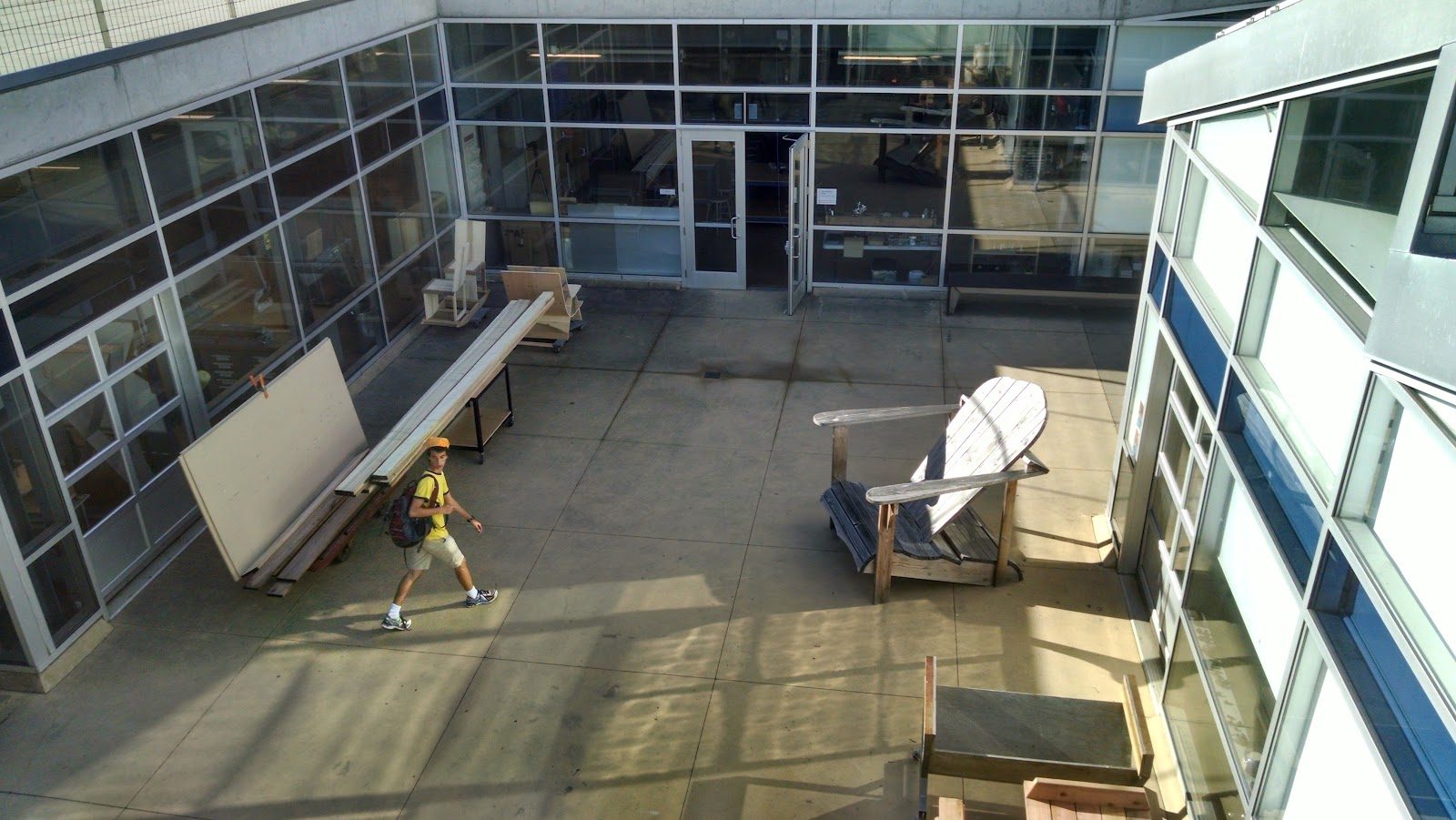
Founded as an 1895 mechanical-arts school, it still requires wood, metal, jewelry, or electronics credits alongside AP coursework.
Rye Country Day School
Rye · United States
Founded in 1869 as a girls' seminary in Westchester, this campus still measures success by its motto: not for self, but for service.
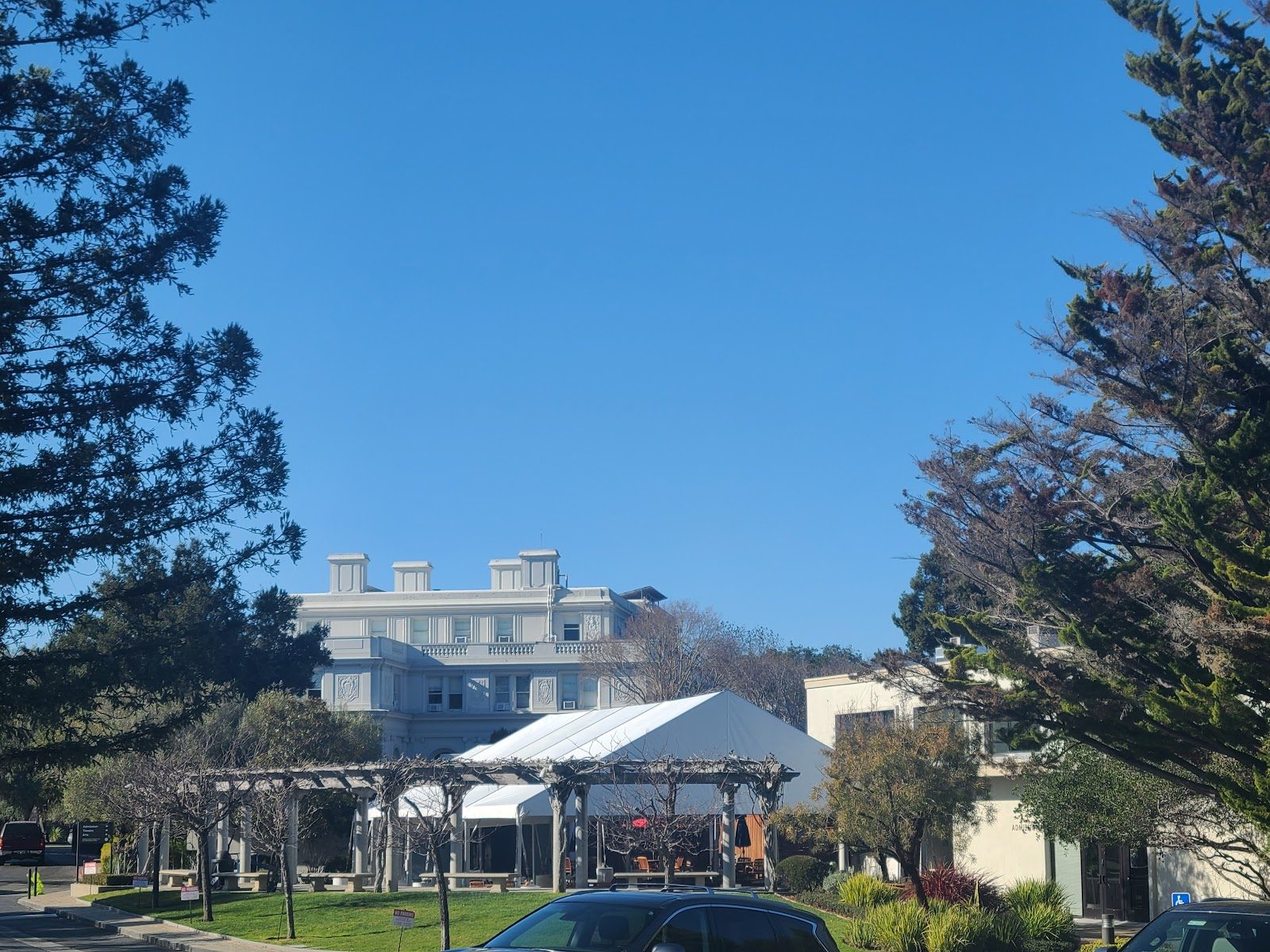
Crystal Springs Uplands School
Hillsborough · United States
On a Peninsula estate once built by railroad money, this day school ditched AP courses for honors-level, student-driven research.
Same country and curriculum — closest matches within ±10 points either way