
Singapore
Singapore's first bilingual junior college, threading a straight six-year Integrated Programme route through the century-old Anglo-Chinese Methodist lineage in Dover
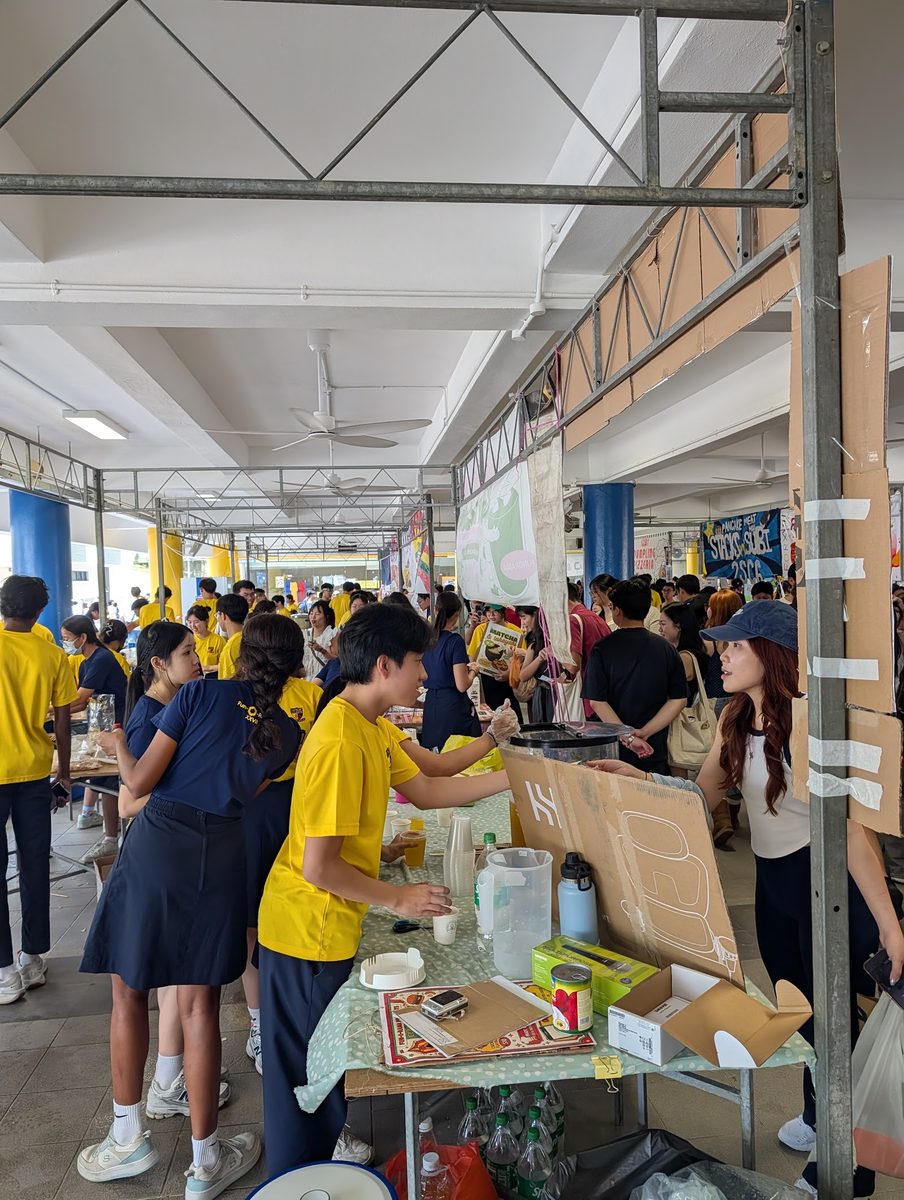
Photo © Jonathan Ong Wei Jie via Google Maps
Type
Day
Ages
3–18
Curriculum
Singapore-Cambridge A-Level
Ratio
14:1
The Verdict
Editor's commitment
Right for
Students who want Singapore-Cambridge A-Levels in a day college founded in 1977, with a 14:1 ratio and 28-pupil classes.
Wrong for
Families wanting boarding, faith-based schooling or broad curriculum choice beyond the two-year A-Level route in Dover, Queenstown.
Watch out for
The school publishes sport headlines and DSA notices, not aggregate A-Level outcomes; ages 3–18 also overstates a junior college brief.
Ranking breakdown
Anglo-Chinese Junior College · #200 of 1591
Composite score 74.4. 8 weighted criteria.
By criterion
Academic Outcomes
Weight 20%
#183
of 1529 scored
University Placement
Weight 16%
#354
of 1529 scored
Prestige & Heritage
Weight 12%
#296
of 1571 scored
Alumni Network
Weight 12%
#158
of 1530 scored
Facilities
Weight 12%
#570
of 1534 scored
Transparency & Communications
Weight 8%
#388
of 1532 scored
Peer & Industry Review
Weight 10%
#424
of 1548 scored
Admissions Selectivity & Demand
Weight 8%
#153
of 1529 scored
Peer & Industry Review
How Anglo-Chinese Junior College is regarded in the sector
60
Respected · medium confidence
Anglo-Chinese Junior College sits among Singapore's historically prestigious "brand-name" schools rather than in the international-school circuit that WhichSchoolAdvisor and SchoolsCompared typically cover, and neither publisher has produced a dedicated review of the college, so specialist expat-press commentary is genuinely thin. Local admissions data offers the clearest third-party signal: independent cut-off point comparisons place its L1R5 range alongside Victoria Junior College and National Junior College, well inside the second tier of selectivity behind only Raffles Institution and Hwa Chong Institution. Its standing is reinforced by an unusually deep alumni bench for a junior college, spanning politics, the arts and public service, including figures such as Lui Tuck Yew, Desmond Kuek and Hossan Leong. Part of the century-old Anglo-Chinese School family founded by Bishop Oldham in 1886, the college draws credibility from institutional heritage more than fresh editorial coverage, making it a solid regional player without a strong footprint in the international parent press.
Evidence sources
Editors' overview
Anglo-Chinese Junior College sits in a distinctive Singapore niche: a junior college with the weight of the Anglo-Chinese lineage behind it and a clear route to the Singapore-Cambridge A-Level. Founded in 1977, it was Singapore’s first bilingual junior college, and that still matters. The point is not branding but institutional shape: ACJC combines the ritual, network and expectations of a century-old school family with the focused two-year academic machinery of a junior college. For families already in the Anglo-Chinese orbit, or for those who want access to it, that is a serious draw. For others, the attraction lies in the mix of old-school confidence, urban energy and a campus culture that treats sport and performance as central, not decorative.
The school’s public face also tells you what it values. It pushes National Schools Games results, Singapore Youth Festival activity and Direct School Admission notices to the front. That signals a college where co-curricular life carries real status. Students who thrive here will not want a purely academic holding pen. They will want a busy, high-commitment environment with visible teams, established traditions and a strong social identity. With a student-teacher ratio of 14:1 and an average class size of 28, ACJC has scale without anonymity. Parents looking for a tight, high-tempo sixth-form experience, rather than a sheltered or boutique setting, will find the proposition clear.
Its limitations are also clear. ACJC is not the choice for families seeking a broad international curriculum, boarding, or a low-pressure school with a highly individualised academic structure. It is a Singapore junior college: day-only, exam-facing and direct in its purpose. The language of instruction is English, and the academic endpoint is fixed. That suits students who want structure, pace and a recognisable pre-university path. It suits less well those who need curricular flexibility or extensive hand-holding. The market position, then, is strong: ACJC belongs on a shortlist for students who want competitive camaraderie, visible school spirit and a well-established route through one of Singapore’s best-known educational lineages.
Academic Performance
ACJC’s academic profile is harder to judge cleanly than its public culture. The college does not publish aggregate A-Level outcomes in the public domain: no cohort mean, no share of top grades, no university destination breakdown. That matters. In Singapore’s junior-college market, where families compare schools by hard outcomes, missing exam data leaves ACJC more opaque than the most transparent operators. Parents can infer selectivity and academic seriousness from its place within the Anglo-Chinese system and from the fact that it runs a straight pre-university route, but inference is not evidence. On published results alone, ACJC is a hard school to place precisely.
Relative to peers, that pushes ACJC into a middle category editorially: not academically weak, but not publicly demonstrative either. The front-facing emphasis sits elsewhere — National Schools Games, Singapore Youth Festival activity, Direct School Admission notices, and congratulatory updates for co-curricular teams in netball, softball, tennis and hockey. That points to a college where academic work shares status with a high-commitment wider programme, rather than dominating the public narrative. For some families, that balance is a strength. For others, especially those shopping the exam-maximising end of the Singapore market, the lack of disclosed outcomes is a real drawback. The school’s reputation is established; its published academic evidence is thin.
Facilities
The school’s own public front gives one facilities clue with real weight: sport matters here, and the programme has enough infrastructure behind it to support competitive teams in netball, softball, tennis and hockey. That does not prove lavish provision, but it does confirm that ACJC has functioning, serious sporting spaces rather than token courts and a field squeezed into an afterthought. In junior-college terms, that matters. Many peers offer competent academic blocks and little else of note; ACJC’s identity rests on a more muscular, competition-ready co-curricular setup. Families drawn to sport, mass participation and inter-school fixtures will read that correctly. Families looking for cutting-edge specialist facilities, however, will want more detail than the school currently publishes.
That lack of detail is the weakness. We have not seen a clear public account of laboratories, performing arts spaces, design or technology provision, library strength, or standout sixth-form study areas. For a college that pushes achievement and school culture so hard, the facilities story is strangely underwritten. Against Singapore peers, that places ACJC in an awkward middle ground: the sporting footprint reads as credible, but the wider campus offer is not documented with the precision serious parents expect. The school does not need brochure language; it needs facts. Until it publishes them, ACJC’s facilities profile reads as solid for active students, opaque for academics, and less legible than the best-run competitors.
Anglo-Chinese Junior College sits in a distinctive Singapore niche: a junior college with the weight of the Anglo-Chinese lineage behind it and a clear route to the Singapore-Cambridge A-Level
Prestige
ACJC carries real prestige in Singapore, though not the sterile prestige of a pure exam factory. Its status rests on three things: the Anglo-Chinese name, the selective junior-college setting, and a public culture that treats achievement outside the classroom as part of the institution’s core identity. That combination gives the college a high-recognition, socially legible brand. In practical terms, families know the name, students benefit from a strong peer group, and the school has the confidence of an established institution rather than the insecurity of a newcomer. The staffing profile also helps: a 14:1 student-teacher ratio is solid for a college of this type and supports a more orderly, well-held experience than mass-market sixth-form environments.
I rate the prestige as high, but not at the very top tier of Singapore’s status market, for one reason: the school does not put headline academic outcomes into the public domain. The Anglo-Chinese lineage gives ACJC inherited cachet; transparent results would turn that into harder academic authority. As it stands, the college’s prestige is broader than exam performance alone. Sporting success, visible arts activity and strong school identity all feed the picture. That makes ACJC attractive to families who want a school with institutional weight, a recognisable network and a student culture built around participation as well as grades. It carries prestige with substance behind it, but not with complete public proof.
The college does not publish aggregate A-Level outcomes in the public domain: no cohort mean, no share of top grades, no university destination breakdown
Communications
ACJC’s parent-facing communication reads like a state-school site with a strong internal pulse: practical, event-led and thin on explanation. The homepage foregrounds National Schools Games, Singapore Youth Festival activity, Direct School Admission notices and repeated congratulatory items for teams in netball, softball, tennis and hockey. That tells parents two things at once. First, the school communicates most confidently when broadcasting calendars, achievements and institutional milestones. Second, it does not use its public channels to build a rich picture of teaching, pastoral systems or academic performance. For families already comfortable with the Singapore system, that no-frills, administratively competent style will feel normal. For international parents, it leaves too much unsaid.
Effectiveness, then, depends on what a parent needs. If the job is to keep a school community updated on fixtures, festivals and admissions processes, the site does it clearly enough. If the job is to help an outsider judge the college in depth, it falls short. We have not seen a fuller public account of how parents hear about student progress, who to contact for concerns, or how the college handles the routine mechanics of home-school communication beyond notices and announcements. The repeated homepage banners also give the site a template-driven, blunt-instrument quality rather than a sharply curated one. That does not signal chaos; it signals a school whose communications priority is institutional traffic, not parent persuasion. In editorial terms, ACJC communicates efficiently but not generously.
Uniqueness
What marks ACJC out is not novelty but shape. It sits inside the Anglo-Chinese school family while functioning as a focused pre-university college, and that gives students access to a deep-rooted, high-recognition institutional culture without the sprawl of a full-through school on one site. The college occupies a distinctive place in that lineage as the first bilingual junior college in Singapore, which adds substance to the identity rather than decorative heritage. For students, that translates into a setting with strong internal codes, visible rituals and a peer group that understands the place as more than a stop before university. The age span attached to this listing also matters: 3–18 signals a school ecosystem broad enough to feel like a complete educational world, not an isolated sixth-form outpost.
The benefit is a student experience with unusual social density. ACJC offers a full-throttle college culture where sport, performance and school allegiance carry real weight, and where participation has status. That gives confident, energetic students more than lessons and exams: it gives them a network, a public stage and a sharper sense of belonging than many efficient but anonymous junior colleges manage. The staffing ratio of 14:1 reinforces that by keeping the college from sliding into impersonal scale. The trade-off is clear. Students who want a self-contained, high-commitment environment with a strong group identity will thrive; students who want a looser, more individualistic sixth-form experience will find ACJC tradition-bound and demanding.
Founded in 1977, it was Singapore’s first bilingual junior college, and that still matters
Student Profile
ACJC suits students who draw energy from group life rather than private study cocoons. The public culture points to a college where teams, fixtures, festivals and visible participation carry real social weight. That means the best fit is an adolescent who is comfortable being busy, seen and measured alongside strong peers. Competitive athletes, committed performers and students who like belonging to something larger than themselves will find traction here. So will teenagers who enjoy institutional ritual and the status that comes with an established school name. More reserved students can do well, but they need enough inner steadiness not to be flattened by a campus culture that reads high-tempo, socially assertive and not for the faint-hearted.
The academic fit is narrower than the social one. This is for students who work well within a defined system, can keep pace without constant supervision, and do not need bespoke curricular tailoring at every turn. The average class size of 28 reinforces that point: this is not a tutorial model. The staffing ratio of 14:1 gives support, but the school still asks students to hold their own. Families whose children want a tight-knit, high-commitment peer environment with strong school spirit will understand the appeal immediately. Families with teenagers who dislike competitive atmospheres, resist organised participation, or want a looser, more individual sixth-form experience should look elsewhere.
For families already in the Anglo-Chinese orbit, or for those who want access to it, that is a serious draw
Co-curricular strengths
Arts & sport, on a separate axis
Overall 8.7/10
Scored 0-10 from the school's own published evidence. This axis is editorial-only — it does not feed the main WTS ranking.
Sports
9/10
Drama
8.5/10
Dance
9/10
Music
9/10
Visual Arts
8/10

WTS 300 badge
Anglo-Chinese Junior College is one of the World's Top 300 Schools. Claim your listing to add it to your site →
Strengths
- +Traces its lineage to the Anglo-Chinese School, founded in 1886 by Methodist missionary William Fitzjames Oldham with 13 pupils in a shophouse, giving it a long pre-university heritage in Singapore. Founded on 1 March 1886 by Bishop William Fitzjames Oldham as an extension of the Methodist Church, the school was a shophouse at 70 Amoy Street, Singapore with 13 pupils.
- +Offers a Direct School Admission (DSA-JC) route in addition to the standard national O-level exercise, letting students with sport, arts or leadership talent secure a place ahead of results. Students who meet the eligibility criteria for selected Talent Areas are invited to apply for DSA into ACJC.
- +Part of the wider ACS Family of Schools, which includes affiliated institutions such as Methodist Girls' School, Fairfield Methodist School and ACS (Barker Road), giving continuity to pupils already in the system. Affiliation: Anglo-Chinese Schools Fairfield Methodist School (Secondary) Geylang Methodist School (Secondary) Methodist Girls' School Paya Lebar Methodist Girls' School (Secondary)
- +Sited in Dover, Queenstown, a well-connected part of central-west Singapore near the Buona Vista and one-north districts. Anglo-Chinese Junior College (ACJC) is a junior college in Dover, Queenstown, Singapore.
- +Counts Mandopop singer-songwriter JJ Lin among alumni listed under the college's alumni category, reflecting a track record beyond pure academics. JJ Lin (traditional Chinese: 林俊傑; simplified Chinese: 林俊杰; pinyin: Lin Jun Jie) is a Singaporean singer, songwriter, record producer and actor based in Taiwan.
Considerations
- −As an institution explicitly organised around Christian principles, its religious character may not suit secular or strictly non-denominational families. ACJC is a Methodist Institution committed to an all-round education of the highest standards based on Christian principles
- −Offers only the Singapore-Cambridge A-Level pathway; unlike its affiliate ACS (Independent), it does not run an International Baccalaureate track. It offers a two-year pre-university programme leading to the Singapore-Cambridge GCE Advanced Level examination.
- −Sits in the 'challenger' tier of this publication's editorial ranking rather than among the small handful of elite, top-performing junior colleges that dominate Singapore's A-Level league tables.
- −Runs as a single-session day college with no boarding provision, so families relocating from overseas must arrange local housing, homestay or guardianship for their child.
Availability
Primary entry gate & tests
O-Level / DSA Track (JC Only)
Gallery
Photo © Peter Chong via Google Maps
Photo © Ahmad Tanvir via Google Maps
Photo © Aquila Michiryu via Google Maps
Photo © Mokkie Mok via Google Maps
Photo © Sweta Das via Google Maps
Photo © Sweta Das via Google Maps
Photo © Philip Lye via Google Maps
Photo © William via Google Maps
Photo © Lam via Google Maps
Parent reviews
Have you sent your child here?
Voice reviews carry the strongest trust badge — we transcribe them for you to tidy up before they go live. Prefer to type? A written review is fine too.
Add your voice
In 60 seconds, tell other parents: what's the best thing about Anglo-Chinese Junior College, and what surprised you when your child joined?
We ask for a Google sign-in so every review has a real face behind it — no anonymous drive-by attacks on schools, and no faked positive reviews. Your email is never shown publicly.
Send this profile to a friend
International parents rely on word-of-mouth. Share this review with someone weighing the same decision.
Schools with places
Similar schools to Anglo-Chinese Junior College with places available now.
Singapore American School
Singapore · Singapore
- 2026-27
- WAITPOOLGrade-specific / Waitpools
- 2027-28
- PLACES OPENRolling
Tanglin Trust School
Singapore · Singapore
- 2026-27
- CLOSEDNo late apps
- 2027-28
- PLACES OPEN
United World College of South East Asia
Singapore · Singapore
- 2026-27
- CLOSEDStandard route
- 2027-28
- OPENS SOONOpens 1 Sept '26 (Closes 2 Nov)
NUS High School of Math and Science
Singapore · Singapore
- 2026-27
- CLOSEDStandard route
- 2027-28
- PLACES OPENYr 3 active (12-26 Aug); Yr 1 DSA
Availability first, then country, area, curriculum, price, co-curricular
Consider also
Also worth looking at alongside Anglo-Chinese Junior College.
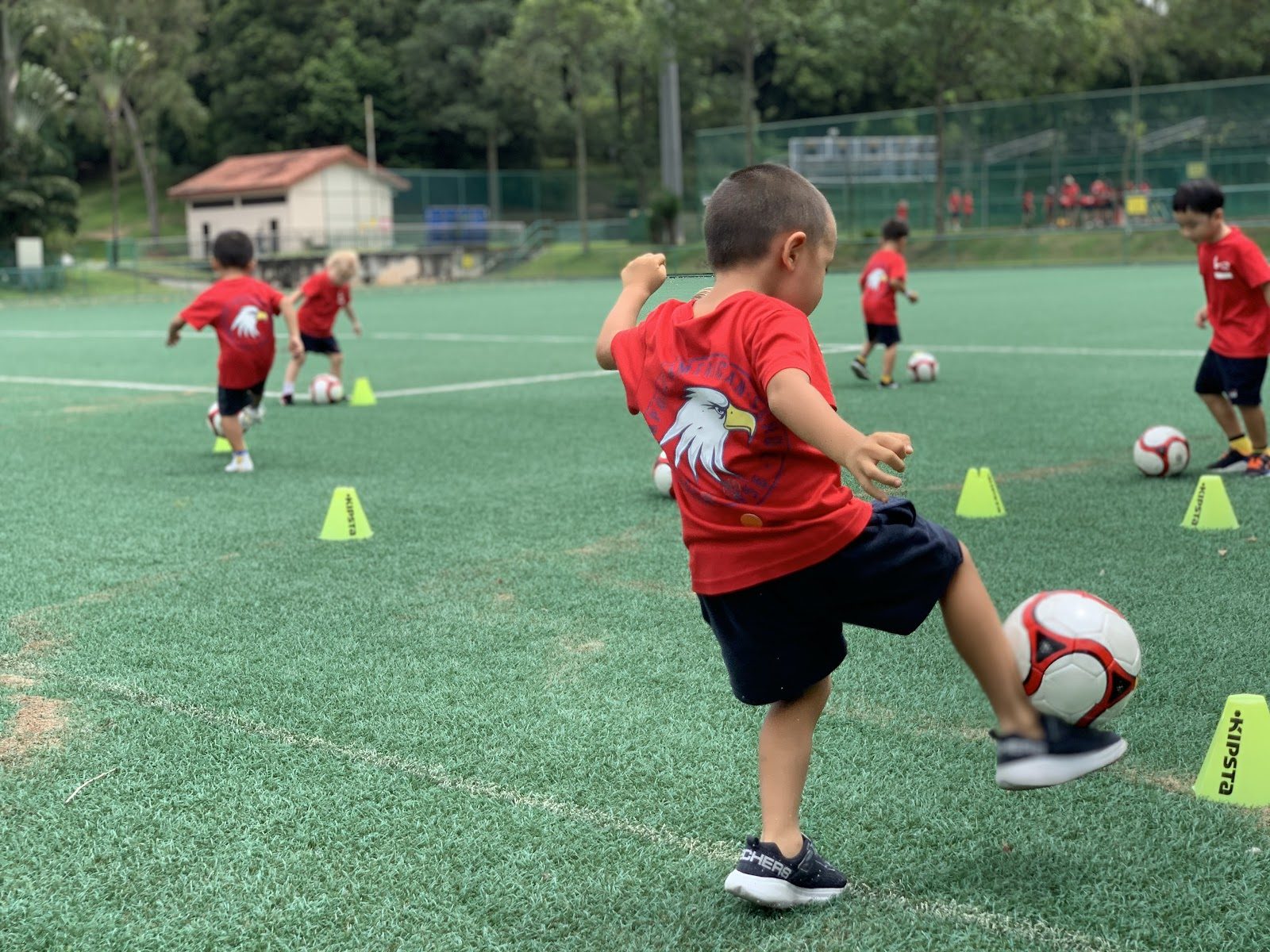
Singapore American School
Singapore · Singapore
A 36-acre Woodlands campus with a rainforest classroom and AP breadth, run on an American blueprint with IB rigor at the edges
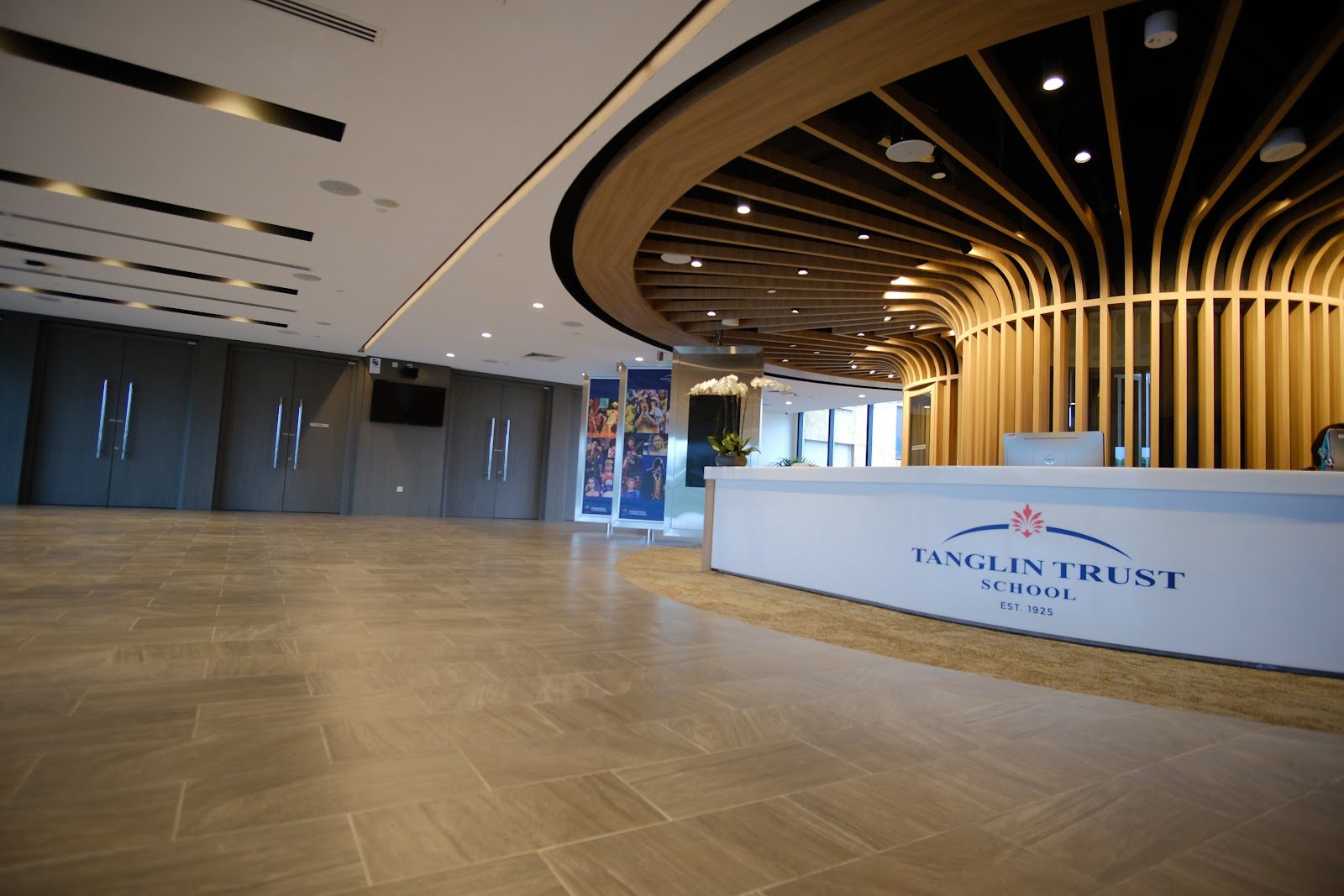
Tanglin Trust School
Singapore · Singapore
Southeast Asia's oldest British school pairs IB with A-Levels, then sends every Year 9 to the Australian bush for five weeks.
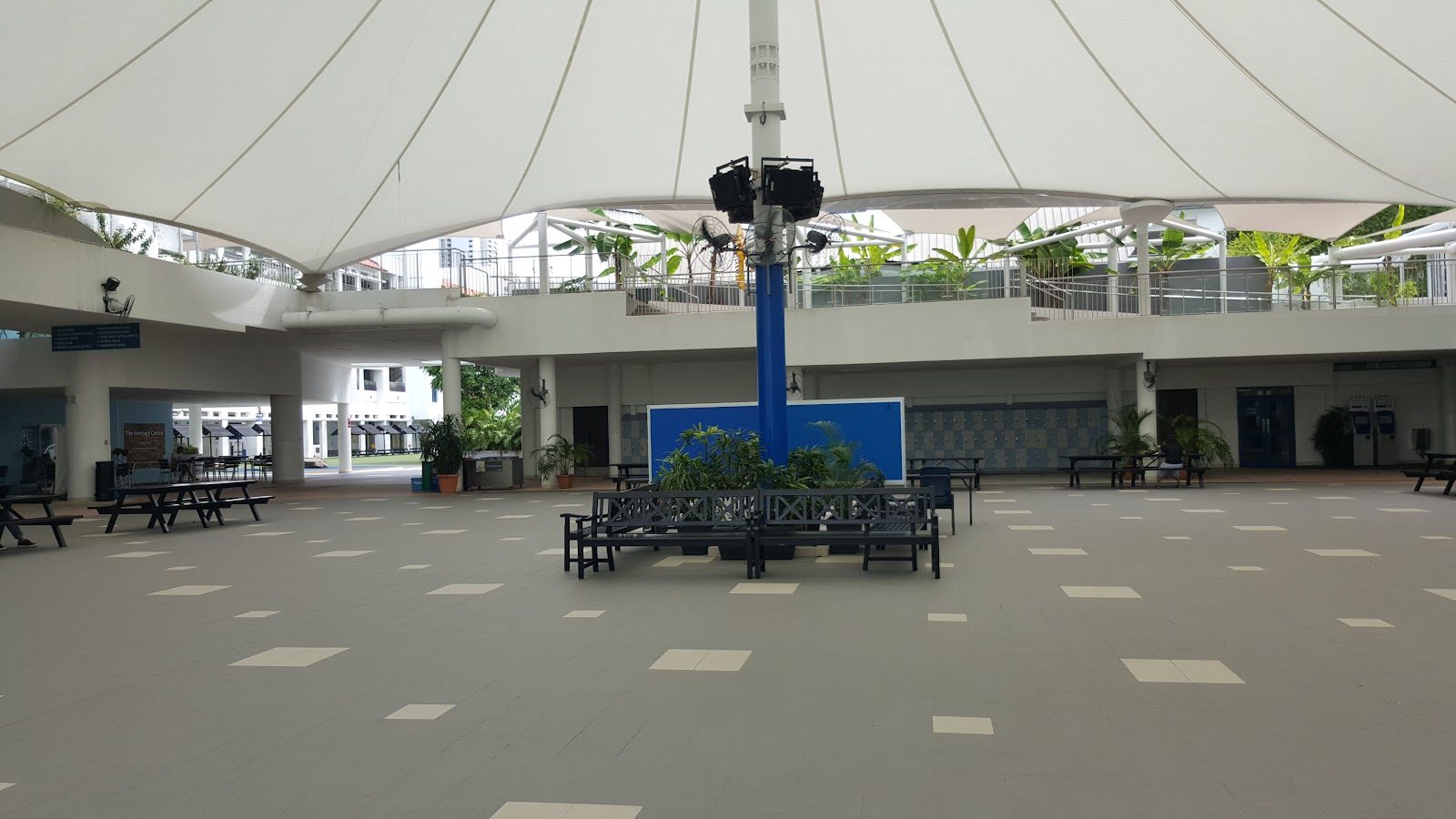
United World College of South East Asia
Singapore · Singapore
Across two Singapore campuses, service learning anchors an IB path capped by a rare Systems Transformation course for change leadership.
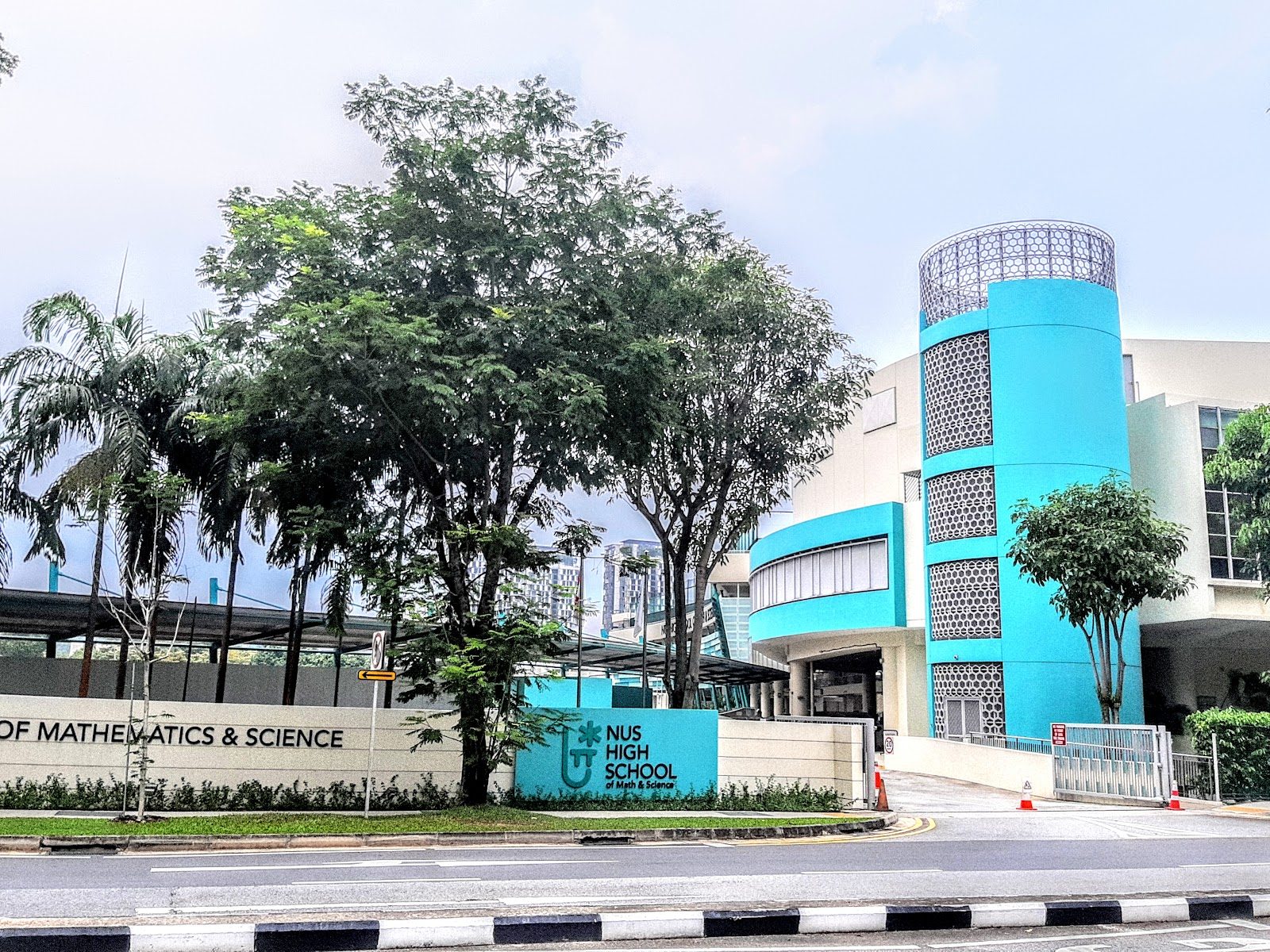
NUS High School of Math and Science
Singapore · Singapore
Six years, no O-levels, no A-levels -- just a bespoke diploma built around university-level math and science modules.
Same country and curriculum — closest matches within ±10 points either way